
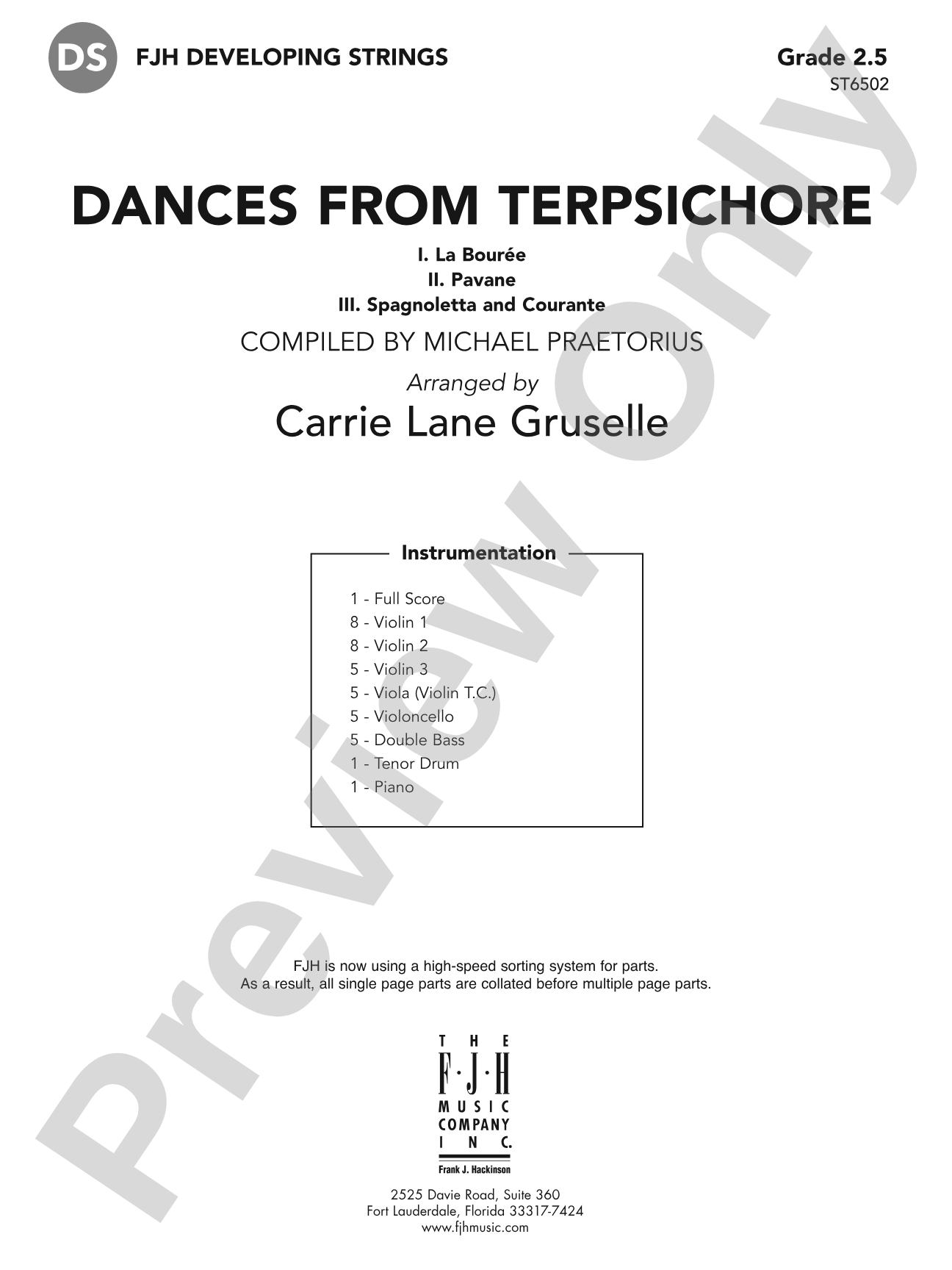
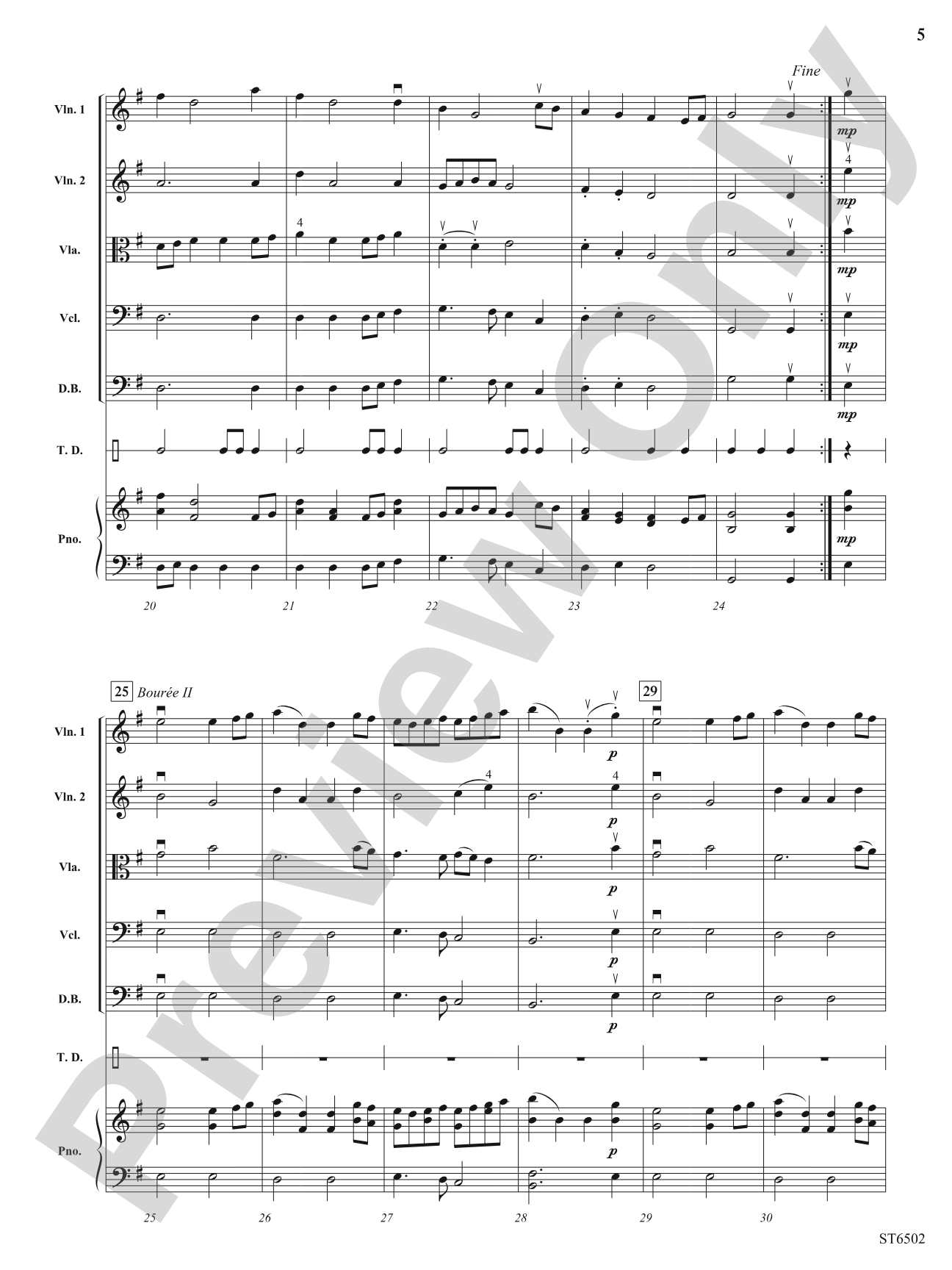
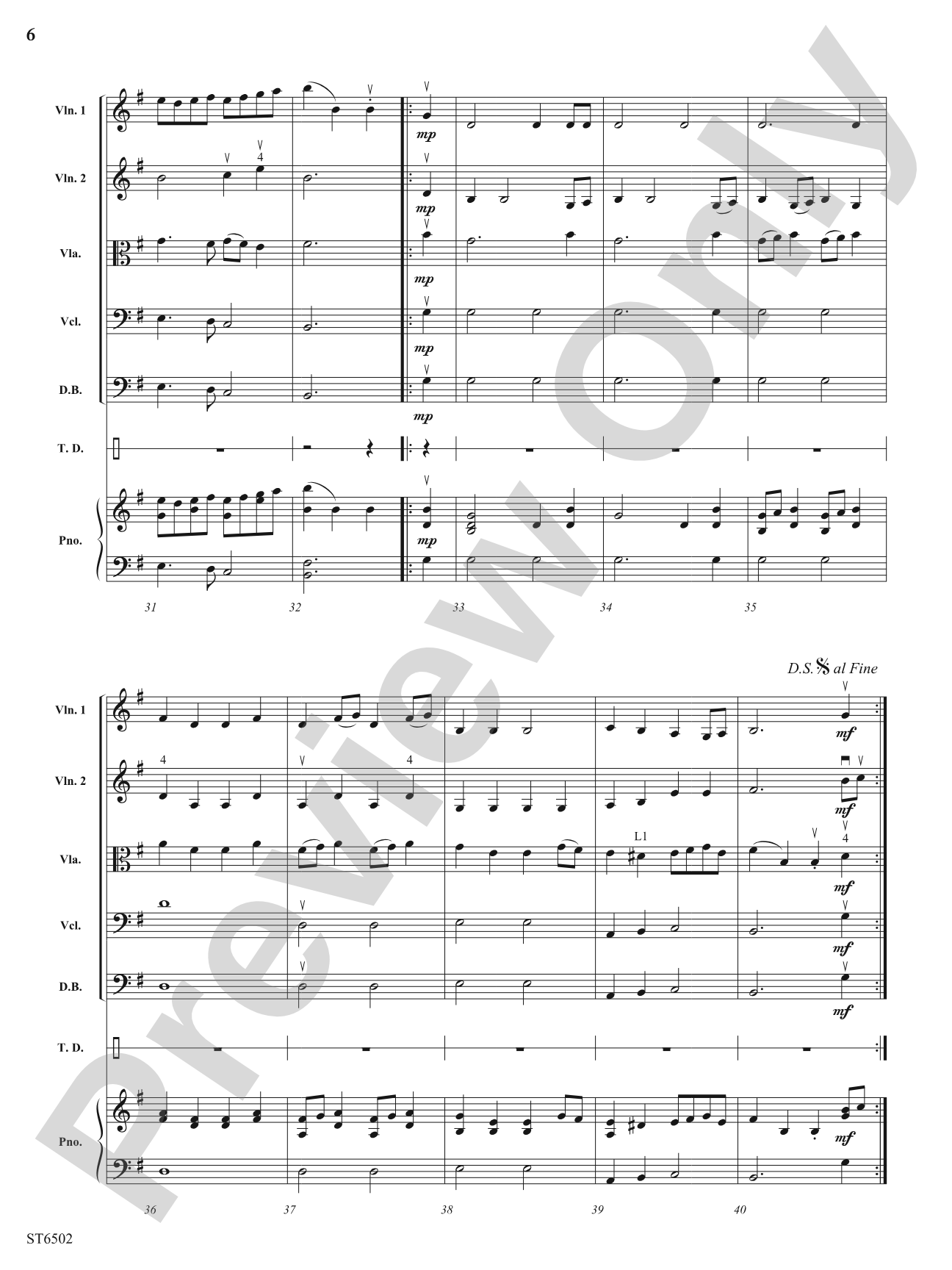
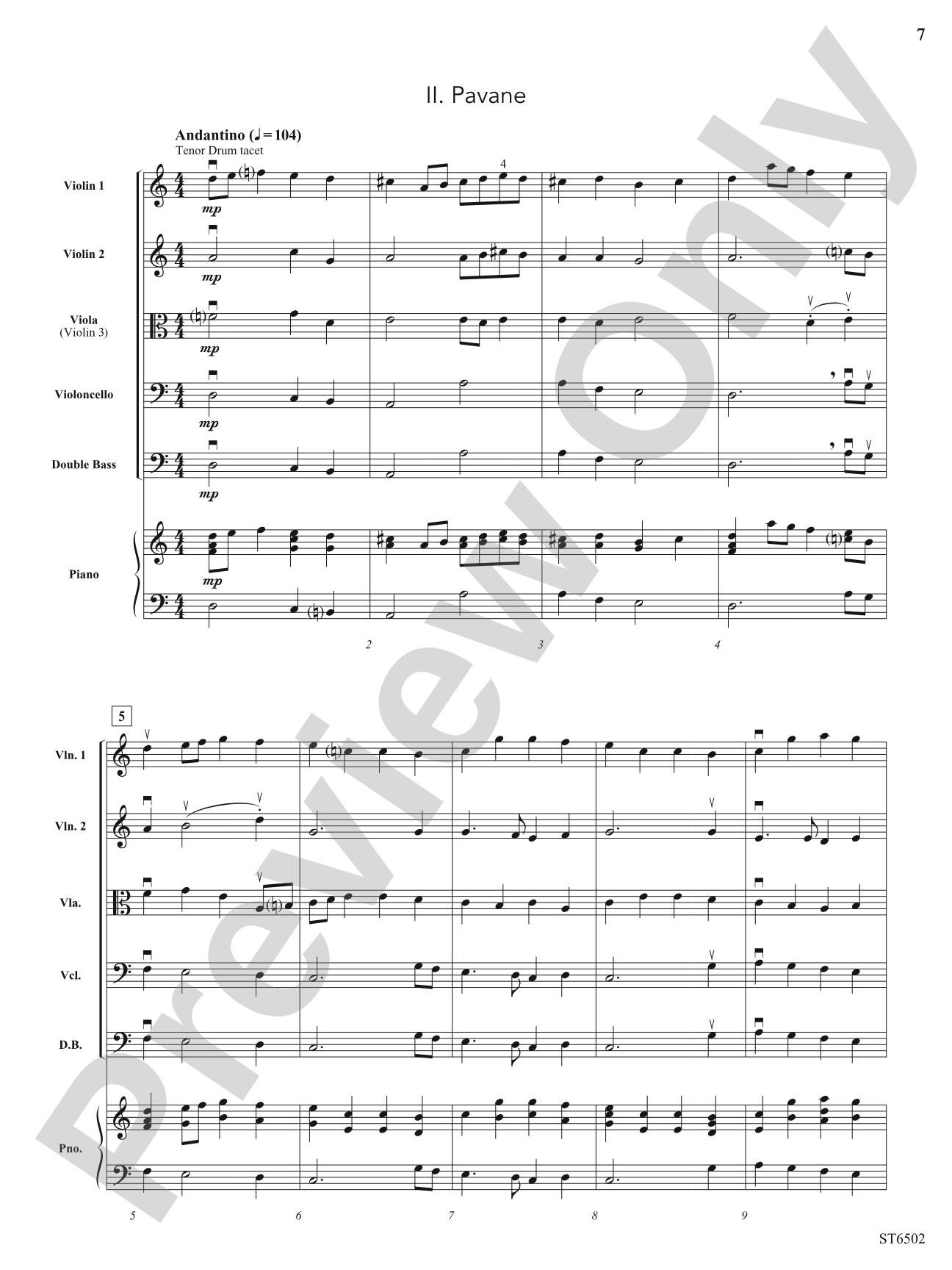
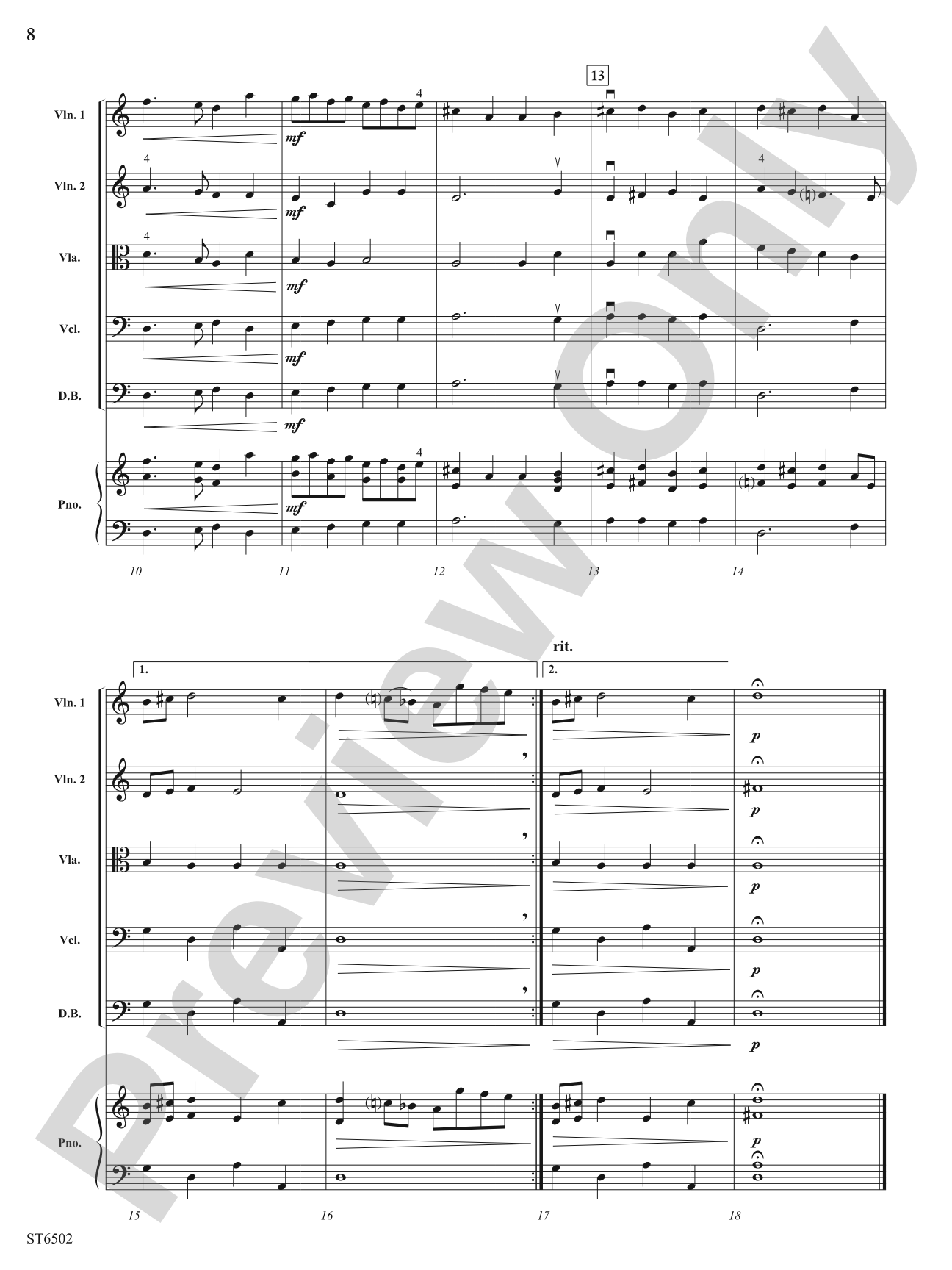

Dances from Terpsichore: String Orchestra Conductor Score & Parts
By Michael Praetorius / arr. Carrie Lane Gruselle
Grade: 2.5
Item: 98-DST6502
$55.00
Pickup currently not available
Buy Extra Parts (Digital PDF Download)
| Product | Price | Quantity |
|---|---|---|
| Dances from Terpsichore: Score | $6.00 | |
| Dances from Terpsichore: Violin 1 | $7.00 | |
| Dances from Terpsichore: Violin 2 | $7.00 | |
| Dances from Terpsichore: Violin 3 | $7.00 | |
| Dances from Terpsichore: Viola (Violin T.C.) | $7.00 | |
| Dances from Terpsichore: Violoncello | $7.00 | |
| Dances from Terpsichore: Double Bass | $7.00 | |
| Dances from Terpsichore: Tenor Drum | $7.00 | |
| Dances from Terpsichore: Piano | $7.00 |
Parts Added to Cart!
Description
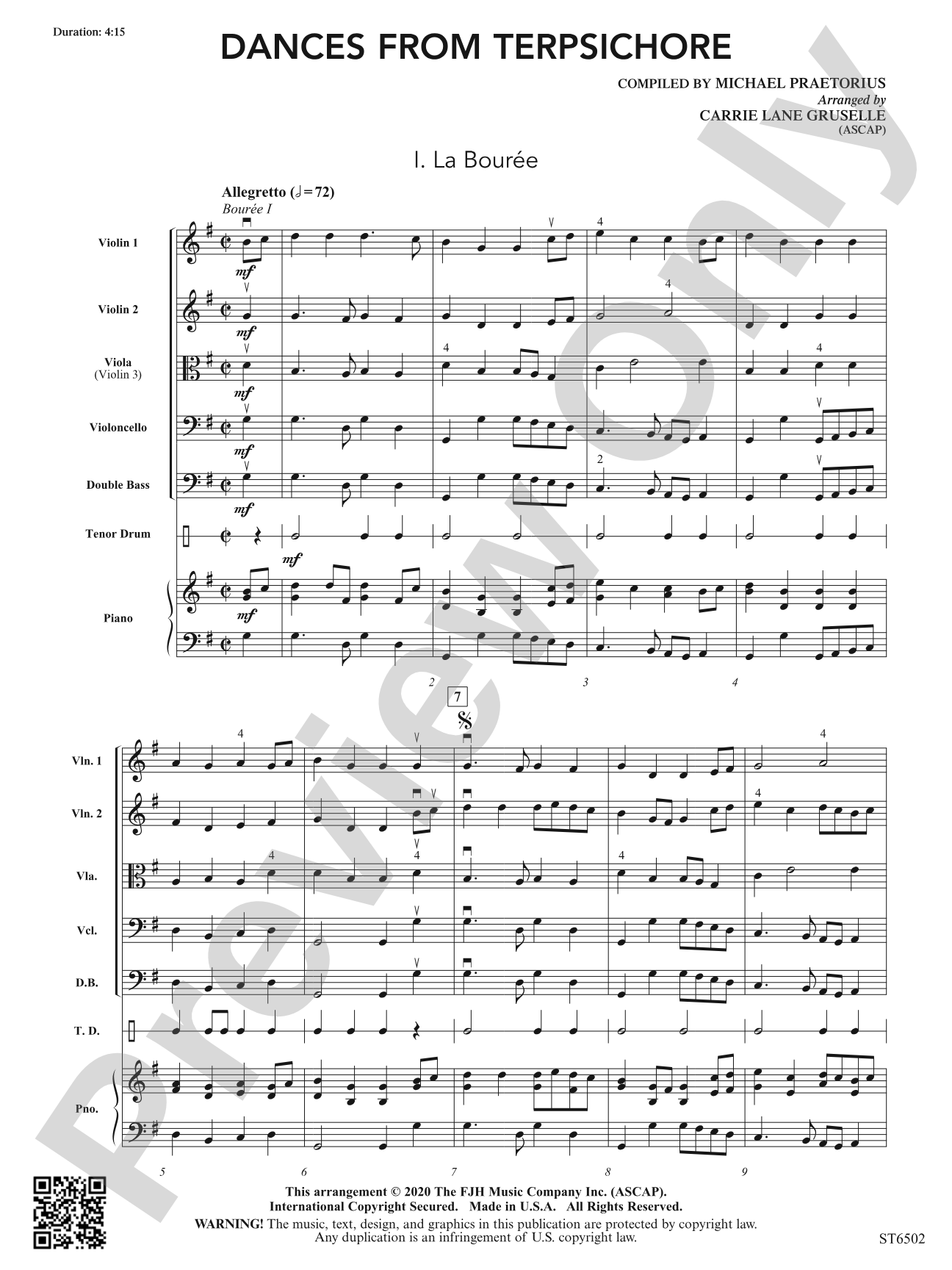
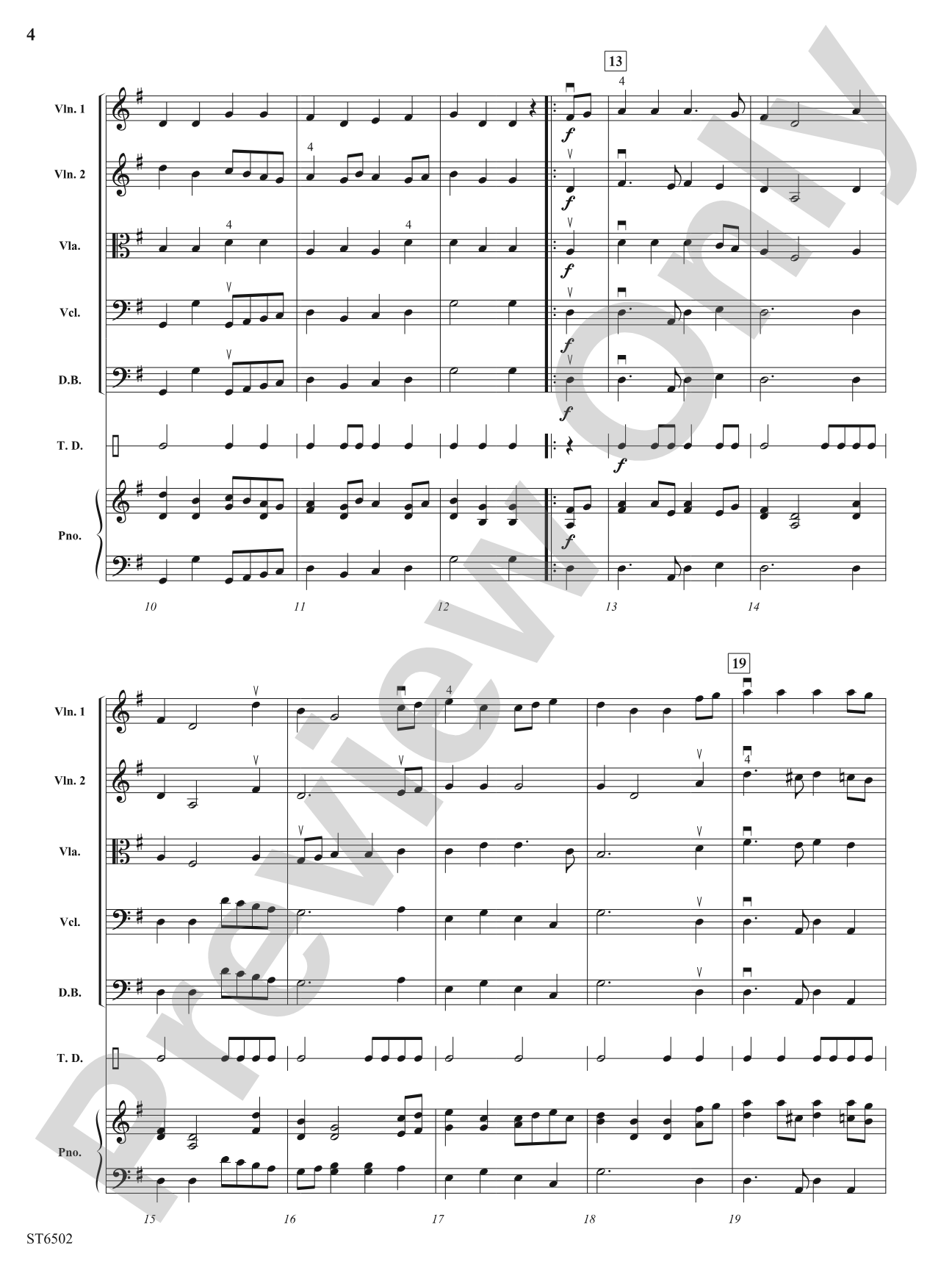
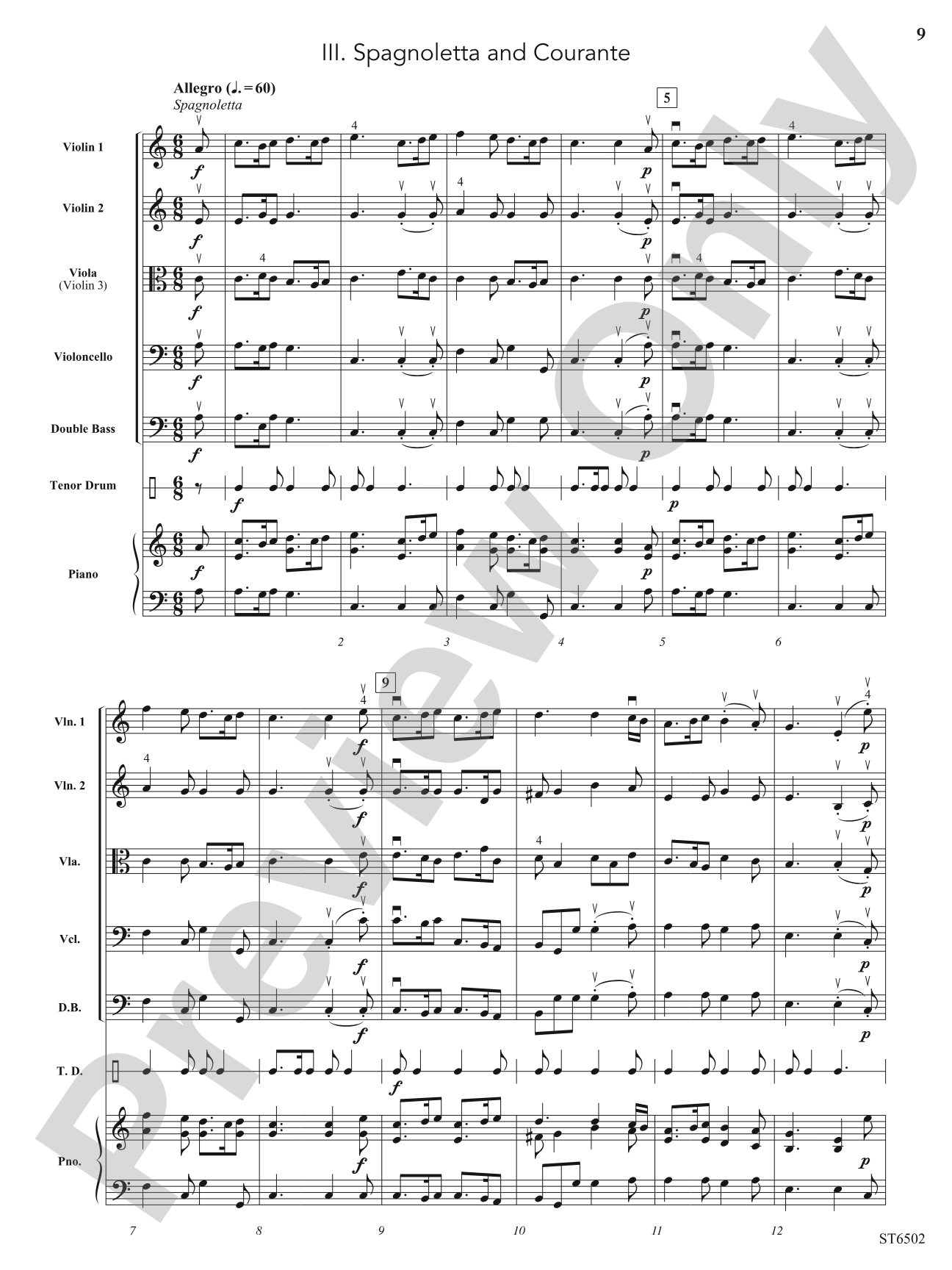
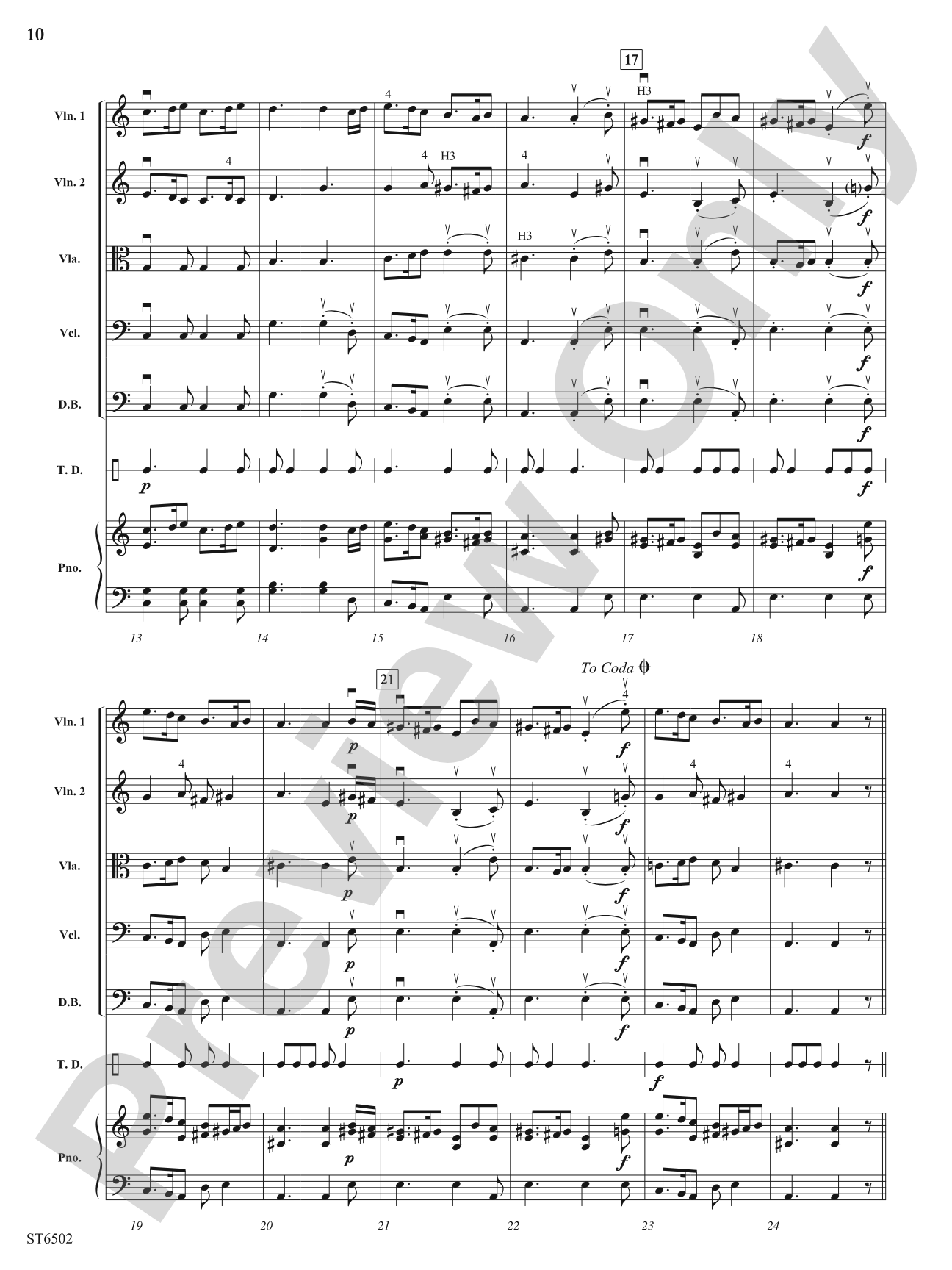
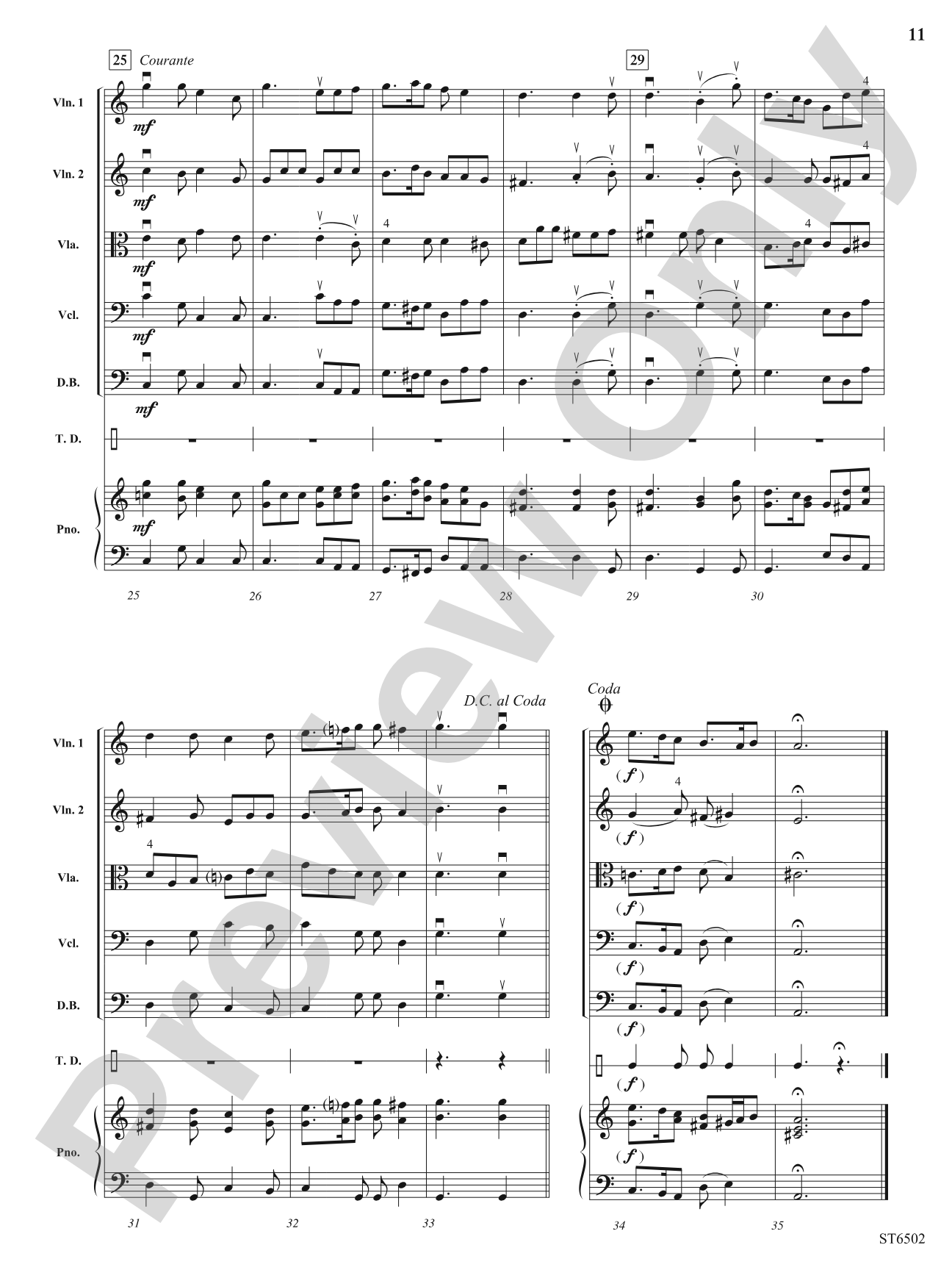
This fantastic arrangement of dances from the 17th century Renaissance period includes three movements, beginning with La Bourée, a lively and spirited dance. The beautiful Pavane alternates between major and minor tonalities. The final movement, Spagnoletta and Courante, is in a lilting 6/8 time. Tenor drum is optional, but highly effective and approachable. A delightful journey into the past and an excellent way to develop independence between sections.


Dances from Terpsichore: String Orchestra Conductor Score & Parts isn't in MakeMusic Cloud just yet...but it could be. Let us know you'd like to see it, and you'll help shape what comes next. In the meantime, start a free trial and dive into thousands of interactive titles your students can play along with today.
Request This Title
Tell us you want it.
Start Your Free Trial
Explore everything that's ready to play right now.
Sample Audio
1
Audio File
--:--
0:00
0:00
Sample Video
Additional Details
Series:
FJH Developing Strings
Publisher:
The FJH Music Company, Inc.
SKU:
98-DST6502
More about this title
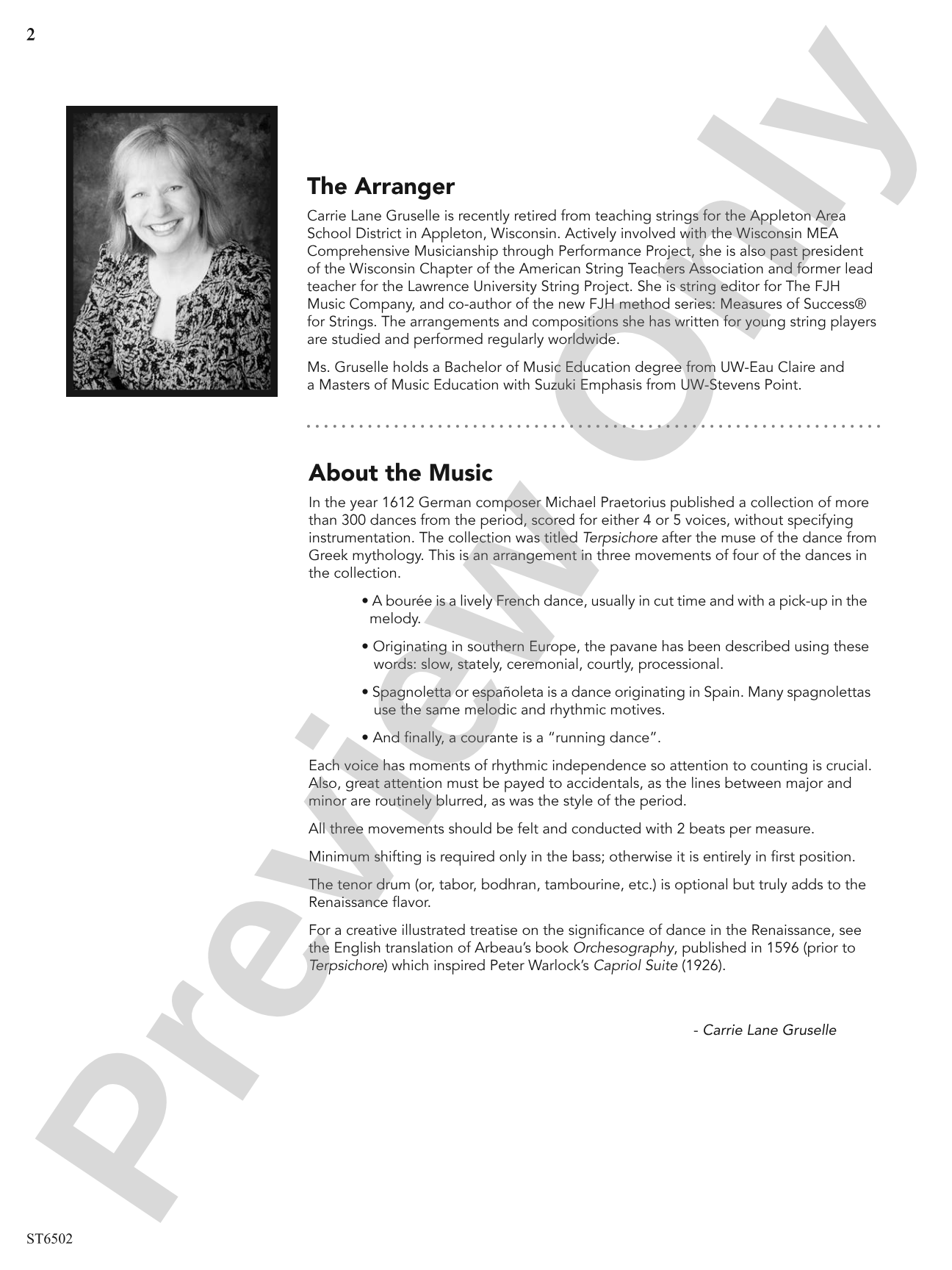
About the Composer: Michael Praetorius
Michael Praetorius (1571-1621) was a German composer, theorist, and music director whose prolific output spanned sacred and secular genres. His collection Terpsichore, published in 1612, preserved over 300 dances from across Europe, making him one of the most important documentary sources for Renaissance dance music. These pieces reveal the rhythmic vitality and melodic character of 17th century court life.
For music educators, Praetorius remains essential: his dances are structurally clear, rhythmically engaging, and immediately accessible to developing ensembles. They demonstrate how simple melodic ideas and dance forms can generate genuine musicality without technical overload.
Why we love this
This arrangement captures what makes Renaissance dances teachable: clear phrase structures, transparent textures, and rhythmic variety that keeps ensemble listening sharp. The three-movement arc gives students a complete concert experience without overwhelming rehearsal schedules, and the optional tenor drum part adds color while remaining genuinely approachable for players still building technique.
What to expect
A window into Renaissance court life, where elegant restraint meets genuine dance energy. The Pavane carries courtly dignity, the La Bourée sparkles with forward momentum, and the final pairing swings in lilting 6/8, leaving audiences with a sense of historical musicianship rather than mere novelty.
Who it's for
Grade 2.5 string orchestras working toward sectional independence and comfort with varied meters. Directors programming concerts with historical or pedagogical themes will find this both performable and substantive.
How to get the most out of it
- Shape the opening La Bourée with forward motion; these dances drove actual movement, so rhythmic vitality matters more than slowness.
- In the Pavane, highlight the major-to-minor transitions as deliberate harmonic events rather than passing changes; let the ensemble hear the color shift.
- Keep the 6/8 Spagnoletta and Courante from dragging; the lilting quality depends on rhythmic lift in the accompaniment figures.
- If using the tenor drum, position it audibly during rehearsals so strings hear the rhythmic anchor; it clarifies pulse without needing prominence in the mix.
How to use it
Open a concert with the full suite to establish a repertoire arc that bridges classical training and musical storytelling. Alternatively, use La Bourée alone as a bright opener and program the Pavane later in a concert for tonal contrast; both work as standalone pieces. This arrangement is also ideal for school assemblies or community events where historical context enriches the listening experience.
Skills your students will build
- Maintaining independence between sections in homophonic textures
- Navigating contrasting meters (2/4 and 6/8) across movements
- Responding to major-to-minor harmonic shifts with tonal clarity
- Performing Renaissance dance forms with appropriate rhythmic character
- Balancing optional instrumentation (tenor drum) with core ensemble