

Dances for Two, Book 3: 5 Late Intermediate Piano Duets in Dance Styles: Piano Duets & Four Hands
5 Late Intermediate Piano Duets in Dance Styles
By Catherine Rollin
Level: Late Intermediate
Item: 00-PB-0000593
$8.50
Pickup currently not available
Related Items
Dances for Two, Book 3: Piano Duet (1 Piano, 4 Hands) Book |
$8.50
|
View |
Description
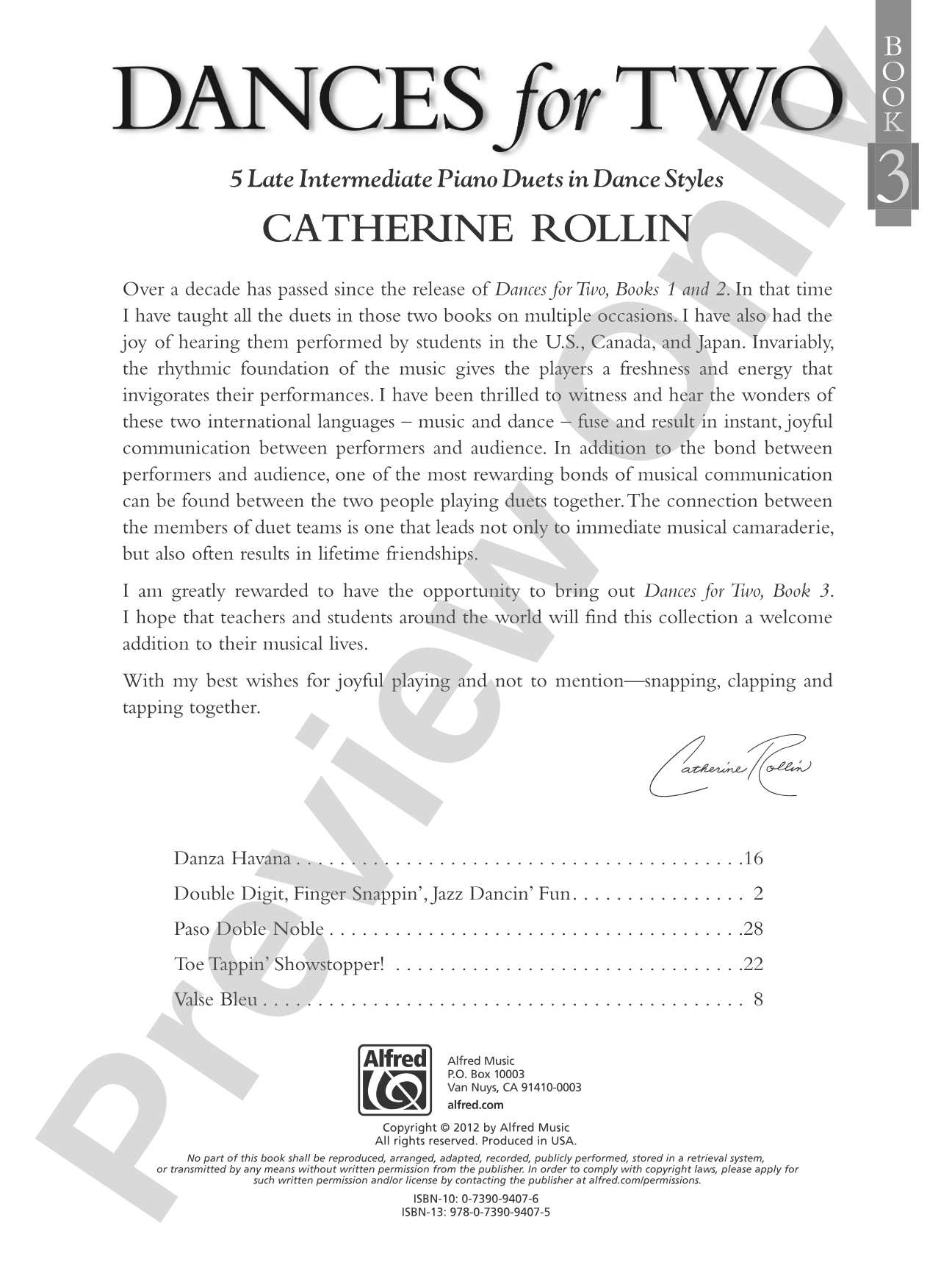
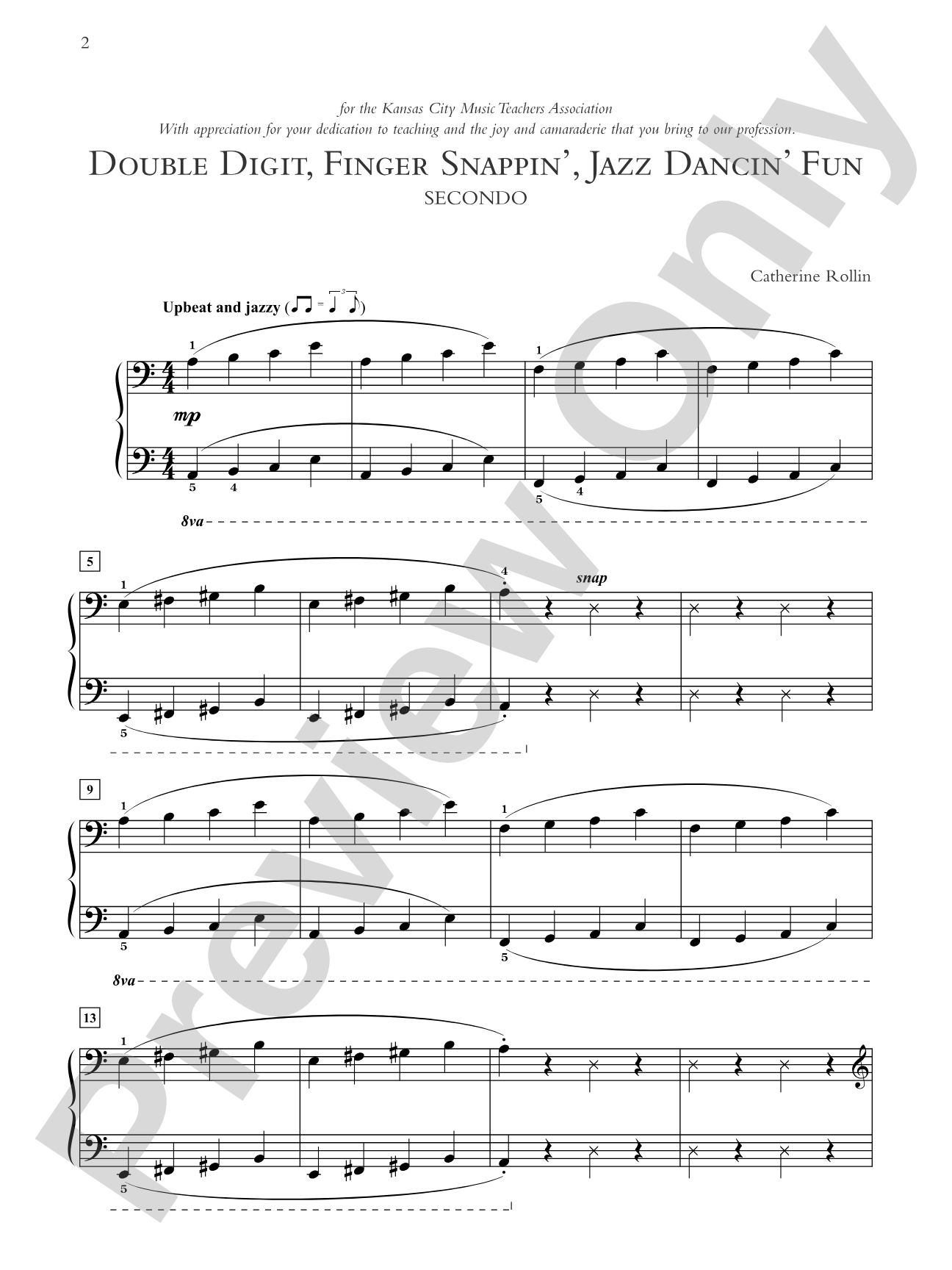
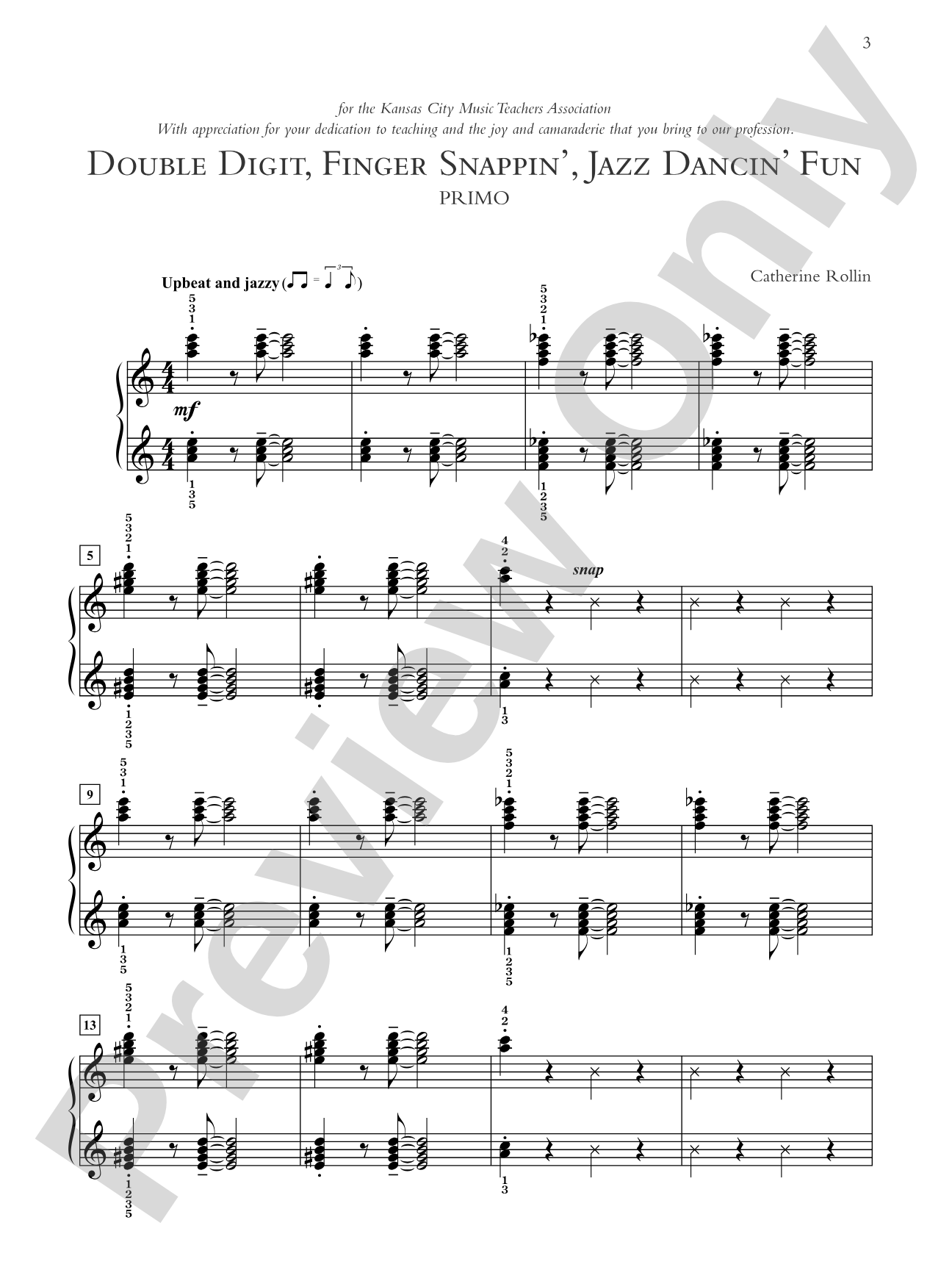
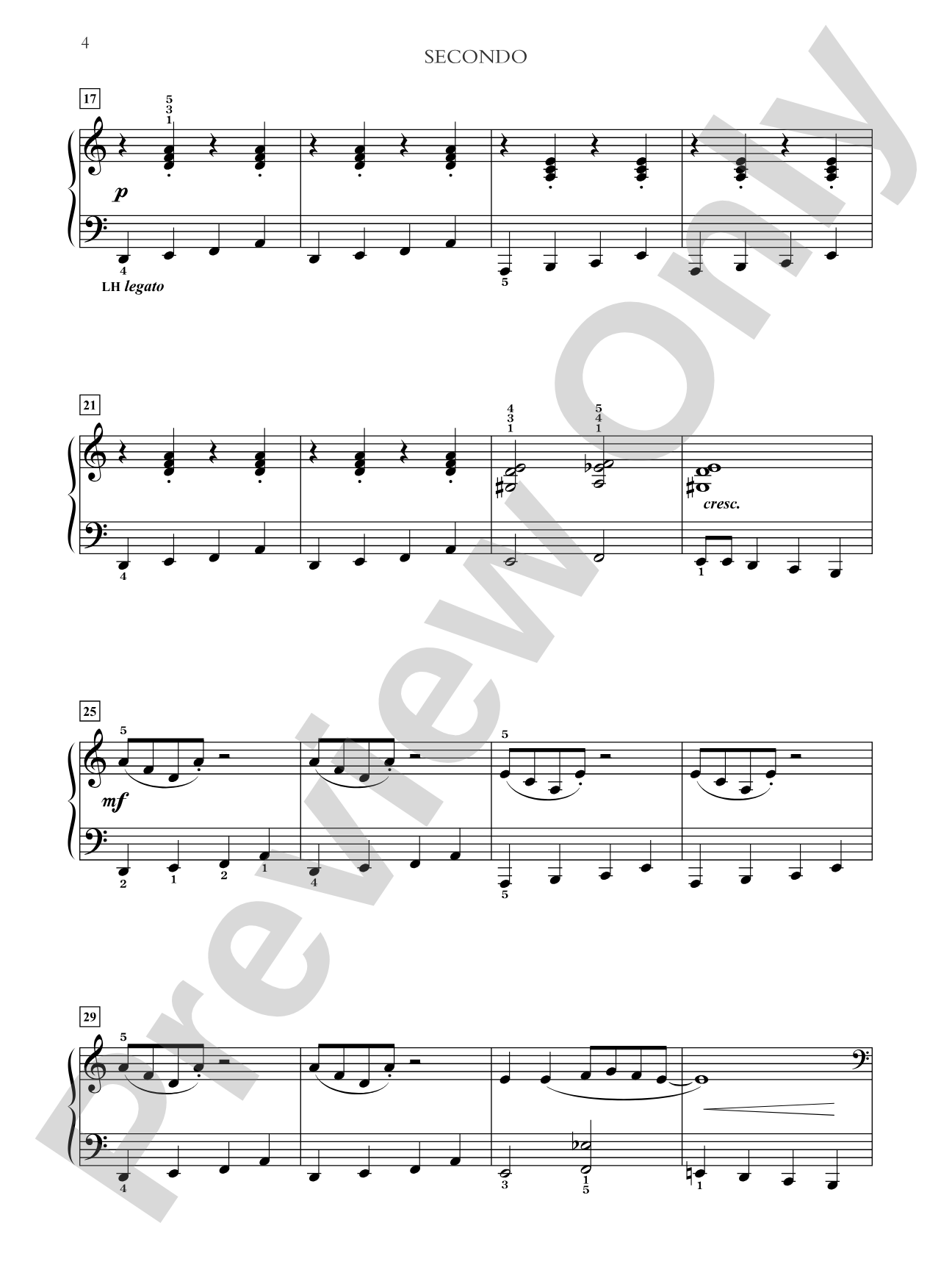
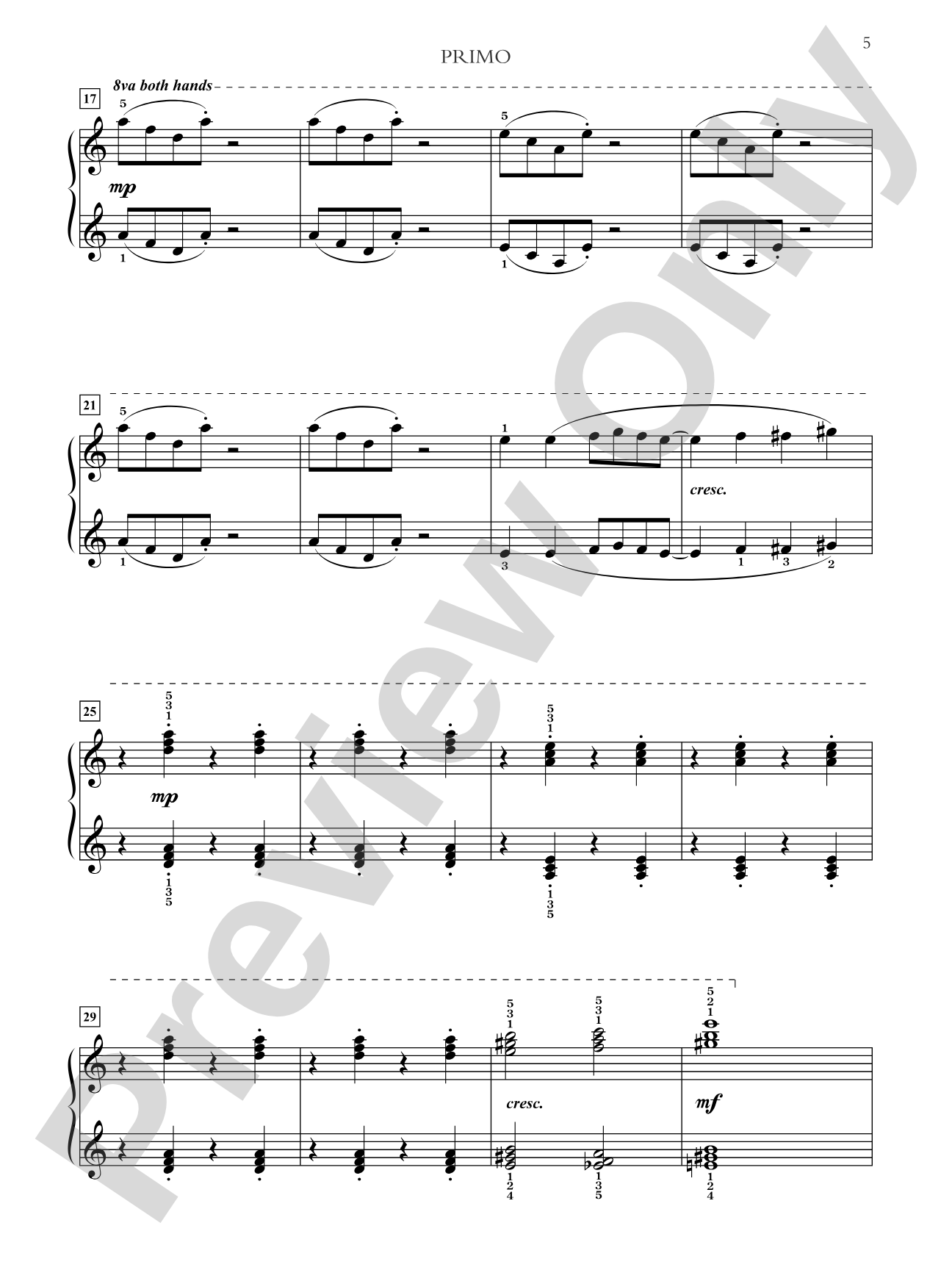
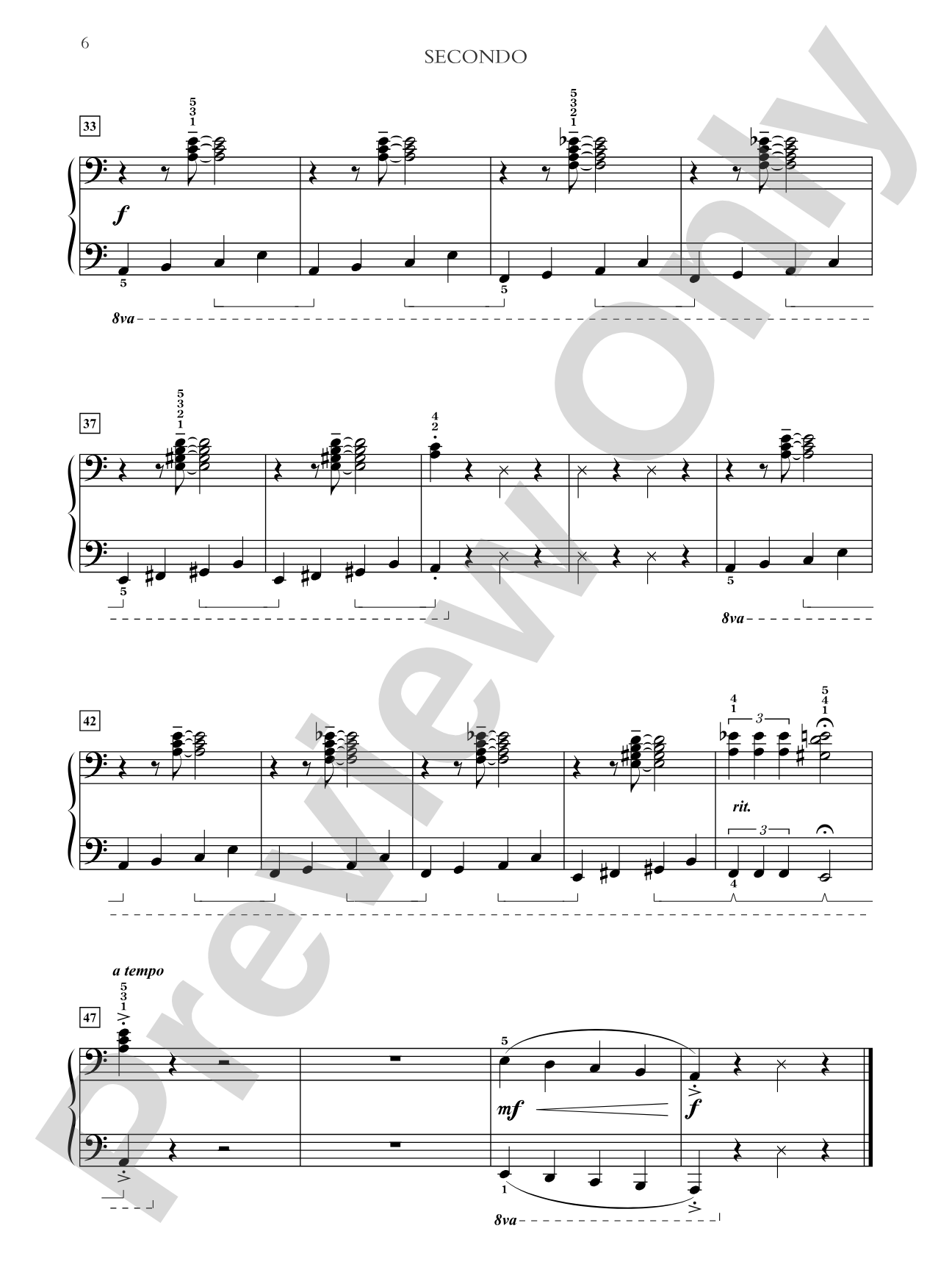
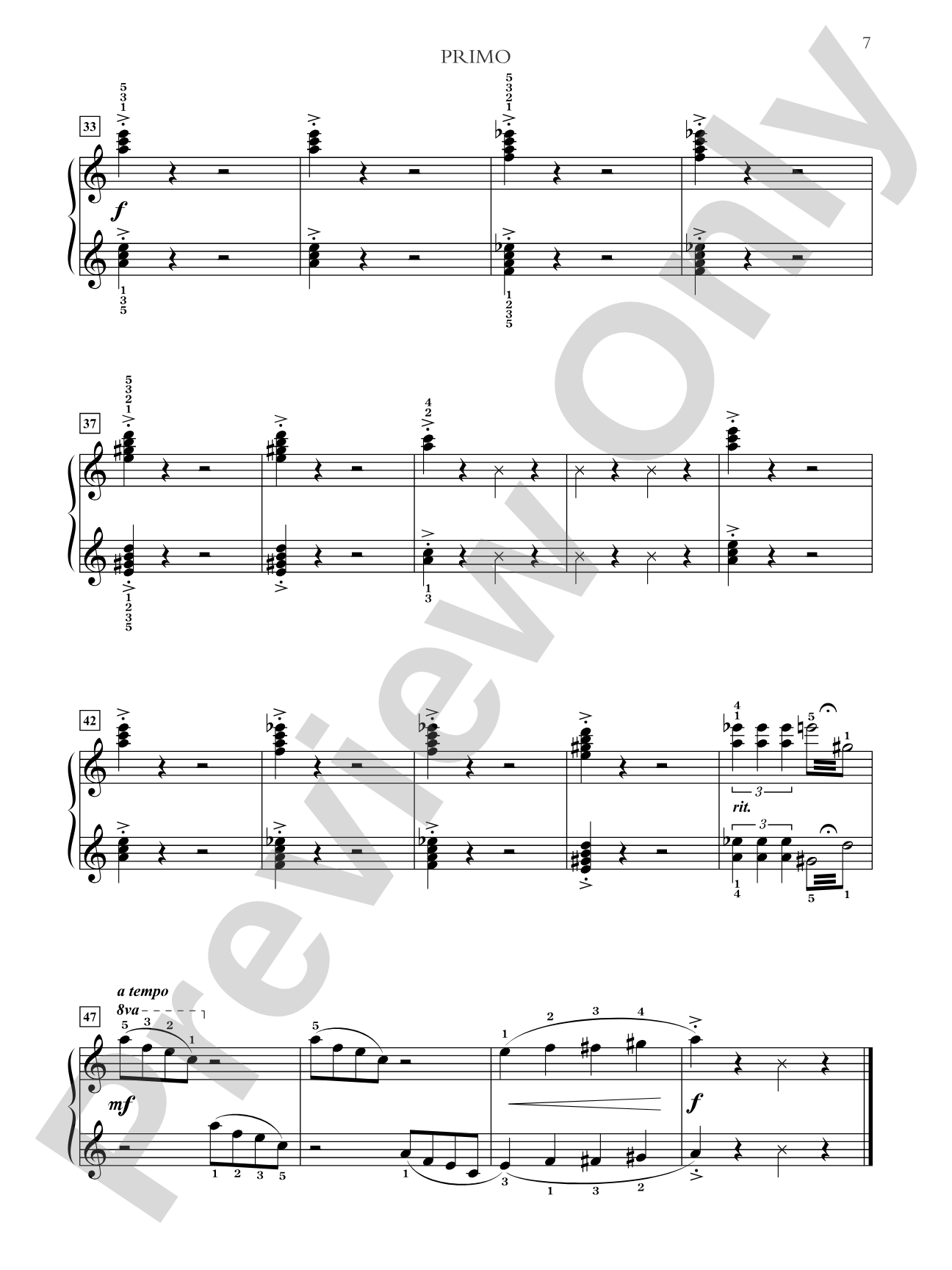
Fans of Dances for Two, Books 1 and 2 will be thrilled to have this third volume of exciting duets. Five different dance styles are featured, from a spirited paso doble to an elegant French valse, each piece written effectively to show off the performers as well as the musical style. Students will enjoy the added rhythmic effects of snapping, clapping and tapping in two of the pieces, creating a fun-filled experience for all. Titles: Danza Havana * Double Digit, Finger Snappin', Jazz Dancin' Fun * Paso Doble Noble * Toe Tappin' Showstopper! * Valse Bleu. A Federation Festivals 2024-2028 selection.


Dances for Two, Book 3: 5 Late Intermediate Piano Duets in Dance Styles: Piano Duets & Four Hands isn't in MakeMusic Cloud just yet...but it could be. Let us know you'd like to see it, and you'll help shape what comes next. In the meantime, start a free trial and dive into thousands of interactive titles your students can play along with today.
Request This Title
Tell us you want it.
Start Your Free Trial
Explore everything that's ready to play right now.
Sample Audio
No sample audio found.
Sample Video
No sample videos found.
Additional Details
Series:
Dances for Two
Publisher:
Alfred Music
Page Count:
36
SKU:
00-PB-0000593
More about this title
About the Composer: Catherine Rollin

Catherine Rollin balances an active performance schedule with studio teaching, earning recognition for developing students who consistently succeed at festivals and competitions. She holds degrees from the University of Michigan and Oakland University School of Performing Arts, and has presented workshops and masterclasses across North America and Asia.
Rollin's compositions have earned commissions from MTNA, the Michigan Music Teachers Association, and Clavier Companion magazine, with multiple selections in the National Federation of Music Clubs Festivals Bulletin. Her work has been honored with ASCAP awards, and she has served as a judge for the MTNA Student Composition Competition and the Lynn Freeman Olson Composition Contest. In 2018, she premiered a flute, saxophone, and piano trio at the MTNA national conference and was featured by the Steinway Society as both composer and pianist.
Why we love this
Rollin writes duets that genuinely sound like concert pieces, not exercises. Each dance style gets distinct character and compositional treatment, so students feel they're performing real music rather than etudes. The rhythmic elements, snapping, clapping, tapping, transform rehearsal from sitting-at-the-piano into ensemble work that engages the whole body and builds genuine ensemble awareness.
What to expect
Five snapshots of the dance floor, each with its own personality. The Havana number pulses with tropical energy, the jazz piece crackles with rhythm and bodily engagement, the paso doble struts with Spanish formality, and the valse floats with European elegance. The toe-tapping showstopper lives up to its title.
Who it's for
Duet partnerships at the late intermediate level who want to program something that sounds accomplished and stylistically diverse without requiring advanced technique. Piano teachers seeking festival or concert repertoire that keeps both students equally engaged and motivated.
How to get the most out of it
- Record a clean performance of both parts separately before the first rehearsal; use it during practice to hear how your line sits within the overall texture and to isolate any rhythmic misalignments.
- Establish a clear visual cue between primo and secondo before you add the percussive elements; once the hand coordination is secure, layer in the snapping and tapping with confidence rather than as an afterthought.
- Treat each dance style's tempo as non-negotiable; the paso doble, valse, and jazz grooves each demand their own character, and rushing or dragging undermines the stylistic clarity.
- Map out the dynamic balance between parts in pieces where both are rhythmically active; late intermediate students often play too evenly, and these duets benefit from clarity about which hand carries the melodic weight in each phrase.
How to use it
Program these across a concert season to showcase different moods and technical competencies within your studio; a single duet works beautifully as a solo performance, or group all five together for a program-closing medley that celebrates international dance traditions. Consider pairing individual dances with solo repertoire in the same style to deepen students' understanding of rhythmic and harmonic conventions within each idiom.
Skills your students will build
- Ensemble listening and rhythmic lock between primo and secondo voices
- Stylistic interpretation within specific dance forms (Cuban, jazz, Spanish, French, Broadway)
- Coordination of hand-percussion elements (snapping, clapping, tapping) with piano playing
- Dynamic balance and voice independence when both hands carry melodic or rhythmic interest
- Sight-reading confidence within late intermediate repertoire