
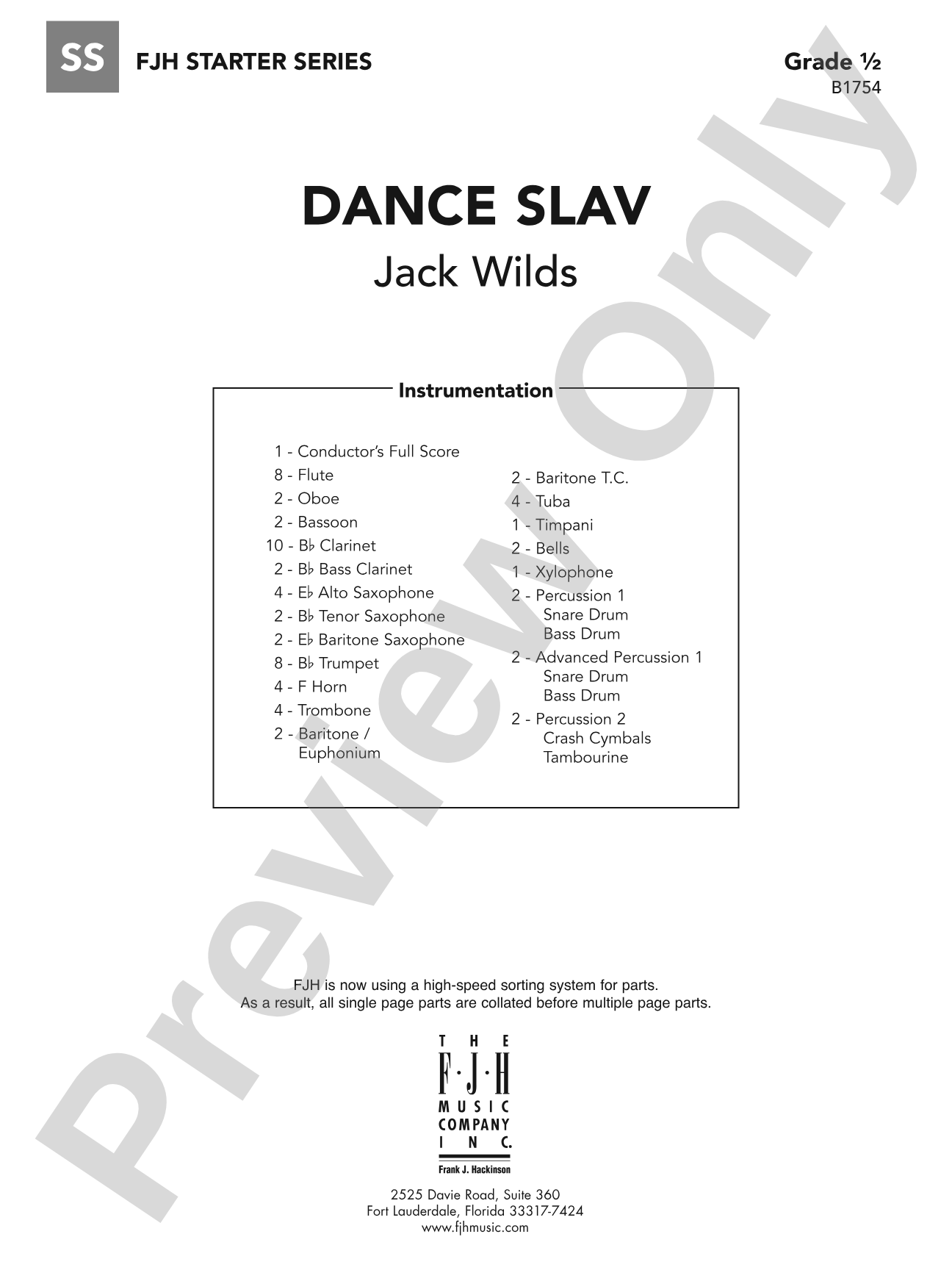
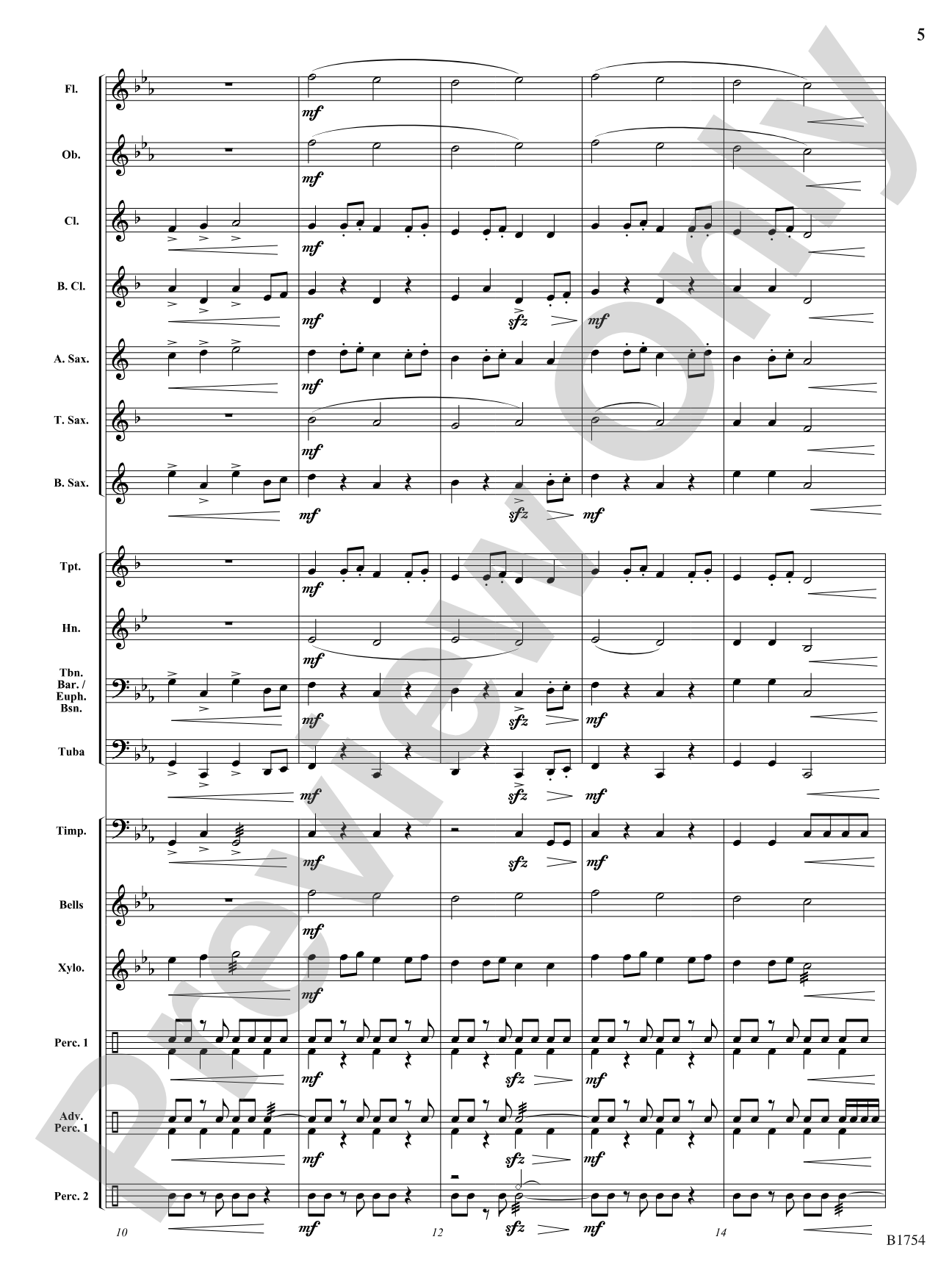
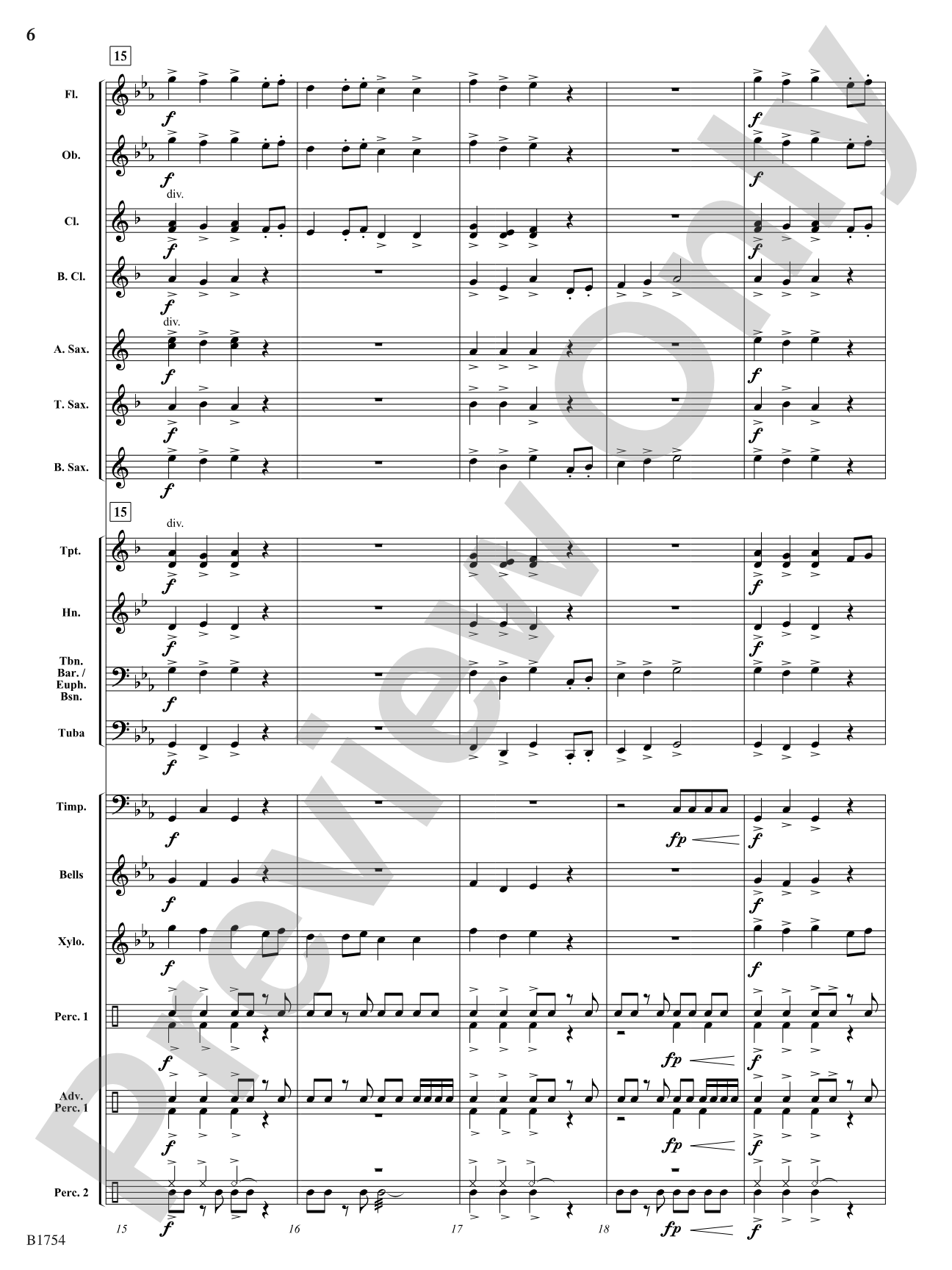
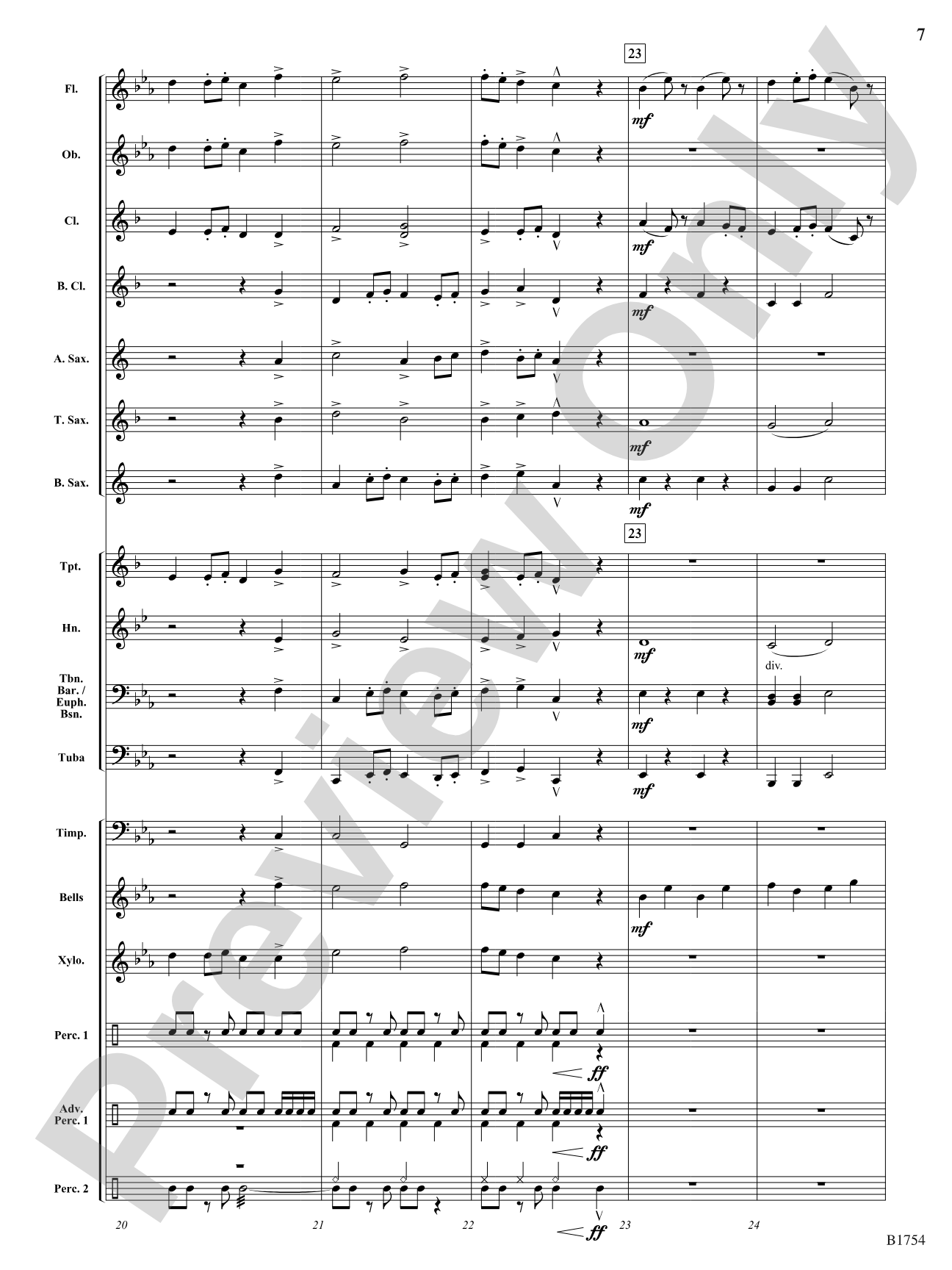
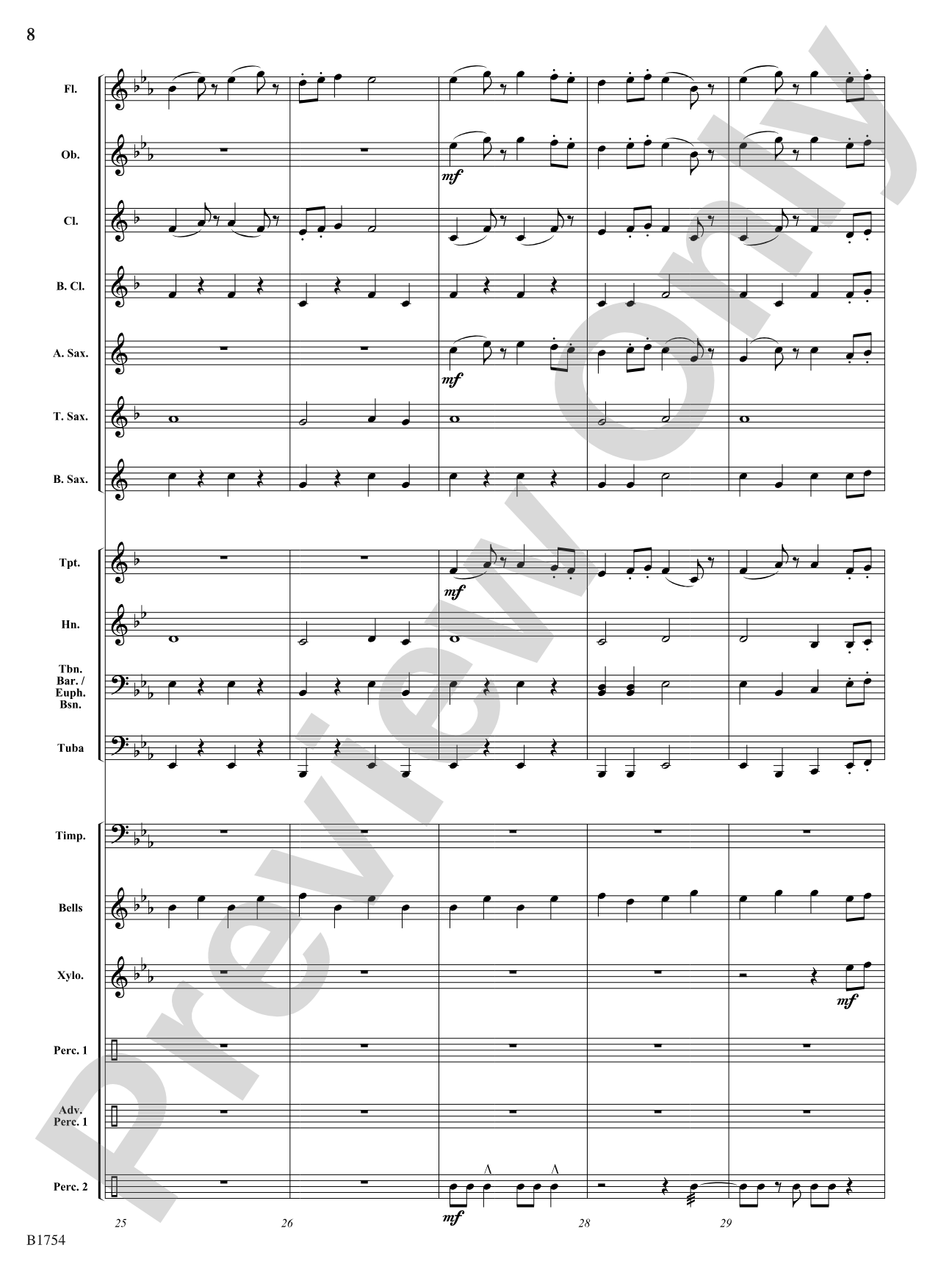

Dance Slav: Concert Band Conductor Score & Parts
By Jack Wilds
Level:.5
Item: 98-DB1754

$55.00
Pickup currently not available
Buy Extra Parts (Digital PDF Download)
| Product | Price | Quantity |
|---|---|---|
| Dance Slav: Score | $12.00 | |
| Dance Slav: Flute | $7.00 | |
| Dance Slav: Oboe | $7.00 | |
| Dance Slav: Bassoon | $7.00 | |
| Dance Slav: B-flat Clarinet | $7.00 | |
| Dance Slav: B-flat Bass Clarinet | $7.00 | |
| Dance Slav: E-flat Alto Saxophone | $7.00 | |
| Dance Slav: B-flat Tenor Saxophone | $7.00 | |
| Dance Slav: E-flat Baritone Saxophone | $7.00 | |
| Dance Slav: B-flat Trumpet | $7.00 | |
| Dance Slav: F Horn | $7.00 | |
| Dance Slav: Trombone | $7.00 | |
| Dance Slav: Baritone / Euphonium | $7.00 | |
| Dance Slav: Baritone T.C. | $7.00 | |
| Dance Slav: Tuba | $7.00 | |
| Dance Slav: Timpani | $7.00 | |
| Dance Slav: Bells | $7.00 | |
| Dance Slav: Xylophone | $7.00 | |
| Dance Slav: Percussion 1 | $7.00 | |
| Dance Slav: Advanced Percussion 1 | $7.00 | |
| Dance Slav: Percussion 2 | $7.00 |
Parts Added to Cart!
Description
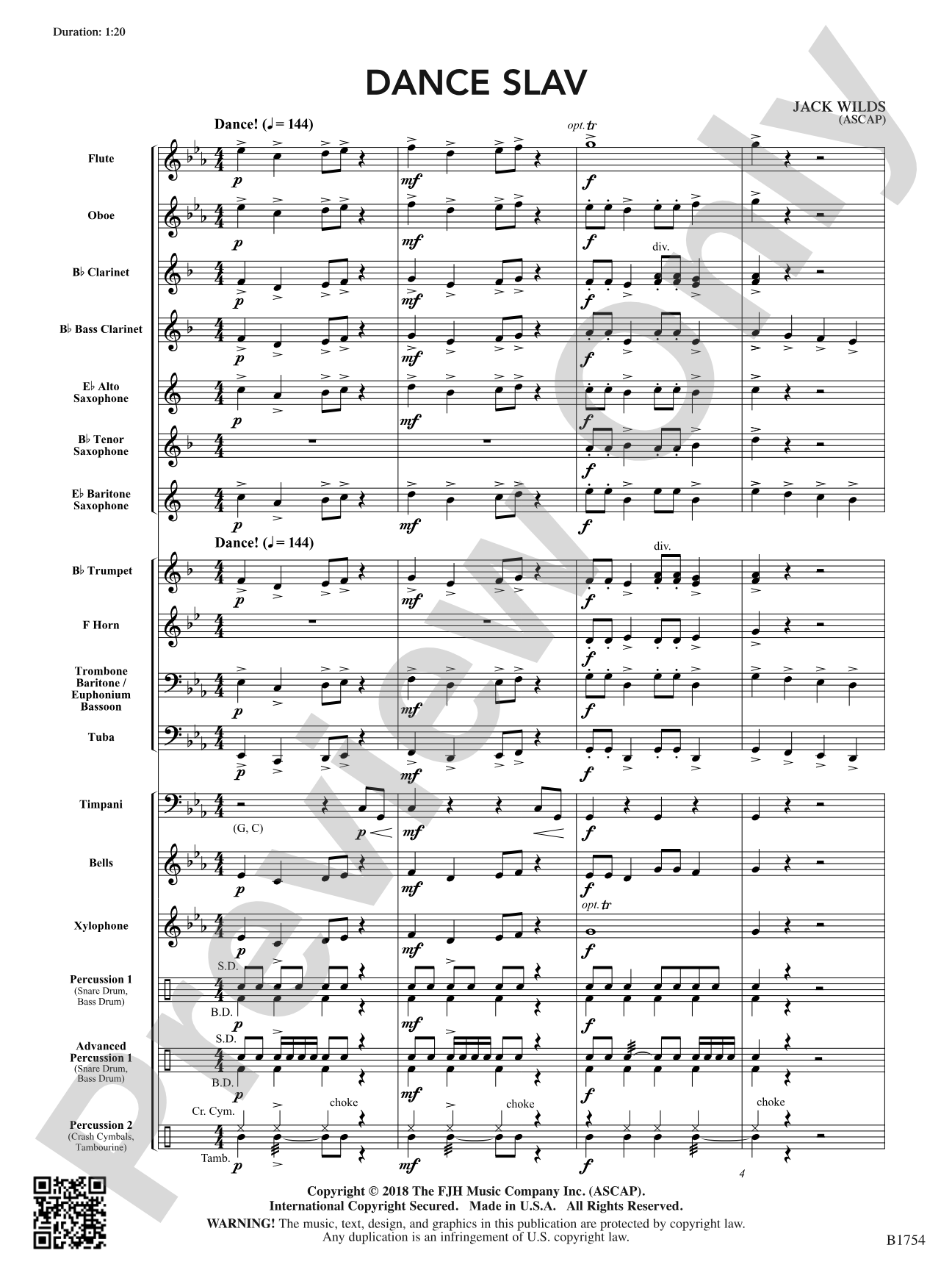
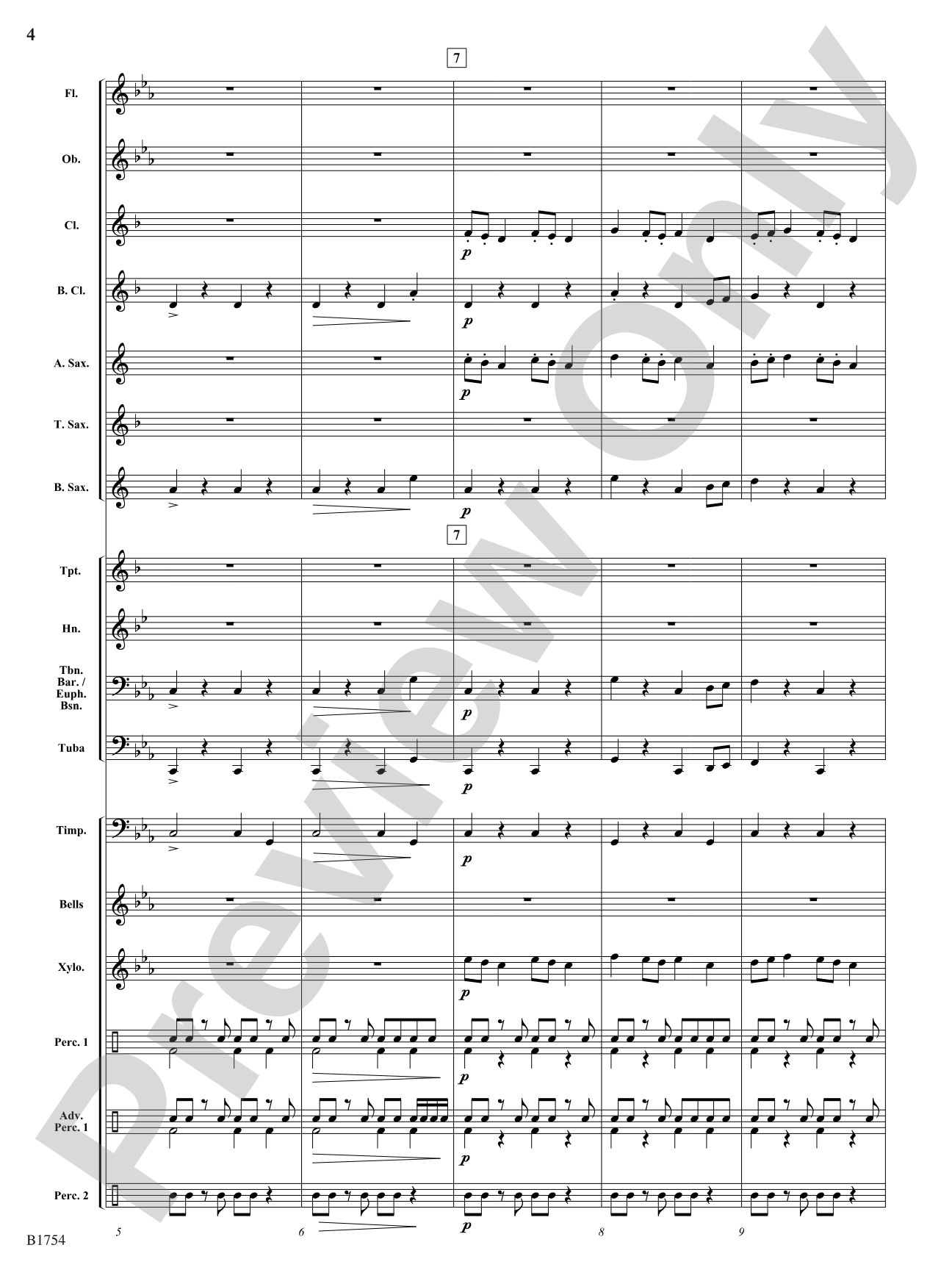
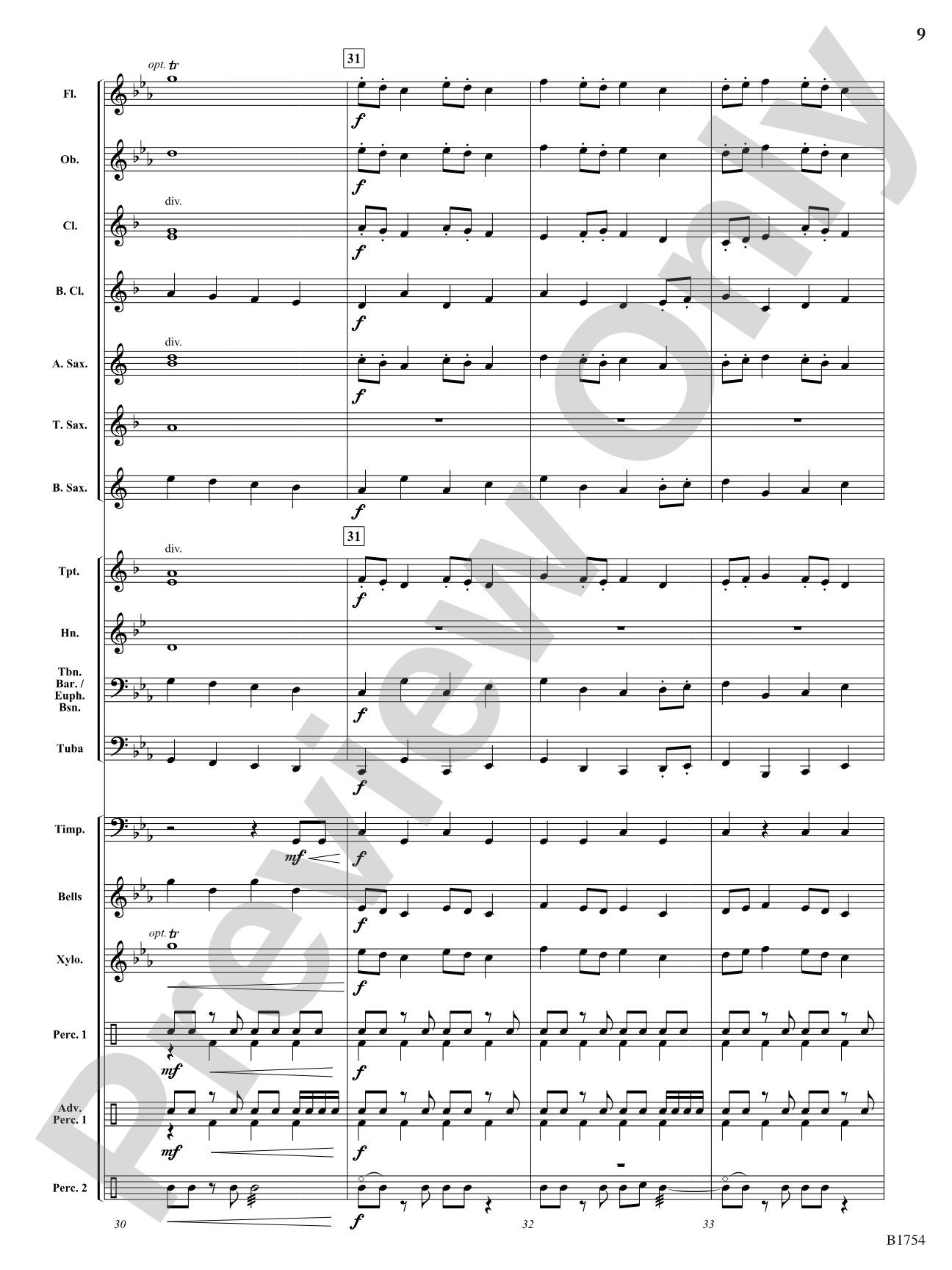
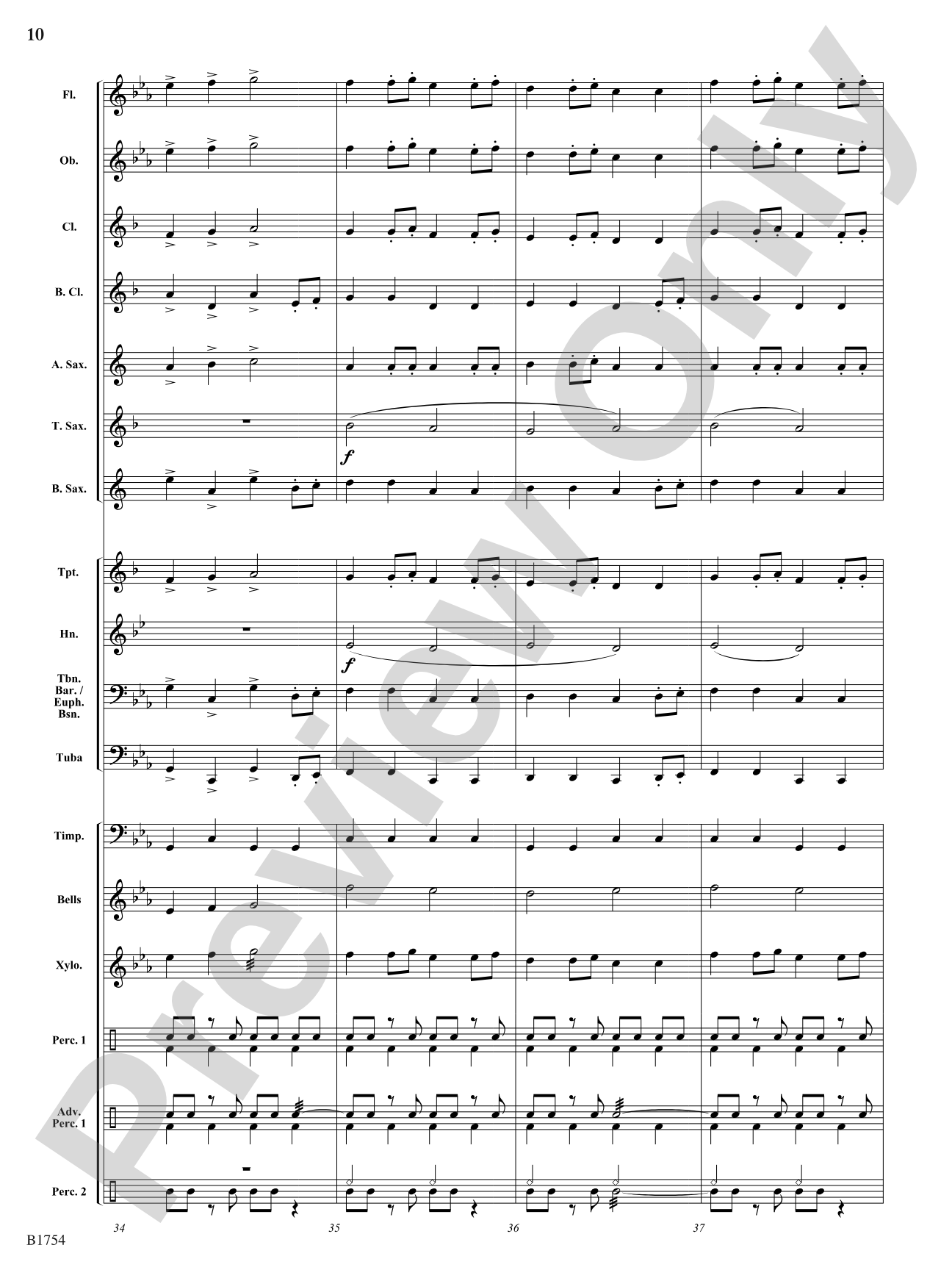
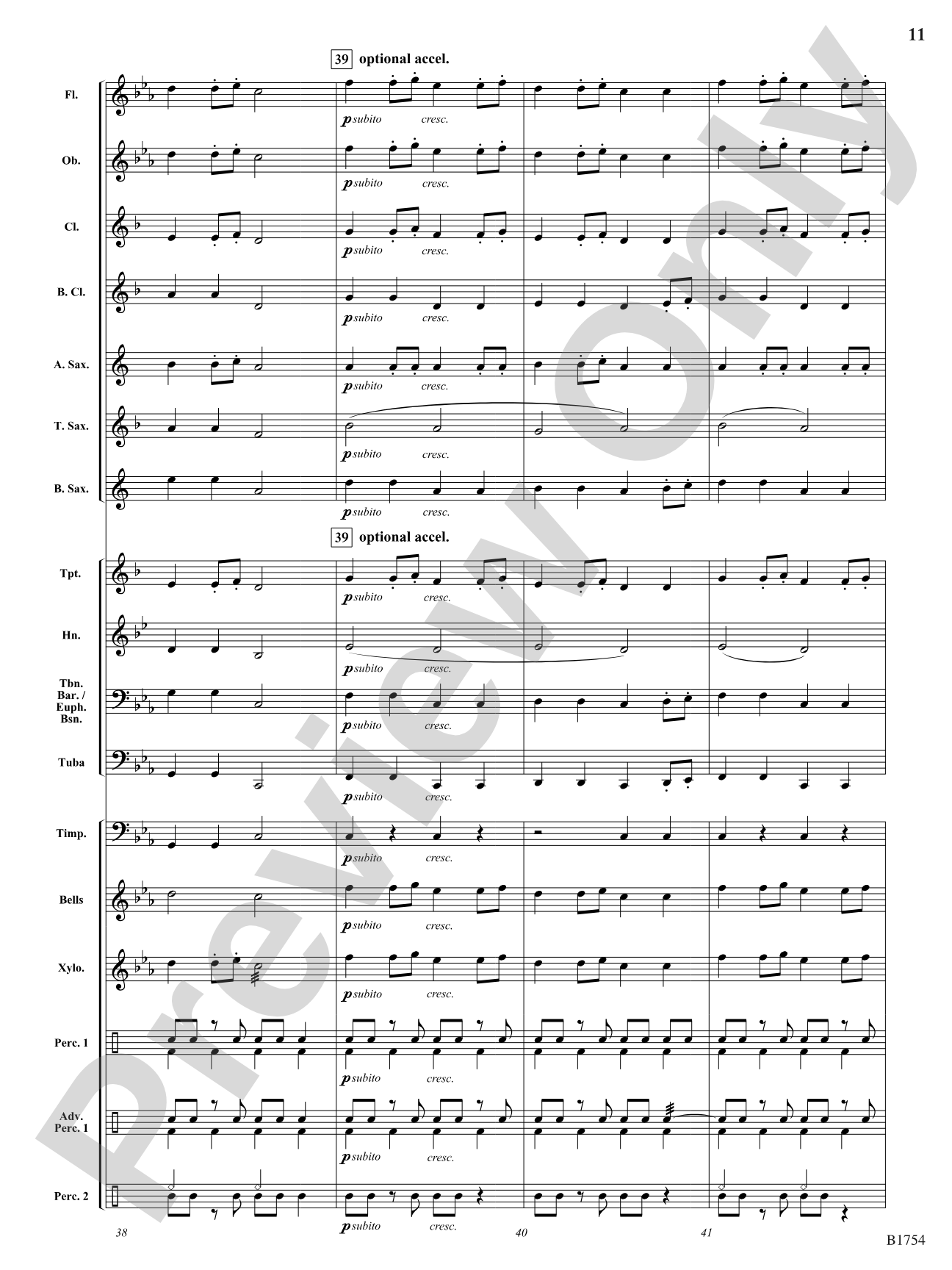
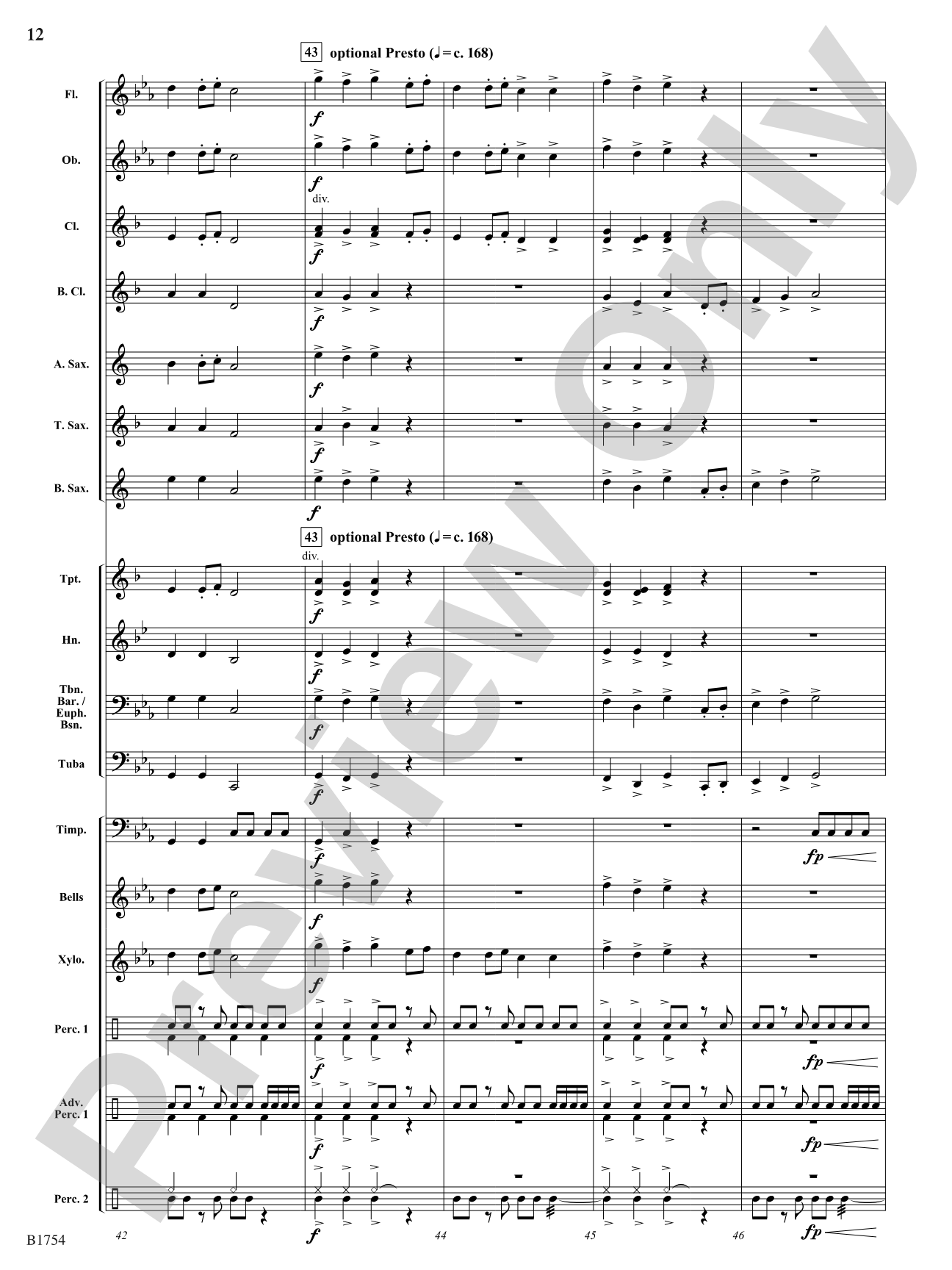
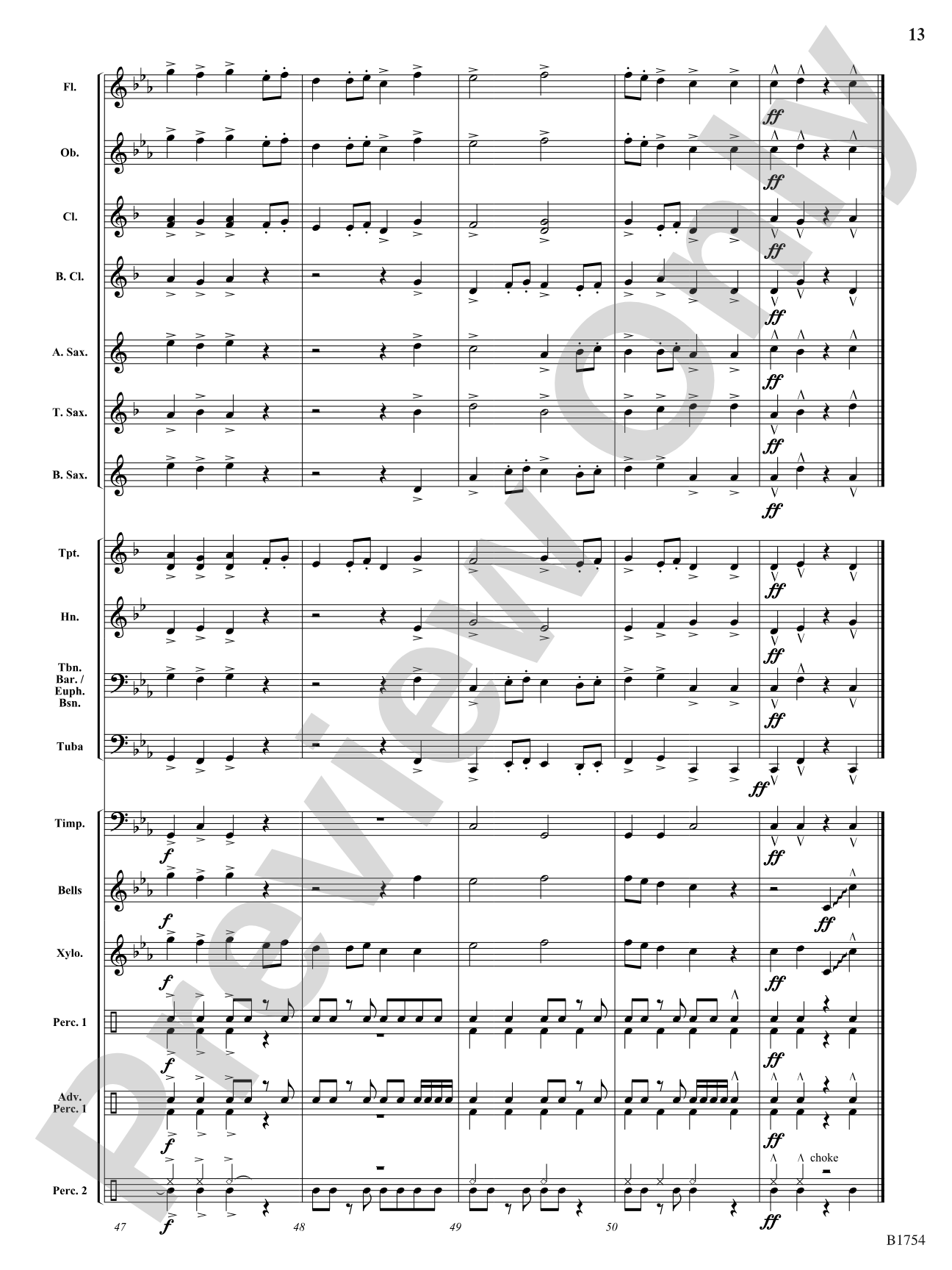
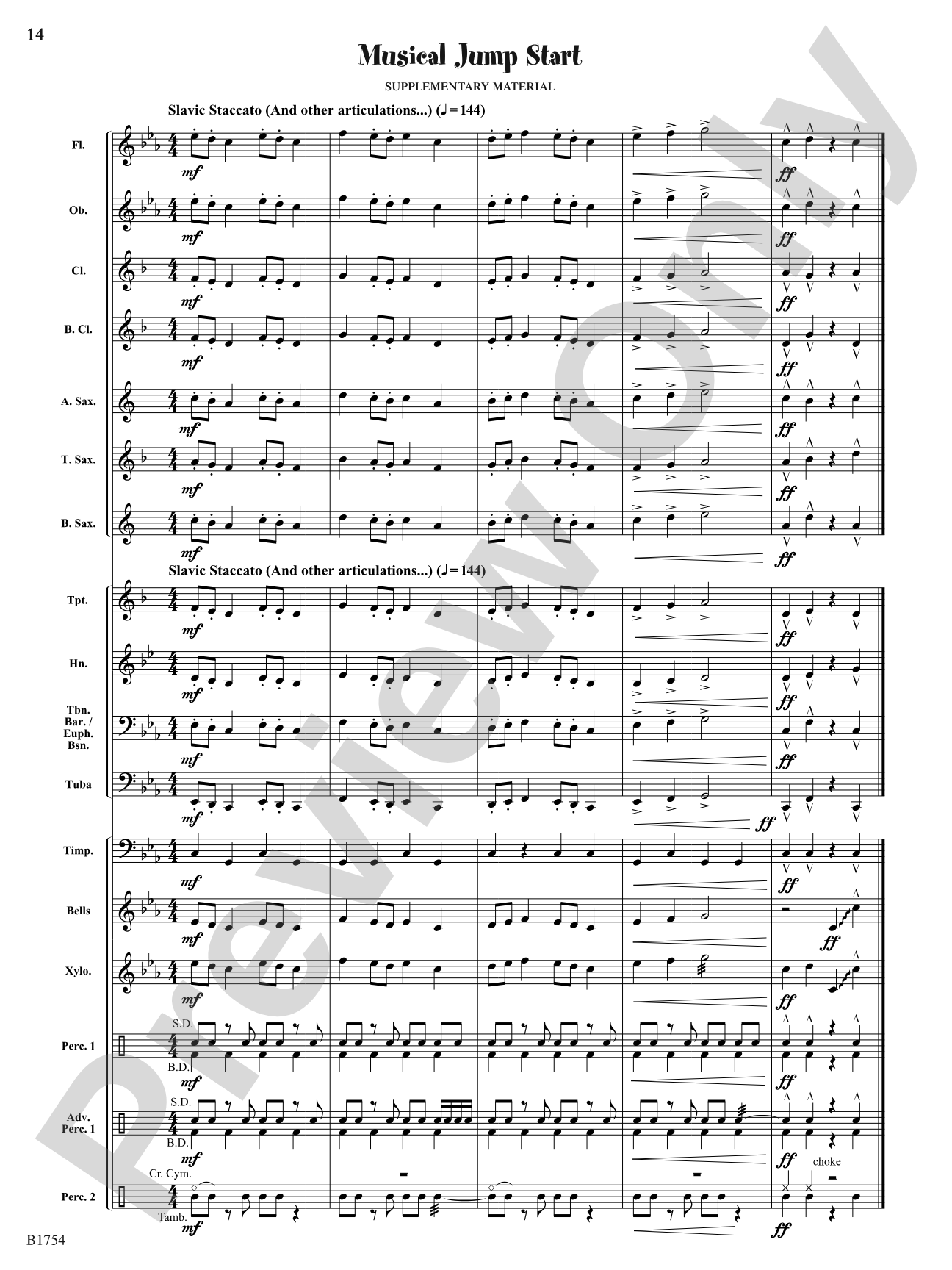
Inspired by late 19th and early 20th century dance pieces, this energetic and spirited work uses only six notes yet sounds like so much more! The notes and rhythms will fall into place quickly so you and your beginning students can focus on a variety of dynamics and articulations. The optional accelerando at the end adds excitement as the piece comes to an energetic conclusion. (1:20)


Don't just read it, hear it, play along with it, and watch your students grow with it. In MakeMusic Cloud, Dance Slav: Concert Band Conductor Score & Parts comes alive with professional accompaniment, adjustable tempo, and built-in practice tools that turn solo practice into real progress.
Open in the Player
Jump straight in and assign it today.
Start Your Free Trial
Open this title and explore the full library in minutes.
Sample Audio
1
Audio File
--:--
0:00
0:00
Sample Video
Additional Details
Series:
FJH Starter Series
Publisher:
The FJH Music Company, Inc.
SKU:
98-DB1754
More about this title
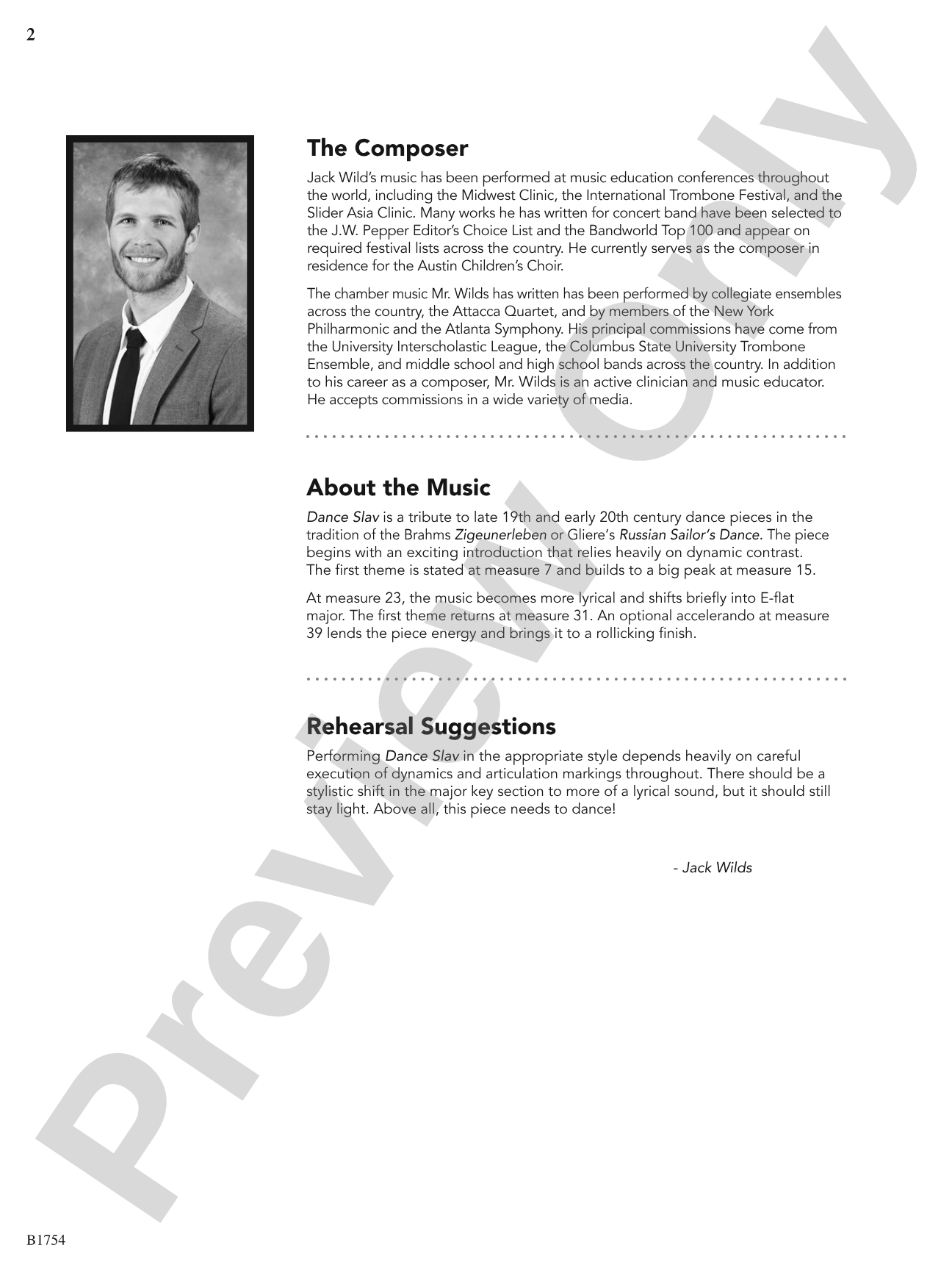
About the Composer: Jack Wilds

Jack Wilds composes and teaches across an unusually wide range of musical contexts, from elementary choirs to professional ensembles. His music draws from visual art, poetry, philosophy, and direct musical invention to create works that challenge and inspire performers at every level. He held a public school band director position before focusing on composition and education full time.
Wilds teaches composition, theory, ear training, and music technology at Texas State University and serves as Co-Director of Music at First Presbyterian Church in San Marcos, a role he has shared with his wife Noel for over a decade. His concert band and wind ensemble works appear on festival required repertoire lists across multiple continents and have been performed at the Midwest Clinic and major educator conferences. He studies composition with notable mentors including Michael Ippolito, Chris Trapani, and Donald Grantham, and maintains an active schedule as a clinician and adjudicator.
Why we love this
Wilds succeeds in that rare feat: writing a piece that teaches and delights at once. Beginning students stay engaged because the piece actually sounds substantial, not simplified or apologetic. The constraint of six notes becomes a creative strength, forcing focus onto rhythm, articulation, and dynamics where young musicians can hear their work matter.
What to expect
Spirited and propulsive, with the energy of a folk dance refracted through a modern lens. The piece moves forward with momentum and joy, building toward an exhilarating finish.
Who it's for
Beginning band students who need repertoire that teaches fundamentals without sounding juvenile or hollow. Directors seeking pieces that sound confident and complete while remaining accessible.
How to get the most out of it
- Spend rehearsal time sculpting the dynamic landscape rather than drilling notes. Since the material falls into place quickly, use freed rehearsal time to shape phrase contours and sudden shifts in intensity.
- Treat articulation marks as personality choices. Staccato vs. legato creates character and gives beginning players concrete targets for tone control.
- If you choose the optional accelerando ending, introduce it after the core material is secure. A gradual tempo increase works best when students understand the pulse underneath.
How to use it
Open a concert with this to establish strong ensemble presence and audience engagement immediately. Pair it with one or two longer works to showcase your beginning students' musicianship without overexposing limited repertoire depth.
Skills your students will build
- Reading and executing dynamic contrasts (soft to loud transitions)
- Distinguishing and performing articulation styles (staccato, legato, accents)
- Responding to conductor cues and tempo changes
- Building rhythmic precision with limited melodic distractions
- Sustaining ensemble balance across an entire short form