Dance of The Wind Sheet Music Preview

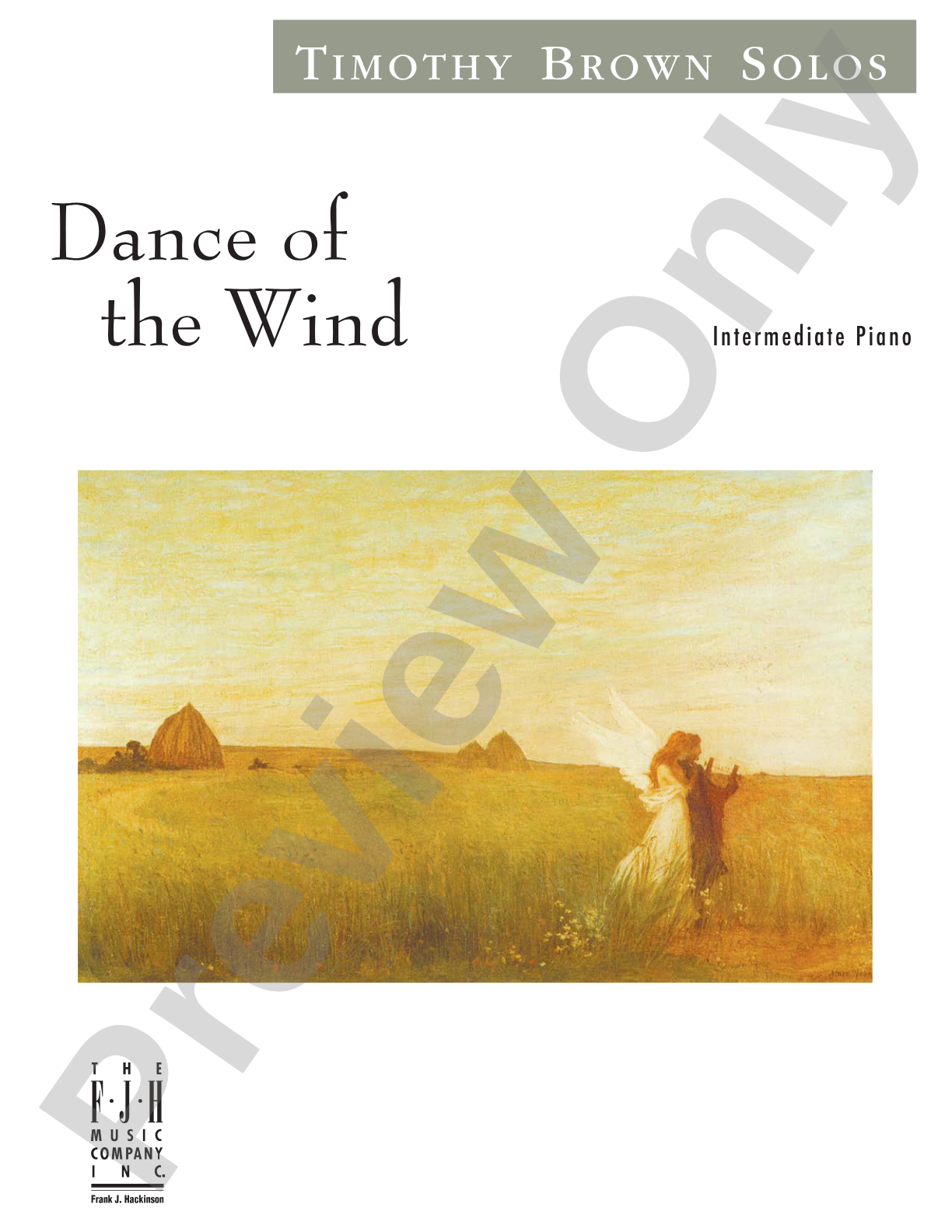
Dance of The Wind: Piano

By Timothy Brown

Item: 98-DW9368

Digital Download
$3.50
Description
Dance of the Wind is a dramatic piece that offers many valuable pedagogical elements. Written in the key of G minor and in 4/4, this piece provides a wonderful opportunity for teaching L.H. over R.H. melodic voicing, (where the L.H. plays a quarter-note melody over the R.H. which is playing a sixteenth-note accompaniment.) The contrasting B section contains majestic octave and chord playing.

Dance of The Wind: Piano isn't in MakeMusic Cloud just yet...but it could be. Let us know you'd like to see it, and you'll help shape what comes next. In the meantime, start a free trial and dive into thousands of interactive titles your students can play along with today.

Sample Audio
No sample audio found.
Sample Video
Additional Details
Series: Written For You
Publisher: The FJH Music Company, Inc.
SKU: 98-DW9368

More about this title

Why we love this

The hand independence required here makes it genuinely challenging without feeling like a studies book. Brown's choice to layer a quarter-note melody in the left hand against sixteenth-note accompaniment in the right hand creates natural musical tension that students must solve through listening and practice, not just reading.

What to expect

Restless and kinetic, with the left-hand melody feeling almost like it's fighting its way through the swirling sixteenth-note figures. The B section breaks that tension with bold, almost orchestral gestures before the drama settles back into the original texture.

Who it's for

Intermediate pianists ready to tackle genuine hand independence and who can handle the physical demands of octave and chord playing in the B section. This piece rewards students who've moved past blocked-chord accompaniment patterns and are developing real musicianship.

How to get the most out of it

  • Balance the left-hand melody clearly against the right-hand sixteenth notes. The melody should sing through without the accompaniment overwhelming it; practice hands separately until the independence is secure, then add dynamics gradually.
  • In the B section, lean into the majesty of the octaves and chords. These moments need weight and resonance, so don't rush the tempo or diminish the tone even as the texture thickens.
  • Shape the drama through tempo control rather than dynamics alone. Allow the left-hand melody space to breathe between phrases; this creates the narrative arc that makes the title feel earned.

How to use it

Anchor it as a solo performance piece for a student recital where you want to showcase growth in hand coordination. It also pairs well with simpler classical miniatures if you're building a program around the theme of character pieces or contrasting textures.

Skills your students will build

  • Left-hand independence playing melody against right-hand sixteenth-note accompaniment
  • Voice leading and balance between multiple hand positions
  • Octave and chord playing with control and projection
  • Phrasing and shaping in a dramatic context
  • Reading and executing rhythmic contrast in 4/4 time

You May Also Like