
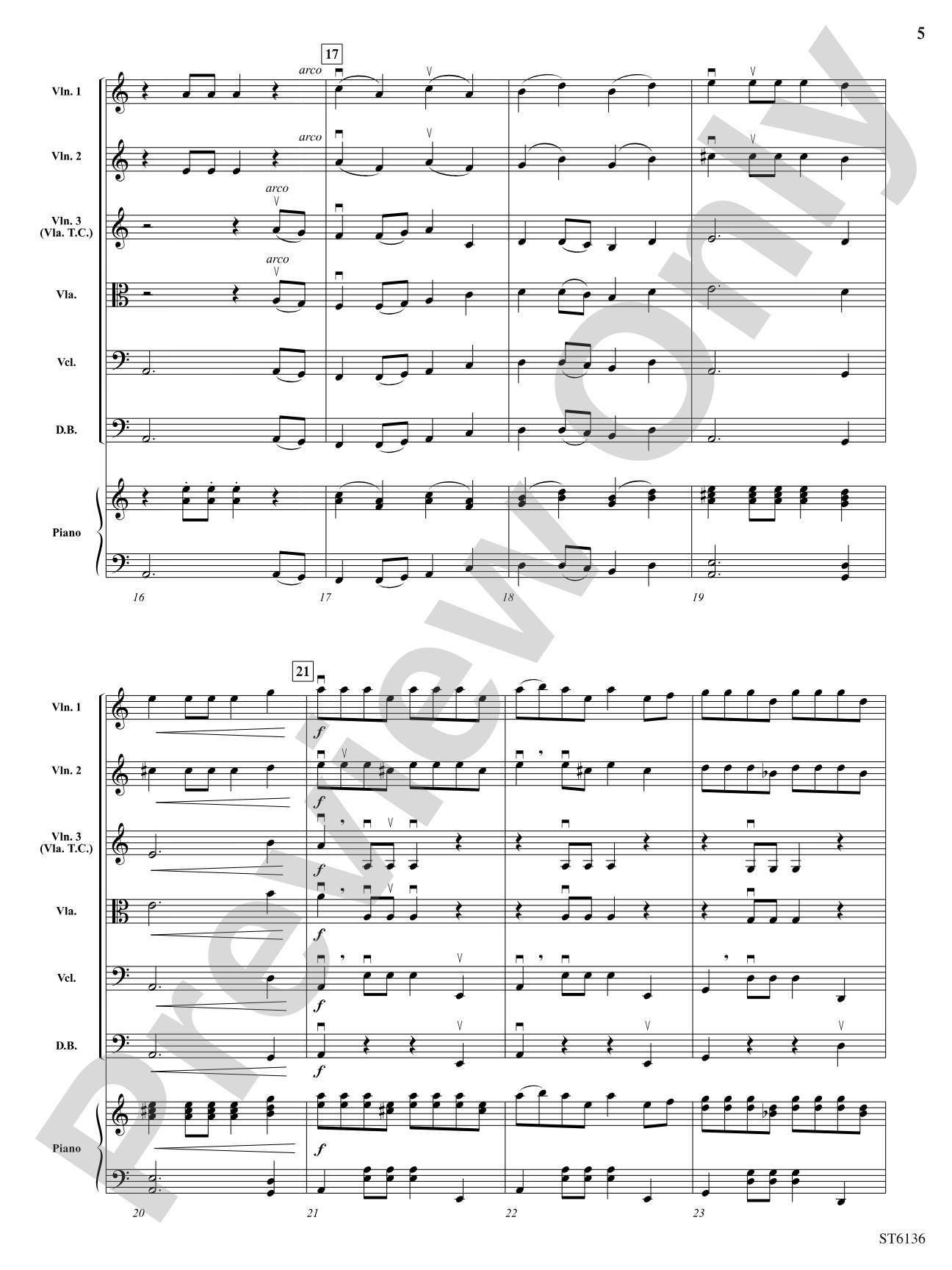
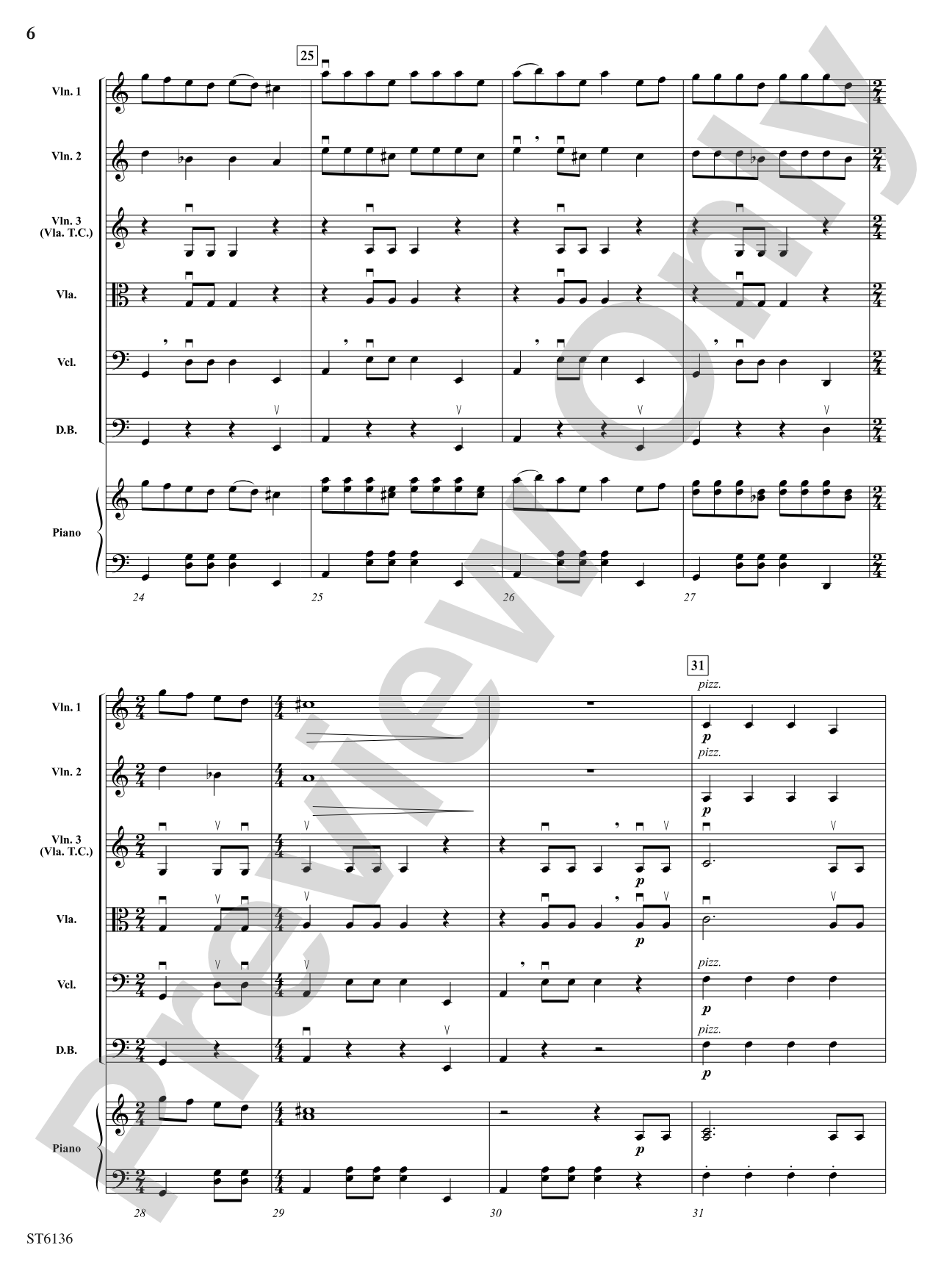
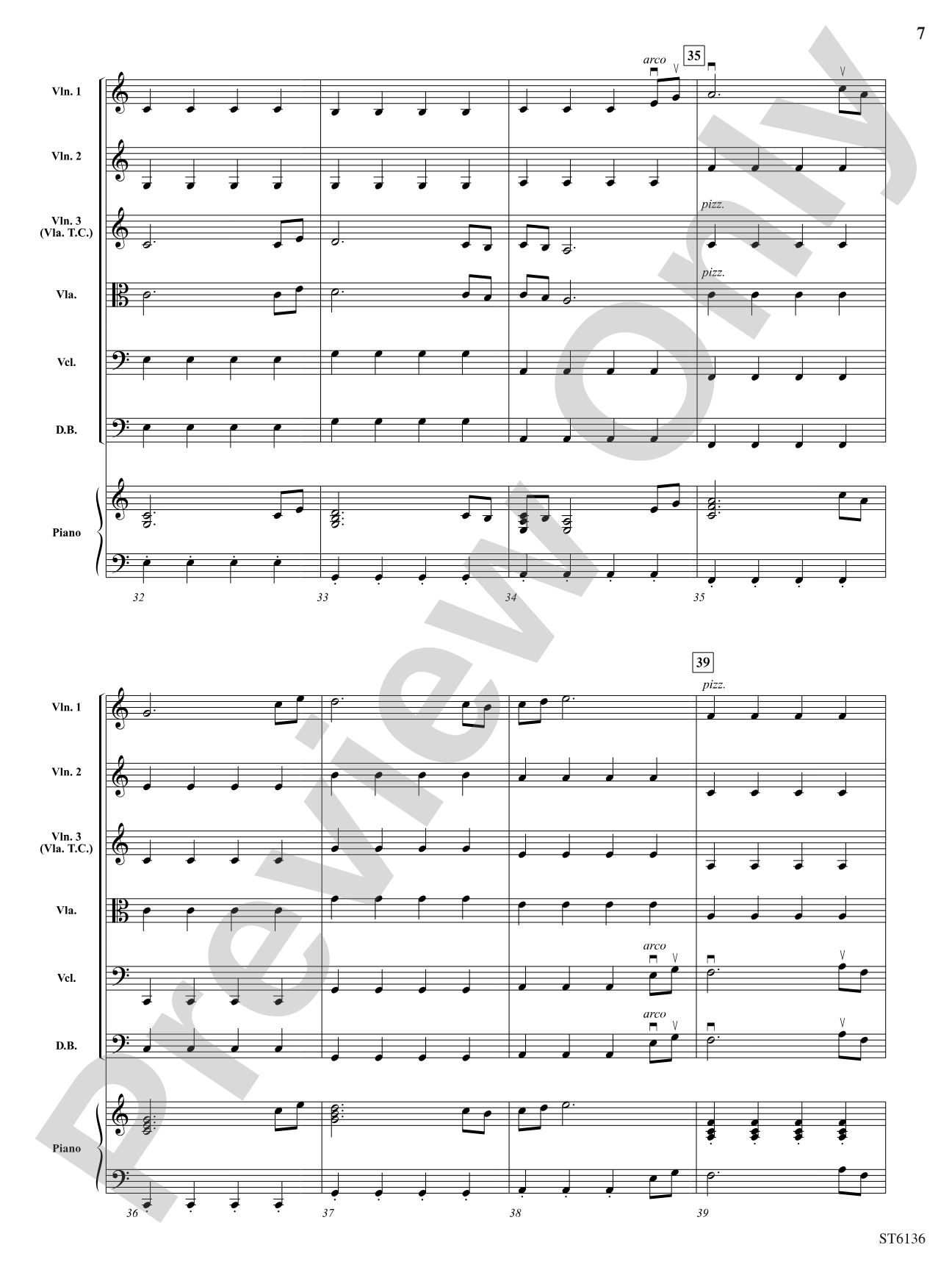
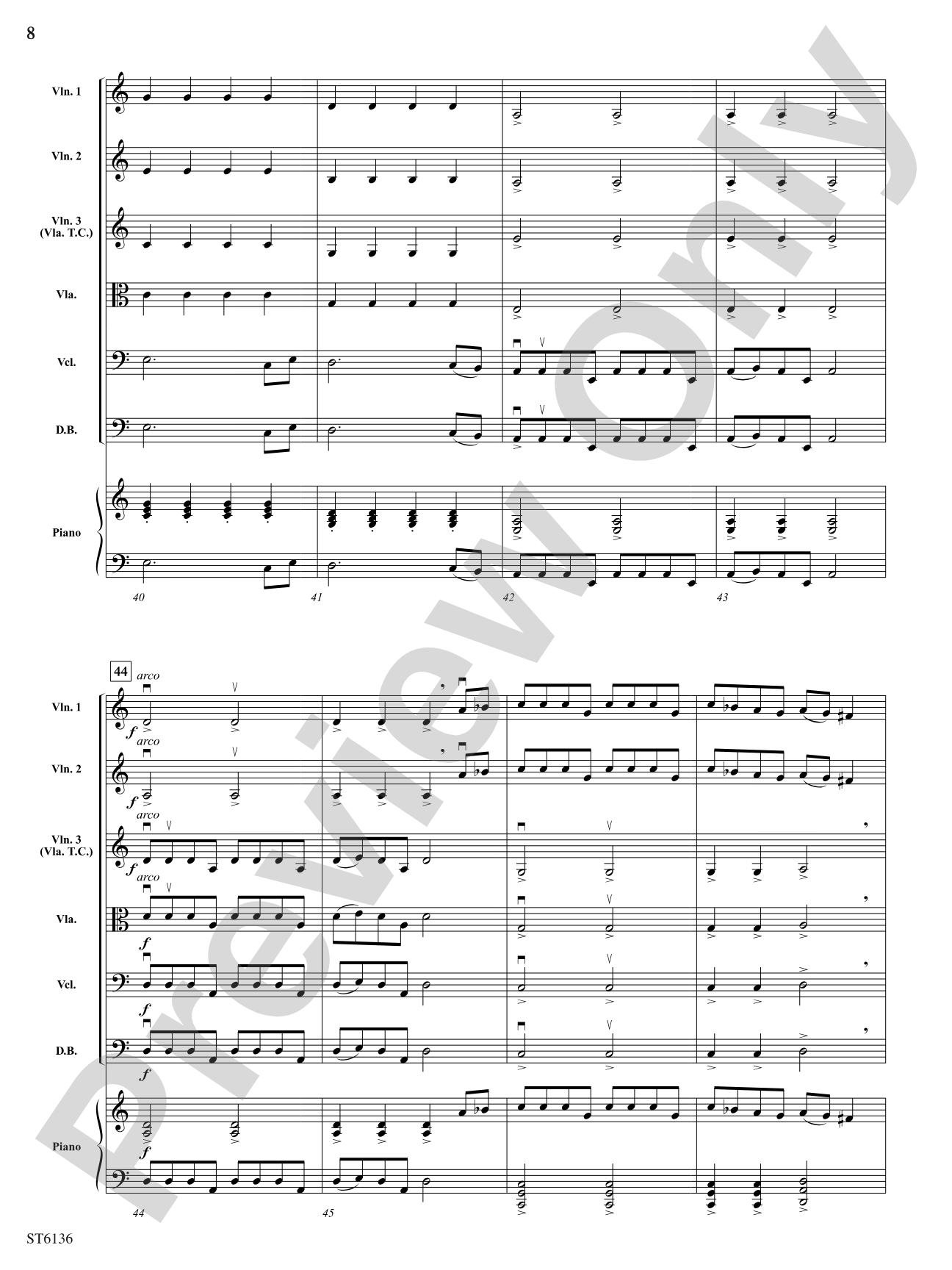
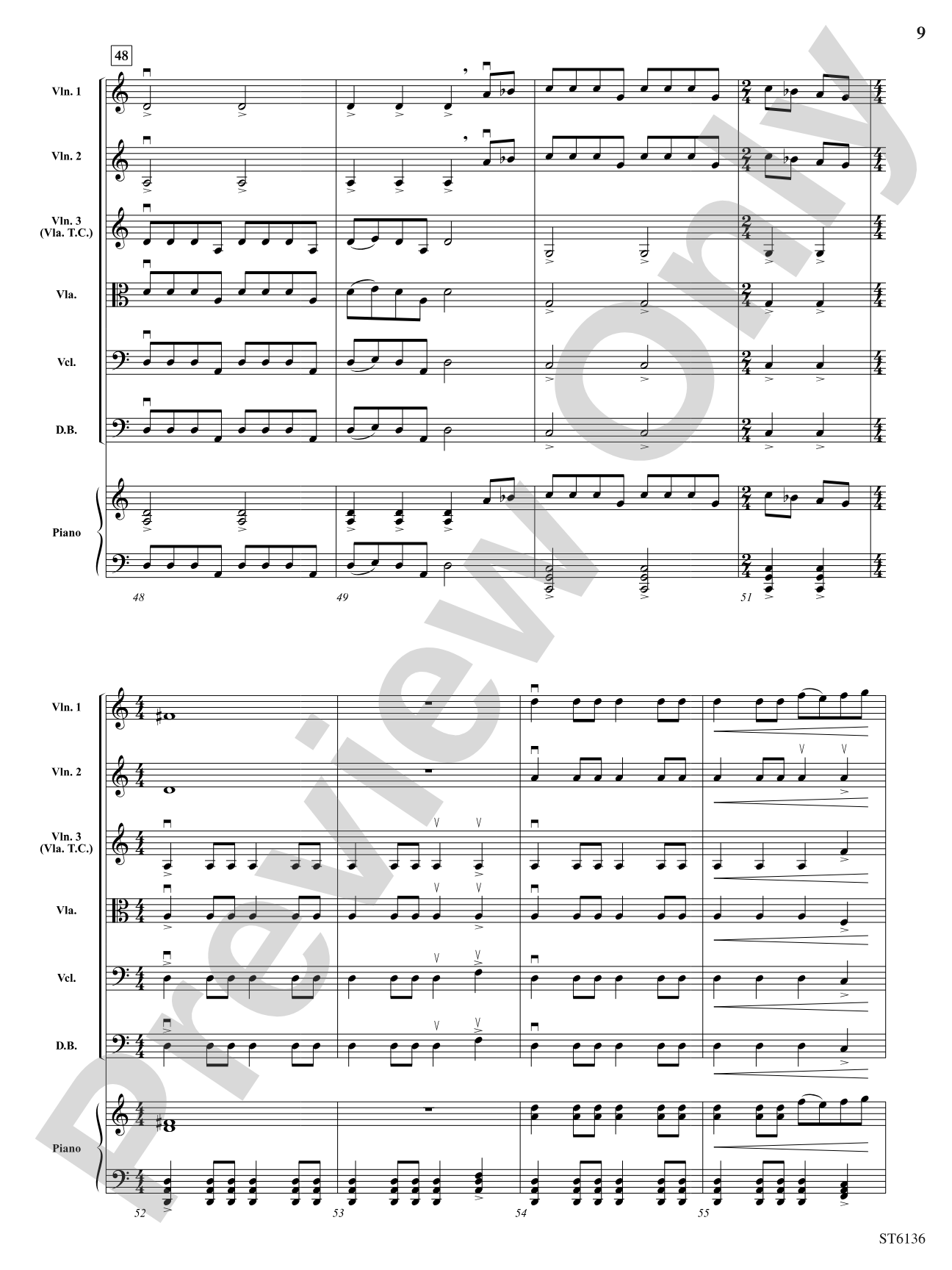
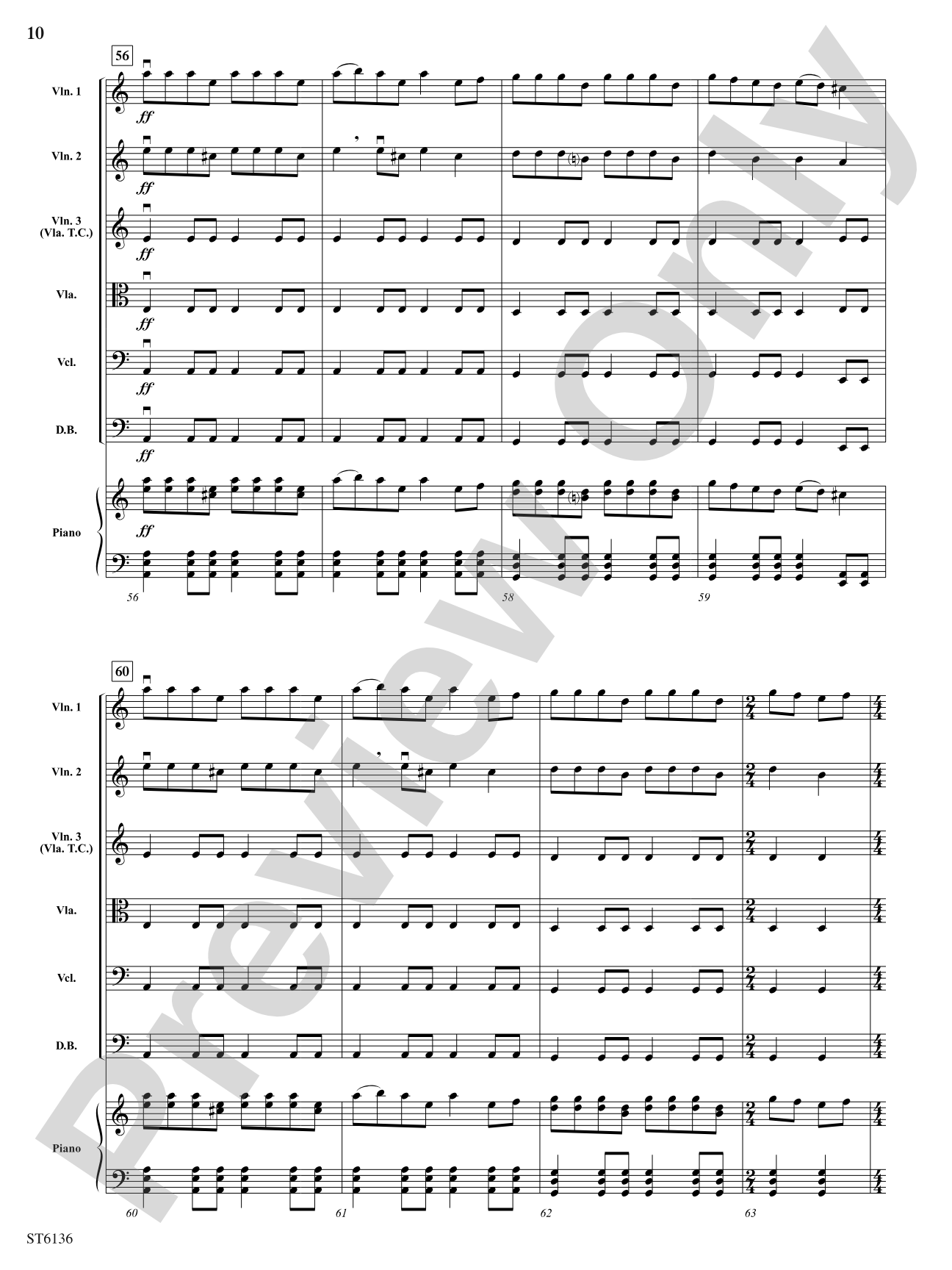
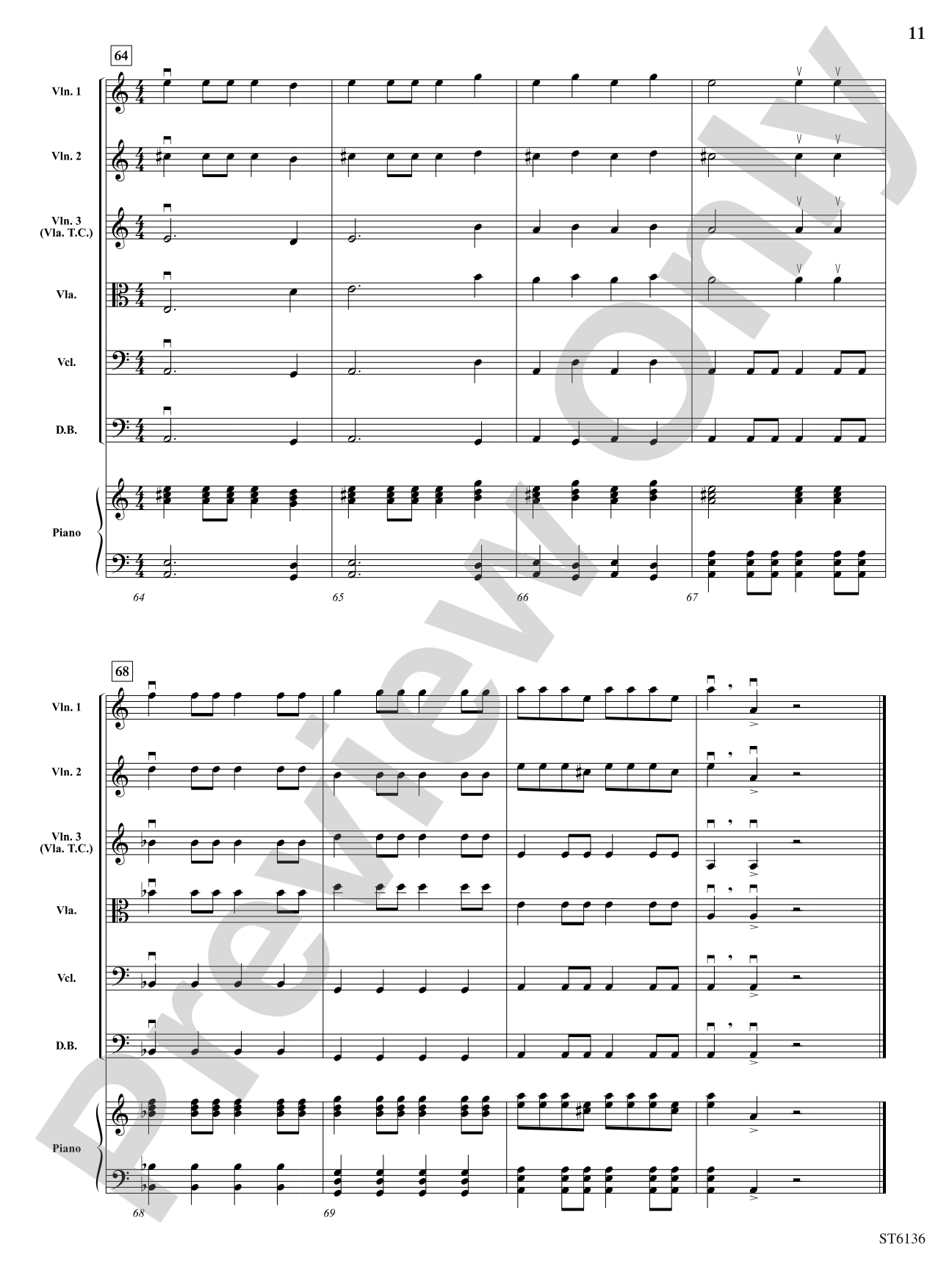

Dance of the Samodivi (Woodland Fairies): String Orchestra Conductor Score & Parts
Woodland Fairies
By Soon Hee Newbold
Grade: 2
Item: 98-DST6136
$45.00
Pickup currently not available
Buy Extra Parts (Digital PDF Download)
Parts Added to Cart!
Description
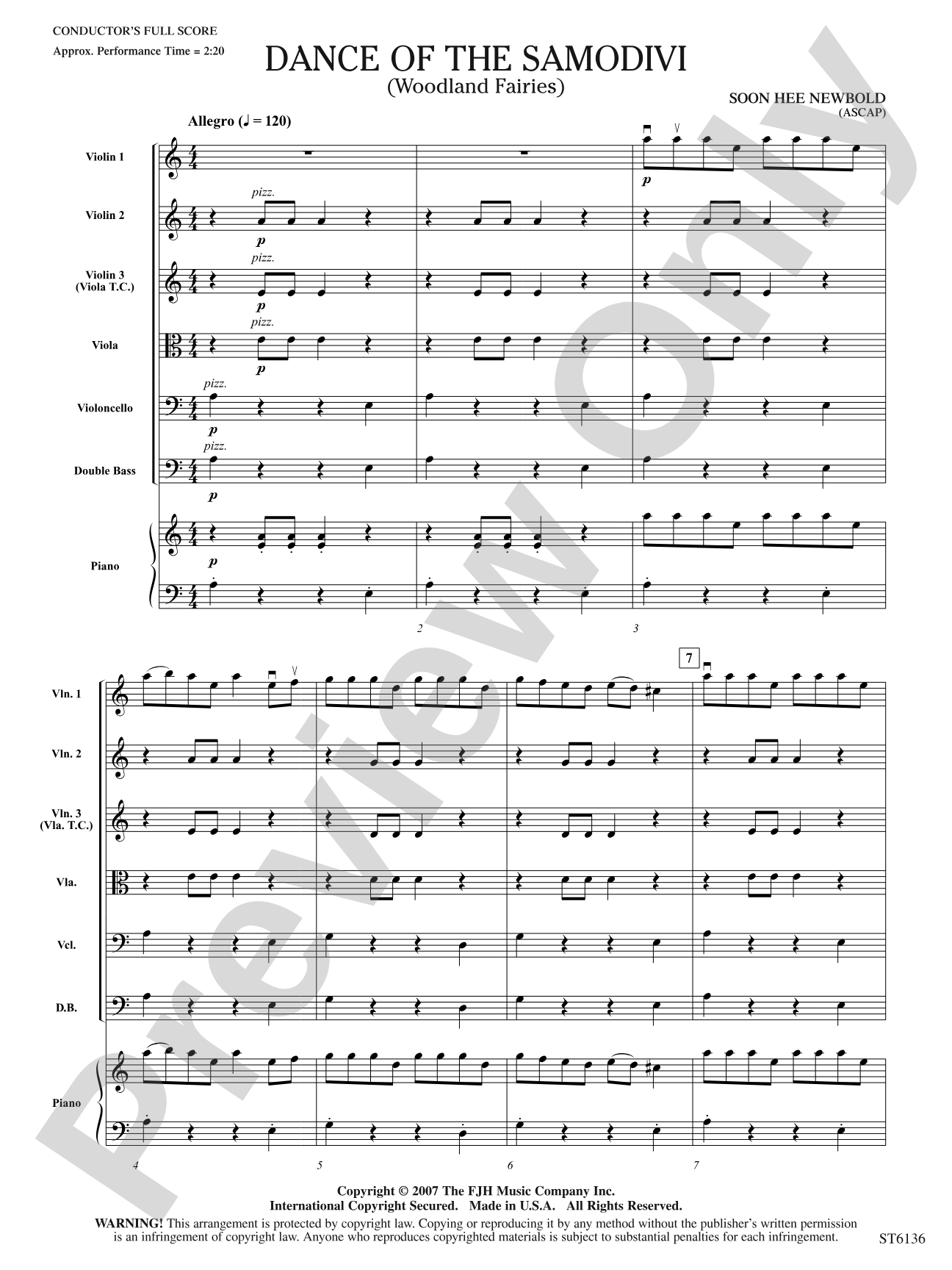
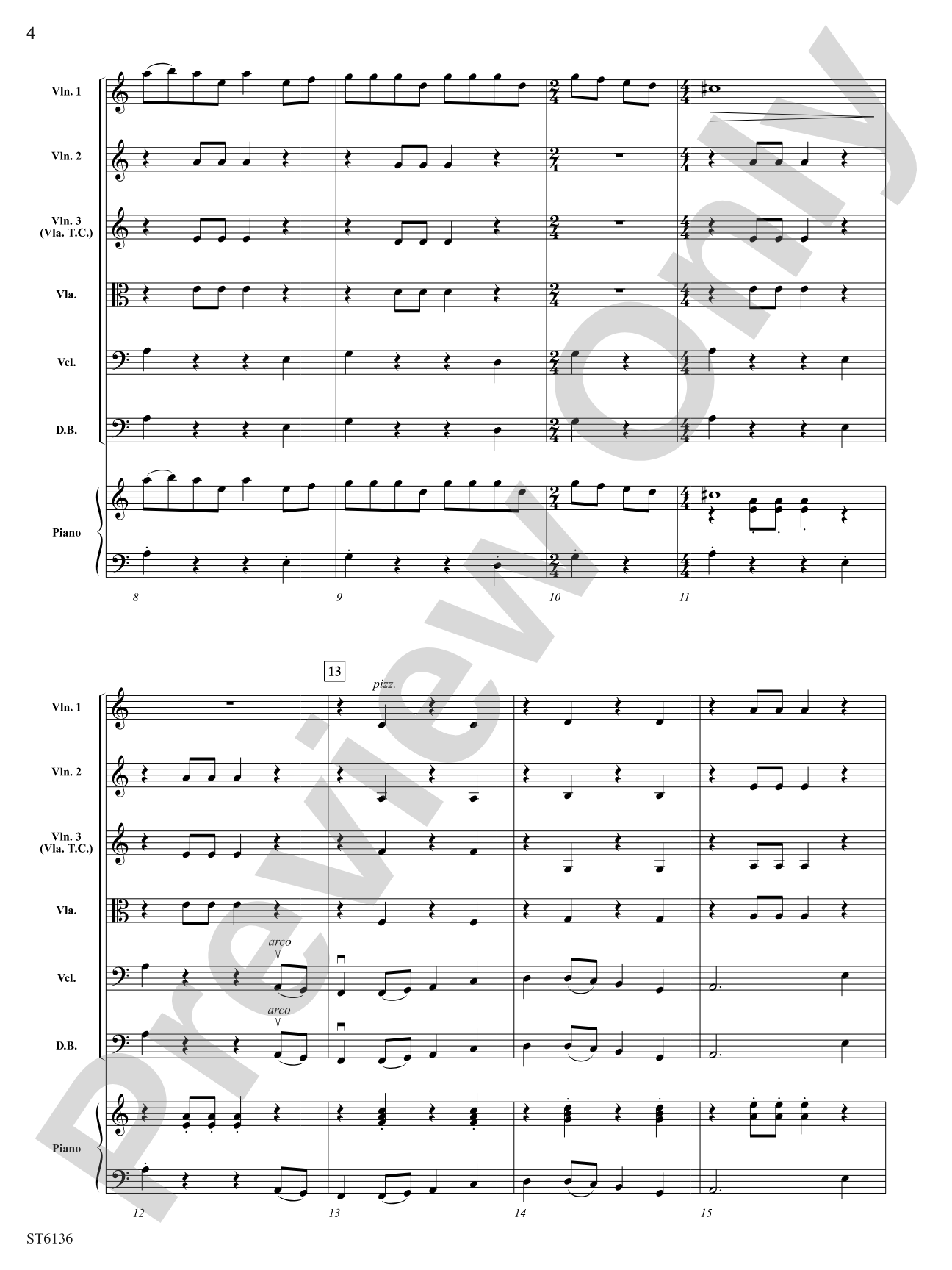
Inspired by folklore of the Samodivi (Woodland Fairies) in Slavic myths, Soon Hee Newbold has written a piece reminiscent of traditional folk dances with a fantasy flair. A perfect change of pace for any concert, Dance of the Samodivi will remind listeners of enchanted forests and favorite fairytales. Like many Newbold pieces, each instrument has vital roles in this mythical adventure!


Dance of the Samodivi (Woodland Fairies): String Orchestra Conductor Score & Parts isn't in MakeMusic Cloud just yet...but it could be. Let us know you'd like to see it, and you'll help shape what comes next. In the meantime, start a free trial and dive into thousands of interactive titles your students can play along with today.
Request This Title
Tell us you want it.
Start Your Free Trial
Explore everything that's ready to play right now.
Sample Audio
1
Audio File
--:--
0:00
0:00
Sample Video
No sample videos found.
Additional Details
Series:
FJH Developing Strings
Publisher:
The FJH Music Company, Inc.
SKU:
98-DST6136
More about this title
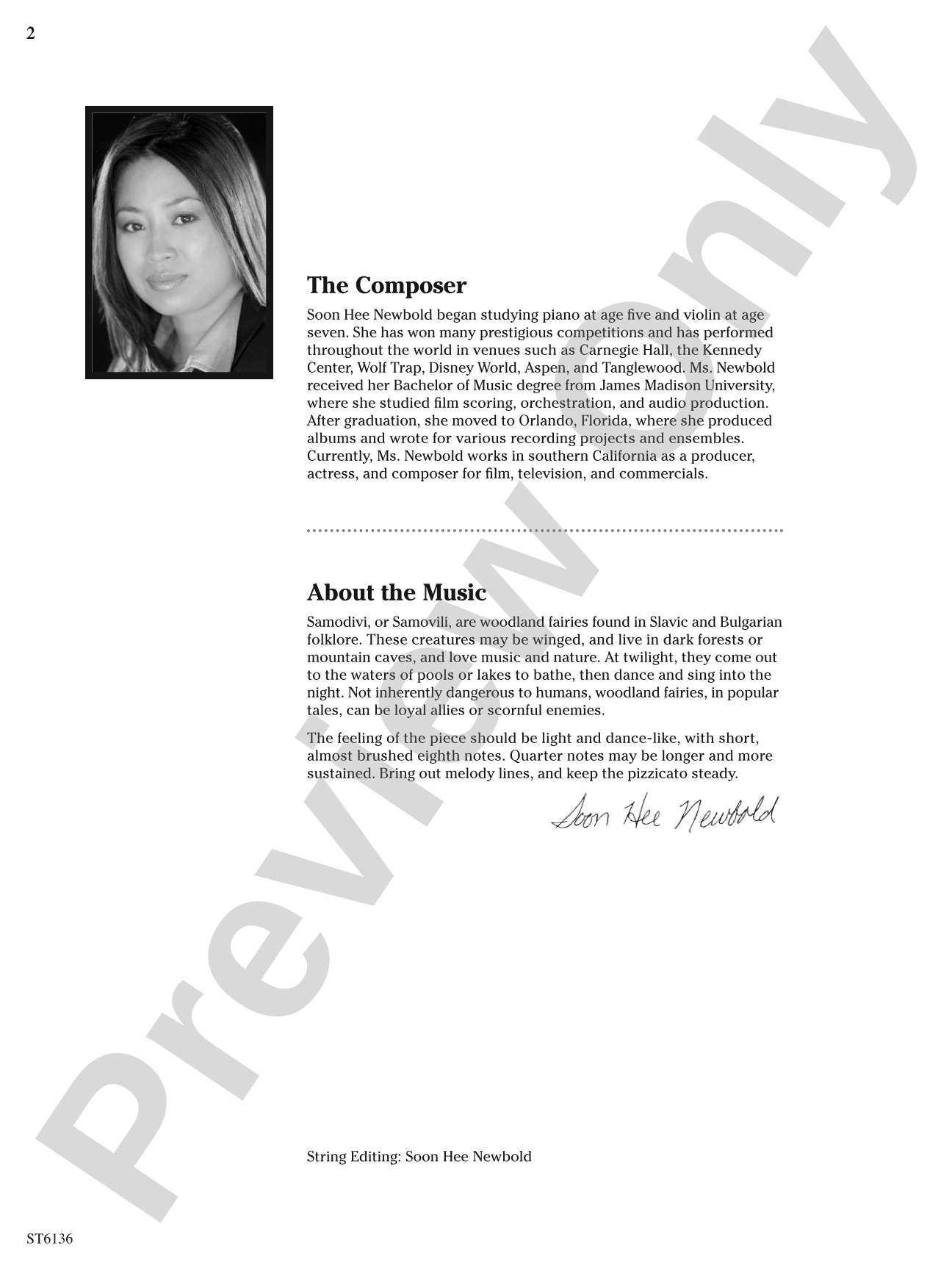
About the Composer: Soon Hee Newbold

Soon Hee Newbold draws on a lifetime of musical exploration across continents to shape her distinctive compositional voice. Beginning piano studies at five and violin at seven, she built a career as a performing artist before establishing herself as a composer whose works span professional orchestras, film scoring, and ensembles at every developmental level. Her music has premiered at Carnegie Hall, the Kennedy Center, Lincoln Center, and major venues worldwide, while her guest clinician work and keynote presentations have taken her across the United States and internationally to countries including the Netherlands, Belgium, Australia, Indonesia, Singapore, and China.
Newbold's creative approach weaves cultural and ethnic traditions into her scores, informed by her extensive travel and cross-cultural experiences. Whether composing for a professional symphony or a beginning ensemble, she constructs parts that ensure every voice carries melodic and rhythmic responsibility, making her work rewarding for conductors seeking scores where no section is relegated to accompaniment duty.
Why we love this
Newbold gives Grade 2 orchestras real narrative weight without sacrificing accessibility. The Samodivi folklore framework creates an immediate theatrical hook that engages young musicians in character and storytelling, while the transparent orchestration ensures each section hears both its own importance and its interdependence with others. Audiences consistently respond to the blend of recognizable folk idioms and imaginative orchestral color.
What to expect
The piece captures the shimmer and movement of a forest inhabited by playful, magical beings. Shifting textures and folk-inflected melodies evoke enchantment without abandoning clarity, while the orchestration sparkles with instrumental conversations that feel both mysterious and joyful.
Who it's for
Grade 2 string orchestras seeking a concert piece that balances musical substance with accessibility. Directors programming festivals or community concerts will find an engaging alternative to traditional arrangements, and conductors working with younger musicians who respond to imagery and storytelling will appreciate how the Samodivi concept activates student investment.
How to get the most out of it
- Balance the folklore authenticity with the fantasy elements by allowing rubato in the lyrical passages while maintaining rhythmic precision in the dance sections. Young musicians often play these contrasts metronomically; encourage them to listen for the difference between folk song (flexible, breathing) and structured dance rhythm.
- Emphasize the narrative arc: this piece is an adventure, not a series of unrelated sections. Use rehearsal to map emotional landmarks (discovery, celebration, mystery) so students understand how each entrance and key moment propels the story forward.
- Give each section advance notice of when their entrance or thematic moment arrives. Because Newbold ensures vital roles throughout, students who understand they carry an essential thread will play with commitment rather than filling background texture.
How to use it
Pair this with other works that expand beyond standard concert repertoire to show audiences the range of themes and cultural touchstones available at the Grade 2 level. It serves equally well as a program opener that sets a whimsical tone or a mid-concert interlude that shifts the energy after heavier works, and its moderate duration makes it ideal for festival appearances where programming flexibility matters.
Skills your students will build
- Sustaining independent melodic lines within ensemble texture
- Identifying and executing folk-based rhythmic and melodic patterns
- Responding to shifts in articulation and dynamics that support narrative storytelling
- Ensemble balance when multiple sections carry thematic material simultaneously
- Reading and executing parts in keys typical of traditional Slavic folk music