
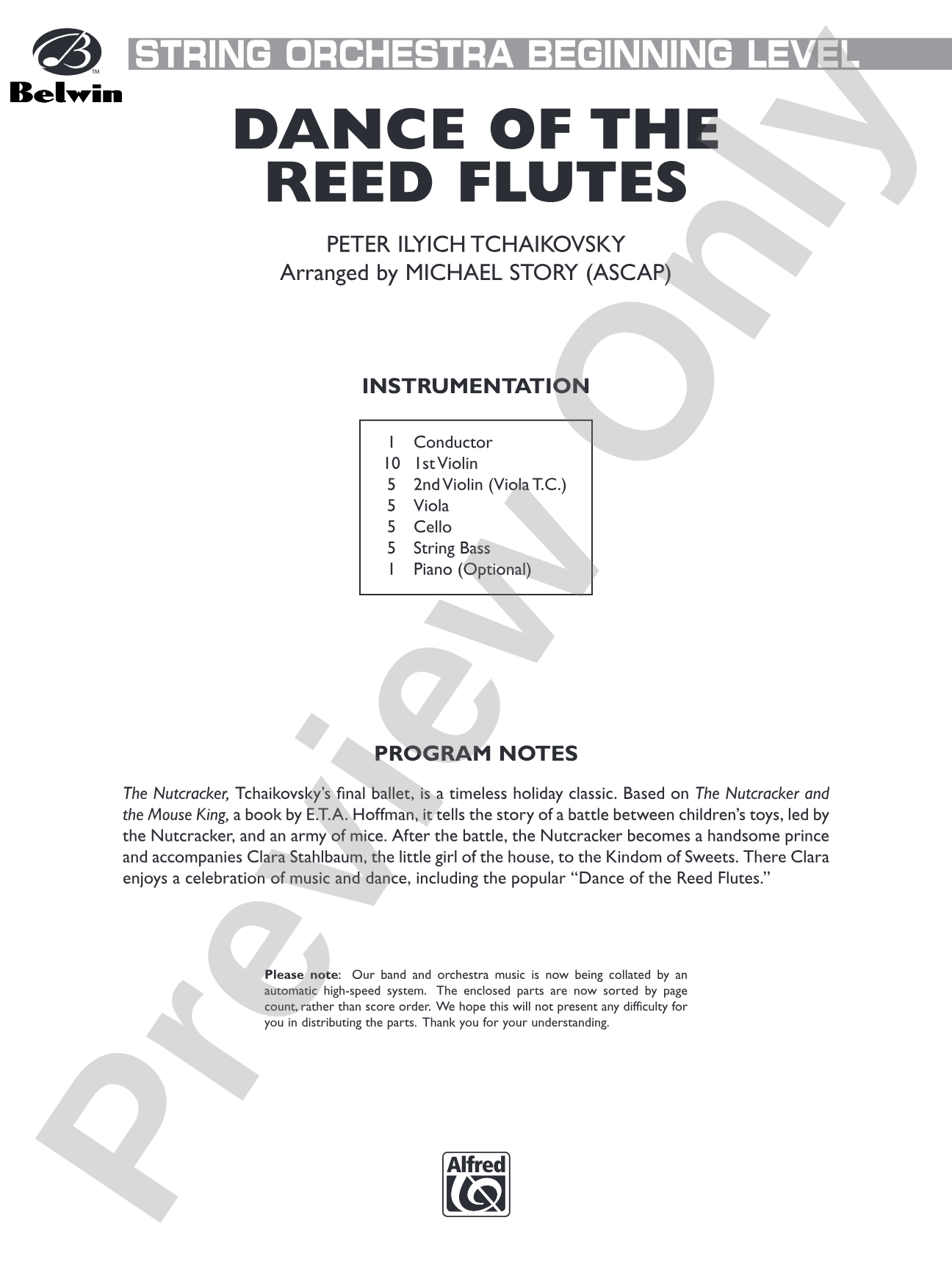
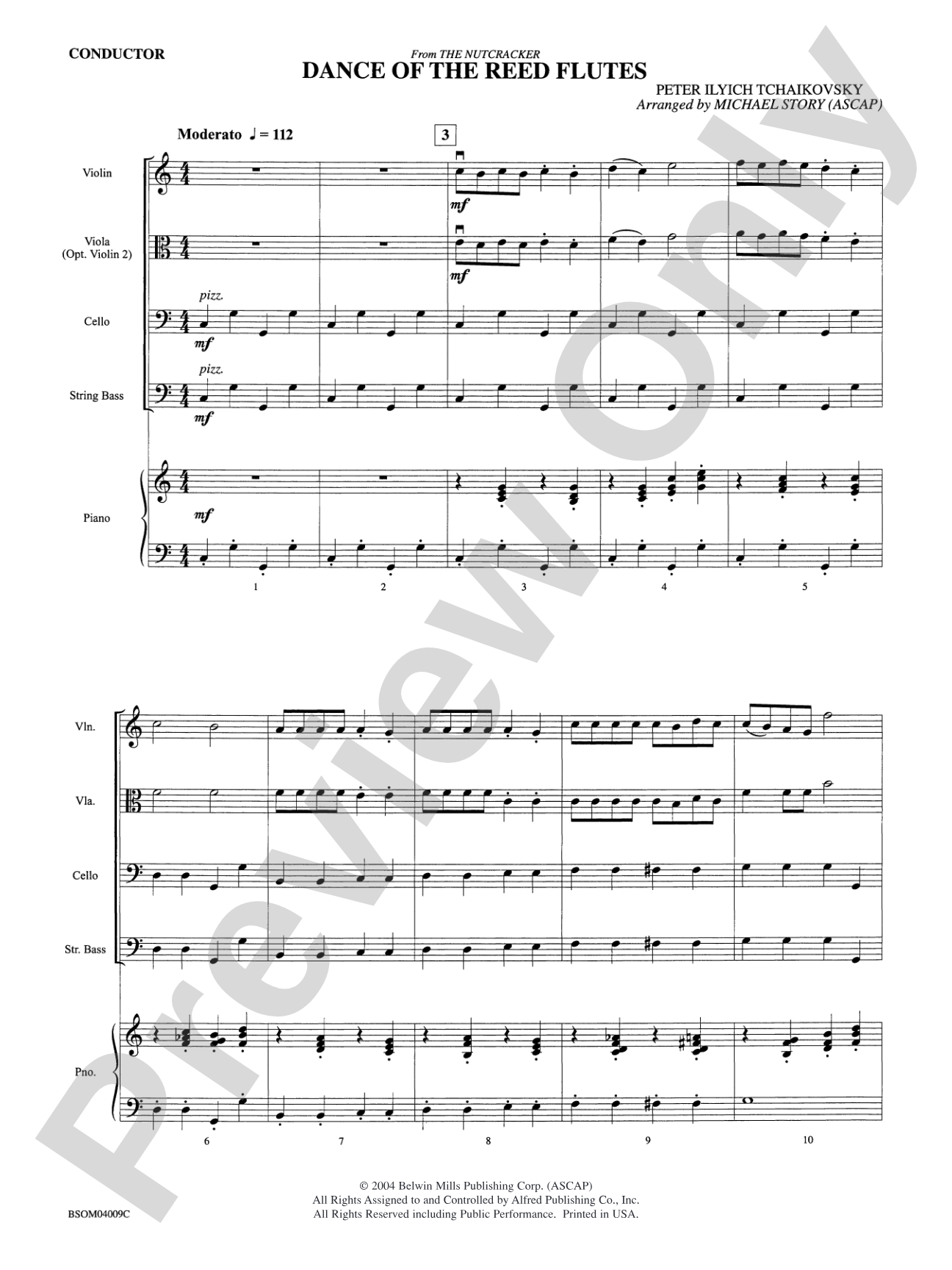
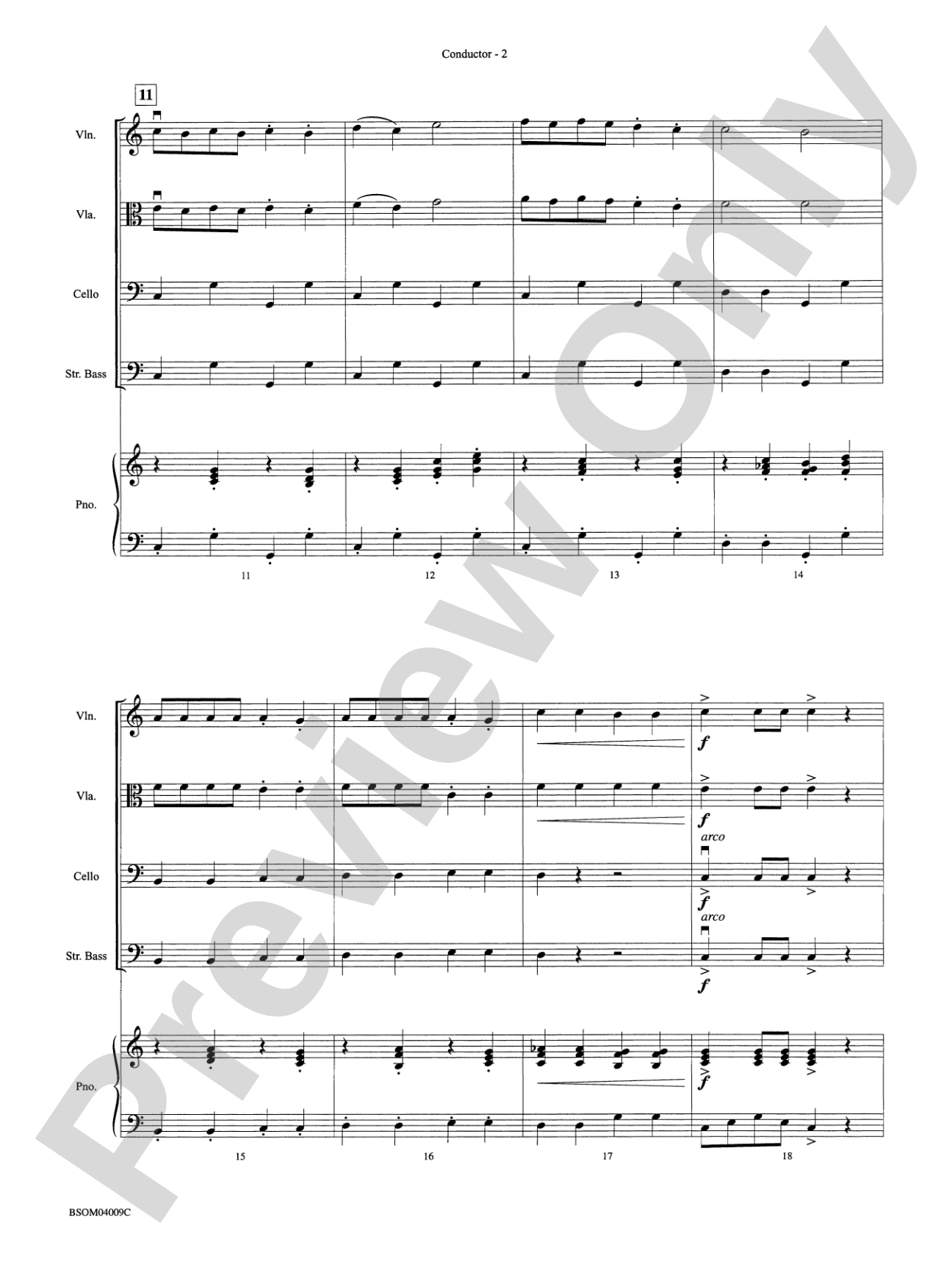
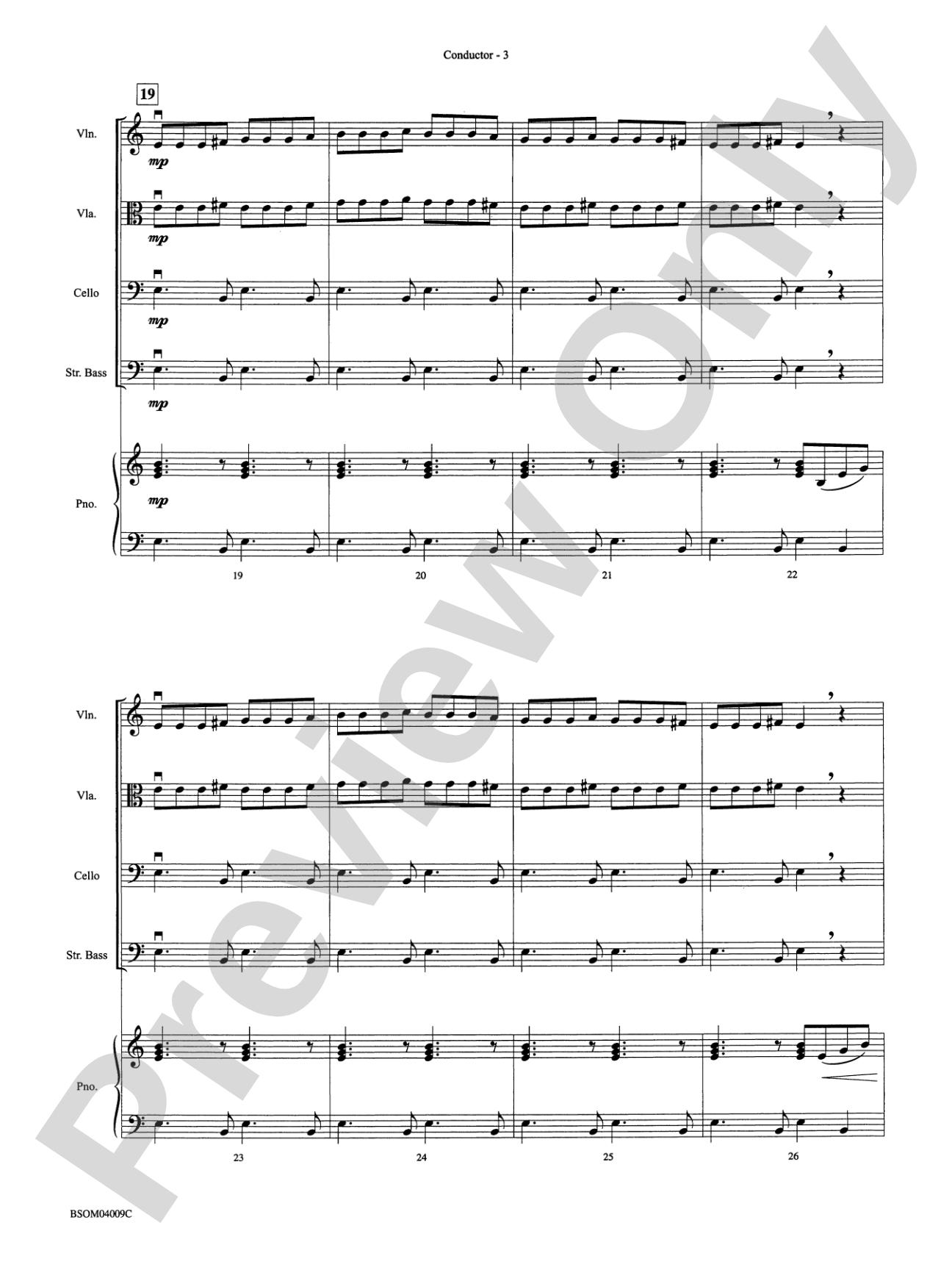
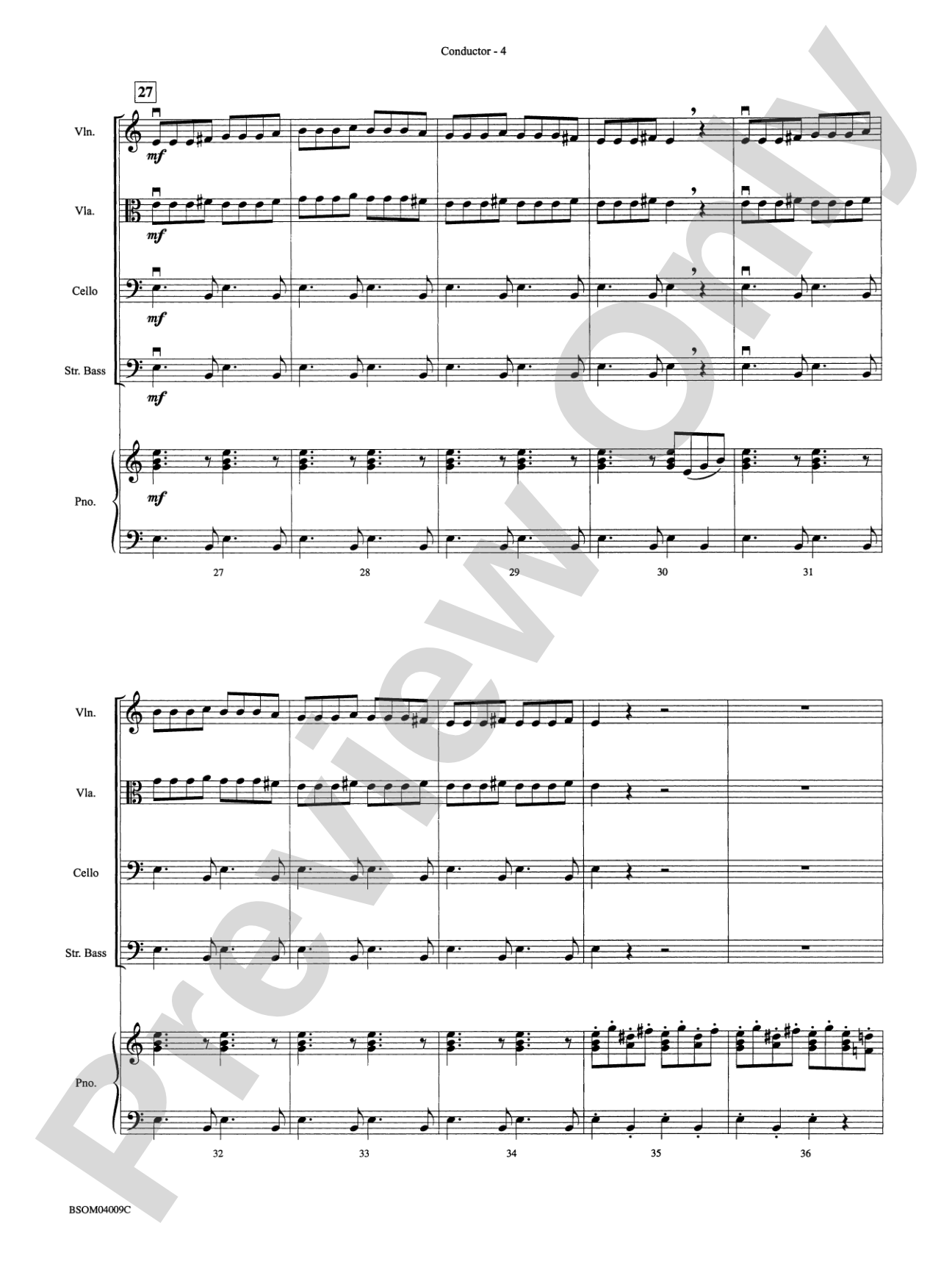
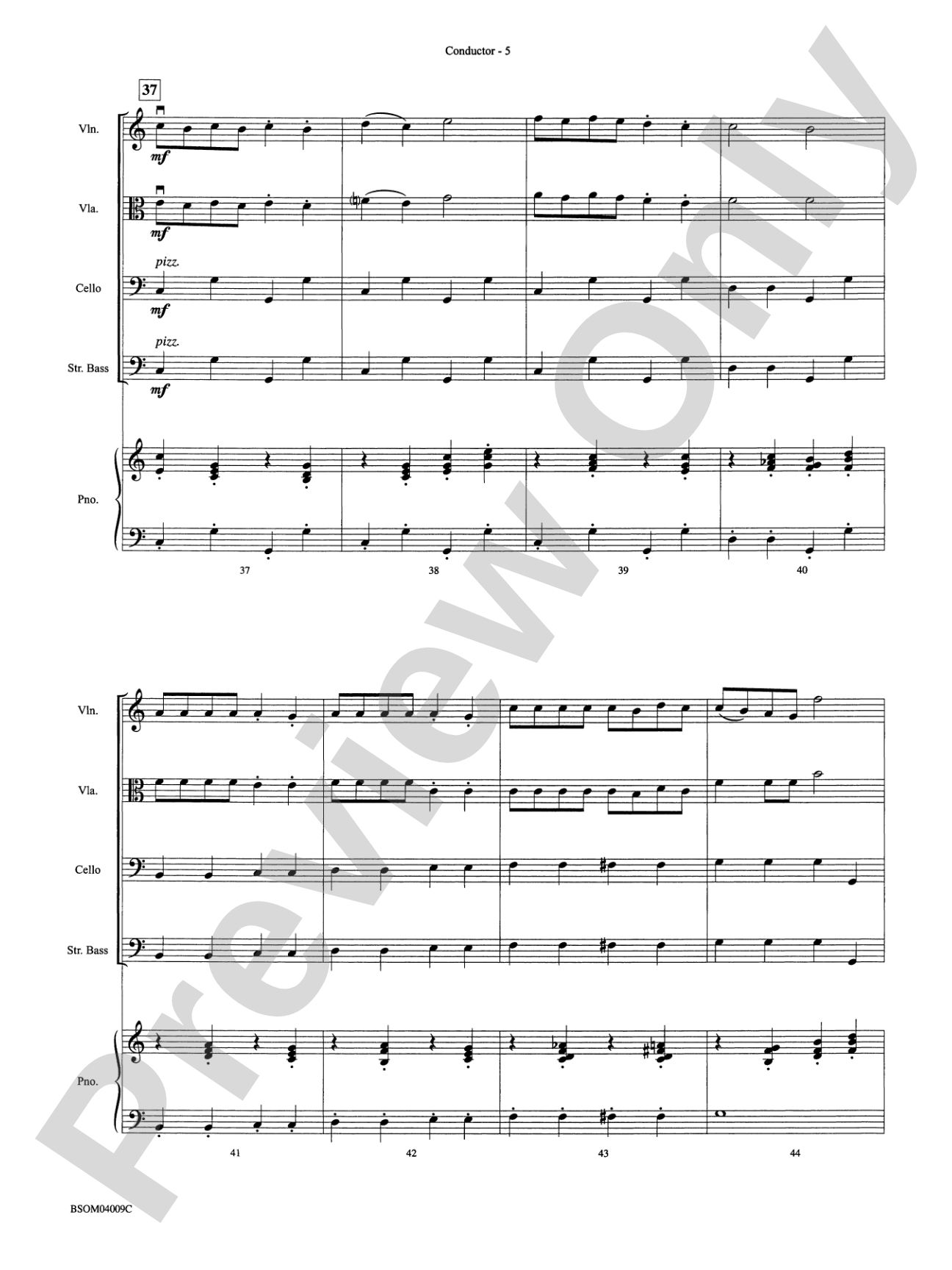
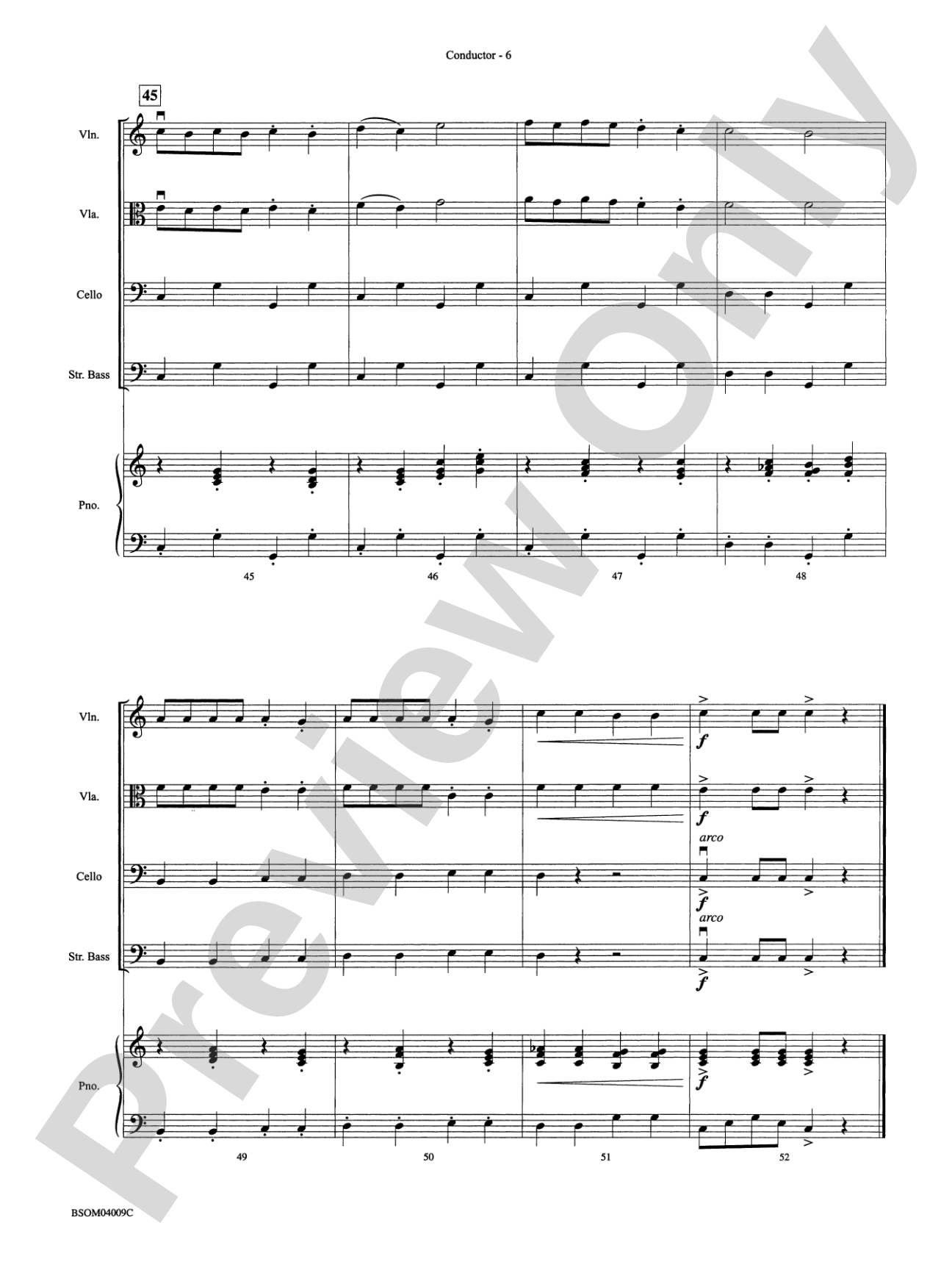


Dance of the Reed Flutes (from The Nutcracker): String Orchestra Conductor Score & Parts
By Peter Ilyich Tchaikovsky / arr. Michael Story
Grade: 1
Item: 00-PK-0002308

$46.00
Pickup currently not available
Buy Extra Parts (Digital PDF Download)
Parts Added to Cart!
Description
From Tchaikovsky's classic ballet, The Nutcracker, this timeless holiday tune is scored for beginning strings. A dance of monumental proportions that will be a joy for rehearsal as well as performance. (1:45)


Don't just read it, hear it, play along with it, and watch your students grow with it. In MakeMusic Cloud, Dance of the Reed Flutes (from The Nutcracker): String Orchestra Conductor Score & Parts comes alive with professional accompaniment, adjustable tempo, and built-in practice tools that turn solo practice into real progress.
Open in the Player
Jump straight in and assign it today.
Start Your Free Trial
Open this title and explore the full library in minutes.
Sample Audio
1
Audio File
--:--
0:00
0:00
Sample Video
Additional Details
Series:
Belwin Beginning String Orchestra
Publisher:
Alfred Music
Page Count:
32
SKU:
00-PK-0002308
More about this title
About the Composer: Peter Ilyich Tchaikovsky
Tchaikovsky stands as one of the most performed composers in concert halls worldwide, and for good reason. His melodies are instantly memorable, his orchestrations richly detailed, and his ability to write for the human voice and instruments remains unmatched in the Romantic era.
While he composed symphonies, concertos, and operas of monumental scope, Tchaikovsky also understood the value of accessible, joyful music. The Nutcracker ballet, written late in his life, contains some of his most beloved melodies. These tunes have traveled far beyond the theater, becoming staples of holiday celebrations and essential repertoire for student musicians learning to make big sounds with simple notes.
Why we love this
Michael Story's arrangement captures everything that makes this melody unforgettable while respecting what beginning players can actually execute. The Reed Flutes dance across your orchestra with genuine charm, not a simplified shadow of the original. Your students get to own a real masterwork from day one.
What to expect
Bright and elegant, with just enough rhythmic lift to keep energy moving. The melody floats lightly, like dancers in tutus crossing a stage, while pizzicato and rhythmic figures create a playful backdrop. There's genuine charm here, not cutesy, just honest and joyful.
Who it's for
Beginning string orchestras and mixed ensembles hungry for literature that feels substantial without overwhelming new players. This works beautifully for holiday concerts, winter assemblies, or early-season programming when you're still building ensemble confidence.
How to get the most out of it
- Keep the tempo steady and dance-like rather than rushing. At 1:45, this is short enough that momentum matters more than flexibility.
- Balance the melody across your first violins and violas; this isn't a soloistic moment, but a group celebration.
- Attend to articulation consistency in the accompaniment figures. Beginning players can blur rhythmic clarity if bows aren't decisive.
- Let the cello line breathe and sing. Even in a Grade 1 arrangement, this bass voice carries the harmonic foundation and deserves attention.
How to use it
Slot this into December concerts as a standalone showstopper or pair it with other Nutcracker excerpts for a small suite. It also serves as an excellent early-year morale booster when you need something recognizable that proves your ensemble can sound polished immediately.
Skills your students will build
- Maintaining steady pulse in dance-like contexts
- Balancing melody against rhythmic accompaniment figures
- Reading and executing pizzicato notation cleanly
- Sustaining tone quality on simple, exposed melodies
- Listening across the ensemble to blend multiple lines