Dance at the Lake of Miramoor Cover Image

Dance at the Lake of Miramoor: Concert Band Conductor Score & Parts

$70.00 USD
Sale price  $70.00 USD Regular price 
Skip to product information
Dance at the Lake of Miramoor Cover Image

Dance at the Lake of Miramoor: Concert Band Conductor Score & Parts

By Barry E. Kopetz

Grade: 2

Item: 98-B1214

Need it now?

Buy Digital Version
$70.00
Shipped

One moment…

Description
This programmatic work tells the story of a lake that never reflects sunlight and instead shows images of the past, present, and future. The music portrays the inhabitants of a mystic land as they dance around this enchanting lake, waiting to see what images will next appear in its waters. Easy to put together and wonderful for stimulating the imagination!

Dance at the Lake of Miramoor: Concert Band Conductor Score & Parts isn't in MakeMusic Cloud just yet...but it could be. Let us know you'd like to see it, and you'll help shape what comes next. In the meantime, start a free trial and dive into thousands of interactive titles your students can play along with today.

Sample Pages

Sample Audio
0:00
0:00
Sample Video
Additional Details
Series: FJH Young Band
Publisher: The FJH Music Company, Inc.
UPC: 674398214198
SKU: 98-B1214

More about this title

About the Composer: Barry E. Kopetz
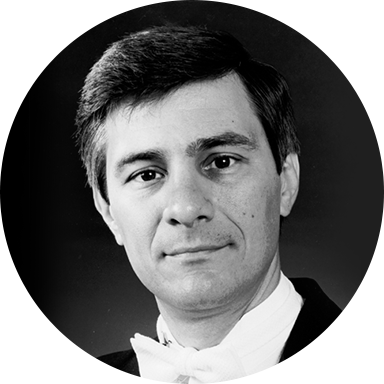
Barry E. Kopetz

Barry E. Kopetz has served on the faculty at Capital University in Columbus, Ohio, where he conducts the Wind Symphony and Chamber Winds and teaches conducting, rehearsal techniques, and arranging. His academic background includes degrees from Ohio State University and a doctorate with distinction from Indiana University's School of Music, complemented by conducting study with Frederick Fennell in Tokyo and mentorship from respected conductors including Ray Cramer and Donald McGinnis.

As a composer and arranger, Kopetz has more than 50 published works in circulation. He maintains an active schedule as a guest conductor and adjudicator across the United States and Australia, contributes analytical articles to Instrumentalist magazine, and has worked on orchestrations for television and film. He was elected to the American Bandmasters Association in 1998 and holds membership in numerous professional music organizations.

Why we love this

Kopetz crafts a narrative arc that students can actually see unfolding in the music, which makes rehearsing Grade 2 repertoire feel purposeful rather than mechanical. The programmatic framework gives young musicians a reason to care about phrasing, color, and ensemble balance, and the writing sits in a sweet spot where it's accessible without feeling thin or overly simplified.

What to expect

Shimmering and mysterious, with an undercurrent of gentle motion. The music evokes a band of characters gathering at the water's edge, caught between curiosity and enchantment, watching the surface for glimpses of things yet to come. There's a sense of wonder throughout, supported by orchestration that feels spacious rather than crowded.

Who it's for

Concert band programs in middle school or early high school that want Grade 2 literature with genuine musical substance and programmatic appeal. This works well for students who respond to narrative and imagery, and for directors seeking contest or festival material that doesn't compromise musicality for accessibility.

How to get the most out of it

  • Let the harmonic language support the storytelling: the music should shimmer and shift as the lake's images change, so ensure the ensemble hears and sustains those color shifts in the chords rather than rushing through them.
  • Encourage players to listen for moments where the orchestration thins or thickens, signaling a transition between past, present, and future; this helps build awareness of texture as a musical tool.
  • Shape phrases to suggest movement and dance rather than playing squarely on the beat; Grade 2 students can handle subtle rubato if you model it first.

How to use it

This works as a centerpiece for a concert built around programmatic works, pairing well with other narrative-driven pieces at similar or slightly higher grades. Its accessibility and imaginative story make it ideal for family concerts or young people's concerts where the program notes can guide the audience through the mystic lake.

Skills your students will build

  • sustaining long tones with consistent tone quality and intonation
  • listening for harmonic color and responding with dynamic adjustments
  • recognizing and executing transitions between contrasting sections
  • balancing melodic and accompaniment voices in an ensemble setting
  • connecting phrasing to program and narrative intent

You May Also Like