

Daily Warm-Ups, Set 3: Major Scales & Arpeggios (One Octave): Piano
Major Scales & Arpeggios (One Octave)
By Gayle Kowalchyk and E. L. Lancaster
Item: 00-PB-0001095
$6.99
Pickup currently not available
Related Items
Daily Warm-Ups, Set 3: Piano Book |
$6.99
|
View |
Description
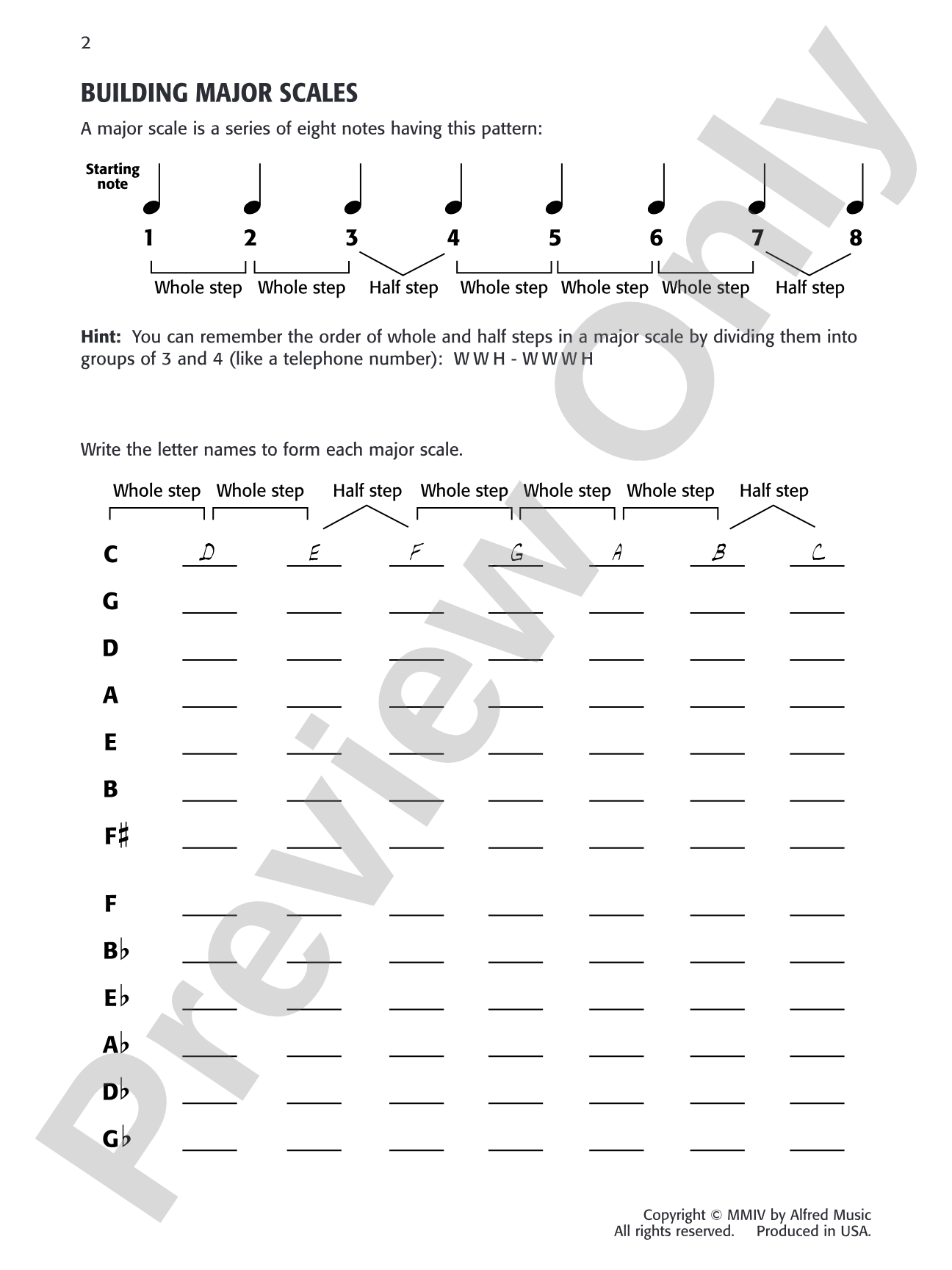
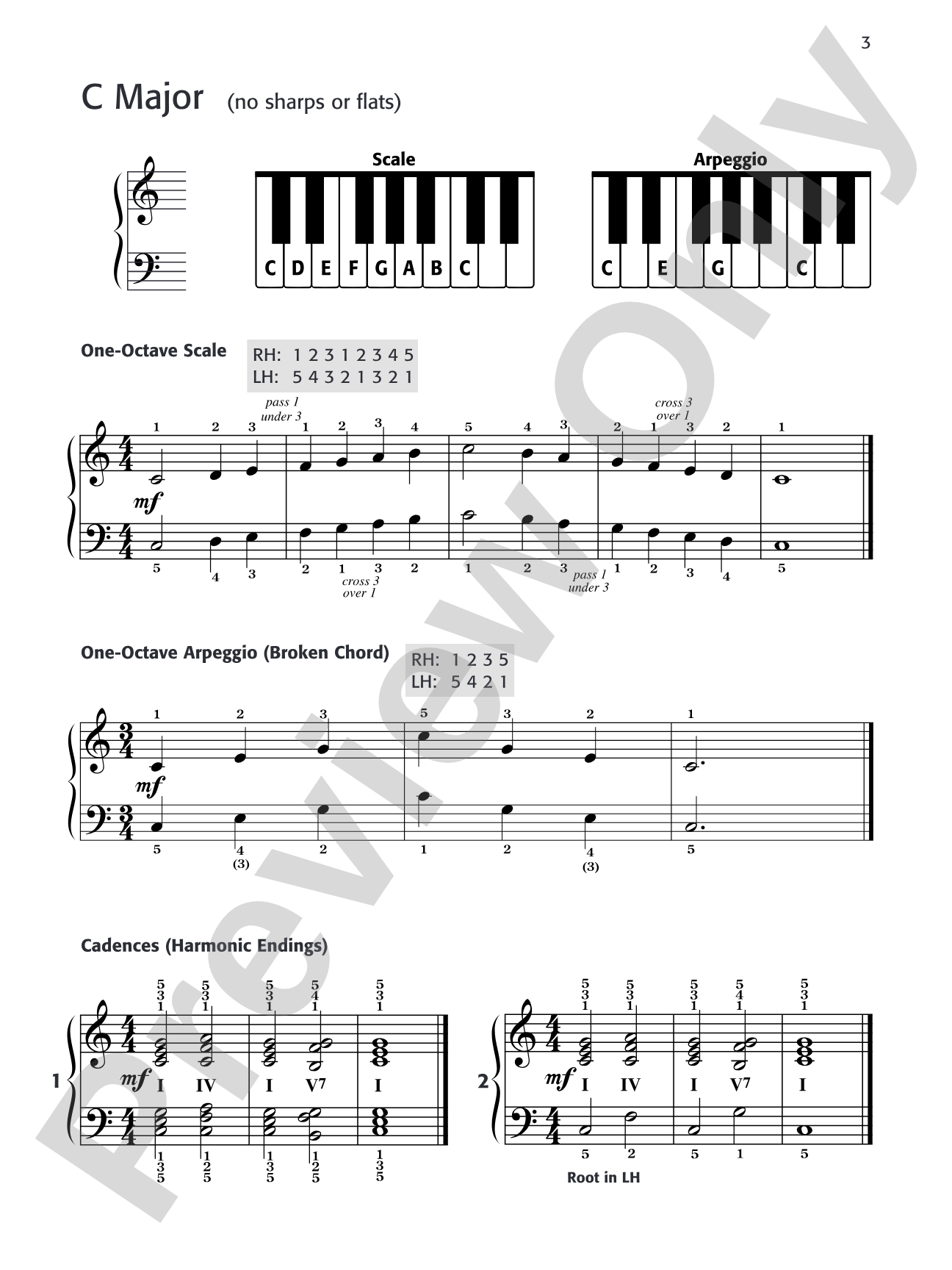
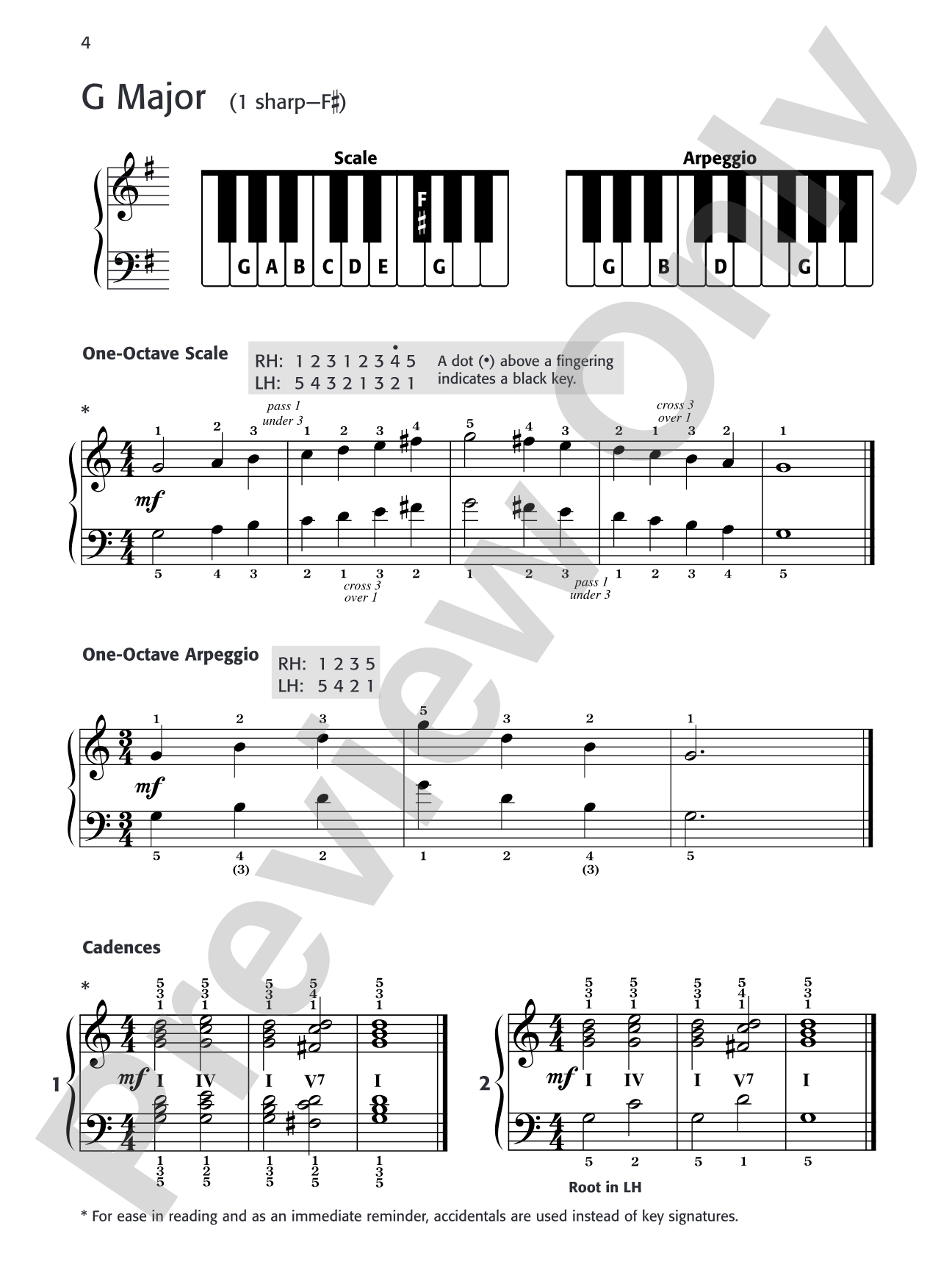
Help your students prepare for auditions and contests with these exceptional new reference guides to five-finger patterns, scales, arpeggios, cadences and key signatures. Convenient and easy to use, the six sets of Daily Warm-Ups include concise theoretical explanations and practical practice suggestions.


Daily Warm-Ups, Set 3: Major Scales & Arpeggios (One Octave): Piano isn't in MakeMusic Cloud just yet...but it could be. Let us know you'd like to see it, and you'll help shape what comes next. In the meantime, start a free trial and dive into thousands of interactive titles your students can play along with today.
Request This Title
Tell us you want it.
Start Your Free Trial
Explore everything that's ready to play right now.
Sample Audio
No sample audio found.
Sample Video
No sample videos found.
Additional Details
Publisher:
Alfred Music
Page Count:
16
SKU:
00-PB-0001095
More about this title
About the Composer: Gayle Kowalchyk

Dr. Gayle Kowalchyk has shaped piano pedagogy through decades of teaching, research, and curriculum development. She earned her D.M.A. in piano pedagogy from Teachers College, Columbia University and holds performance degrees from Ohio University and Northwestern University. Her faculty positions have included California State University, Northridge; Eastern Illinois University, where she directed the piano preparatory program; and both Oklahoma Baptist University and the University of Oklahoma. She has presented extensively at national conferences including the Music Teachers National Association, Music Educators National Conference, and the World Piano Pedagogy Conference.
With her husband E. L. Lancaster, Dr. Kowalchyk has authored over 300 educational piano publications, among them Alfred's Premier Piano Course and Music for Little Mozarts. Her work reflects a commitment to sequential, pedagogically sound instruction that serves pianists from early childhood through advanced study. In addition to her teaching and writing, she maintains an active schedule as a clinician and adjudicator.
Why we love this
These warm-ups distill years of pedagogical expertise into a focused, reproducible daily routine. The one-octave focus makes them accessible for developing hands while establishing solid foundational technique that audition judges and contest adjudicators expect to hear. You get both the technical exercises and the conceptual explanations your students need to understand what they're practicing.
What to expect
Working through these warm-ups feels purposeful and clear. Each exercise has its own focus, and the theoretical explanations help students understand the mechanical and harmonic logic behind what their hands are doing. There's satisfaction in the systematic progression through keys and in hearing how five-finger patterns become the building blocks for larger musical thinking.
Who it's for
Piano students preparing for auditions, contests, and performances benefit from these structured warm-ups, which provide both the exercises and the theoretical grounding they need to work independently. Teachers can use this resource to standardize technique instruction across their studio or classroom, knowing that students receive consistent, research-based guidance. Advanced beginners through intermediate pianists will find the one-octave scope appropriate for building confident fundamental skills.
How to get the most out of it
- Play through all five patterns in a single key before moving to the next key, allowing your hands to feel the tactile and aural similarities across the major scale and arpeggio shapes.
- Maintain consistent tempo and evenness throughout each pattern. These are technique builders, not performance pieces, so precision matters more than speed.
- Transpose systematically through all keys rather than jumping around. This trains transposition skills directly and reinforces the intervallic relationships within each pattern.
- Focus your listening on the sound quality and finger independence. Quality five-finger work now prevents technical gaps that complicate larger repertoire later.
How to use it
Make these the standard technical preparation in your studio or piano lab, working through one key or one pattern daily. Students preparing for specific auditions or competitions benefit from the focused, efficient structure. The written explanations also work well as take-home references, allowing parents and students to understand the purpose of daily technique work without relying solely on teacher explanation.
Skills your students will build
- Five-finger pattern execution and hand position
- Major scale fingering and sound production (one octave)
- Arpeggio patterns in major keys
- Transposition in all twelve keys
- Key signature recognition and application
- Finger independence and evenness within a limited range
- Foundational understanding of major key relationships and harmonic structure