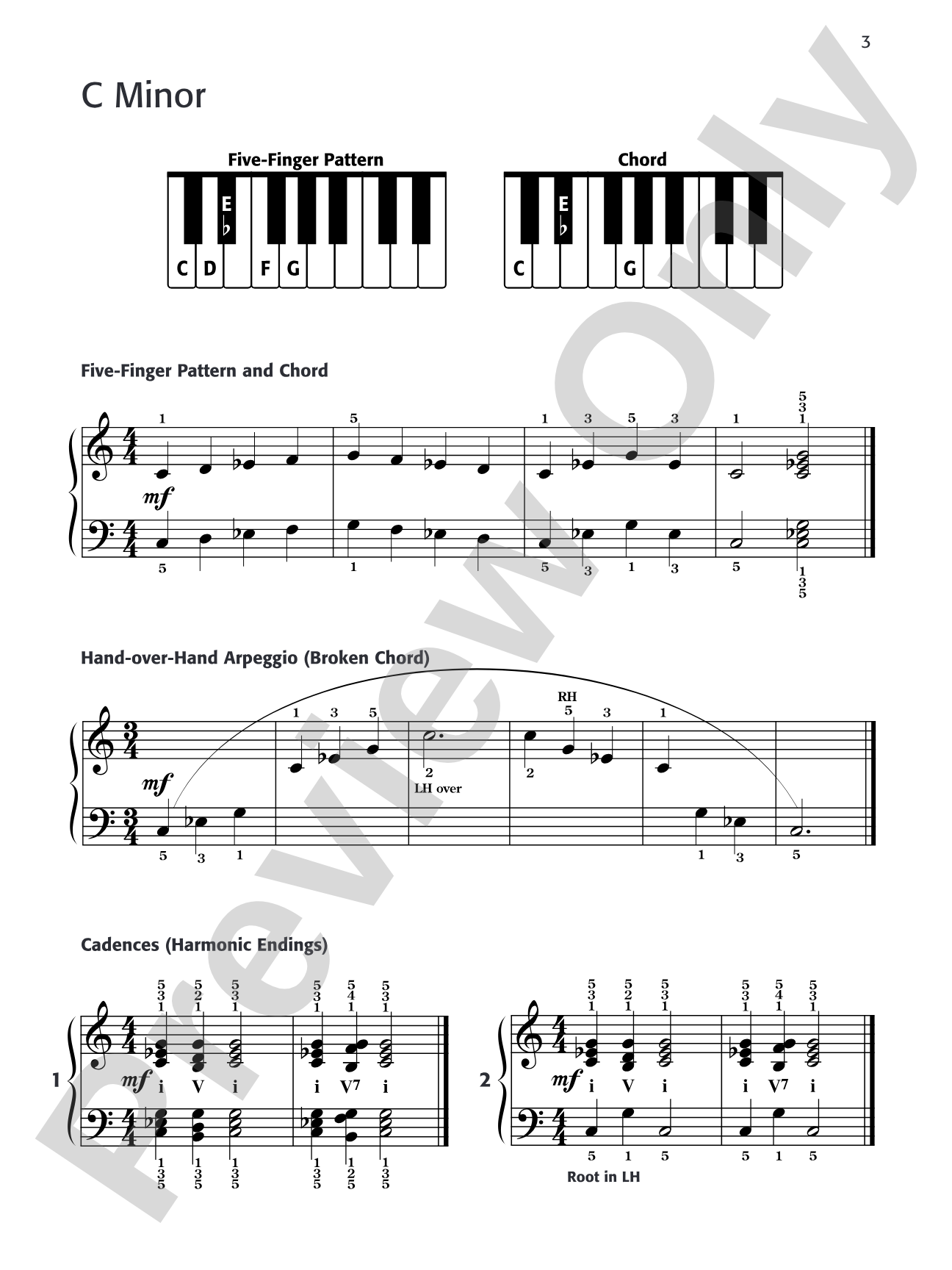
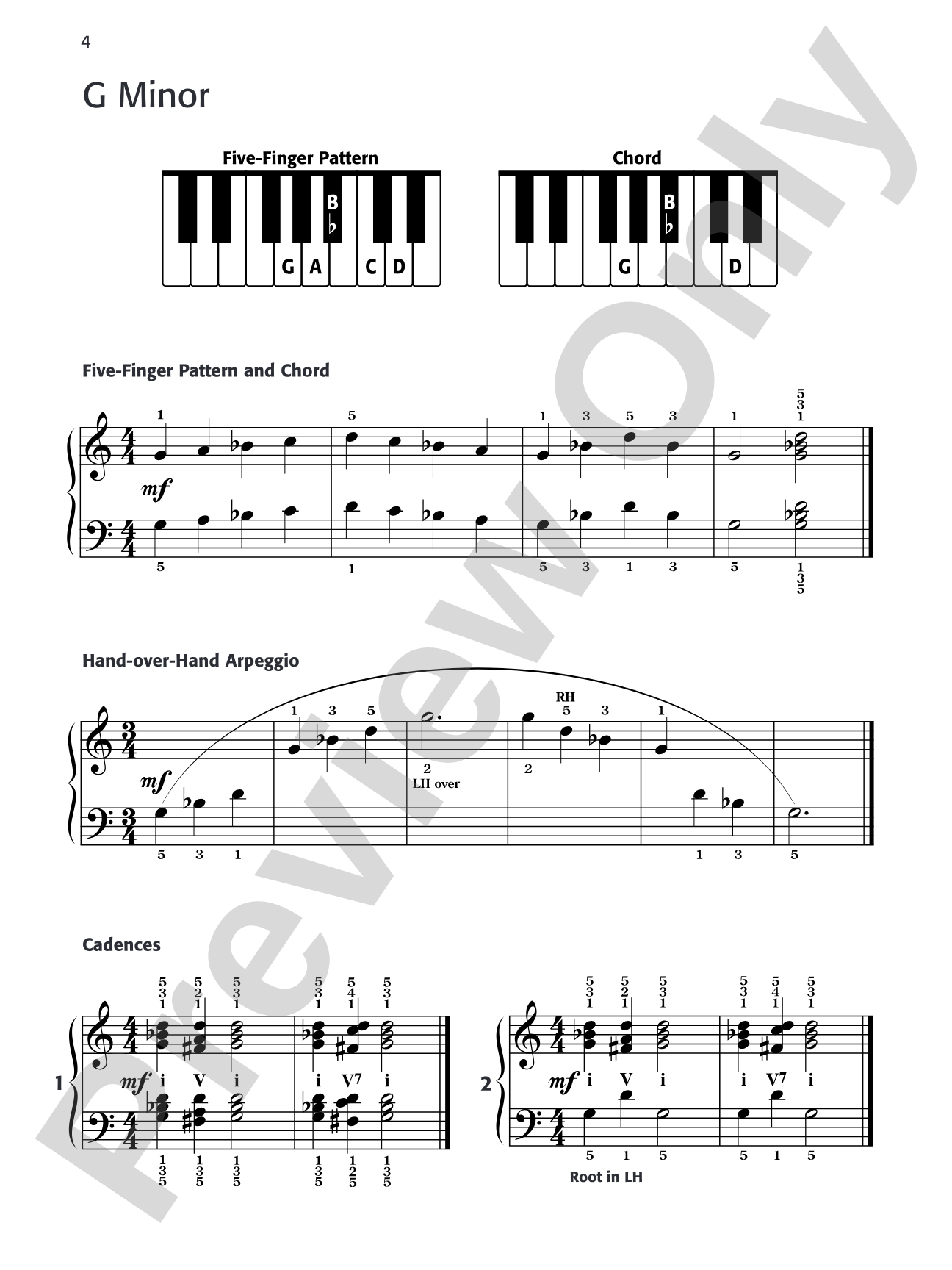
Daily Warm-Ups, Set 2: Minor Five-Finger Patterns & Chords Sheet Music Preview

Daily Warm-Ups, Set 2: Minor Five-Finger Patterns & Chords: Piano

Minor Five-Finger Patterns & Chords

By Gayle Kowalchyk and E. L. Lancaster

Item: 00-PB-0001094

Digital Download
$6.99
Description
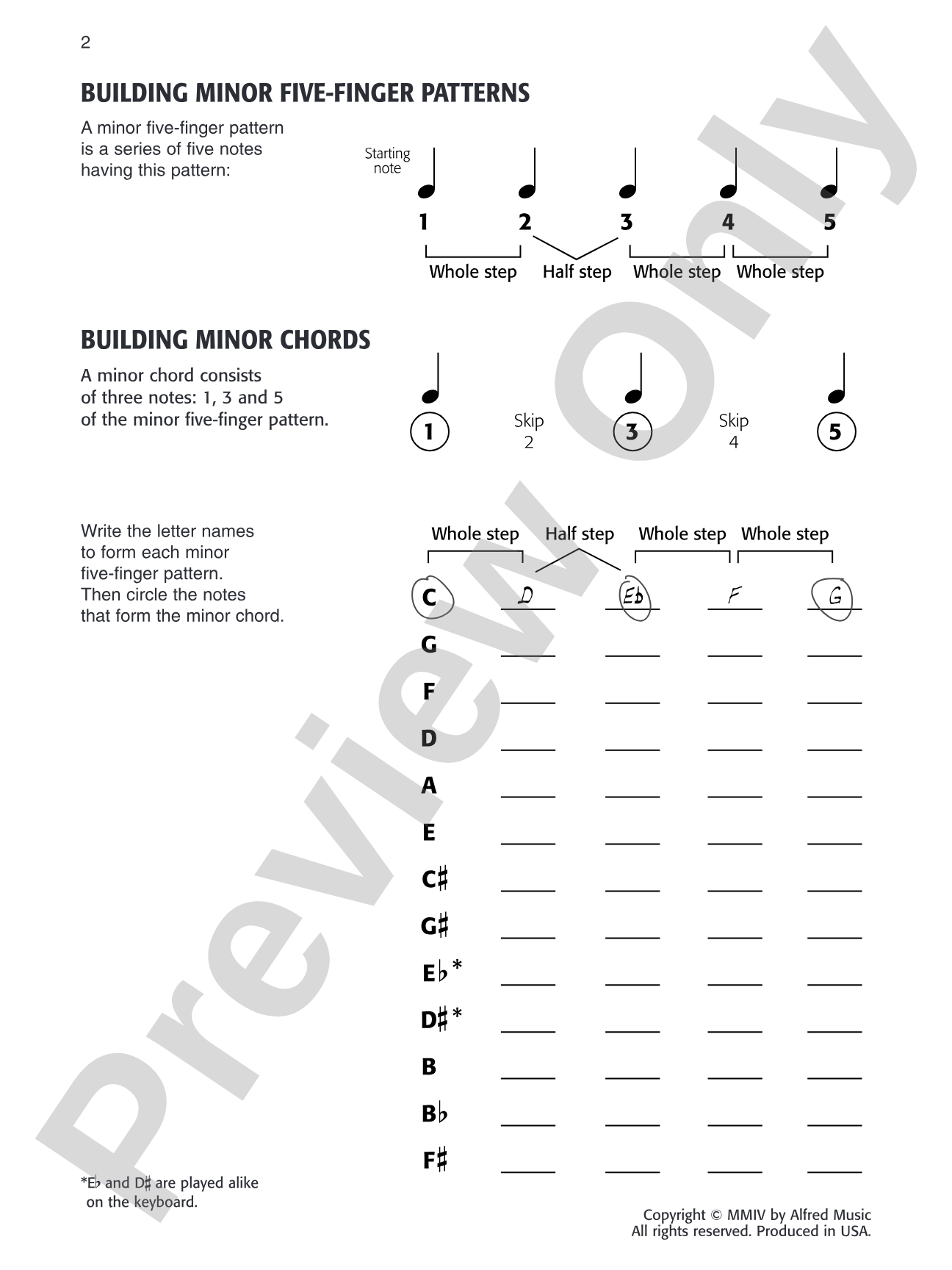
Help your students prepare for auditions and contests with these exceptional new reference guides to five-finger patterns, scales, arpeggios, cadences and key signatures. Convenient and easy to use, the six sets of Daily Warm-Ups include concise theoretical explanations and practical practice suggestions.

Daily Warm-Ups, Set 2: Minor Five-Finger Patterns & Chords: Piano isn't in MakeMusic Cloud just yet...but it could be. Let us know you'd like to see it, and you'll help shape what comes next. In the meantime, start a free trial and dive into thousands of interactive titles your students can play along with today.

Sample Audio
No sample audio found.
Sample Video
Additional Details
Publisher: Alfred Music
Page Count: 16
SKU: 00-PB-0001094

More about this title

About the Composer: Gayle Kowalchyk

Gayle Kowalchyk

Dr. Gayle Kowalchyk has spent her career bridging the gap between rigorous piano pedagogy and accessible student materials. She holds degrees from Ohio University, Northwestern University, and Teachers College at Columbia University, where she earned her Ed.D. in piano pedagogy. She has taught class piano and piano pedagogy at California State University, Northridge, Eastern Illinois University, Oklahoma Baptist University, and the University of Oklahoma, and served as a clinician and adjudicator for major music education organizations including MTNA, MENC, and the National Conference on Piano Pedagogy.

Working with her husband, Dr. E. L. Lancaster, Kowalchyk has authored more than 300 educational piano publications, among them Alfred's Premier Piano Course and Music for Little Mozarts. Their collaborative work reflects decades of studio teaching experience and a deep understanding of how students learn technique most effectively.

Why we love this

This set strips away the guesswork from warm-up routines by providing students with structured, repeatable daily work in minor patterns and chords. Rather than leaving pianists to improvise their own technical preparation, Kowalchyk and Lancaster offer concise theory paired with practical exercises that build confidence for auditions and contests. Teachers appreciate materials that work independently without requiring constant explanation.

What to expect

Systematic and purposeful. This is practical material designed to build mastery incrementally, not to inspire or entertain. Working through these patterns feels like laying bricks: each day adds structure and security.

Who it's for

Piano students preparing for auditions, competitions, or proficiency exams will find these patterns essential for technical readiness. Teachers seeking a systematic, time-efficient warm-up resource that eliminates preparation gaps will value the clarity and organization here. Pianists of any age working to strengthen their command of minor tonality benefit from focused, guided practice.

How to get the most out of it

  • Establish a consistent daily practice window (even 10-15 minutes) so students internalize these patterns as muscle memory rather than conscious thought
  • Rotate through different five-finger patterns within a single practice session to keep focus sharp and prevent mental fatigue
  • Use the theoretical explanations as teaching points during lessons, connecting what students do physically at the keyboard to what they read on the page

How to use it

Assign these as part of a pre-audition or pre-competition preparation plan weeks in advance. Use them in your studio as the foundation of every student's daily practice, rotating between this set and others in the series to ensure comprehensive technical coverage across all key signatures and chord types.

Skills your students will build

  • Minor five-finger pattern recognition and fluency in multiple keys
  • Minor chord construction and voice leading
  • Technical preparation for auditions and competitions
  • Understanding relationships between scale patterns and harmonic progressions
  • Consistent, systematic daily practice habits

You May Also Like