Czerny: School of Velocity, Op. 299 (Volume I) Sheet Music Preview

Czerny: School of Velocity, Op. 299 (Volume I)

By Carl Czerny

Item: 00-PC-0006642

Digital Download
$0.99
Description
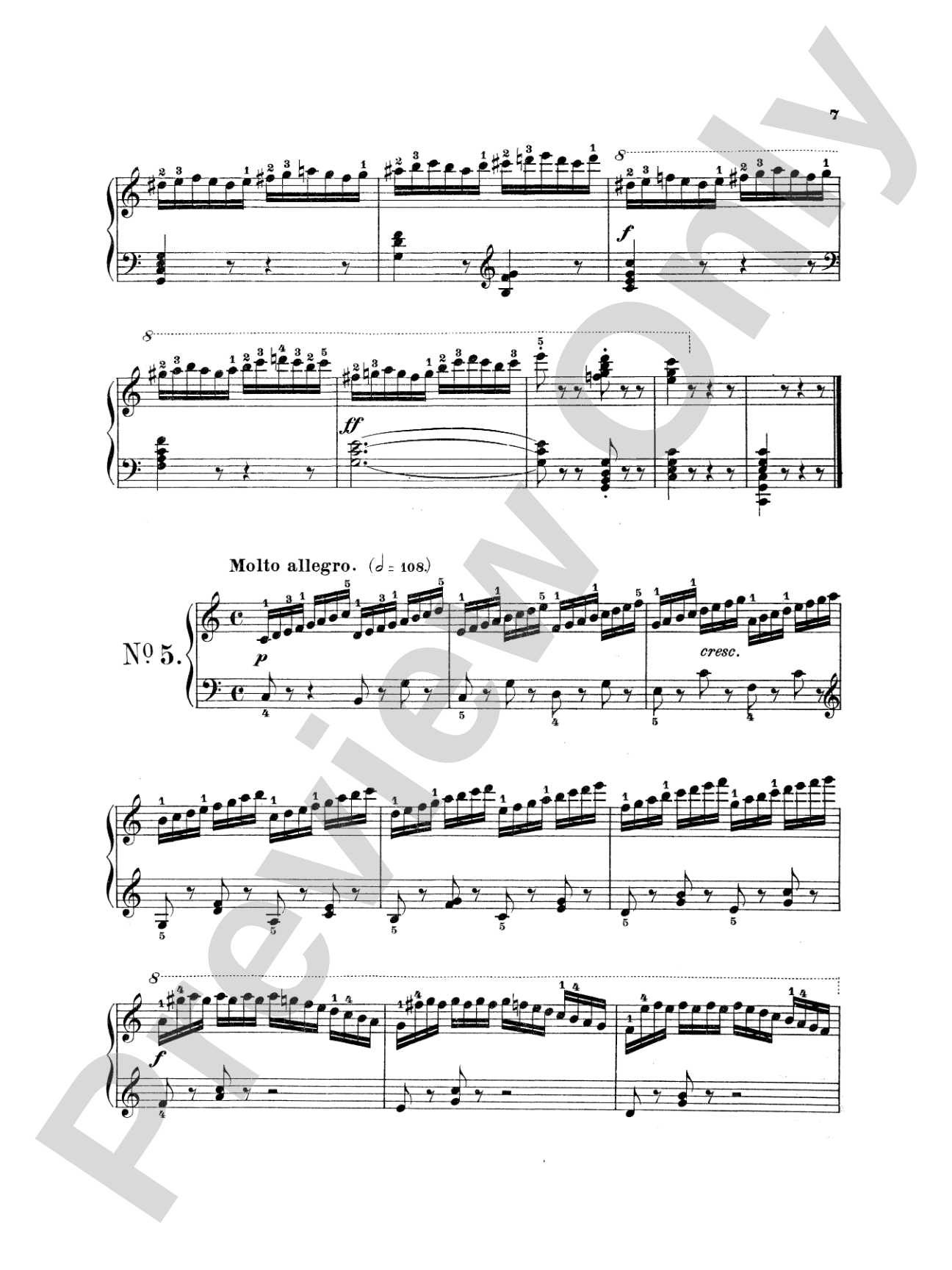
Carl Czerny (1791--1857) was an Austrian pianist, composer and teacher. Today he is best remembered for his volumes of études for the piano. Czerny's music was greatly influenced by his teachers, Clementi, Hummel, Salieri and Beethoven. This book contains Czerny's Opus 299 (Book 1), "The School of Velocity," Exercises 1-10.

Don't just read it, hear it, play along with it, and watch your students grow with it. In MakeMusic Cloud, Czerny: School of Velocity, Op. 299 (Volume I) comes alive with professional accompaniment, adjustable tempo, and built-in practice tools that turn solo practice into real progress.

Sample Audio
No sample audio found.
Sample Video
Additional Details
Series: Kalmus Edition
Publisher: Alfred Music
Page Count: 28
SKU: 00-PC-0006642

More about this title

About the Composer: Carl Czerny

Carl Czerny (1791–1857) bridged the Classical and Romantic eras as a pianist, composer, and pedagogue of remarkable influence. A student of Muzio Clementi, Johann Hummel, Antonio Salieri, and Ludwig van Beethoven, he absorbed the technical and artistic innovations of his greatest contemporaries and synthesized them into a teaching system that shaped piano instruction for generations.

Czerny's compositional output was staggering: over 1,000 works in nearly every genre, though he is rightly celebrated for his études. His technical studies were never mere finger exercises; they were musical works designed to develop specific mechanical challenges while maintaining artistic integrity. His legacy rests not on symphonies or concertos, but on his profound understanding of how to train the hands and ear simultaneously.

Why we love this

The School of Velocity remains the gold standard for building finger independence and controlled speed at the intermediate level. Czerny's writing in Op. 299 resists the temptation to sacrifice musicality for mechanics; each exercise sits comfortably in the hand while demanding real technical progress. Students who work through these pieces emerge with both confidence and clarity, not just faster fingers.

What to expect

Propulsive and elegant. These exercises flow with lyrical grace despite their technical demands, moving through clear tonal centers with Classical clarity. The writing sits naturally under the fingers, inviting fluid motion rather than aggressive display.

Who it's for

Intermediate pianists ready to address finger velocity and independence with purpose and artistry. Teachers seeking études that develop speed without compromising musicality will find Czerny's Op. 299, Book 1, indispensable for students in late elementary through early intermediate repertoire study.

How to get the most out of it

  • Establish a clear pulse from the outset. These exercises develop velocity only when the underlying rhythm is rock-solid; rushing obscures the very control the study aims to build.
  • Work at a tempo where sixteenth-note figuration is clean and even before pushing the metronome higher. Velocity earned through slow, deliberate practice transfers reliably.
  • Shape the melodic line, even in passages dominated by rapid passagework. Czerny's studies reward expressive playing; let the top voice sing through the accompanying figuration.
  • Use the keyboard's full range expressively. Pay attention to dynamic markings and register shifts; they reveal Czerny's intent to train musicianship alongside mechanics.

How to use it

Reserve these for studio work and technical development rather than public performance. They are most valuable as consistent practice material for students building velocity over a semester or year, with individual pieces occasionally featured in student recitals once polished to musical completion.

Skills your students will build

  • Finger independence and facility across the keyboard
  • Controlled velocity and even sixteenth-note passagework
  • Hand position stability under rapid figurations
  • Reading and executing dynamic and articulation markings within technical contexts
  • Maintaining musicality and phrasing while executing fast passages

You May Also Like