

Czerny: Practical Method for Beginners, Op. 599: Piano Book
By Carl Czerny
Item: 00-PK-0003028

$9.99
Pickup currently not available
Buy Extra Parts (Digital PDF Download)
Parts Added to Cart!
Related Items
Practical Method for Beginners, Opus 599: Piano Book |
$9.99
|
View |
Description
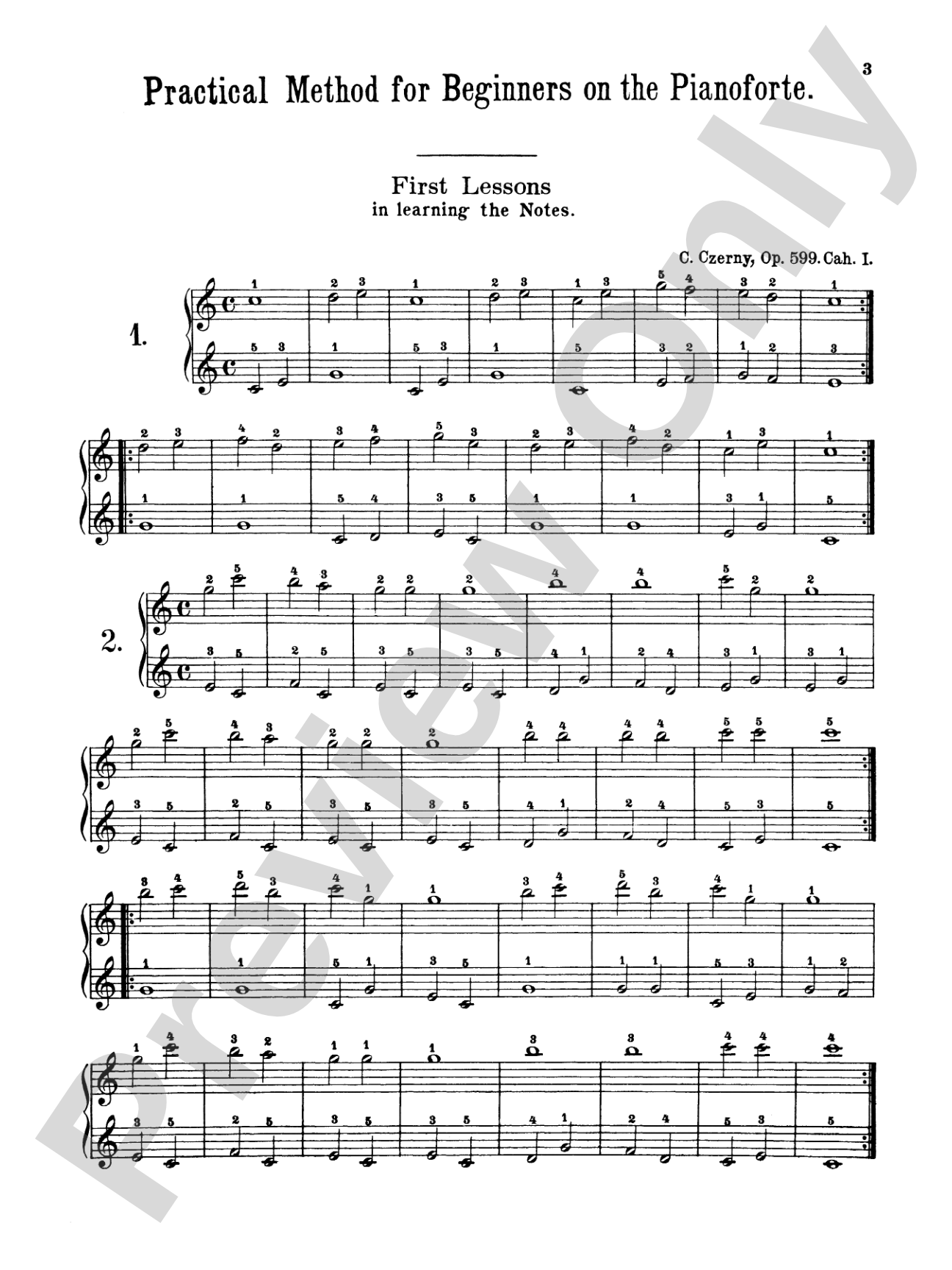
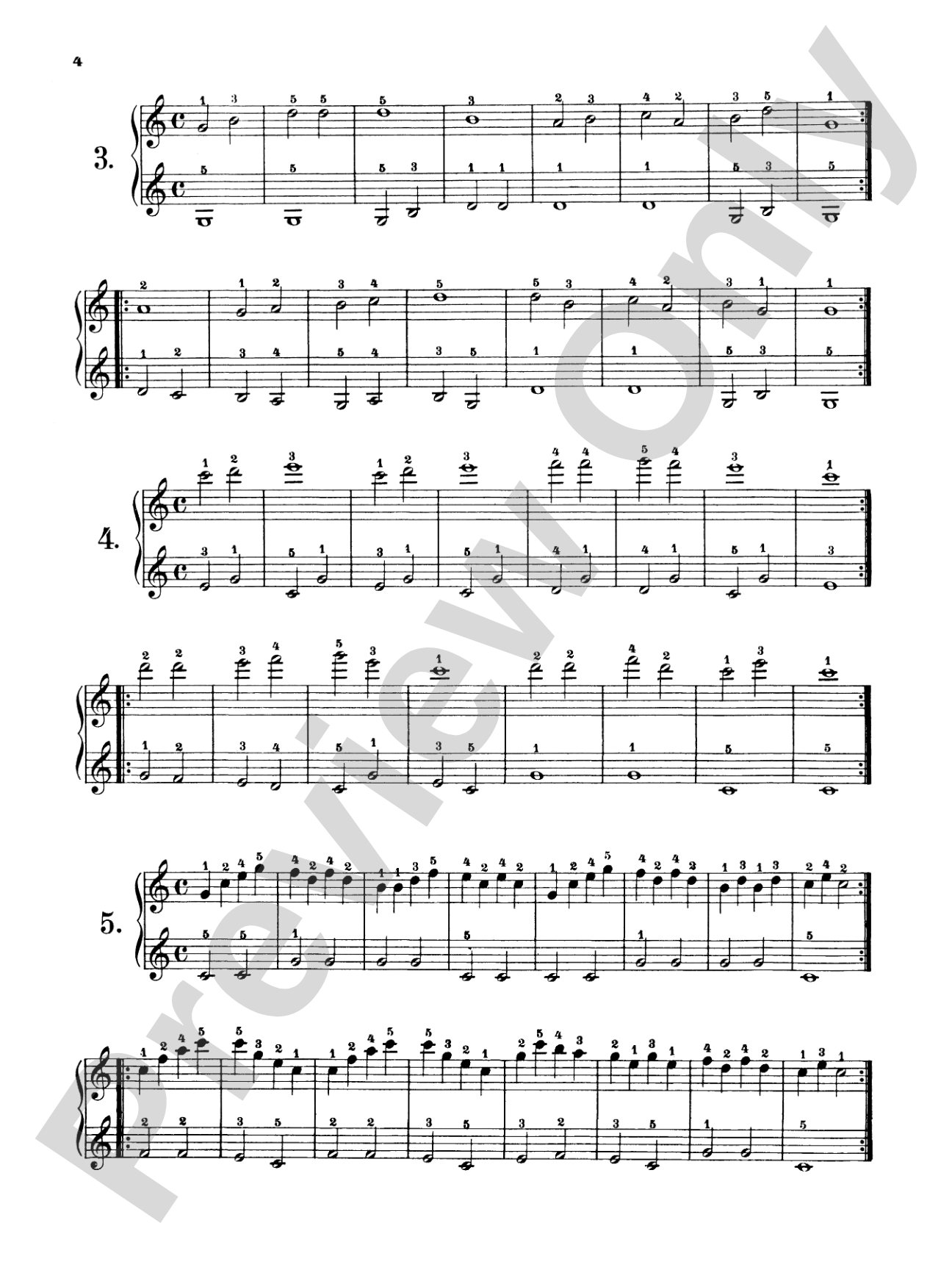
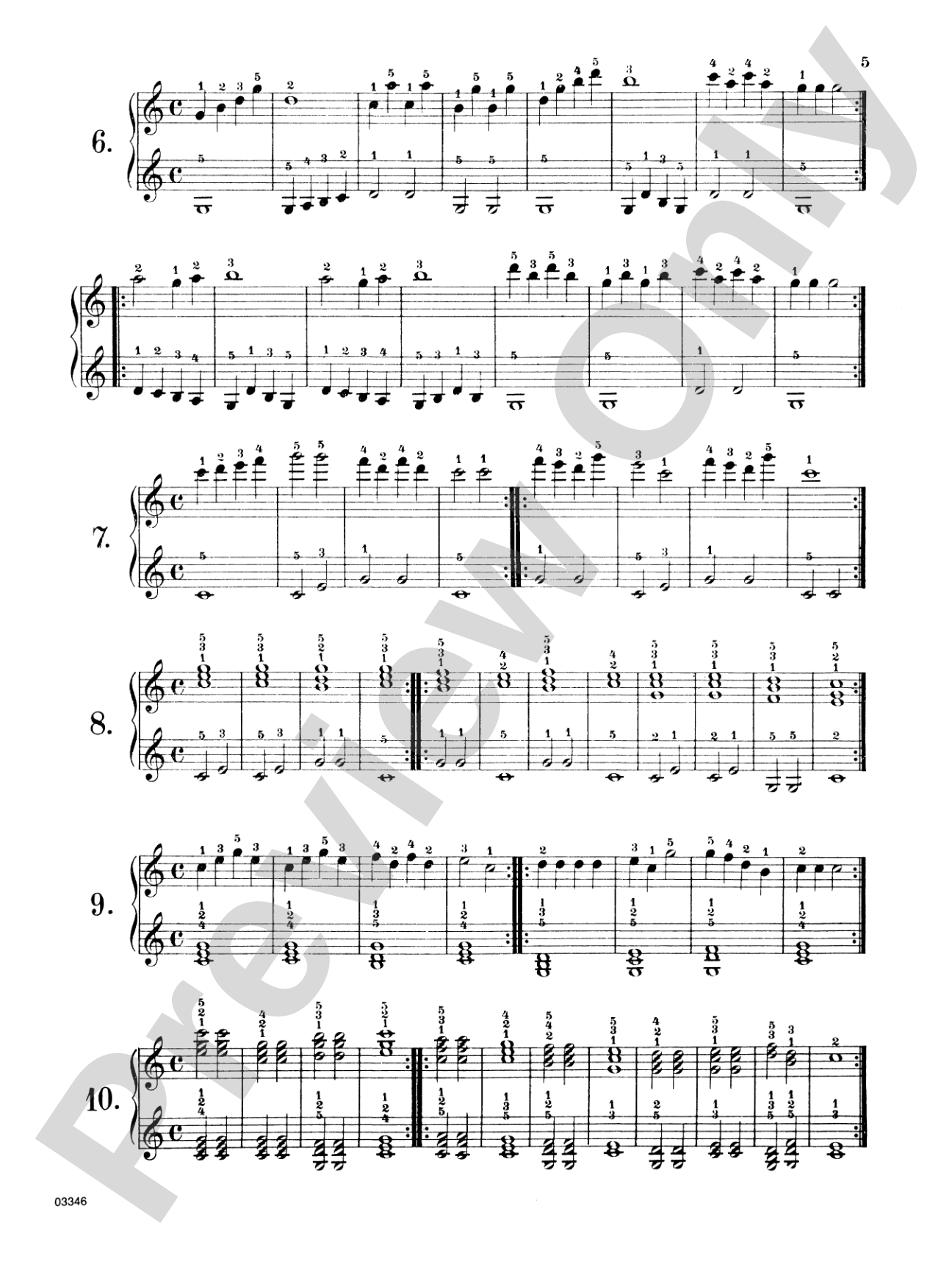
Contents: First exercises for the knowledge of the notes * Exercises for the 5 fingers with quiet hand * The first exercises for the thumb * Exercises exceeding an octave * Exercises with the bass-clef * Exercises in sharps and flats * Exercises in other easy tunes * Rests * Exercises of velocity * Melodies with and without ornaments.


Don't just read it, hear it, play along with it, and watch your students grow with it. In MakeMusic Cloud, Czerny: Practical Method for Beginners, Op. 599: Piano Book comes alive with professional accompaniment, adjustable tempo, and built-in practice tools that turn solo practice into real progress.
Open in the Player
Jump straight in and assign it today.
Start Your Free Trial
Open this title and explore the full library in minutes.
Sample Audio
No sample audio found.
Sample Video
No sample videos found.
Additional Details
Series:
Kalmus Edition
Publisher:
Alfred Music
Page Count:
56
SKU:
00-PK-0003028
More about this title
About the Composer: Carl Czerny
Carl Czerny (1791, 1857) was one of the most prolific and influential piano pedagogues of the 19th century. A student of Beethoven and later teacher to generations of pianists across Europe, Czerny authored over 1,000 compositions, the vast majority devoted to technical and musical training. His method books remain foundational because they balance systematic skill-building with genuine musicality, never treating technique as an end in itself.
Op. 599 represents Czerny's distilled wisdom for young beginners. Written late in his teaching career, it reflects decades of observation about what actually works in the practice room. The method's logical progression and clear pedagogical thinking have made it a standard reference for piano teachers worldwide.
Why we love this
Czerny's Op. 599 earns its place as the gold standard introductory method because it combines elegant melodic writing with systematic technical scaffolding. Every exercise serves a clear purpose without feeling like busywork, and students stay engaged because they're making music from the very first page. The progression from simple five-finger patterns to exercises spanning more than an octave respects how beginners actually learn.
What to expect
Purposeful and encouraging. Each short exercise feels like a small victory, and the logical progression builds confidence as students recognize they're advancing from note reading through five-finger patterns into more sophisticated rhythmic and technical challenges. The melodies retain Classical elegance without condescension.
Who it's for
Young pianists in their first year or two of study, typically ages 6, 10, who benefit from a methodical approach to reading, technique, and hand development. Teachers seeking a time-tested method that builds independence and musicianship alongside mechanical skill will find this an anchor text for private or classroom piano instruction.
How to get the most out of it
- Maintain a relaxed, quiet hand throughout the five-finger exercises; use these early pieces to establish good posture and arm weight before tackling velocity work.
- When introducing the bass clef, isolate those exercises for focused study rather than jumping between treble and bass randomly; consistency builds fluency.
- Keep the tempo moderate in velocity exercises so students can hear the rhythmic clarity and evenness of each note rather than rushing to demonstrate speed.
- Use the ornament studies as opportunities to discuss articulation and voicing, not just mechanical decoration; this deepens understanding of phrasing.
How to use it
This method functions as the core curriculum for beginner piano study rather than as concert repertoire. Assign exercises sequentially alongside supplementary pieces at the same level, using Op. 599 as the technical and reading foundation while students explore folk songs, simplified classical pieces, or other early literature in parallel.
Skills your students will build
- Reading treble and bass clef notation
- Five-finger position and quiet hand technique
- Thumb crossing and hand extension
- Understanding sharps, flats, and key signatures
- Even finger articulation and velocity control
- Rhythmic precision and rest recognition
- Basic ornament execution (trills, turns)