
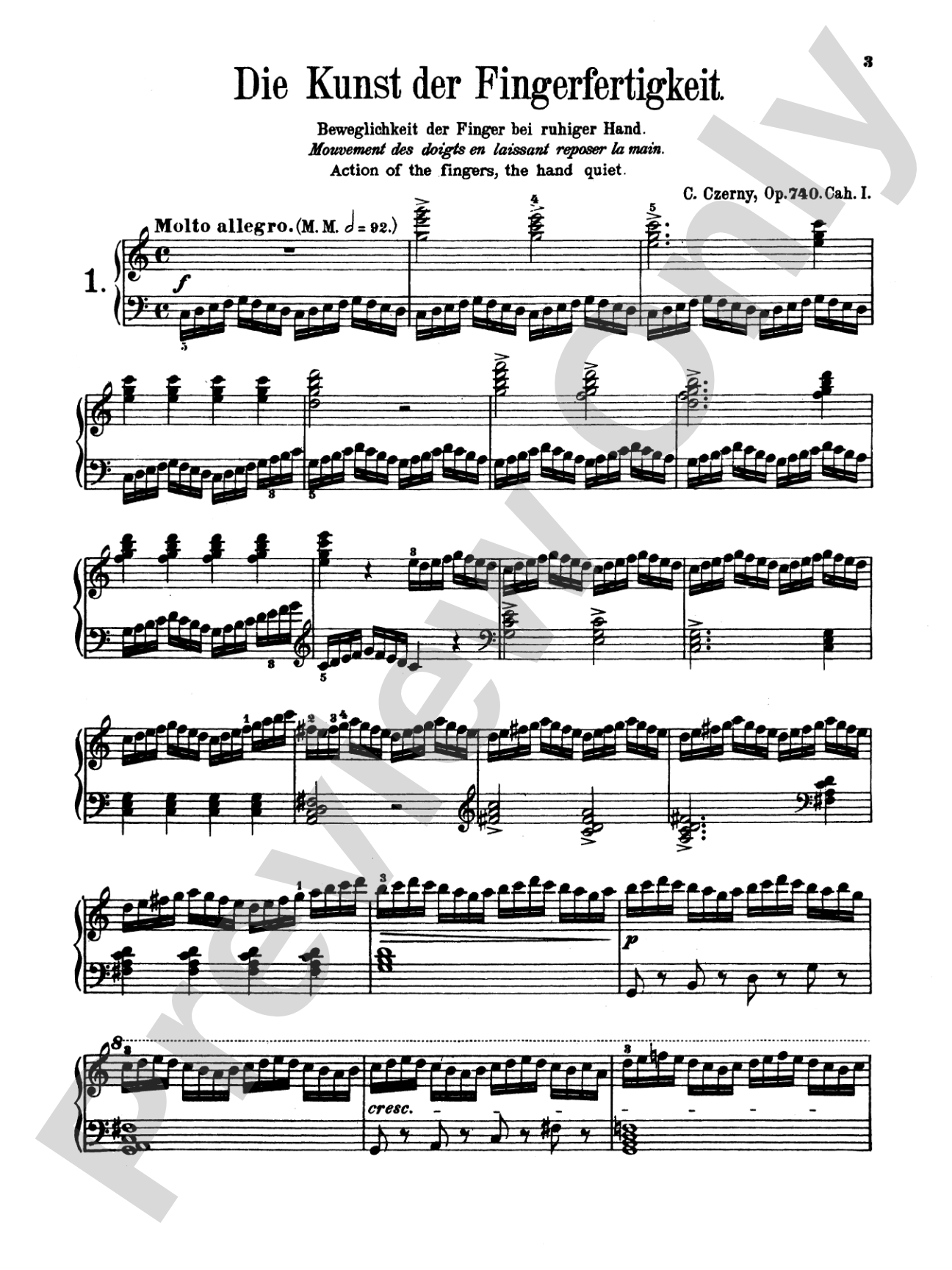
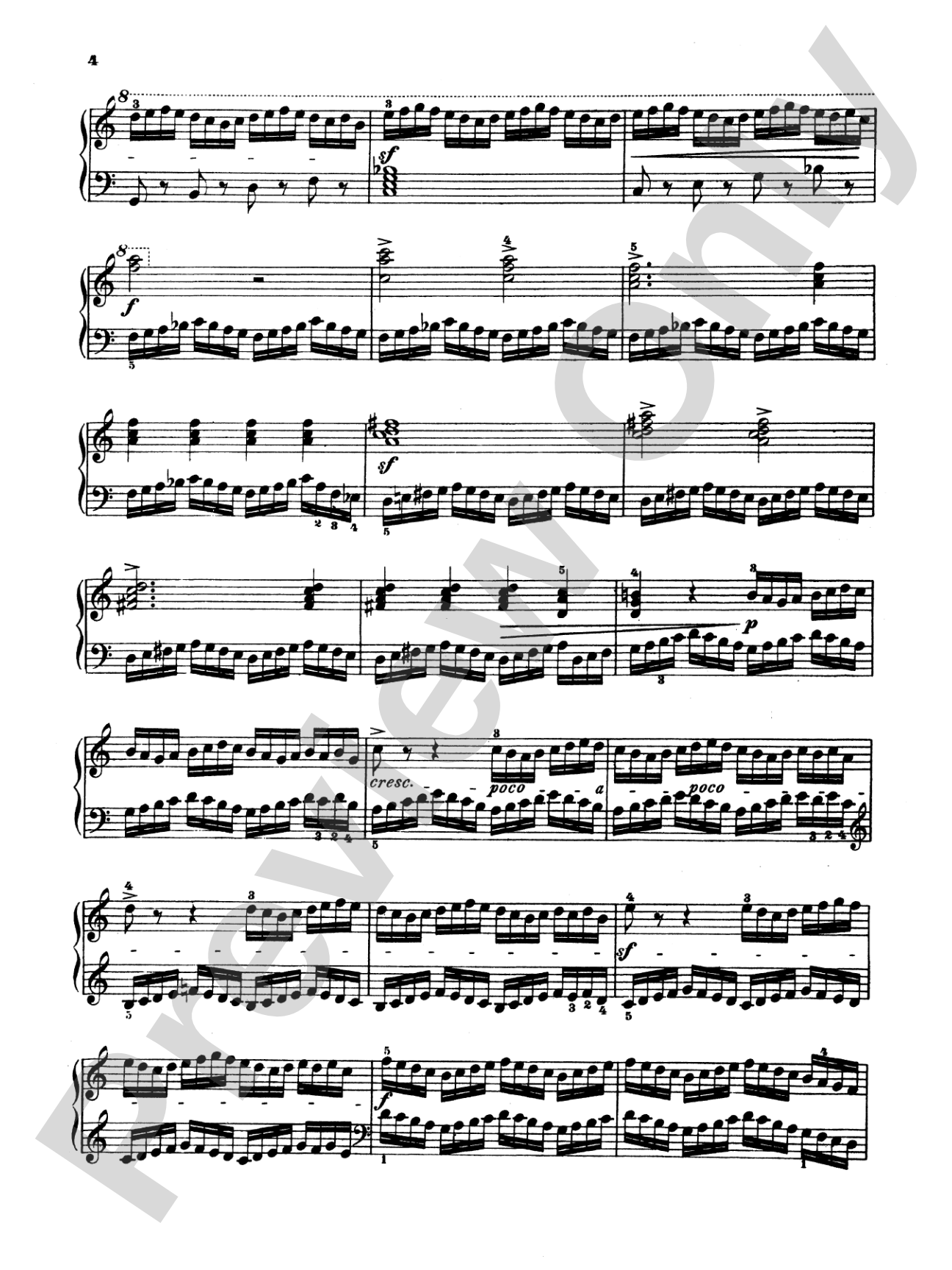
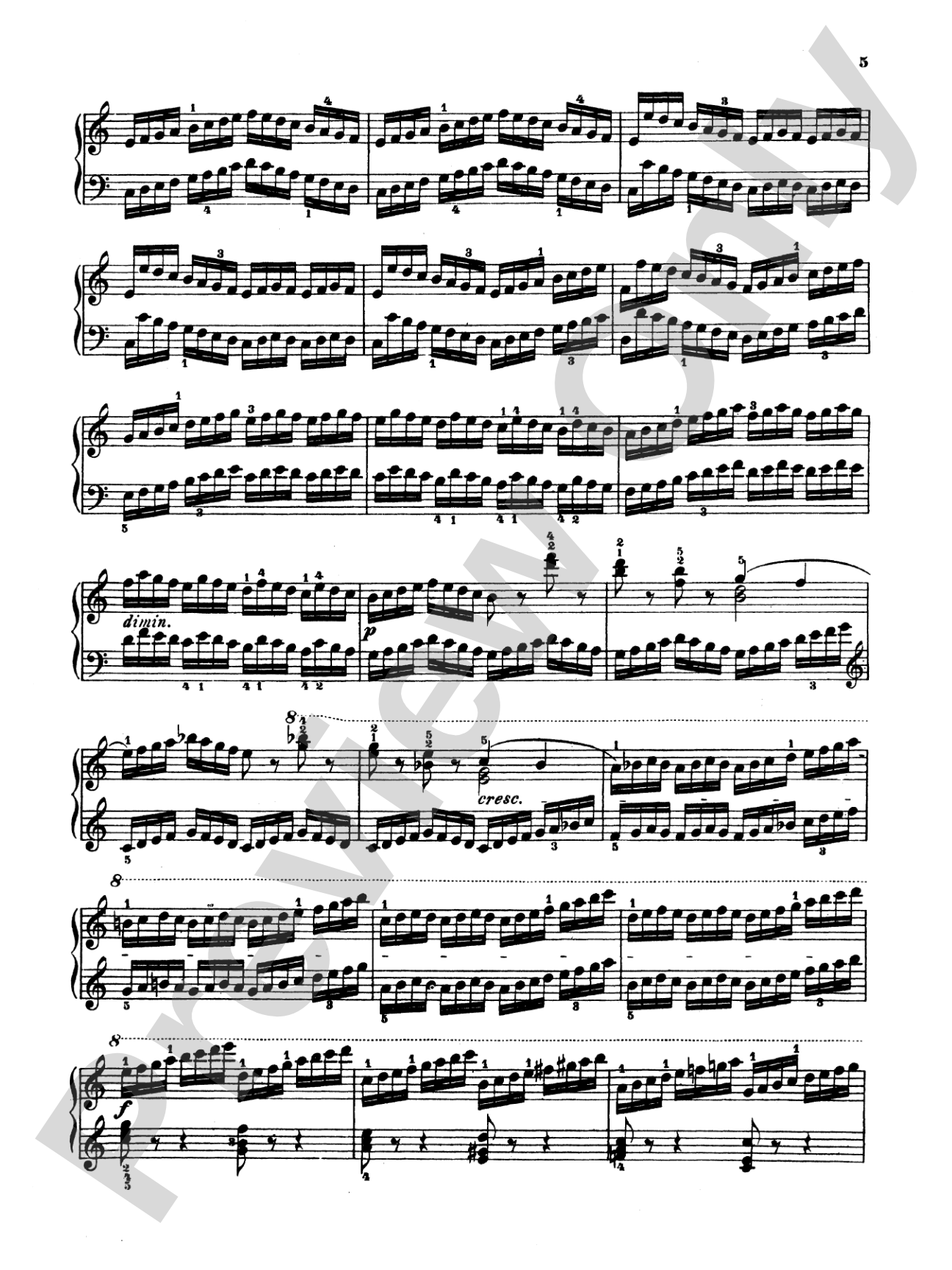
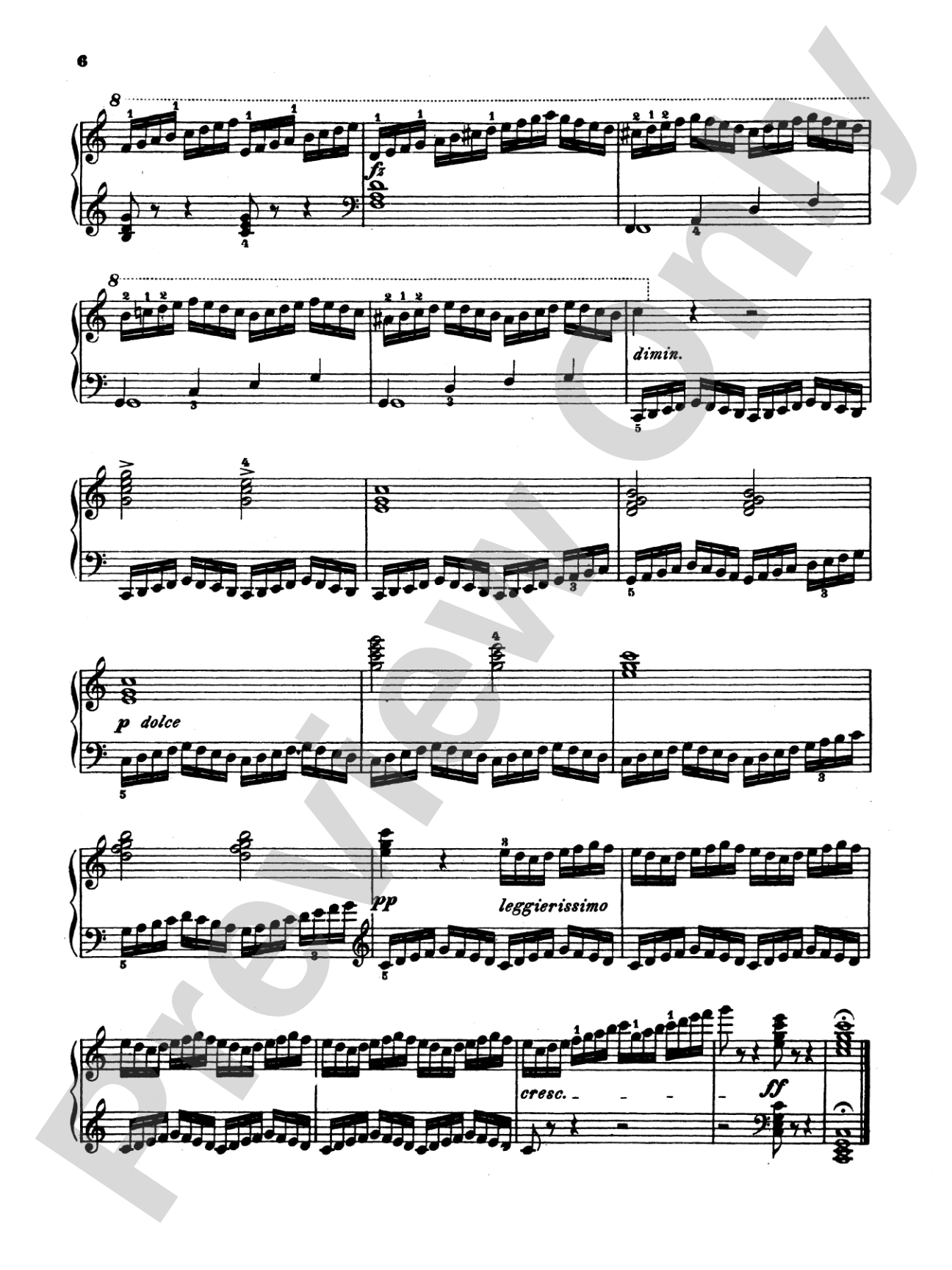

Czerny: Art of Finger Dexterity, Op. 740, Complete: Piano Book
By Carl Czerny
Level: Intermediate / Advanced
Item: 00-PK-0003030

$18.99
Pickup currently not available
Buy Extra Parts (Digital PDF Download)
Parts Added to Cart!
Related Items
The Art of Finger Dexterity, Opus 740 (Complete): Piano Book |
$18.99
|
View |
Description
Expertly arranged Piano Exercises by Carl Czerny from the Kalmus Edition series. These Intermediate / Advanced Exercises are from the Classical and Romantic eras.


Don't just read it, hear it, play along with it, and watch your students grow with it. In MakeMusic Cloud, Czerny: Art of Finger Dexterity, Op. 740, Complete: Piano Book comes alive with professional accompaniment, adjustable tempo, and built-in practice tools that turn solo practice into real progress.
Open in the Player
Jump straight in and assign it today.
Start Your Free Trial
Open this title and explore the full library in minutes.
Sample Audio
No sample audio found.
Sample Video
No sample videos found.
Additional Details
Series:
Kalmus Edition
Publisher:
Alfred Music
Page Count:
180
SKU:
00-PK-0003030
More about this title
About the Composer: Carl Czerny
Carl Czerny (1791-1857) was a Viennese pianist, composer, and pedagogue whose output shaped nineteenth-century piano training. A student of Beethoven and later teacher to generations of pianists across Europe, Czerny composed over a thousand works, the vast majority devoted to instrumental technique and the development of fluent, articulate playing. His exercises remain foundational because they treat technical mastery as a musical endeavor rather than a mechanical task.
Op. 740 stands among Czerny's most comprehensive collections, designed for advanced students ready to tackle the virtuosic demands of contemporary concert repertoire. Czerny's approach combines relentless finger work with harmonic interest and rhythmic variety, ensuring that hours of practice build both dexterity and musicianship. His influence on piano pedagogy persists because his writing reflects the technical and aesthetic expectations of the Romantic era while remaining freshly relevant to students today.
Why we love this
This collection offers 50 studies that progress logically from moderately challenging to genuinely demanding, making it an invaluable resource for advancing pianists who need systematic, musical preparation for Romantic-era repertoire. Each study targets specific finger patterns and hand positions without sacrificing harmonic substance or rhythmic character. Students who work through Op. 740 emerge with the technical security and interpretive flexibility required for concert performance.
What to expect
These studies balance precision with musicality, asking your fingers to navigate intricate passagework while your ears track harmonic movement and structural shape. The writing feels purposeful and rewarding, never merely repetitive; Czerny builds momentum across each study and ensures that technical demands emerge organically from the music itself. Working through Op. 740 transforms your relationship with the keyboard, developing fluency and confidence that translates directly to performance repertoire.
Who it's for
Advanced intermediate and advanced pianists preparing for concert performance, college-level study, or entry into competitive recital and festival circuits. Teachers working with students who have completed foundational method books and are ready for systematic, musically engaging technical development. Studio pianists and serious amateur players seeking focused, historically grounded exercises that build virtuosity without sacrificing artistry.
How to get the most out of it
- Attend to the harmonic structure within each study rather than mechanically running through finger patterns; this transforms practice into a deeper engagement with voice leading and phrasing.
- Establish a steady tempo before increasing speed; rushing compounds technical errors and undermines the rhythmic clarity these studies demand.
- Practice small sections in isolation before tackling complete studies, focusing on hand position and finger independence in passages that feel awkward.
- Vary your dynamics and articulation across repeated practice sessions to prevent monotony and build expressive control alongside technical facility.
How to use it
Incorporate studies from Op. 740 into the weeks before public performance to build finger confidence and hand stamina in a musically substantial context. Assign individual studies to target specific technical challenges encountered in students' solo repertoire (rapid passagework, hand position shifts, articulation clarity). Weave them into a practice routine spanning several months, dedicating time to three or four studies weekly, allowing each to deepen over time rather than rushing through the collection.
Skills your students will build
- Rapid scalar and arpeggiated passagework across the full keyboard
- Hand independence and finger isolation in complex rhythmic patterns
- Voice leading and harmonic awareness while maintaining technical focus
- Sustained tempo control at increasing speeds without loss of clarity
- Expressive interpretation of technical material through dynamic and tonal variation
- Efficient hand position and economy of motion