
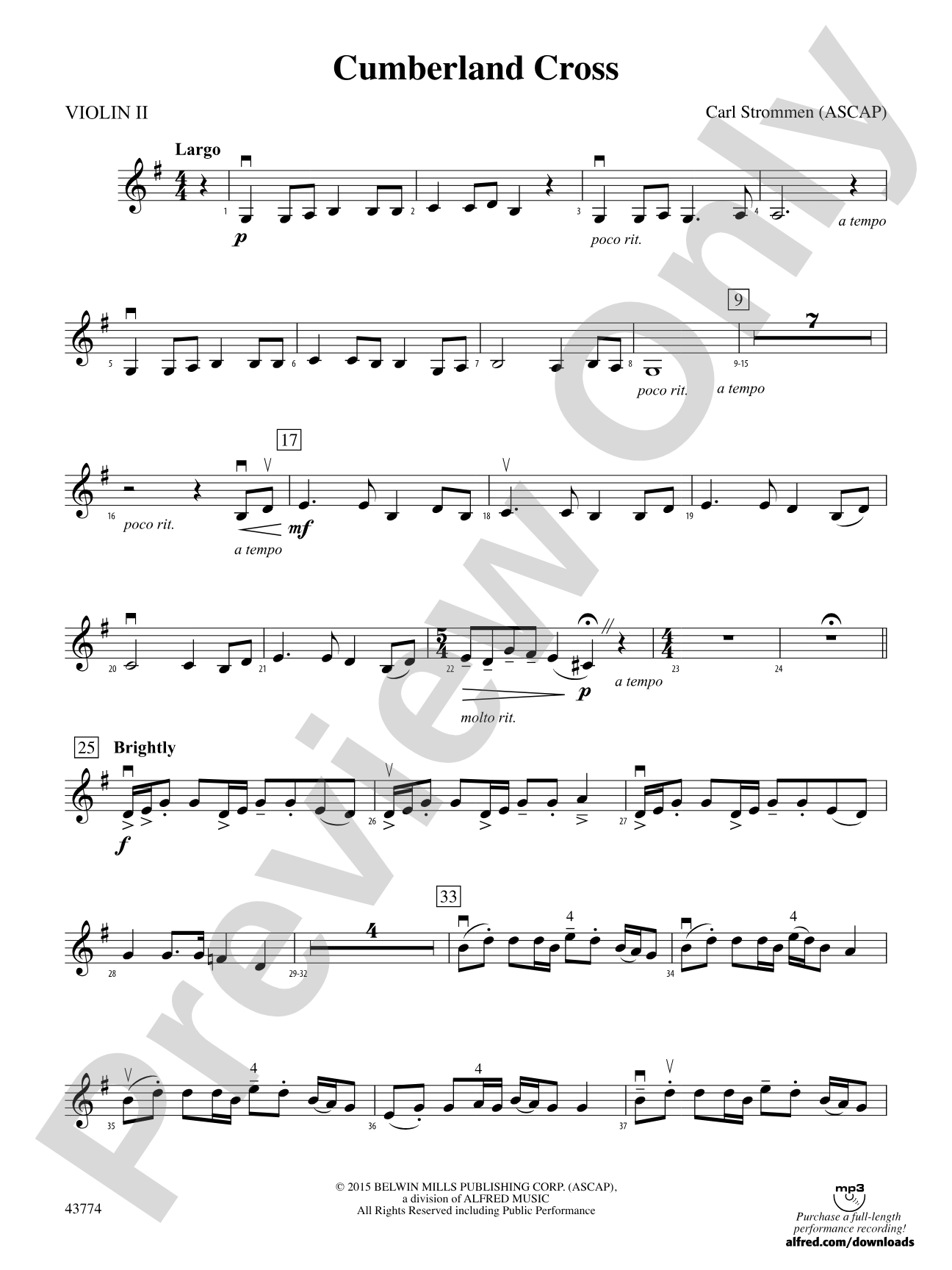

Cumberland Cross: 2nd Violin
By Carl Strommen
Grade: 2.5
Item: 00-PC-0016876_VN2
$3.00
Pickup currently not available
Description
Sure to delight, the central portion of this original piece brings the unrestrained exuberance of bluegrass fiddling to the orchestra. In a lovely contrast, the piece opens and closes with a slow chorale, bringing to mind sunset and sunrise over the mountains. (3:15)


Don't just read it, hear it, play along with it, and watch your students grow with it. In MakeMusic Cloud, Cumberland Cross: 2nd Violin comes alive with professional accompaniment, adjustable tempo, and built-in practice tools that turn solo practice into real progress.
Open in the Player
Jump straight in and assign it today.
Start Your Free Trial
Open this title and explore the full library in minutes.
Sample Audio
1
Audio File
--:--
0:00
0:00
Sample Video
Additional Details
Series:
Belwin Intermediate Full Orchestra
Publisher:
Alfred Music
Page Count:
202
SKU:
00-PC-0016876_VN2
More about this title
About the Composer: Carl Strommen
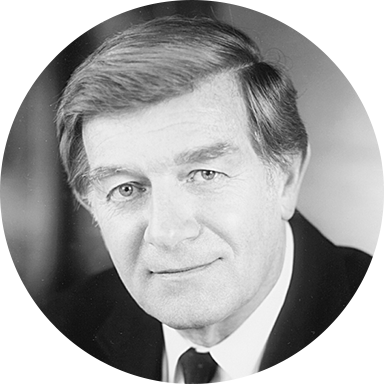
Carl Strommen ranks among the most frequently performed composer-arrangers working across band, orchestra, jazz ensemble, and choral music today. His scores appear regularly in concert halls, on television, and in film, and he maintains an active schedule as both a clinician and commissioned composer. He has received the ASCAP Standard Writers Award annually throughout his career, reflecting the breadth and consistent quality of his output.
A graduate of City College of New York, Strommen continues to shape emerging musicians as an adjunct professor of orchestration and composition at the C.W. Post Campus of Long Island University. He divides his time between Long Island and Colorado, where his family gathers regularly in the Denver and Boulder areas.
Why we love this
Cumberland Cross pairs a sophisticated harmonic framework with immediate accessibility, giving orchestras at this level genuine compositional substance without overwhelming complexity. The central bluegrass fiddle section delivers visceral energy that students recognize and respond to, while the bookending chorale movements teach them to shape longer musical arcs and craft dynamic contrast. This is the kind of piece that sounds polished in performance after reasonable rehearsal time, earning your ensemble real audience connection.
What to expect
The piece opens with a serene, contemplative mood that evokes mountain horizons at dusk or dawn. When the bluegrass fiddle breaks in, the orchestra suddenly ignites with the joy and raw energy of a fiddle tune, characters dancing and celebrating before settling back into the peaceful chorale that closes the work. The journey feels complete and emotionally resonant.
Who it's for
Full orchestras at the intermediate level seeking a concert piece with both structural elegance and immediate appeal. Ensembles looking for music that showcases American musical idioms and offers students the satisfaction of playing recognizable, energetic material within a thoughtfully crafted work.
How to get the most out of it
- Balance the fiddle melody in the central section so it cuts through the orchestral texture; the exuberance of bluegrass writing depends on hearing the lead voice clearly without drowning the accompaniment.
- Shape the opening and closing chorale sections with genuine breath and stillness, allowing the harmonic movement to emerge without rushing. These moments frame the piece's emotional arc.
- Use the tempo contrast strategically during rehearsal; practice the slow sections and fast section separately first, then build stamina for the full arc in context.
- Ensure the lower strings provide a secure harmonic foundation in the central bluegrass section so the fiddle melody and upper voices can float above a steady anchoring.
How to use it
Program this as a centerpiece on a mixed-repertoire concert, where its American character and accessible energy provide relief between classical standards or more densely chromatic works. It also serves well in festival settings where judges appreciate writing that is both musically substantial and performed cleanly by intermediate ensembles.
Skills your students will build
- Playing sustained harmonic progressions with shape and direction
- Executing fast, articulate rhythmic figures characteristic of fiddle-style ornamentation
- Balancing melody, inner voices, and accompaniment in a full orchestral texture
- Transitioning between contrasting tempos and characters within a single piece
- Responding to American vernacular music traditions in classical ensemble contexts