
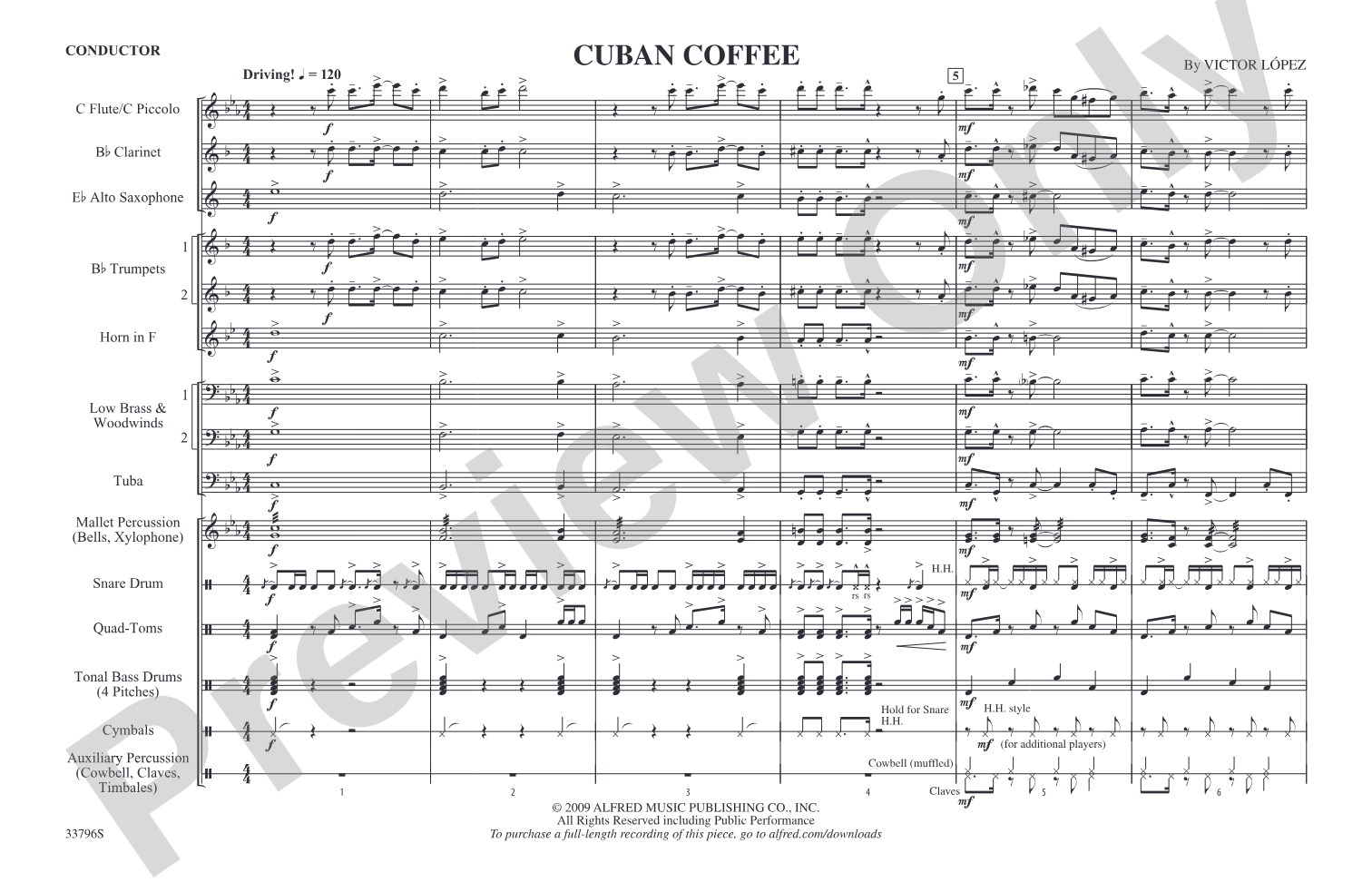
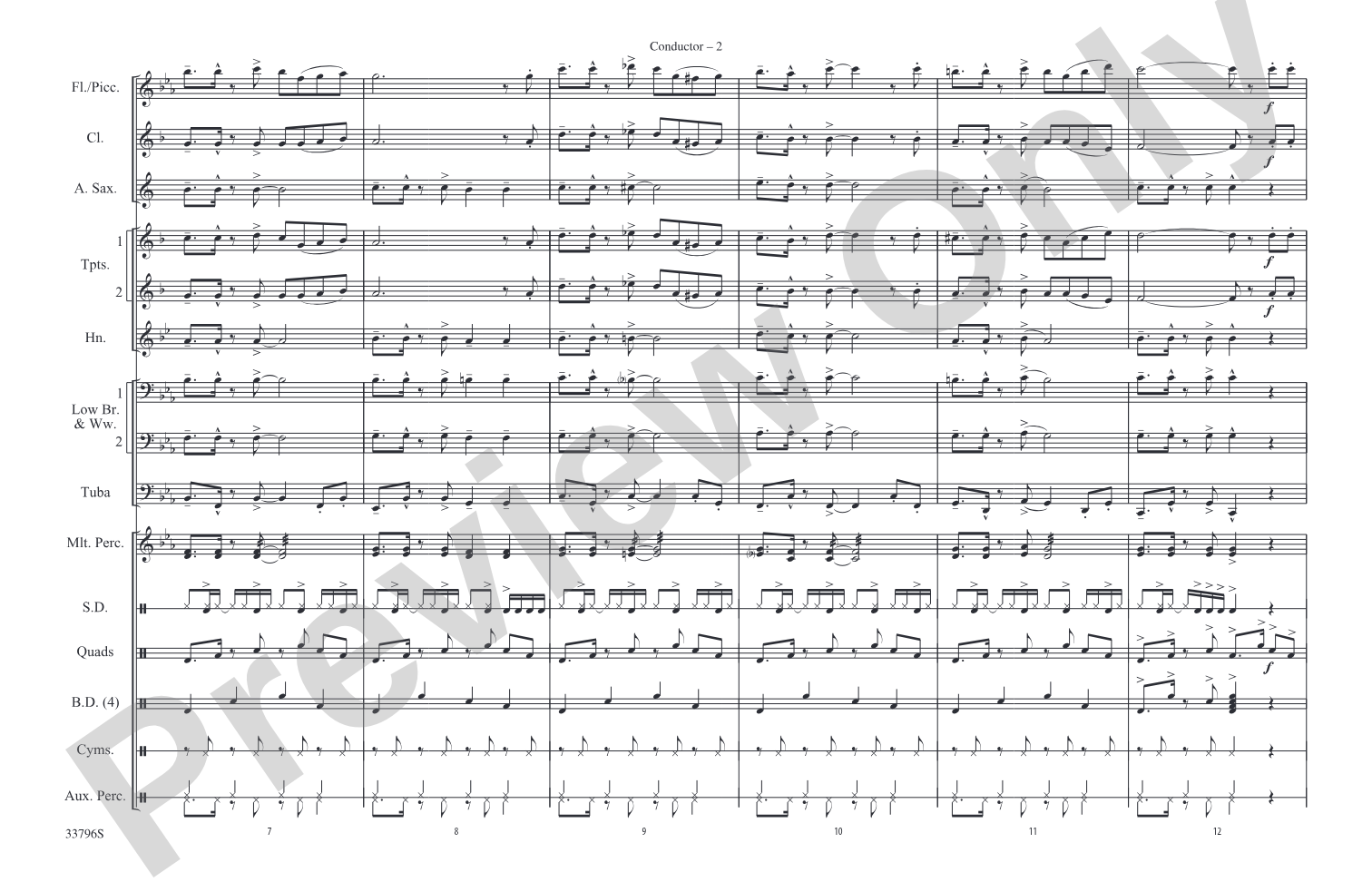
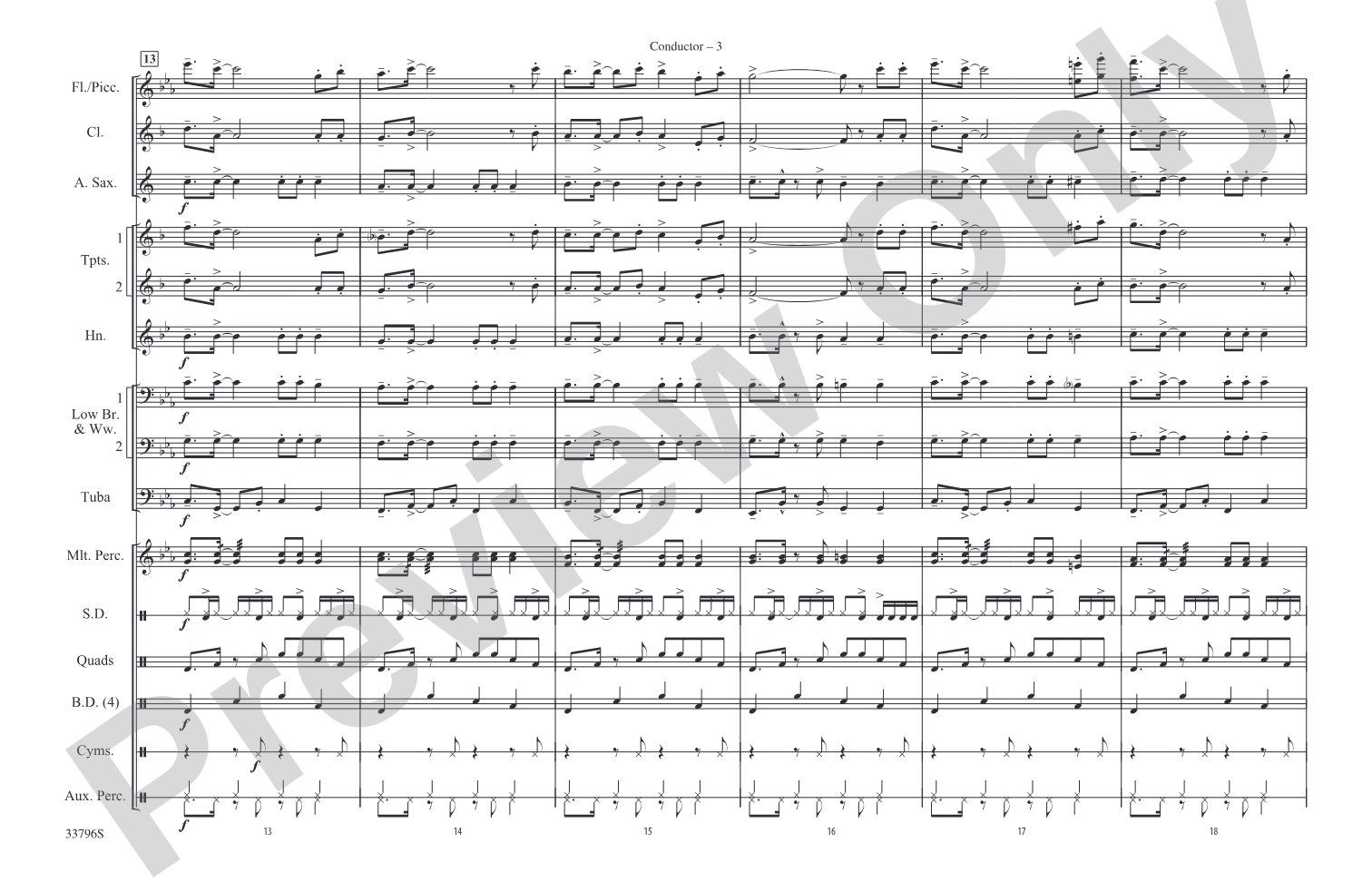
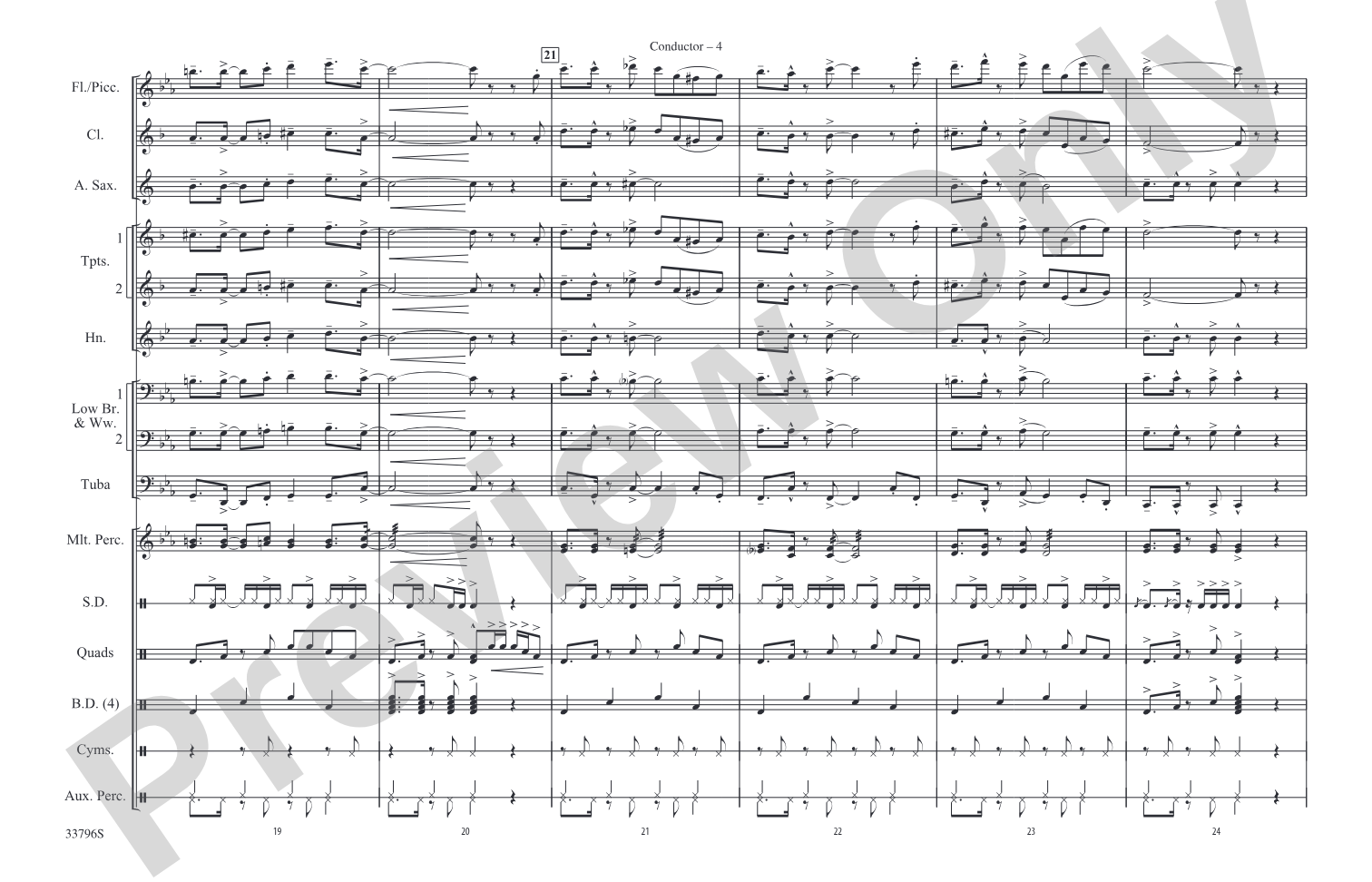
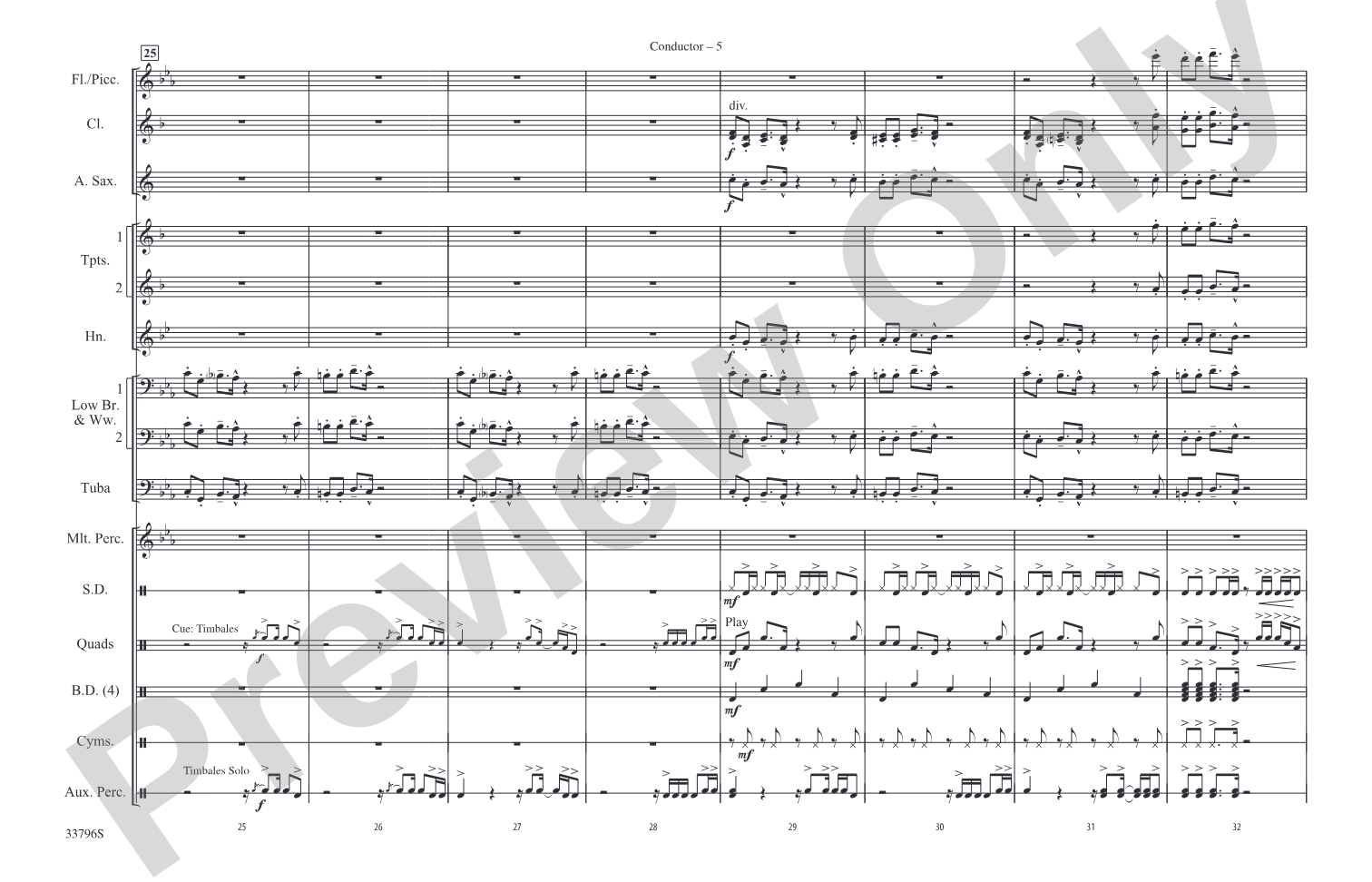
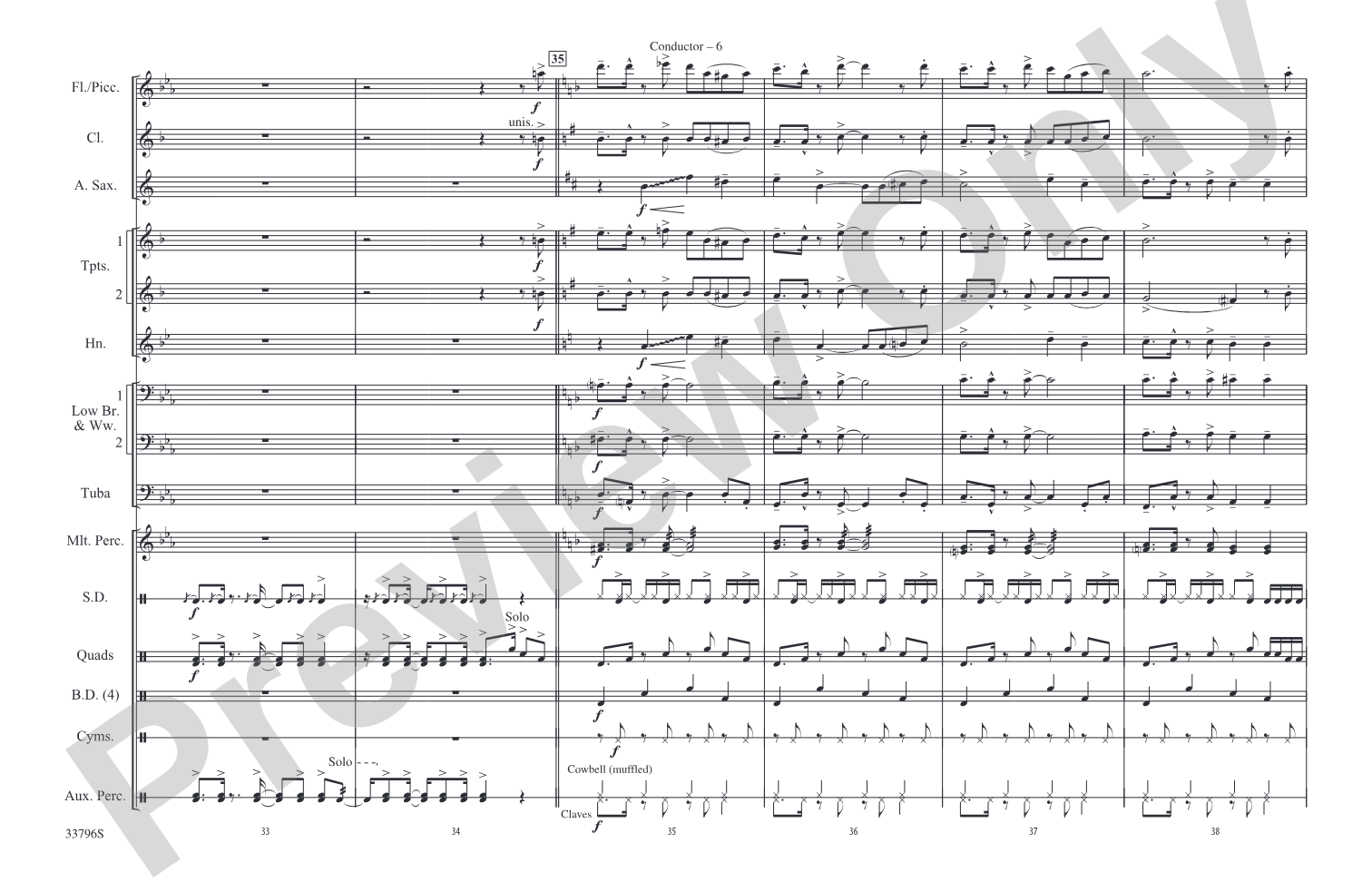
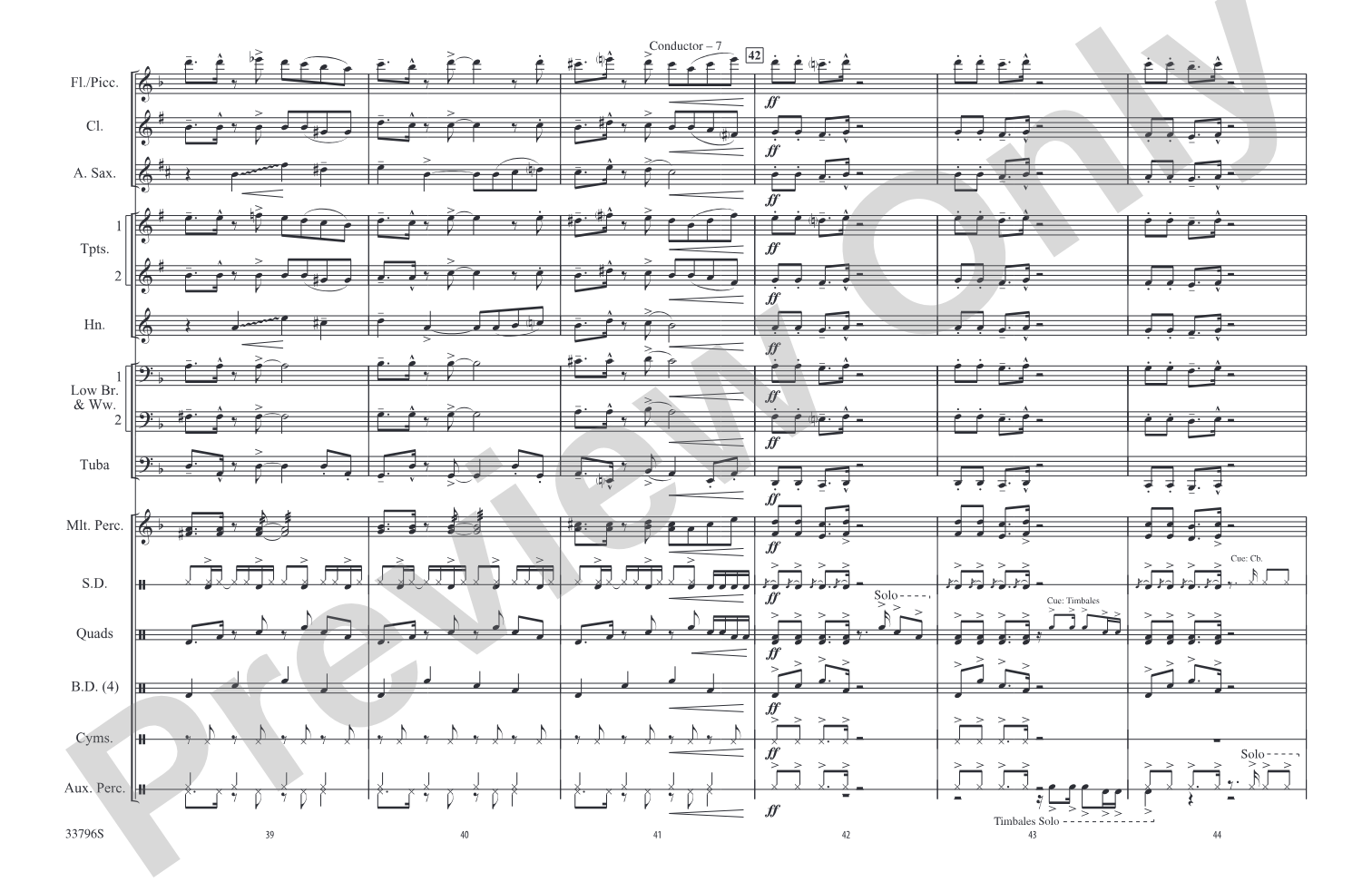
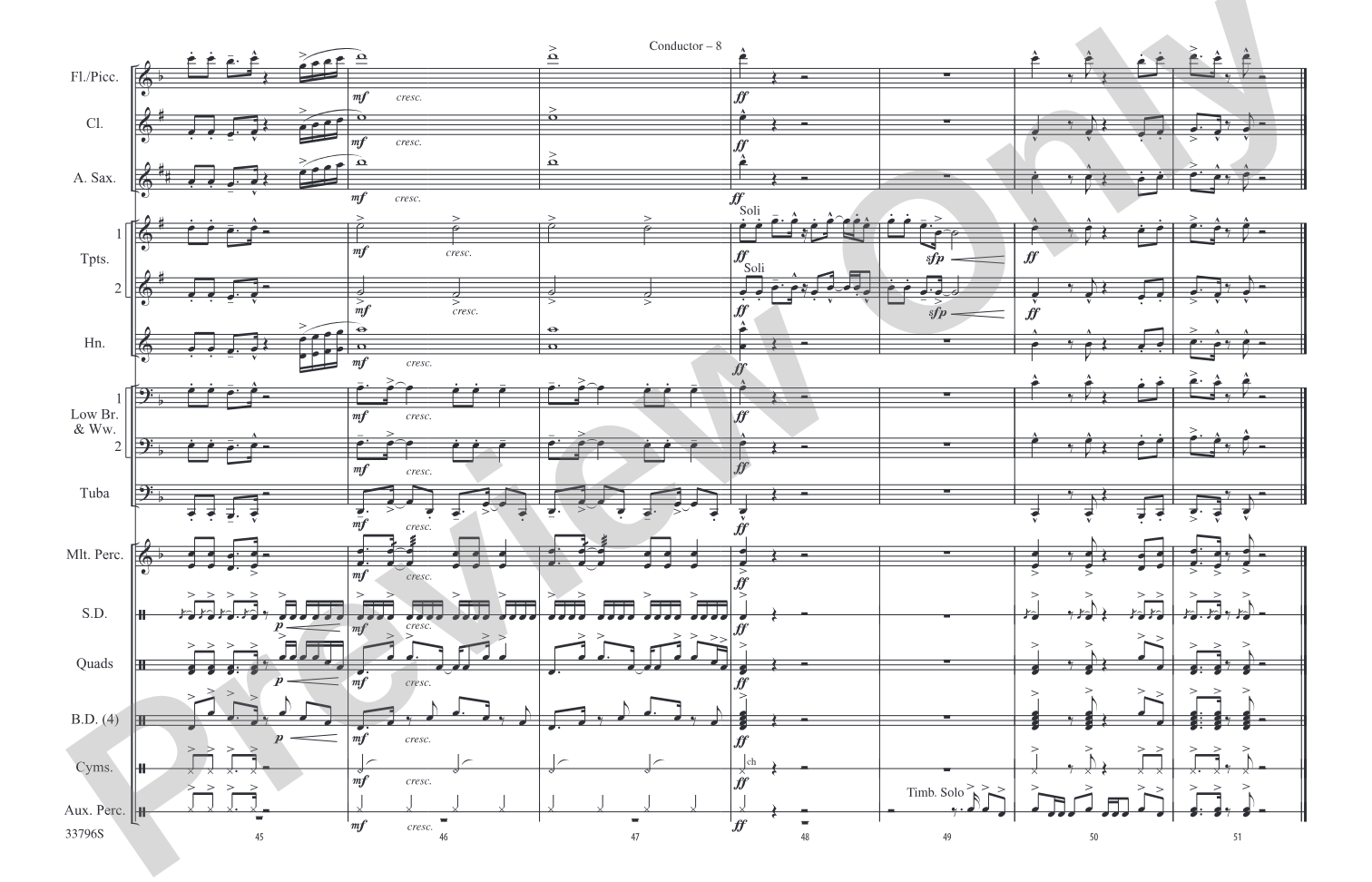

Cuban Coffee: Score
By Victor López
Grade: 3 (Medium)
Item: 00-PR-0006431
$8.00
Pickup currently not available
Description
This sizzling Latin original starts out big and bold and just keeps on coming! Featuring solid Latin grooves and commanding harmonies, this is marching band at its best!
"'Cuban Coffee' is an outstanding Latin piece that is both fun to play and exciting to listen to."
- SB&O


"'Cuban Coffee' is an outstanding Latin piece that is both fun to play and exciting to listen to."
- SB&O
Don't just read it, hear it, play along with it, and watch your students grow with it. In MakeMusic Cloud, Cuban Coffee: Score comes alive with professional accompaniment, adjustable tempo, and built-in practice tools that turn solo practice into real progress.
Open in the Player
Jump straight in and assign it today.
Start Your Free Trial
Open this title and explore the full library in minutes.
Sample Audio
1
Audio File
--:--
0:00
0:00
Sample Video
No sample videos found.
Additional Details
Series:
Mega Sounds for Marching Band
Publisher:
Alfred Music
Page Count:
110
SKU:
00-PR-0006431
More about this title
About the Composer: Victor López
Victor López is a prolific composer and arranger whose work spans concert band, marching band, wind ensemble, and orchestral literature. His compositions are known for their accessible writing, strong harmonic language, and ability to engage student musicians at multiple levels. López has become a staple in the marching arts, with pieces that balance musical substance and performance viability.
Why we love this
Cuban Coffee delivers everything a Grade 3 marching band needs: propulsive Latin rhythms that drive the ensemble forward, clear melodic statements that sit well across all sections, and a structure that rewards both precision and personality. Directors report this piece energizes rehearsals and audiences alike, making it an effective choice for mid-season programming when you need something that sounds substantially larger than its difficulty level.
What to expect
Cuban Coffee captures the warmth and forward momentum of Latin jazz. The piece opens with confidence and energy that never wanes, combining the familiar comfort of Latin grooves with harmonies that feel fresh and intentional. It's the kind of writing that makes both audience members and young musicians want to move.
Who it's for
Grade 3 marching bands looking for contemporary Latin material with strong audience appeal. This score works for bands with solid fundamentals in rhythm and intonation but not yet mastering complex contemporary techniques. It's equally suited to bands building a summer show or selecting concert repertoire.
How to get the most out of it
- Lock the clave rhythm early in sectionals; once the percussion section owns it, the front ensemble and winds will fall into place naturally.
- Mark the dynamic peaks clearly in your score and conduct them deliberately. The piece builds through repetition rather than sudden accents, so gradual intensity matters.
- Emphasize the distinction between the Latin grooves and the commanding harmonies by adjusting articulation: keep rhythmic passages crisp and brief, while extending the harmonic transitions slightly for resonance.
- Bring the upper woodwinds forward during melody statements. In a marching setting, those lines can disappear under the weight of fuller textures.
How to use it
This works particularly well as a mid-program selection on a concert where you want to shift energy and mood. It pairs naturally with both traditional band repertoire and contemporary concert music, and it's substantial enough to anchor a standalone performance set. Consider programming it when you need a piece that demonstrates musicality without asking for advanced technical effects.
Skills your students will build
- Latin rhythm fundamentals (clave patterns, montunos, and syncopated grooves)
- Ensemble balance across sections with contrasting rhythmic roles
- Maintaining tempo and pulse against complex polyrhythmic backgrounds
- Dynamic shaping and phrasing in a contemporary idiom
- Articulation clarity in fast-moving passages