
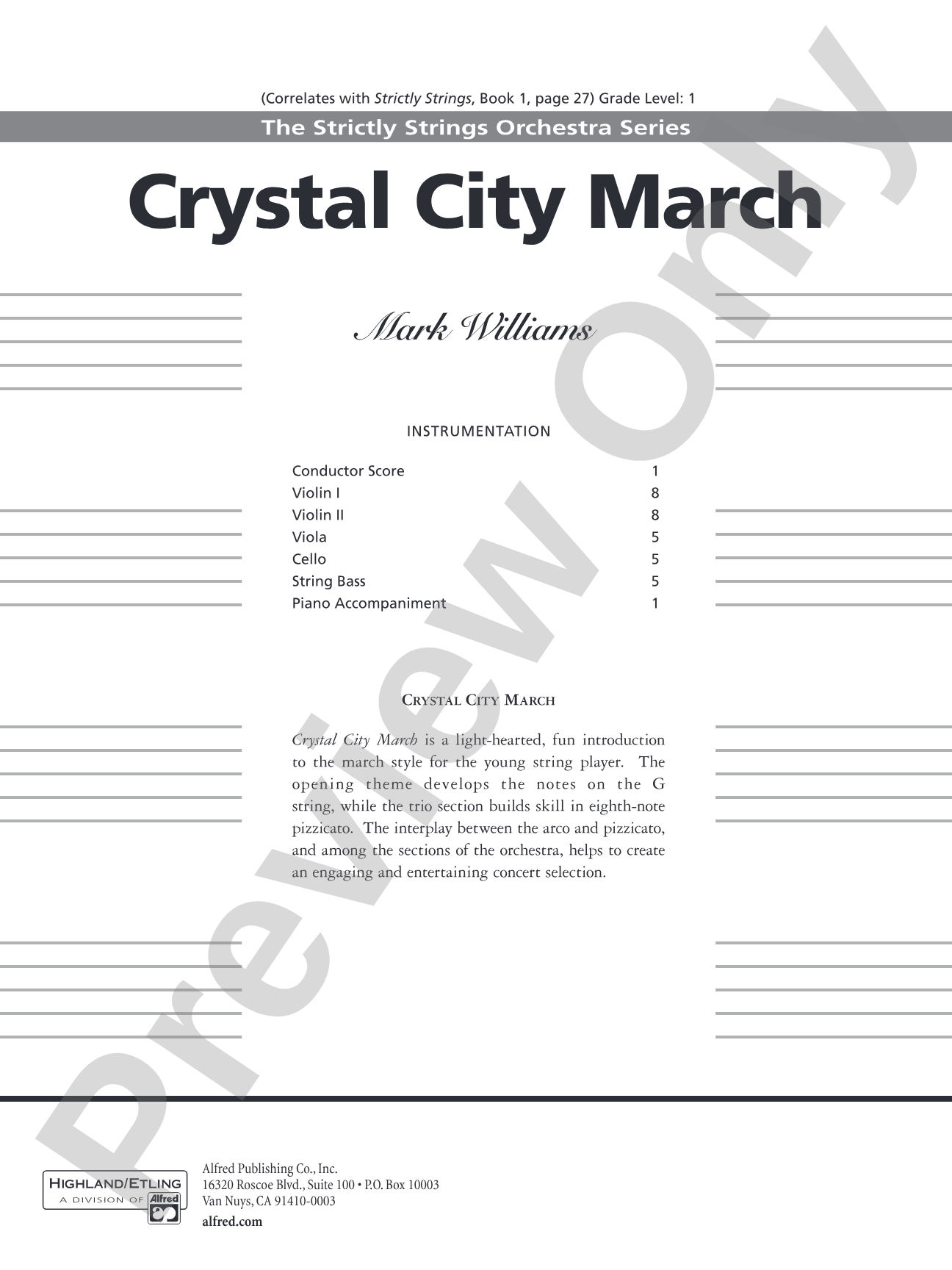
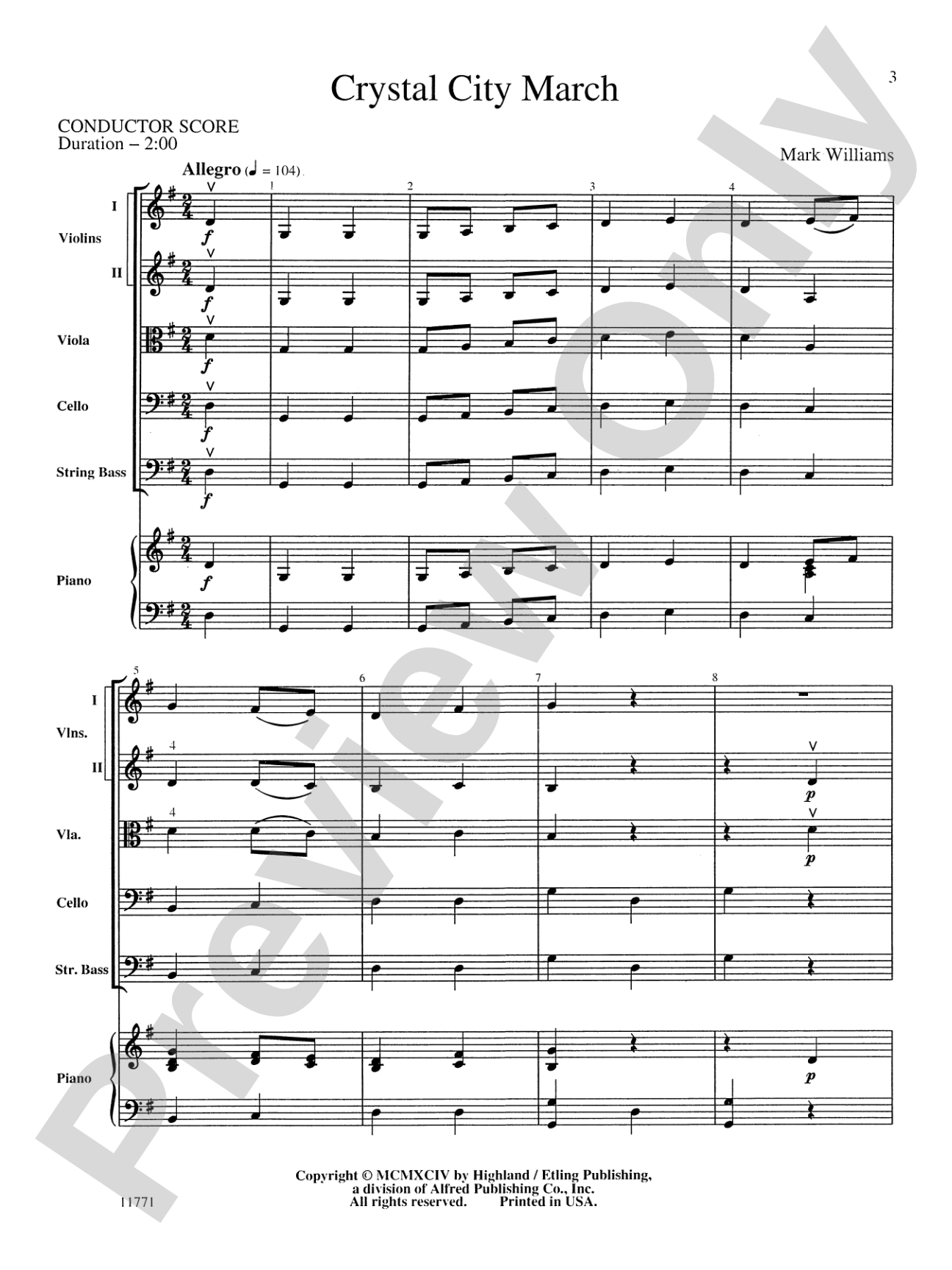
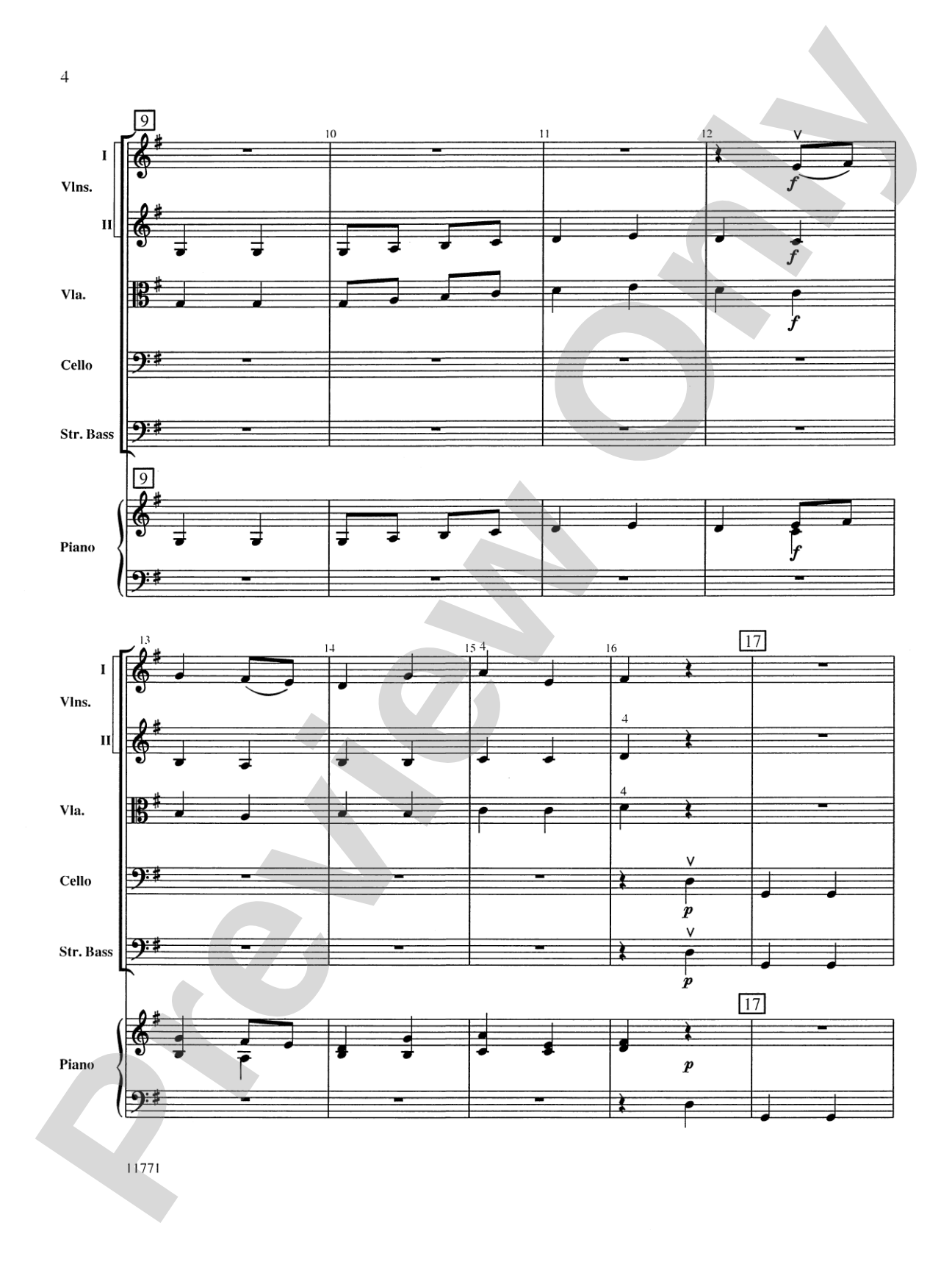
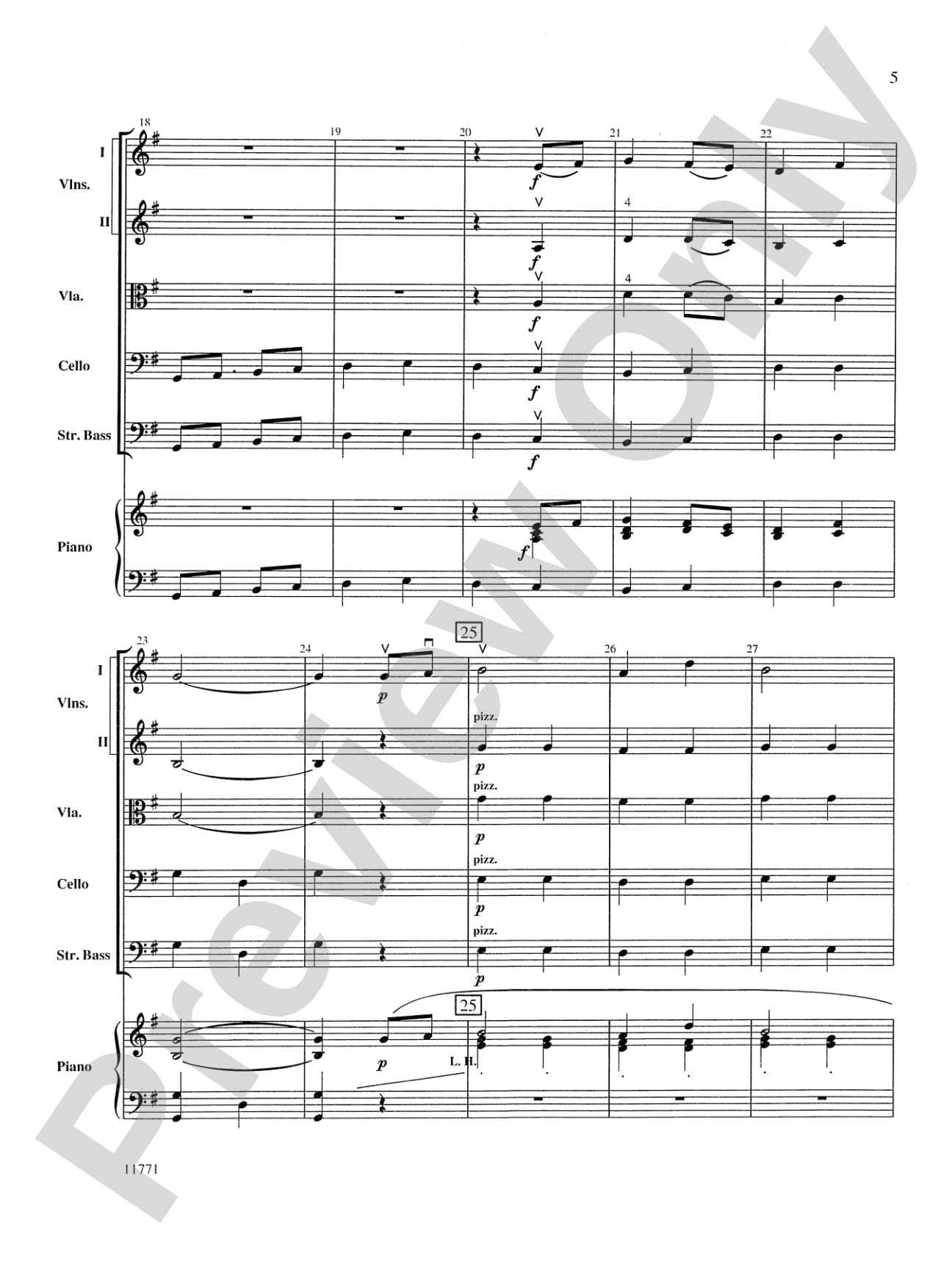
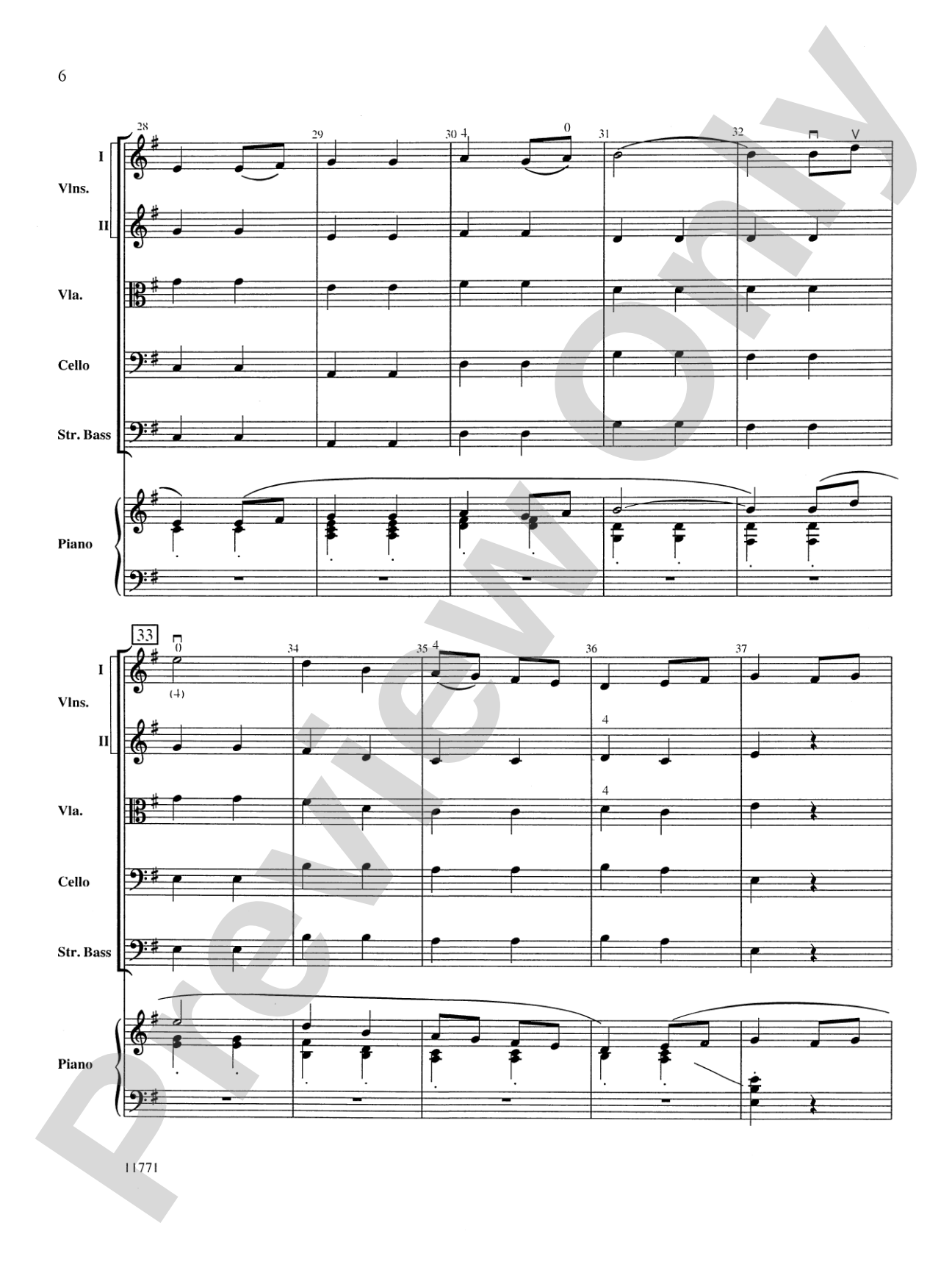
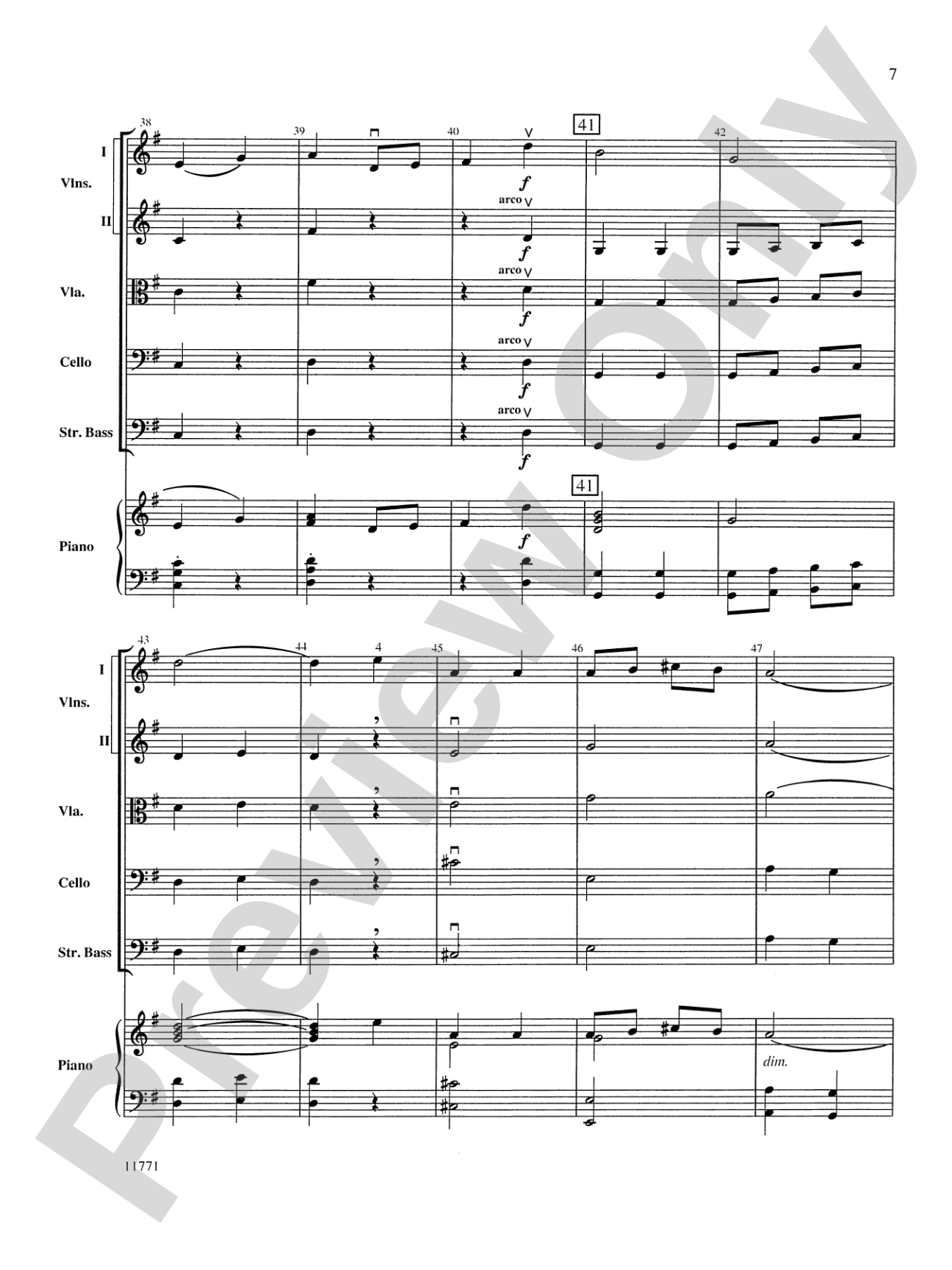
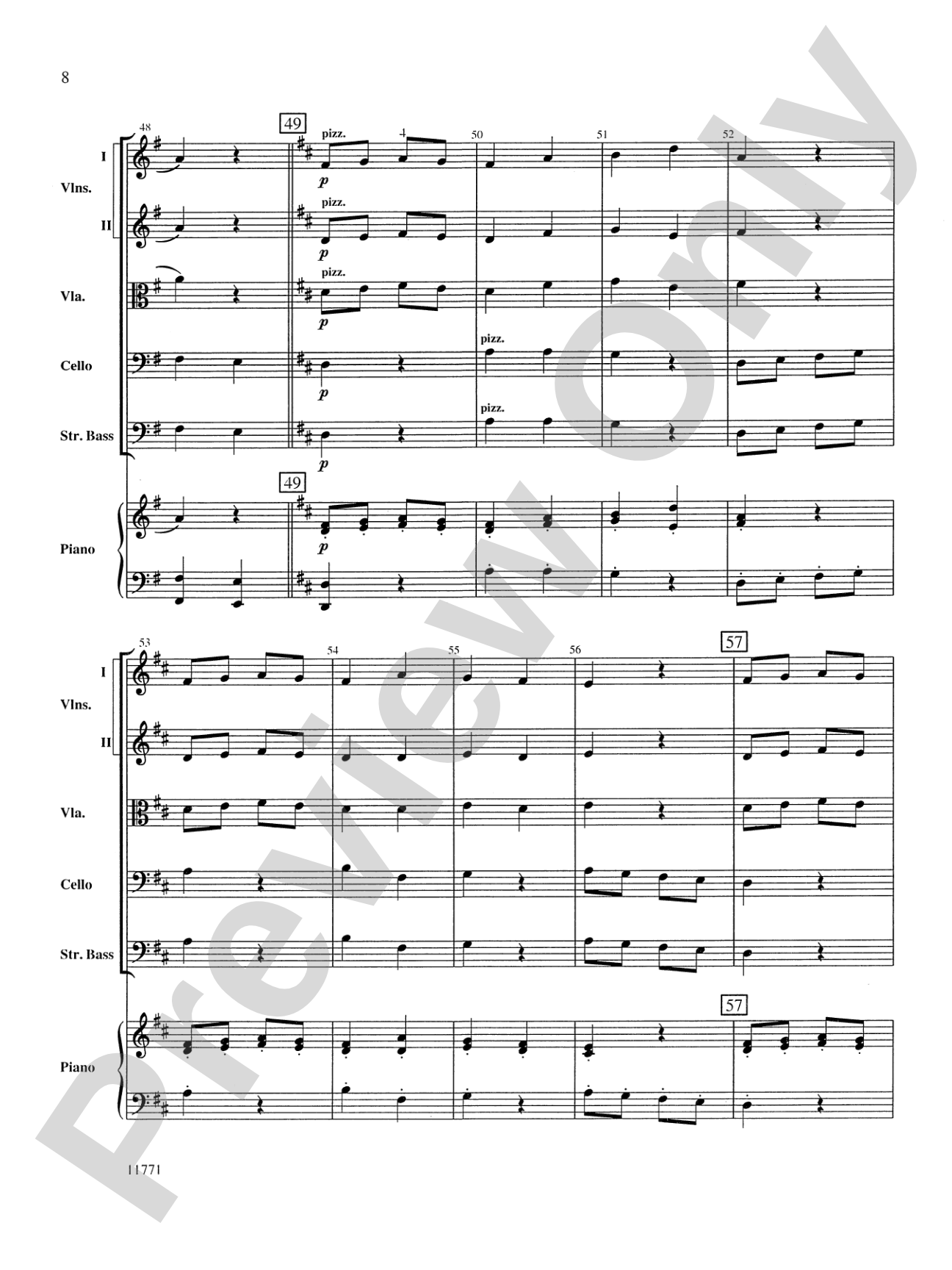
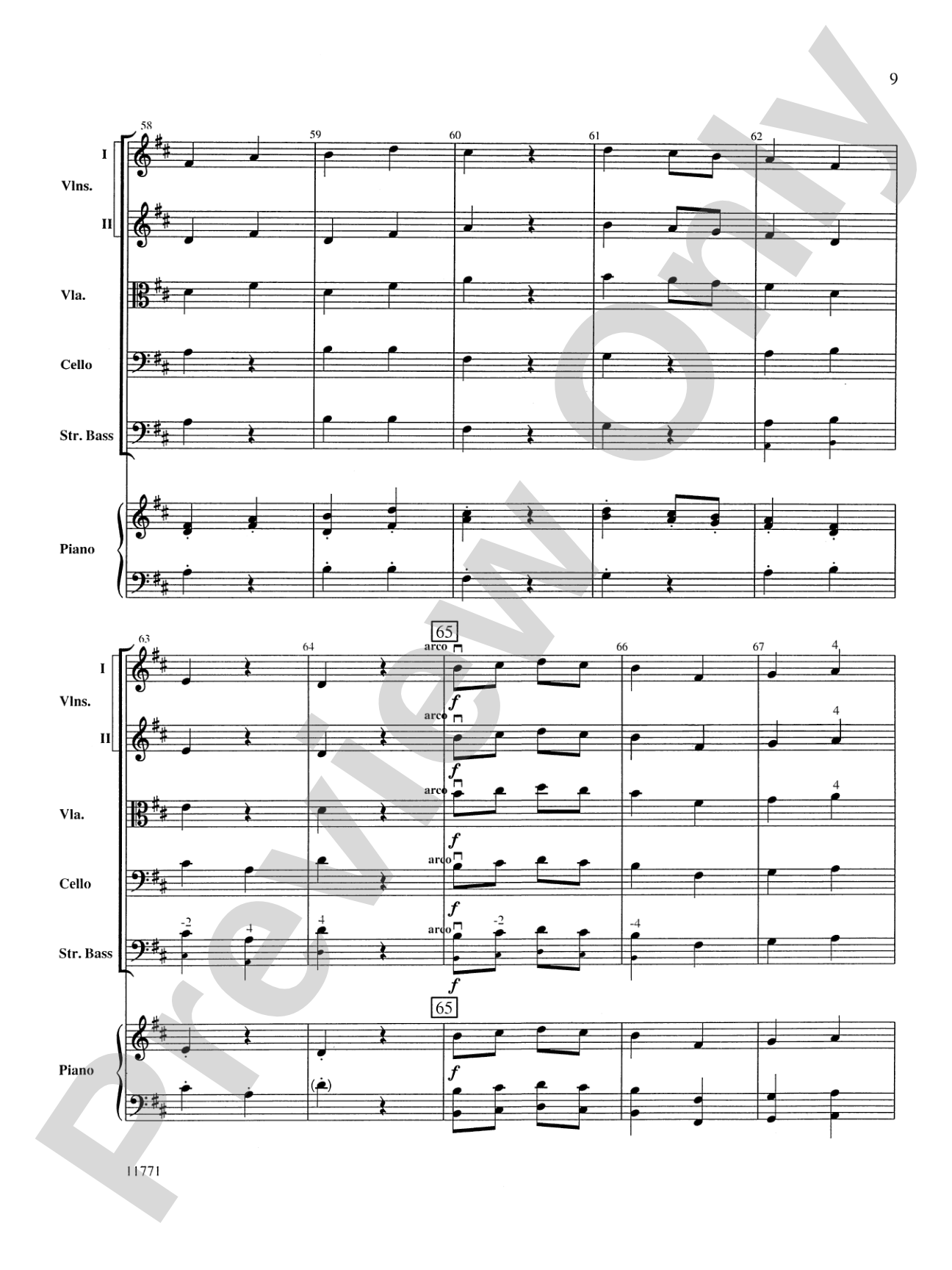
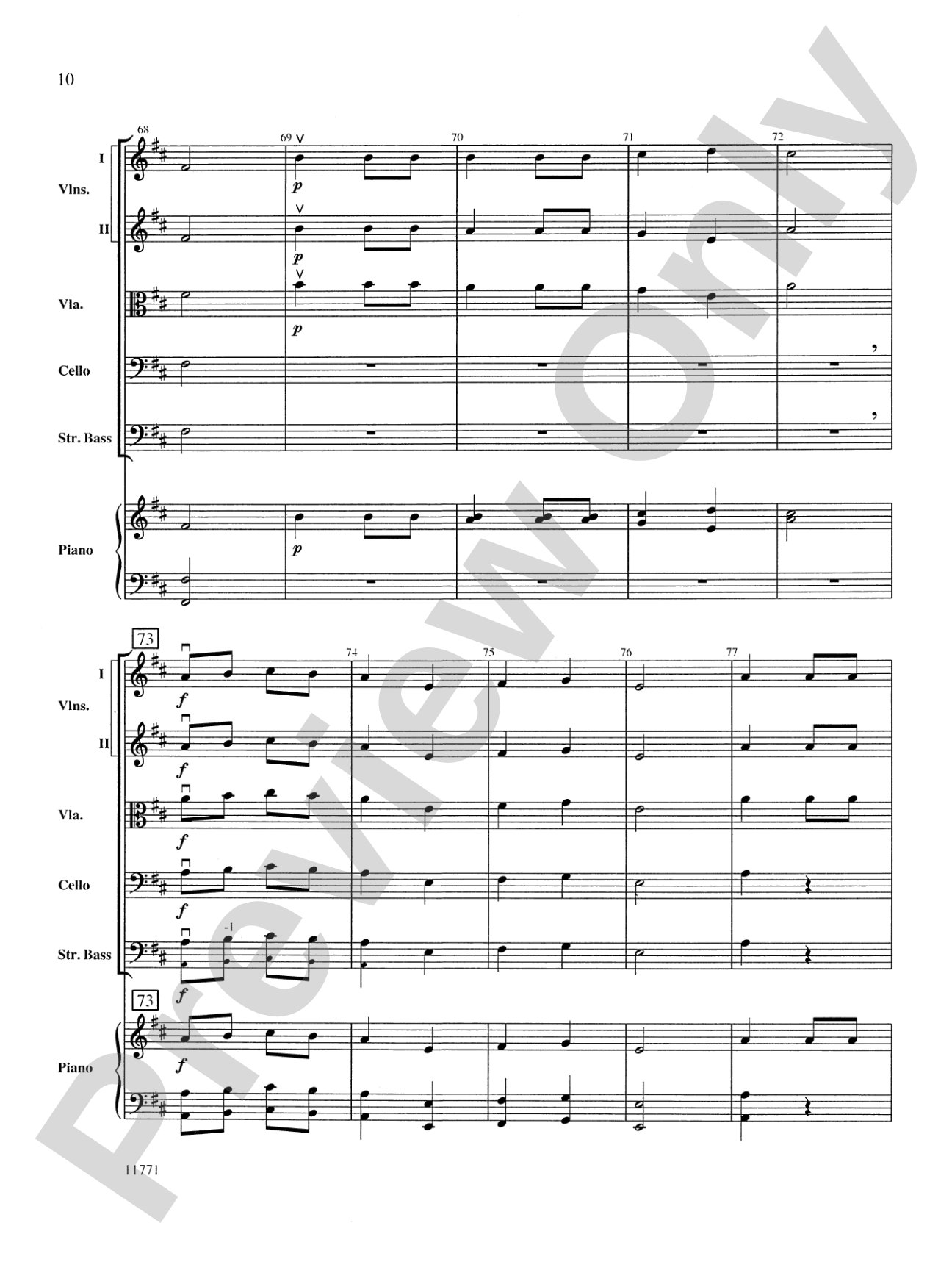
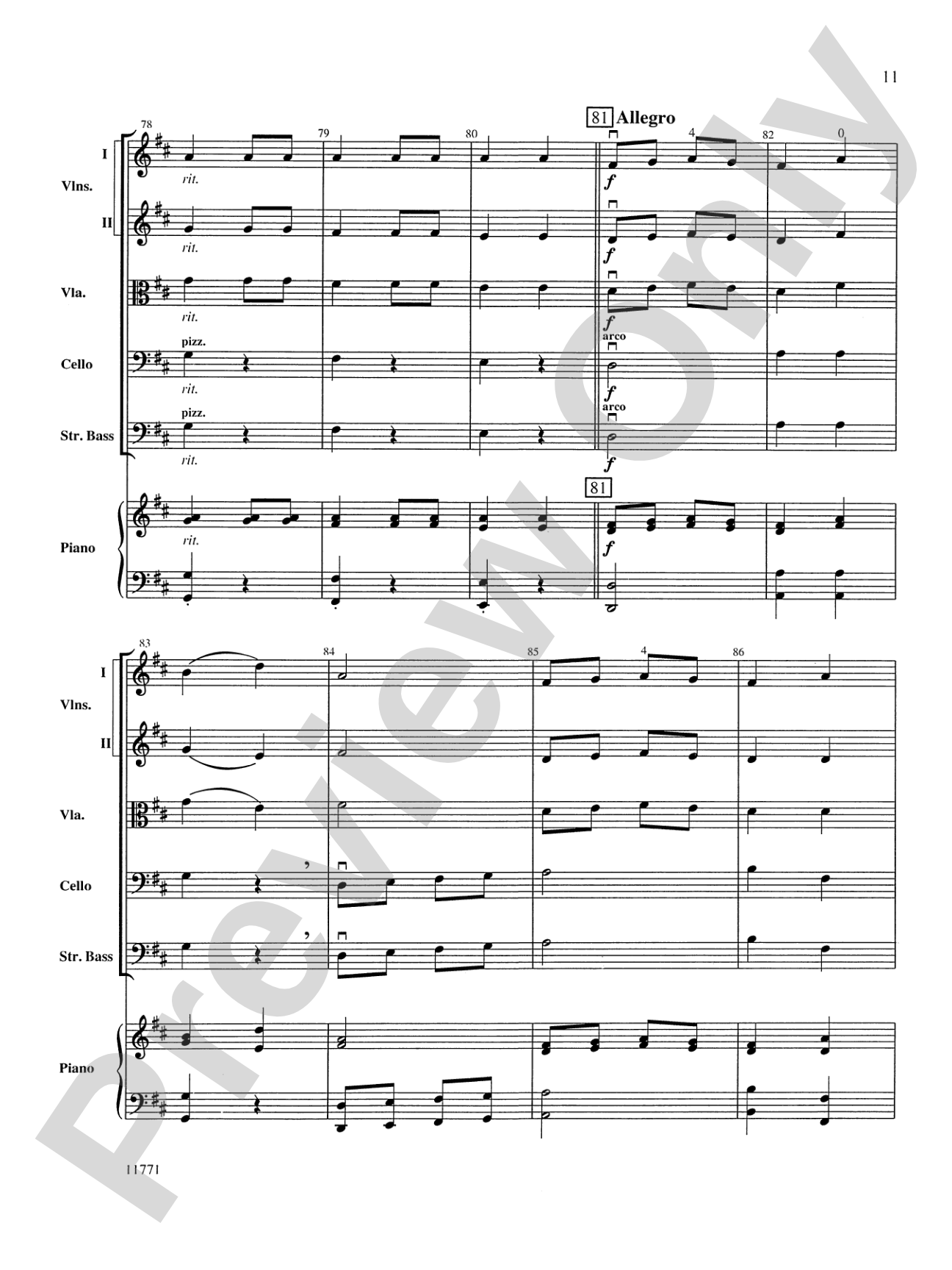
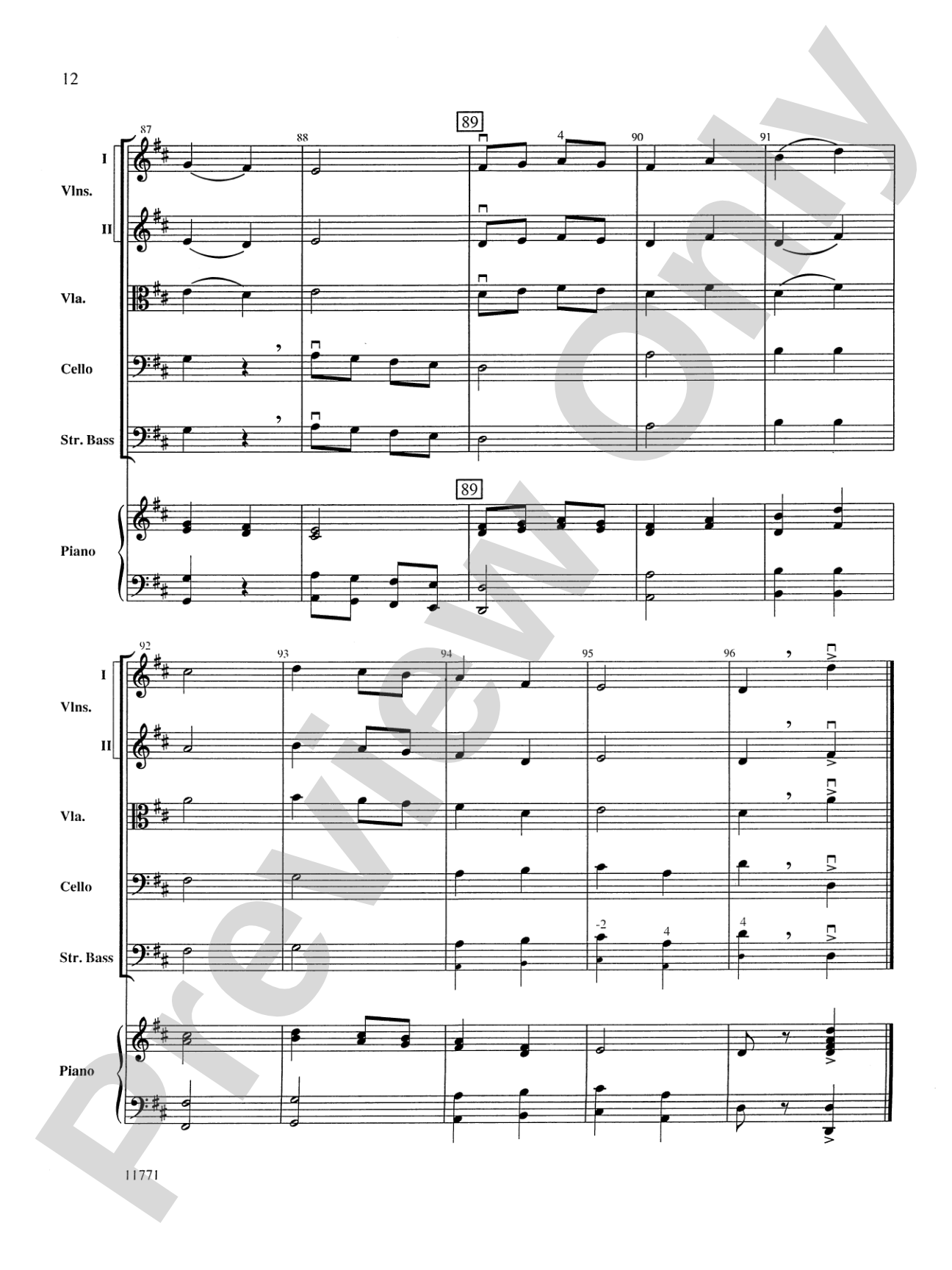

Crystal City March: String Orchestra Conductor Score & Parts
By Mark Williams
Grade: 1
Item: 00-PK-0000022

$42.00
Pickup currently not available
Buy Extra Parts (Digital PDF Download)
| Product | Price | Quantity |
|---|---|---|
| Crystal City March: Score | $8.00 | |
| Crystal City March: 1st Violin | $5.99 | |
| Crystal City March: 2nd Violin | $5.99 | |
| Crystal City March: Viola | $5.99 | |
| Crystal City March: Cello | $5.99 | |
| Crystal City March: String Bass | $5.99 | |
| Crystal City March: Piano Accompaniment | $5.99 |
Parts Added to Cart!
Description
Part of the Strictly Strings Orchestra Series, this spirited march reinforces march style and meter. Besides that, it's just plain fun to play. Mark Williams again demonstrates his prowess in creating musical experiences within limited technical range. This title is available in MakeMusic Cloud.


Don't just read it, hear it, play along with it, and watch your students grow with it. In MakeMusic Cloud, Crystal City March: String Orchestra Conductor Score & Parts comes alive with professional accompaniment, adjustable tempo, and built-in practice tools that turn solo practice into real progress.
Open in the Player
Jump straight in and assign it today.
Start Your Free Trial
Open this title and explore the full library in minutes.
Sample Audio
1
Audio File
--:--
0:00
0:00
Sample Video
No sample videos found.
Additional Details
Series:
Highland/Etling Strictly Strings
Publisher:
Alfred Music
Page Count:
128
SKU:
00-PK-0000022
More about this title
About the Composer: Mark Williams

Mark Williams built a career composing accessible, musically sound repertoire for young ensembles across multiple genres. With over 200 published works for band, orchestra, and choir to his name, he established himself as a trusted voice in school music education. His co-authorship of the Accent on Achievement Band Method shaped how countless students learned their instruments.
Williams' influence extended well beyond the page. He served as clinician and guest conductor across 34 states, five Canadian provinces, and Australia, sharing his philosophy that good music need not demand advanced technique. Trained at Eastern Washington University and an accomplished bassoon performer himself, he brought both pedagogical rigor and practical musicianship to everything he wrote. His honors included the Gralia Competition from the Western International Band Clinic and multiple ASCAP Special Awards. Beyond composing, Williams conducted the Spokane British Brass Band and taught music in Washington schools, where he developed his particular expertise with elementary band programs.
Why we love this
Williams knows exactly what Grade 1 orchestras can do, and he writes marches that make students sound better than they might expect. The spirited character and reinforcement of march style give your ensemble immediate musicianship wins, which matters enormously for young string players building confidence. Pair this with a festival appearance and you have a piece that serves pedagogy and performance equally well.
What to expect
Crystal City March marches with genuine spirit and forward momentum. The writing sparkles without pretension, inviting players to experience the satisfaction of clean ensemble playing and clear stylistic identity.
Who it's for
Grade 1 string orchestras preparing for contests or festivals, or any young ensemble ready for a stylistically rewarding piece that doesn't require advanced technical skills. Teachers looking for music that reinforces march fundamentals while keeping students engaged will find this especially valuable.
How to get the most out of it
- Establish the march character from rehearsal one by paying attention to articulation and phrase shape; crisp, uniform bow strokes in the faster passages create the characteristic energy of the style.
- Balance the melody between sections so the main theme cuts through without requiring the supporting voices to sacrifice their own clarity.
- Work the meter as a physical experience, not just an intellectual one; have students feel the march pulse in their posture and bow arm.
- Record a full run-through and listen together as an ensemble; young orchestras often discover their own rhythmic and intonation issues faster through listening than through correction alone.
How to use it
Program this as a contest or festival entry where you want to showcase both ensemble unity and musical character without technical risk. It also works beautifully as a spring concert opener or as part of a thematic program pairing different march styles across grade levels.
Skills your students will build
- March style articulation and phrasing
- Meter awareness and pulse stability
- Sectional balance and blend
- Ensemble rhythmic precision
- Bow control in sustained and moving passages