

Critical Mission: String Orchestra Conductor Score & Parts
By Adrian B. Sims
Grade: 2.5-3
Item: 00-PK-0009559

$65.00
Pickup currently not available
Buy Extra Parts (Digital PDF Download)
| Product | Price | Quantity |
|---|---|---|
| Critical Mission: Score | $12.00 | |
| Critical Mission: 1st Violin | $3.00 | |
| Critical Mission: 2nd Violin | $3.00 | |
| Critical Mission: 3rd Violin (Viola [TC]) | $3.00 | |
| Critical Mission: Viola | $3.00 | |
| Critical Mission: Cello | $3.00 | |
| Critical Mission: String Bass | $3.00 | |
| Critical Mission: Timpani | $3.00 |
Parts Added to Cart!
Description
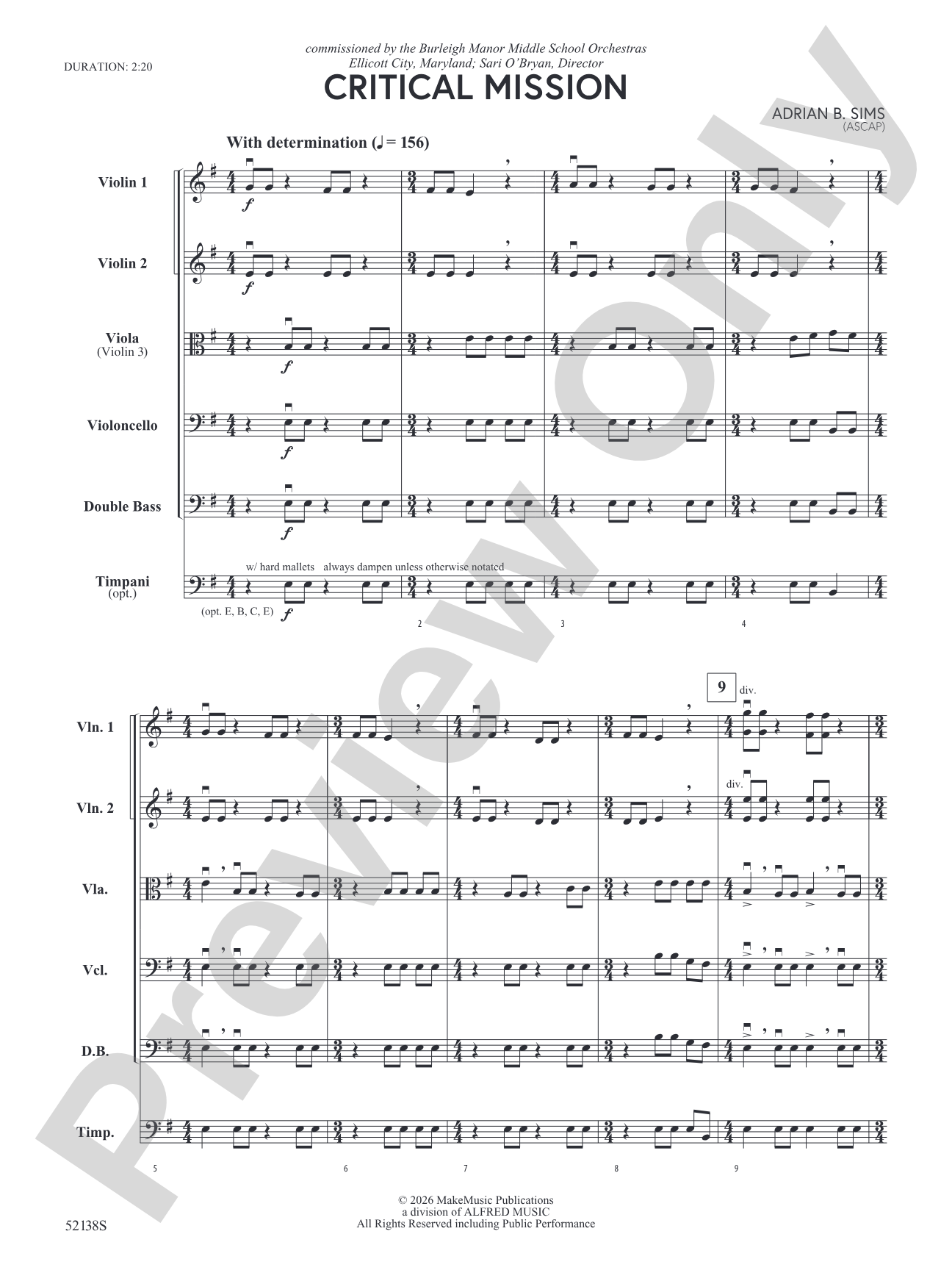
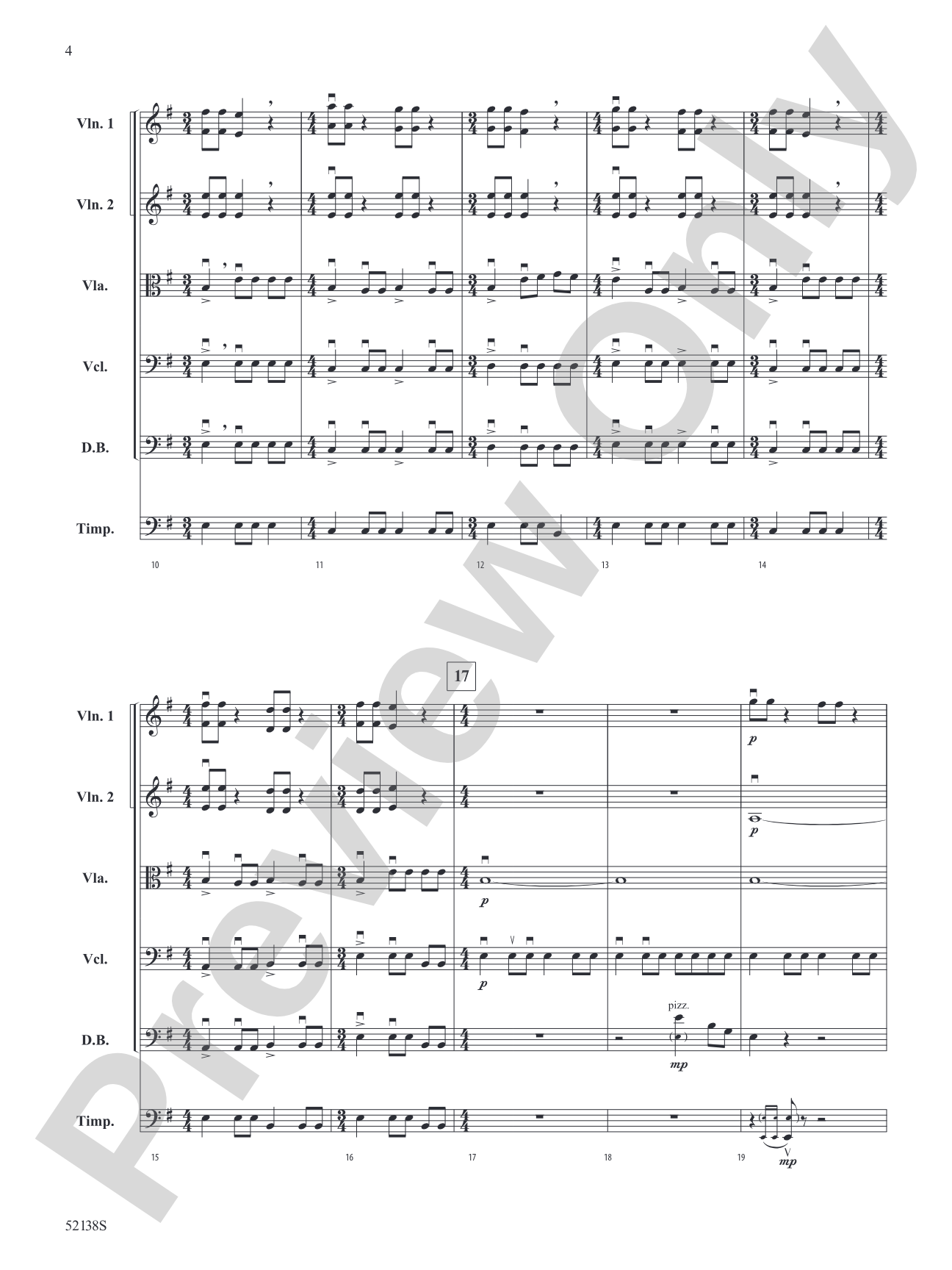
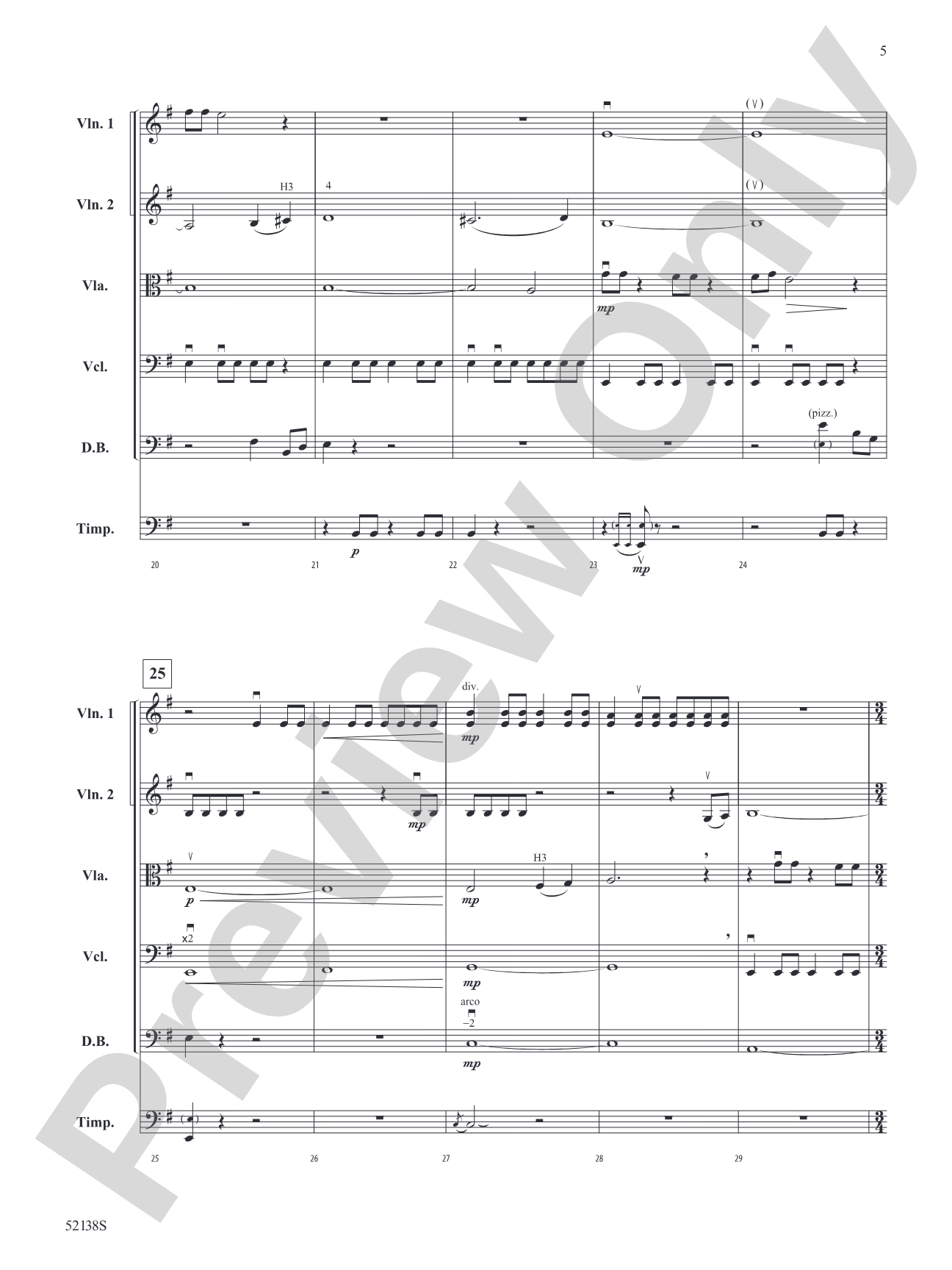
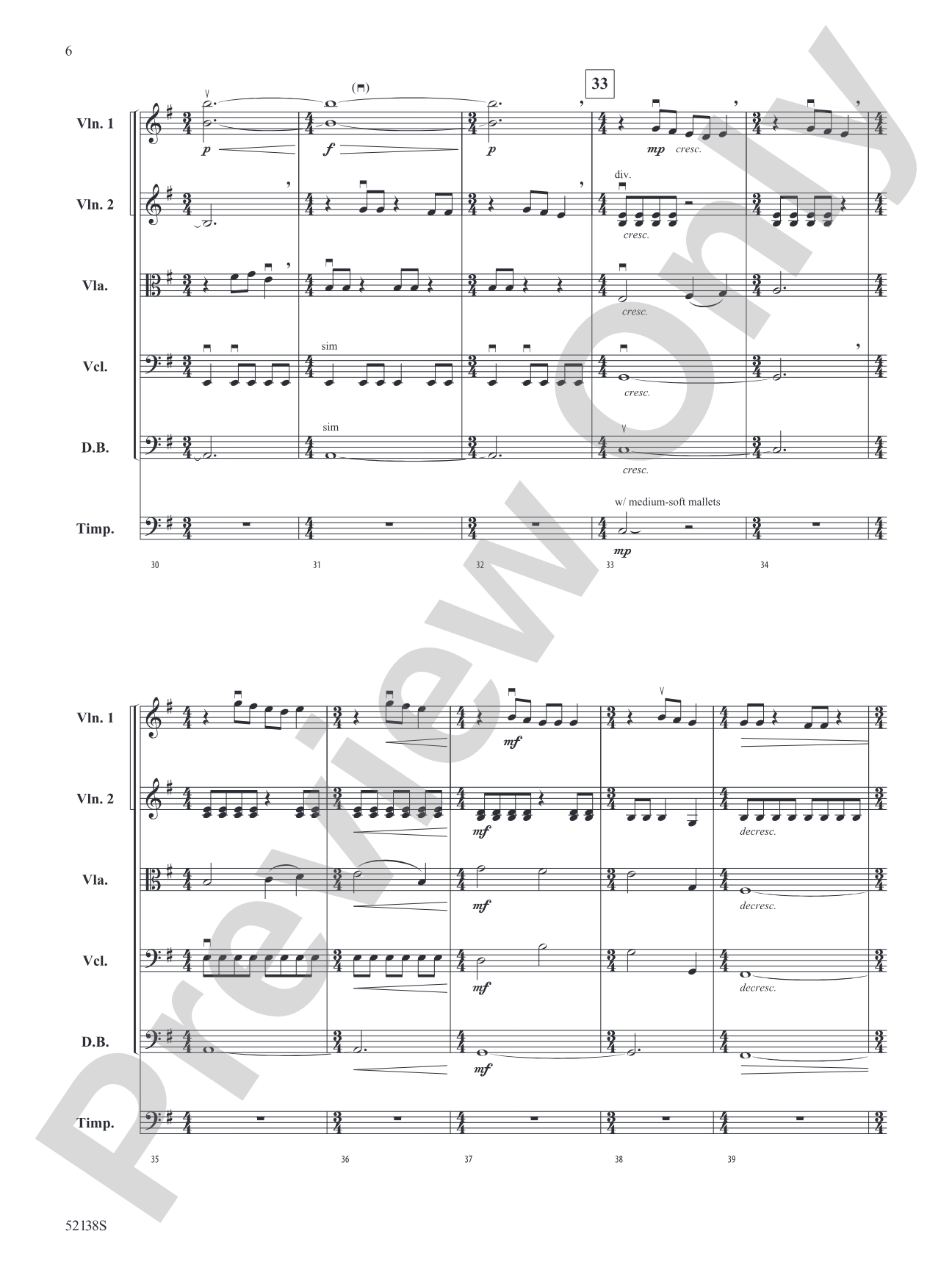
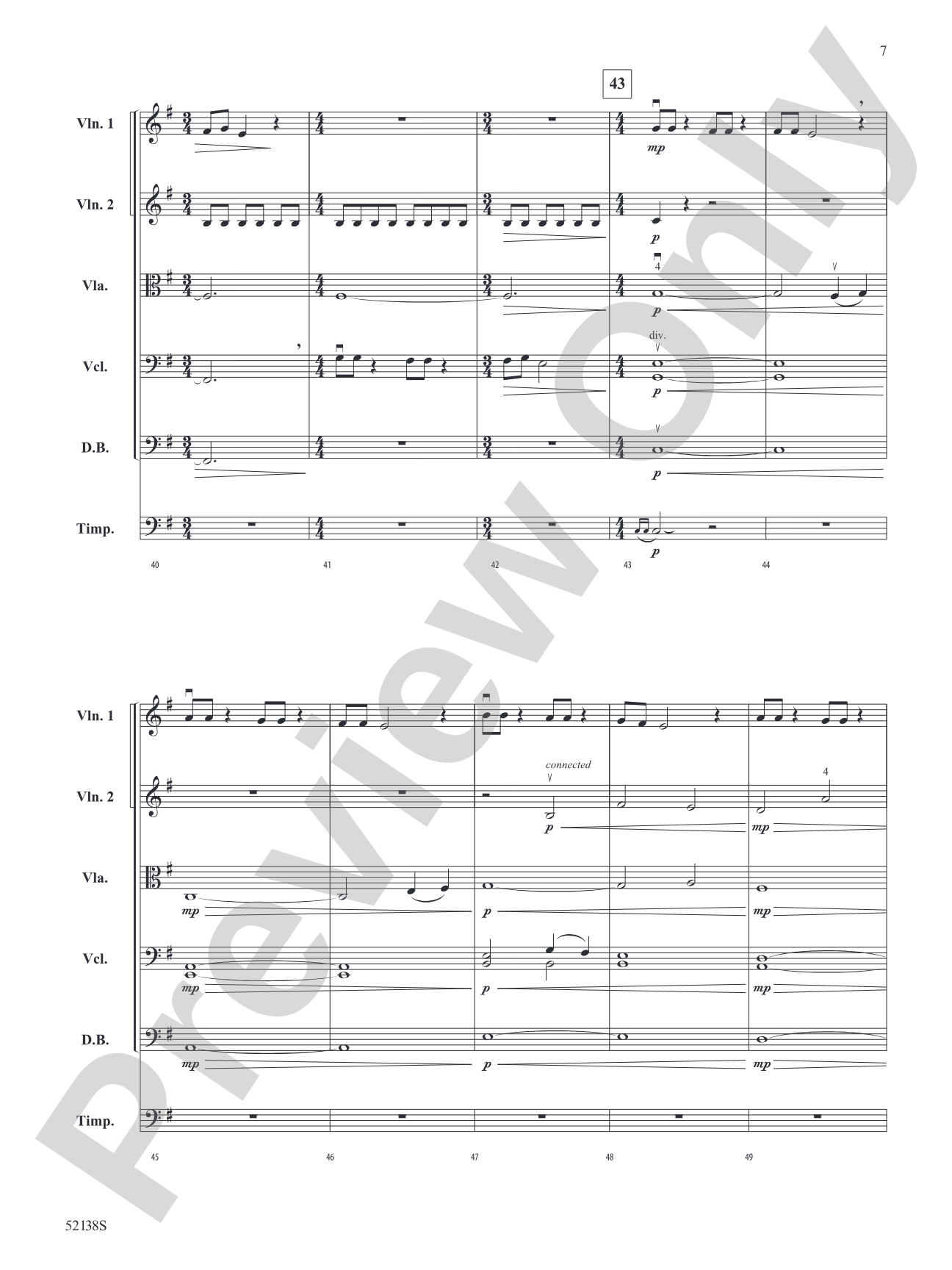
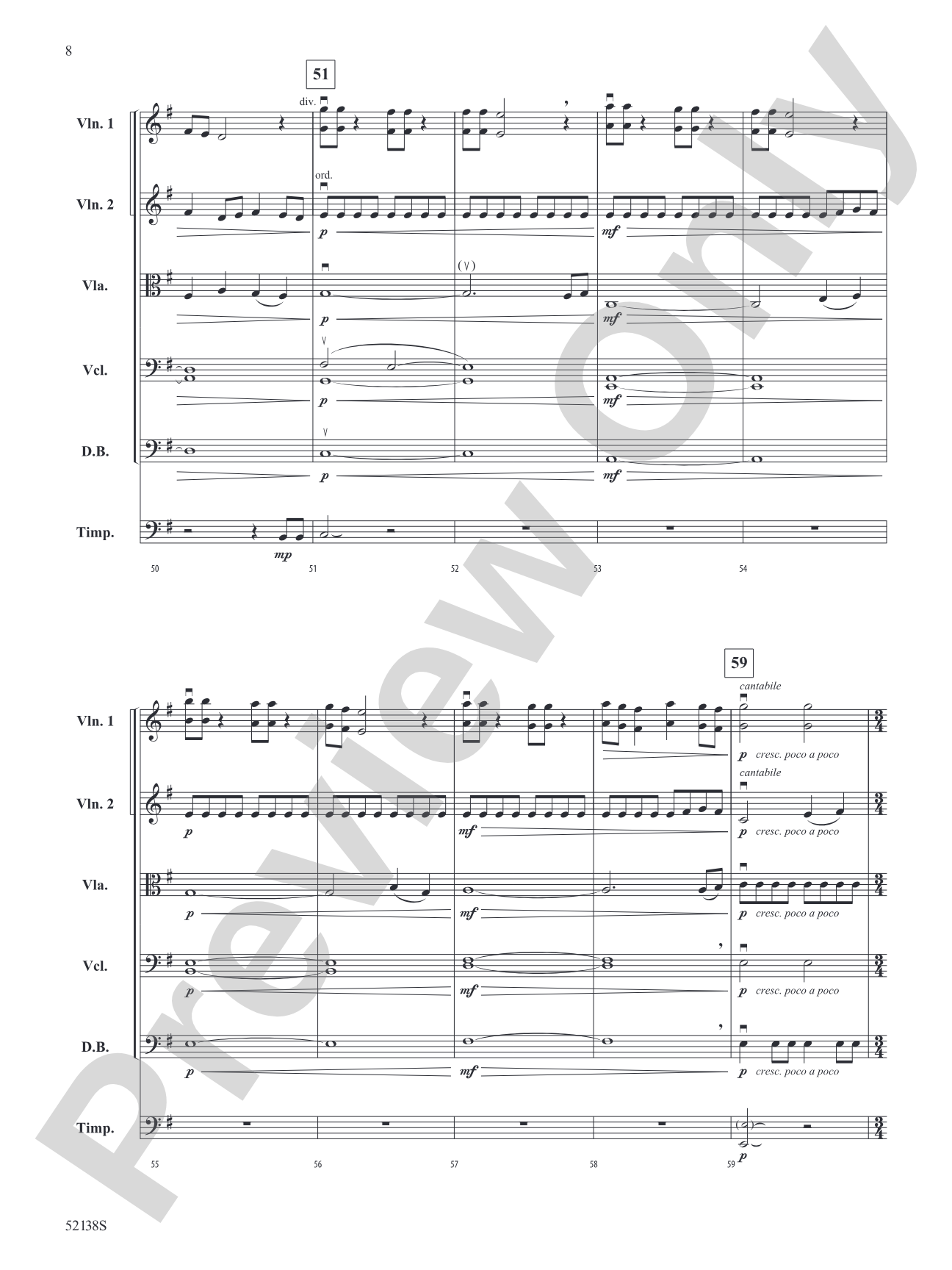
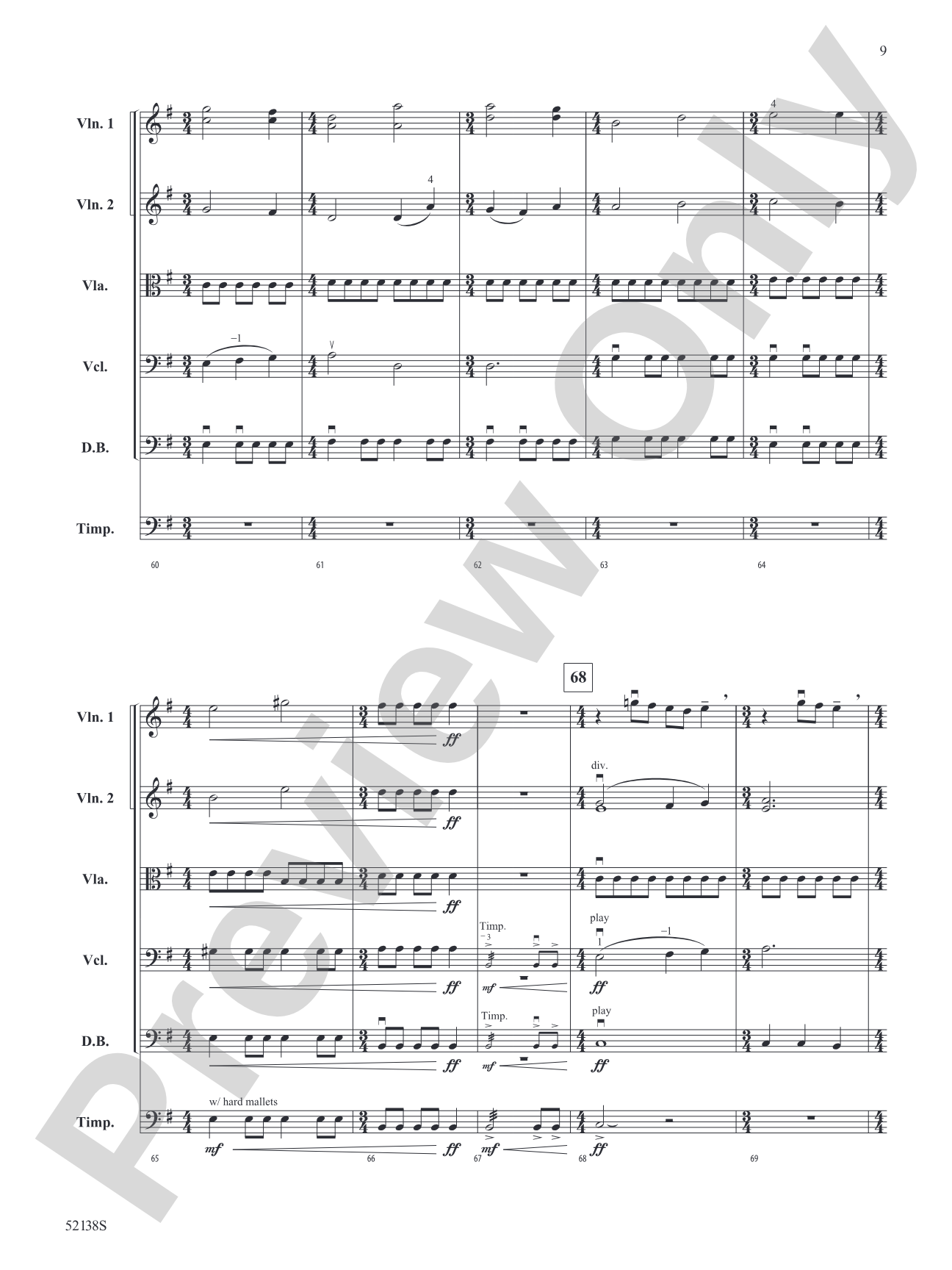
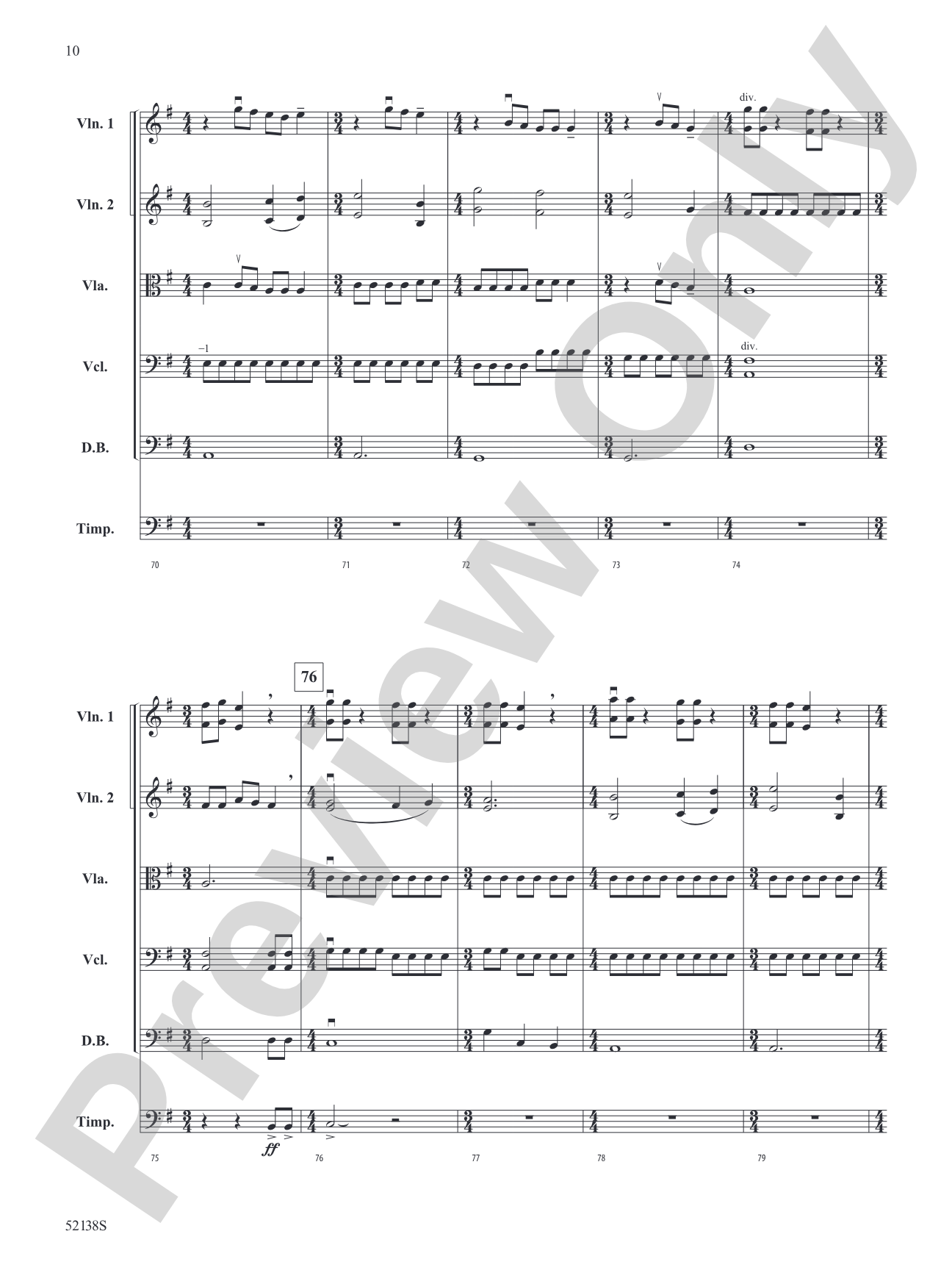
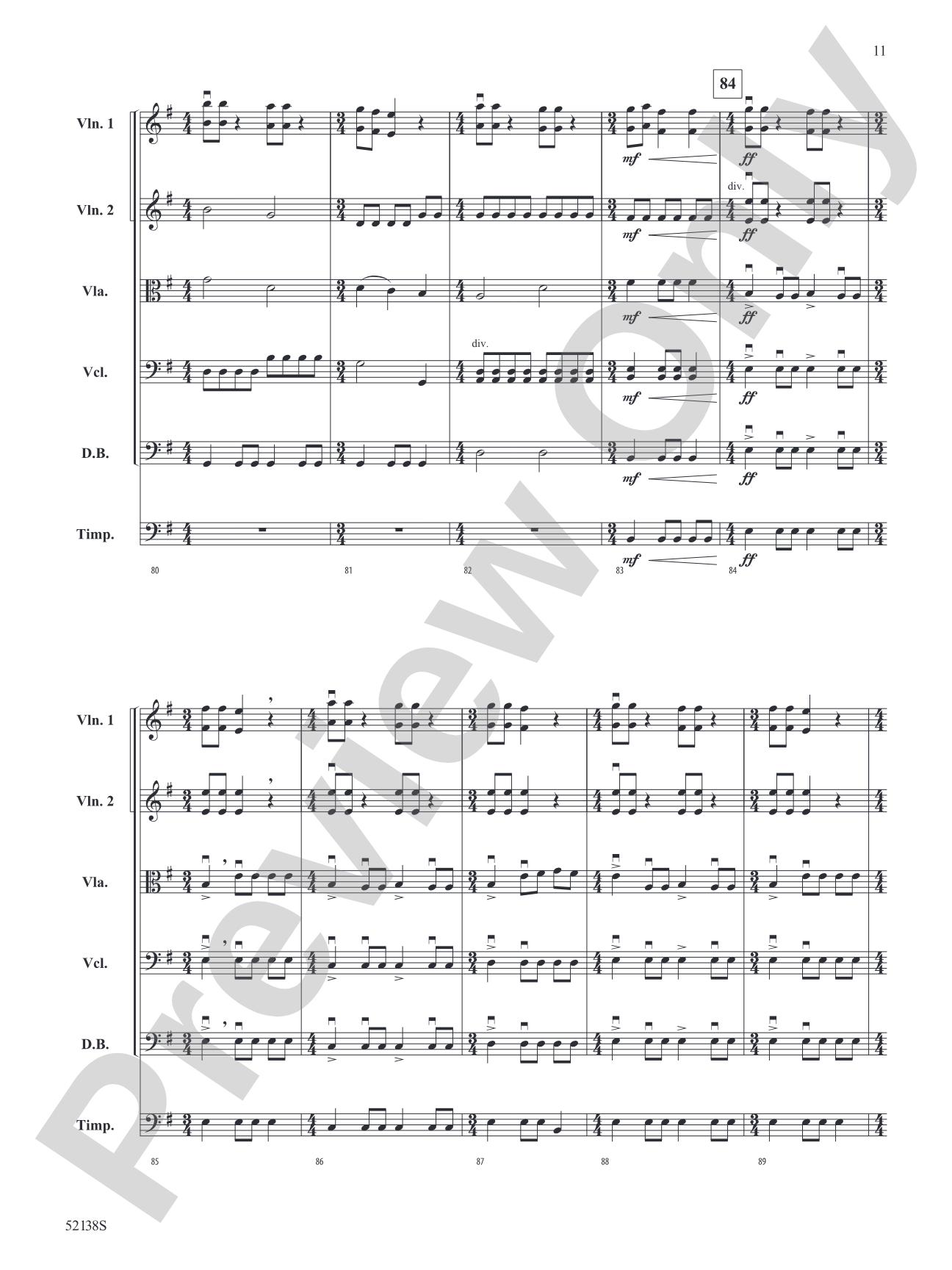
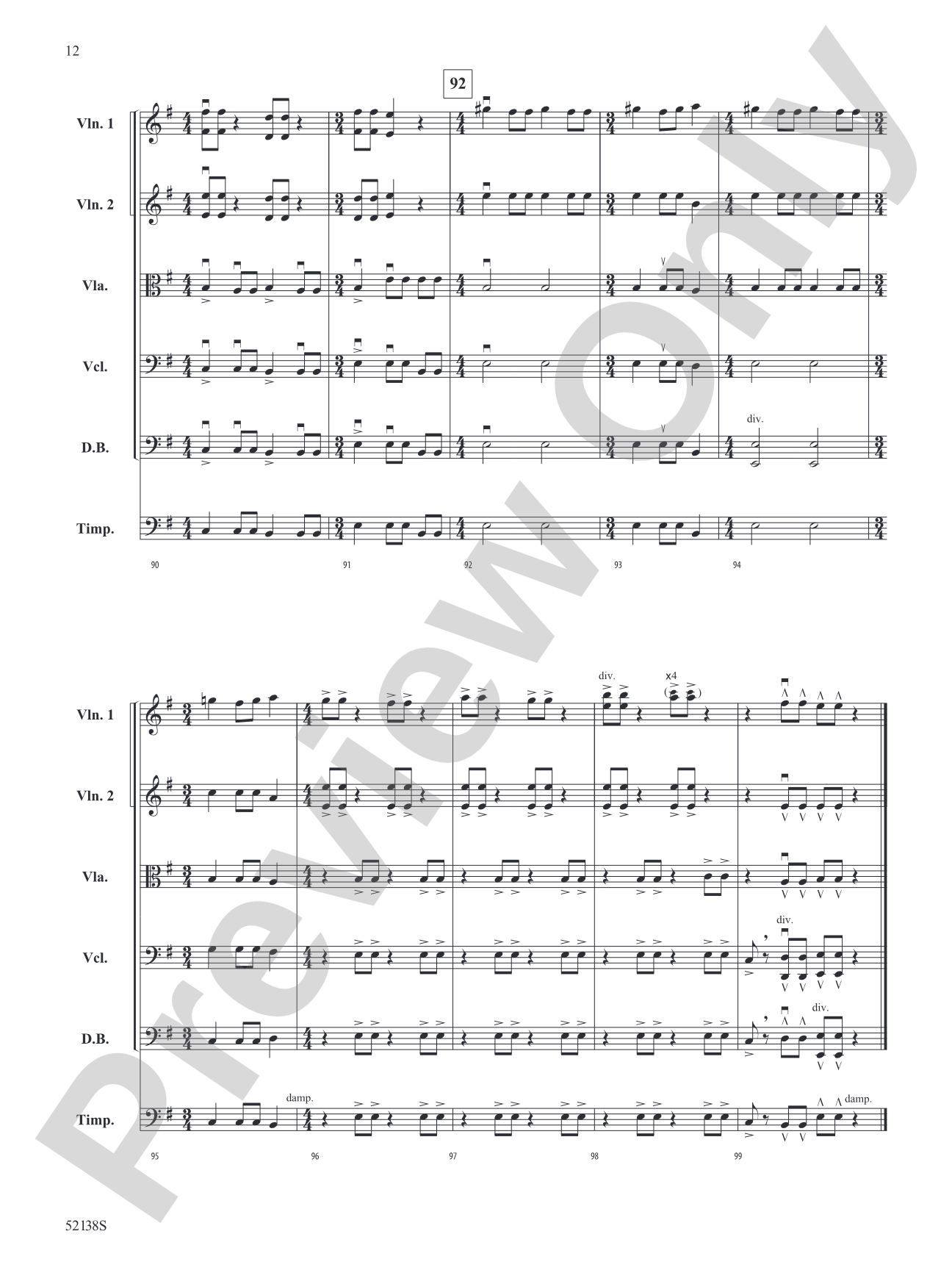
Intensity, focus, and determination drive this exhilarating work by Adrian B. Sims. Shifting meters and unpredictable turns reflect the challenge of navigating obstacles and adapting under pressure. After a moment of lush chords and reflection, the music charges forward with renewed energy toward a final, critical mission! (2:20)


Don't just read it, hear it, play along with it, and watch your students grow with it. In MakeMusic Cloud, Critical Mission: String Orchestra Conductor Score & Parts comes alive with professional accompaniment, adjustable tempo, and built-in practice tools that turn solo practice into real progress.
Open in the Player
Jump straight in and assign it today.
Start Your Free Trial
Open this title and explore the full library in minutes.
Sample Audio
1
Audio File
--:--
0:00
0:00
Sample Video
Additional Details
Series:
MakeMusic Intermediate Strings
Publisher:
MakeMusic Publications
SKU:
00-PK-0009559
More about this title
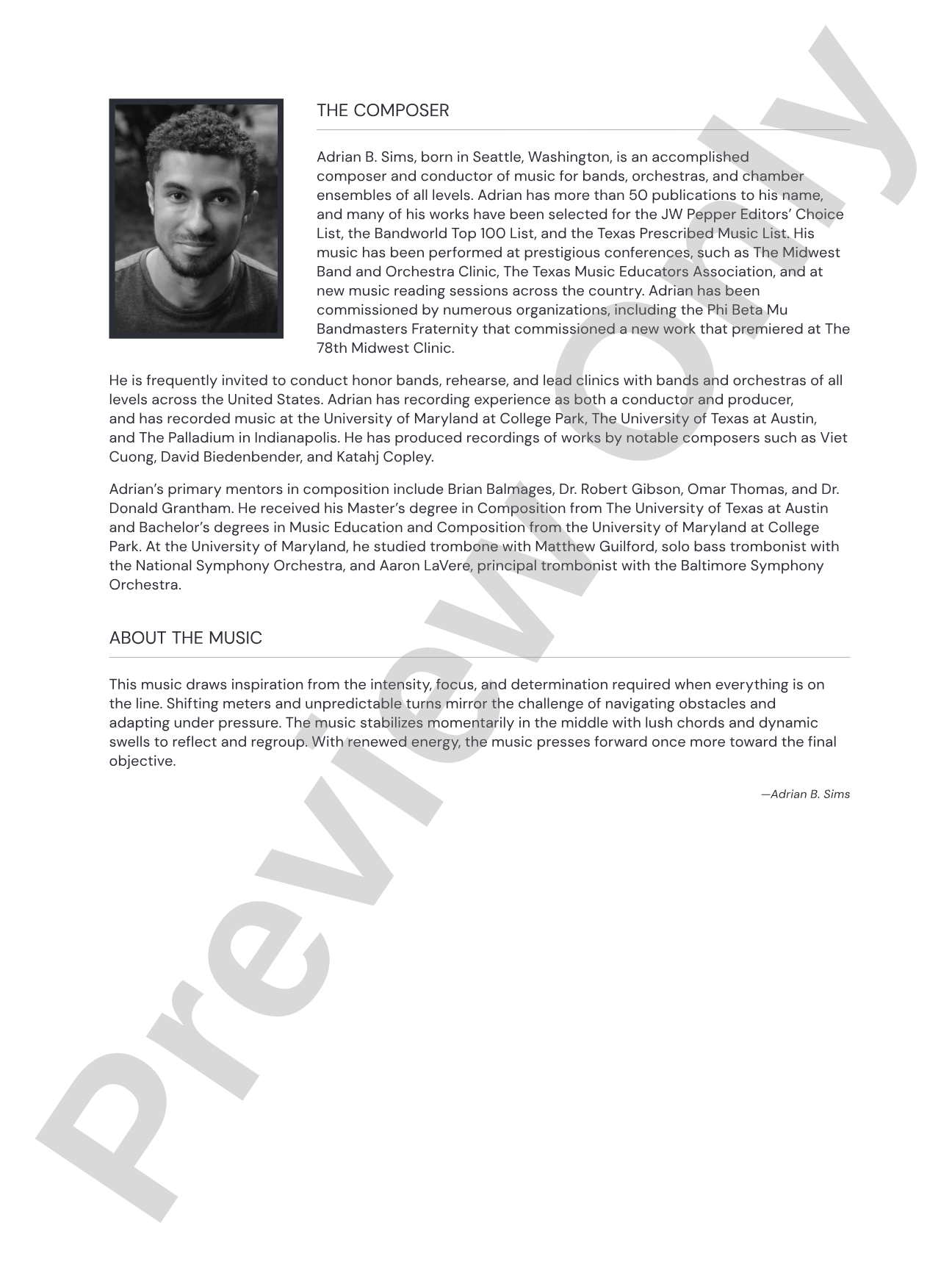
About the Composer: Adrian B. Sims

Adrian B. Sims (b. 2000) is a Seattle-born composer, conductor, educator, and trombonist currently pursuing dual studies in Music Education and Composition at the University of Maryland. His works have been performed at The Midwest Band and Orchestra Clinic, earned recognition on the Bandworld Top 100 List, and won multiple composition competitions including the Maryland Music Educators Association Young Composers Project and the Make Music Young Composers Contest.
As a trombonist, Sims has performed across pit orchestras, symphony orchestras, jazz ensembles, and concert bands. His high school achievements include multiple selections to the Maryland All-State Band and performances alongside the Baltimore Symphony Orchestra. He studies composition with Dr. Robert Gibson at the University of Maryland and has been mentored by world-renowned composer Brian Balmages. Sims credits his band directors Christopher Gnagey and Cindy Stevenson for their ongoing support as he develops his voice as a composer.
Why we love this
Sims writes with real dramatic intelligence here. The shifting meters feel organic rather than imposed, serving the narrative of pressure and adaptation rather than existing as technical exercises. String orchestras at this level rarely get contest-worthy material that combines genuine musical substance with appropriate technical demands, and this piece delivers both without sacrificing either for the sake of the other.
What to expect
This is music that charges forward, shifts beneath you, then pauses to breathe before surging ahead again. The emotional arc moves from relentless momentum through a moment of calm introspection to a final push of purpose and resolve. There's urgency throughout, tempered by the compositional craft that makes each turn feel earned rather than arbitrary.
Who it's for
String orchestra conductors preparing intermediate ensembles for contests or festivals will find a piece that challenges players without overwhelming them. Directors seeking contemporary music with theatrical arc and rhythmic sophistication for Grade 2.5-3 groups will appreciate Sims's accessible but ambitious writing.
How to get the most out of it
- Establish a clear pulse before the meter shifts begin; players need solid internal grounding before the rhythmic territory becomes unstable.
- Shape the lush chord section (the moment of reflection) with long, connected phrases to contrast sharply with the driving energy that follows.
- Let the unpredictable turns breathe. Resist the urge to rush past them; clarity in the transitions will heighten the sense of navigating obstacles.
- Drive toward the final mission with graduated intensity rather than hitting maximum energy too early; you need room to build from the reflection through the conclusion.
How to use it
Program this as a high-energy opener or mid-concert shift in mood; the two-minute-twenty duration and festival suitability make it ideal for youth orchestra concerts, chamber competition showcases, or fall festivals. It pairs well alongside other contemporary works from the intermediate string repertoire and works particularly effectively when programmed before or after a slower, lyrical piece to maximize contrast.
Skills your students will build
- Navigating shifting meters (mixed 4/4 and 3/4 patterns)
- Ensemble cohesion under rhythmic complexity
- Shaping longer melodic lines with dynamic control
- Responding to sudden tempo and textural changes
- Building and releasing tension within a dramatic arc