Cripple Creek Cover Image

Cripple Creek: String Orchestra Conductor Score & Parts

$42.00 USD
Sale price  $42.00 USD Regular price 
Skip to product information
Cripple Creek Cover Image

Cripple Creek: String Orchestra Conductor Score & Parts

Arr. Edmund J. Siennicki

Grade: 1

Item: 00-4342

makemusic Cloud badge

Need it now?

Buy Digital Version
$42.00
Shipped

One moment…

Description
Edmund Siennicki has arranged this classic fiddle tune for young strings with more than just the fiddles in mind. Including the usual eight-note fiddling rhythmic figures (4/4), left-hand pizzicato, double notes and some clever voicings, the piece is guaranteed fun for everyone. This title is available in MakeMusic Cloud. A Federation Festivals 2020-2024 selection.

Don't just read it, hear it, play along with it, and watch your students grow with it. In MakeMusic Cloud, Cripple Creek: String Orchestra Conductor Score & Parts comes alive with professional accompaniment, adjustable tempo, and built-in practice tools that turn solo practice into real progress.

Sample Pages

Sample Audio
0:00
0:00
Sample Video
Additional Details
Series: Highland/Etling Strictly Strings
Publisher: Alfred Music
Page Count: 72
UPC: 038081026411
SKU: 00-4342

More about this title

About the Arranger: Edmund J. Siennicki
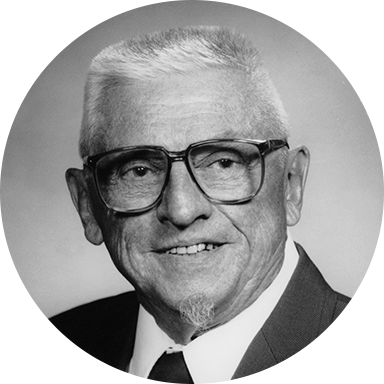
Edmund J. Siennicki

Edmund J. Siennicki grew up in Cleveland, Ohio, where a formative conversation with pianist Ignacy Jan Paderewski at age 12 shaped his artistic path. He earned his Bachelor's degree from Kent State University, where he composed the school's fight song (still performed at football games today), and later completed his MA at Teachers College, Columbia University under the mentorship of composers Herbert Elwell and Vincent Persichetti.

Siennicki's career spans performance (bassoon and piano), teaching in Cleveland junior high schools and faculty positions at Michigan and Kent State University, and prolific composition. His works have won prizes in National School Orchestra composition contests, and he served twice as composer in residence at the MacDowell Colony. With approximately 200 compositions in print and two decades of ASCAP awards, he continues to compose, visit schools, and lead clinics.

Why we love this

Siennicki's arrangement preserves the fiddle tune's rhythmic energy while genuinely writing for the entire string section, not just the violins. The mix of driving fiddling figures, left-hand pizzicato, double stops, and strategic voice leading keeps every player engaged, making rehearsal feel like collaboration rather than fill-in accompaniment.

What to expect

A lively fiddle tune brought to life across eight parts, with enough rhythmic drive and textural variety to keep young players on their toes. The arrangement feels accessible and fun rather than overly simplified, capturing the spirited character of the original folk melody.

Who it's for

Grade 1 string orchestras looking for folk repertoire that engages every player and works for festivals and contests. Conductors want arrangements that feel genuine to the idiom without sacrificing pedagogical value, and this delivers both.

How to get the most out of it

  • Nail the rhythmic precision of those eight-note figures in 4/4; lock them in early so the fiddle tune can breathe over a solid foundation.
  • Balance the pizzicato sections carefully so they support rather than overshadow the melodic line.
  • Use the double stops as opportunities to teach clean, unified double-note attacks across your lower strings.
  • Let the ensemble feel the folk character; this isn't a classical piece, so encourage a slightly looser, more spirited approach than you might take with Baroque arrangement work.

How to use it

Program this as a festival or contest selection where judges reward both musicality and orchestration skill at the Grade 1 level. It also pairs well on a concert with other folk or Americana arrangements, offering a stylistic break from classical repertoire without losing musical substance.

Skills your students will build

  • Reading eight-note rhythmic patterns in 4/4
  • Executing left-hand pizzicato with control
  • Playing double stops in tune across the string section
  • Balancing independent voice lines while supporting the melody
  • Responding to folk idiom conventions and phrasing

You May Also Like
