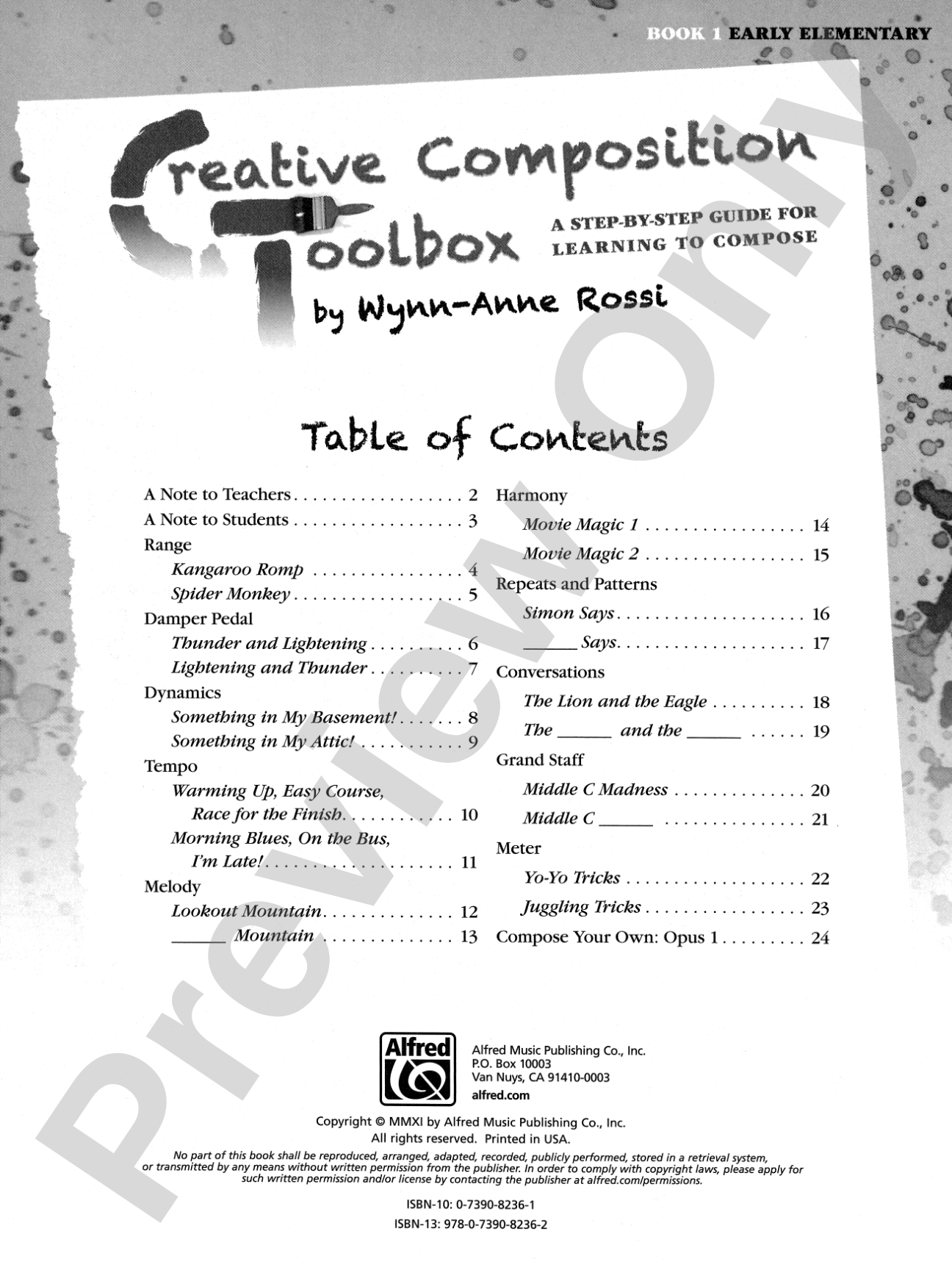
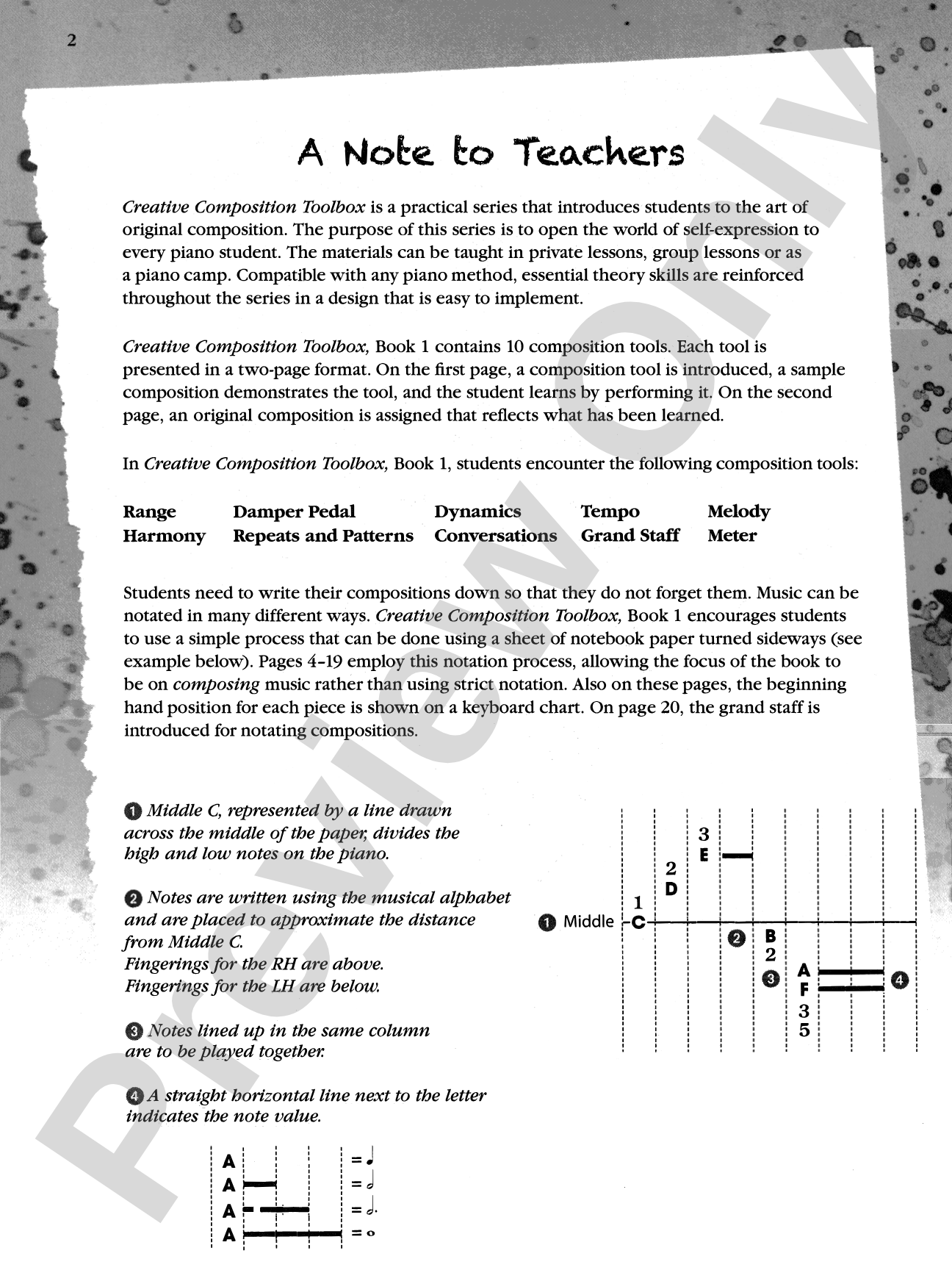
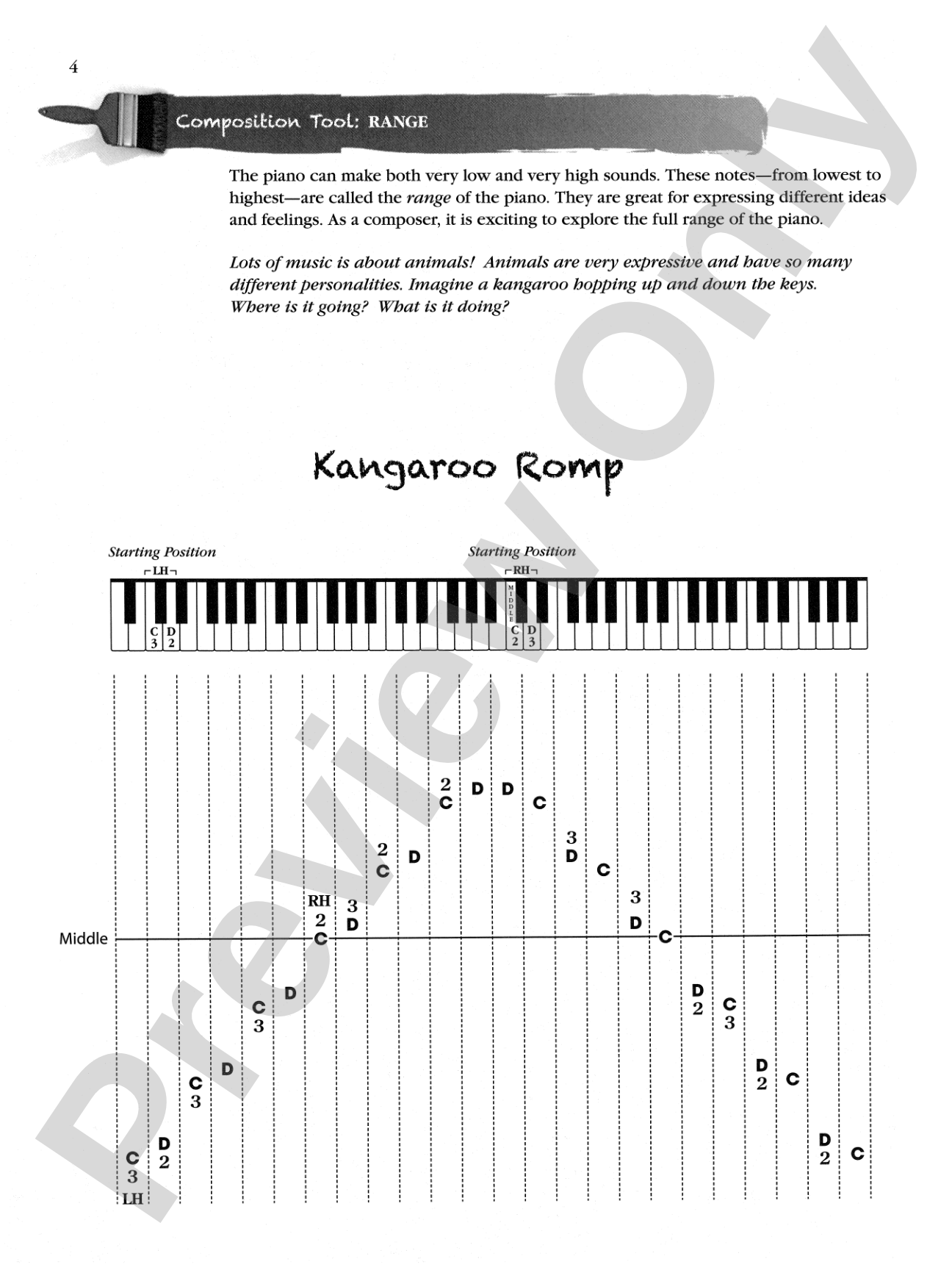
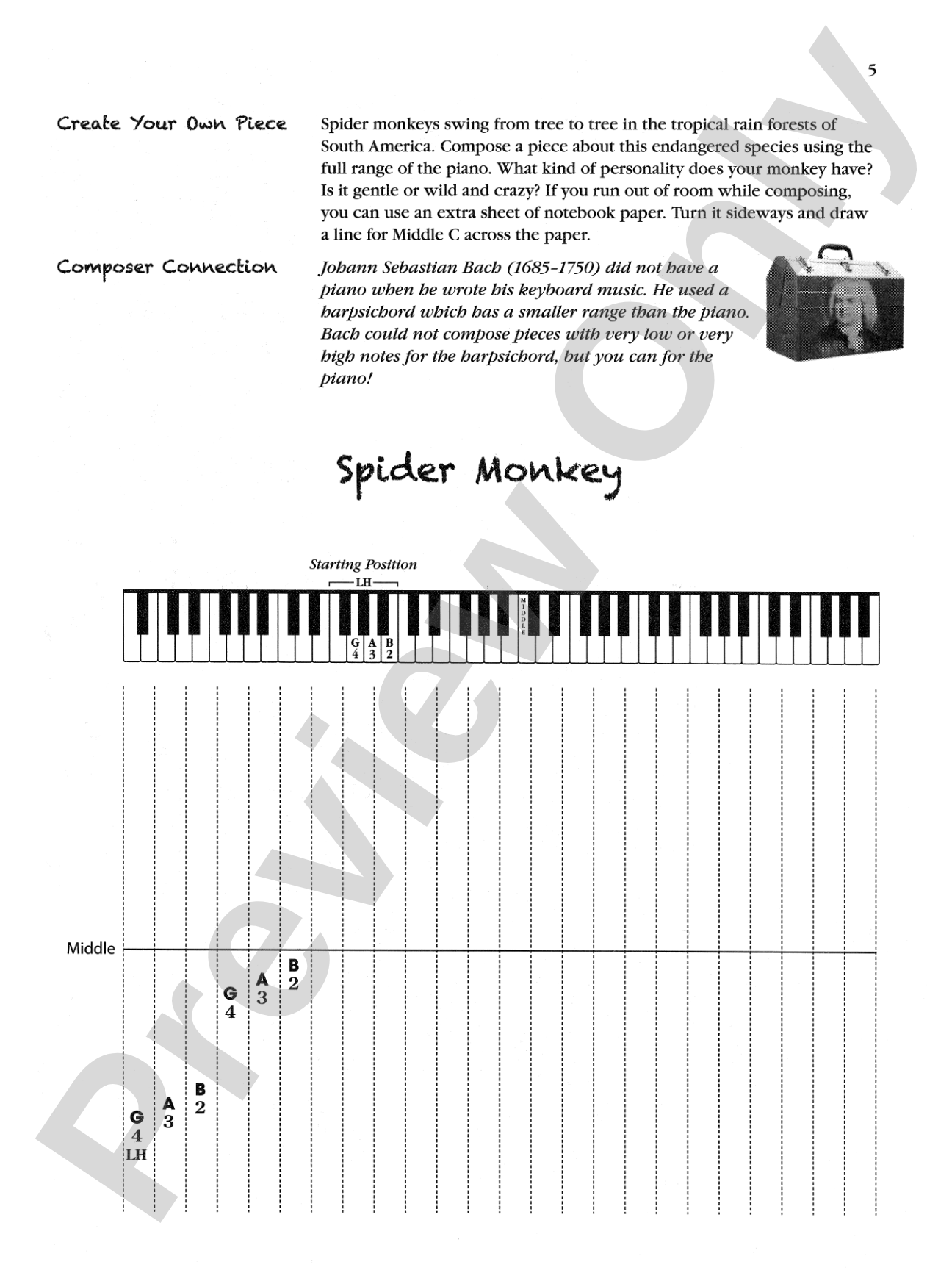
This early elementary book introduces students to the art of original composition. It features the following composition tools: range, damper pedal, dynamics, tempo, melody, harmony, repeated patterns, conversations, meter, and grand staff.
"This is hands-down THE BEST step-by-step guide for teaching and learning to compose!" -Yiyi Ku, MusicTeachersHelper.com
Discover MakeMusic Cloud: thousands of interactive titles your students can play along with today.
Wynn-Anne Rossi's catalog spans over 100 piano works alongside vocal, orchestral, and band compositions that have been performed across the United States, Europe, Iceland, and Australia. Her commissions from Minnesota Public Radio, the National Endowment for the Arts, the American Composers Forum, and the St. Paul Chamber Orchestra reflect her standing as a nationally recognized composer.
Rossi has built her career on a commitment to nurturing young composers through residencies and educational initiatives. She regularly conducts composition workshops and lectures nationwide, working with student musicians to develop original works inspired by their own musical ideas. Her collaboration with Alfred Music on the Creative Composition Toolbox series and the Wednesdays with Wynn-Anne video content demonstrates her dedication to making composition accessible to elementary musicians.
Why we love this
Rossi breaks composition down into digestible, teachable concepts rather than overwhelming students with theory. Each tool gets its own focused attention, so students build confidence incrementally while actually creating music from day one instead of years of preparation.
What to expect
Opening this book feels like being handed permission to create. The exercises are inviting and playful, each one designed so students can succeed immediately while learning that composition is a skill they can actually develop.
Who it's for
Early elementary students encountering composition for the first time benefit most from this structured approach. Teachers and private piano instructors will find it equally valuable as a supplement to general music or piano lessons when they want to foster creativity without complexity.
How to get the most out of it
Work through the book sequentially. Each tool builds on previous concepts, so skipping ahead leaves gaps in students' compositional thinking.
Have students play their own compositions aloud as soon as they complete them. Hearing their work makes the creative process tangible and motivates further experimentation.
Use the grand staff section to help students visualize how both hands work together, especially if they've been writing melodies in treble clef only.
Encourage students to revisit earlier compositions after learning new tools. Adding dynamics to a simple melody or changing the tempo of a repeated pattern shows how composition evolves.
How to use it
Use it as a winter or spring unit to refresh students' engagement with piano after months of scale and technique work. Alternatively, introduce one tool per month throughout the year, giving students ongoing creative outlets alongside their regular repertoire.
Skills your students will build
Identifying and notating melody in treble clef
Understanding range limitations and practical writing for performers
Writing repeated patterns and recognizing their structural function
Reading and writing on the grand staff
Applying tempo markings and dynamic markings to compositions
Exploring basic harmony and consonance
Using the damper pedal effectively in original works
Organizing musical ideas using meter and time signatures
You May Also Like
Scan to Complete Your Purchase
Use your phone's camera to scan the code below
You'll log in on your phone and the order will be added to your account