
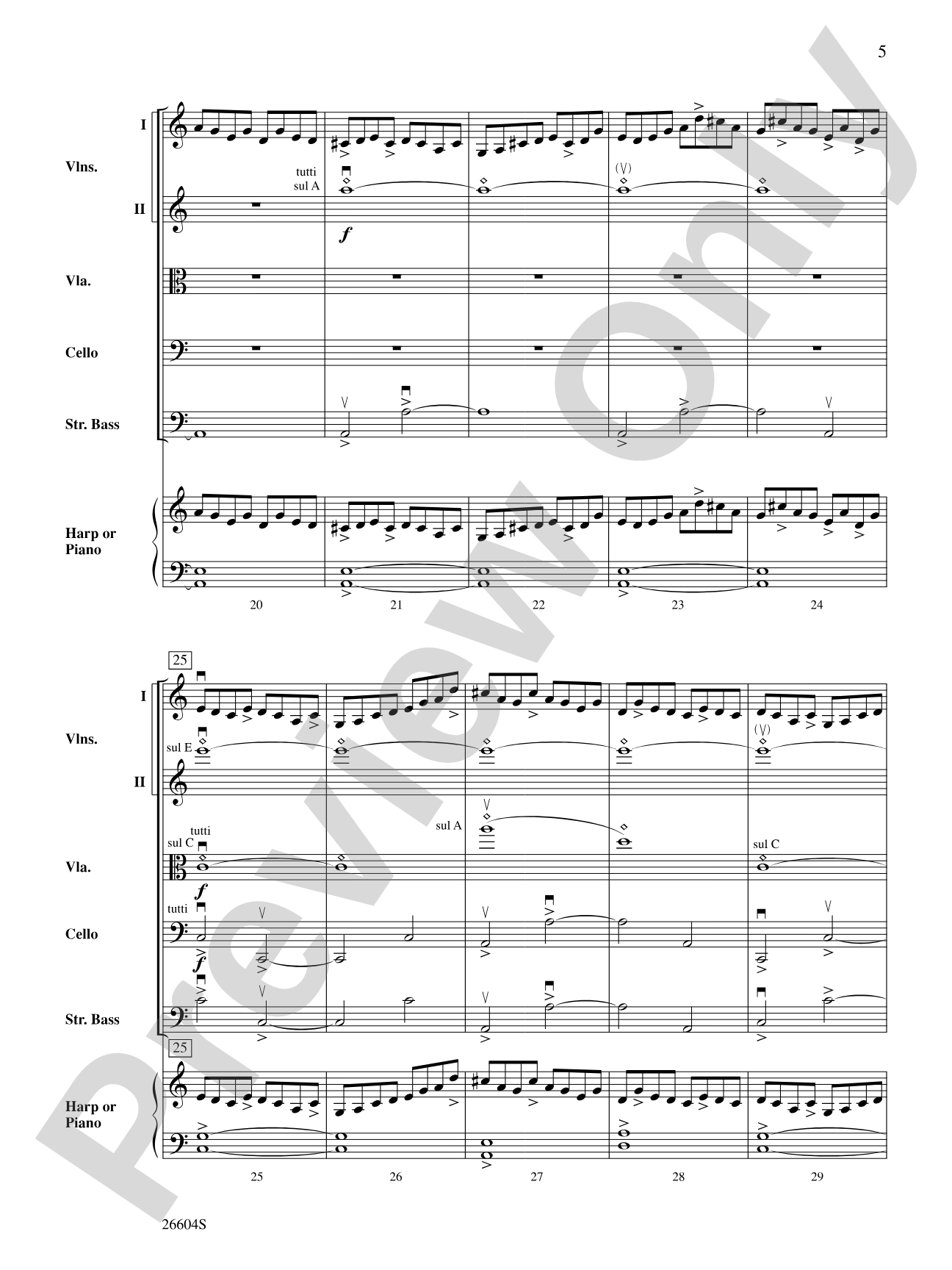
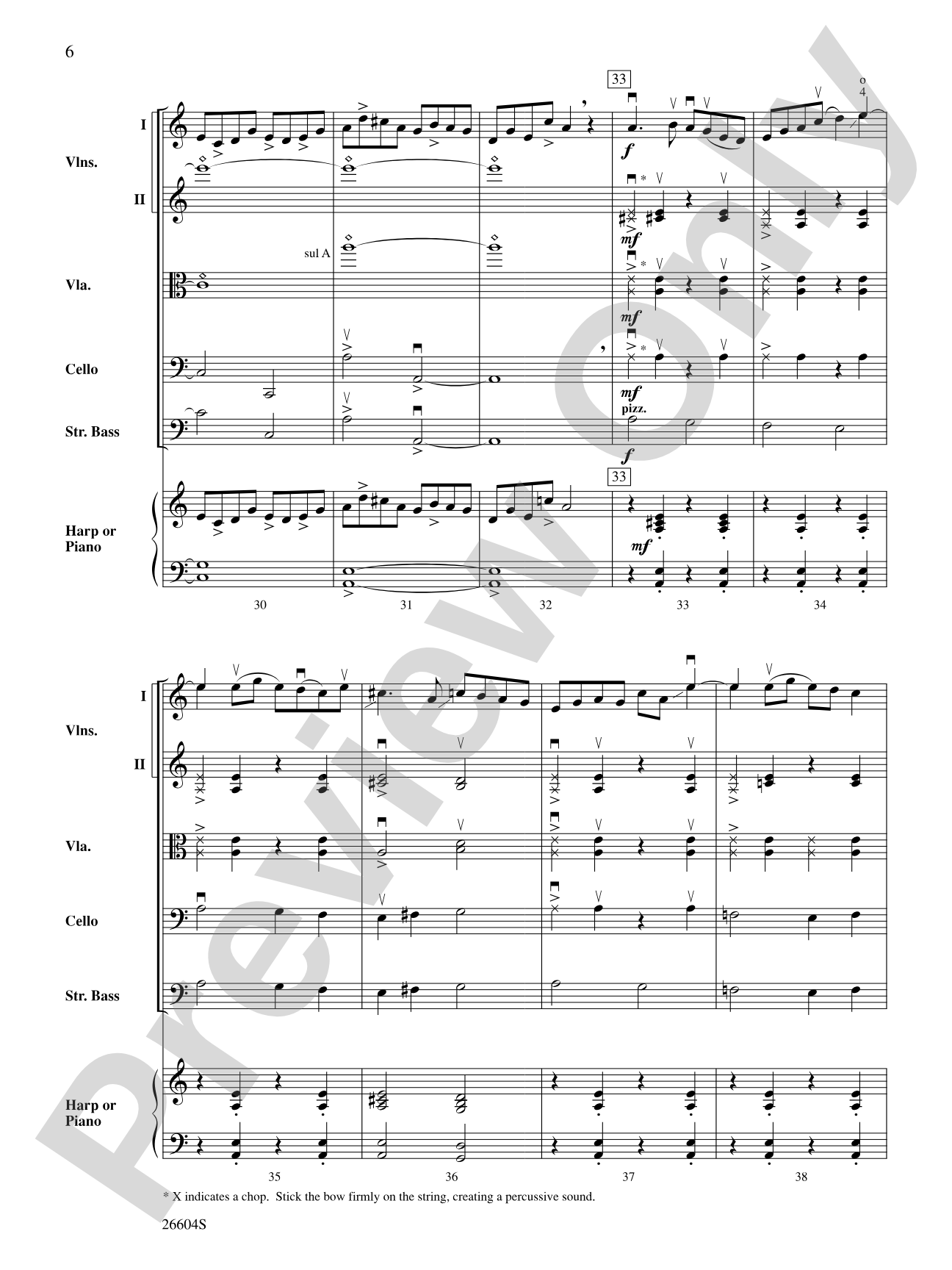
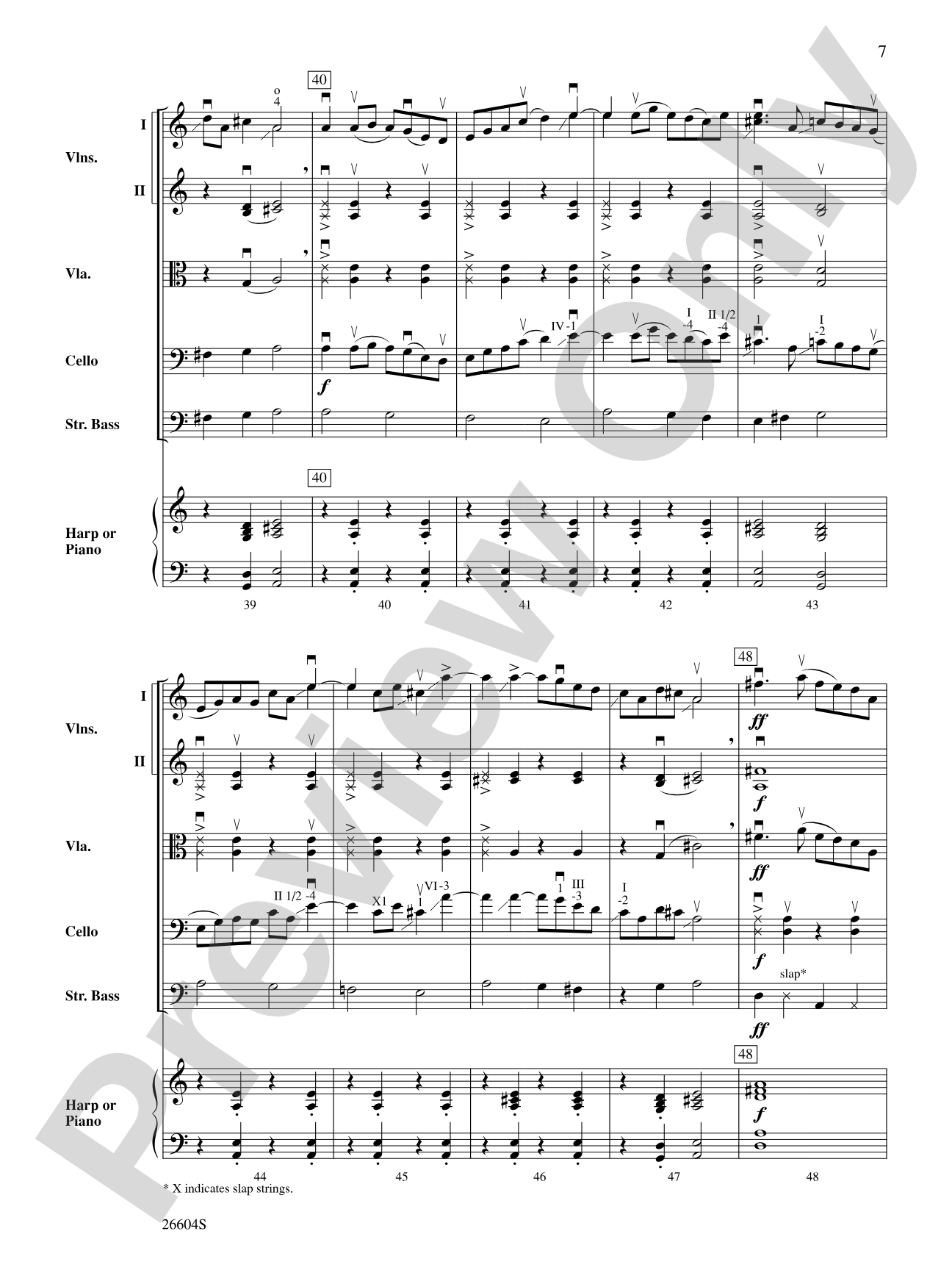
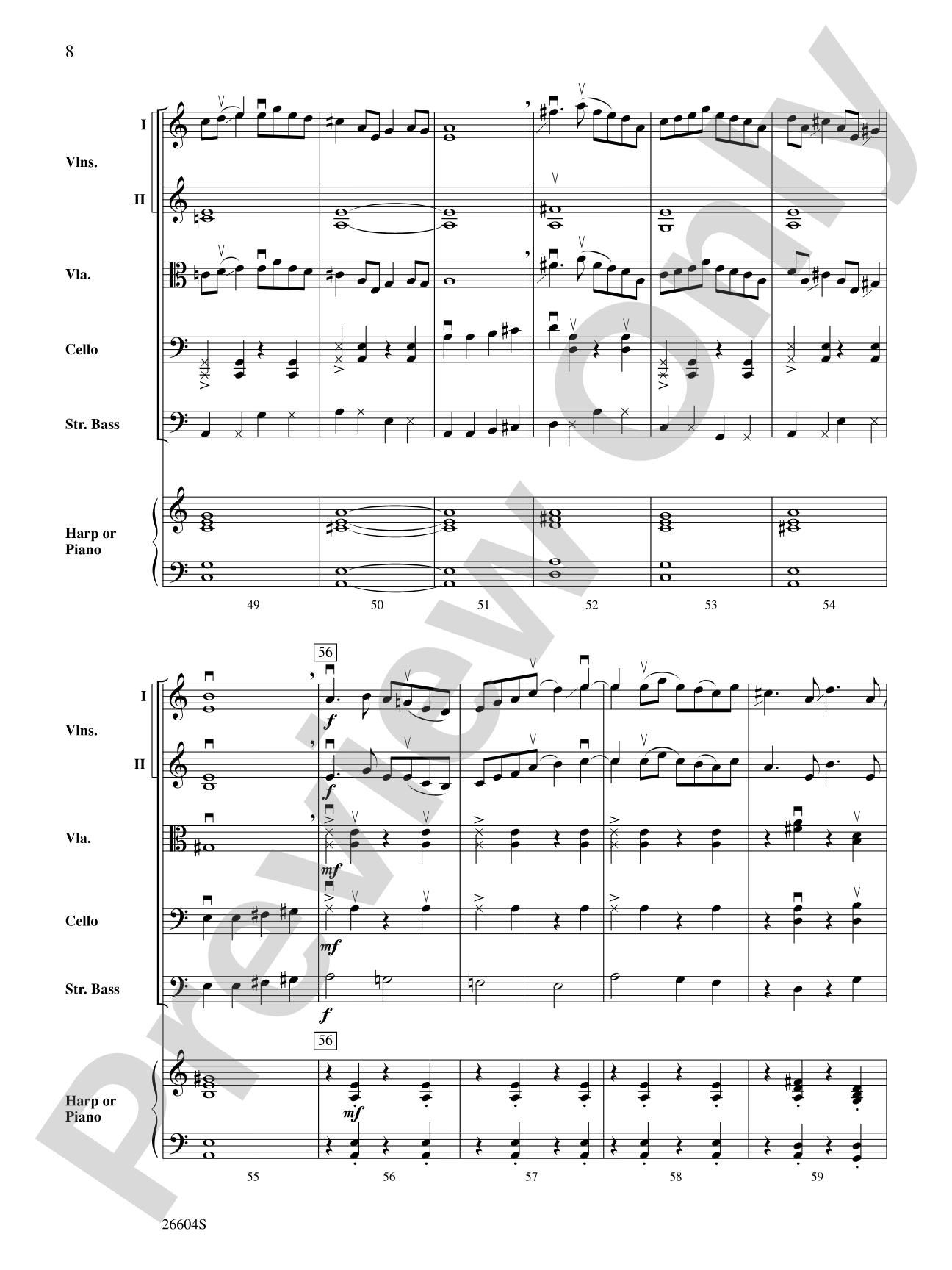
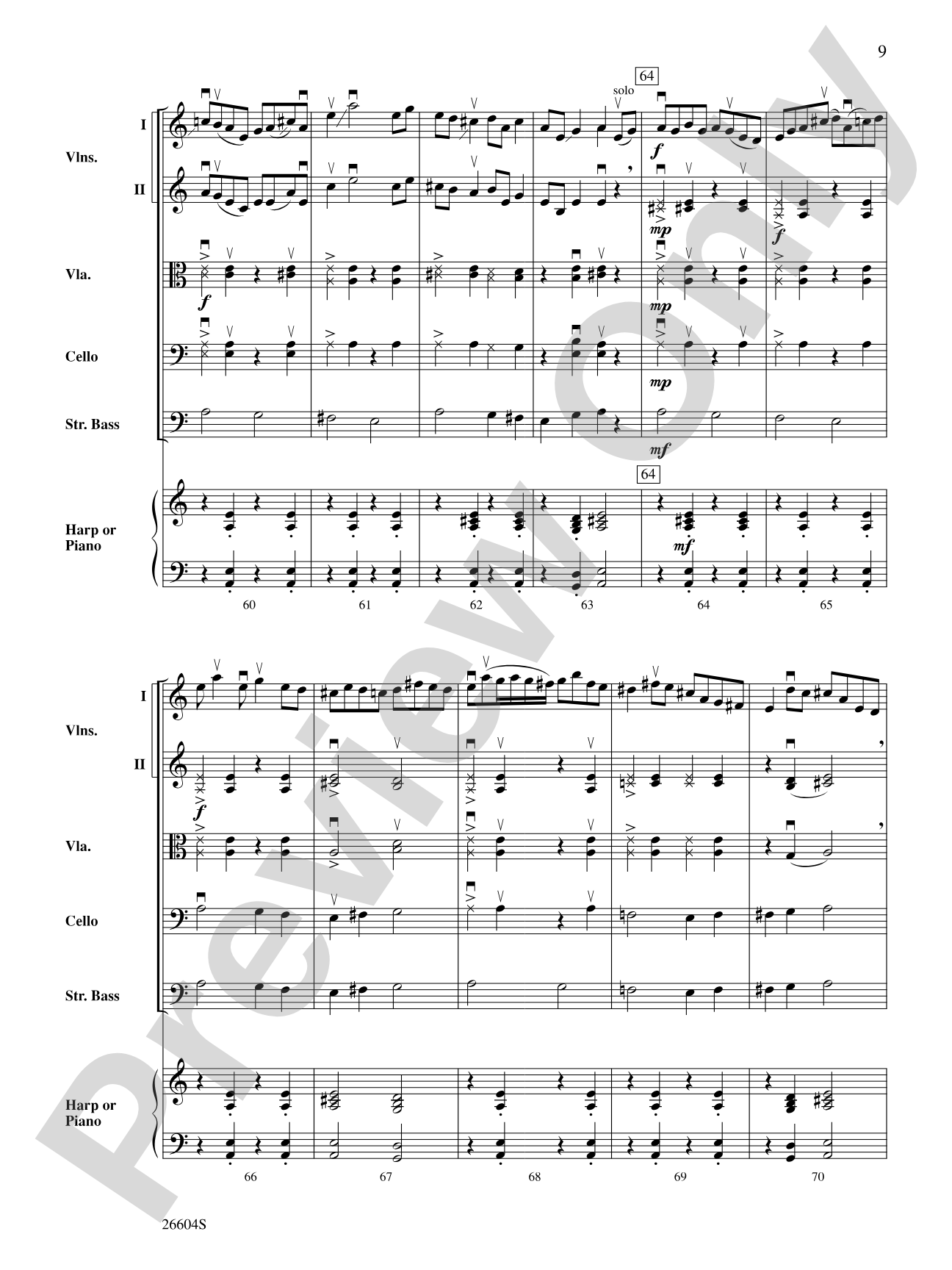
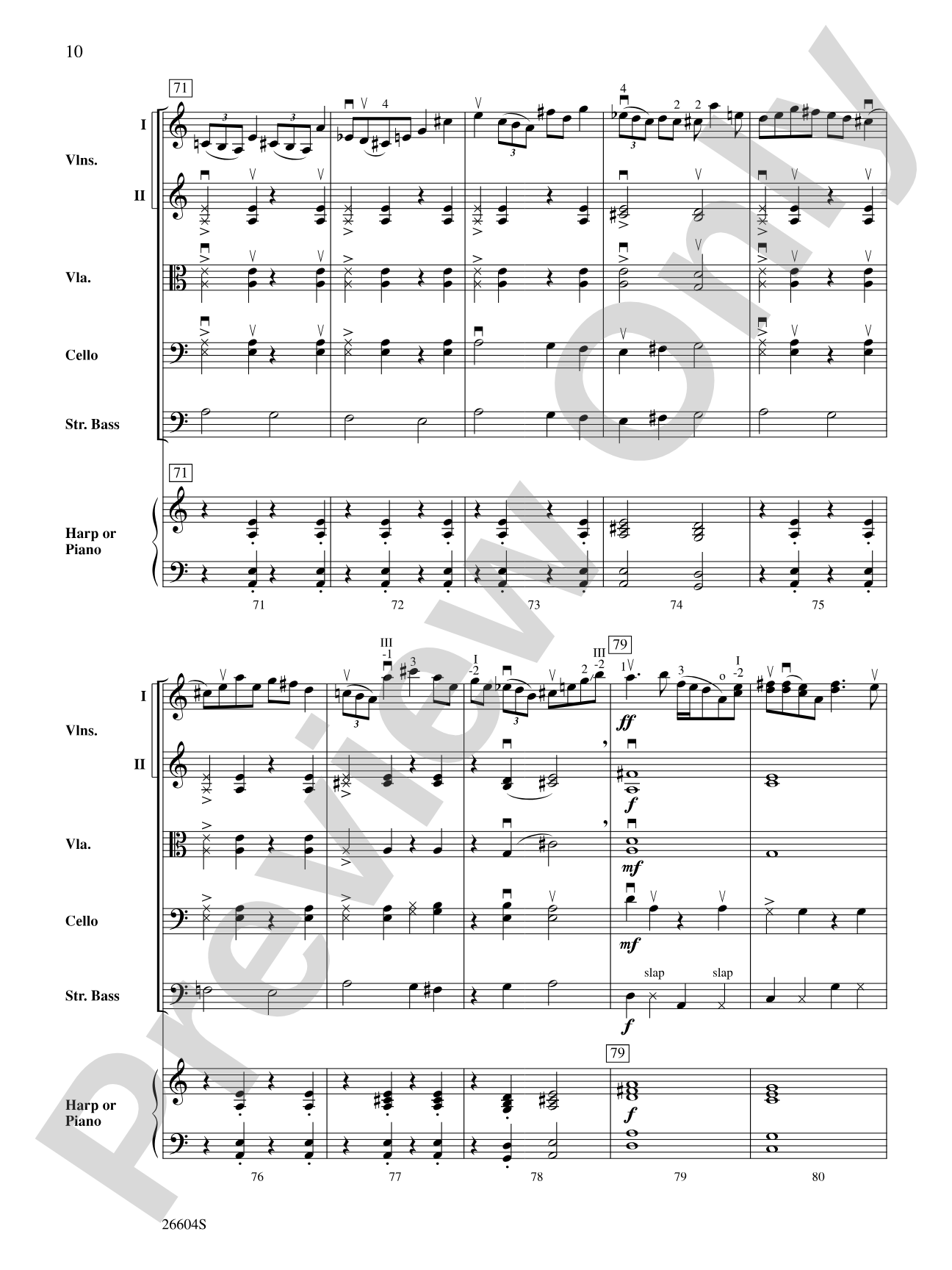
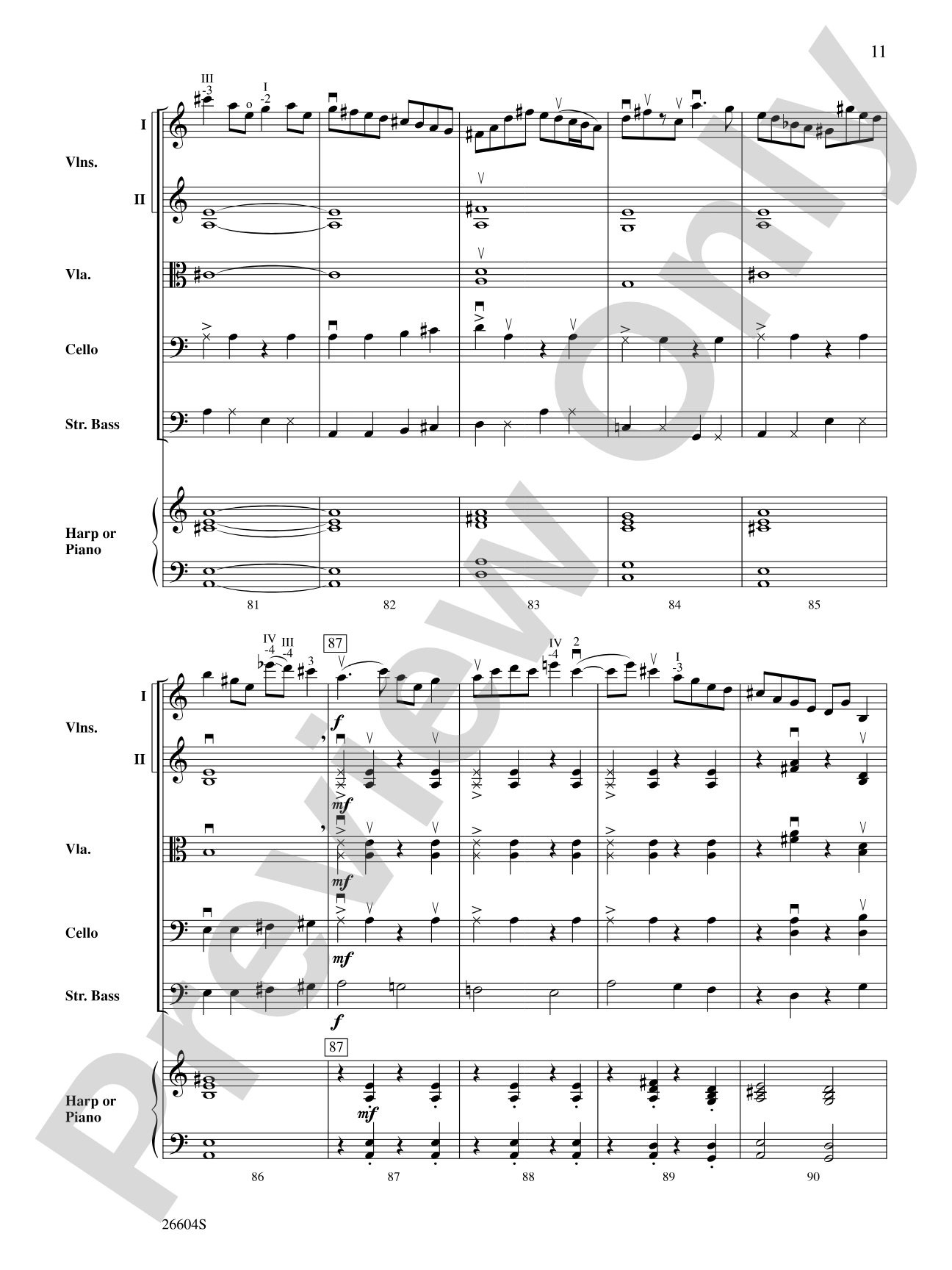
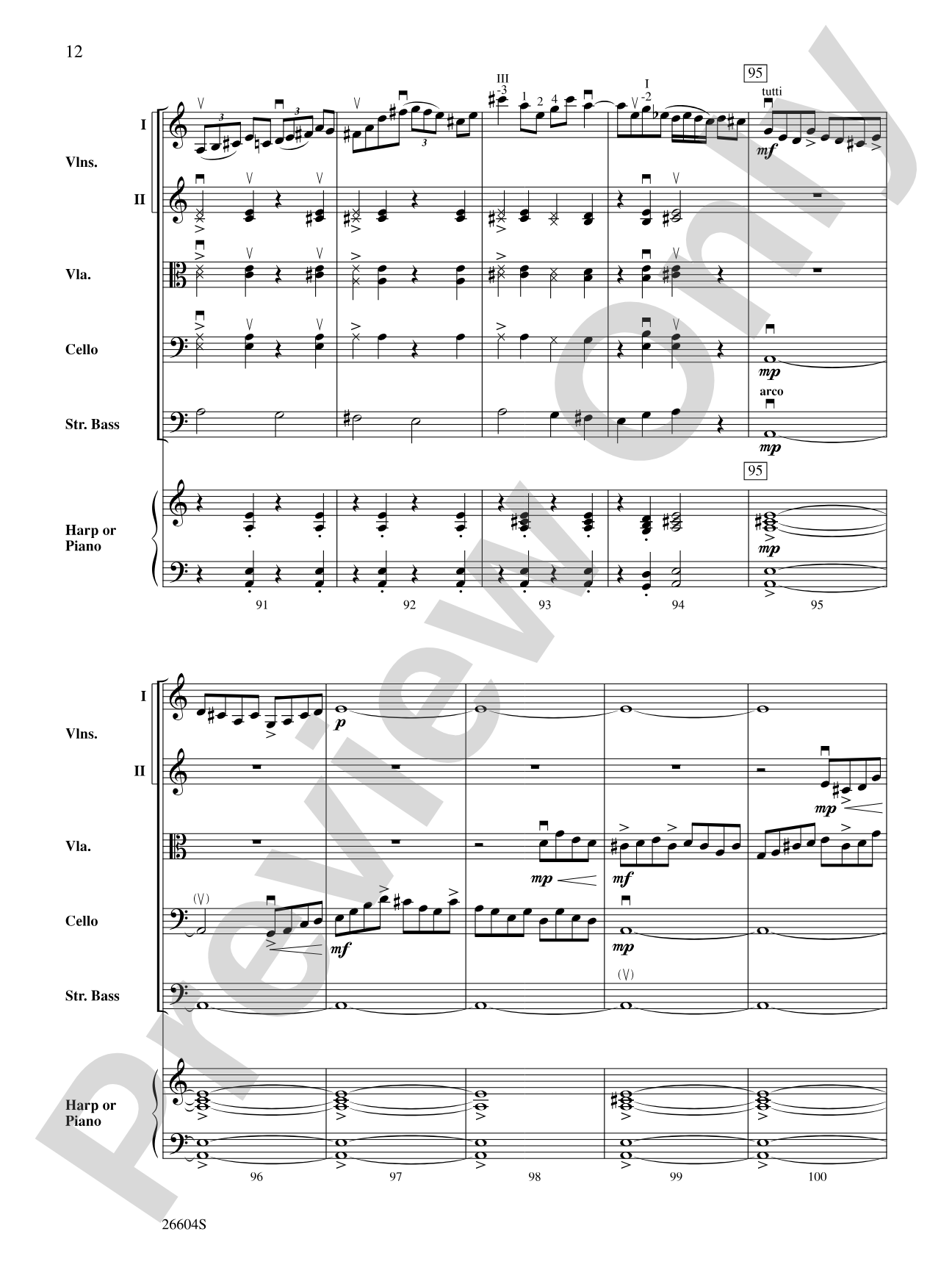
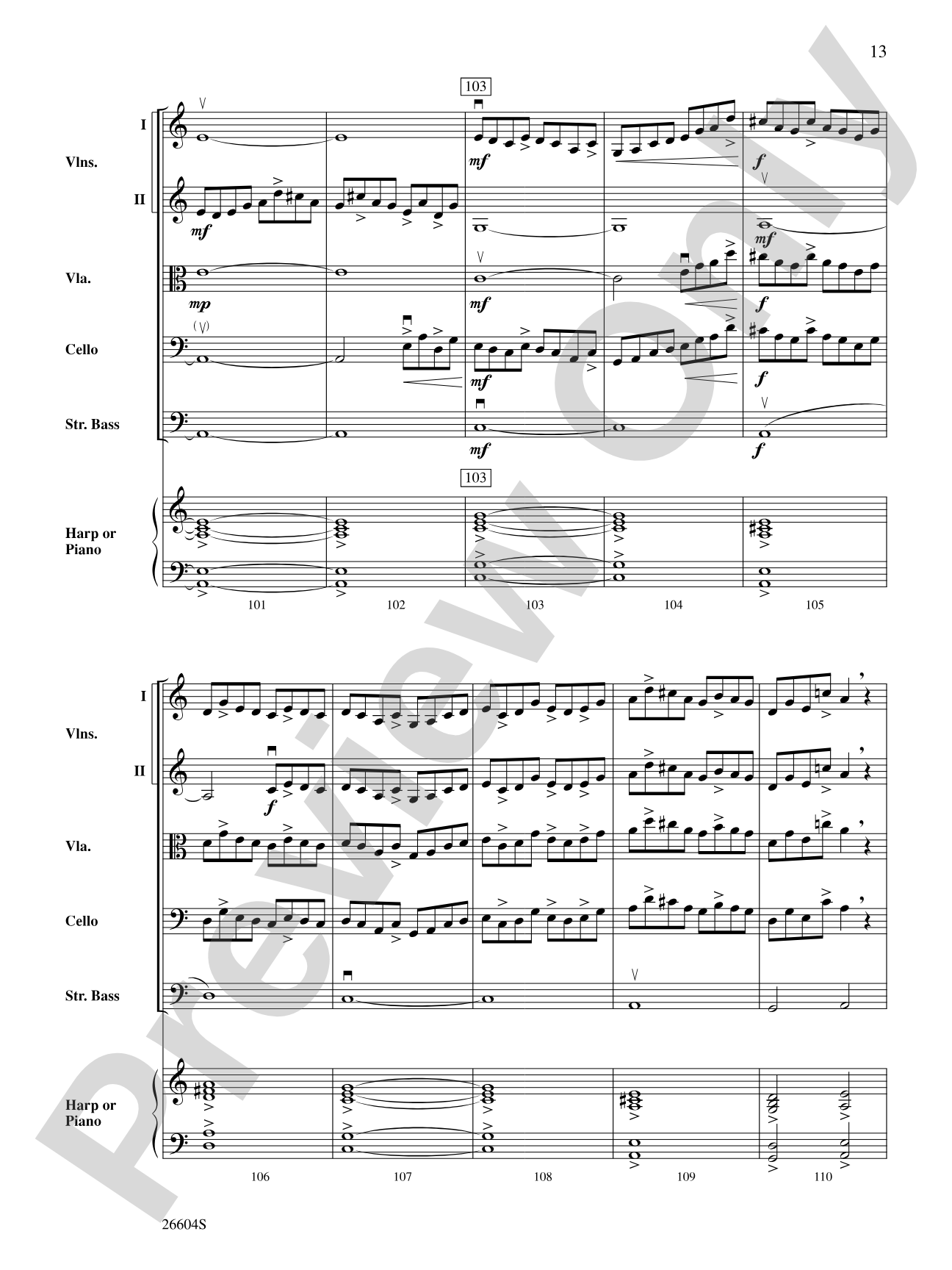
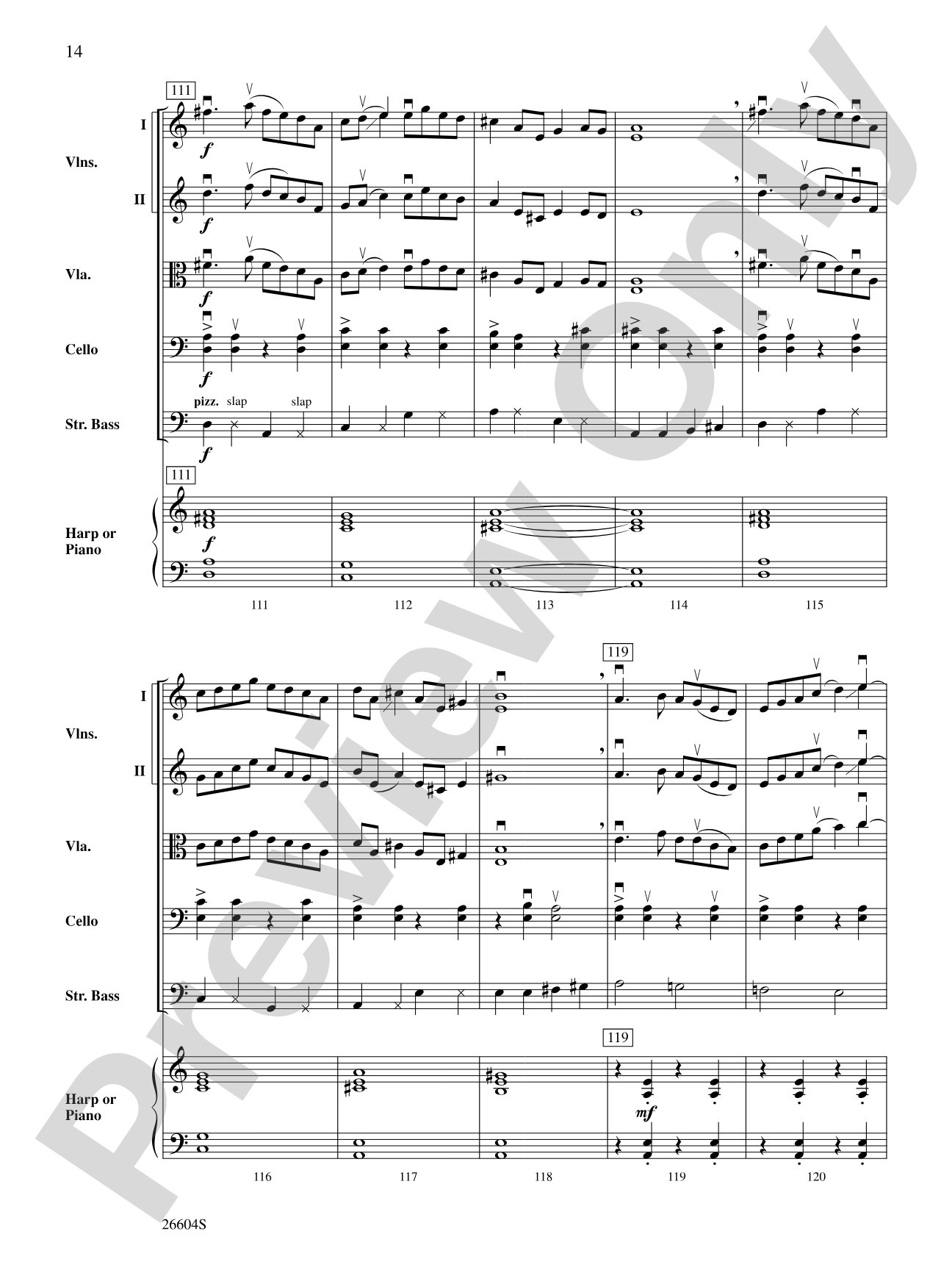
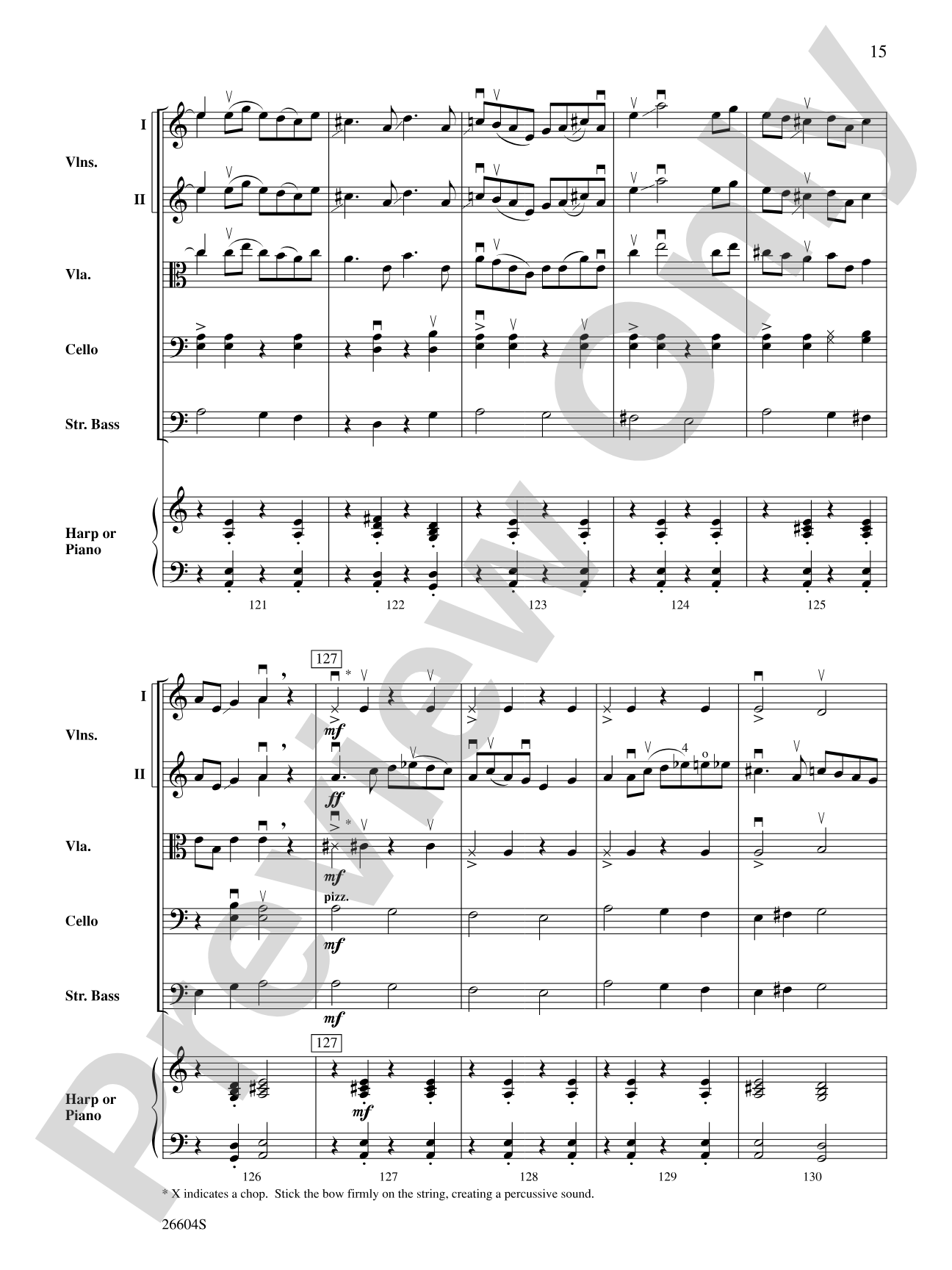
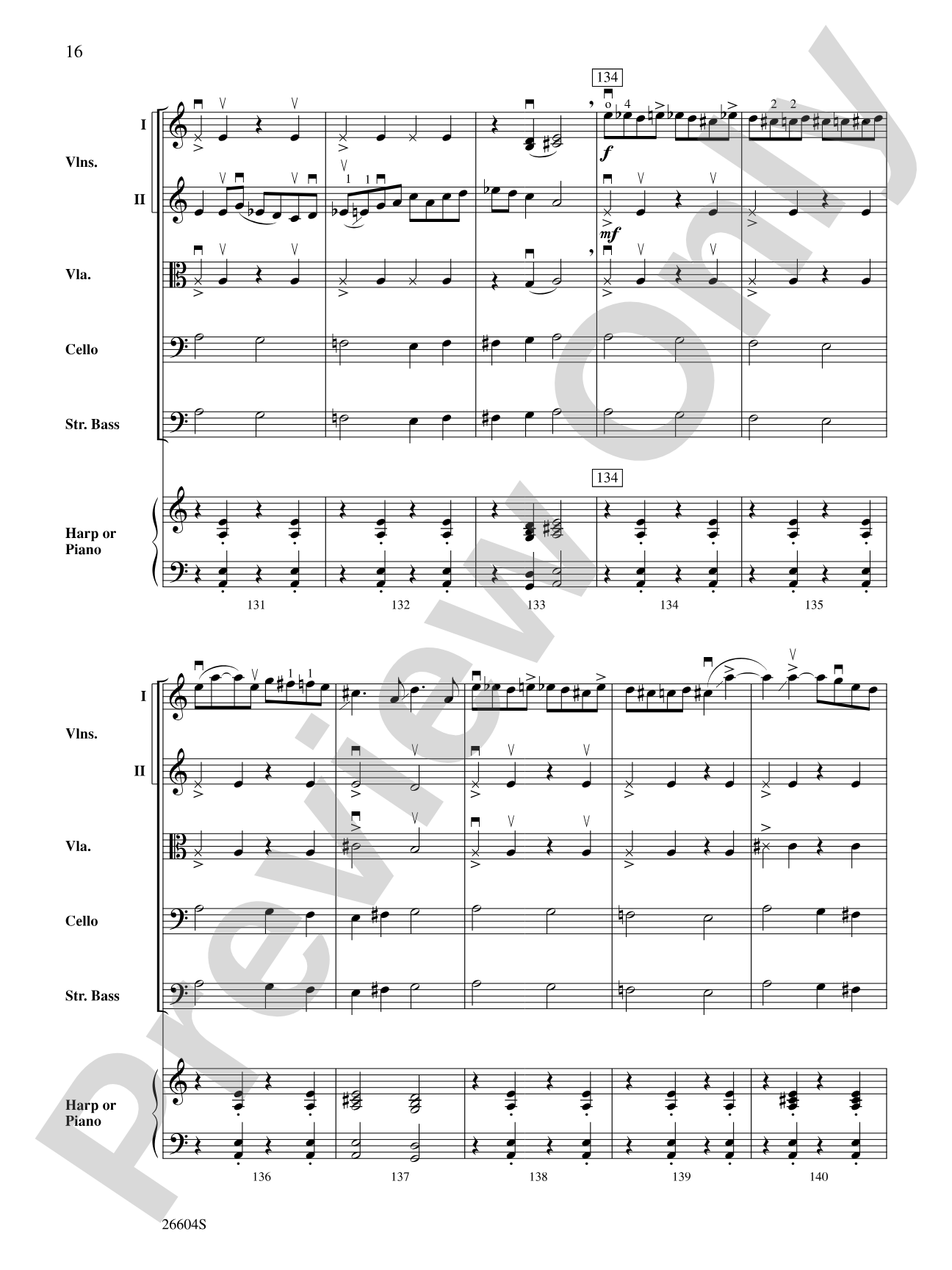
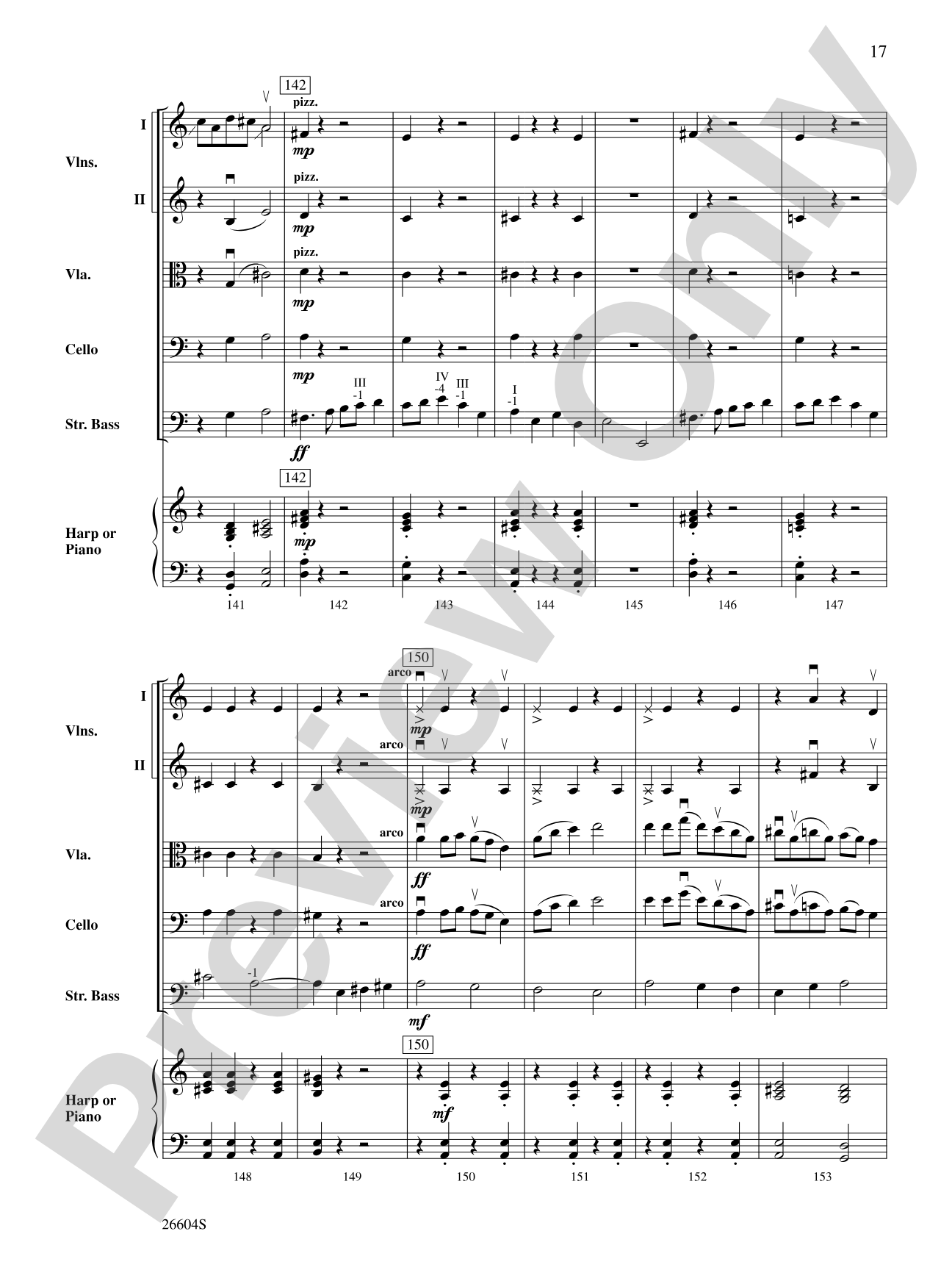
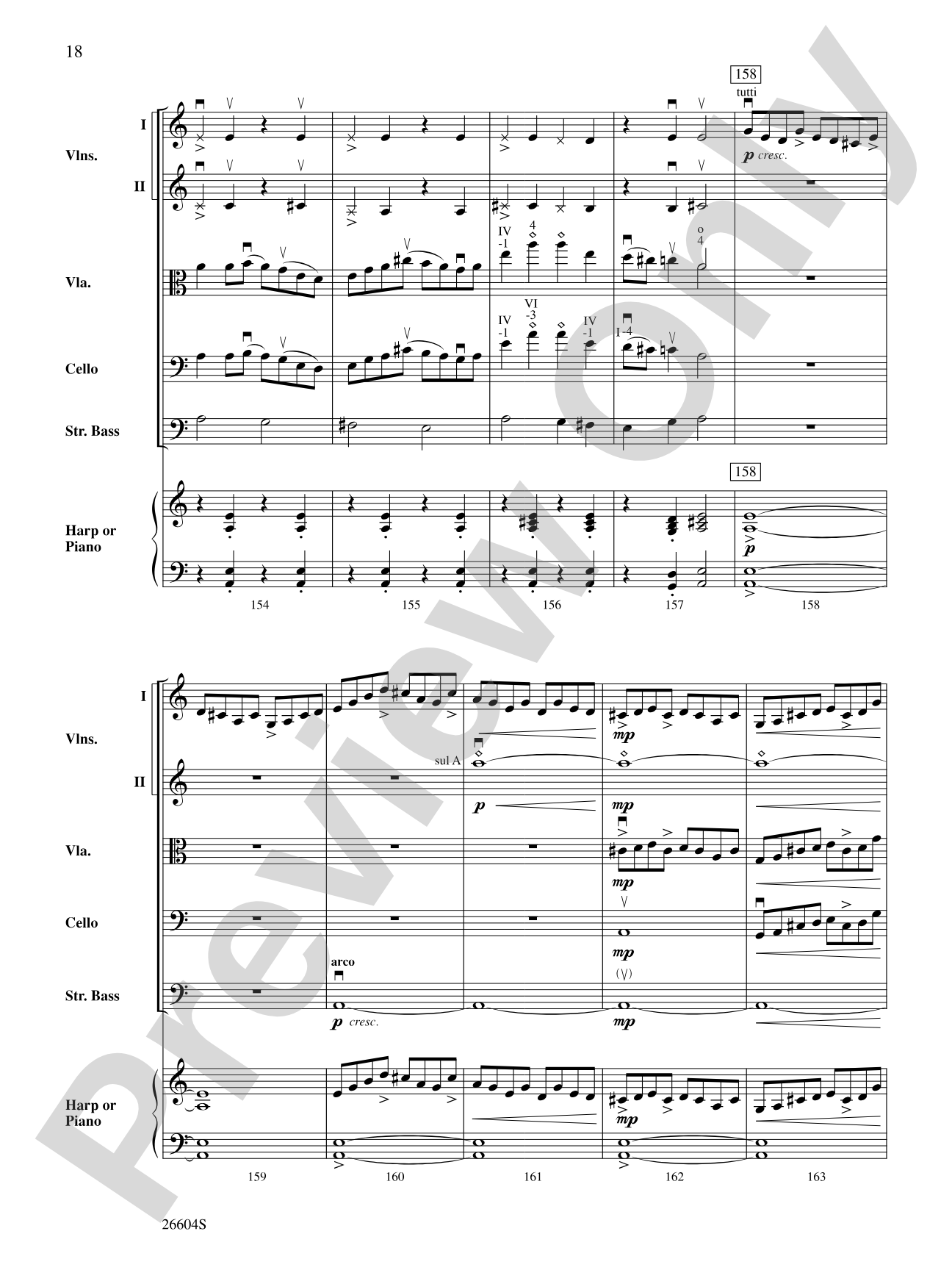
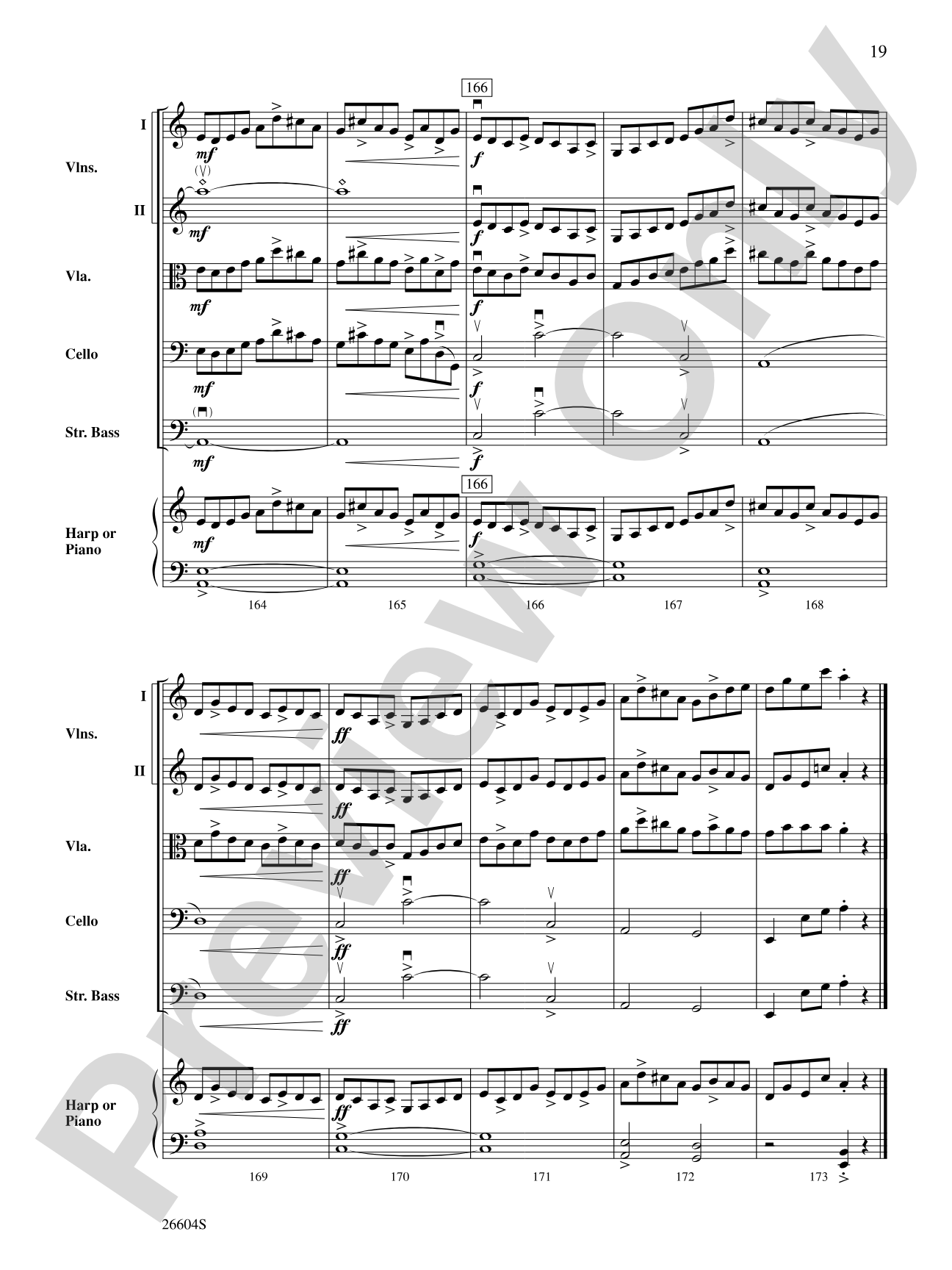


Creaking Tree: Score
By Darol Anger / arr. Bob Phillips
Grade: 3.5
Item: 00-PR-0001093
$7.00
Pickup currently not available
Description
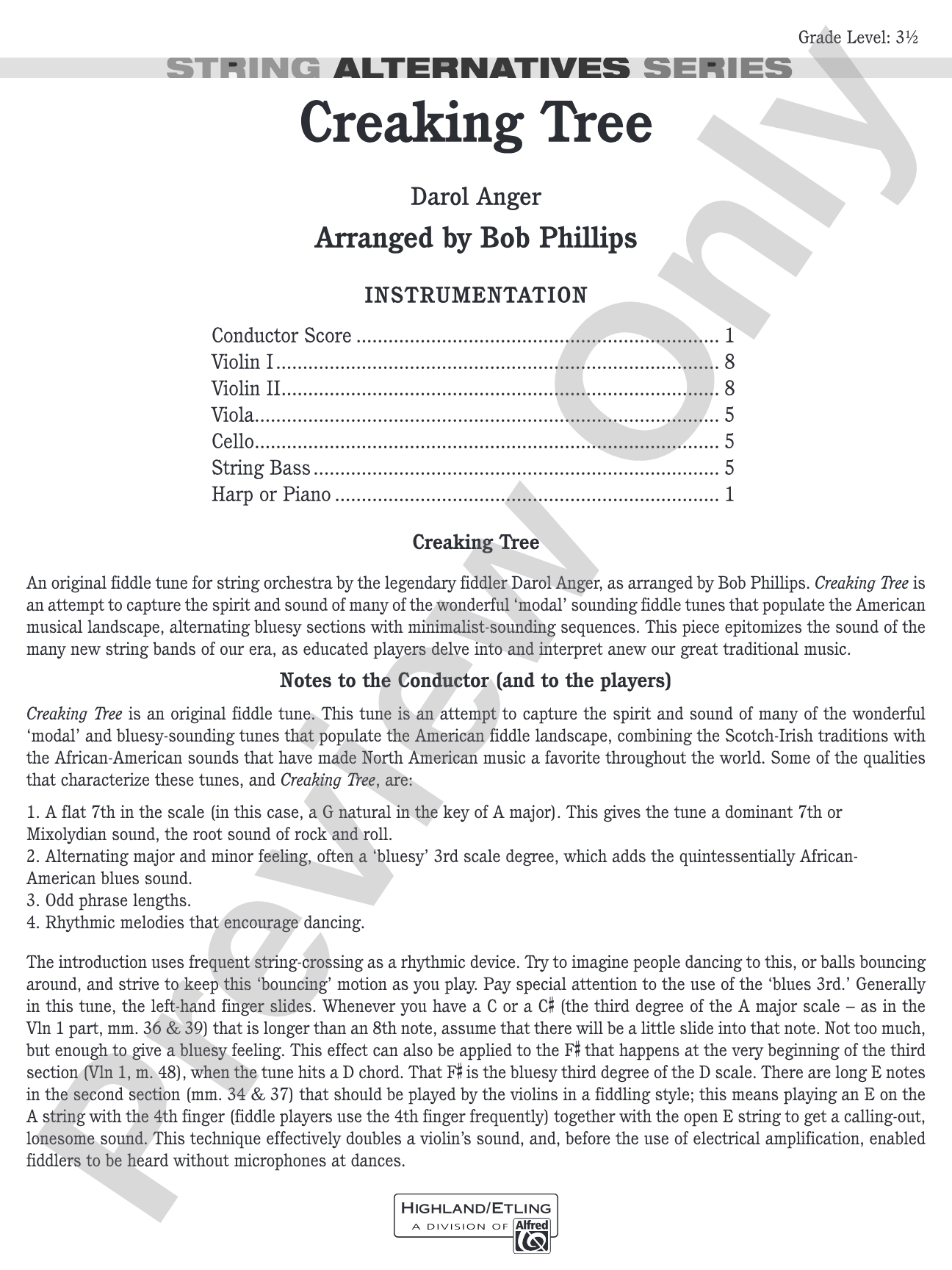
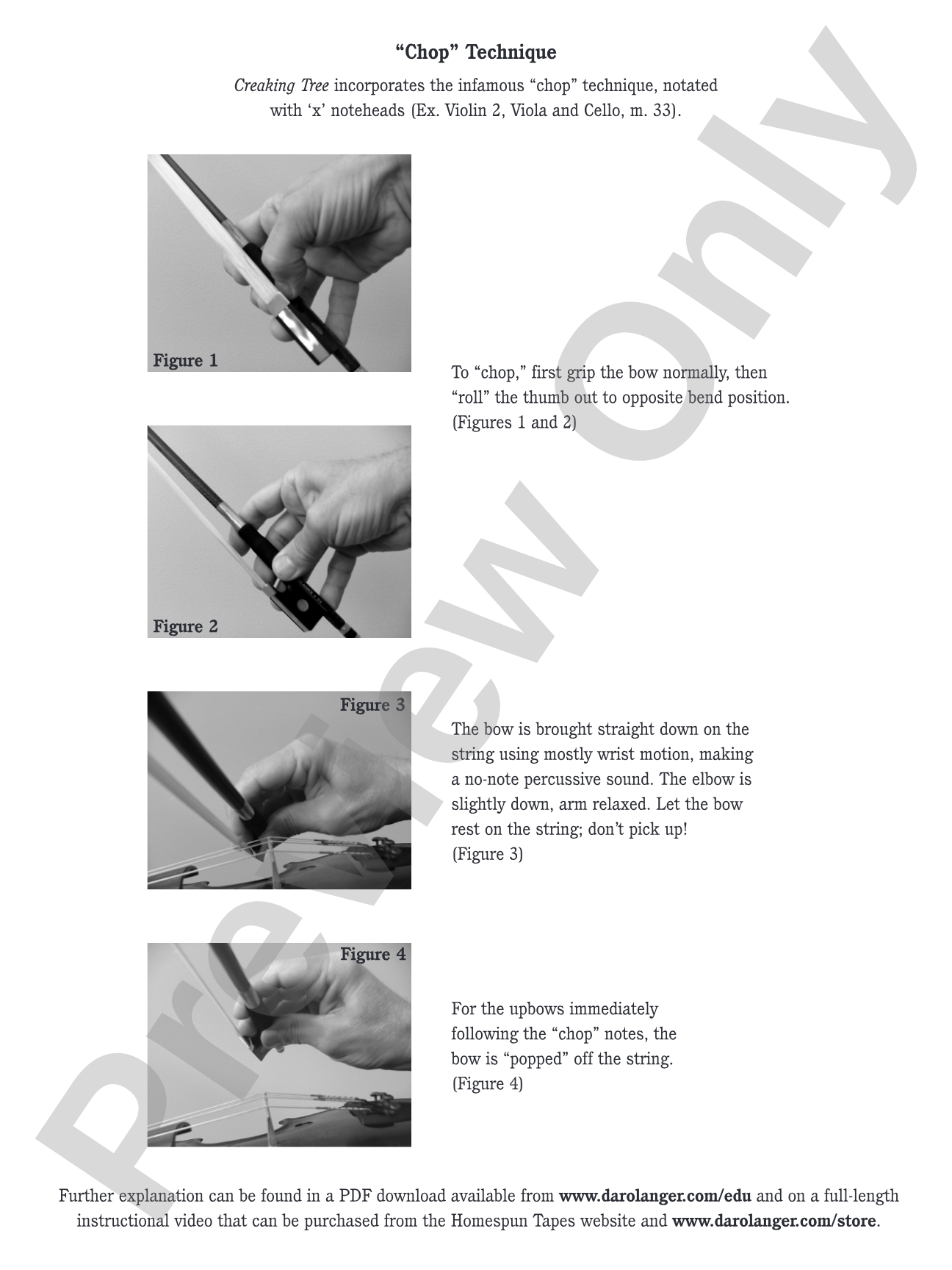
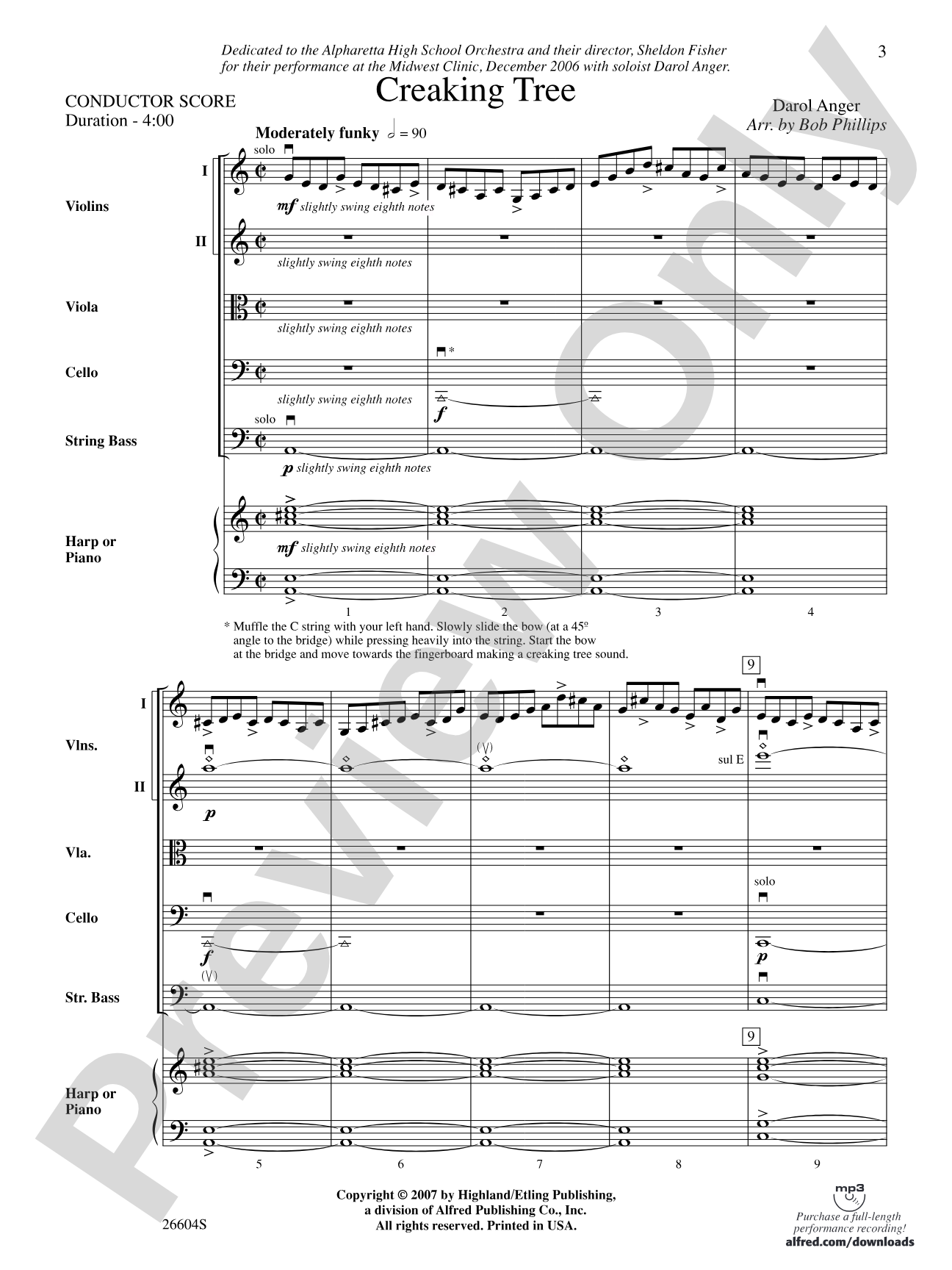
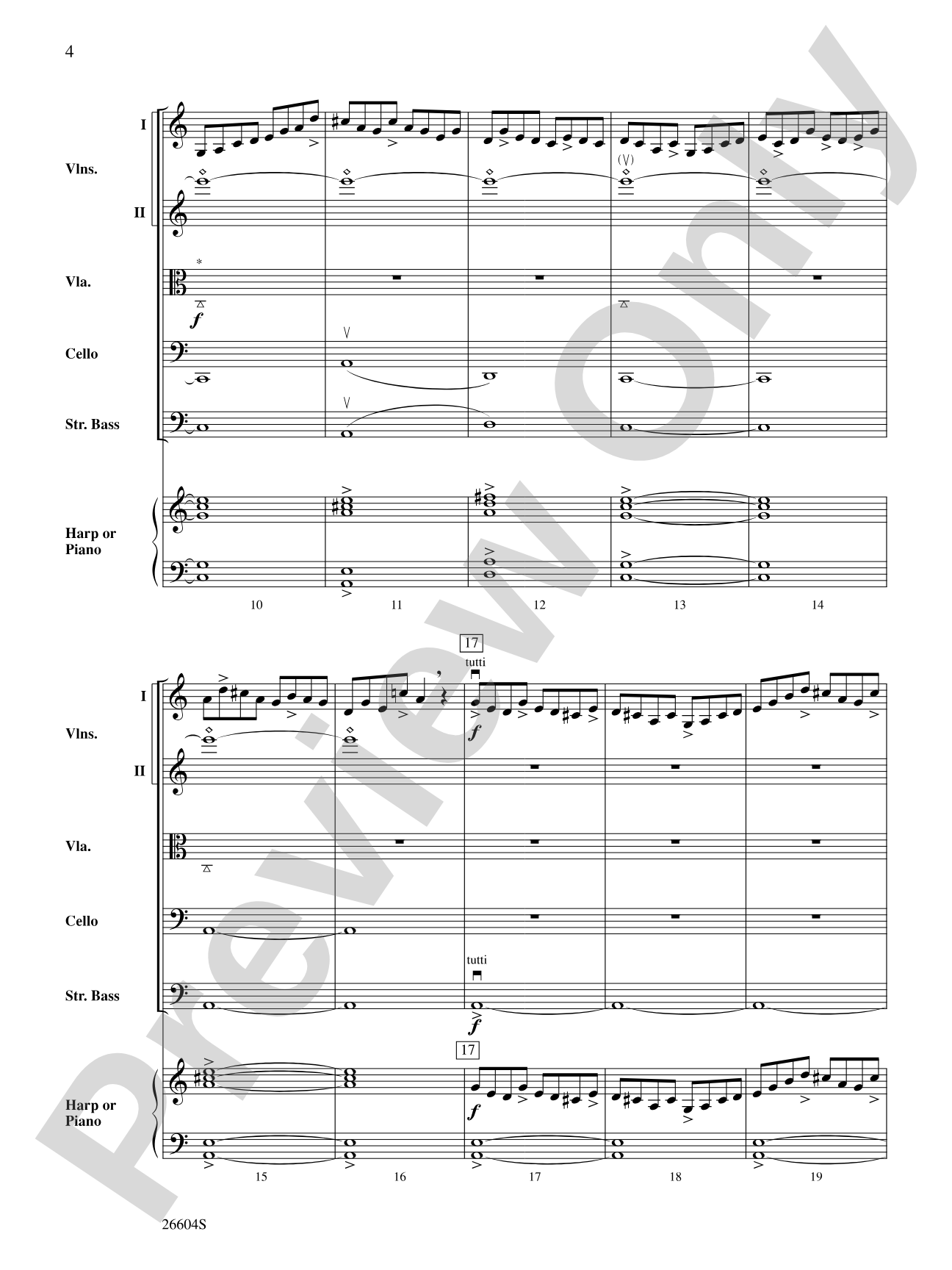
This brilliant, original fiddle tune by the former 1st violinist of the Turtle Island String Quartet, features all the things about fiddling that appeal to youngsters: a bluesy, hip sound, lots of strong rhythms, and musical surprises throughout. A written-out solo fiddle part for your star student is included, which may be doubled or tripled if you have the firepower, or the solo may be improvised. Optional harp or piano parts are also included. This title is available in MakeMusic Cloud.


Don't just read it, hear it, play along with it, and watch your students grow with it. In MakeMusic Cloud, Creaking Tree: Score comes alive with professional accompaniment, adjustable tempo, and built-in practice tools that turn solo practice into real progress.
Open in the Player
Jump straight in and assign it today.
Start Your Free Trial
Open this title and explore the full library in minutes.
Sample Audio
1
Audio File
--:--
0:00
0:00
Sample Video
No sample videos found.
Additional Details
Series:
Highland/Etling String Alternatives
Publisher:
Alfred Music
Page Count:
132
SKU:
00-PR-0001093
More about this title
About the Composer: Darol Anger
Darol Anger is a virtuoso violinist and composer known for his work with the Turtle Island String Quartet, where he served as first violinist and helped pioneer the fusion of classical string writing with American fiddle traditions. His compositions bridge the worlds of concert music and folk idiom, bringing the energy and spontaneity of fiddle music into settings where young players can discover its rhythmic vitality and improvisational spirit.
As both performer and educator, Anger has spent decades thinking about how string players of all levels engage with music outside the classical canon. His original compositions reflect that mission: they respect the craft of string playing while celebrating the joy and accessibility of folk-rooted material.
Why we love this
This score honors what draws young string players to music in the first place: grooves that make you want to move, unexpected harmonic turns, and the chance to sound like a real fiddler. The written-out solo part is a gift for your emerging soloists, but the option to improvise or double it means you can meet your ensemble exactly where it is. At Grade 3.5, it sits in that sweet spot where students have enough technique to nail the rhythmic drive without getting bogged down in complexity.
What to expect
Creaking Tree bounces with the swagger of a real fiddle tune: bluesy, rhythmically alive, full of surprises that catch your ear. It feels like strings breaking free from the concert hall and into something grittier and more soulful, yet never losing the craft and clarity of chamber music.
Who it's for
String orchestras at the intermediate level (Grade 3.5) seeking repertoire that energizes students and audiences alike. Directors looking to program a solo feature that showcases an emerging soloist while keeping the ensemble engaged.
How to get the most out of it
- Lock the rhythm section (cello and bass) into a tight pulse early in rehearsal. The bluesy grooves only work if the foundation is rock solid.
- Encourage your soloist to listen to fiddle recordings before rehearsal. Hearing how phrasing lives just off the beat makes the written solo come alive.
- If you're doubling or tripling the solo fiddle part, balance it so the lead voice still speaks clearly over the doublings.
- The optional harp or piano adds color without complexity; add it in later rehearsals once the string parts have settled.
How to use it
Use this as a centerpiece for a folk-inspired concert or festival appearance. It pairs well alongside other Americana-rooted string pieces and gives audiences a taste of how classical strings and fiddle traditions speak the same musical language. The contest/festival designation makes it equally at home in competitive settings where you want to stand out.
Skills your students will build
- Tight ensemble rhythmic coordination in syncopated figures
- Solo passage performance with stylistic phrasing in fiddle idiom
- Playing bluesy articulations and non-classical inflections on the string
- Balancing written ensemble parts with featured solo material
- Understanding optional notation and flexible orchestration choices