

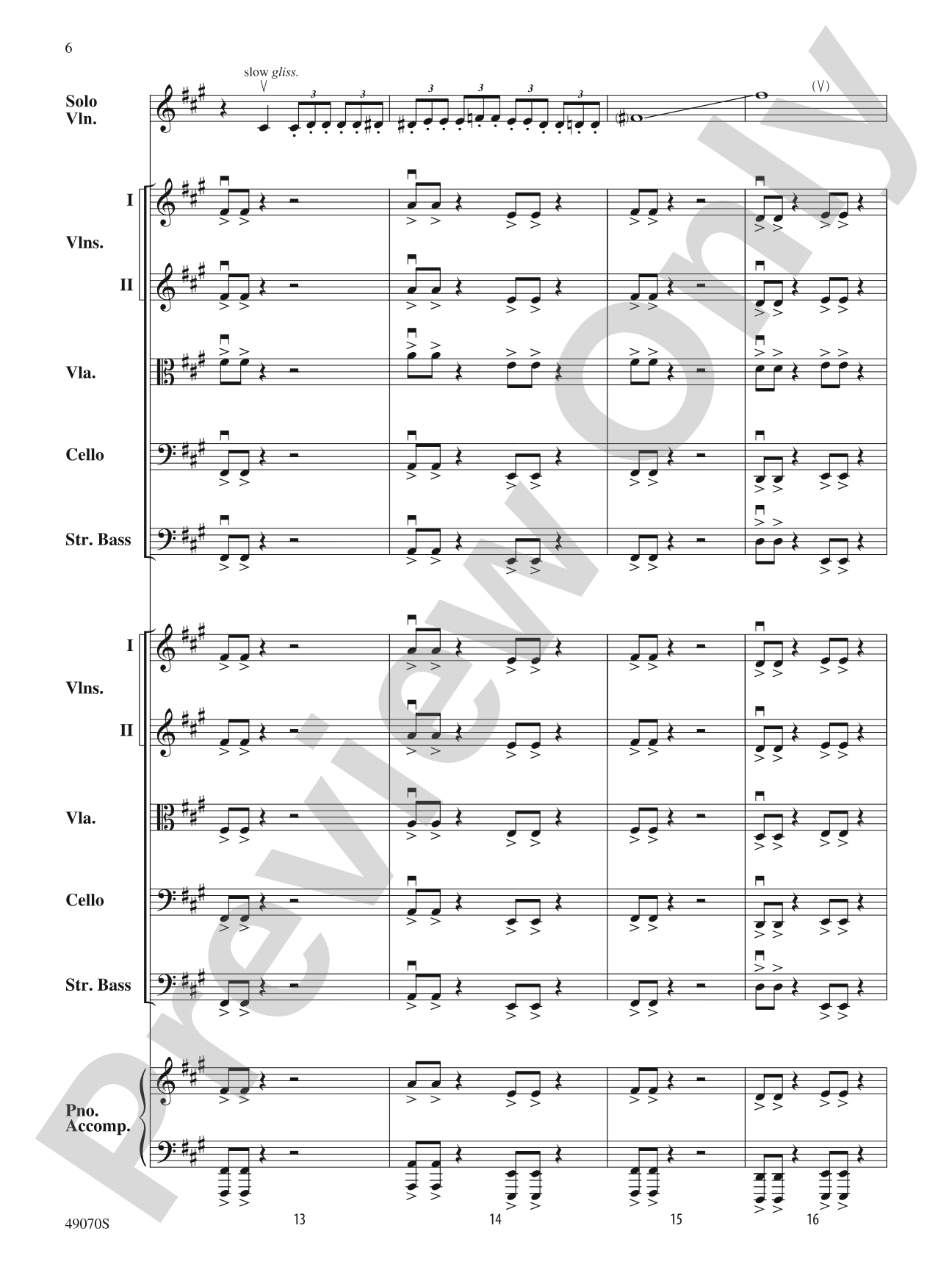
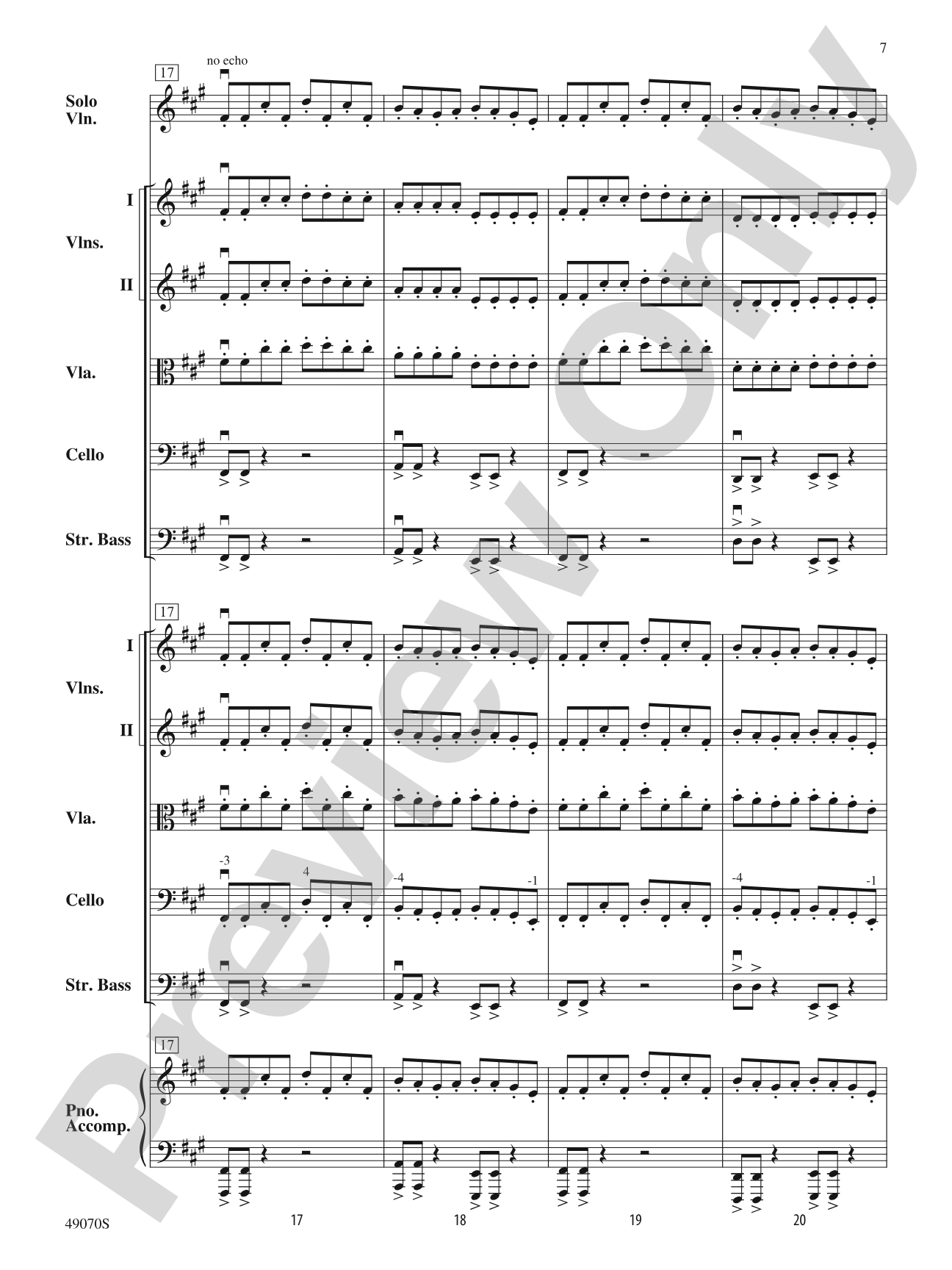
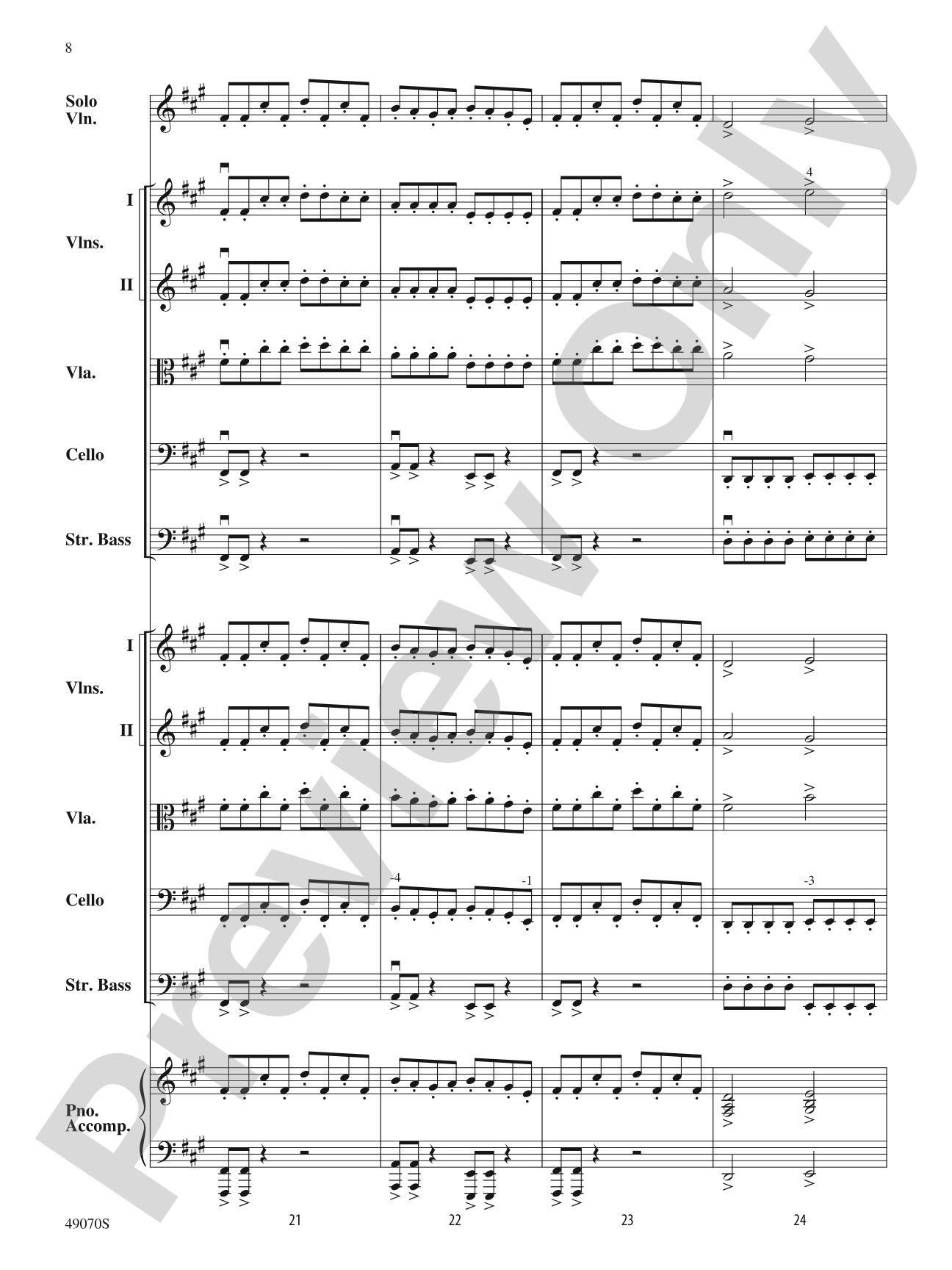
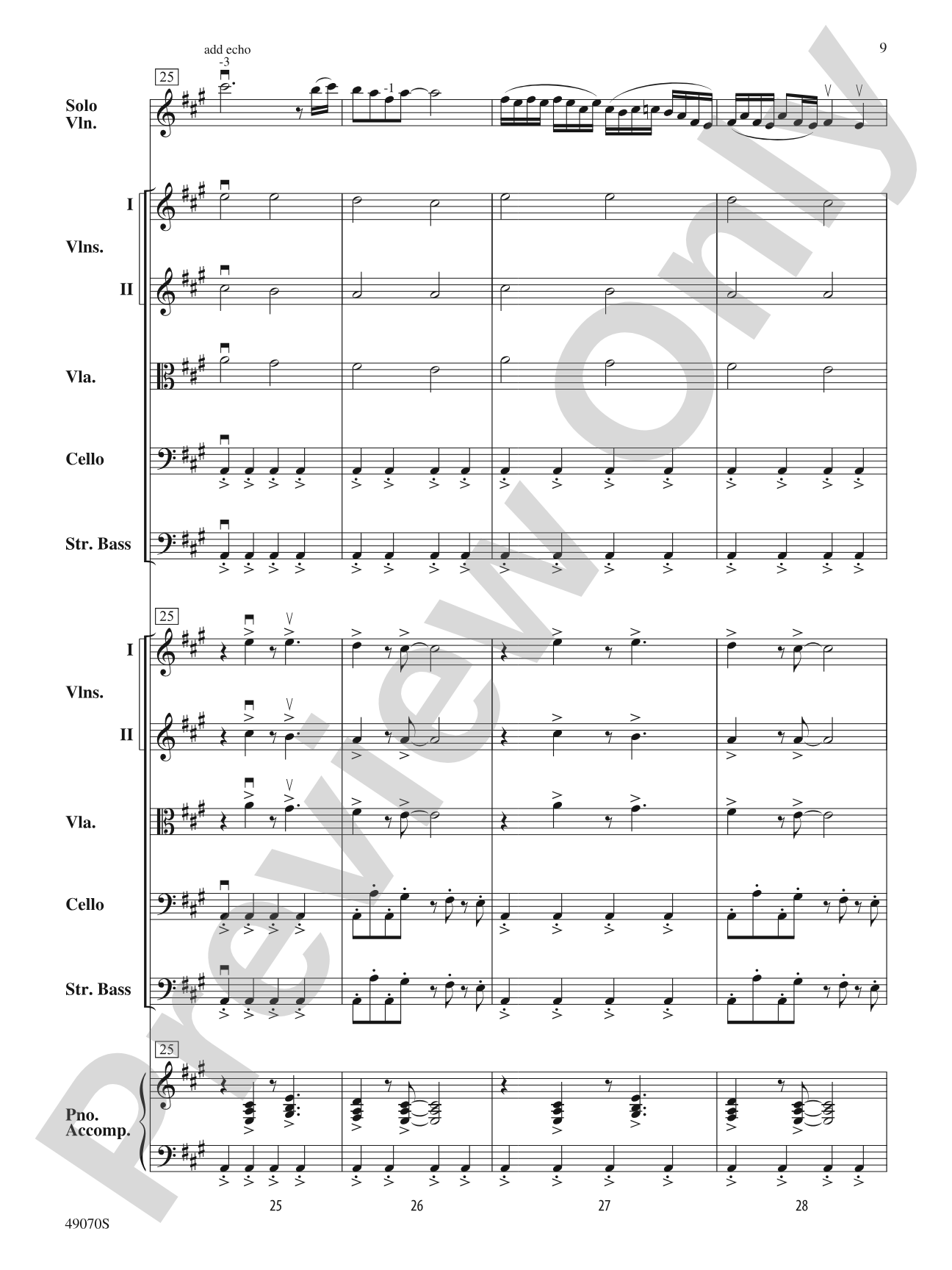
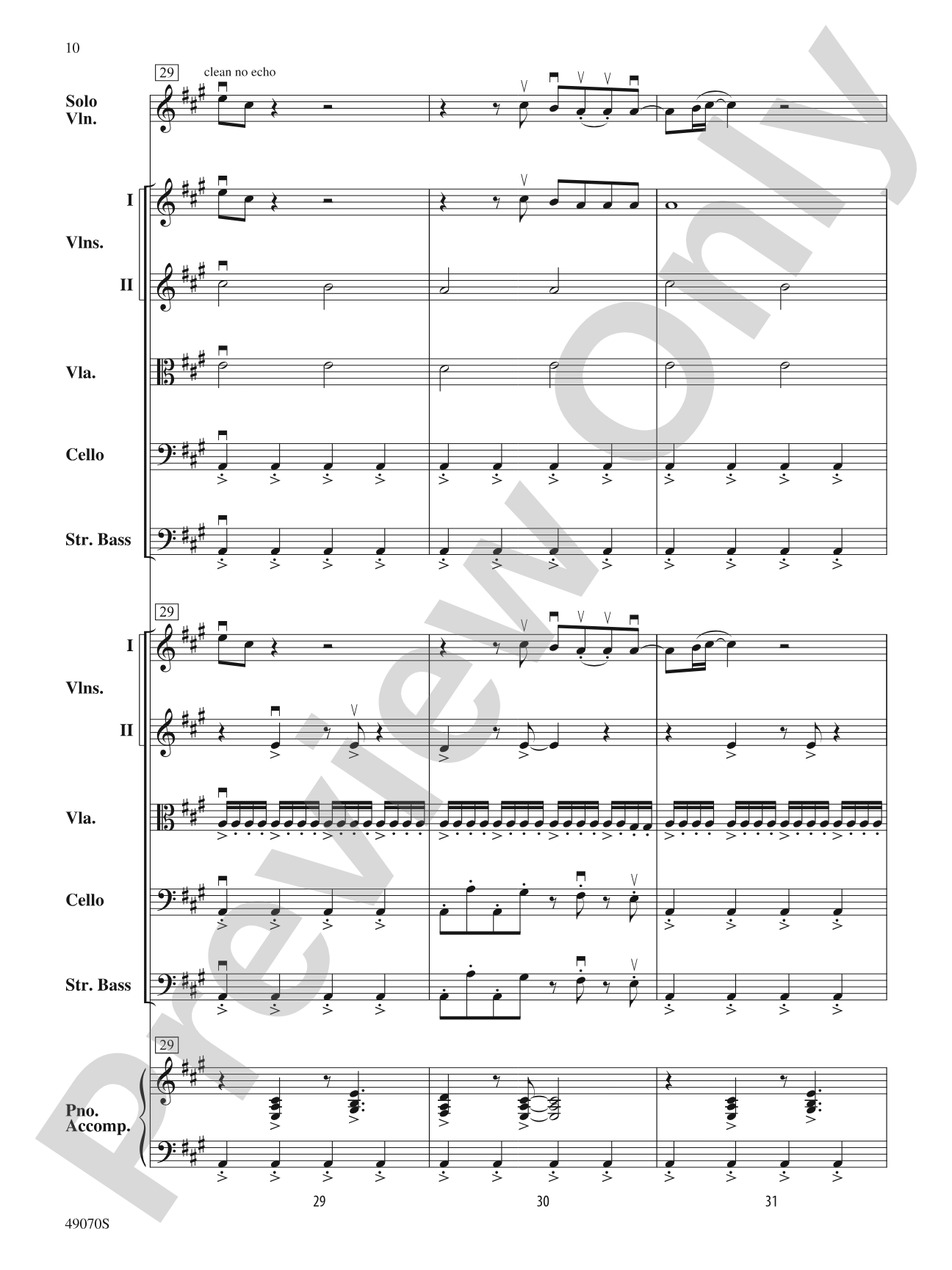
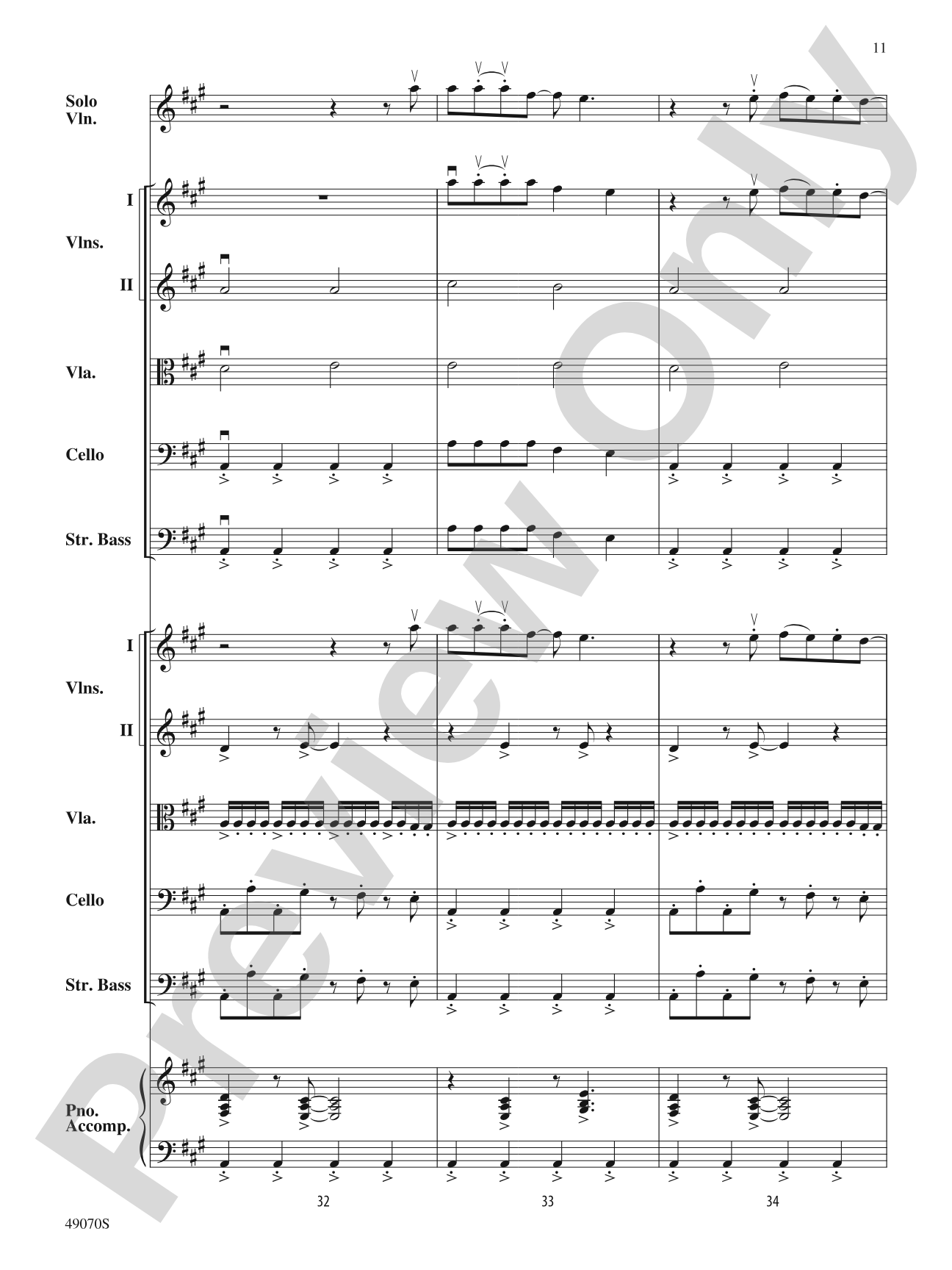
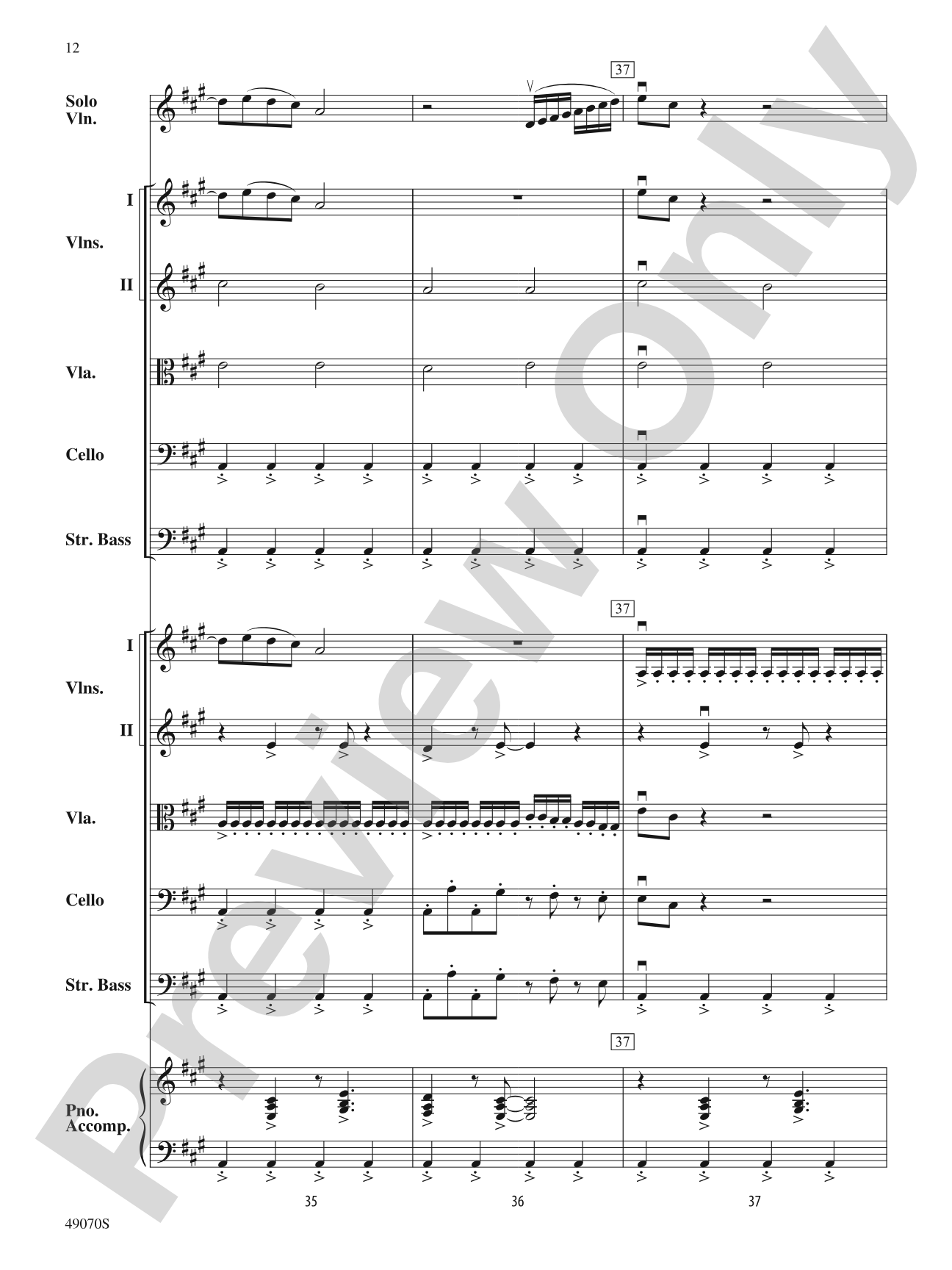
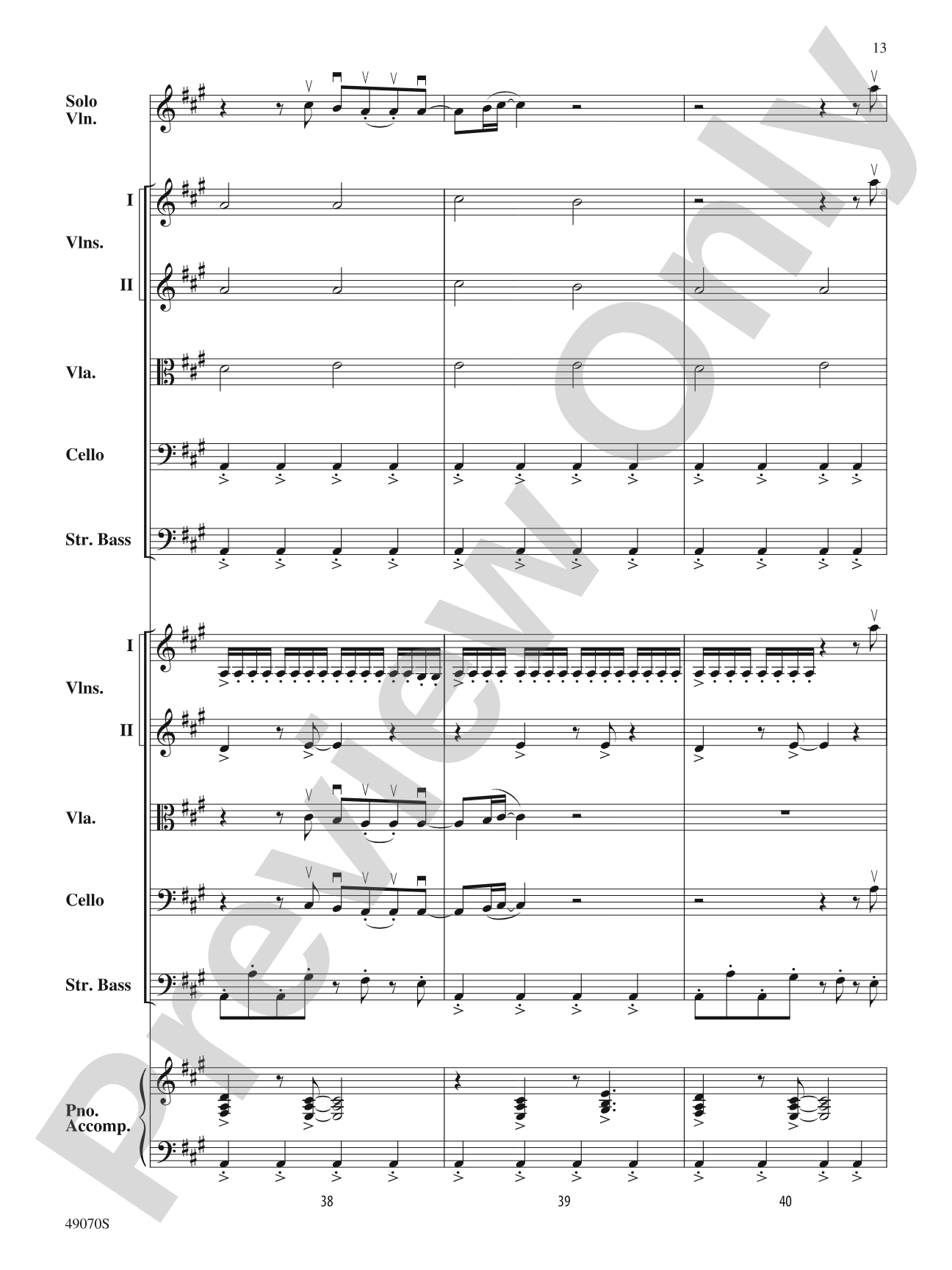
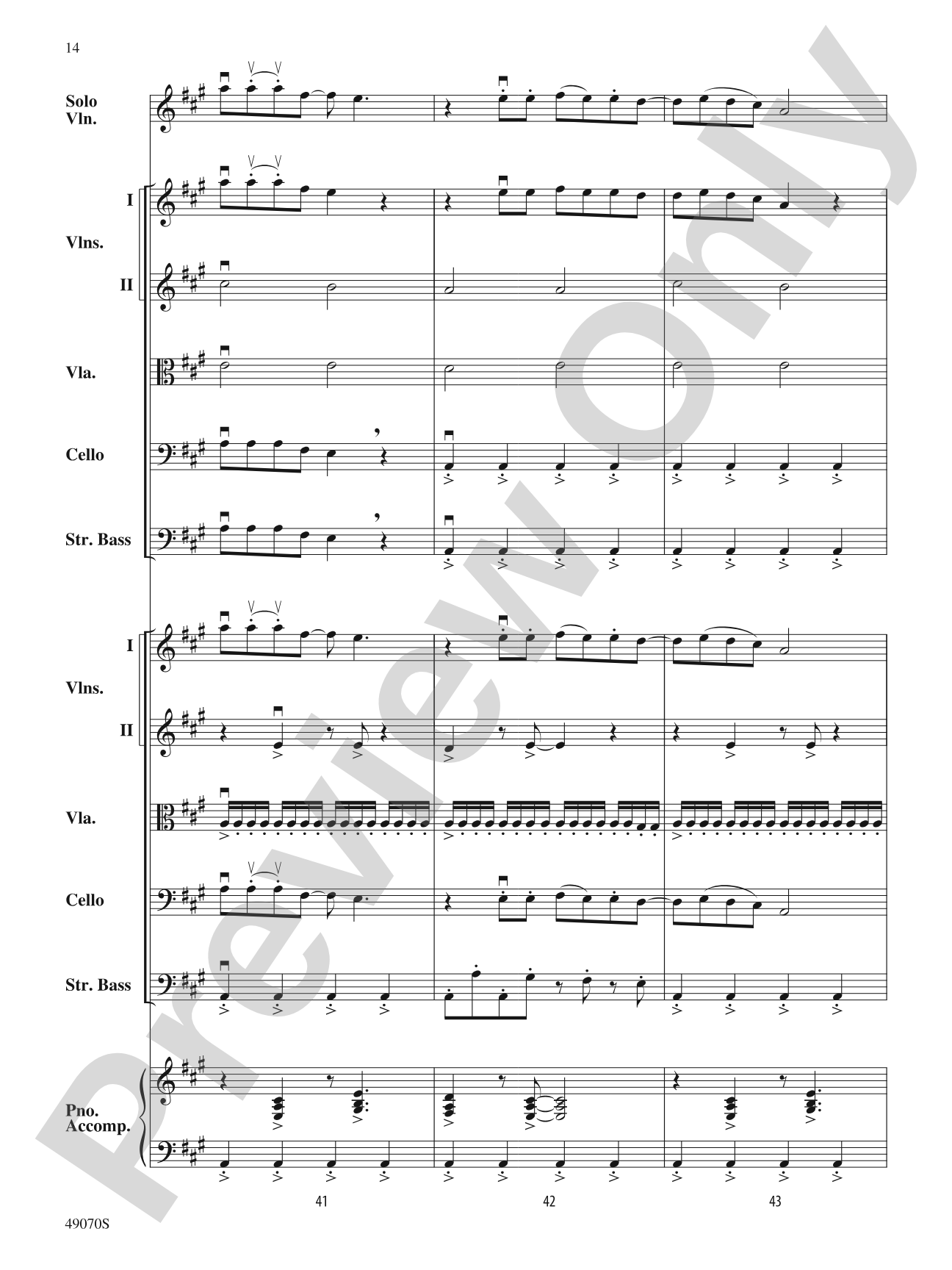
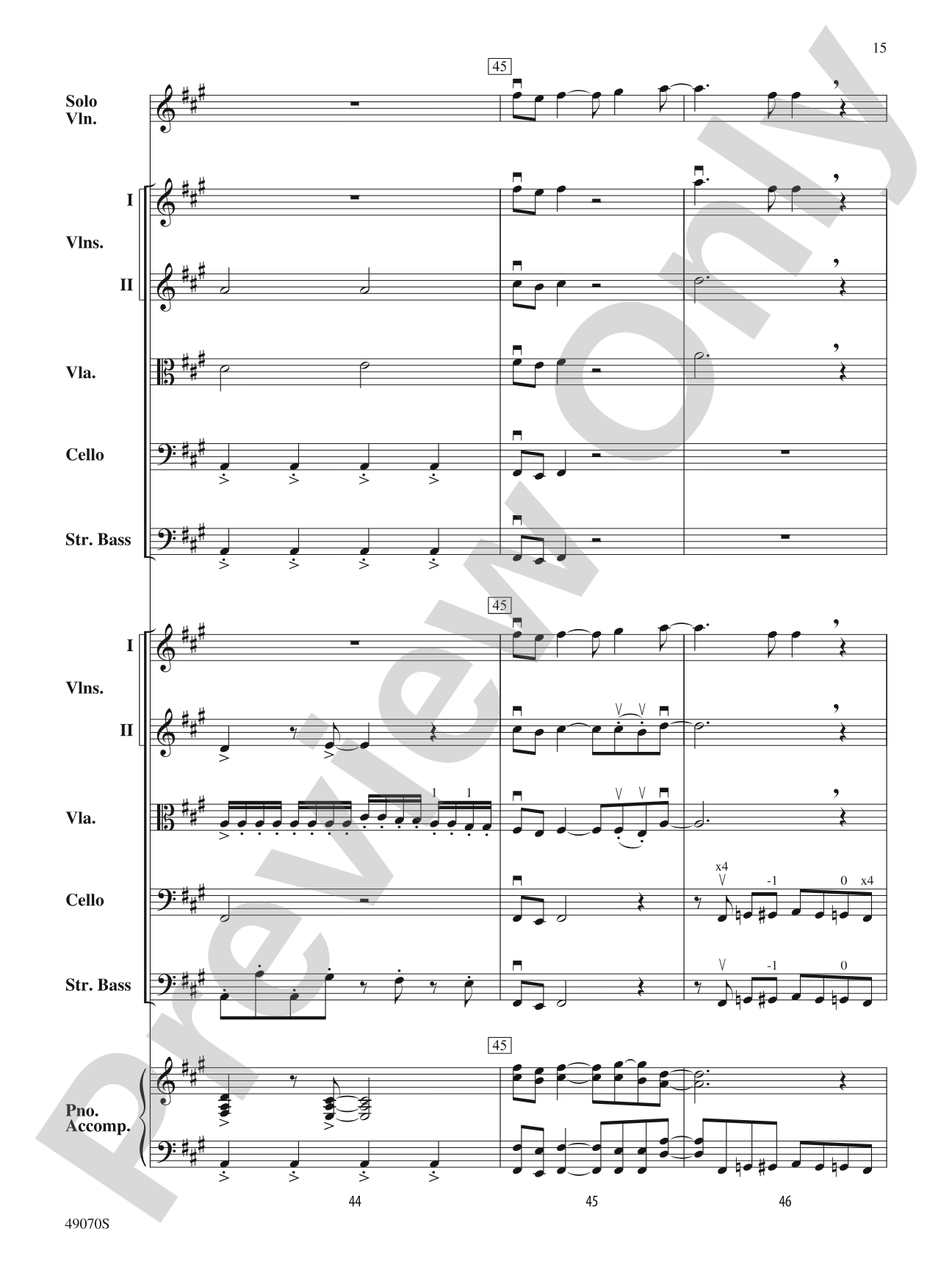
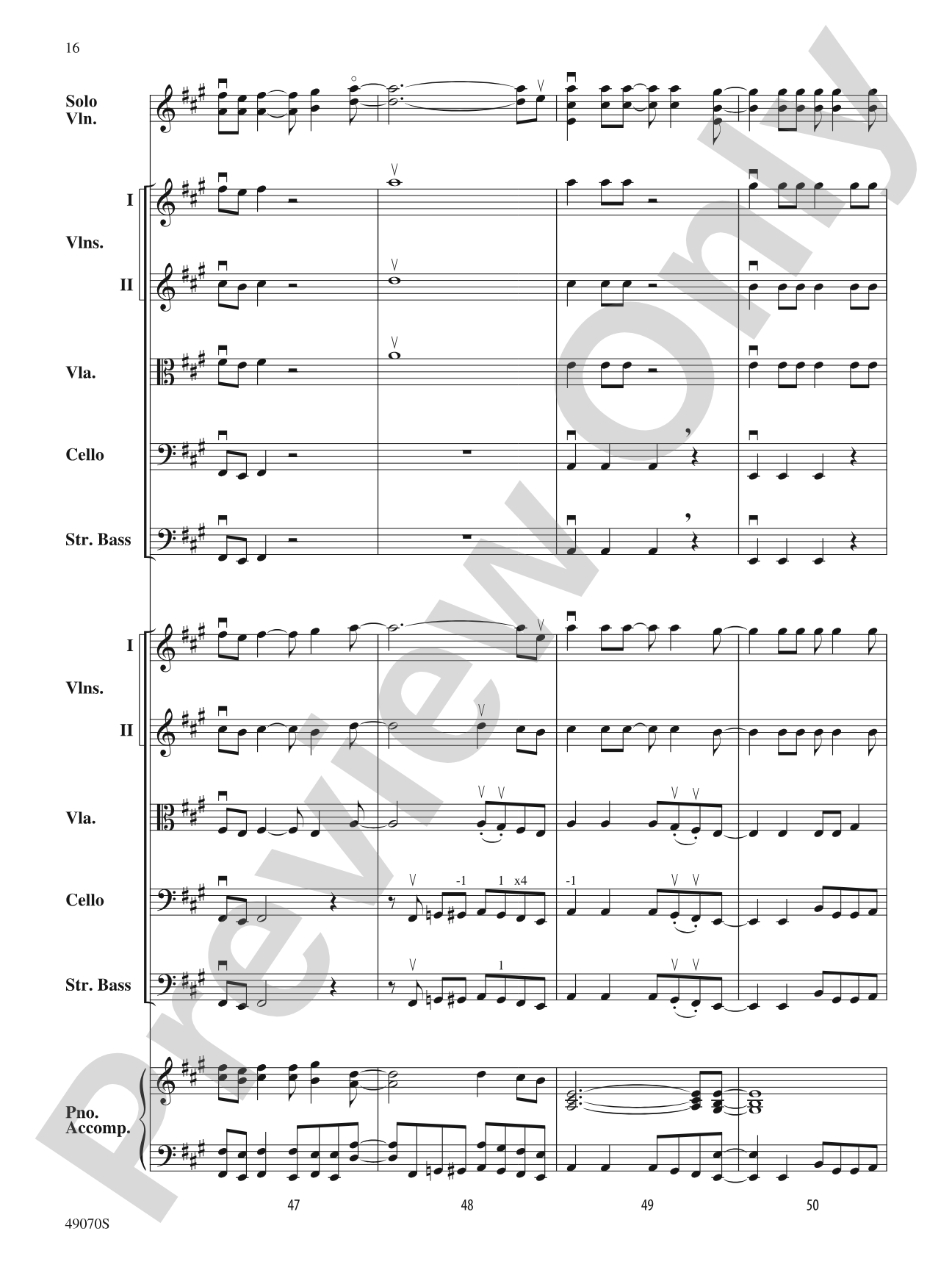
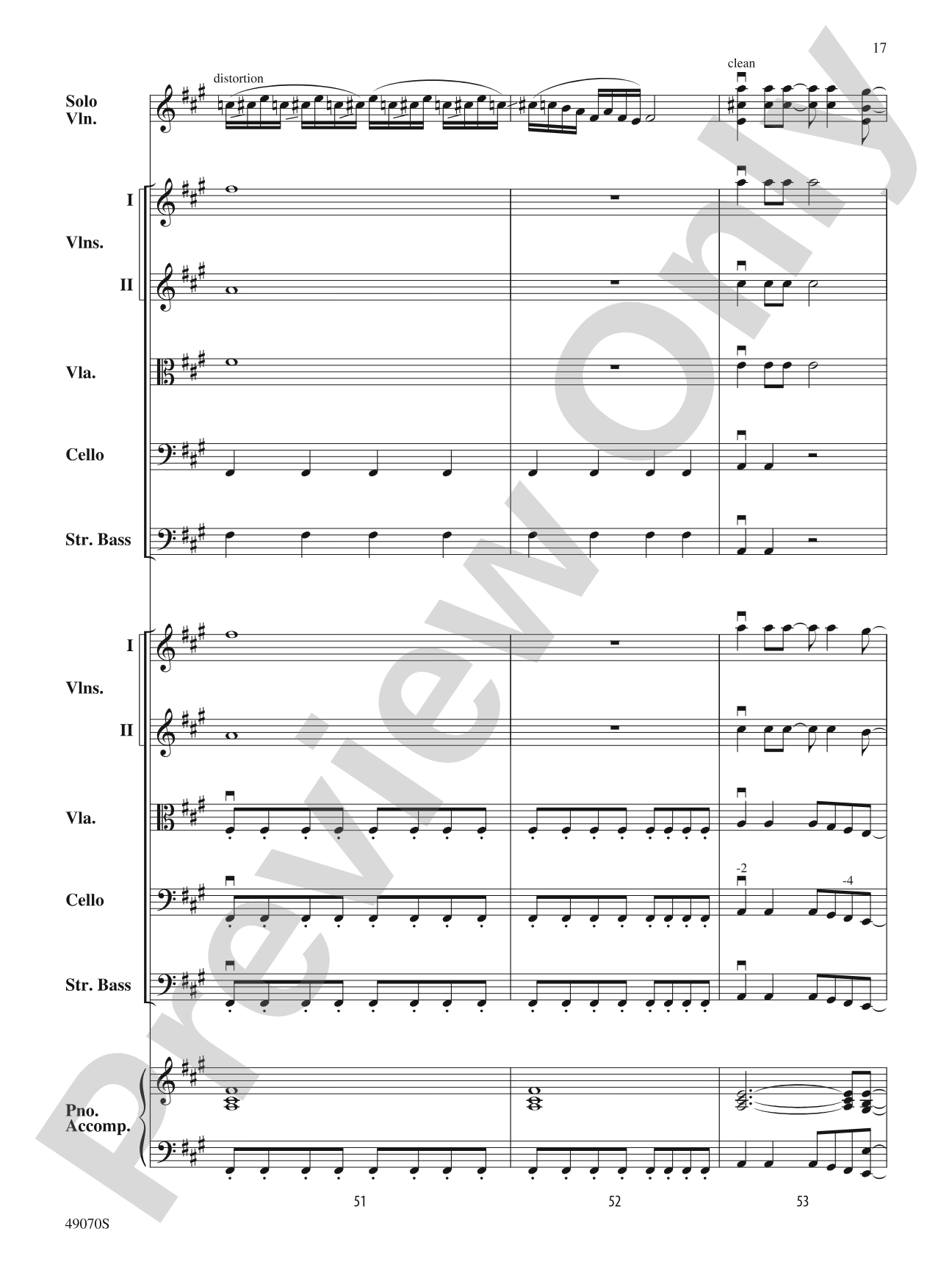
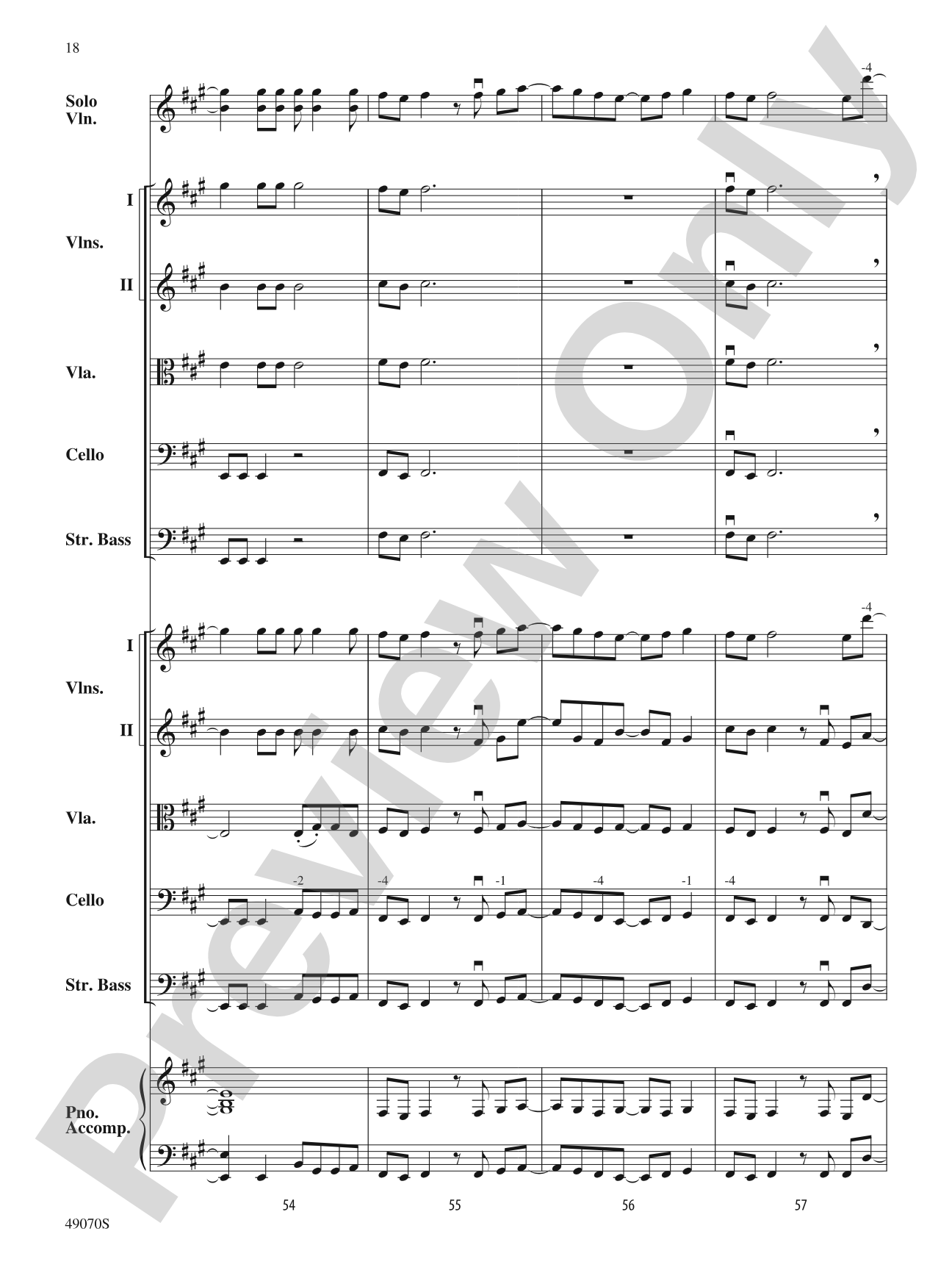
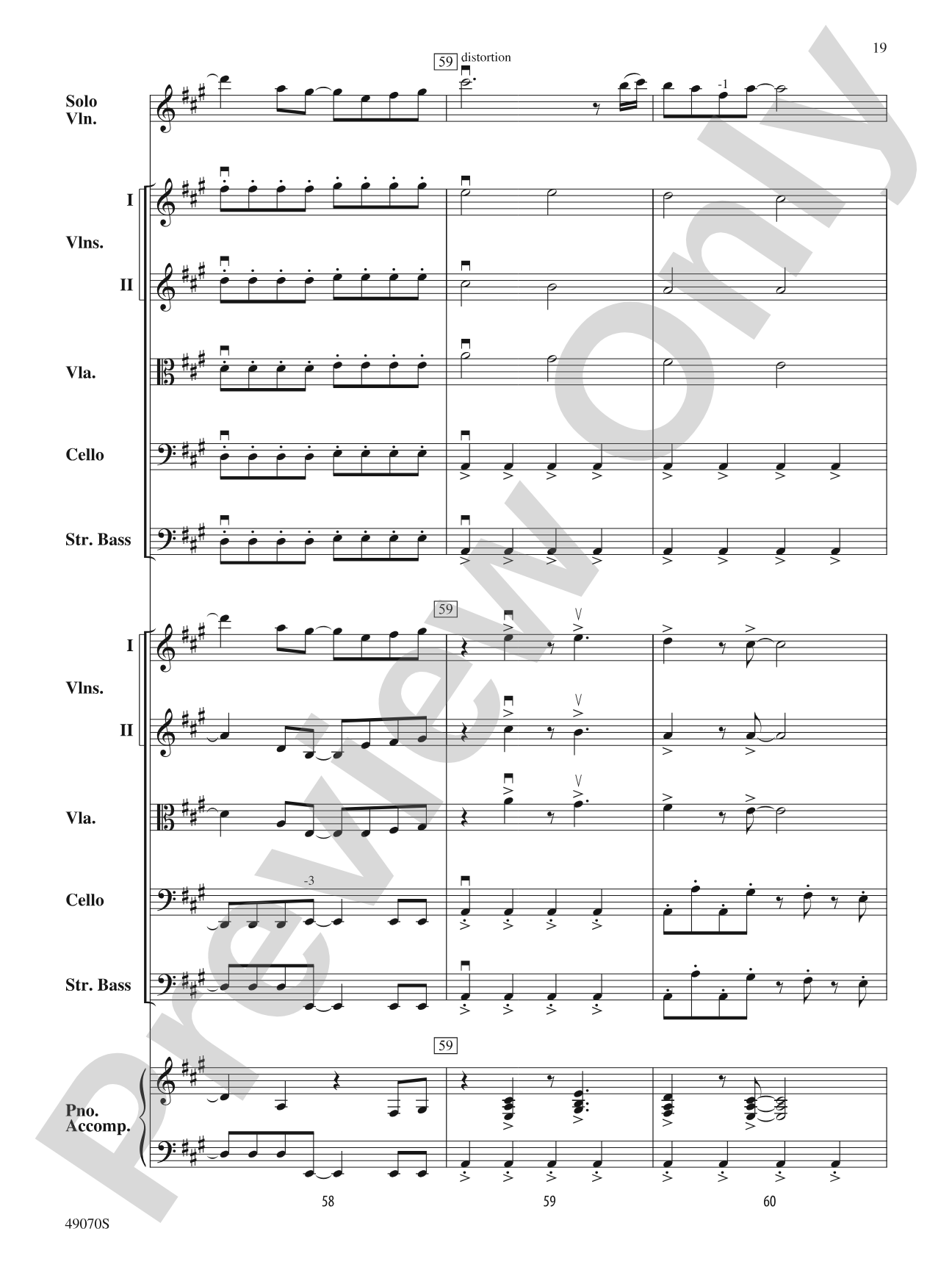
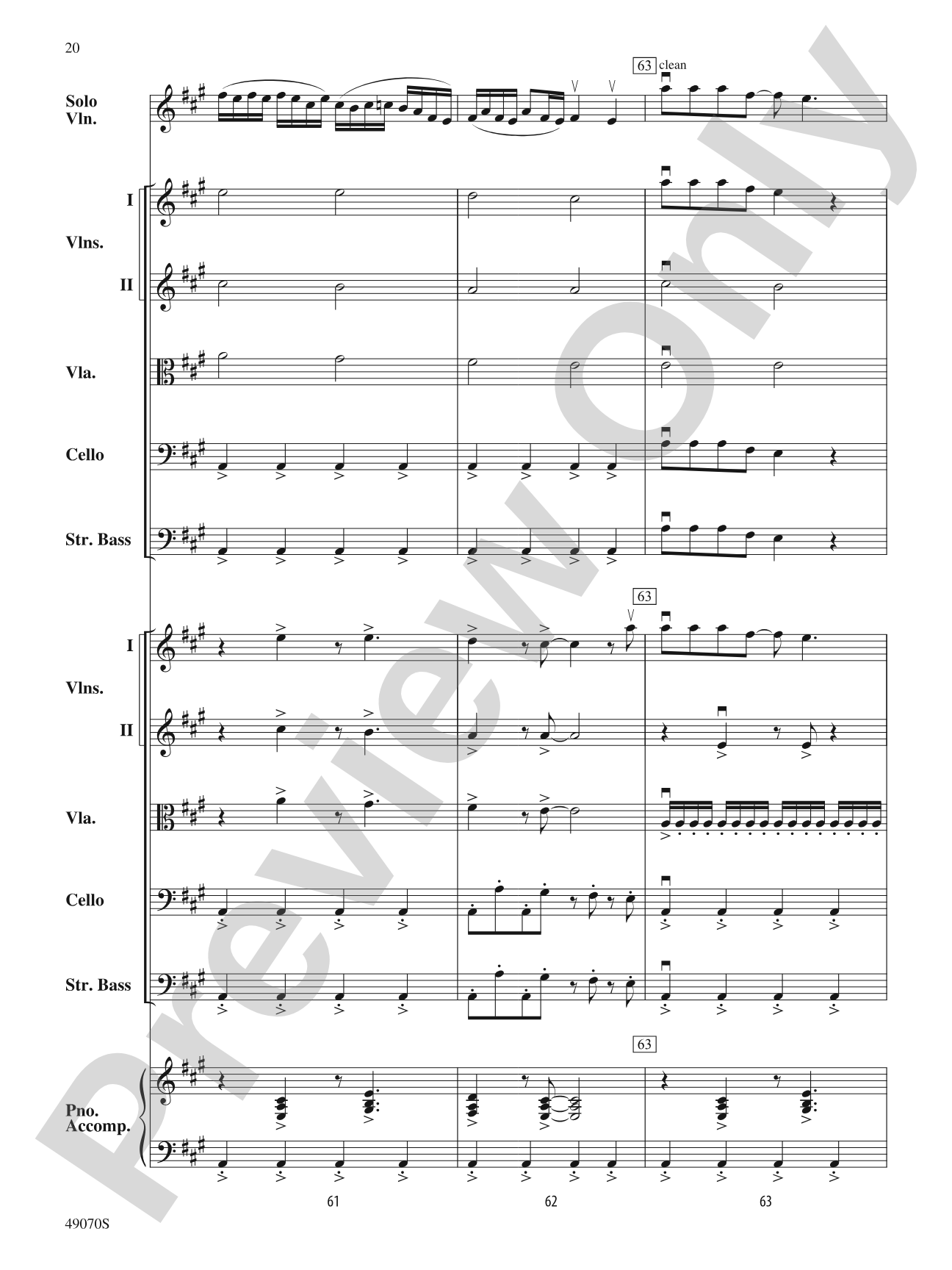
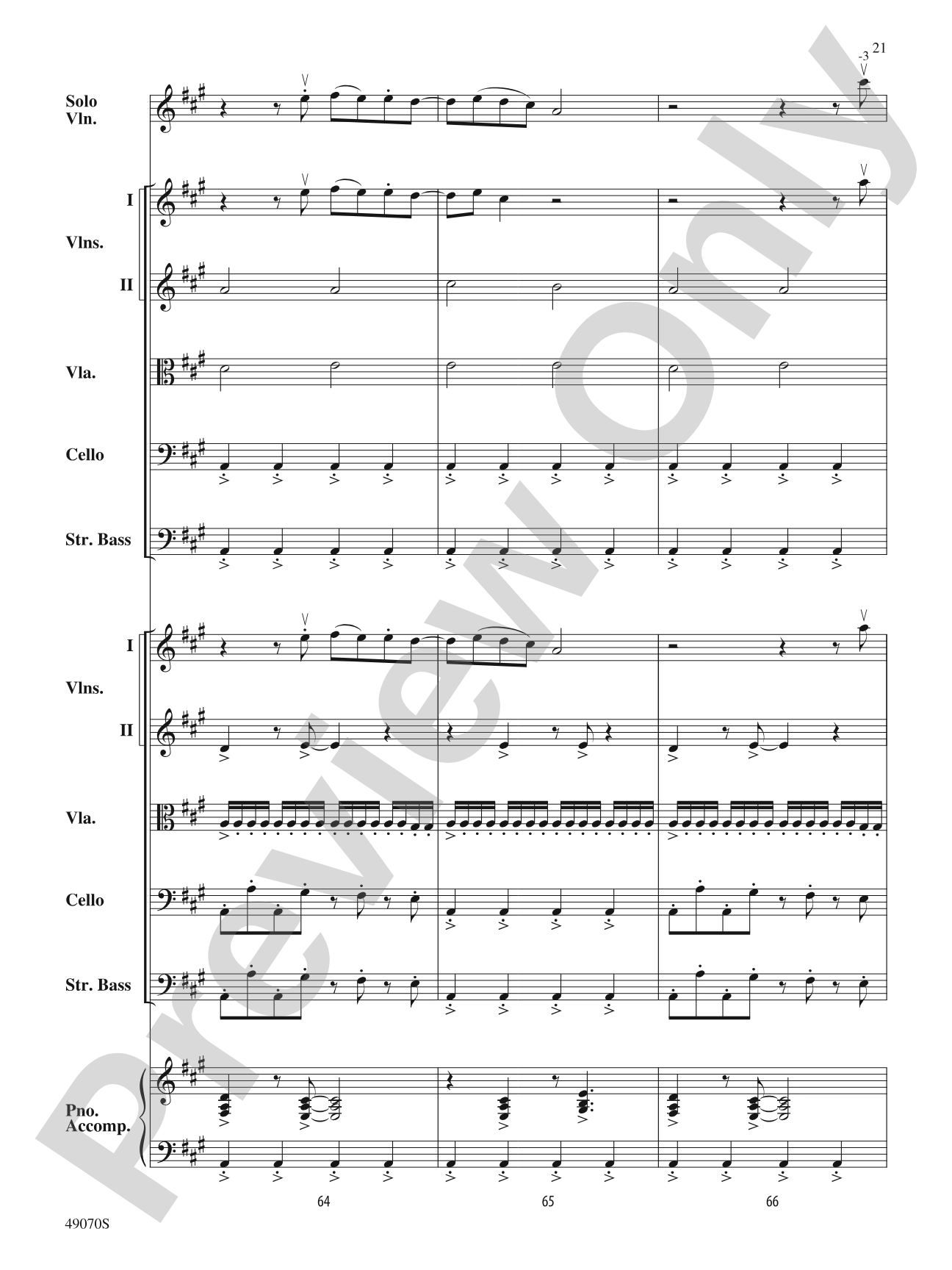
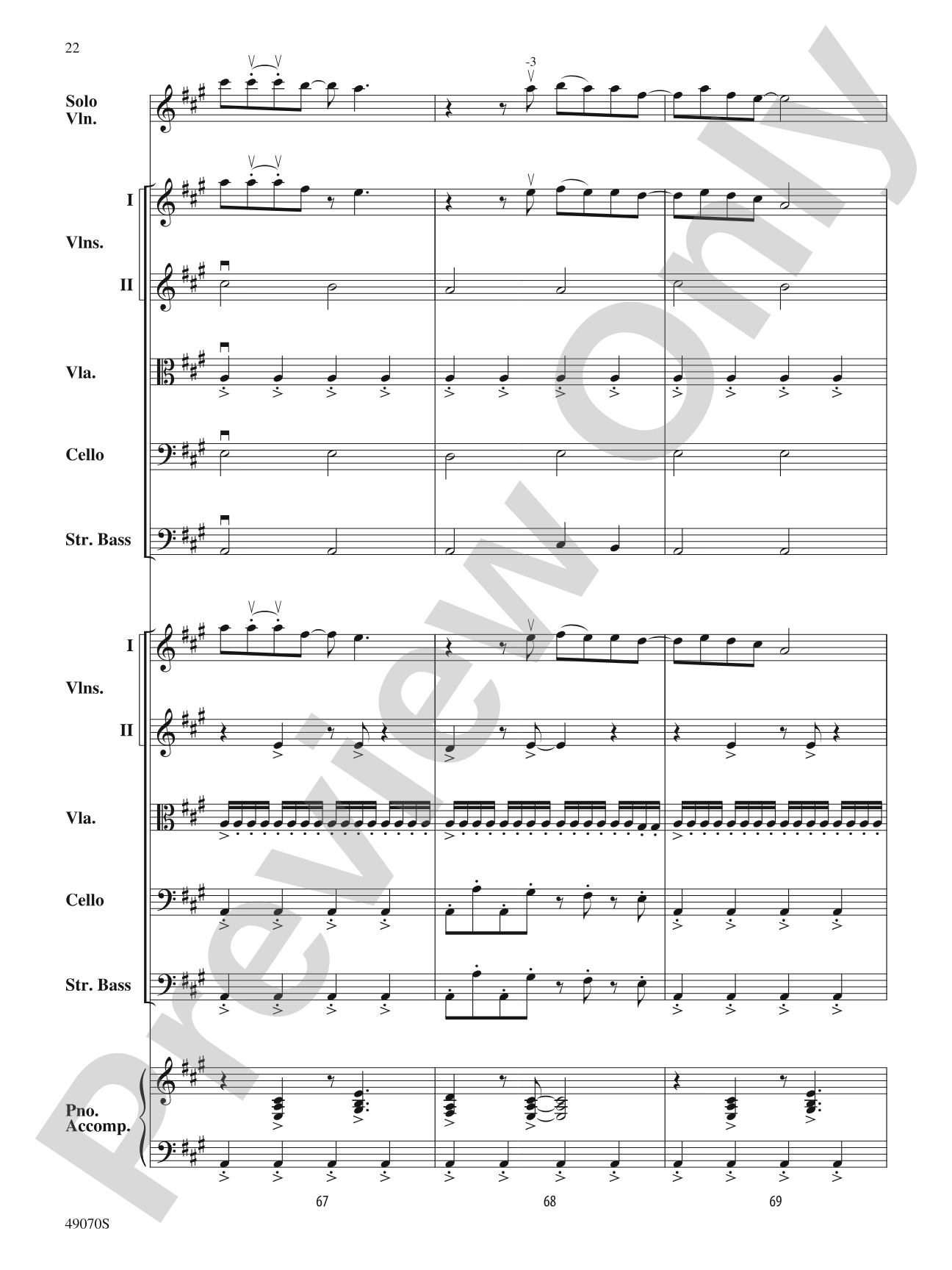
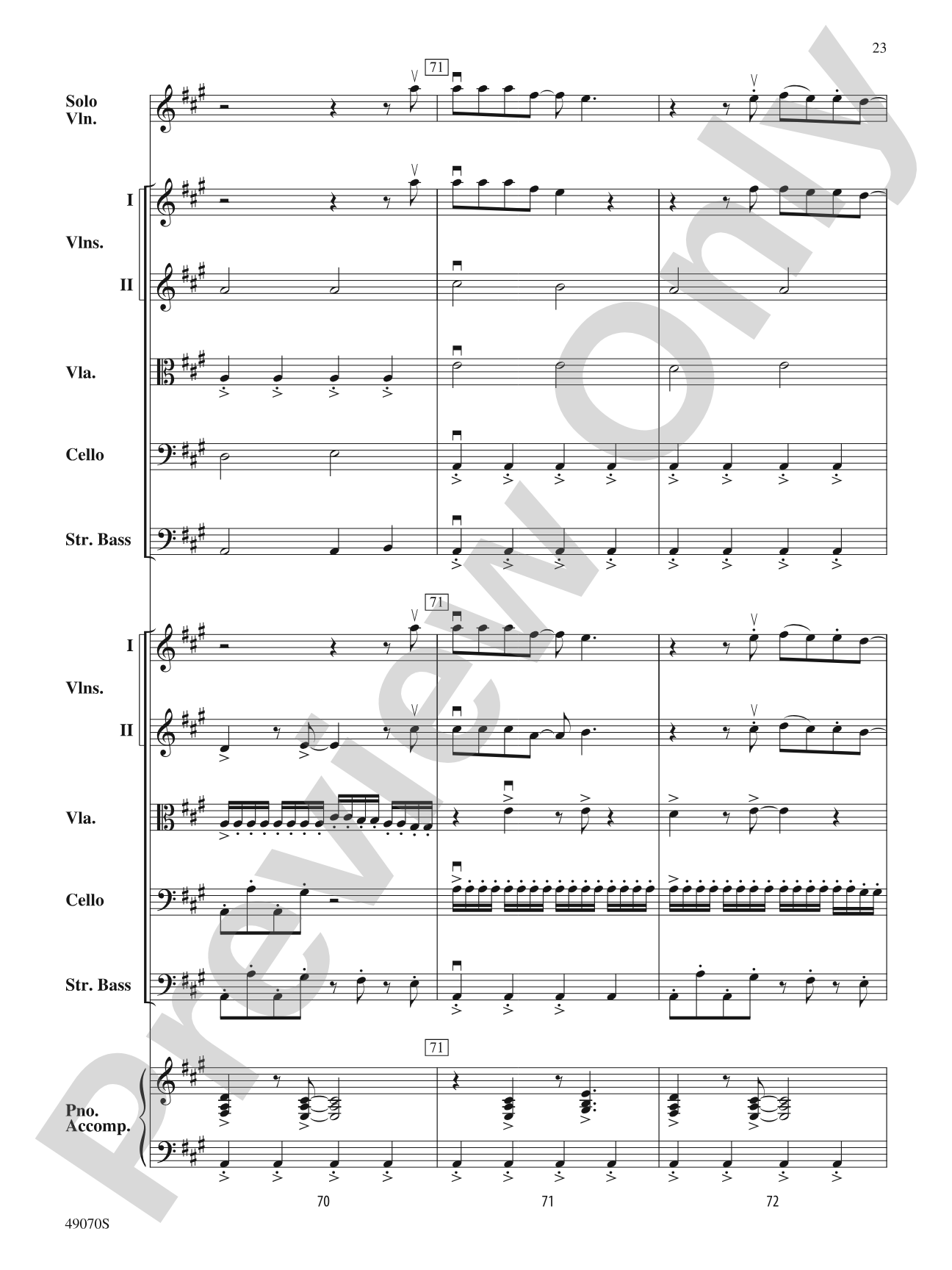
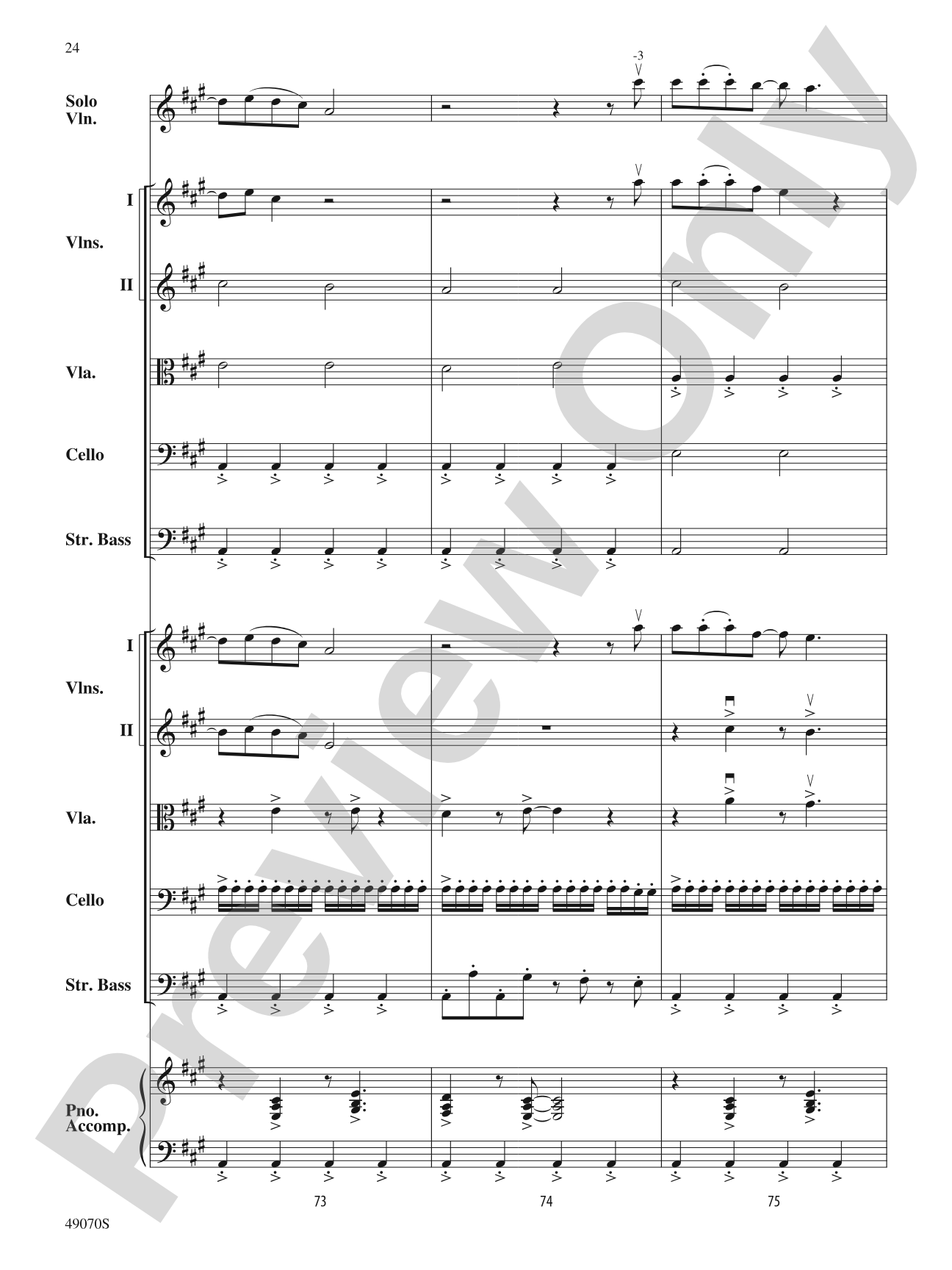
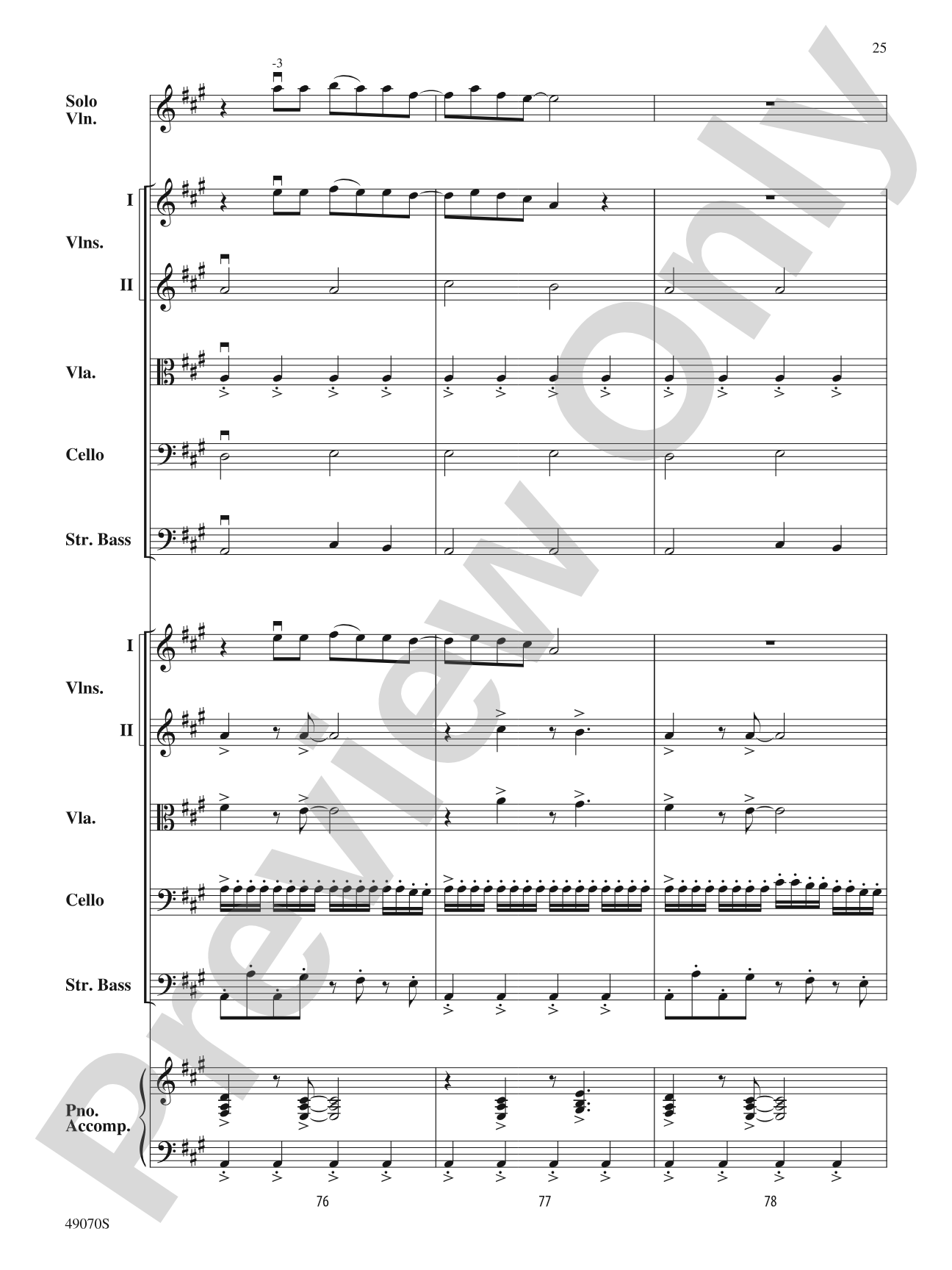
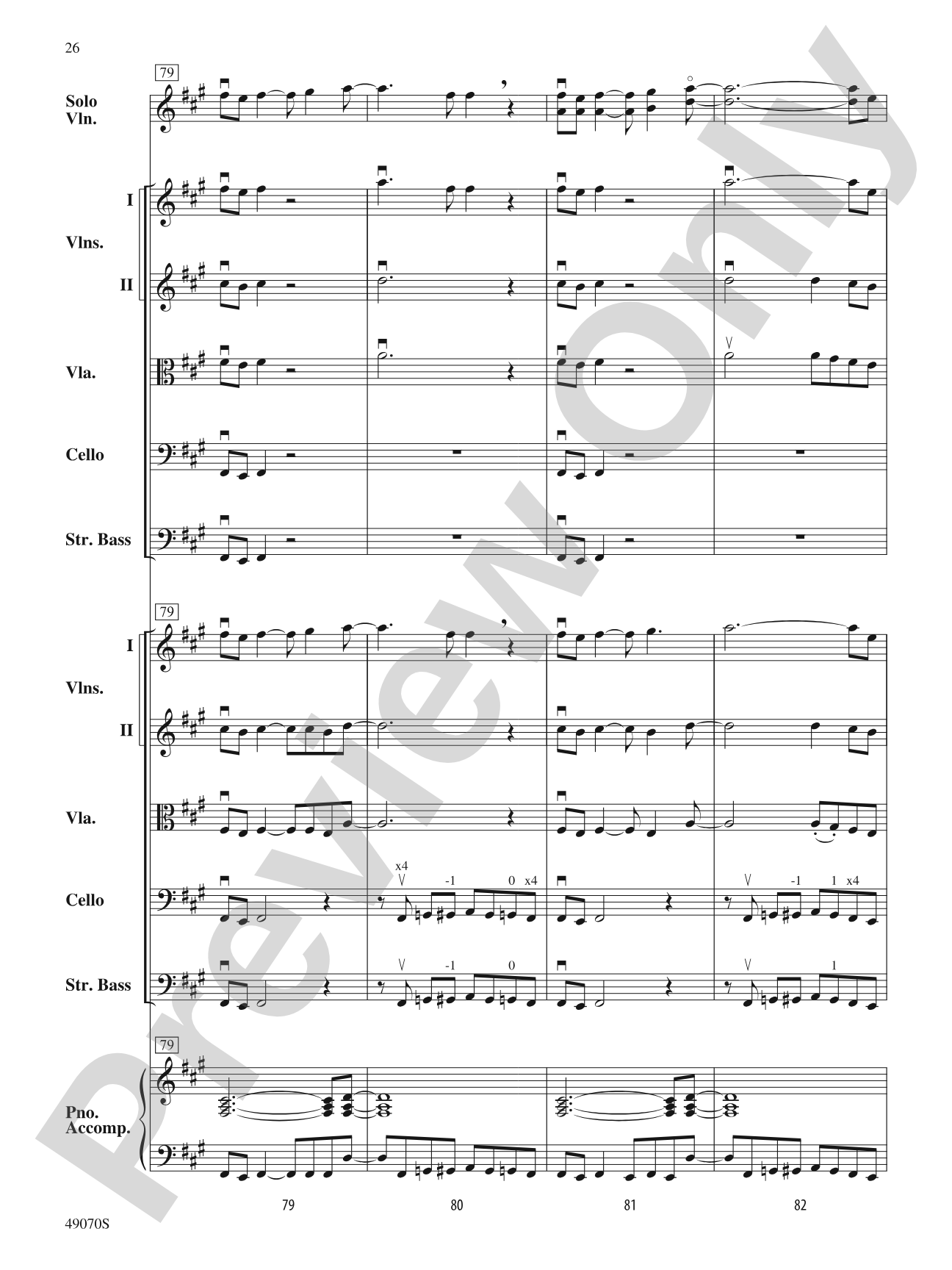
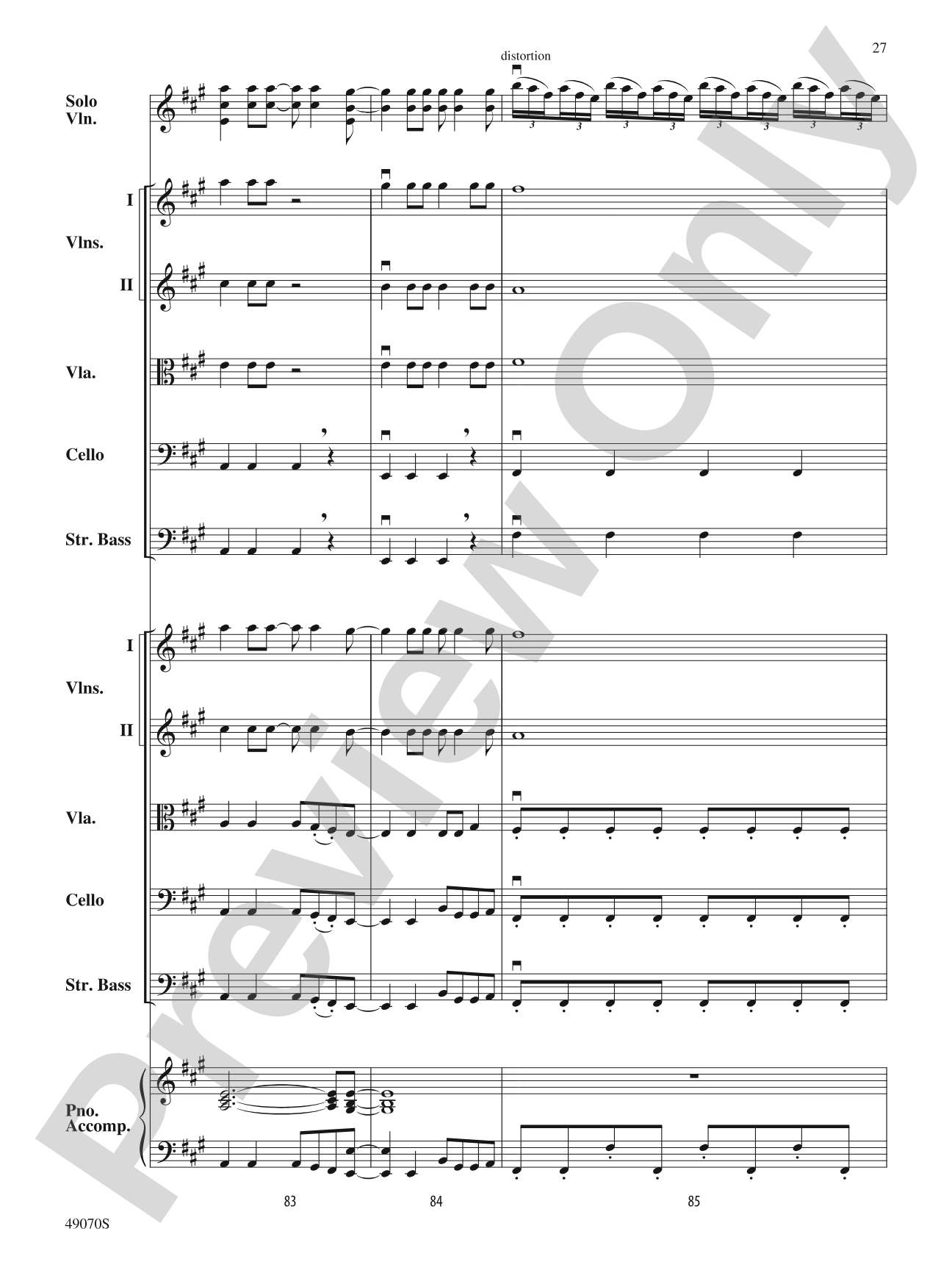
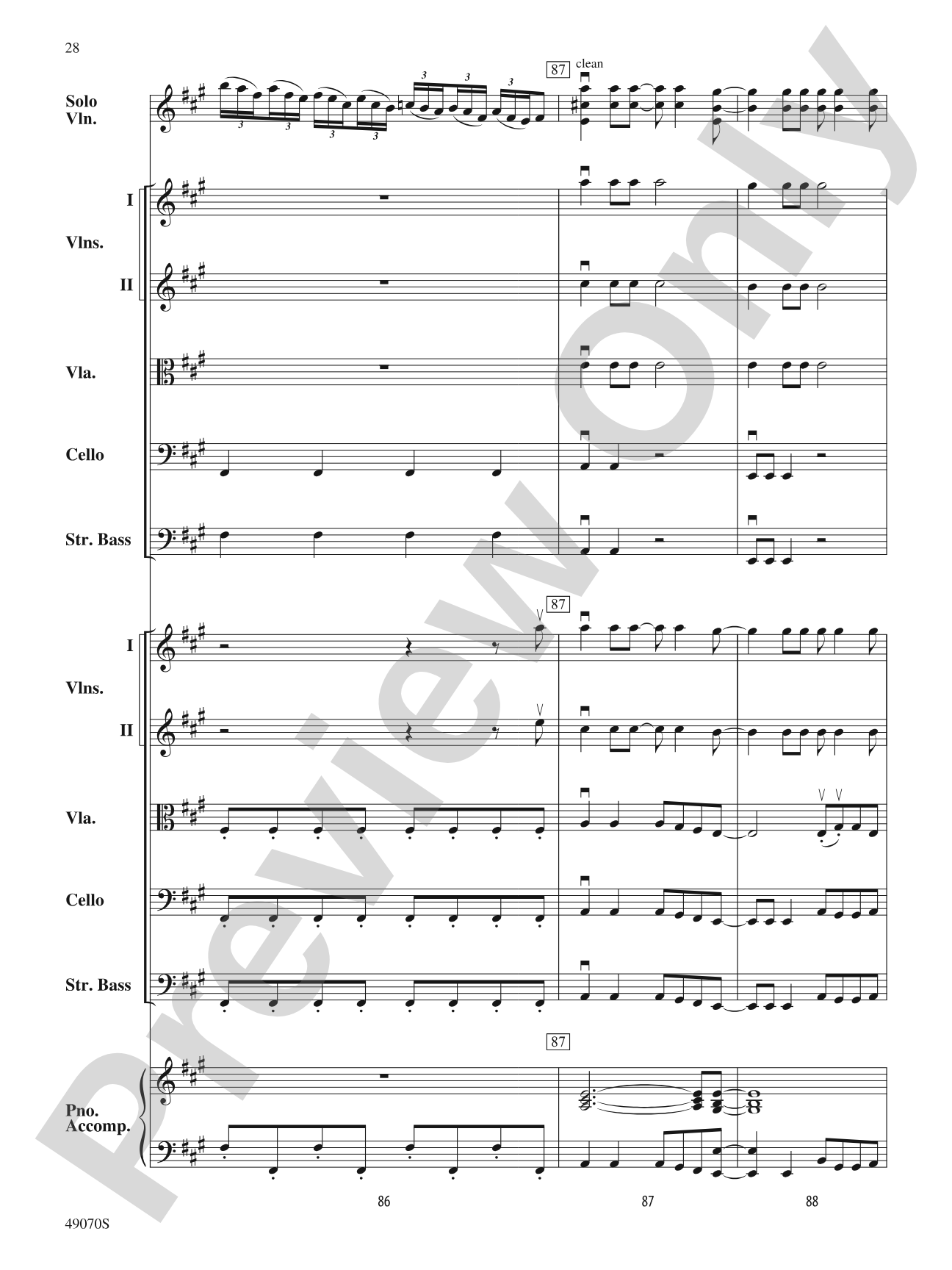
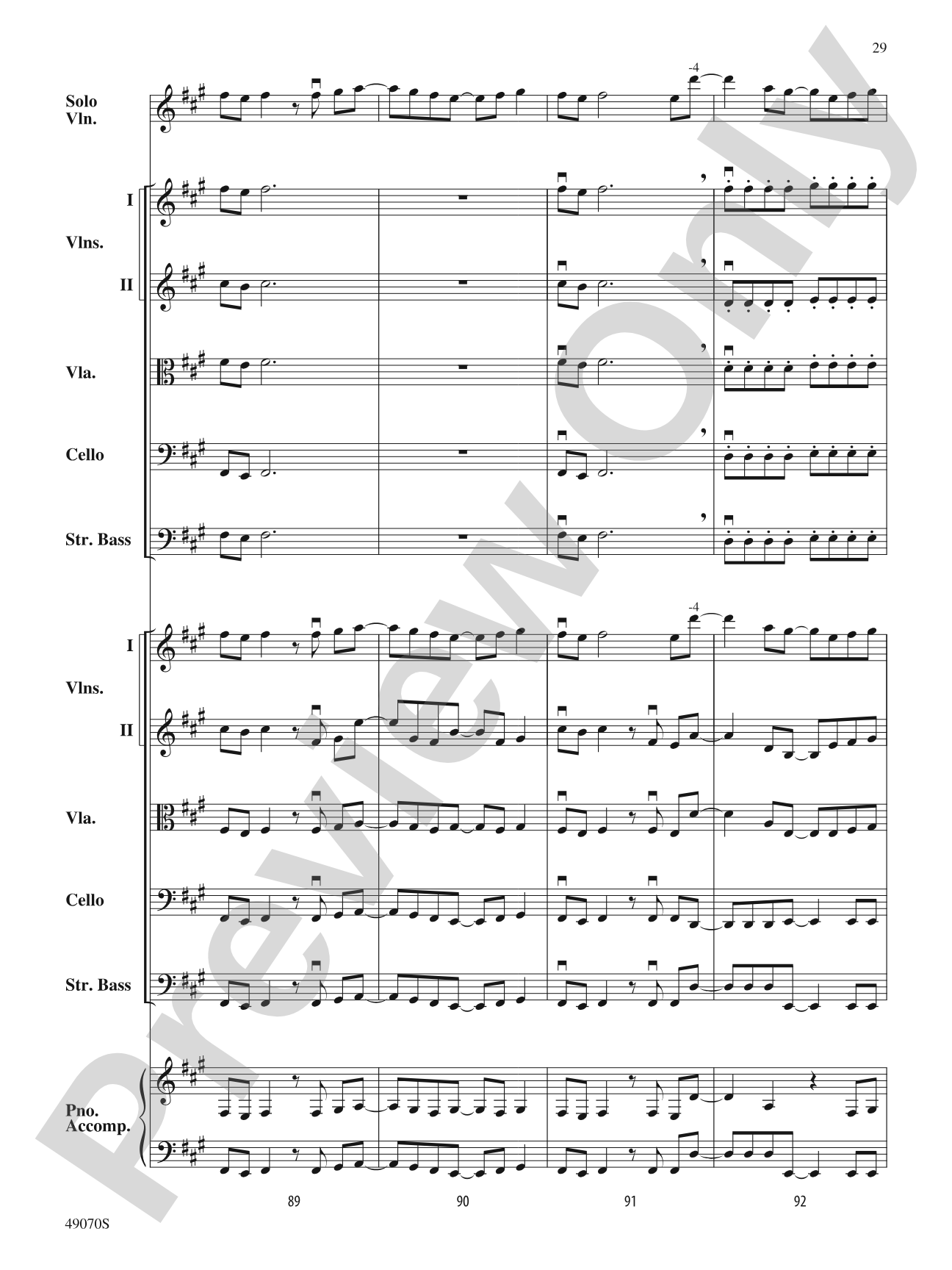
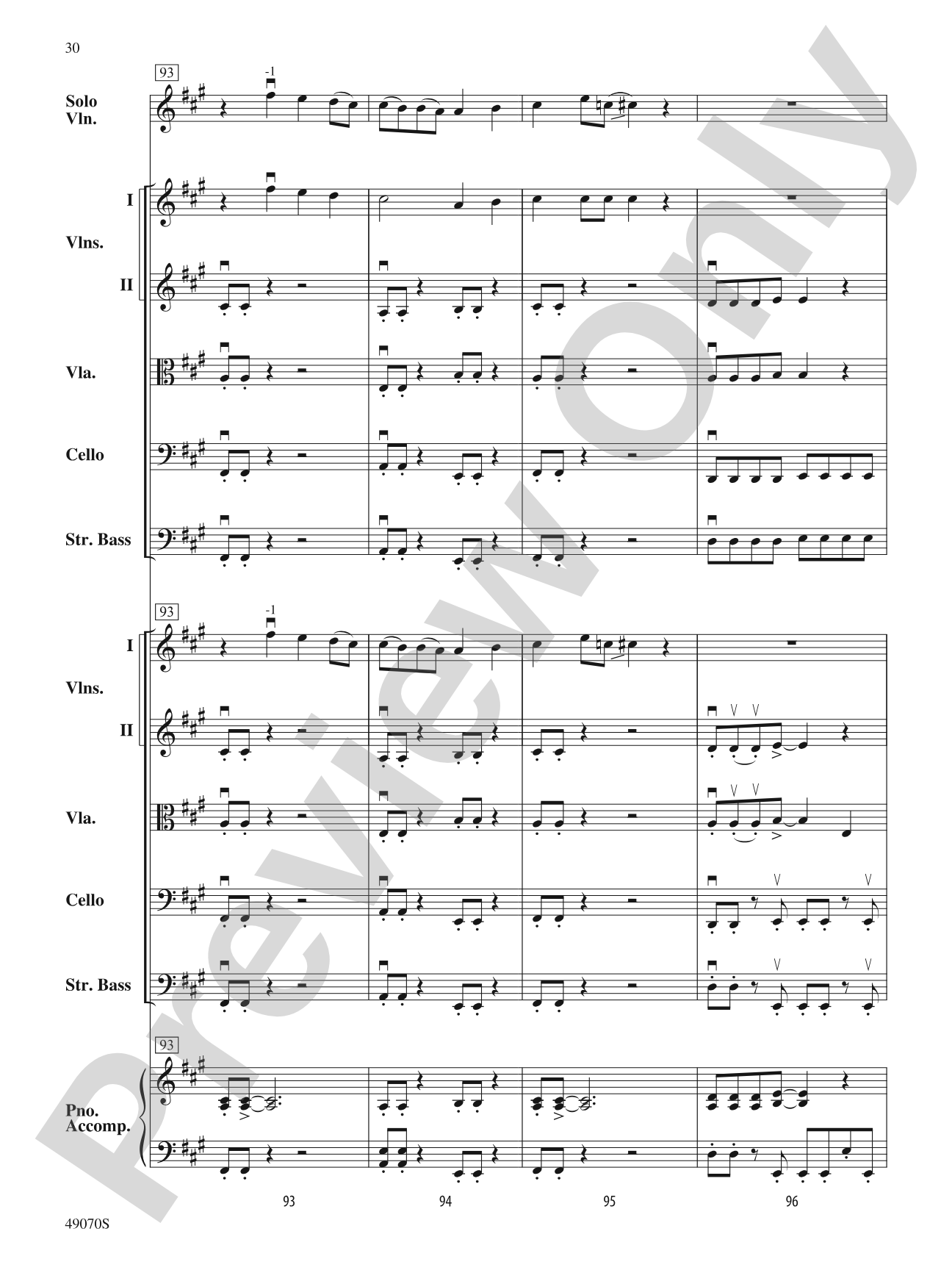
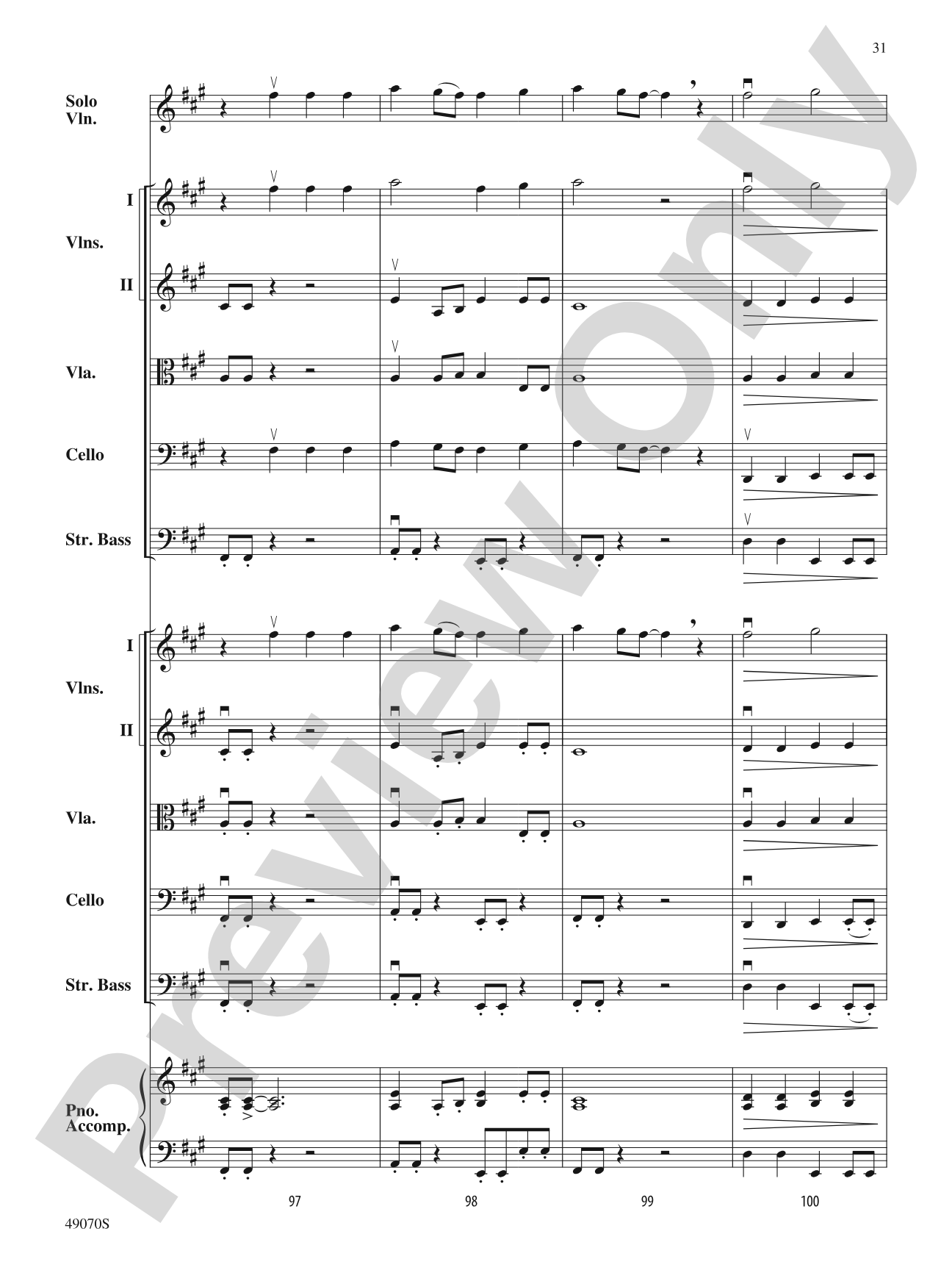
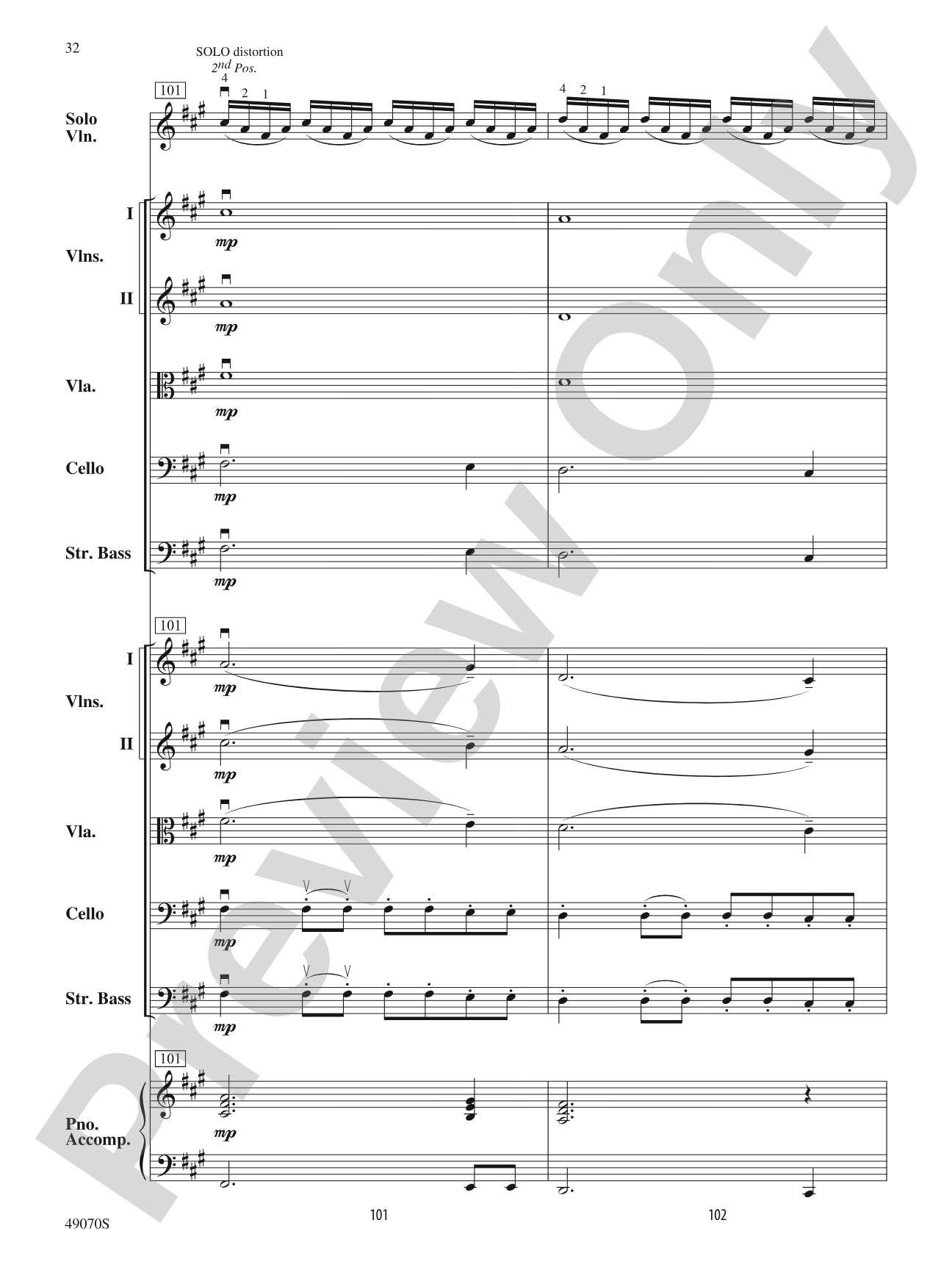
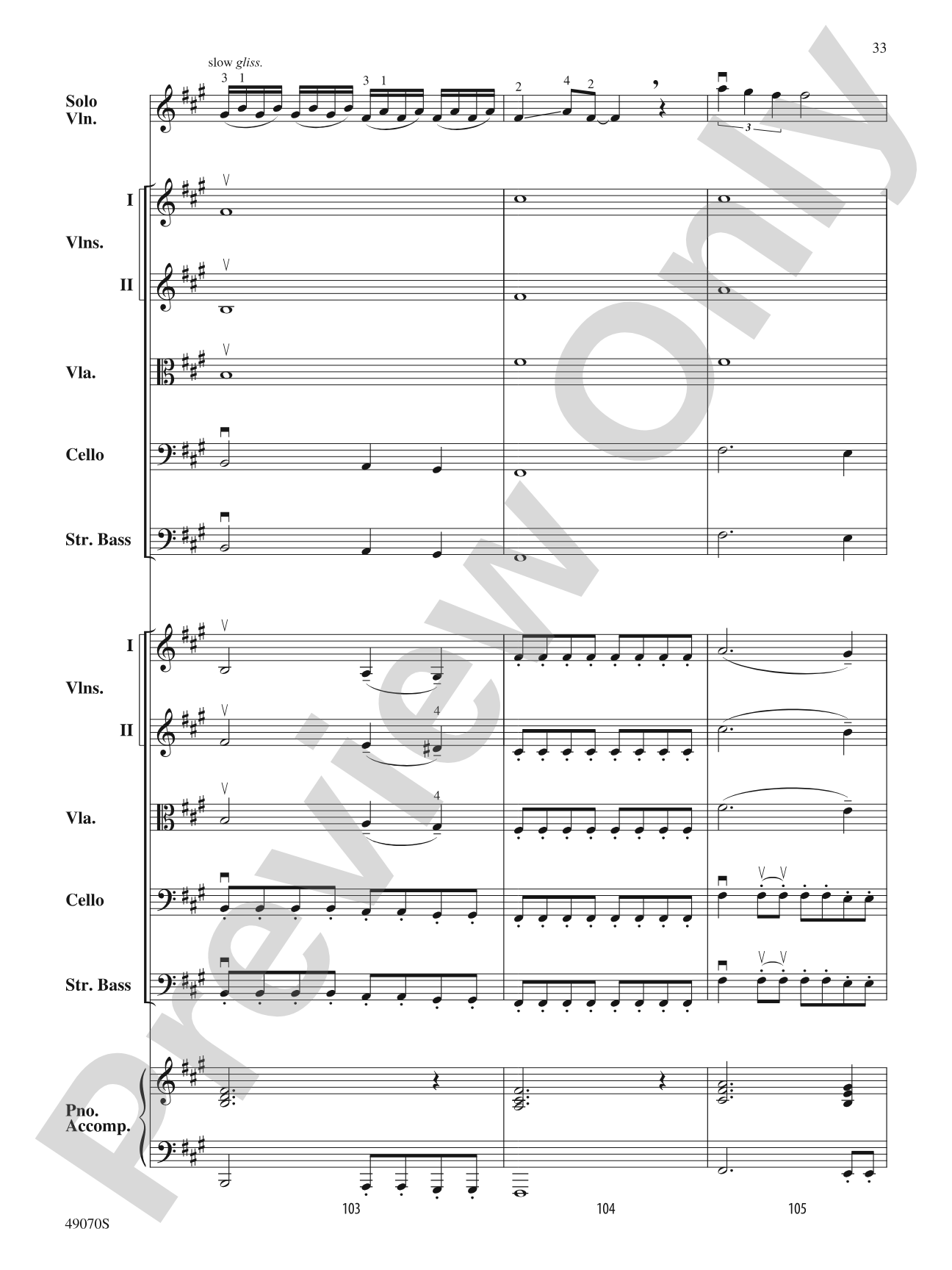
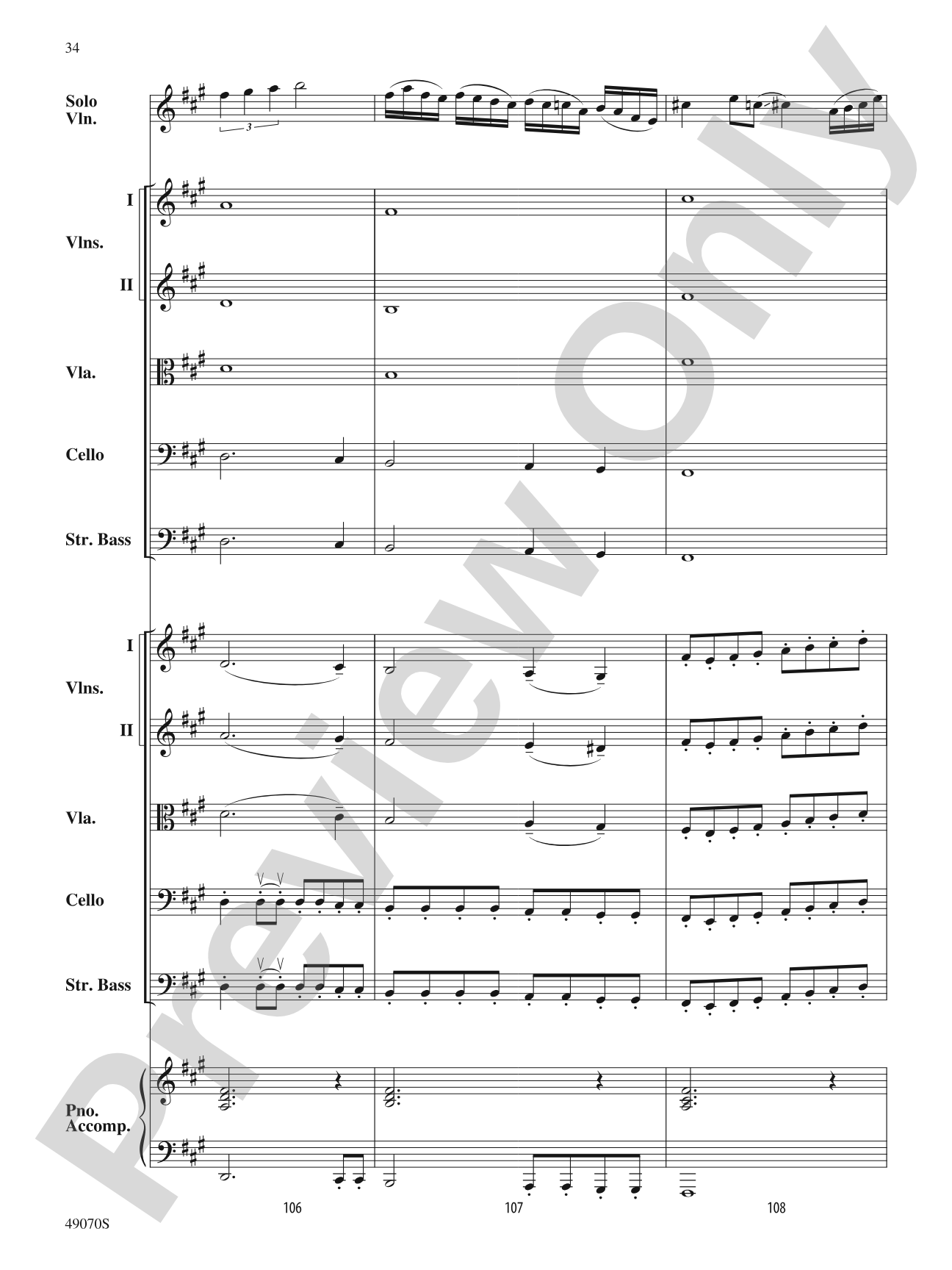
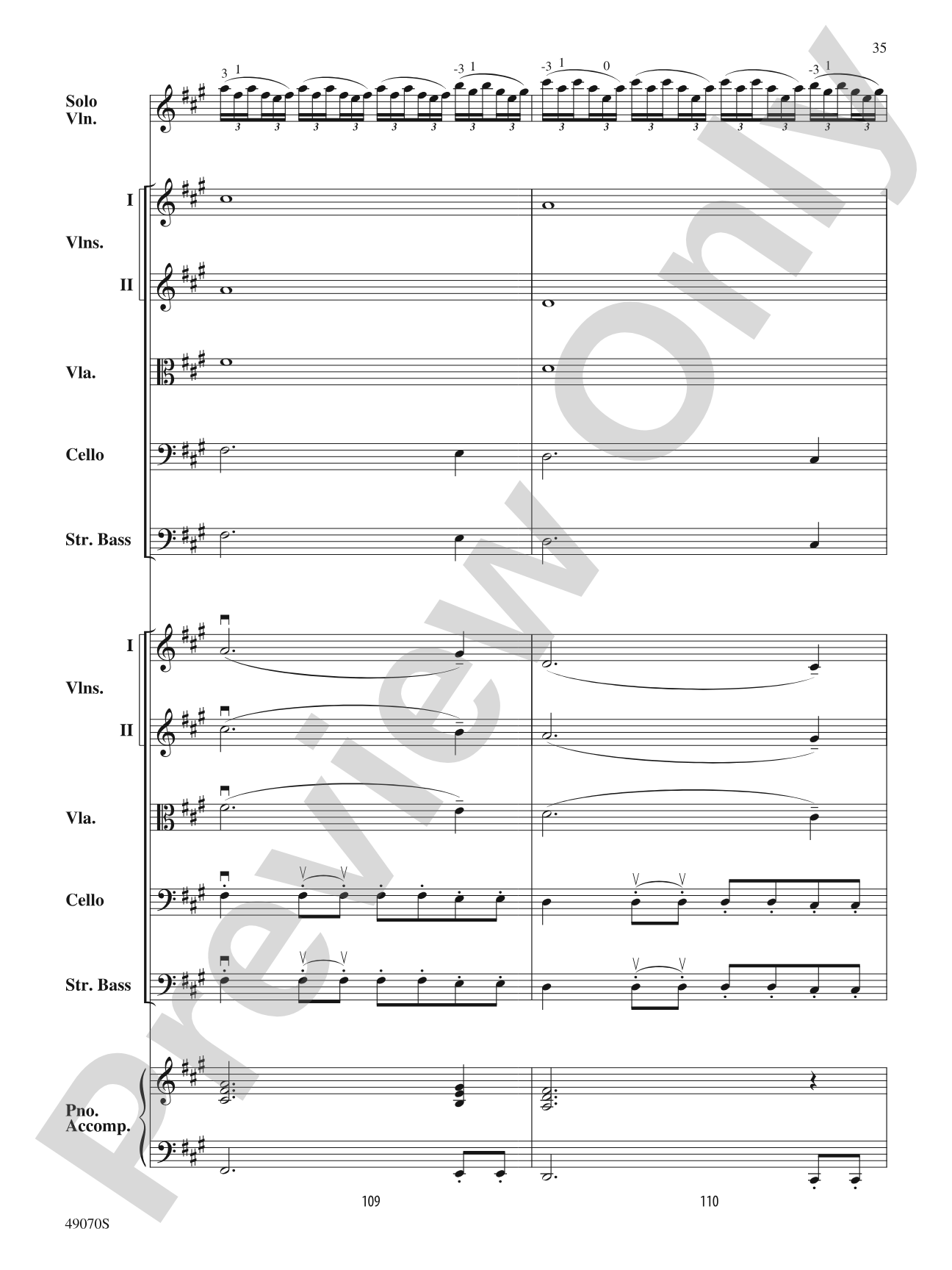
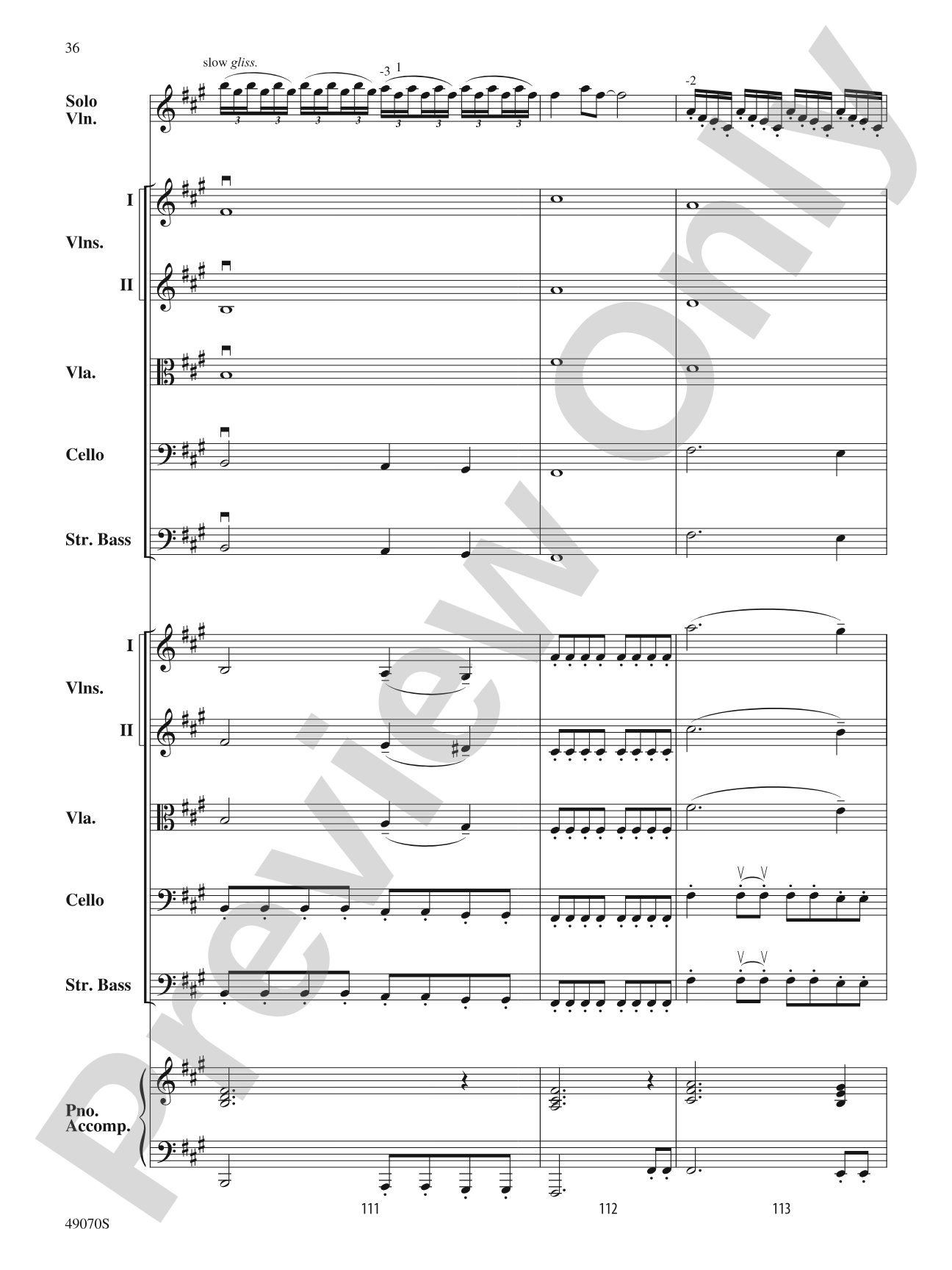
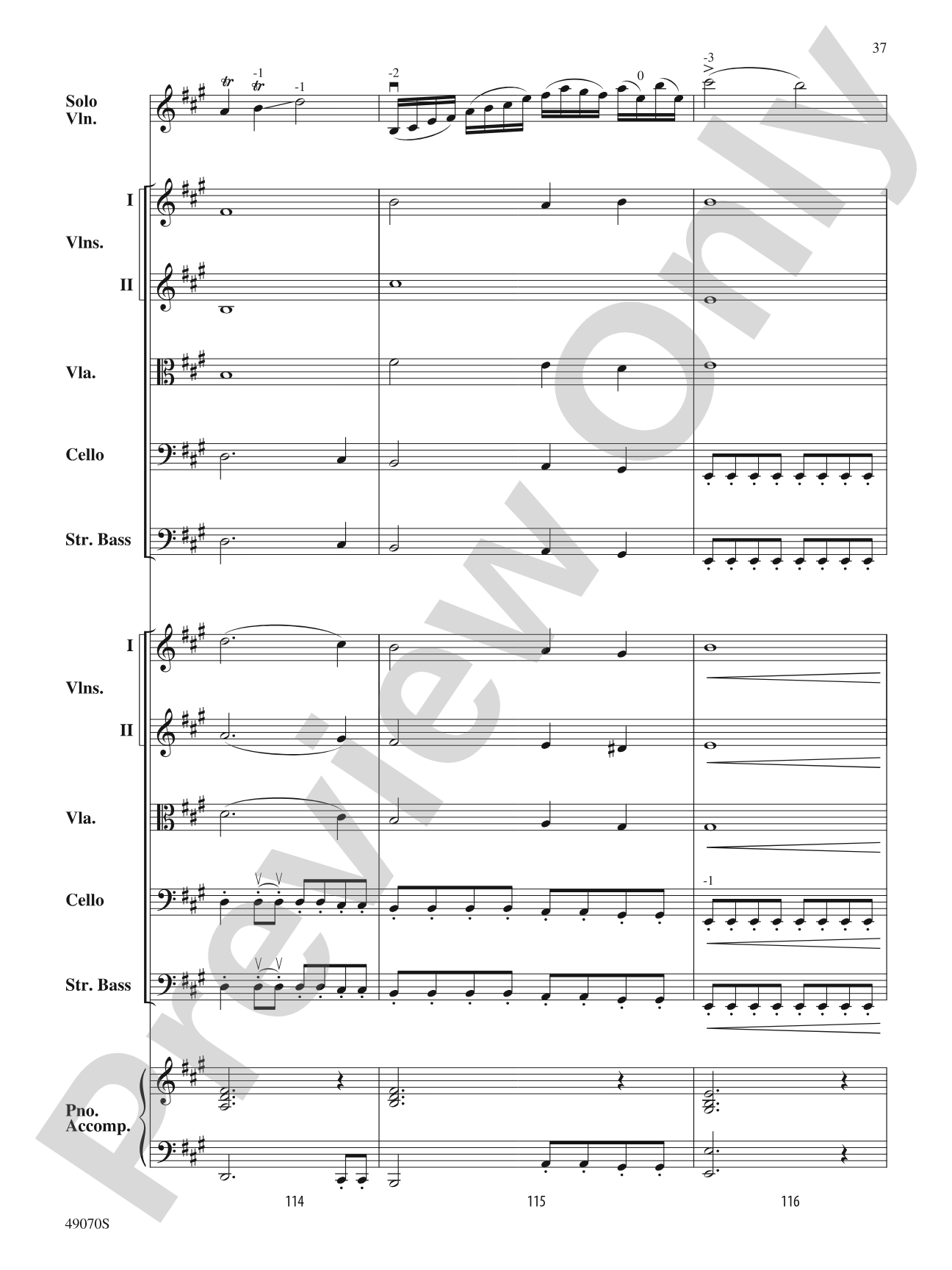
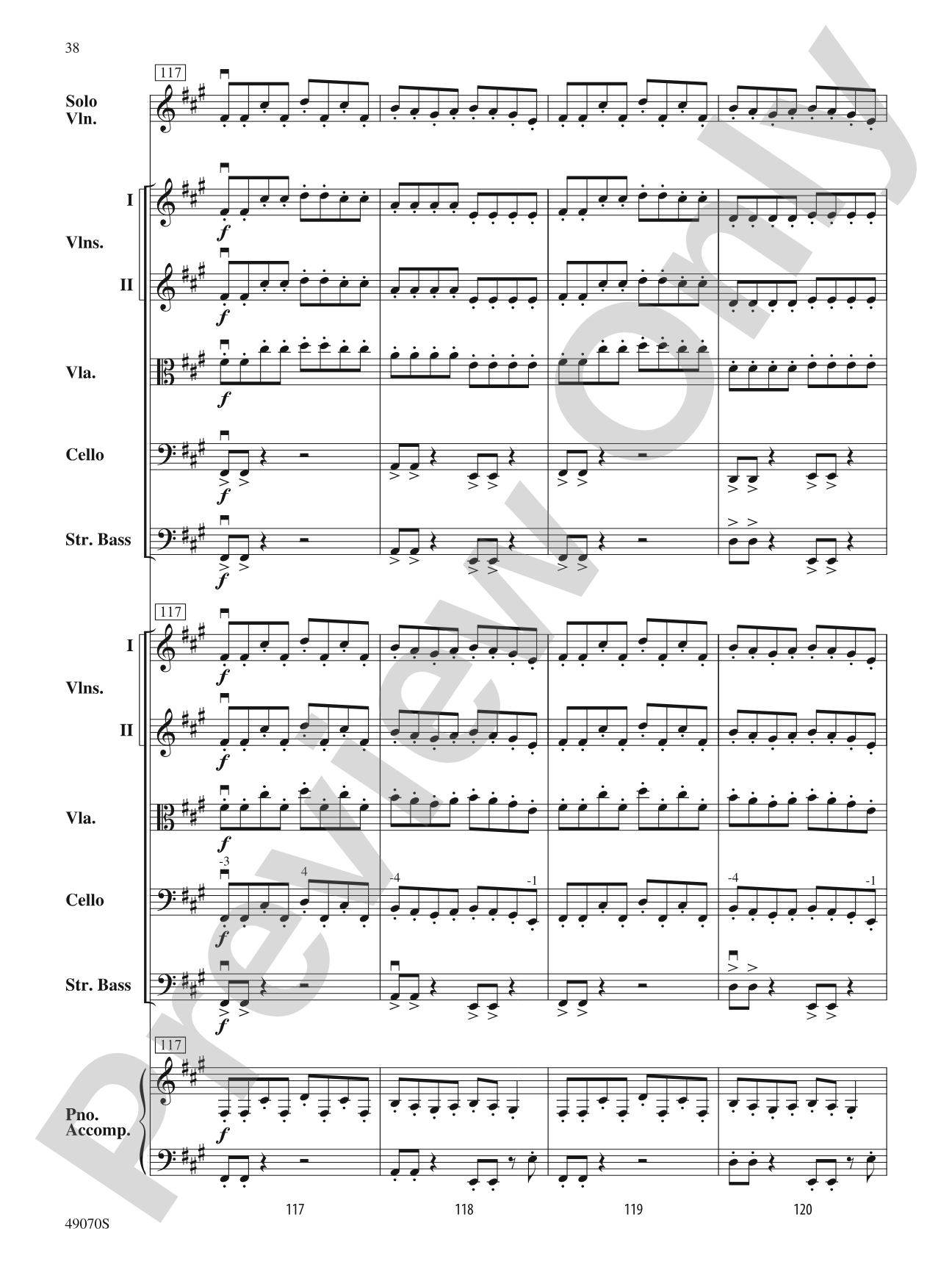
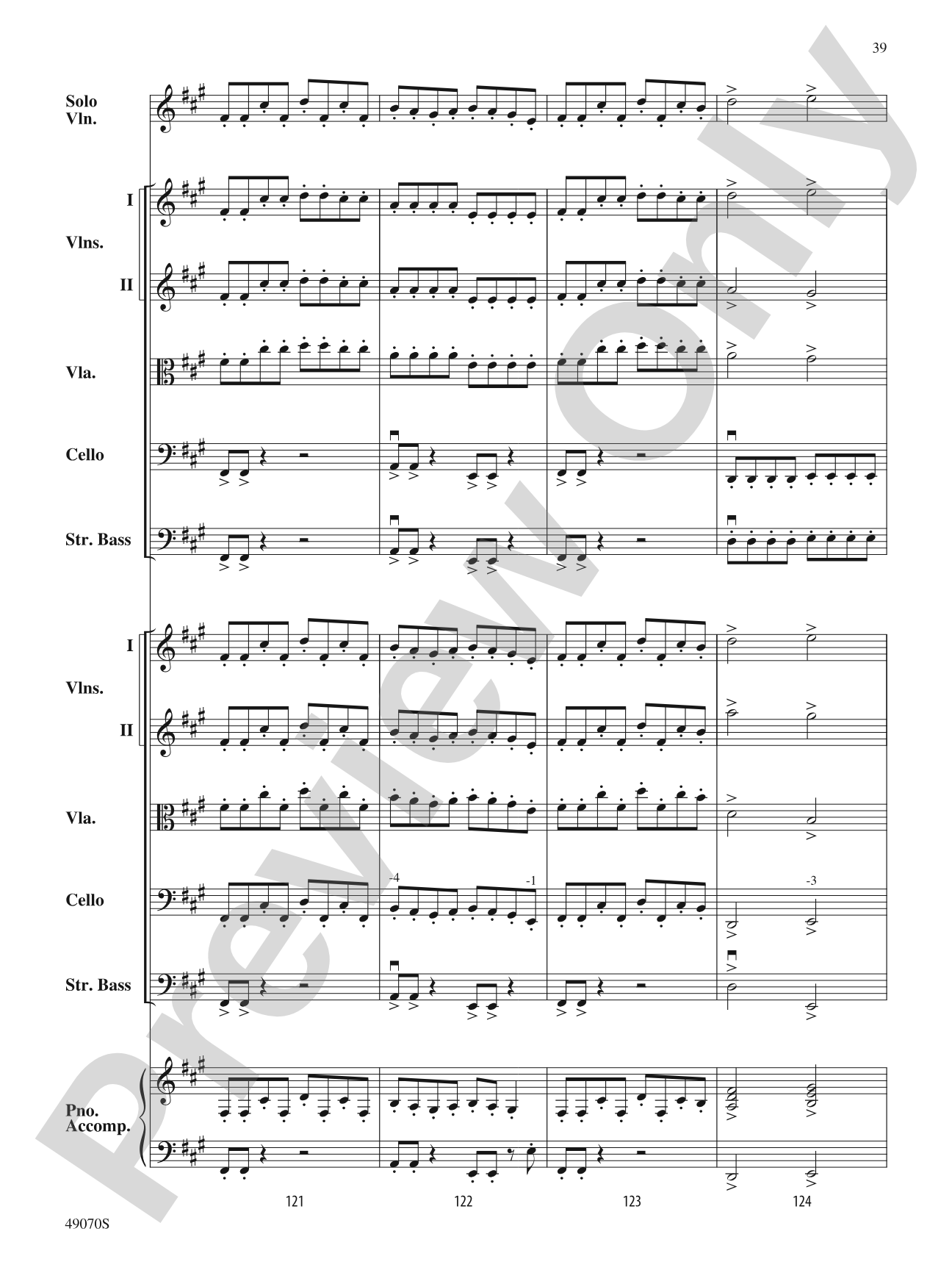
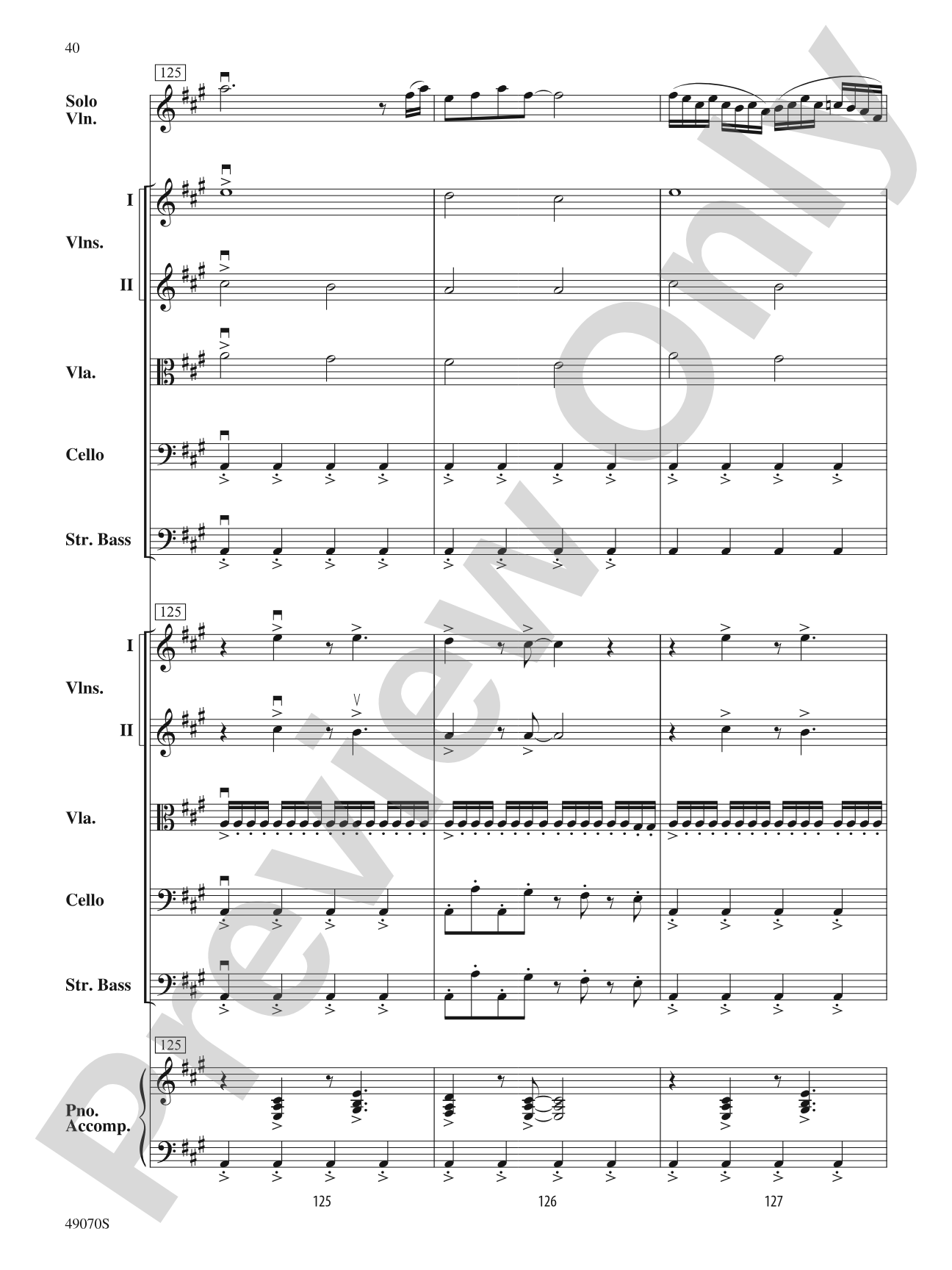
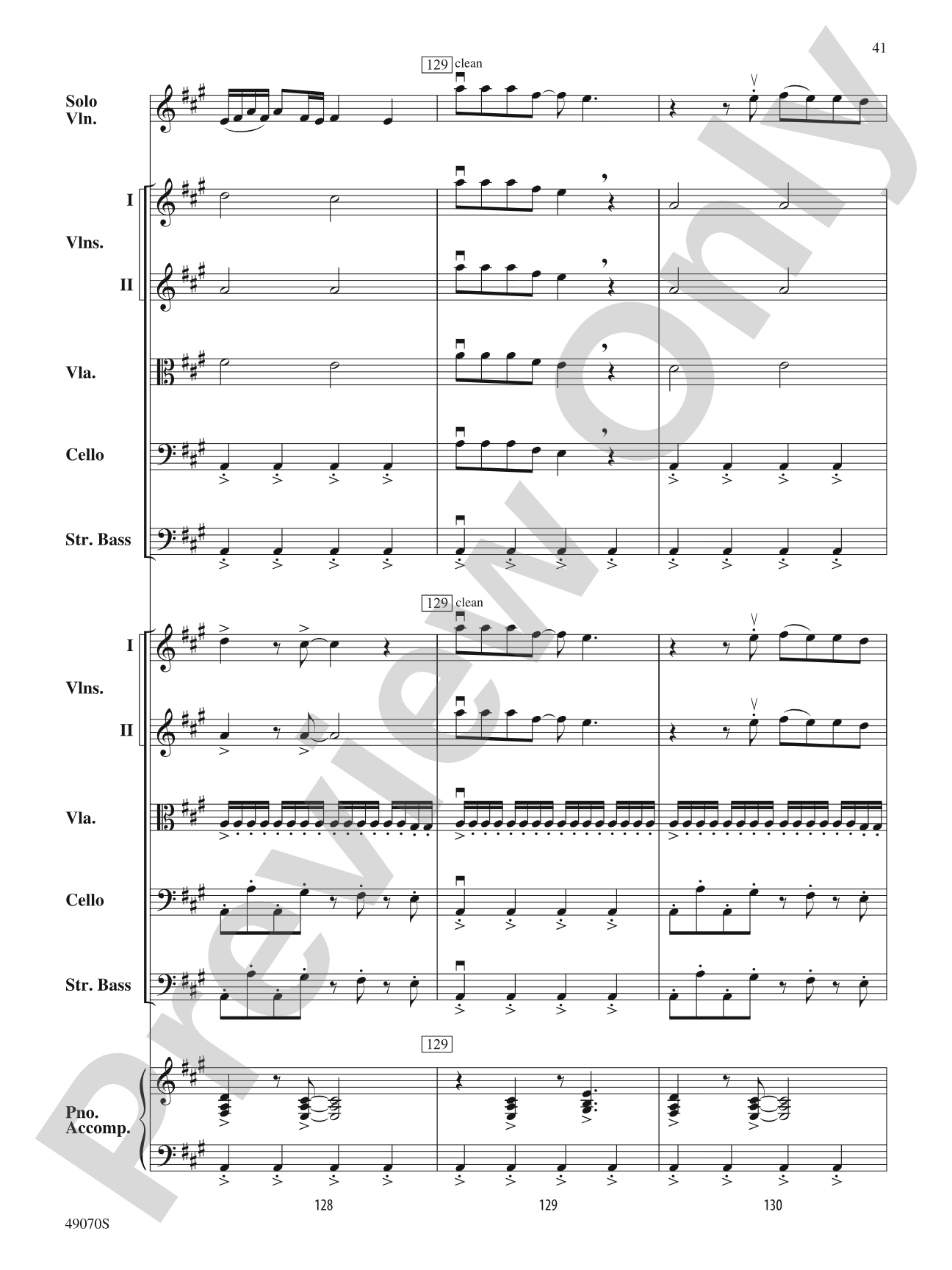
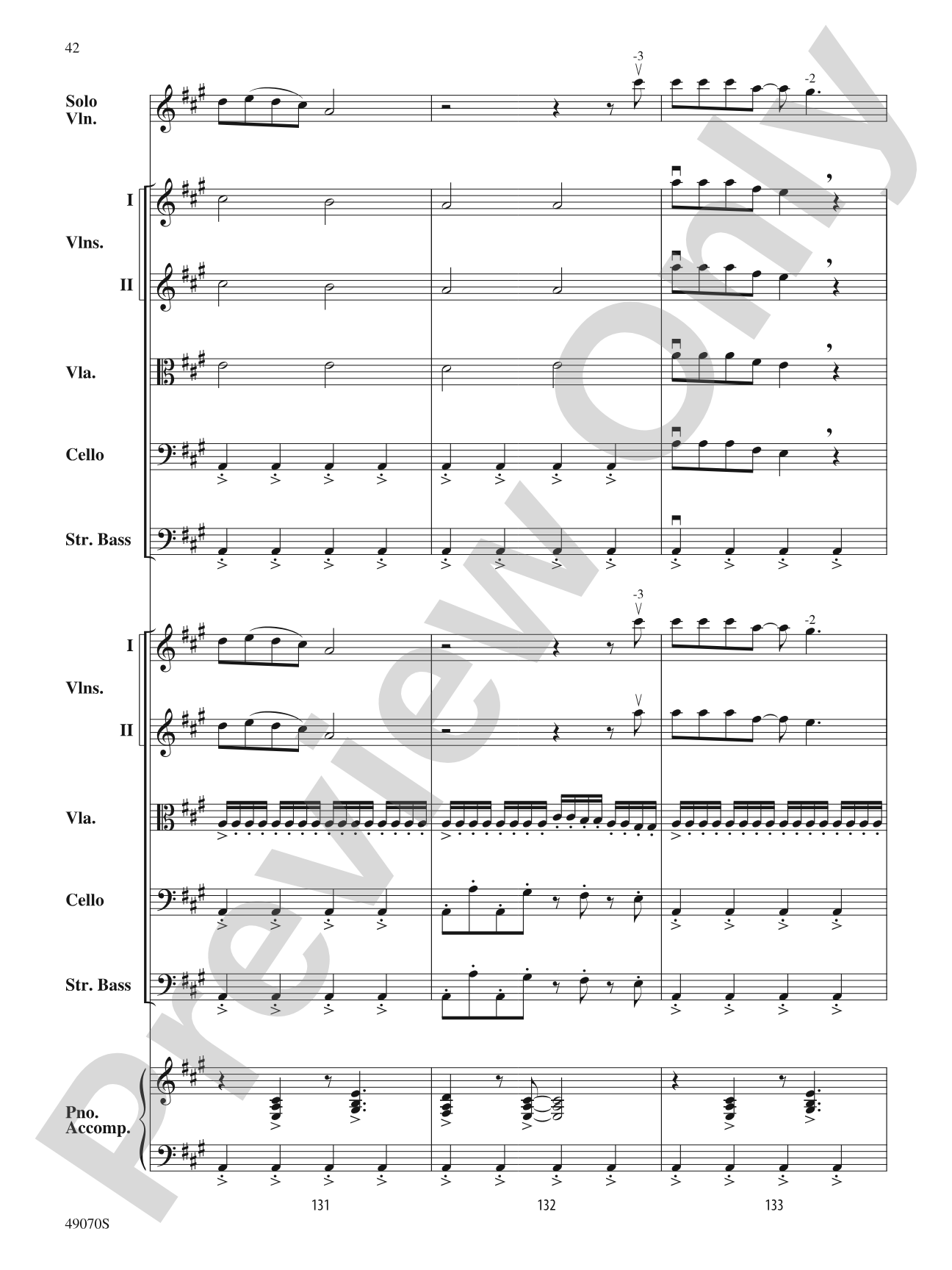
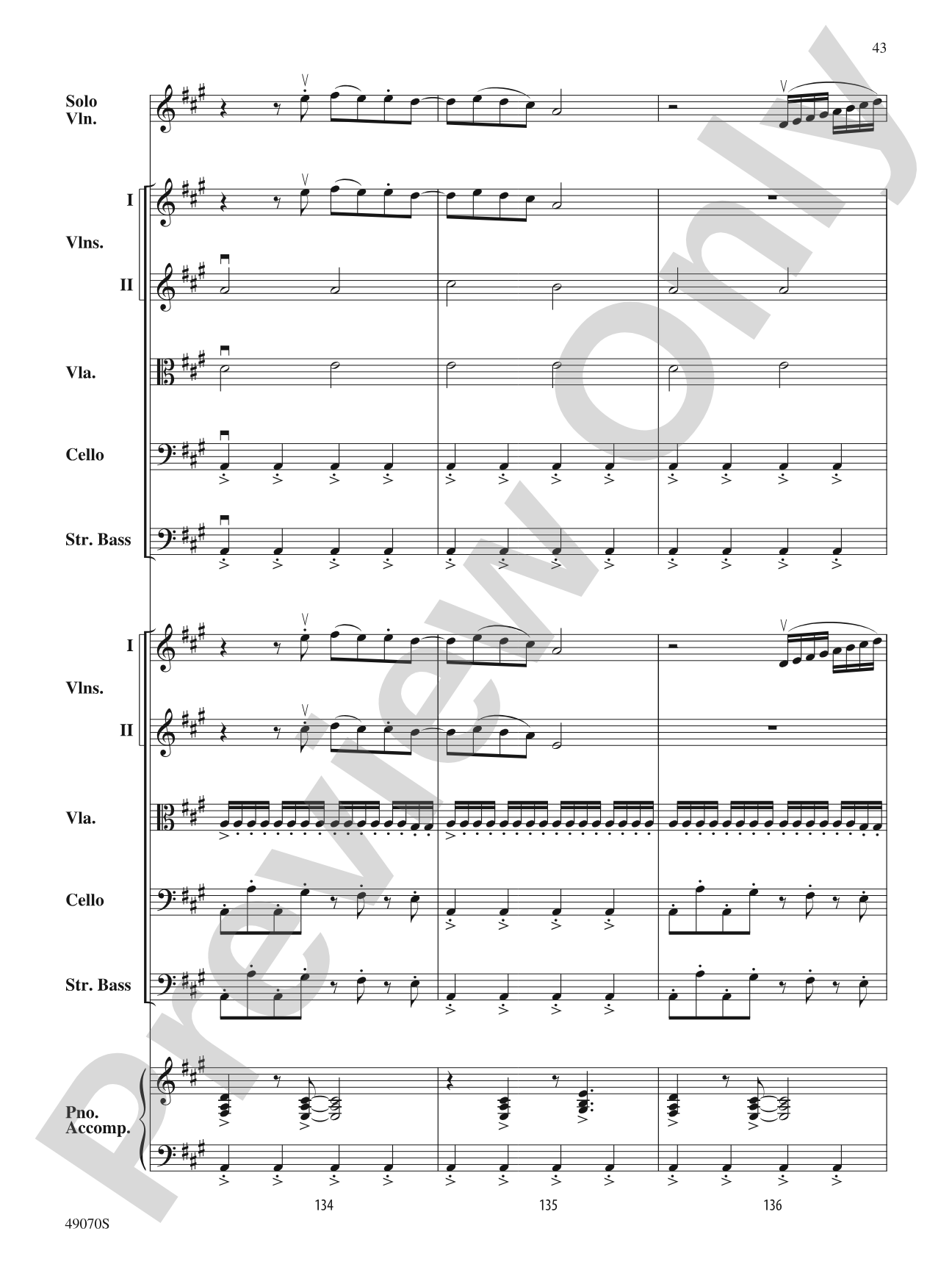
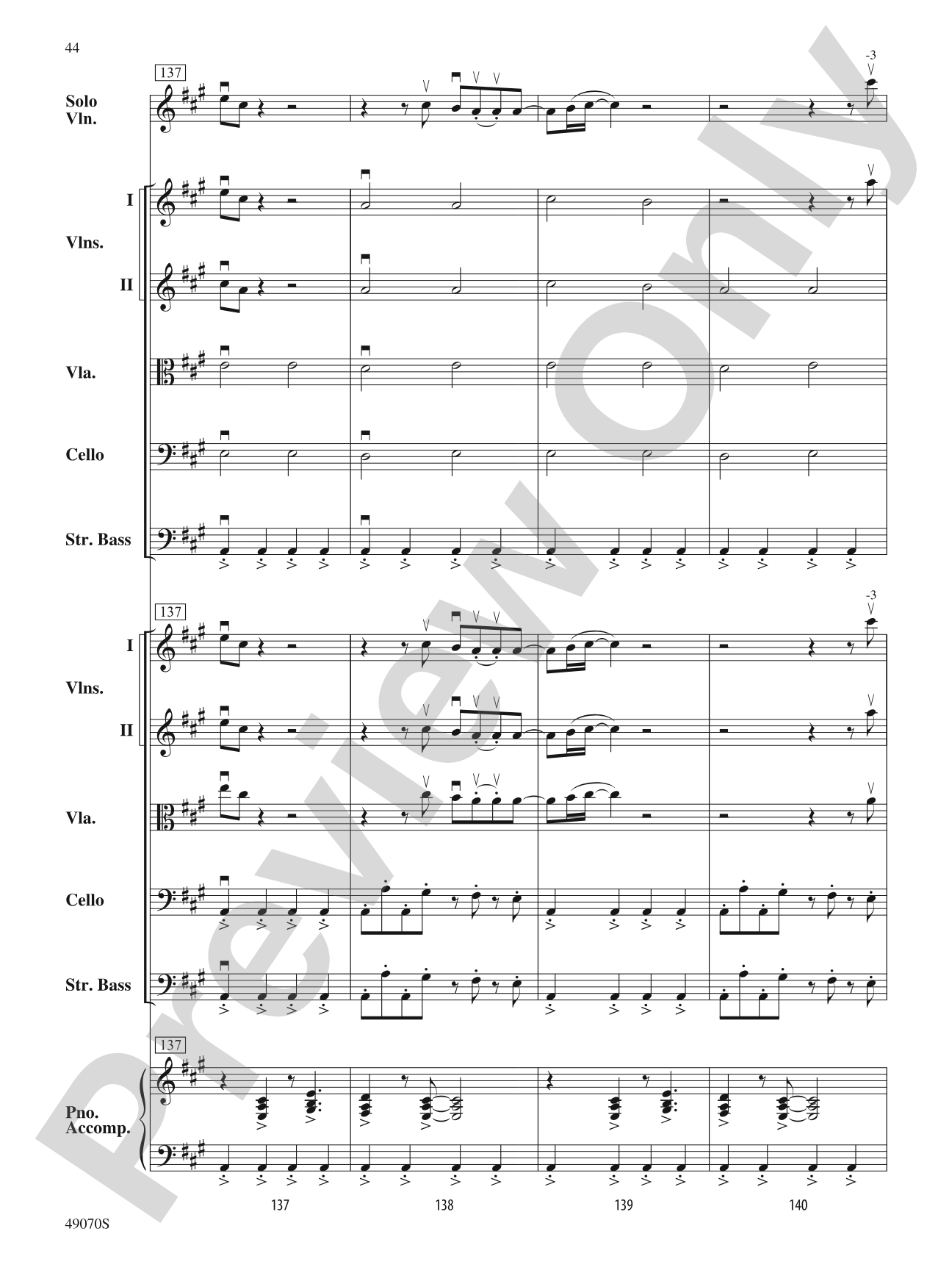
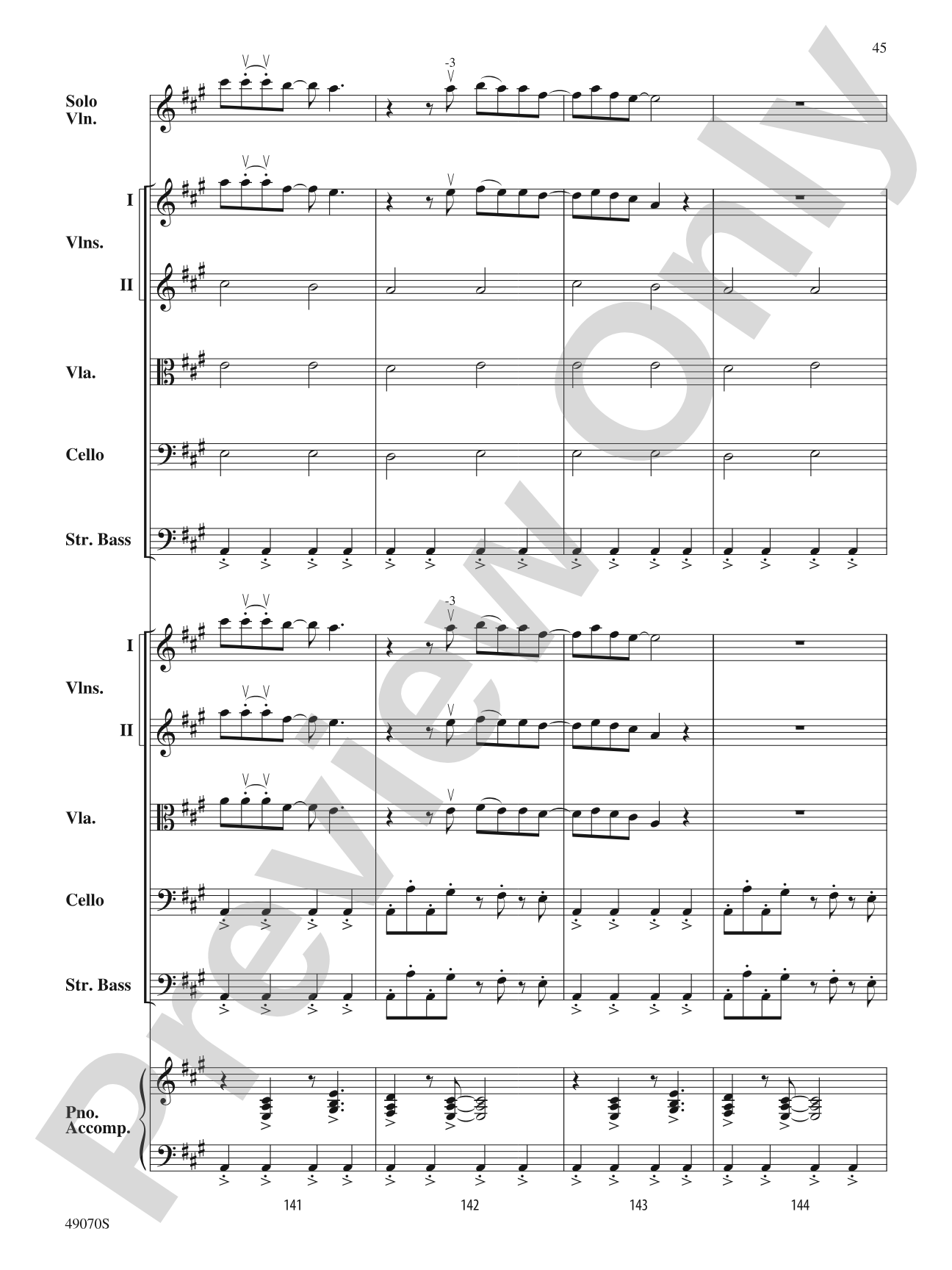
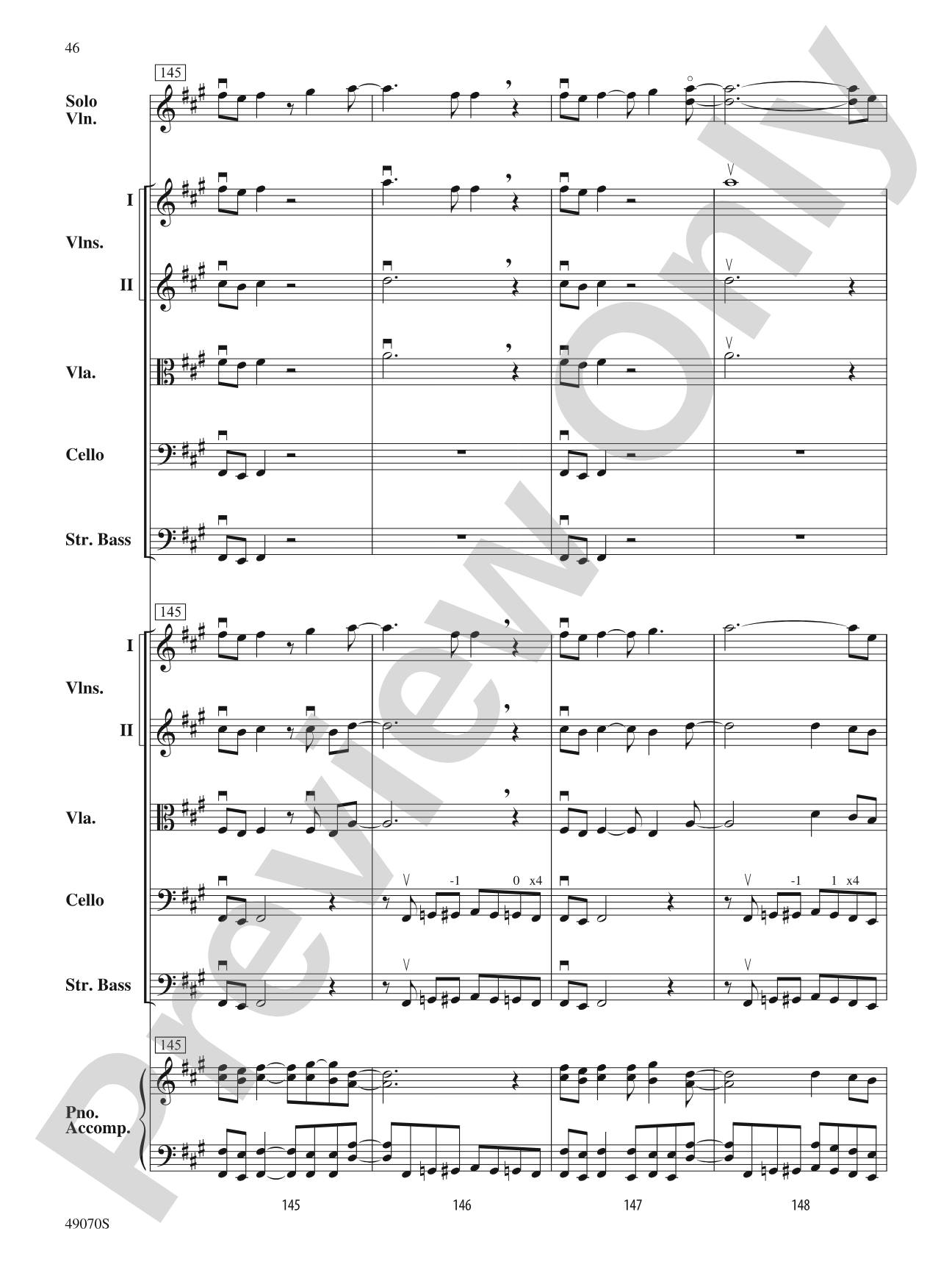
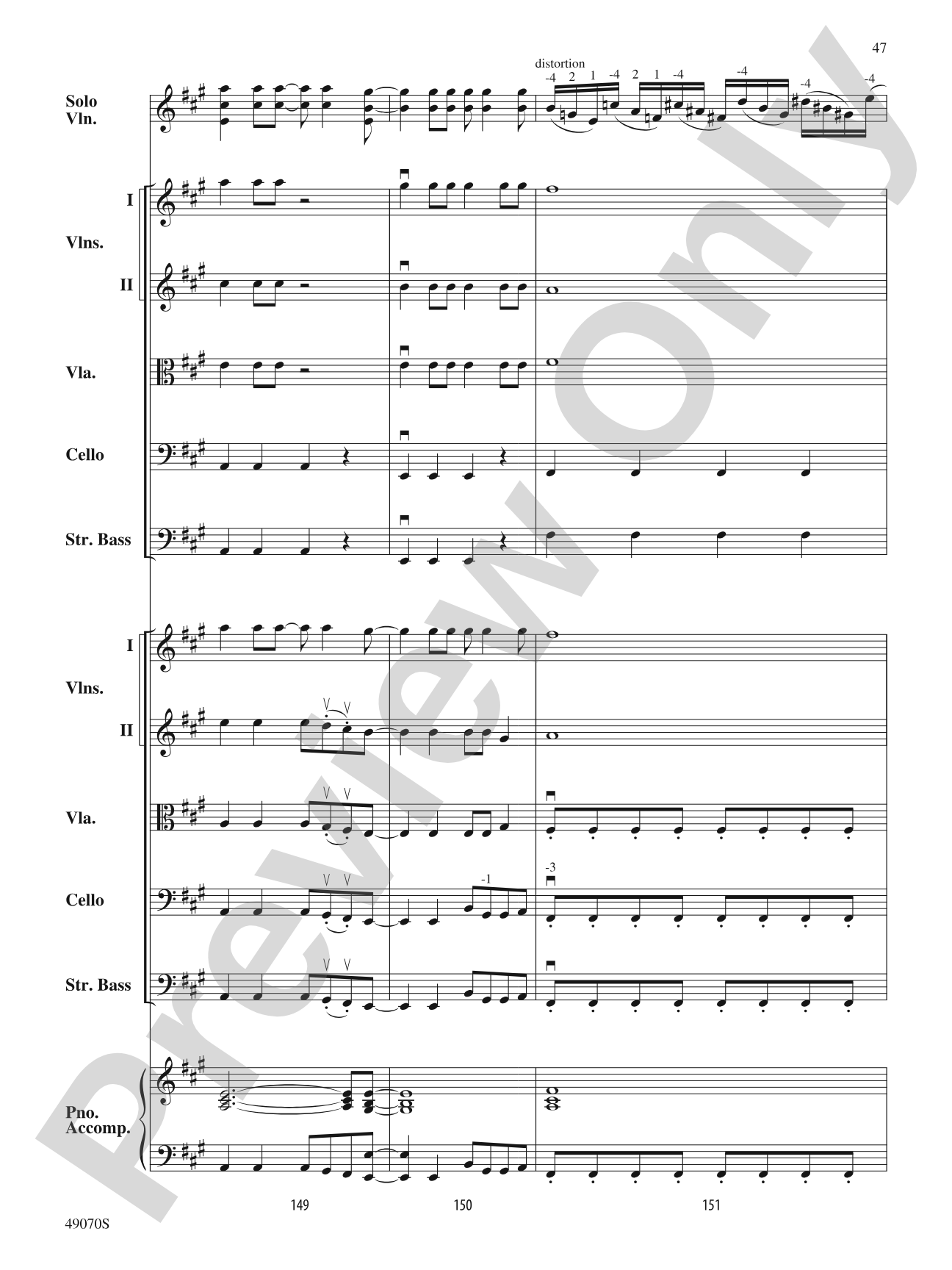
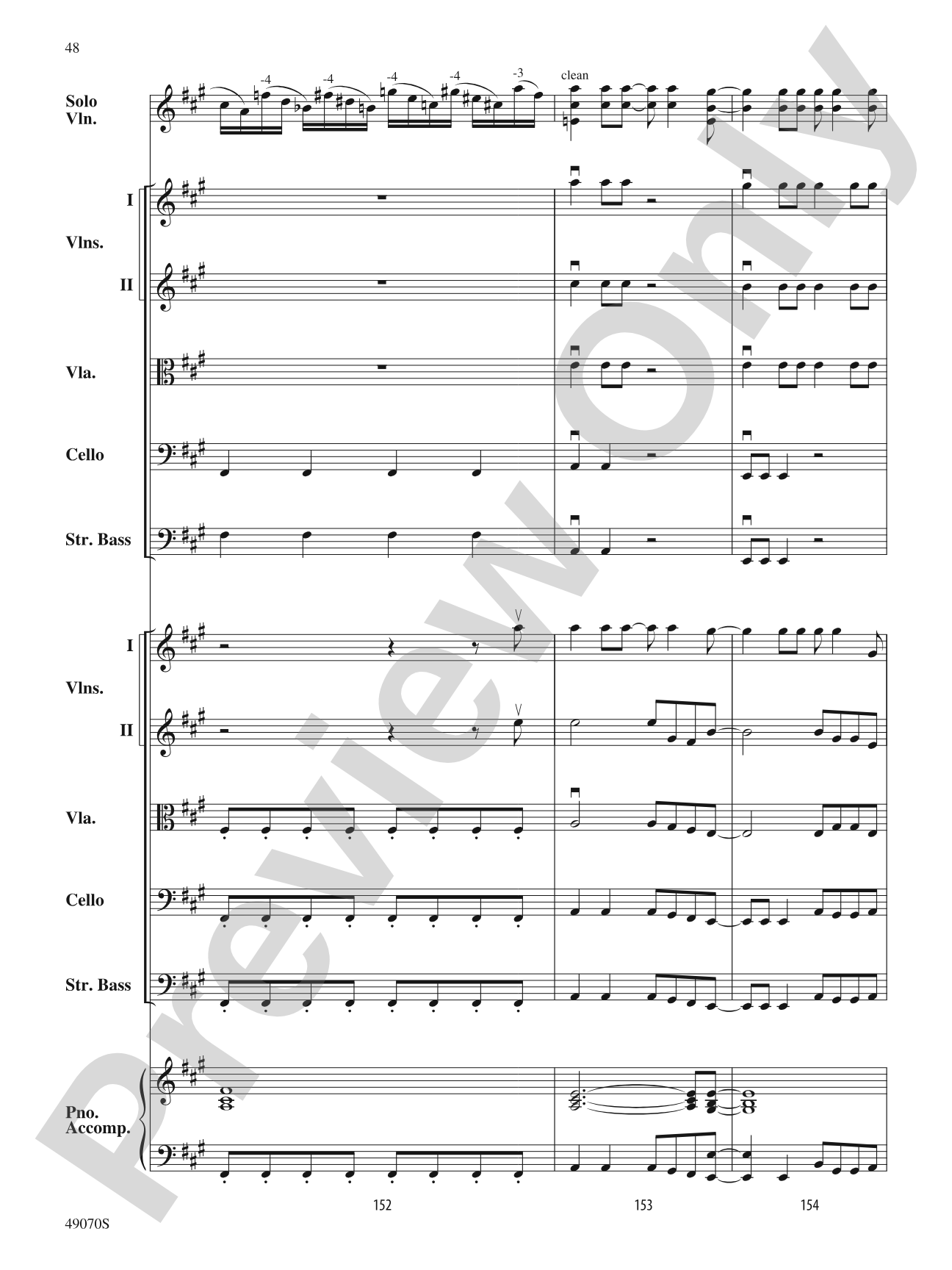
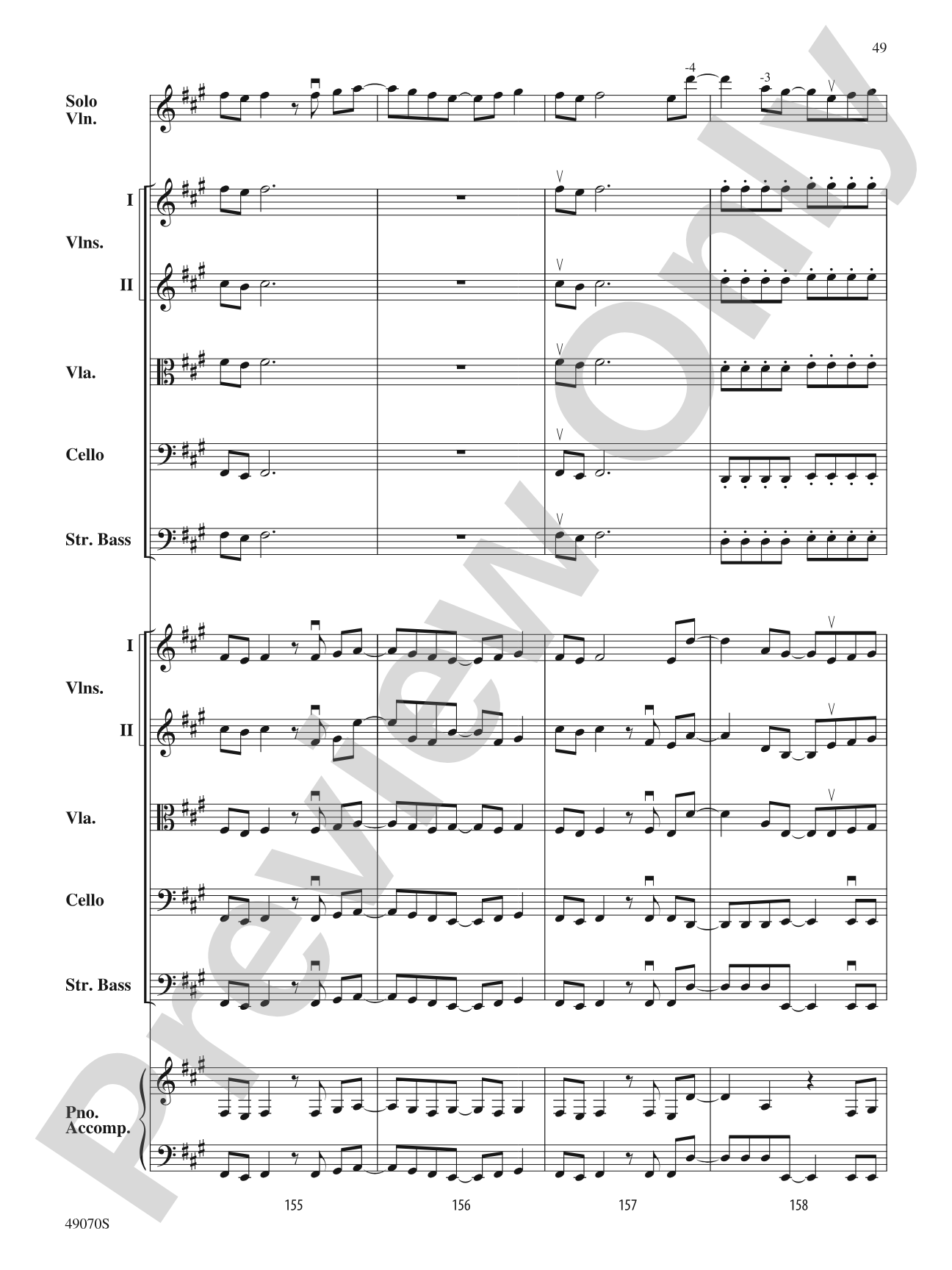
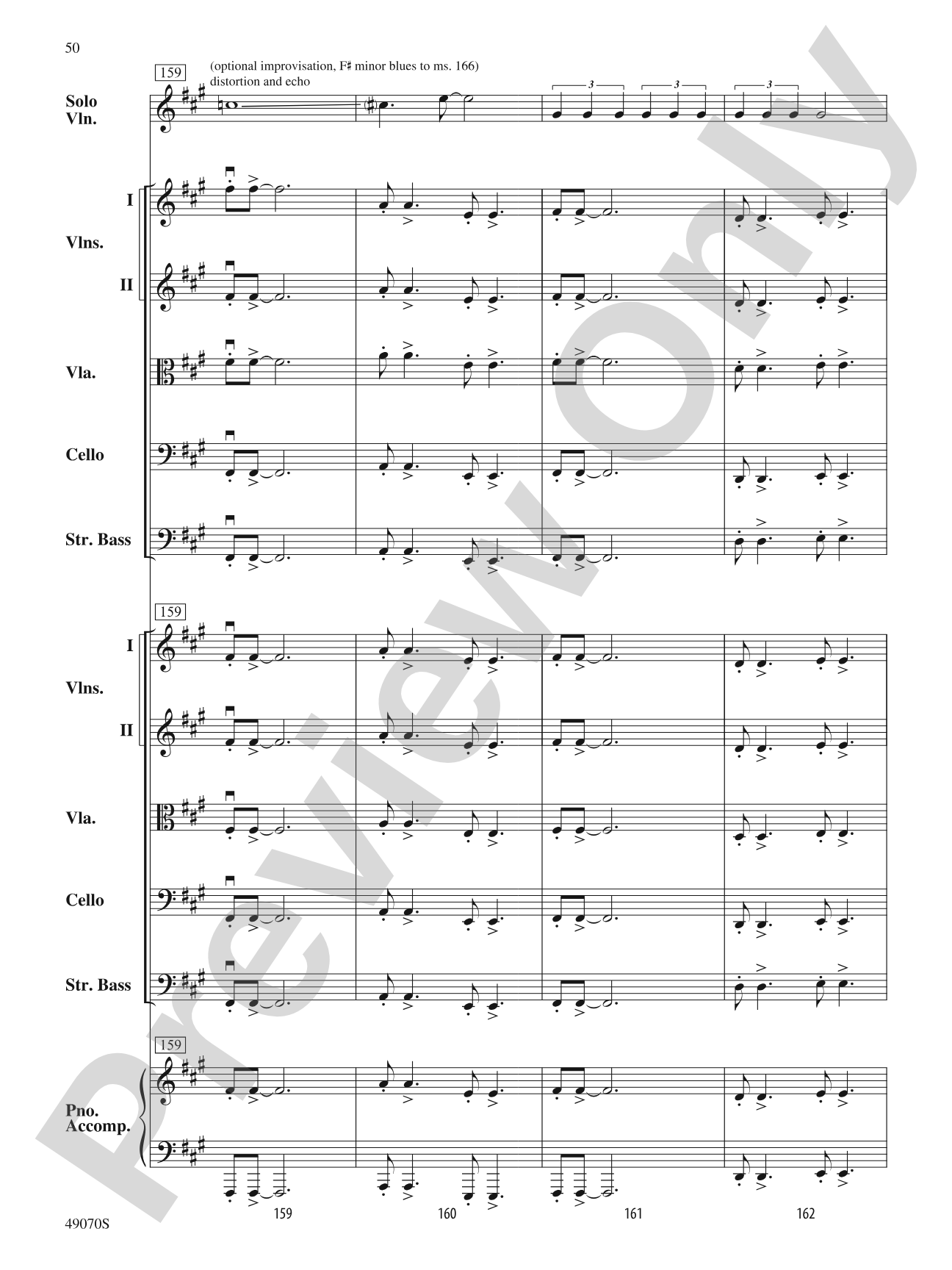

Crazy Train: Score
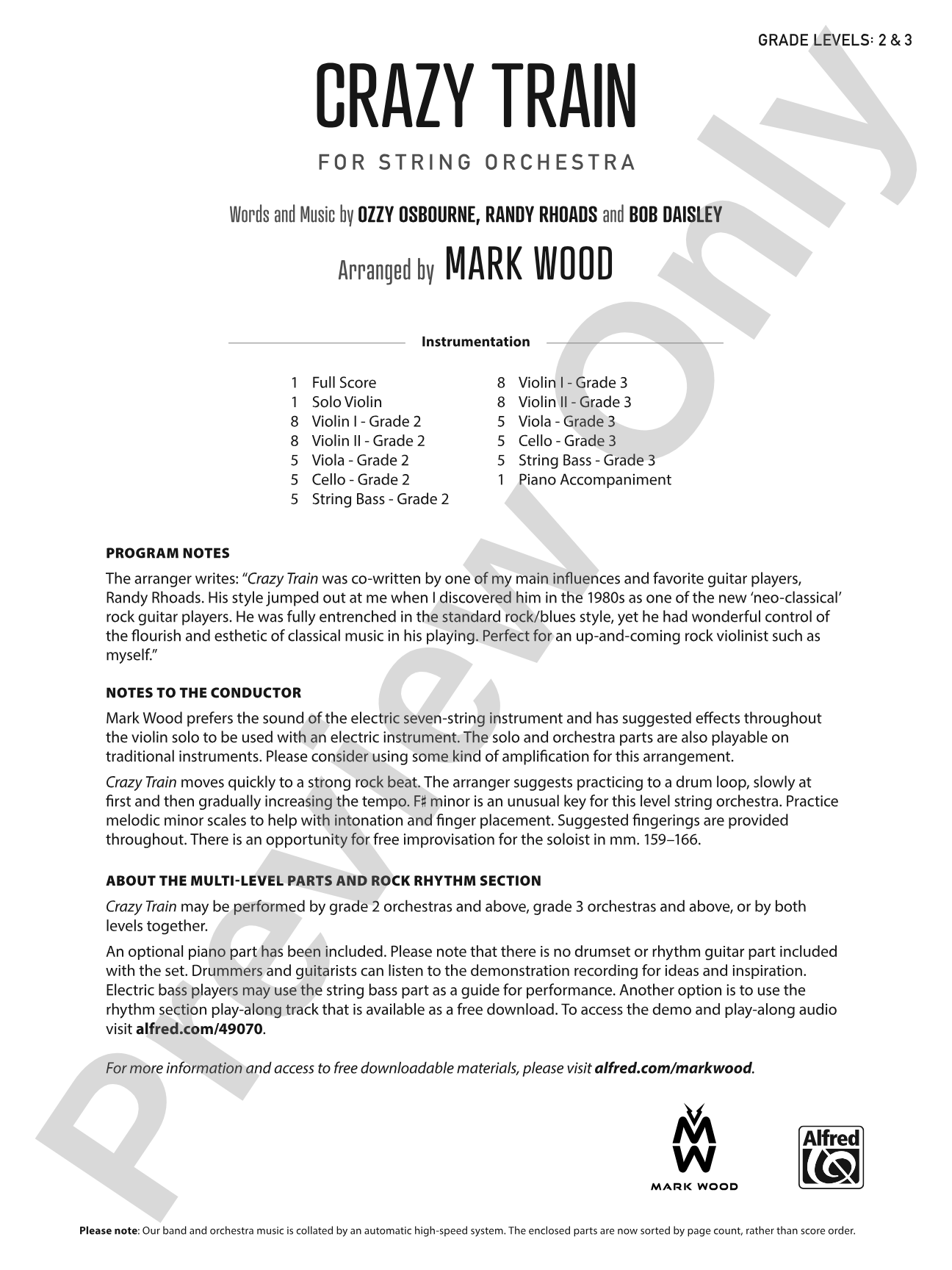
Words and music by Ozzy Osbourne, Randy Rhoads, and Bob Daisley / arr. Mark Wood
Grade: 2 & 3
Item: 00-PR-0007408
$10.00
Pickup currently not available
Description
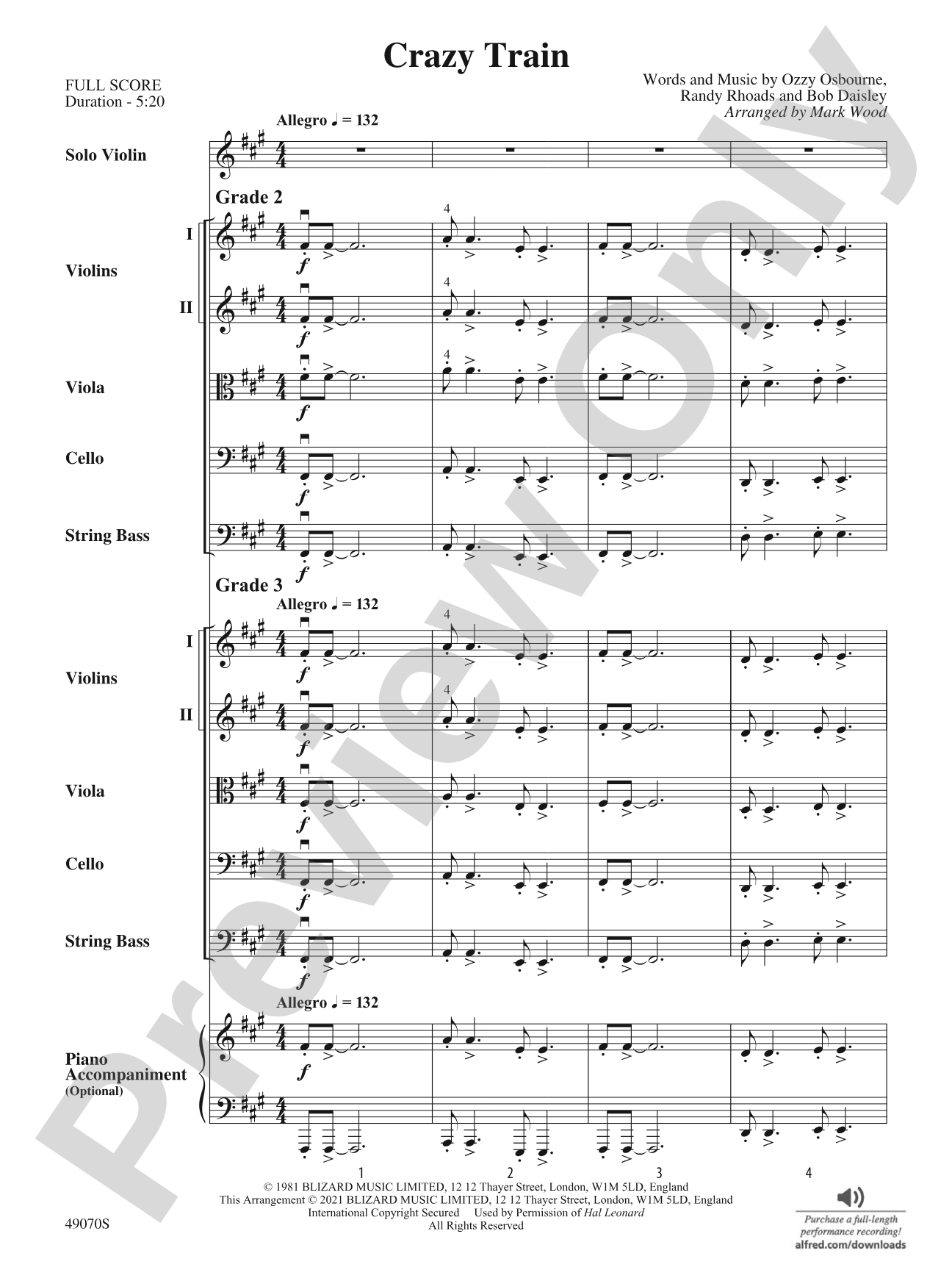
This multi-level piece includes a full set of parts for grade 2 as well as a full set for grade 3 ensembles. Mix and match the parts as you need---perfect for mixed-ability ensembles!
Crazy Train was co-written by one of Mark Wood's main influences and favorite guitar players, Randy Rhoads, a neo-classical rock guitar player. When Wood discovered him, Rhoads was fully entrenched in the standard rock/blues style, yet had wonderful control of the flourish and esthetic of classical music in his playing. The influence was perfect for Mark Wood, who was an up-and-coming rock violinist at the time. For string orchestra with optional rock rhythm section parts. (5:30)
Download Play-Along Track


Crazy Train was co-written by one of Mark Wood's main influences and favorite guitar players, Randy Rhoads, a neo-classical rock guitar player. When Wood discovered him, Rhoads was fully entrenched in the standard rock/blues style, yet had wonderful control of the flourish and esthetic of classical music in his playing. The influence was perfect for Mark Wood, who was an up-and-coming rock violinist at the time. For string orchestra with optional rock rhythm section parts. (5:30)
Download Play-Along Track
Crazy Train: Score isn't in MakeMusic Cloud just yet...but it could be. Let us know you'd like to see it, and you'll help shape what comes next. In the meantime, start a free trial and dive into thousands of interactive titles your students can play along with today.
Request This Title
Tell us you want it.
Start Your Free Trial
Explore everything that's ready to play right now.
Sample Audio
1
Crazy Train
--:--
Crazy Train
0:00
0:00
Sample Video
Additional Details
Series:
Mark Wood Series
Publisher:
Alfred Music
SKU:
00-PR-0007408
More about this title
About the Composer: Ozzy Osbourne
Ozzy Osbourne emerged as the lead vocalist of Black Sabbath in the 1970s, helping define heavy metal as a genre while bringing theatrical intensity and memorable melodies to hard rock. His solo career expanded that legacy across decades, collaborating with virtuoso musicians and producers who pushed the boundaries of rock music and its arrangement possibilities.
Why we love this
Mark Wood's arrangement captures the propulsive energy and iconic riff of this rock classic while making it genuinely playable for developing orchestras. The dual-level design (grades 2 and 3) means you can cast students strategically across the parts or run the piece with mixed-ability sections without diluting the impact. It's a rare opportunity to build student excitement through a piece they actually know and want to play.
What to expect
Propulsive and driving, built on a hypnotic riff that pulls the listener forward. The piece channels the theatrical rock energy of its origins while the string orchestration adds richness and momentum, creating something that feels both familiar and freshly arranged.
Who it's for
String orchestras at the intermediate level, especially ensembles with mixed technical abilities. The flexible part assignments let you program strategically without requiring two separate rehearsals or versions. Teachers seeking high-engagement repertoire that bridges classical technique and contemporary style will find this arrangement particularly valuable.
How to get the most out of it
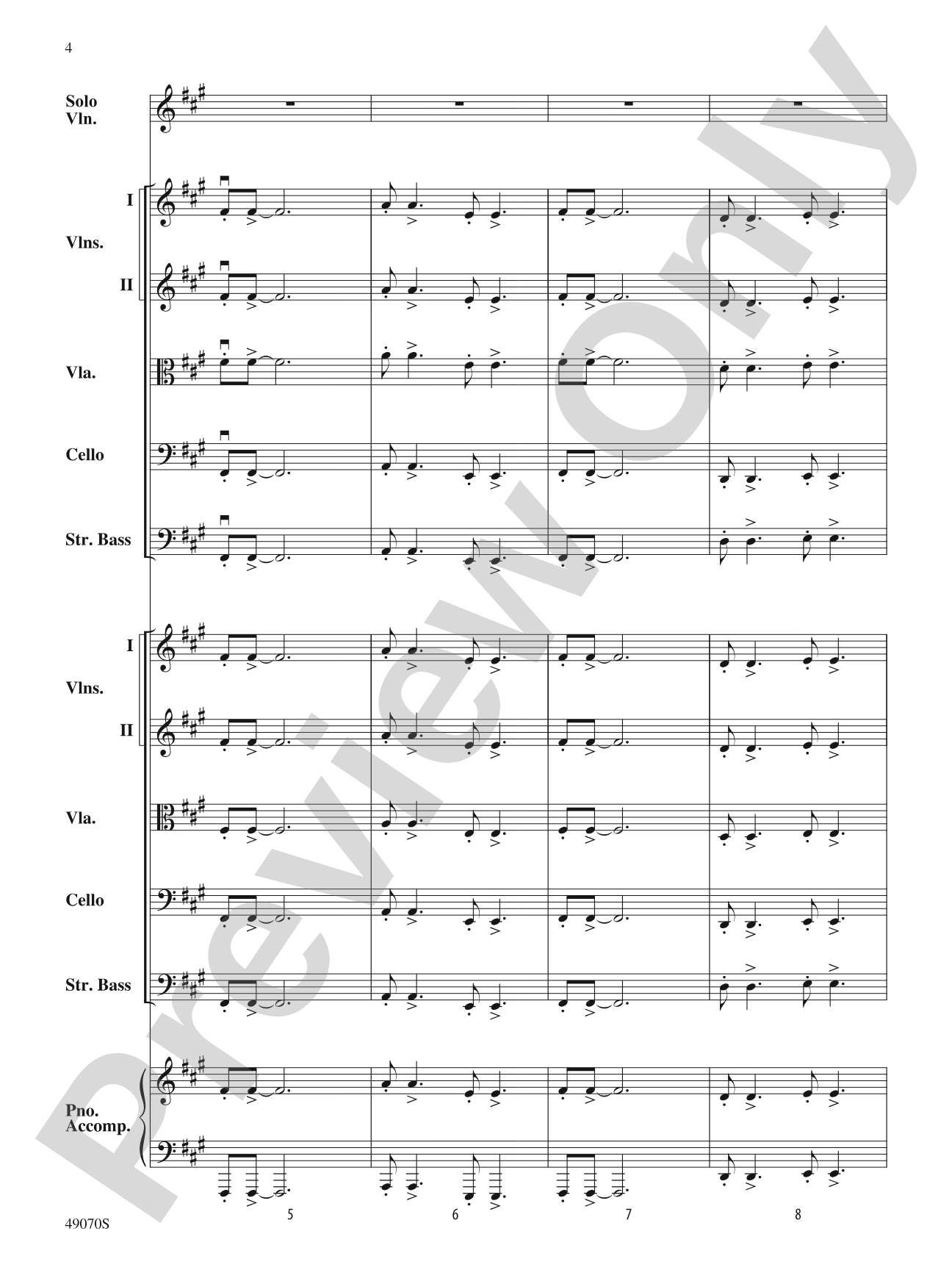
- Establish the iconic opening riff with clarity and rhythmic precision in the violin section; that hook is instantly recognizable, so lock the unison lines together before adding harmonic layers.
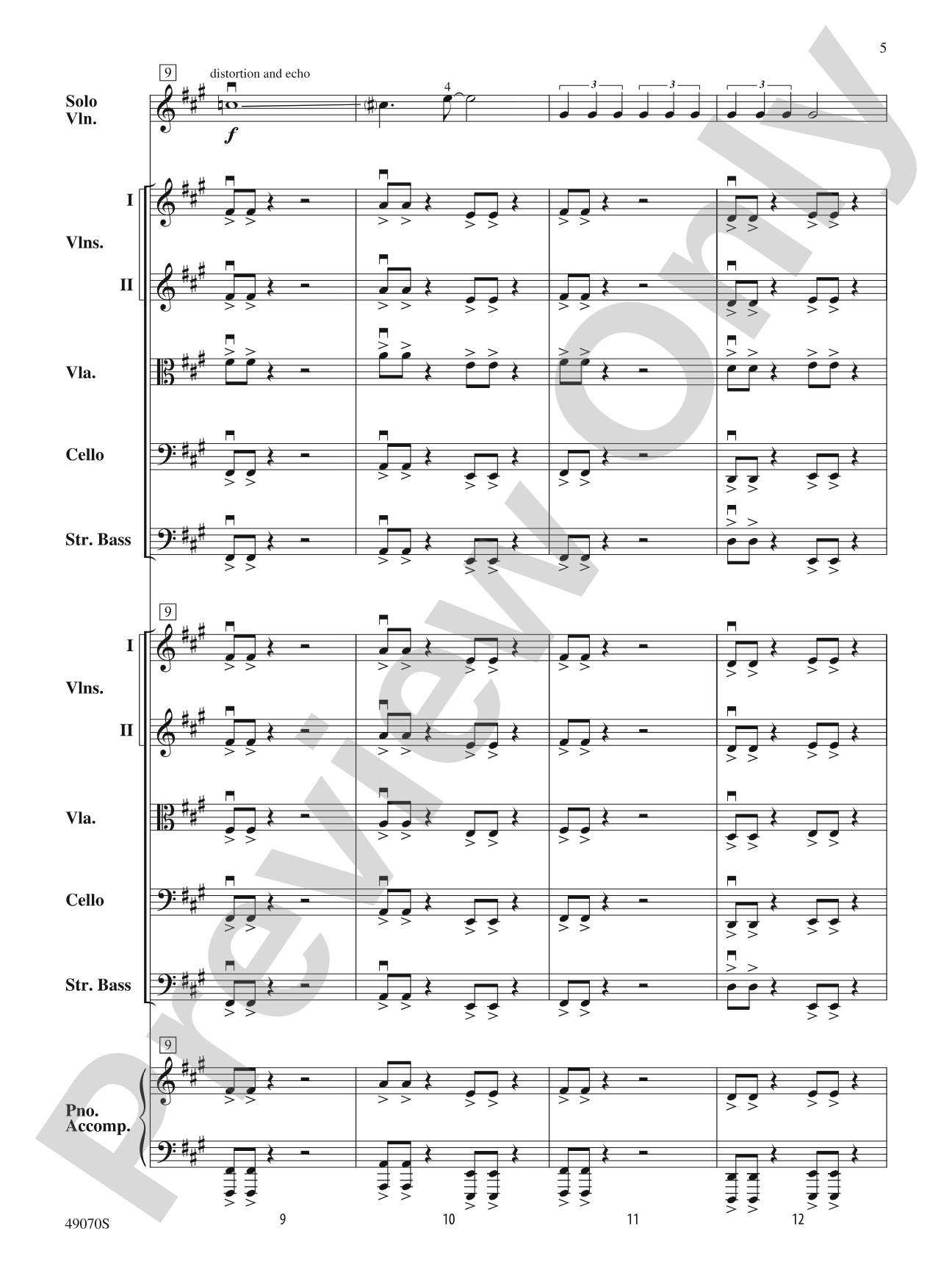
- Balance the soloistic moments called out in the score against the ensemble texture. When a section steps forward, the rest must provide intentional support without overwhelming it.
- Work the rhythm section parts (if using them) as a cohesive unit with your strings from the beginning of rehearsals. The groove drives everything, so synchronize the foundation early.
- Shape the dynamic arc across the full 5:30 form; resist the urge to play loudly throughout. Contrast between sections makes the climactic moments land harder.
How to use it
This works brilliantly in a pops concert or contemporary music showcase where you want immediate audience recognition alongside legitimate musical substance. It also pairs well alongside film music or other rock-influenced orchestral pieces in programs exploring the breadth of string repertoire. Consider programming it mid-concert to shift energy and demonstrate your ensemble's stylistic range.
Skills your students will build
- Playing unison and harmonic riffs with rhythmic precision
- Balancing soloistic passages against ensemble texture
- Sustaining rhythmic intensity across a longer form
- Coordinating strings with optional rhythm section parts
- Executing dynamic contrast and shape in popular music contexts