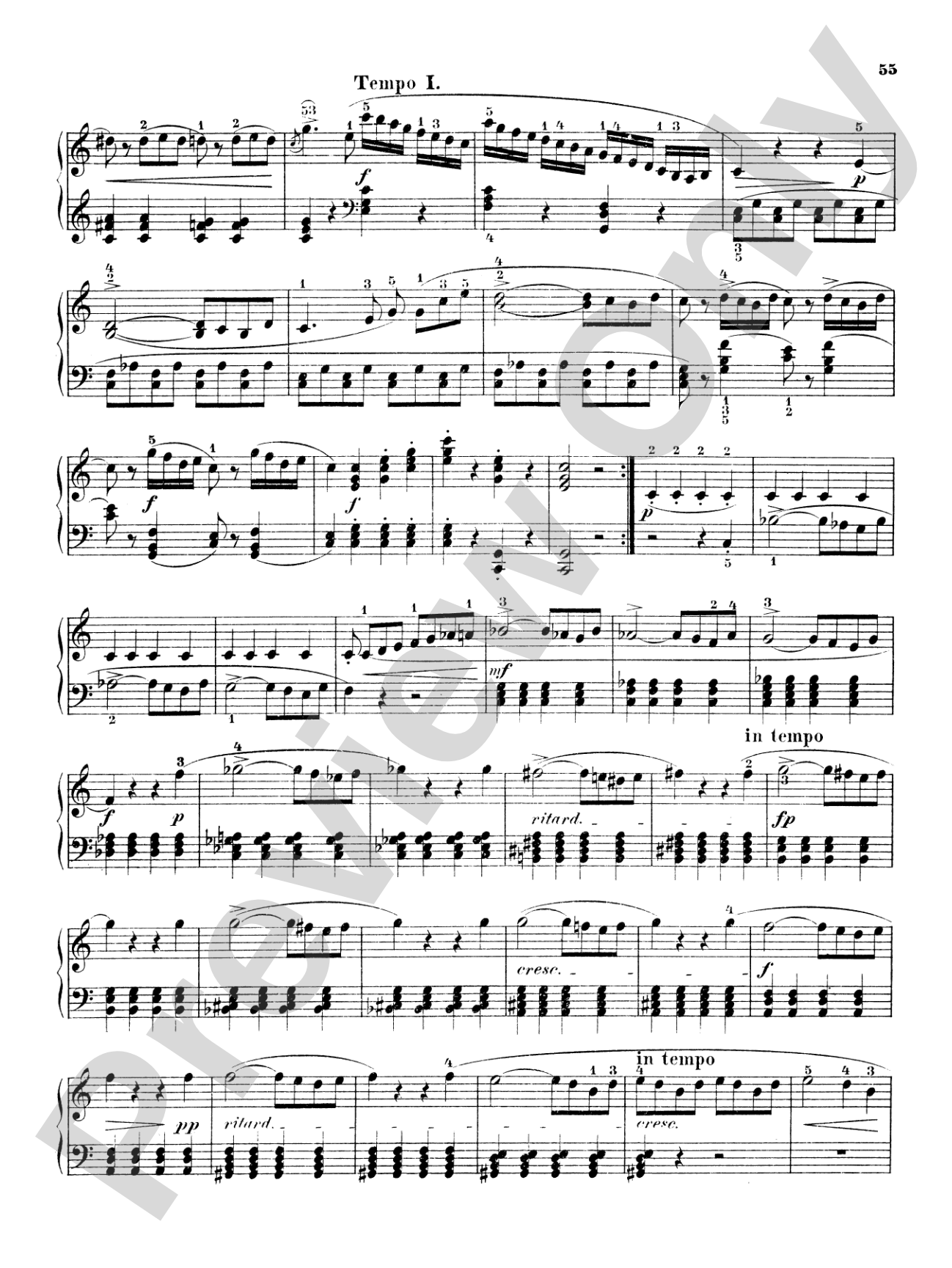
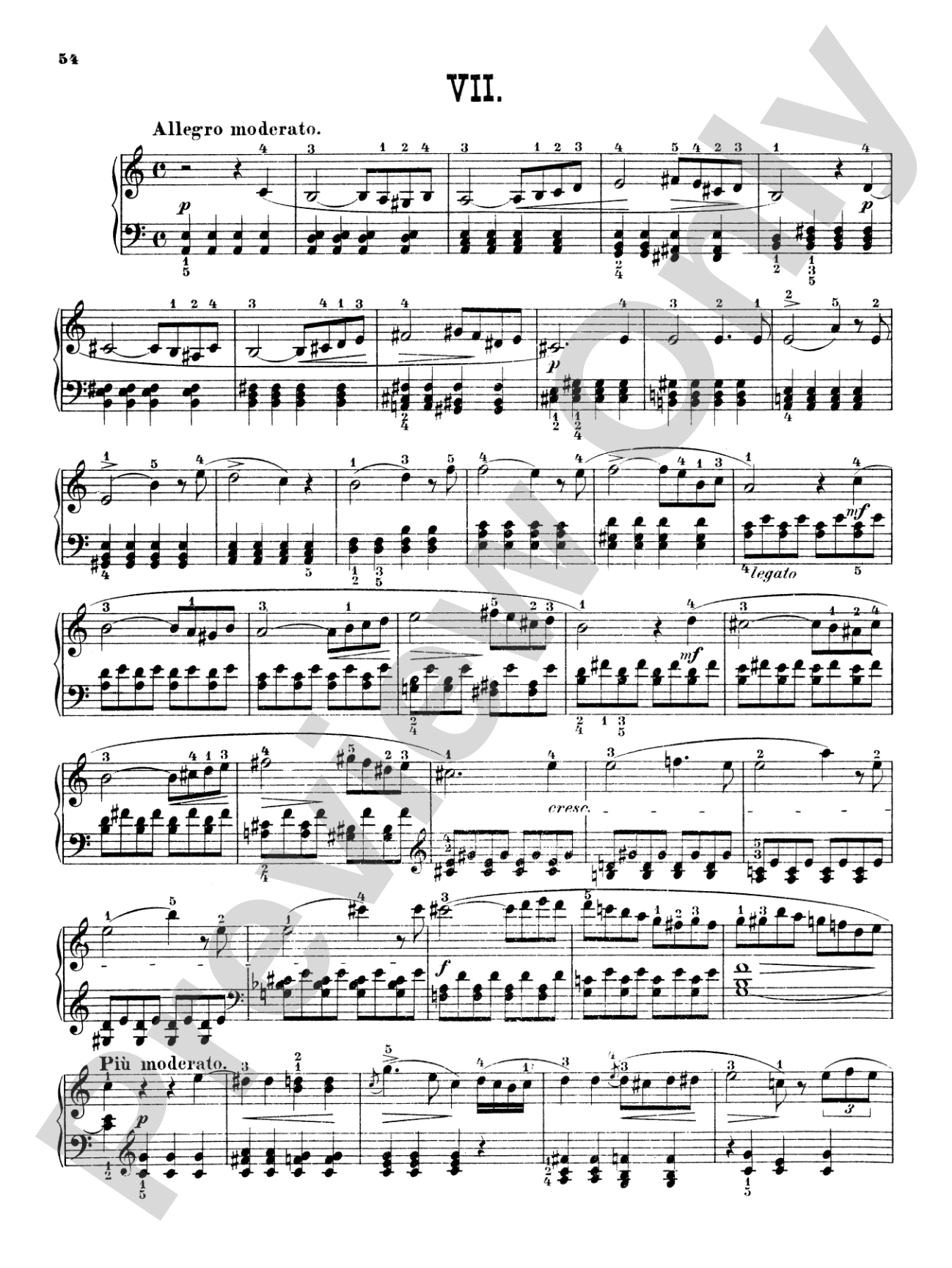
Cramer: Eleven Sontinas Sheet Music Preview

Cramer: Eleven Sontinas

By Anton Diabelli

Item: 00-PC-0006971

Digital Download
$0.99
Description
Op. 151, Op. 168

Don't just read it, hear it, play along with it, and watch your students grow with it. In MakeMusic Cloud, Cramer: Eleven Sontinas comes alive with professional accompaniment, adjustable tempo, and built-in practice tools that turn solo practice into real progress.

Sample Audio
No sample audio found.
Sample Video
Additional Details
Series: Kalmus Edition
Publisher: Alfred Music
Page Count: 60
SKU: 00-PC-0006971

More about this title

About the Composer: Johann Baptist Cramer

Johann Baptist Cramer (1771-1858) was a German-born pianist and composer who became one of the most influential keyboard pedagogues of the Classical-Romantic transition. His virtuosic career as a performer and his prolific output of sonatas, sonatinas, and studies shaped piano technique and repertoire across two continents. Cramer's writing combined elegant Classical form with the expressive depth emerging in early Romantic music, making his works essential bridges between the disciplined architecture of Haydn and the emotionalism of later 19th-century composers.

His sonatinas occupy a unique pedagogical space: more substantial than simple teaching pieces, yet more approachable than his full sonatas. Teachers and pianists valued them for their balance of musical sophistication and manageable technical demands. Cramer's influence persisted long after his death through both his compositions and his reputation as a master teacher who trained generations of European pianists.

Why we love this

These sonatinas sit at the sweet spot where a student can sound genuinely accomplished without drowning in technical difficulty. Cramer's melodic gift and formal clarity mean that interpretive choices (tempo, voicing, phrase shaping) become the real work, not just finger mechanics. Programming them signals serious musical development and gives recital pianists repertoire that feels substantial and rewarding to learn.

What to expect

Cramer's sonatinas balance the elegant restraint of Classical form with moments of genuine lyrical warmth. The writing feels transparent yet substantial, allowing the piano to sing without the need for heavy pedal or dramatic gesture. There is a sense of refinement throughout; these pieces reward careful listening and reward thoughtful playing with genuine musical depth.

Who it's for

Intermediate to early-advanced pianists seeking Classical-era repertoire that builds musicianship without excessive technical burden. Teachers building a curriculum that emphasizes form, voice independence, and interpretive maturity will find these sonatinas invaluable for students transitioning from simpler pieces to fully realized concert works. These are equally suited to pianists preparing for auditions or recitals who want repertoire that demonstrates command of style and structure.

How to get the most out of it

  • Observe the structural clarity of each sonatina by marking section boundaries and identifying the thematic material in the exposition. This guides phrasing and prevents the piece from drifting into accompaniment-driven playing.
  • Balance the melody against inner voices and bass. Cramer's writing often hides secondary melodic content that enriches the harmonic texture when allowed to breathe.
  • Shape phrases by listening to the arc of harmonic movement rather than relying solely on written dynamic markings. Many of these pieces benefit from subtle dynamic shading that reflects the harmonic tension and release.
  • Approach ornaments with the restraint and elegance of the era they bridge. Trills and grace notes should enhance the line without becoming excessive decoration.

How to use it

Include a single sonatina as the Classical anchor in a recital spanning multiple eras. A sonatina pairs naturally with a Romantic character piece and a contemporary work, creating a well-proportioned program. They also work effectively as concert openers, establishing musicianship and clarity before more elaborate or dramatic pieces.

Skills your students will build

  • Identifying and articulating sonata form in the Classical idiom
  • Balancing cantabile melody against accompanying textures in both hands
  • Managing phrase structure and harmonic arrival points without excessive dynamic marking
  • Interpreting ornaments and grace notes in Classical style
  • Developing independence between treble and bass lines
  • Building interpretive maturity through form-driven musical choices

You May Also Like