Couppey: L'Agilité, Op. 20 Sheet Music Preview

Couppey: L'Agilité, Op. 20

By Félix Le Couppey

Item: 00-PC-0008172

Digital Download
$0.99
Description
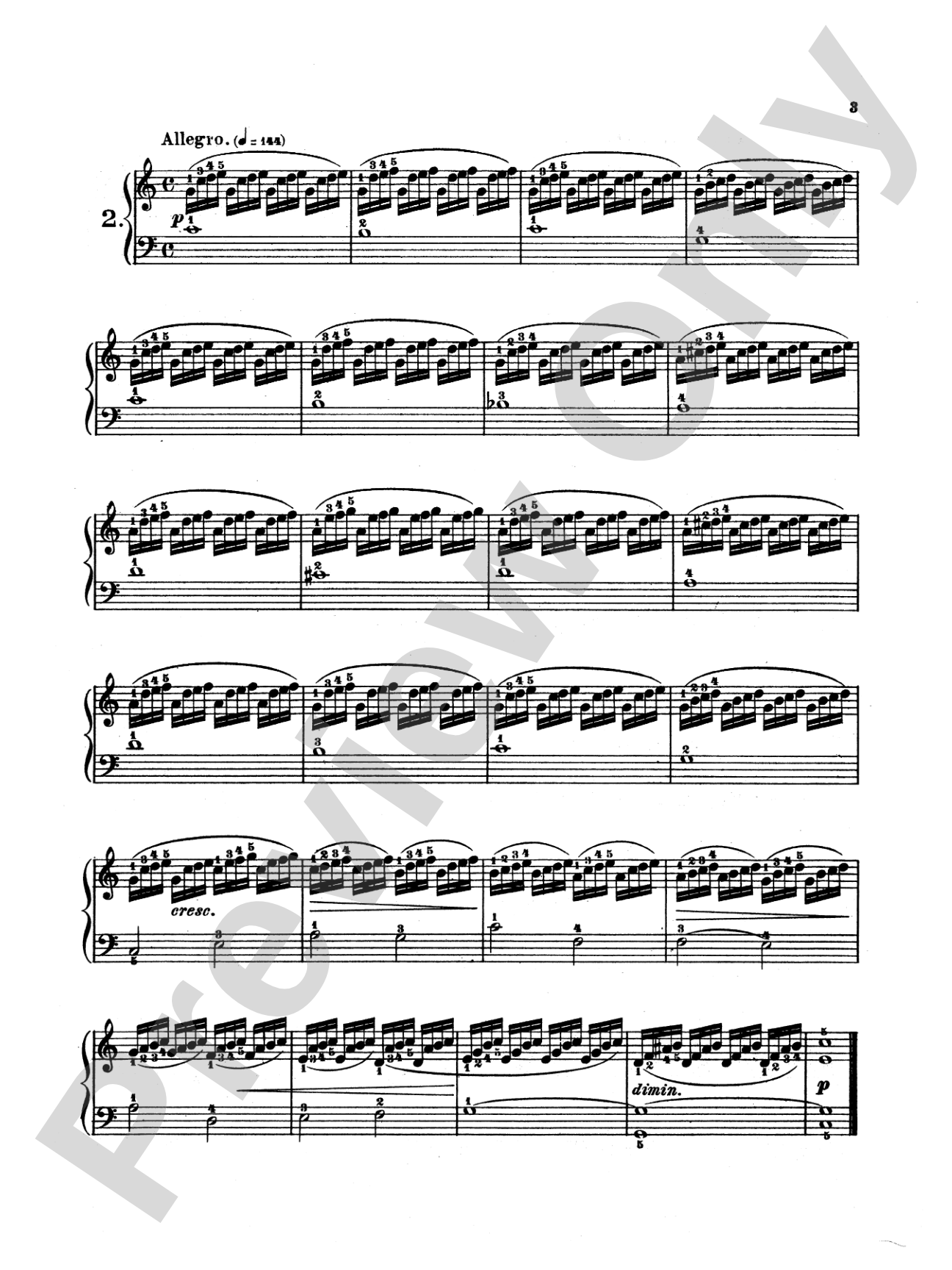
A collection of exercises, for Piano, composed by Felix Le Couppey.

Don't just read it, hear it, play along with it, and watch your students grow with it. In MakeMusic Cloud, Couppey: L'Agilité, Op. 20 comes alive with professional accompaniment, adjustable tempo, and built-in practice tools that turn solo practice into real progress.

Sample Audio
No sample audio found.
Sample Video
Additional Details
Series: Kalmus Edition
Publisher: Alfred Music
Page Count: 40
SKU: 00-PC-0008172

More about this title

About the Composer: Felix Le Couppey

Felix Le Couppey (1811–1887) was a French pianist and pedagogue whose etude collections shaped nineteenth-century piano training across Europe. His systematic approach to technique built on the foundation of Carl Czerny while maintaining an emphasis on musical expression alongside mechanical facility. Le Couppey's compositions for students remain standard teaching tools because they balance serious technical demands with genuinely musical passages.

Why we love this

L'Agilité stands out among Romantic-era etude collections for its unwavering focus on finger independence and rapid passagework without sacrificing musicality. These exercises move beyond pure finger drills; they demand that students execute technique within phrases that have shape and direction. Teachers return to this book repeatedly because it addresses genuine agility problems while keeping students engaged musically.

What to expect

Crisp and energetic, with an undercurrent of Romantic lyricism that prevents the exercises from feeling purely mechanical. The passages flow across the keyboard with elegance; even as fingers work at demanding speeds, there's a sense of grace and refinement throughout. These etudes feel less like gymnastics and more like miniature scenes unfolding at increasing tempos.

Who it's for

Intermediate to early advanced pianists (roughly Grades 4-6) working to develop finger independence, dexterity, and control over rapid passagework. This collection serves teachers seeking historically grounded technical material that maintains musical integrity. Students aiming for repertoire requiring substantial agility will find these exercises directly applicable to the pieces they aspire to play.

How to get the most out of it

  • Begin slowly enough that each finger articulates clearly before gradually increasing tempo; rushing these exercises defeats their pedagogical purpose and builds sloppy habits.
  • Shape the musical line even within rapid figurations; treat scale passages and arpeggios as continuations of melody rather than mindless finger work.
  • Practice hands separately first, paying close attention to evenness of tone and consistent rhythm before combining them.
  • Mark a comfortable working tempo and stay with it for several weeks before advancing; these exercises reward repetition and gradual mastery over quick progression.

How to use it

Assign these as supplementary technical work alongside the student's main repertoire; a single exercise from L'Agilité paired with a Romantic sonata or character piece addresses the specific technical challenges that piece requires. Use them as part of a structured progression through nineteenth-century pedagogical literature, moving from Czerny to Le Couppey to Liszt studies. Include them in practice routines during periods when a student is preparing multiple pieces demanding similar technical vocabulary.

Skills your students will build

  • Finger independence and individual finger control at rapid tempos
  • Evenness and clarity in scale passages and arpeggios
  • Coordination of hands in passages with disparate rhythmic or technical demands
  • Sight-reading fluency in Romantic-era notation and figuration
  • Stamina for sustained rapid passagework without fatigue or loss of control

You May Also Like