
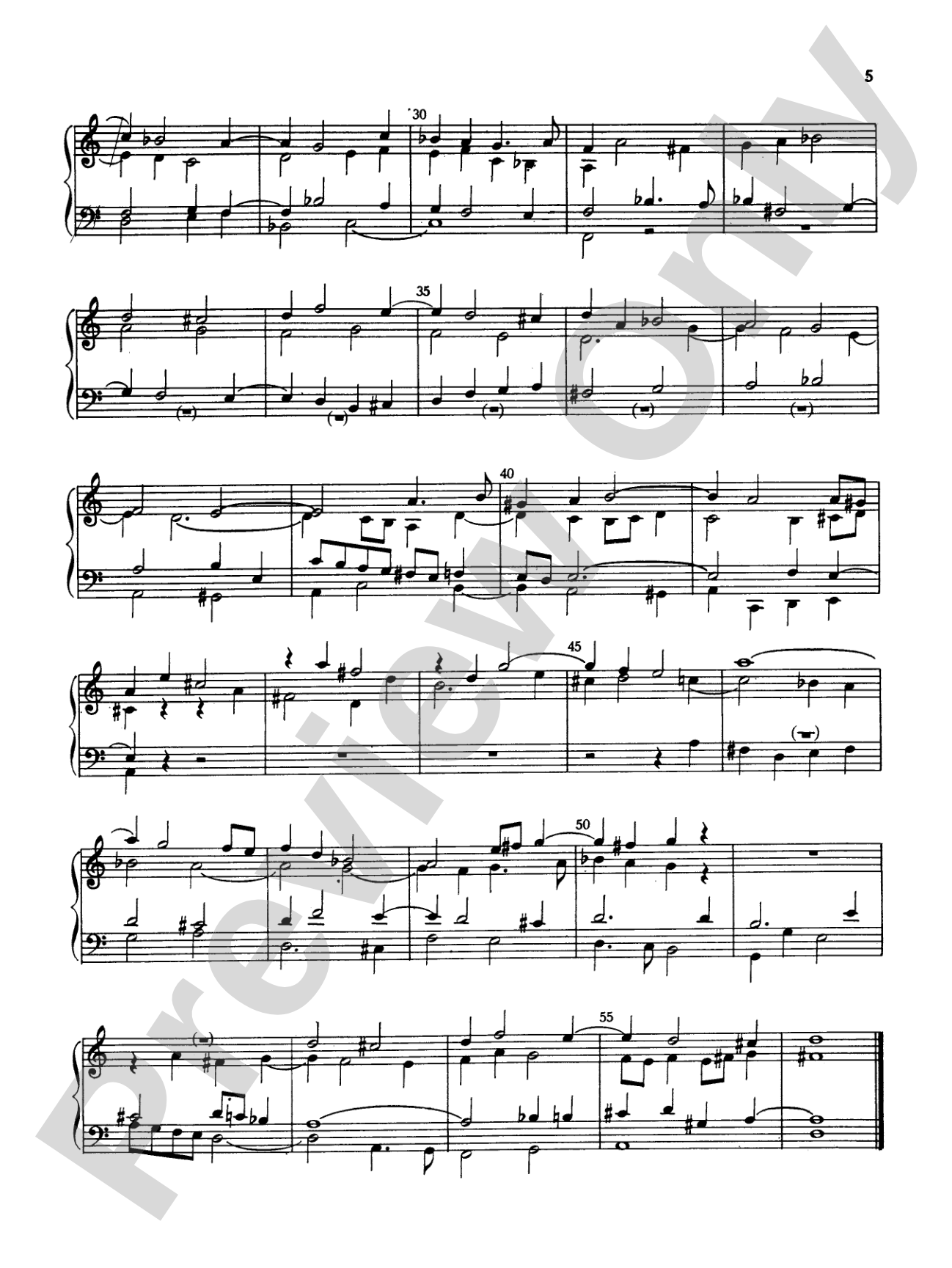
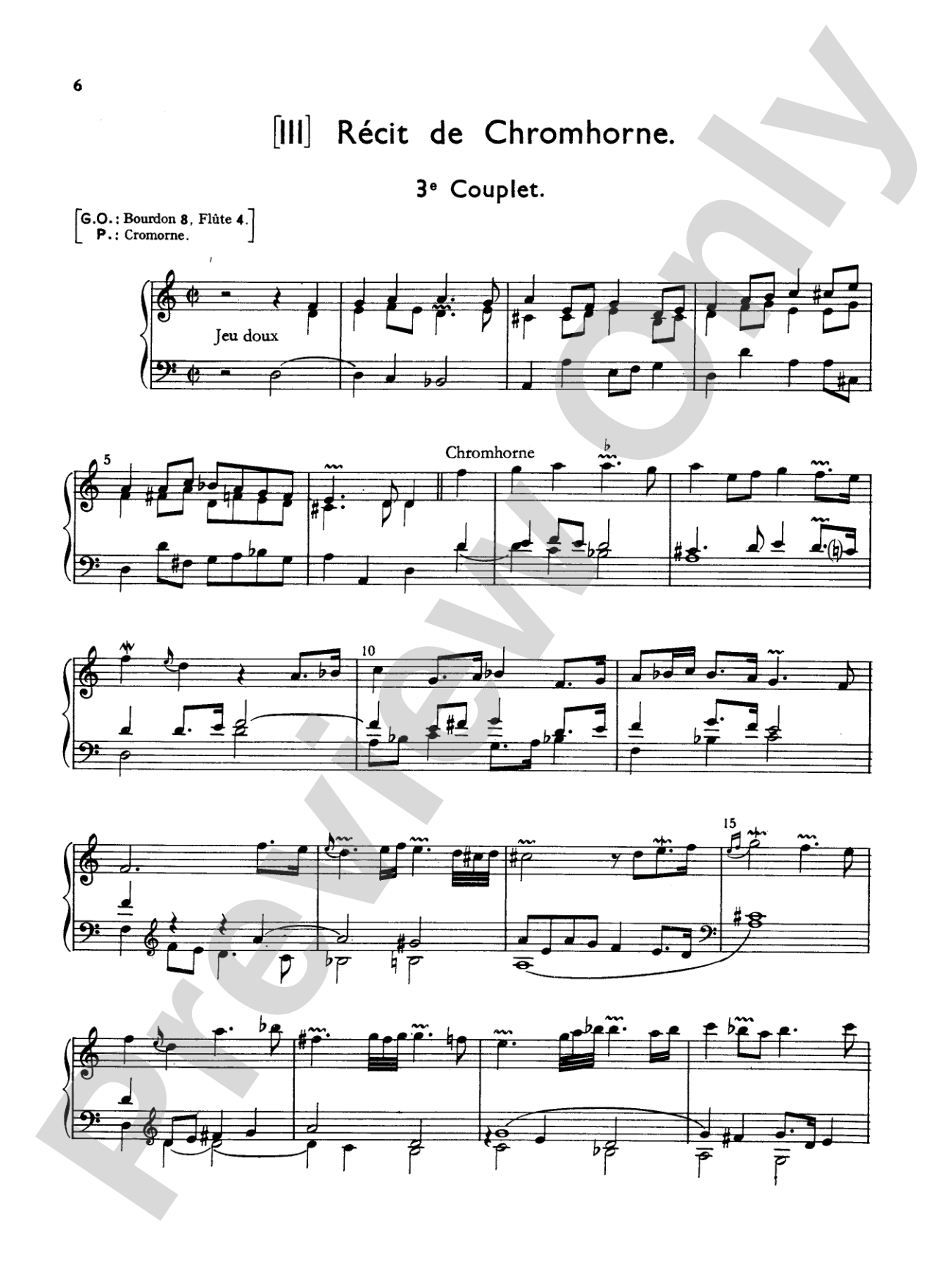
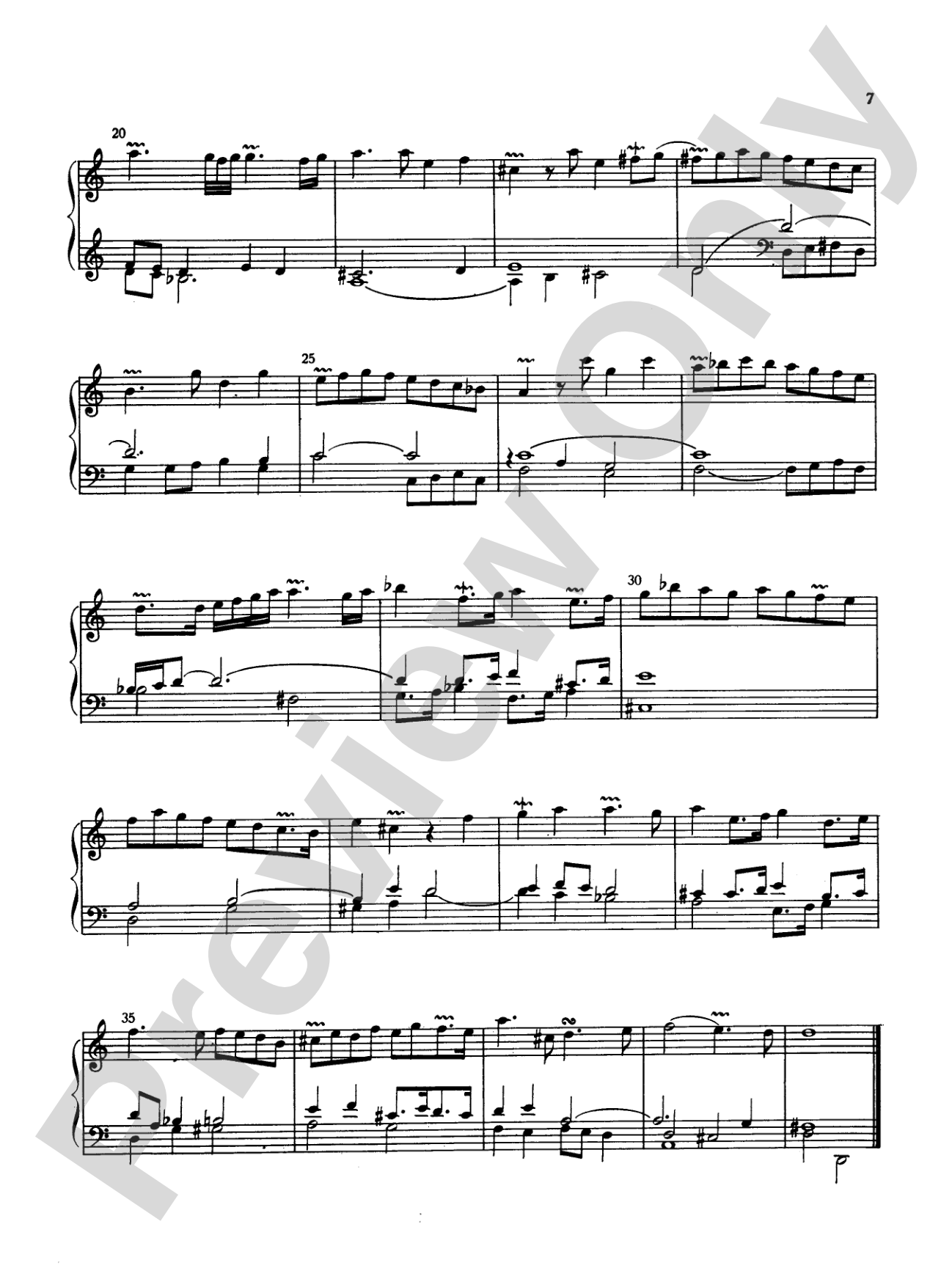
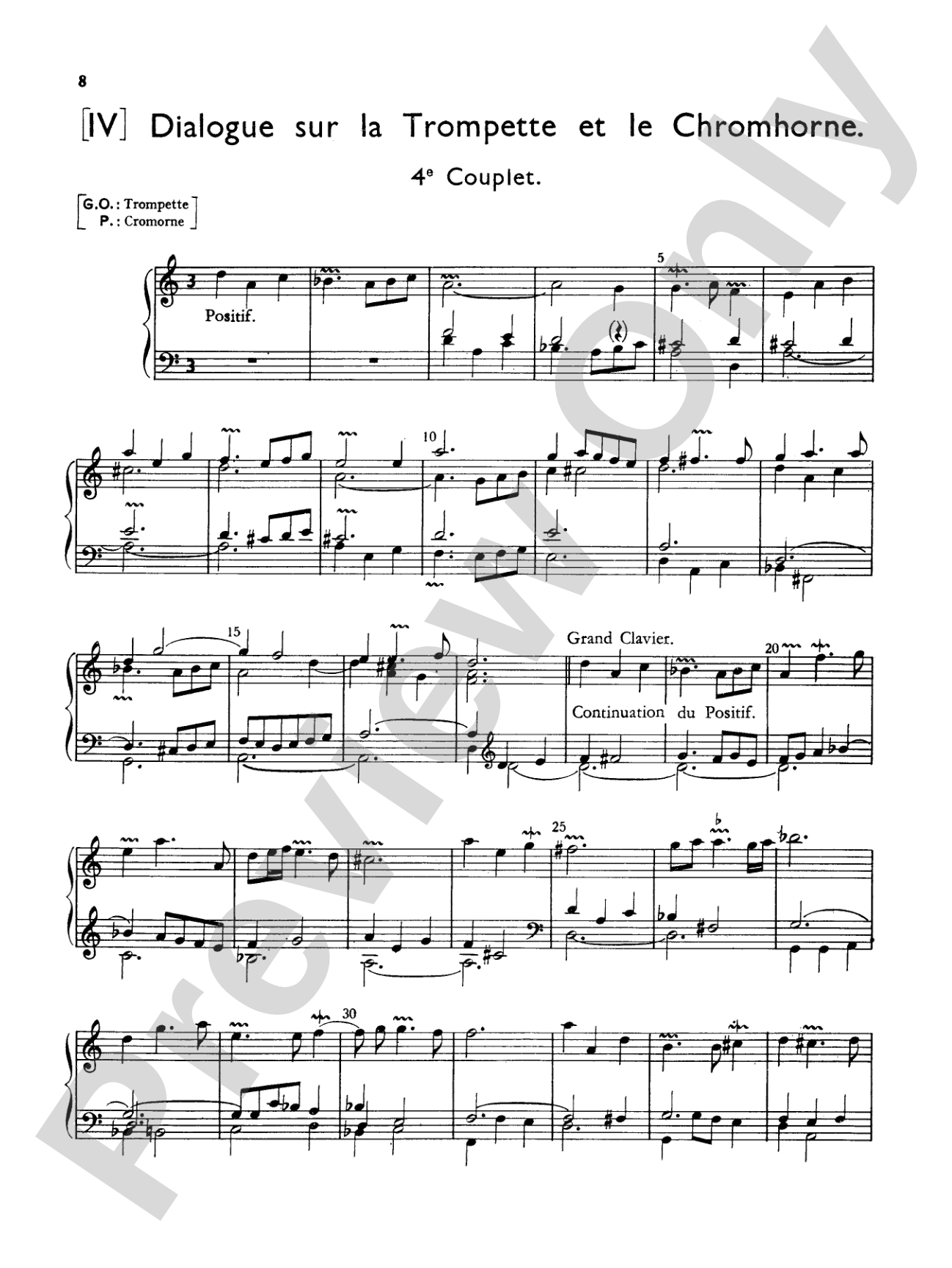
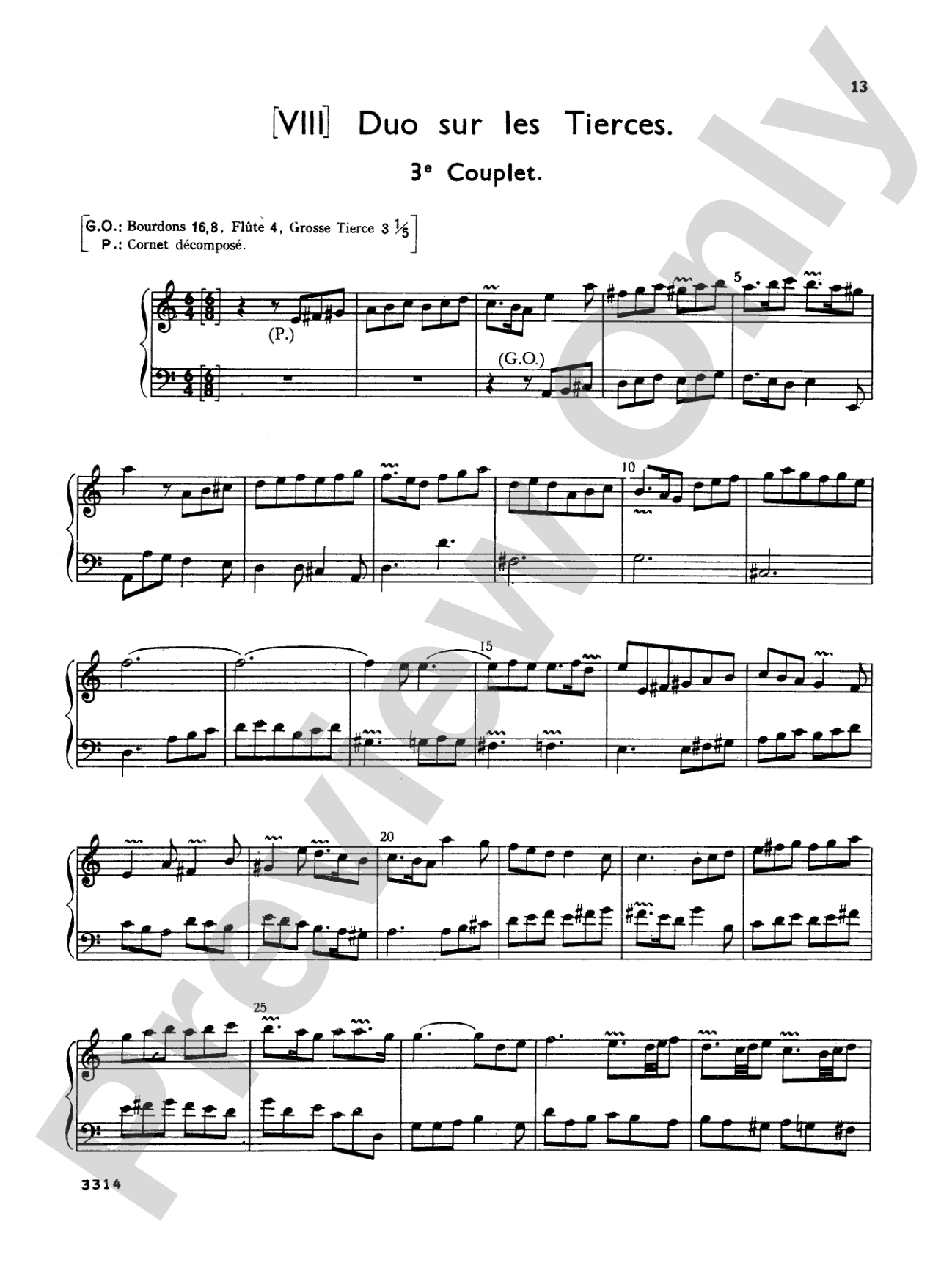
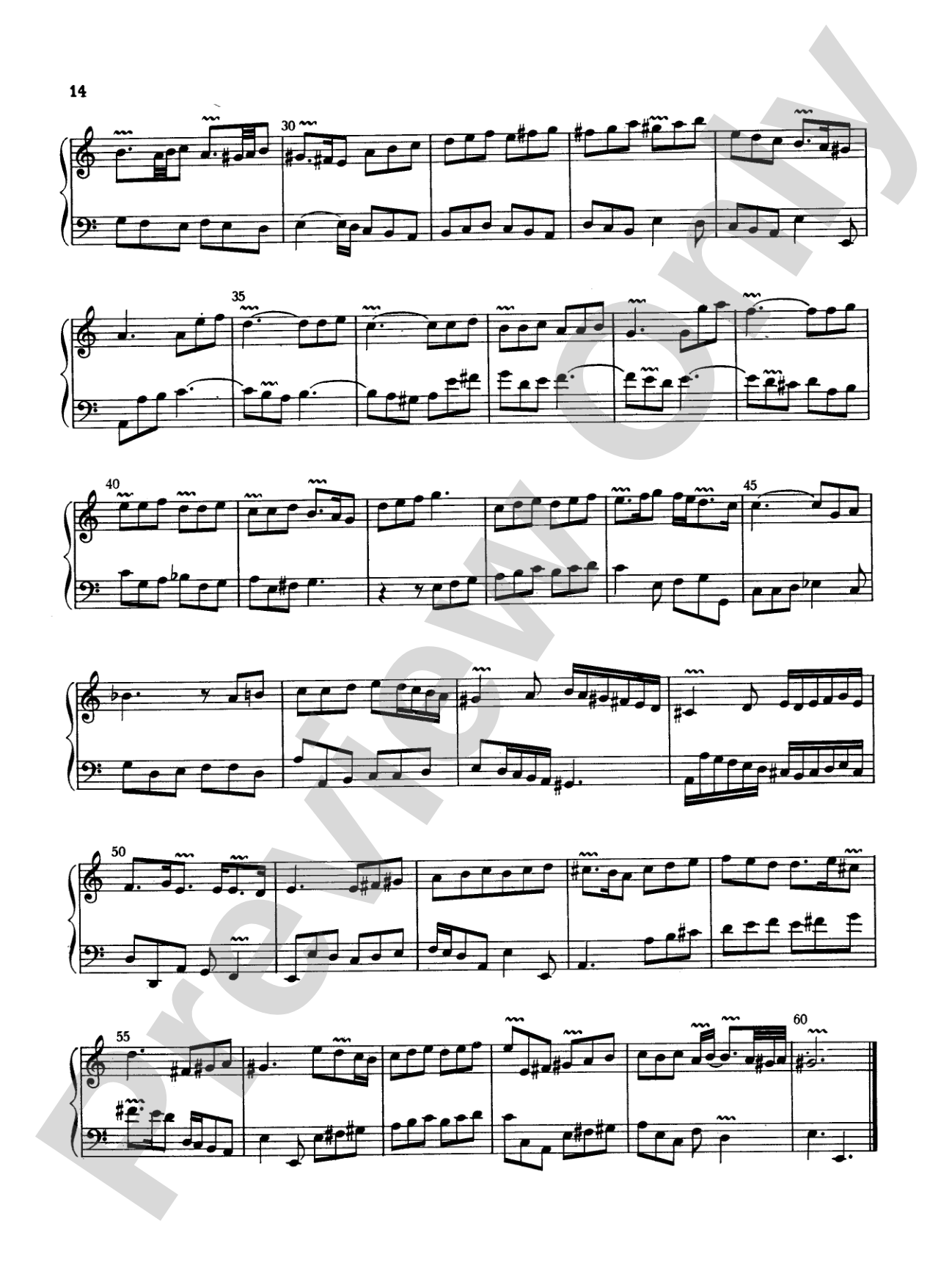
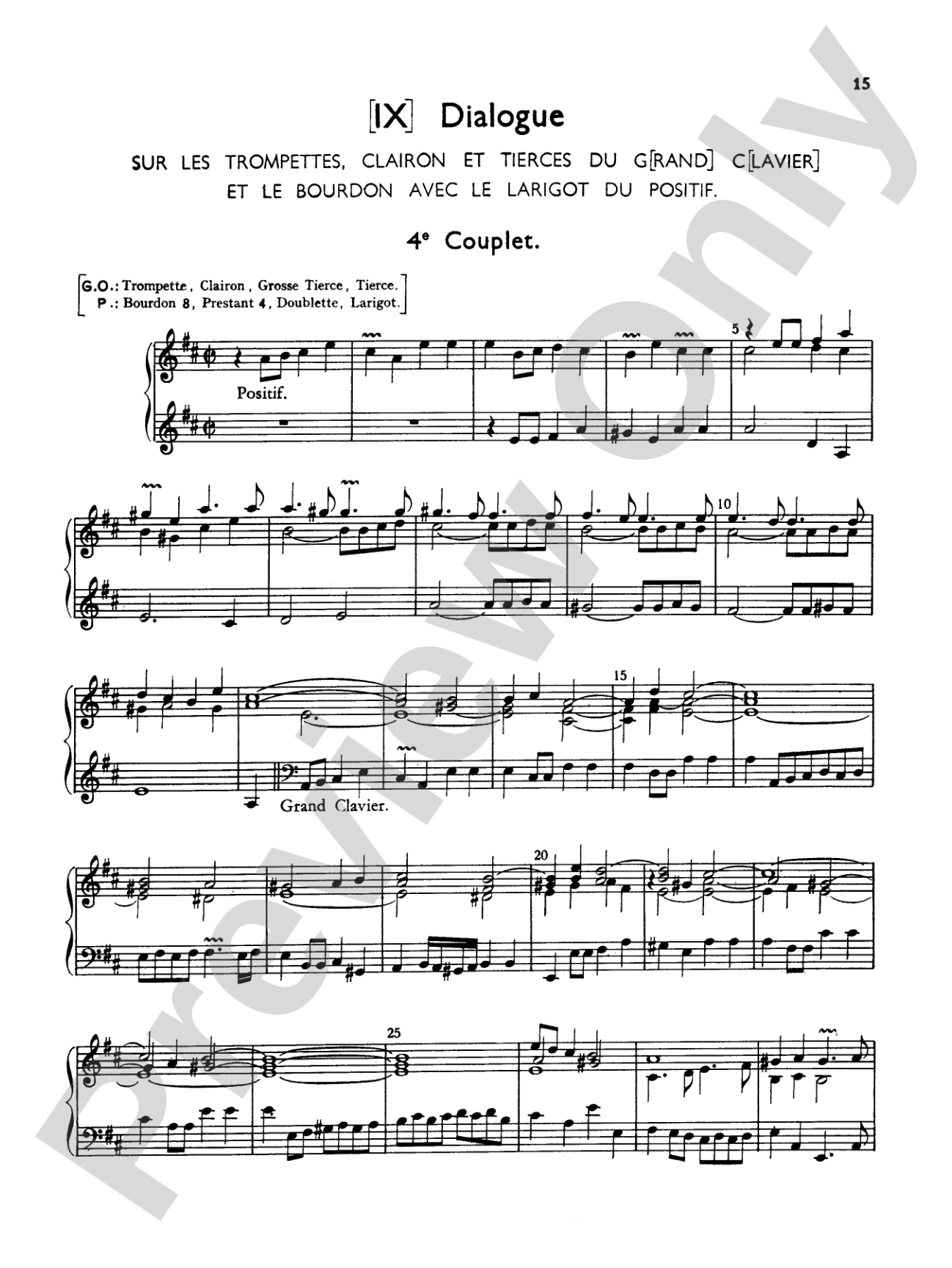
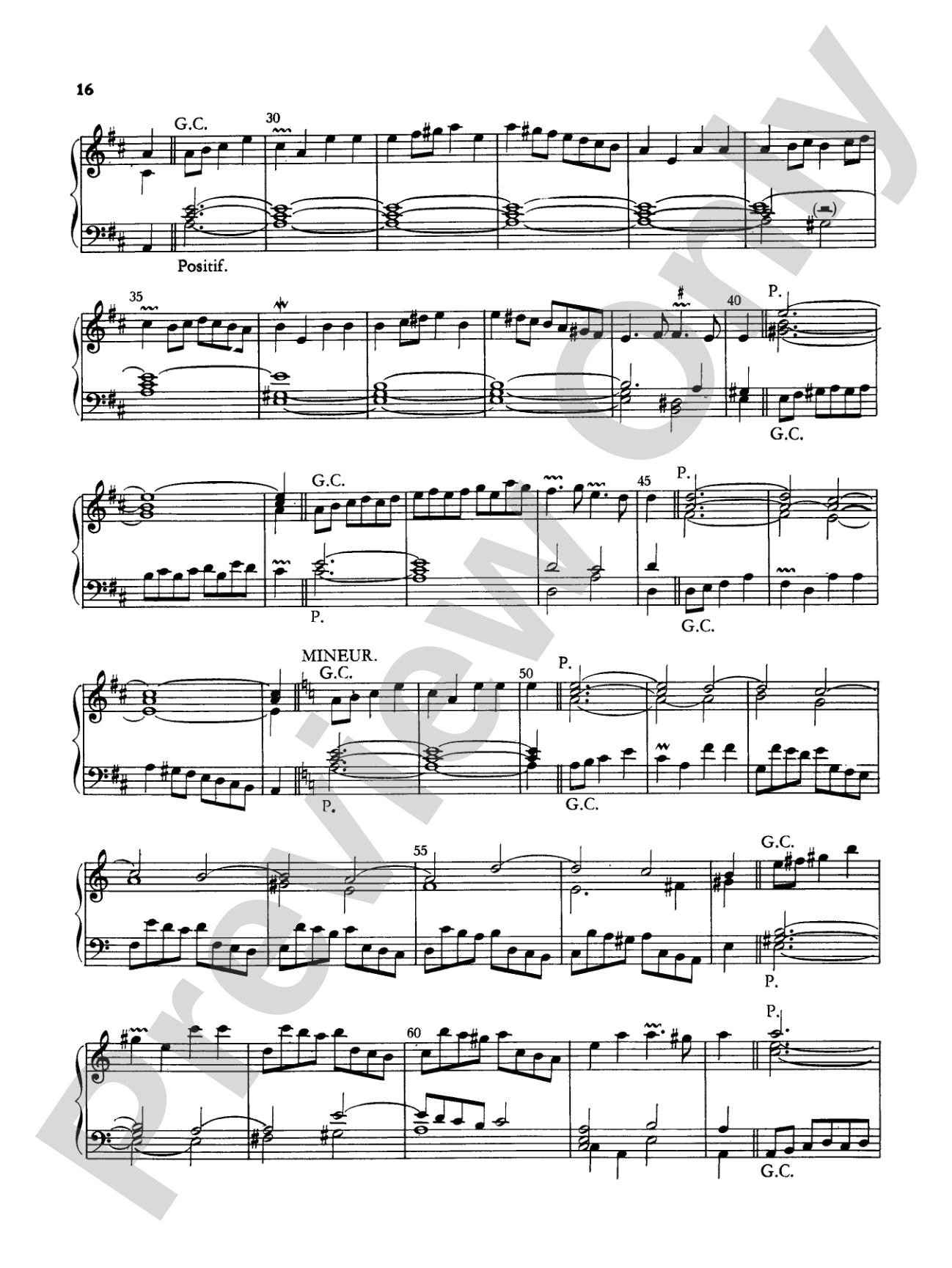
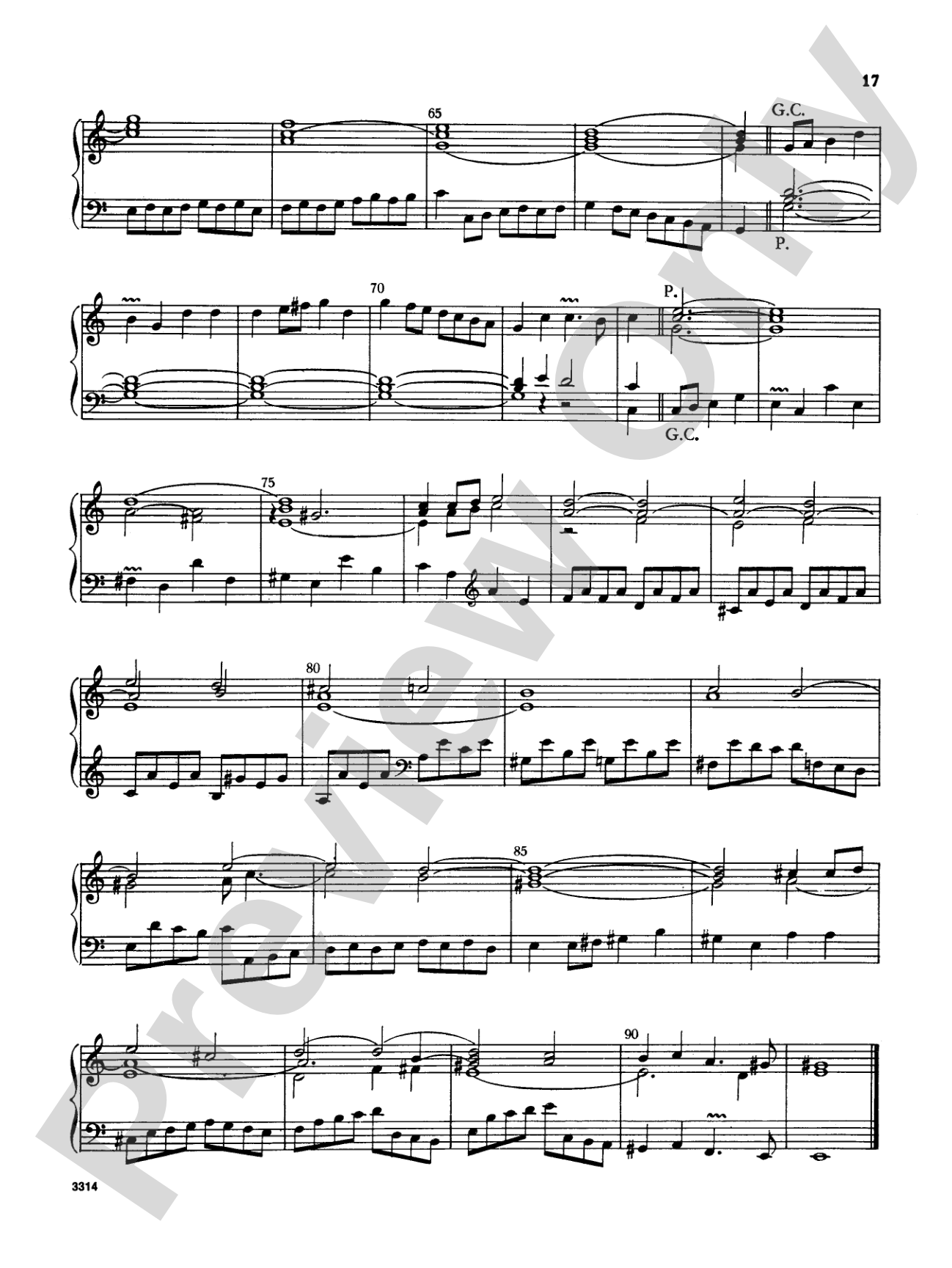
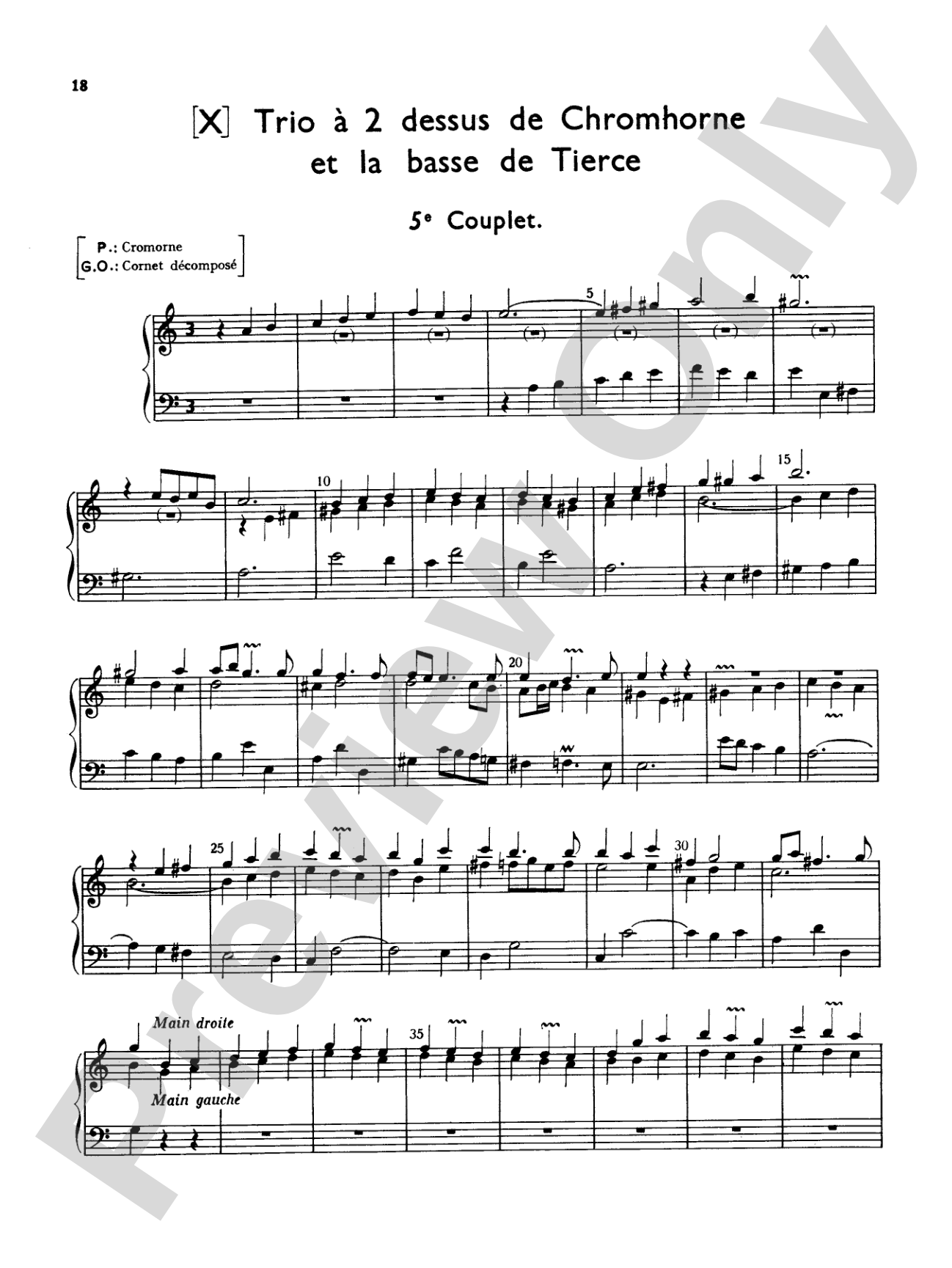
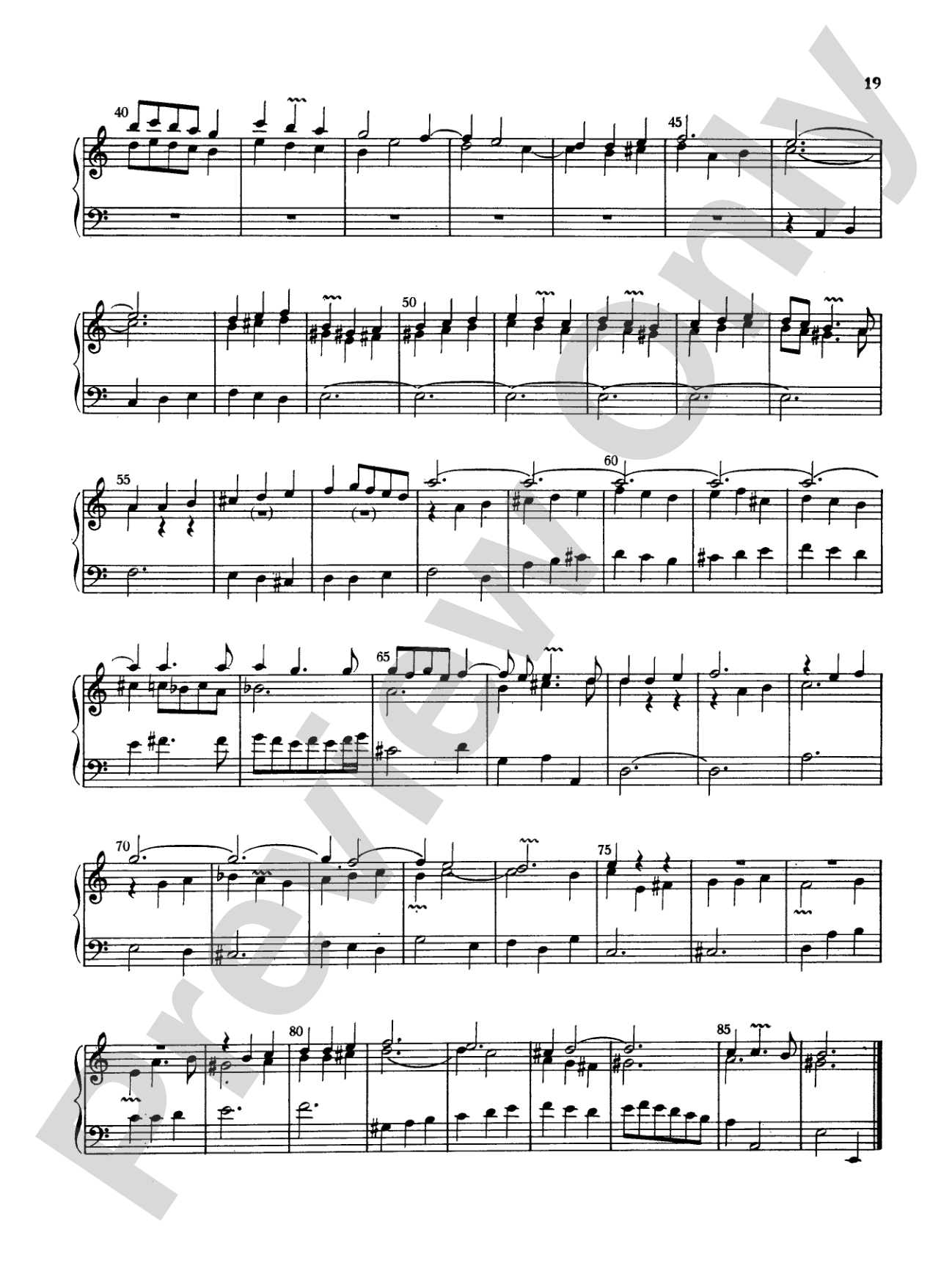
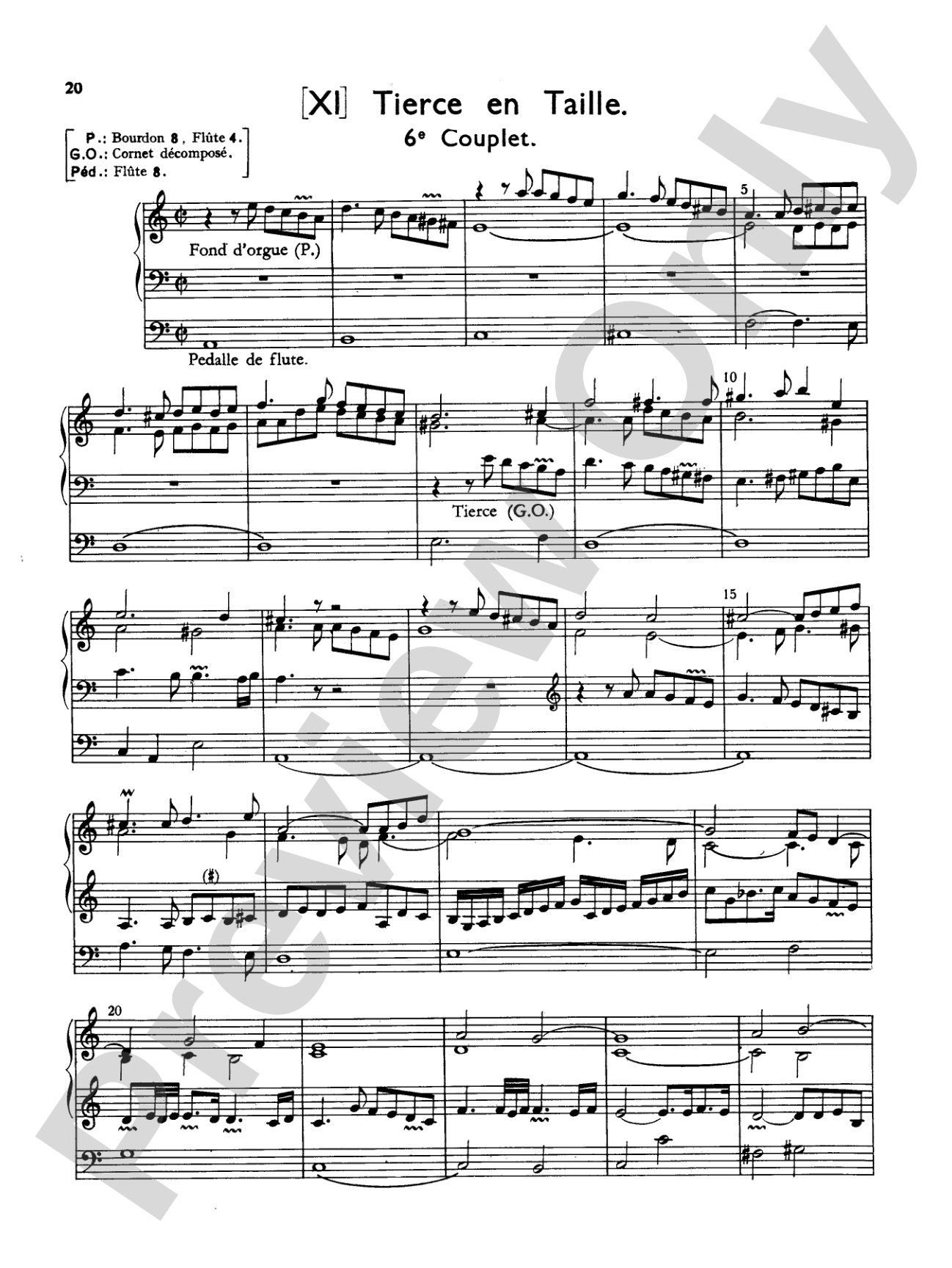
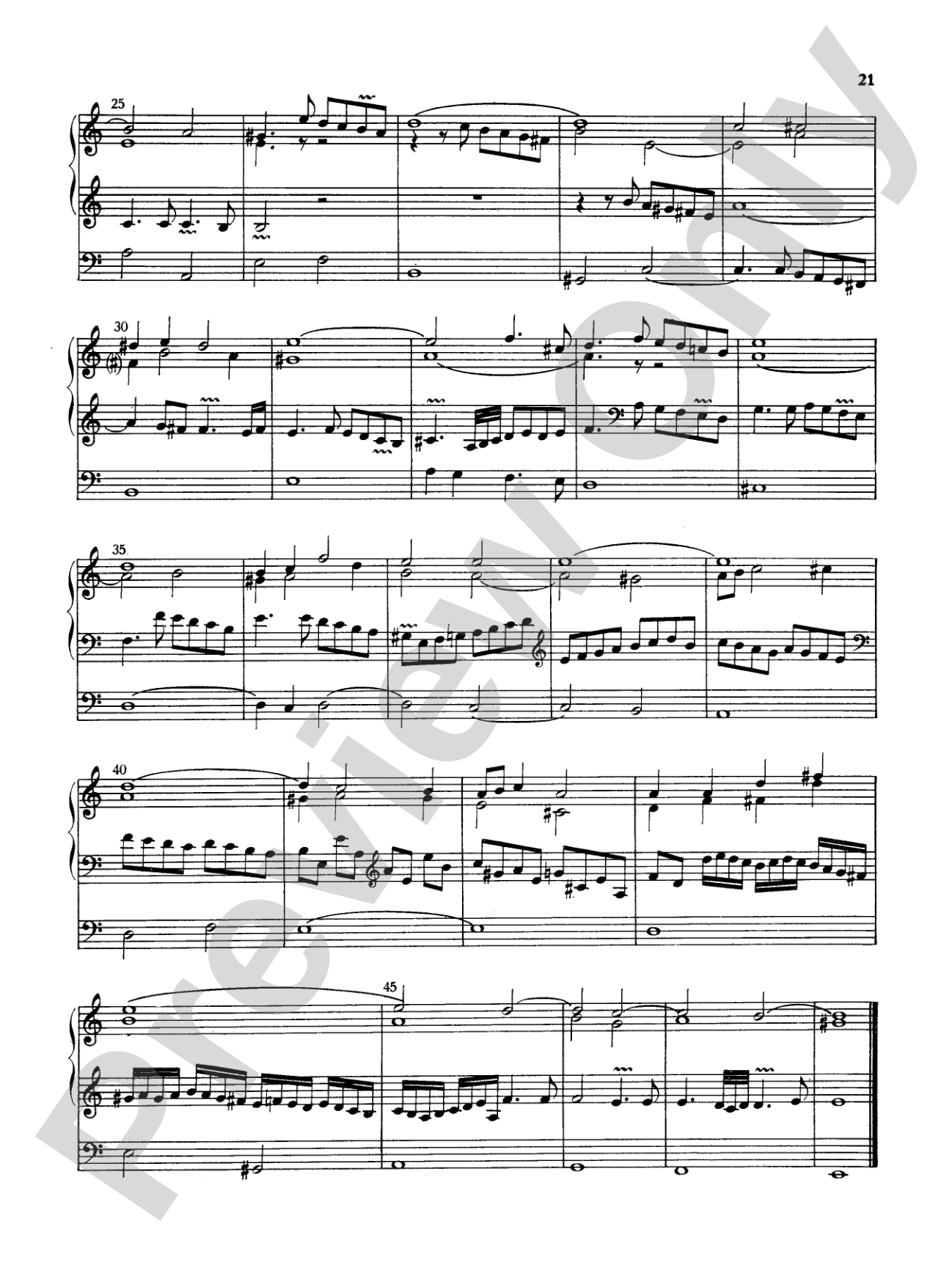
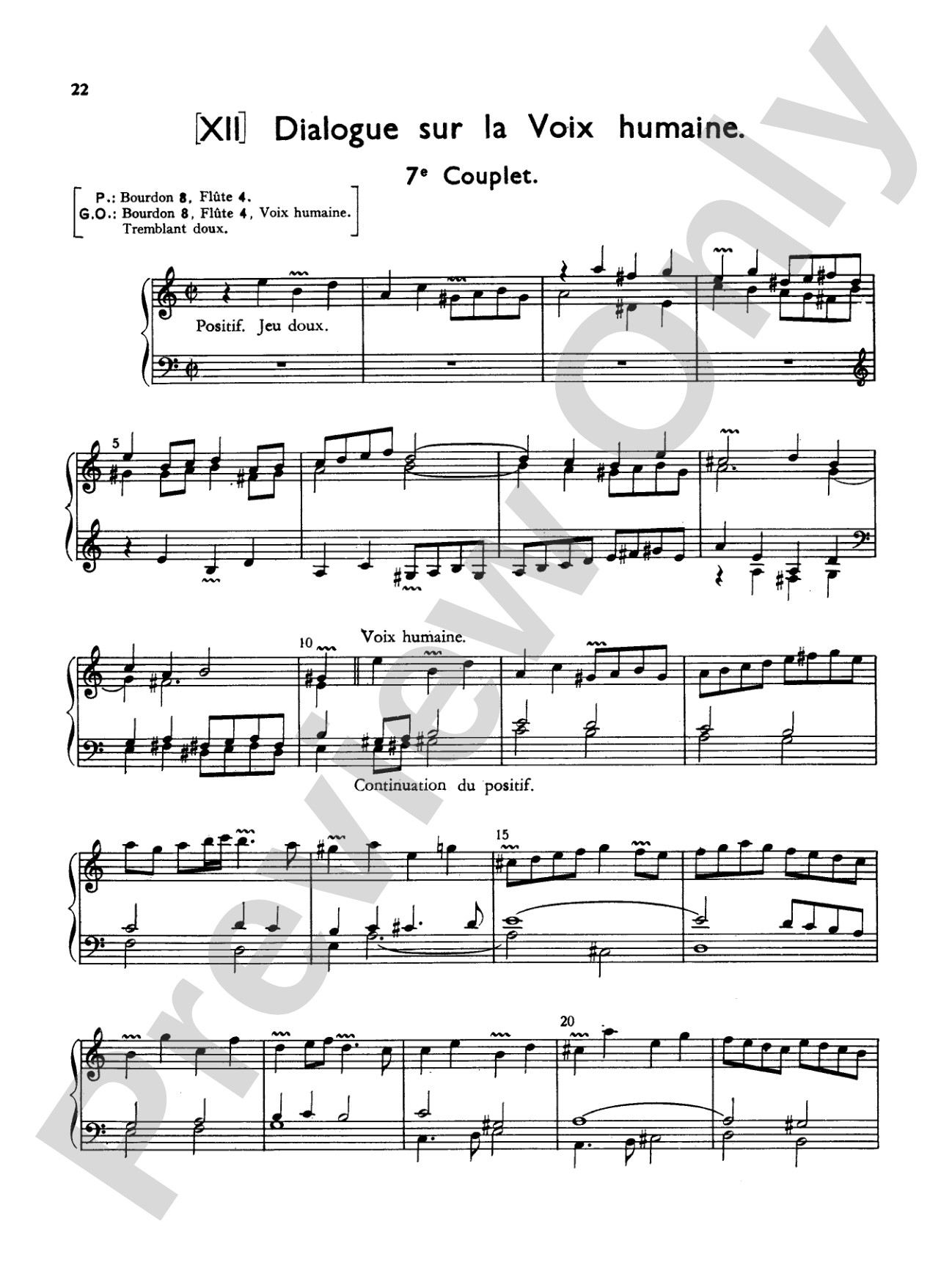
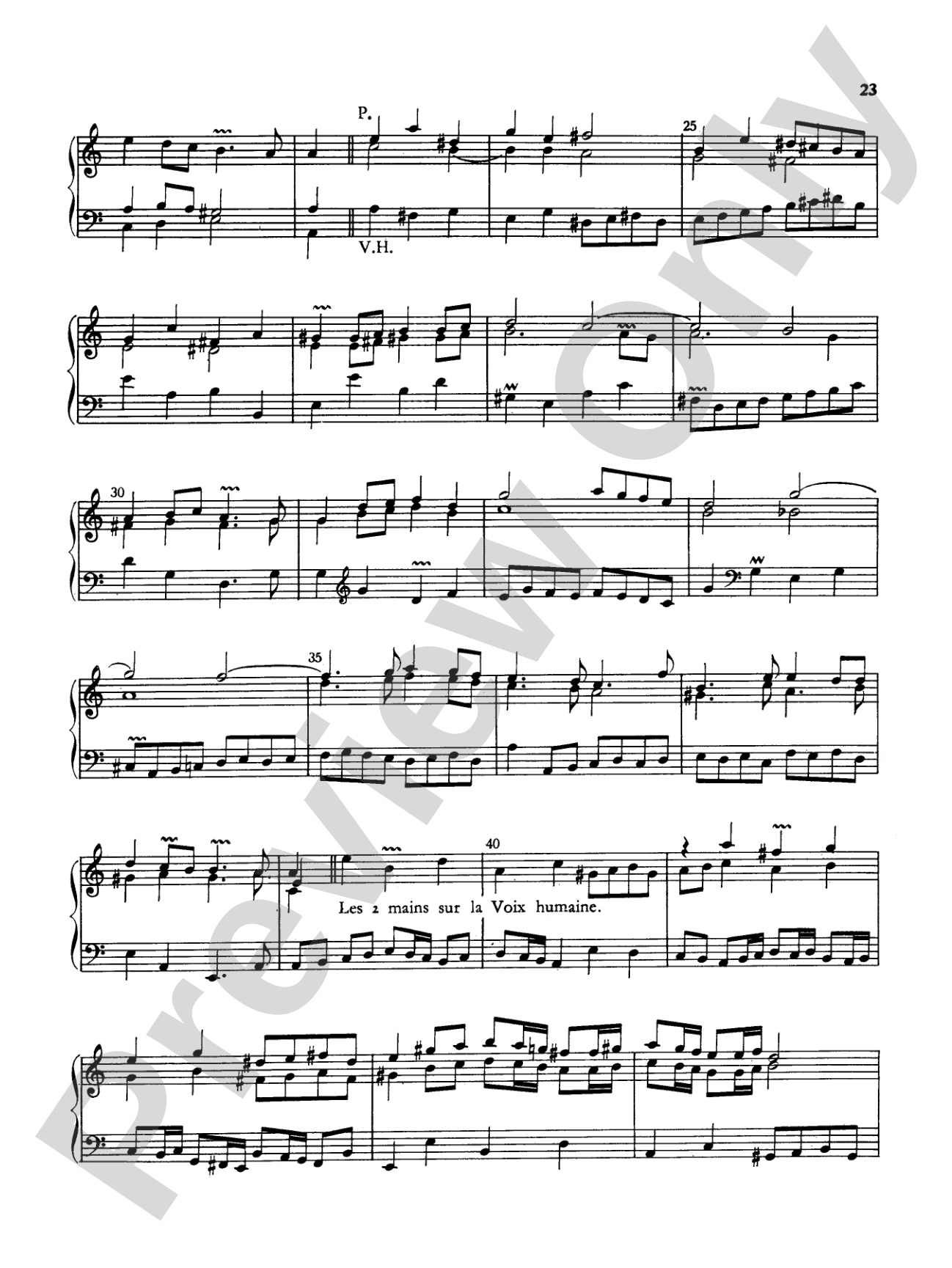
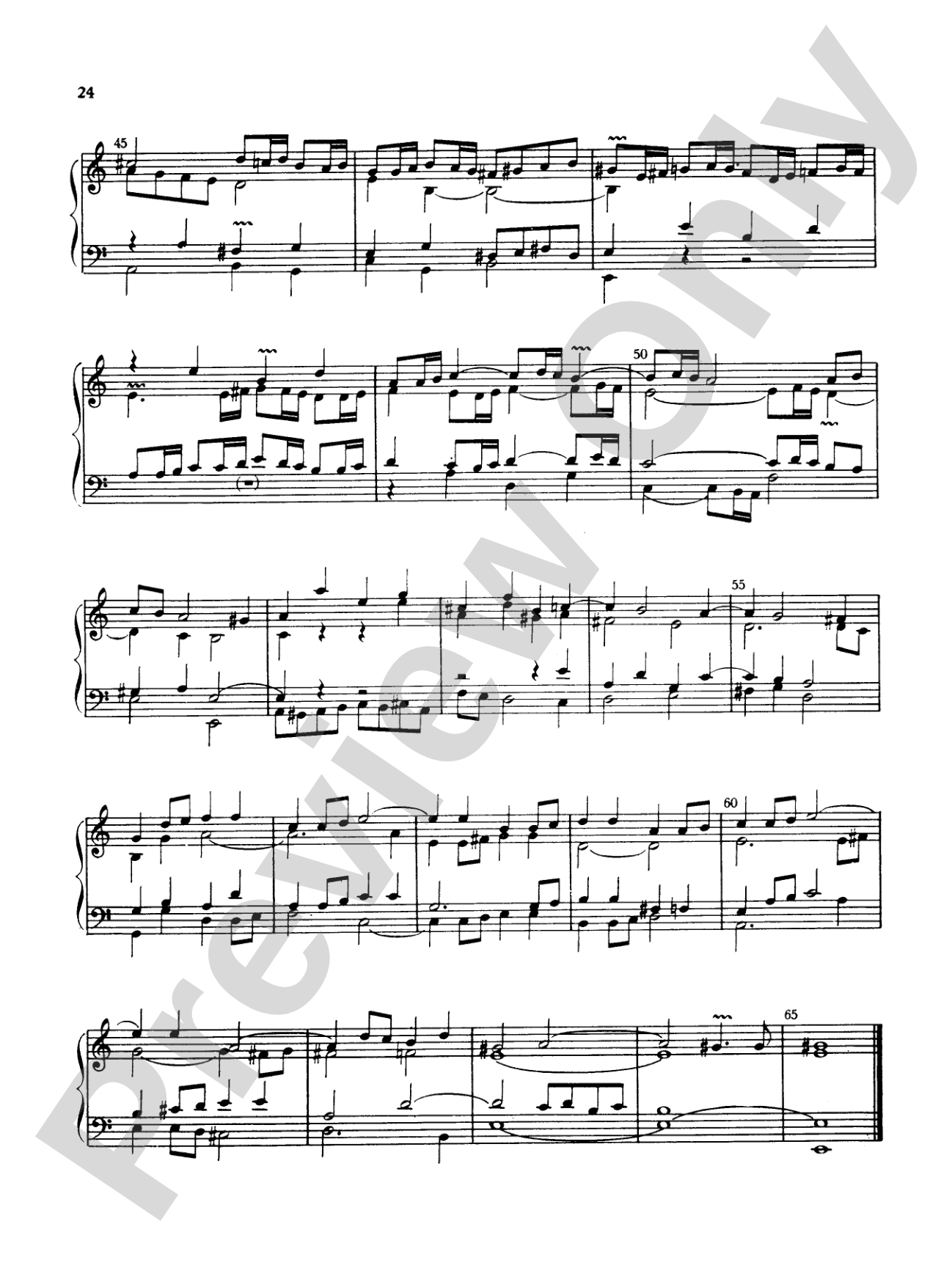
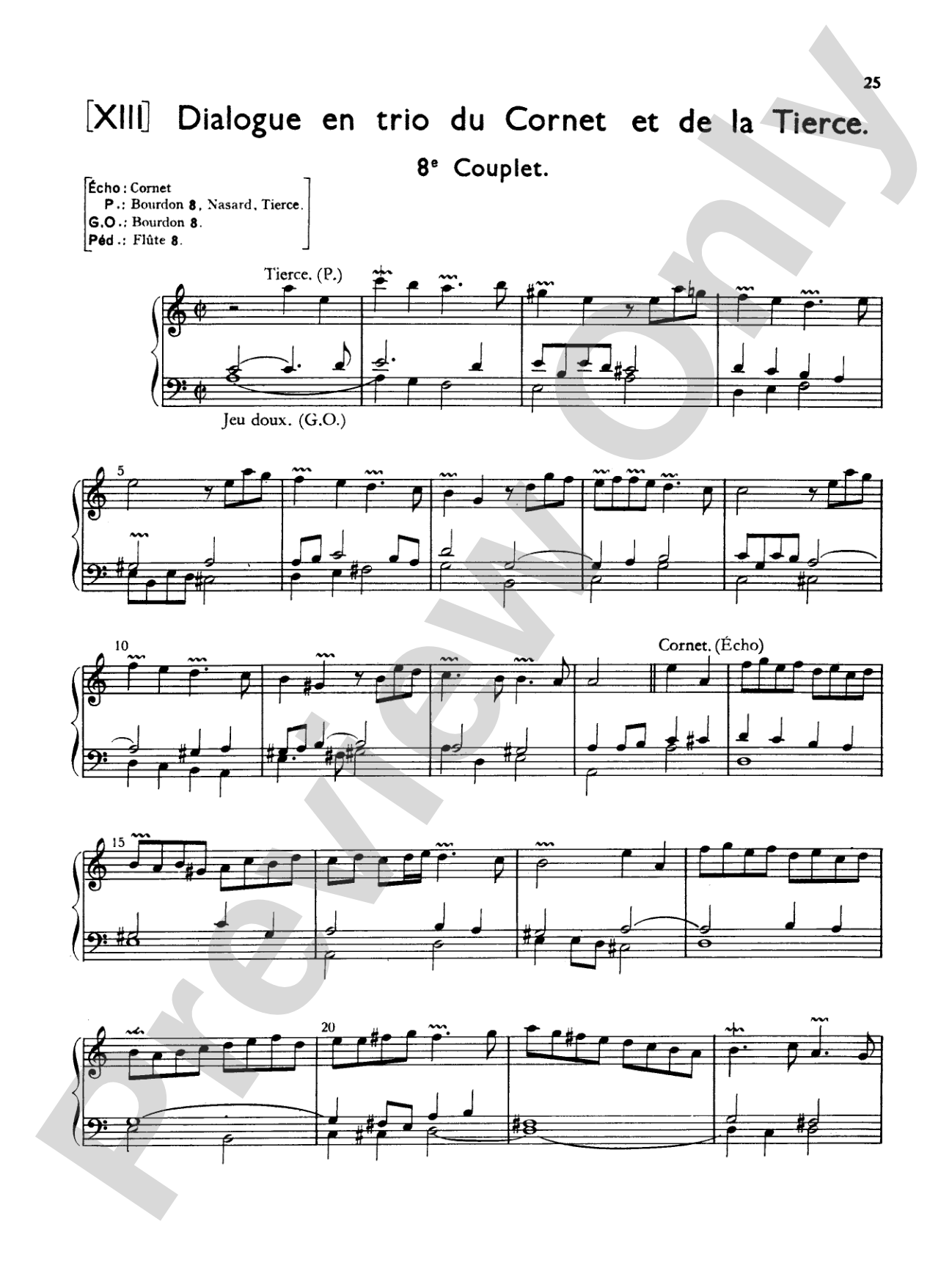
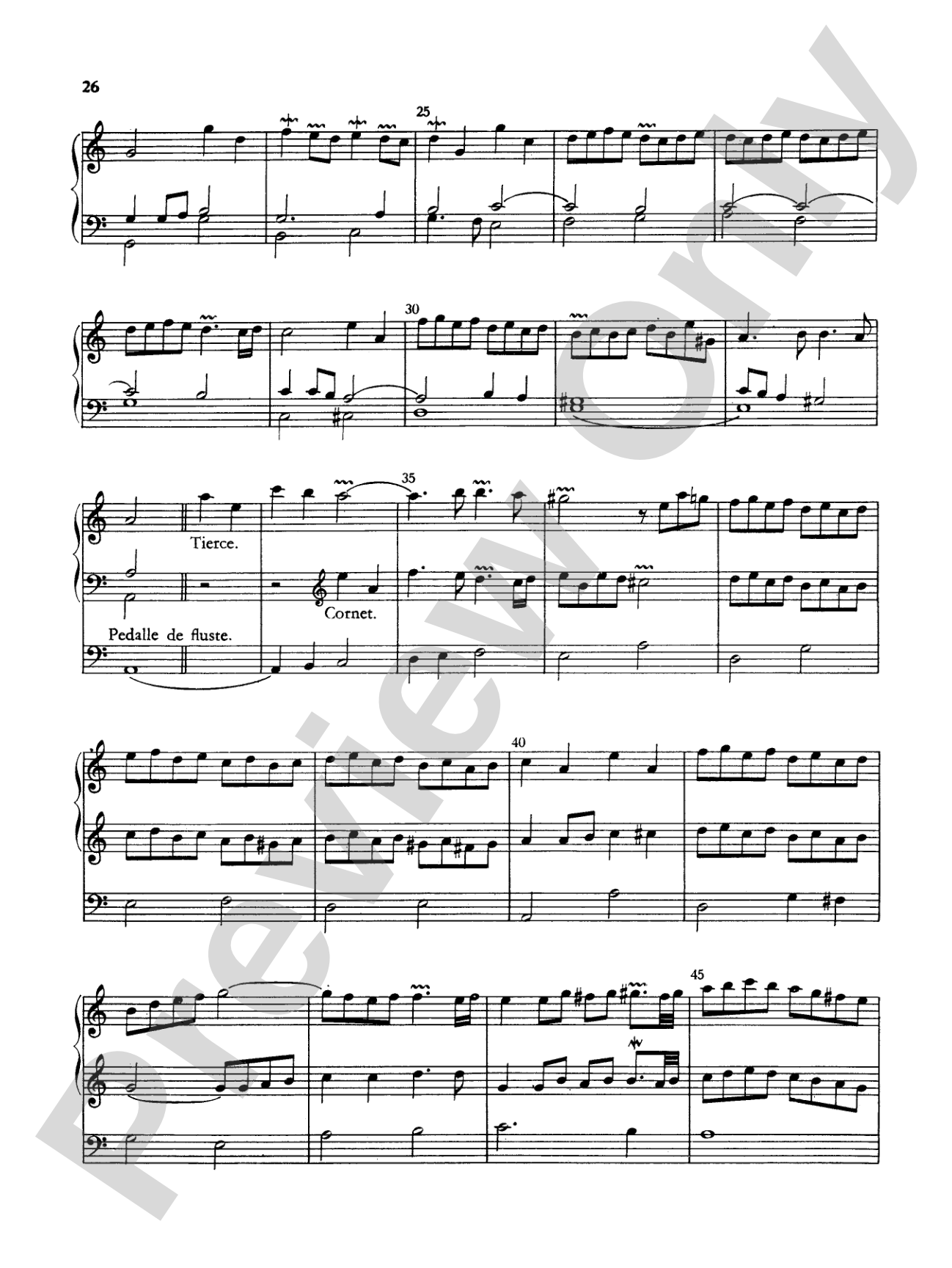
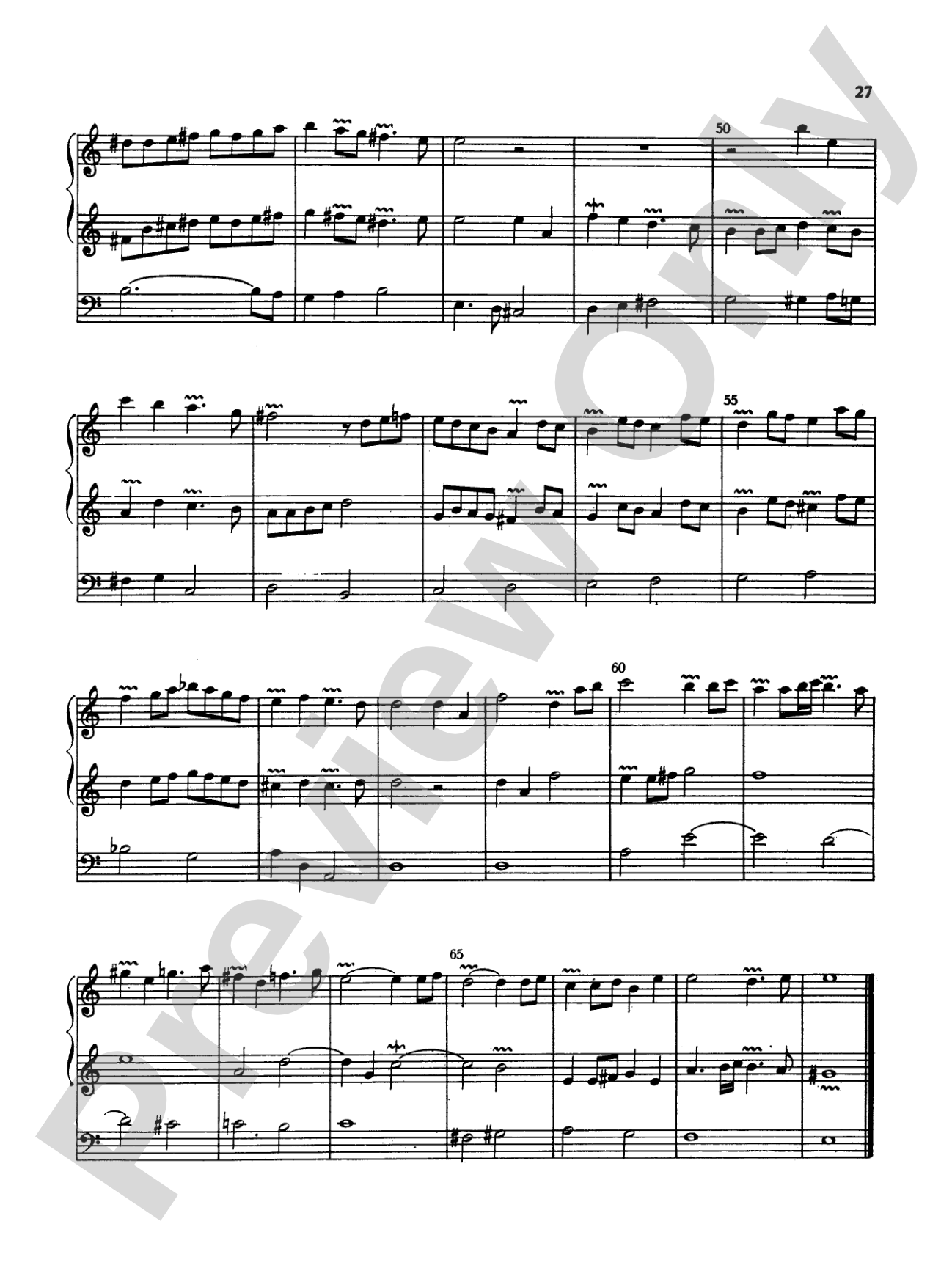
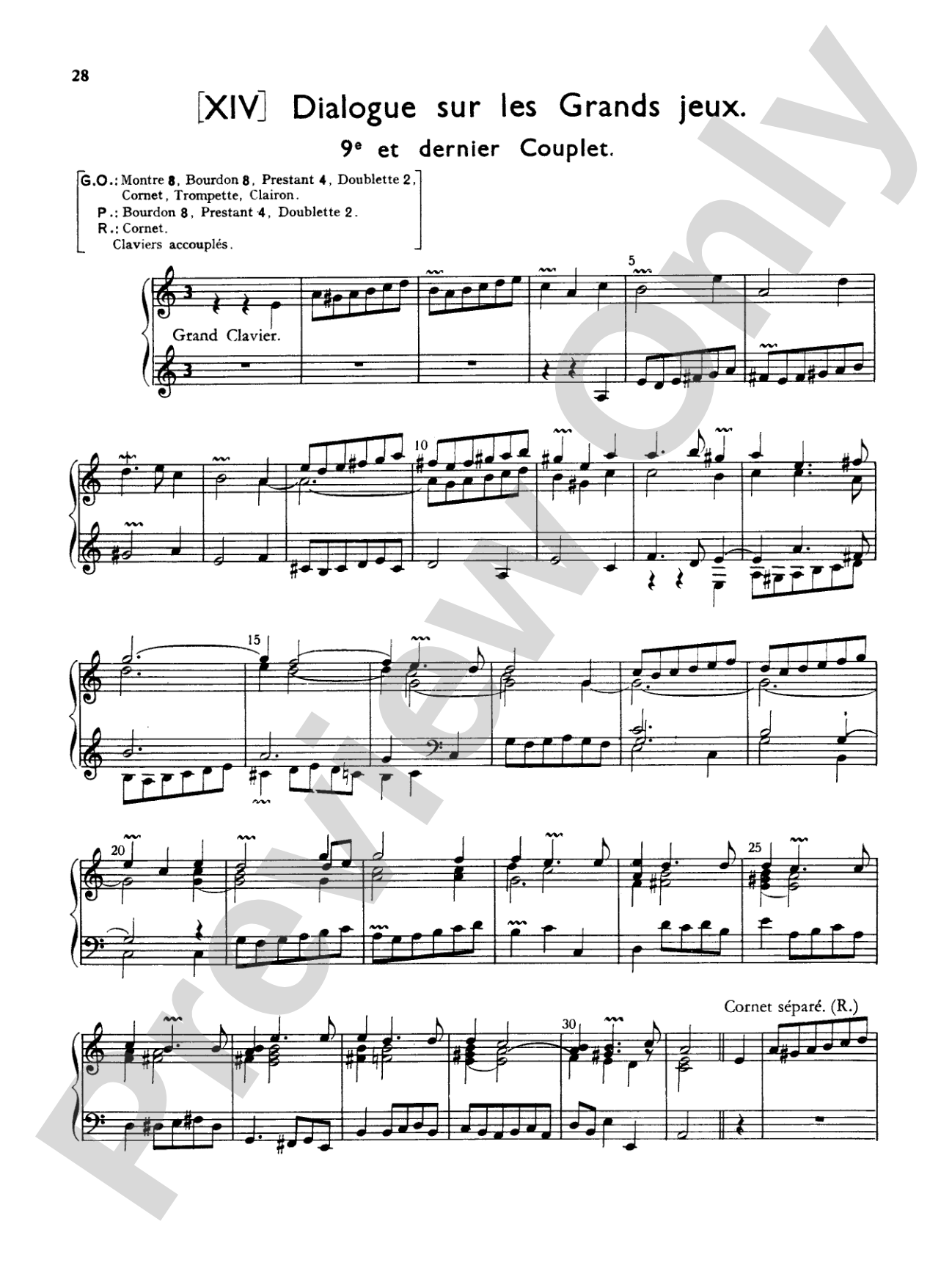
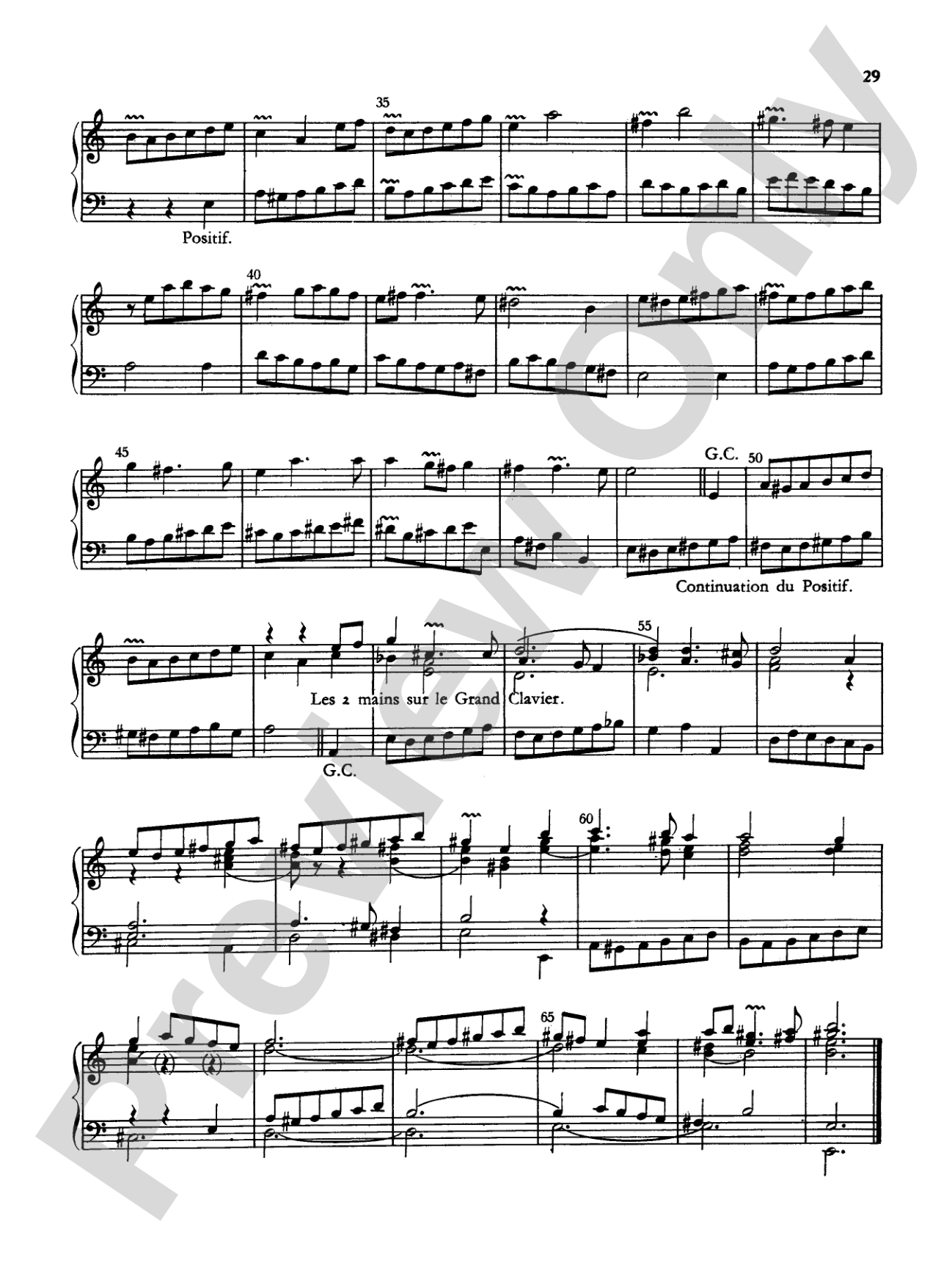
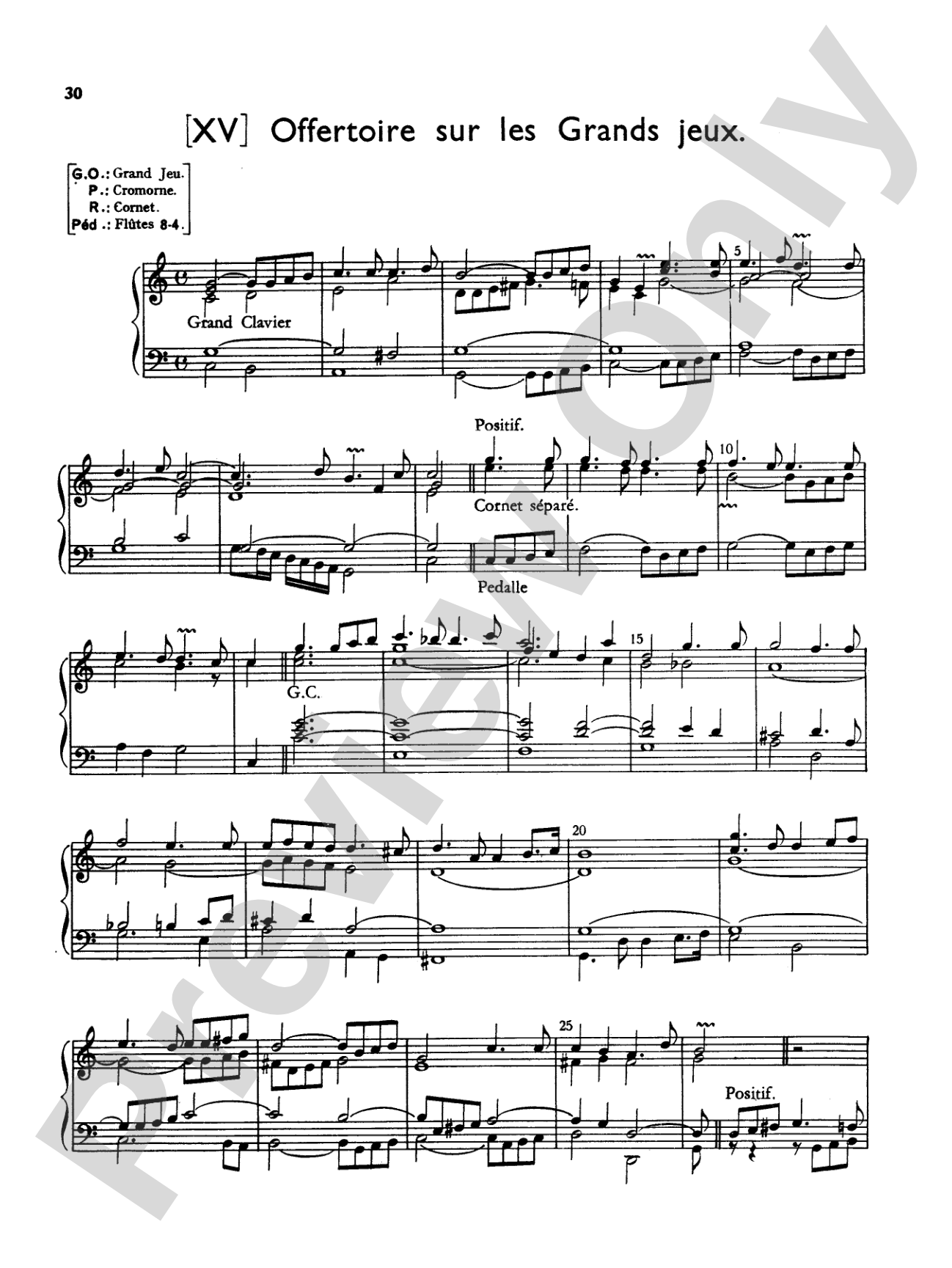
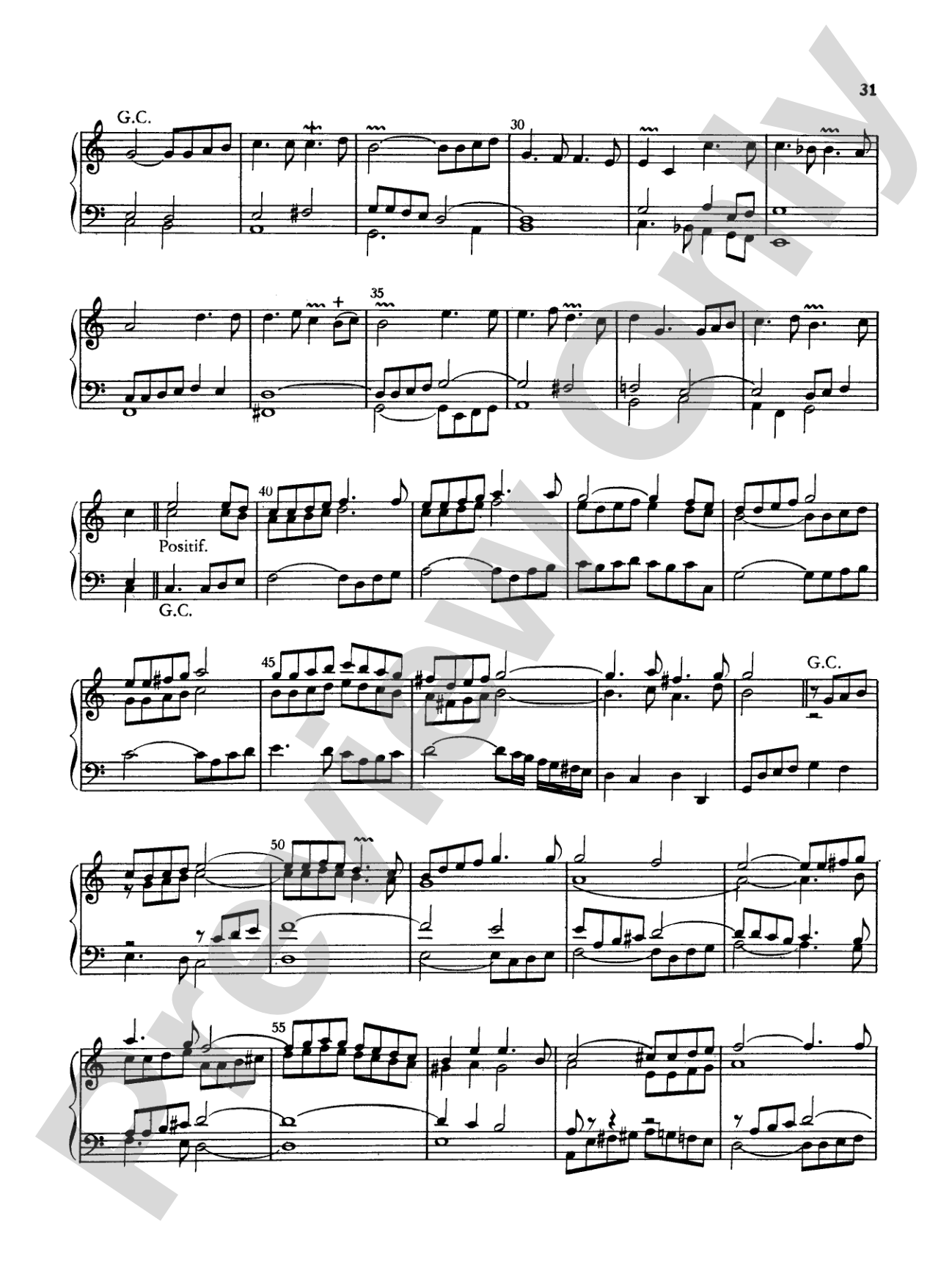
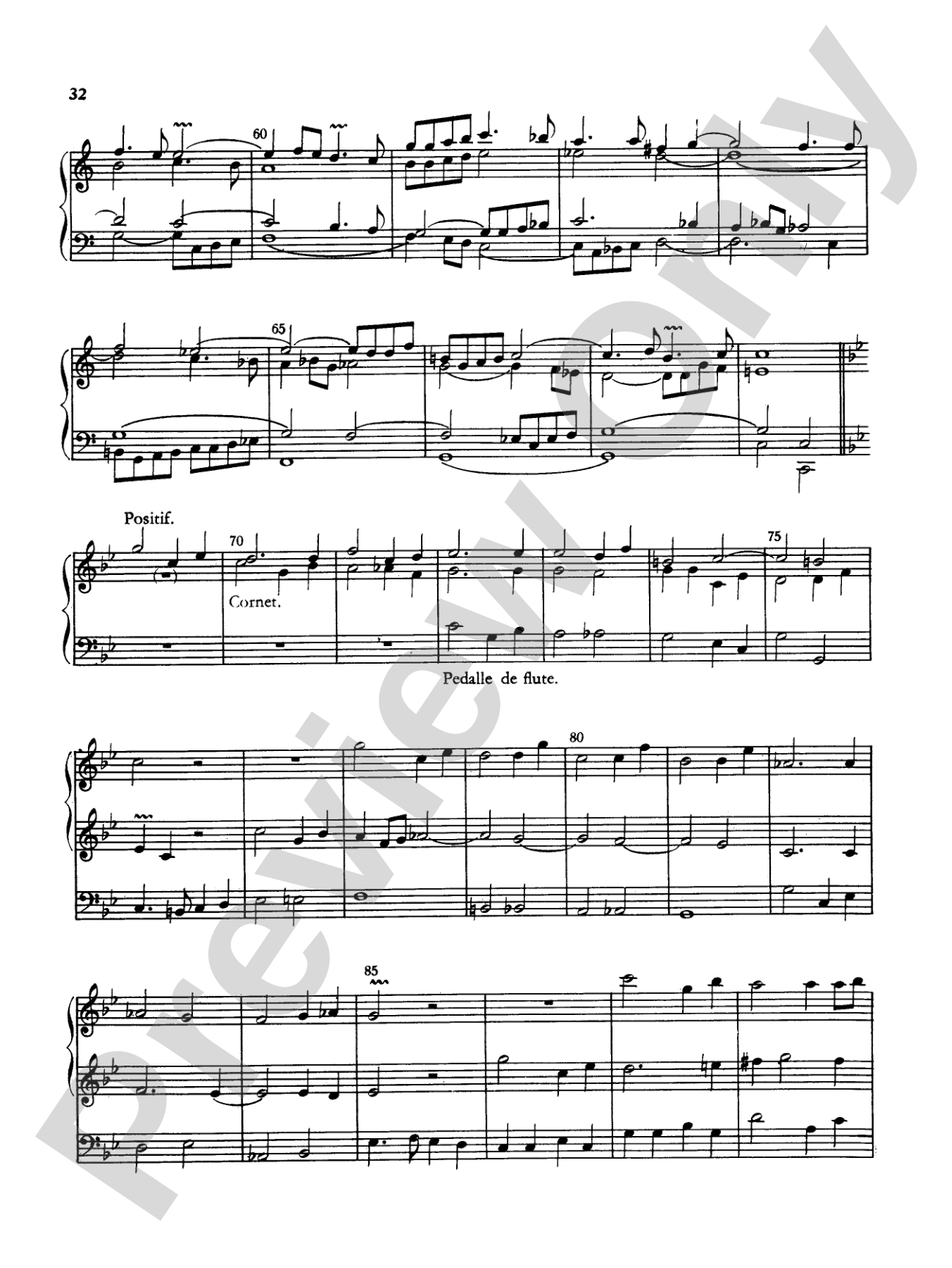
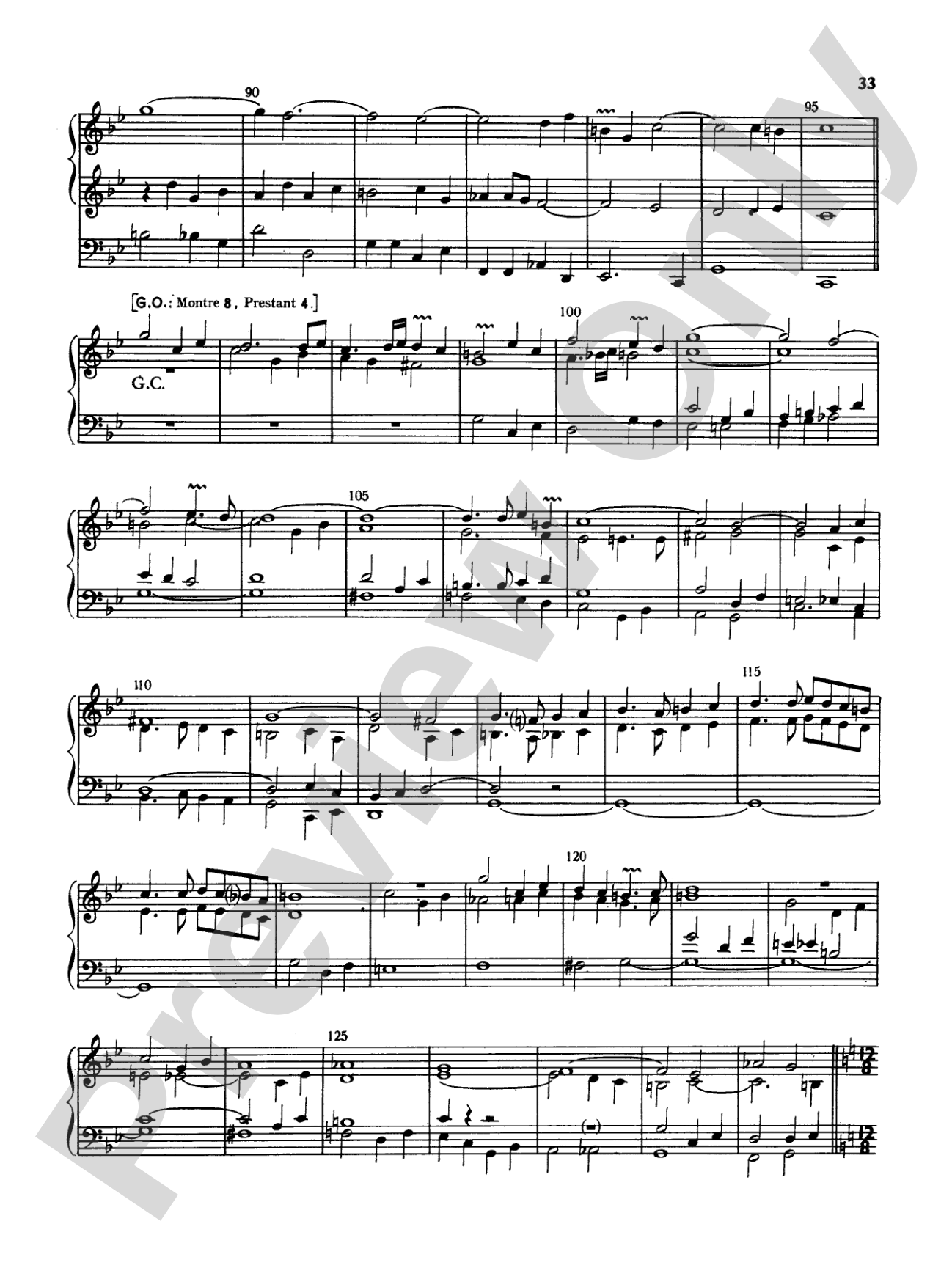
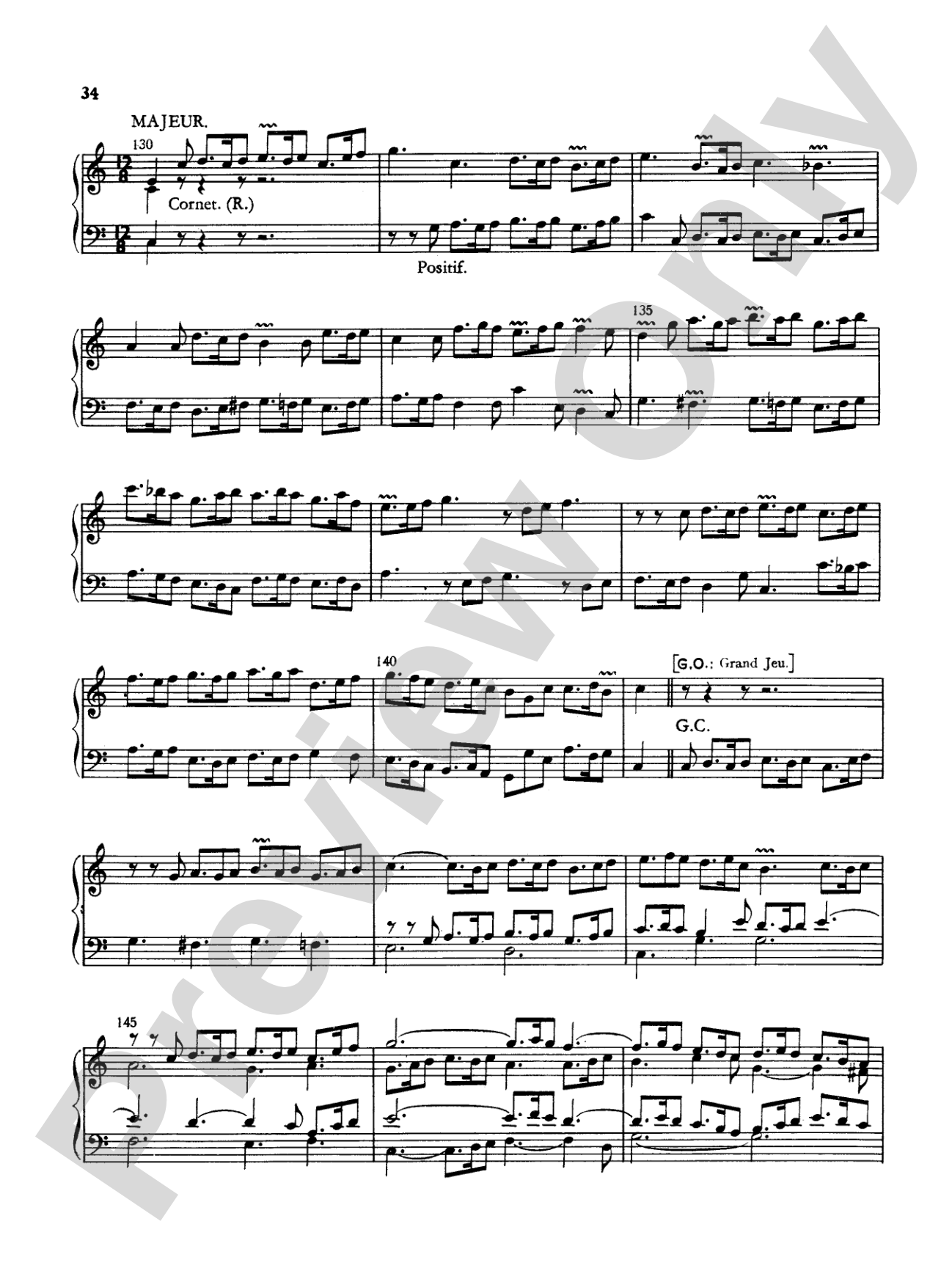
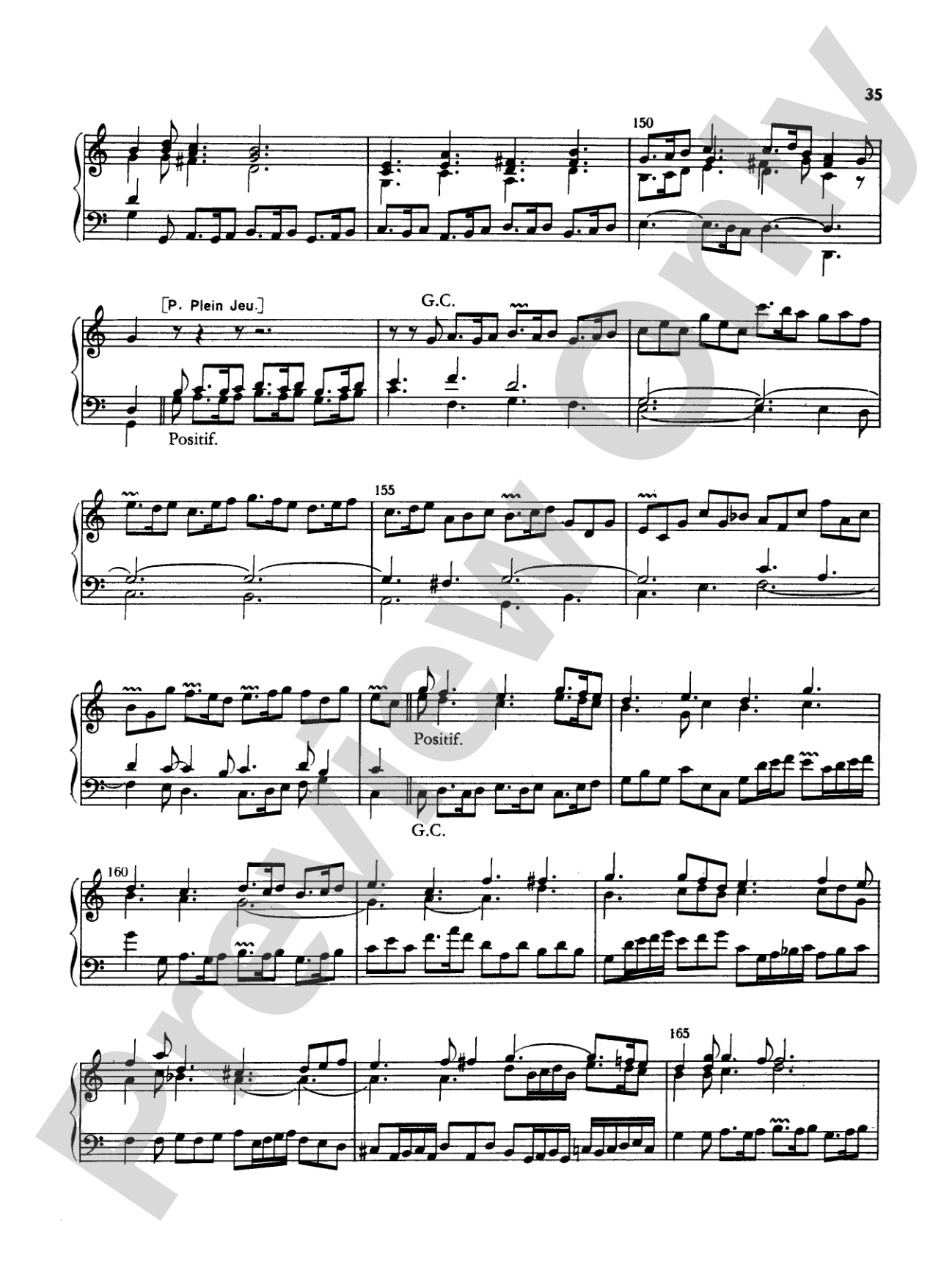
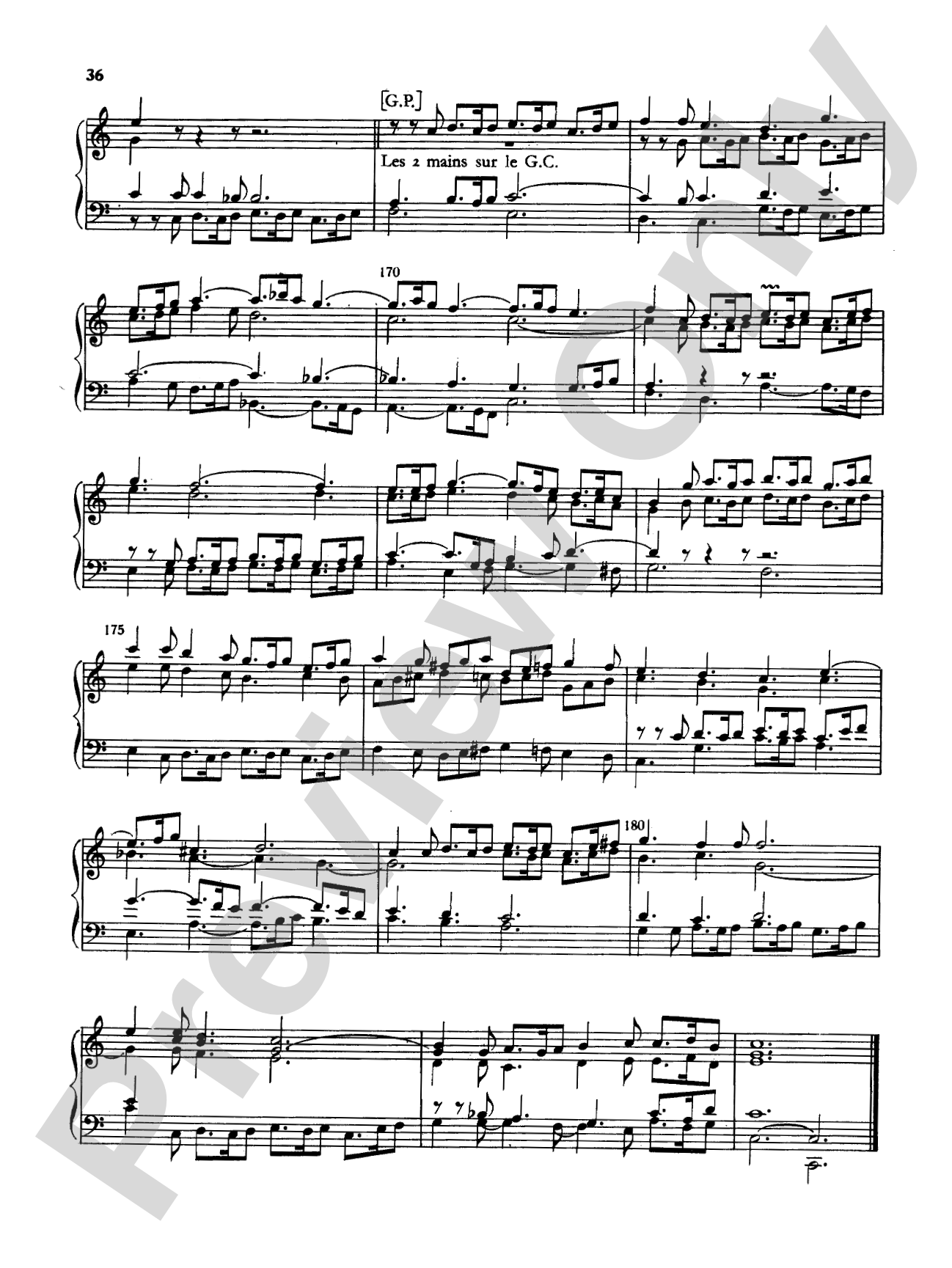
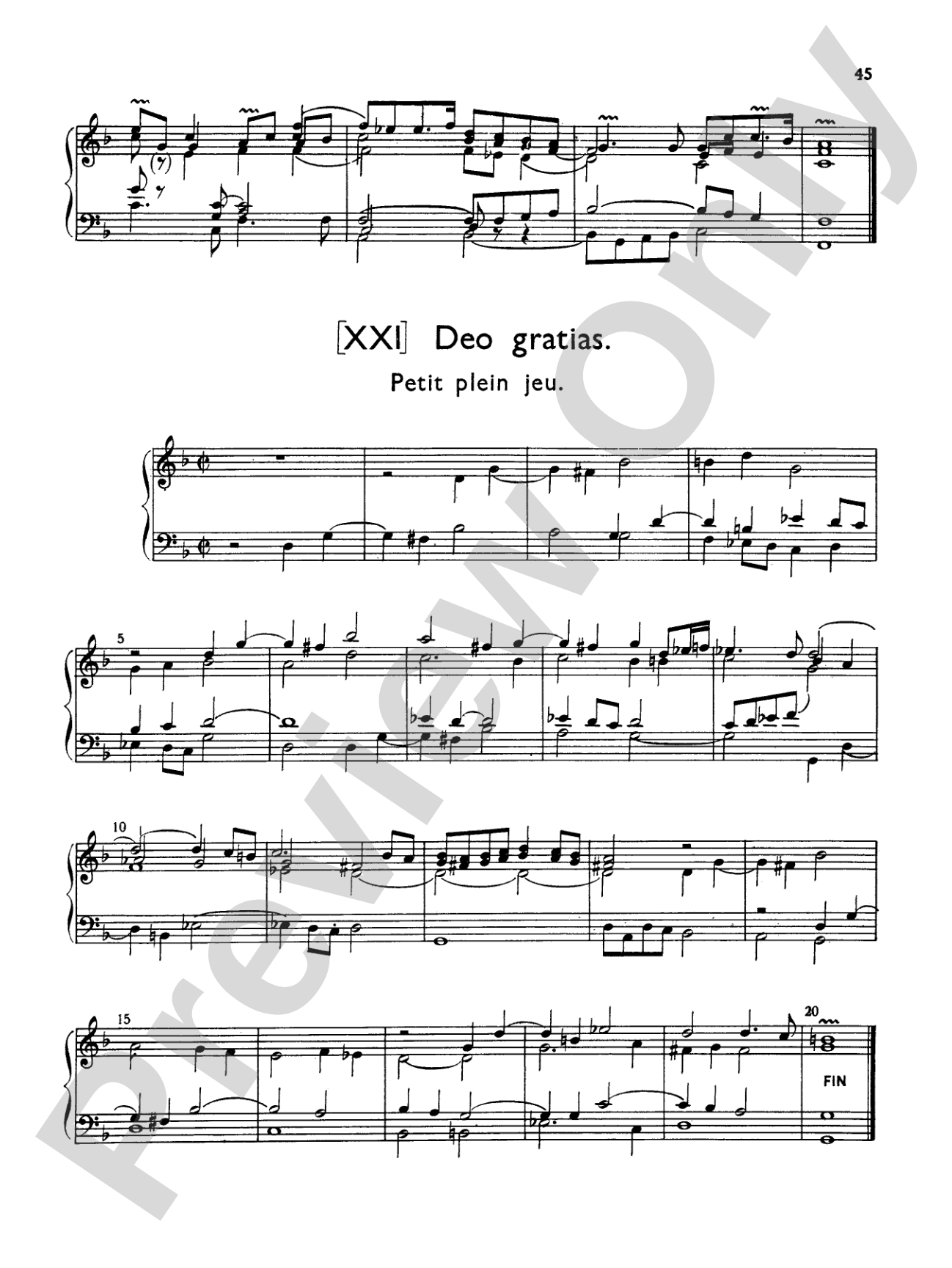




Couperin: Mass for the Parishes: Organ Sheet
By François Couperin
Item: 00-PK-0003002

$9.95
Pickup currently not available
Parts Added to Cart!
Related Items
Mass for the Parishes: Organ Sheet |
$9.95
|
View |
Description
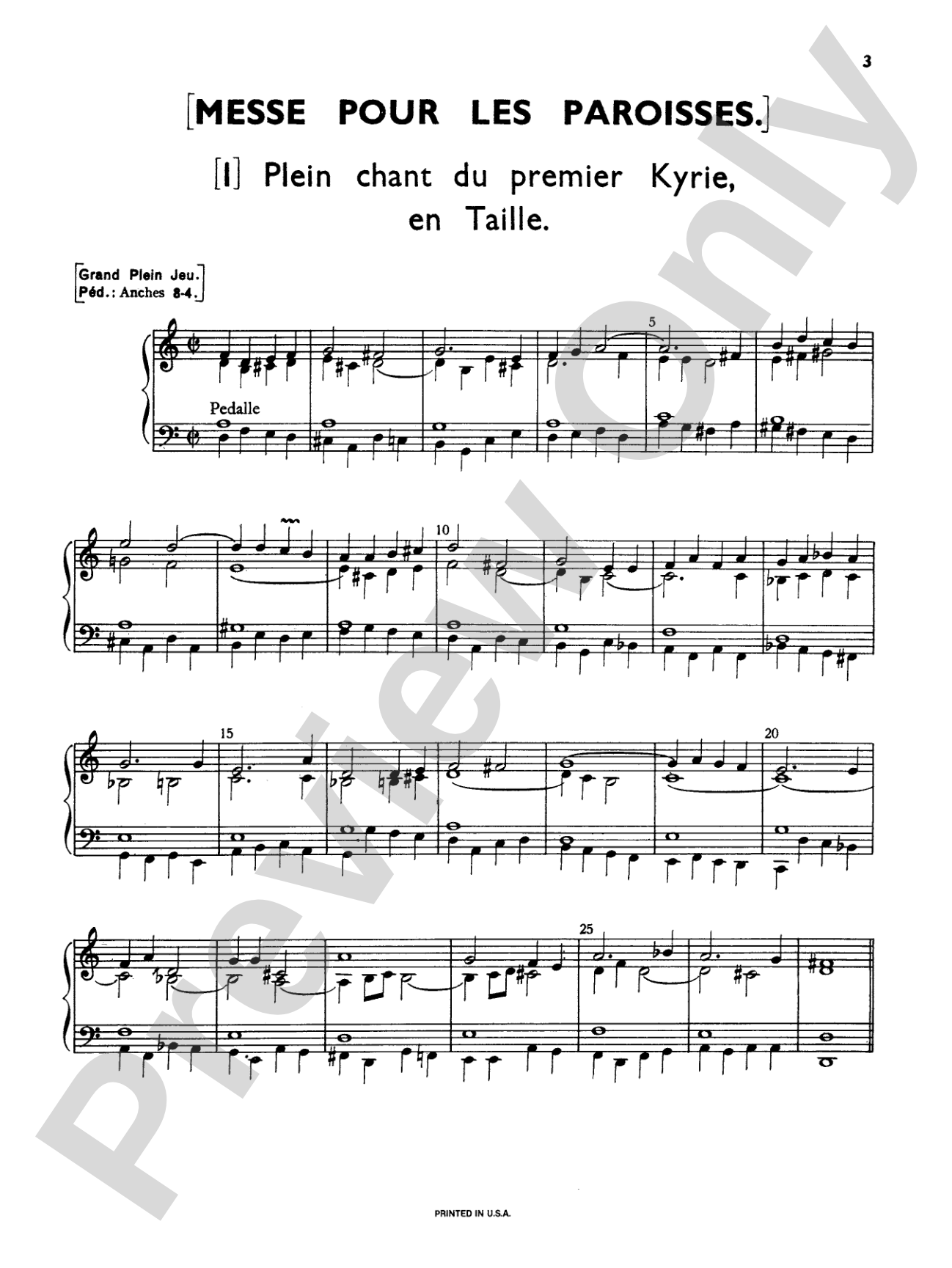
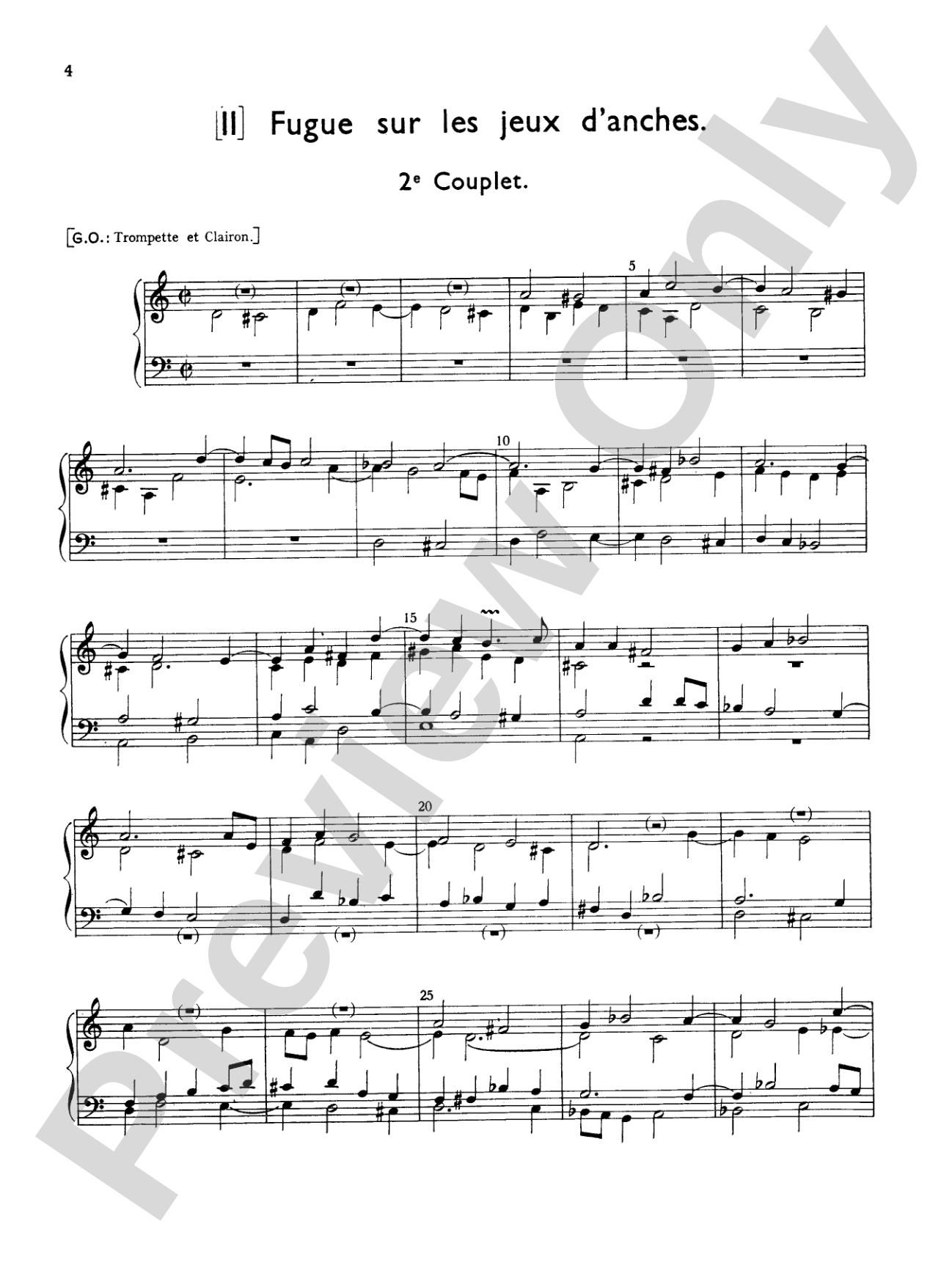
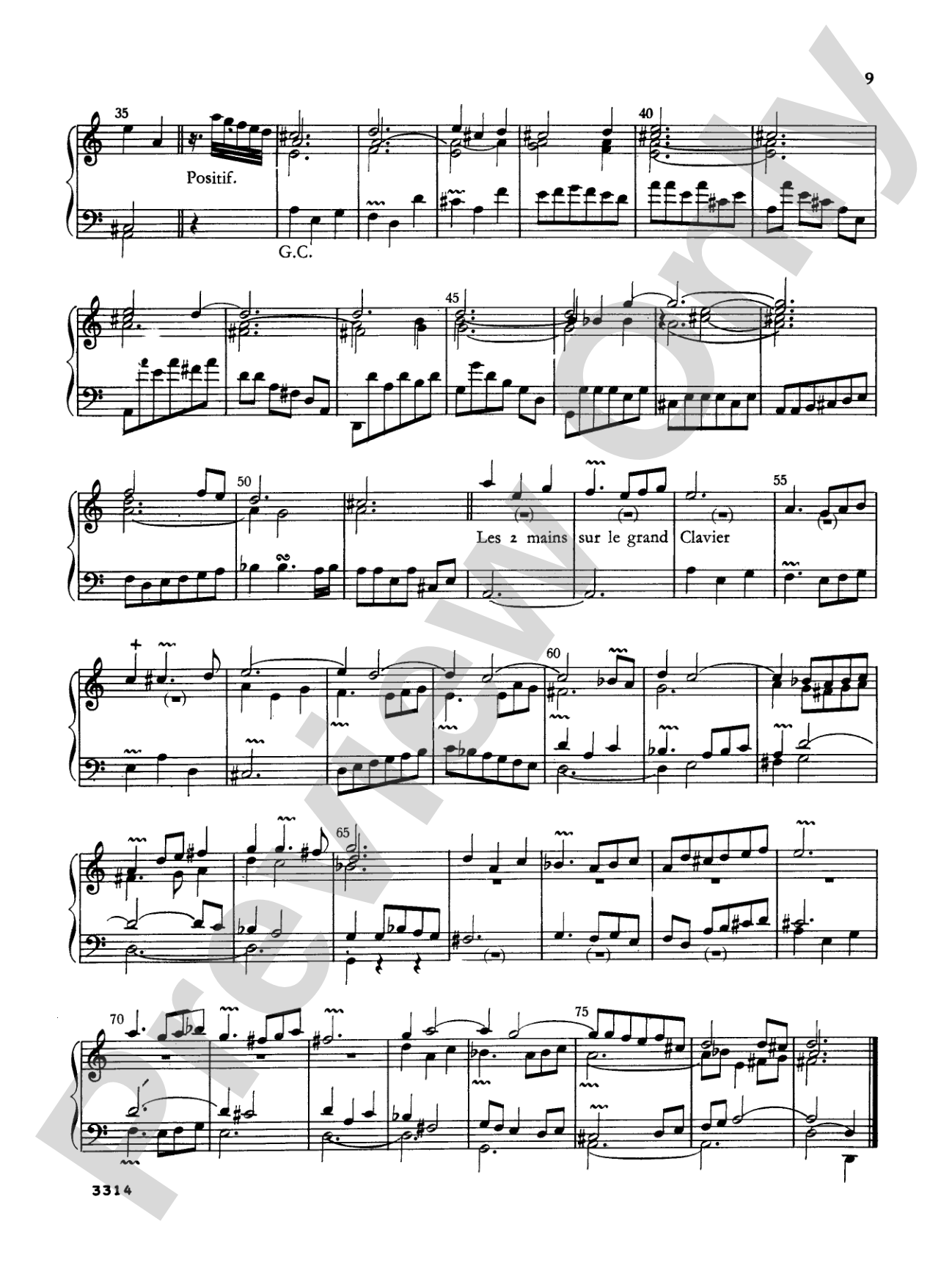
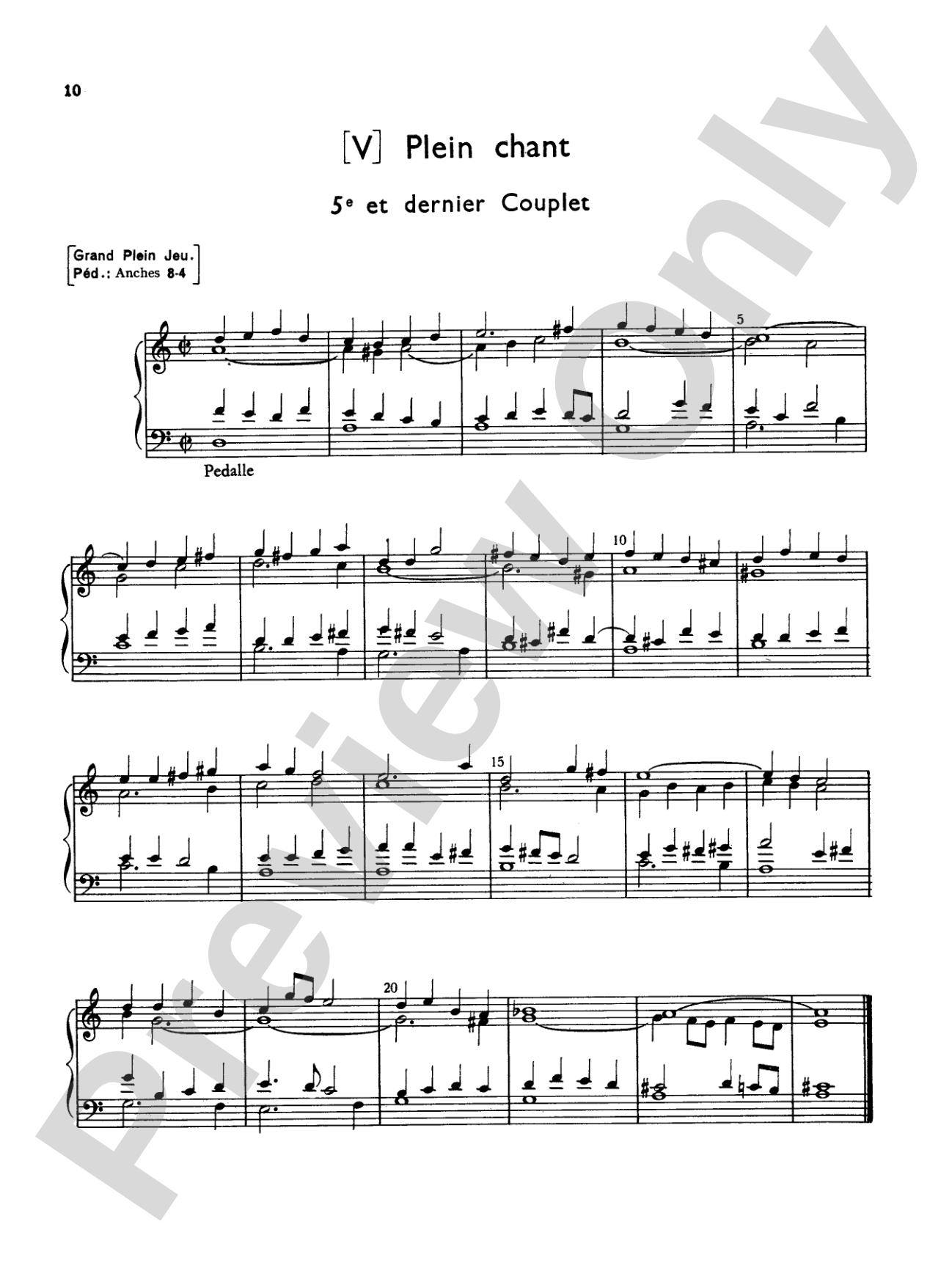
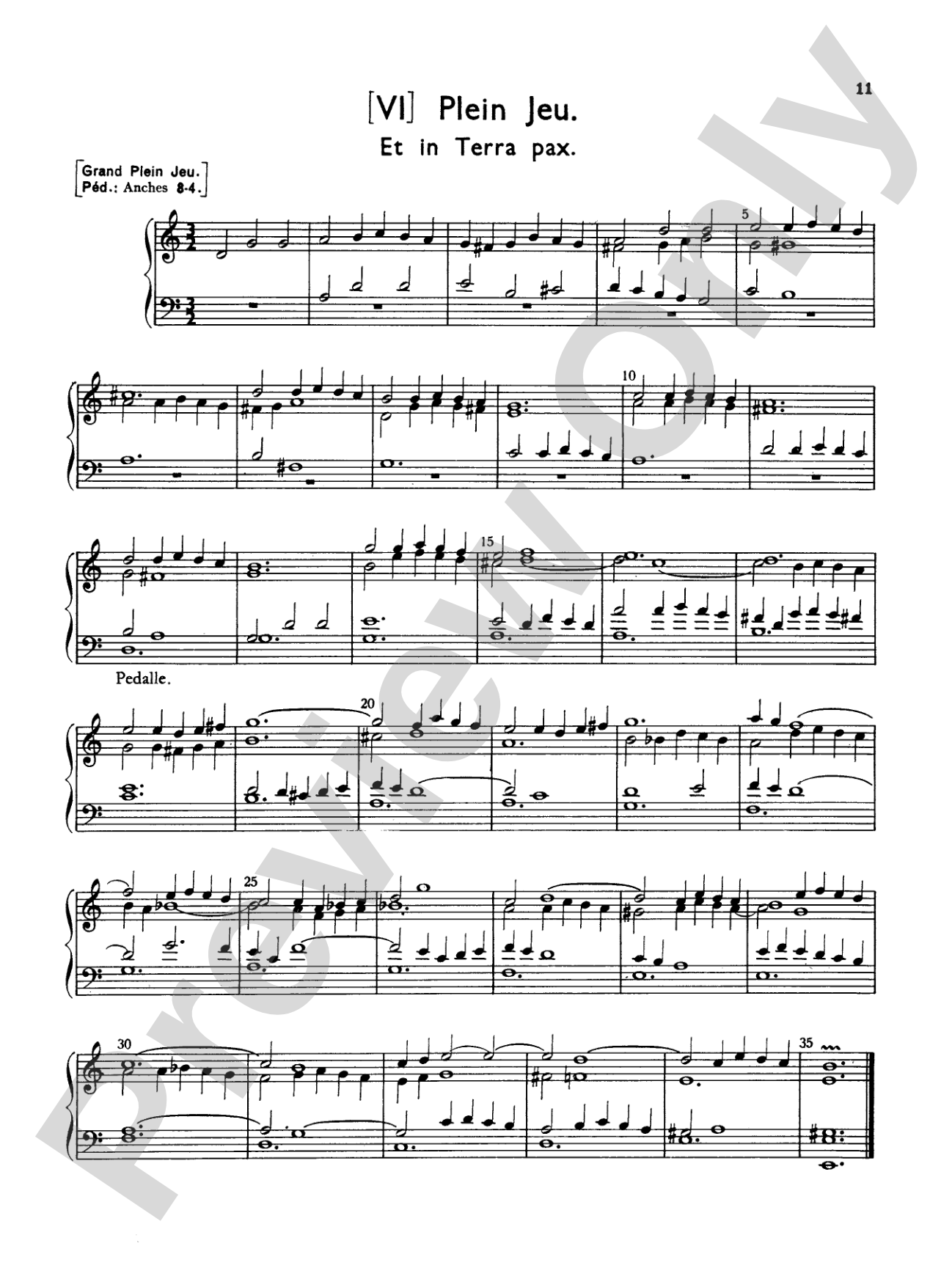
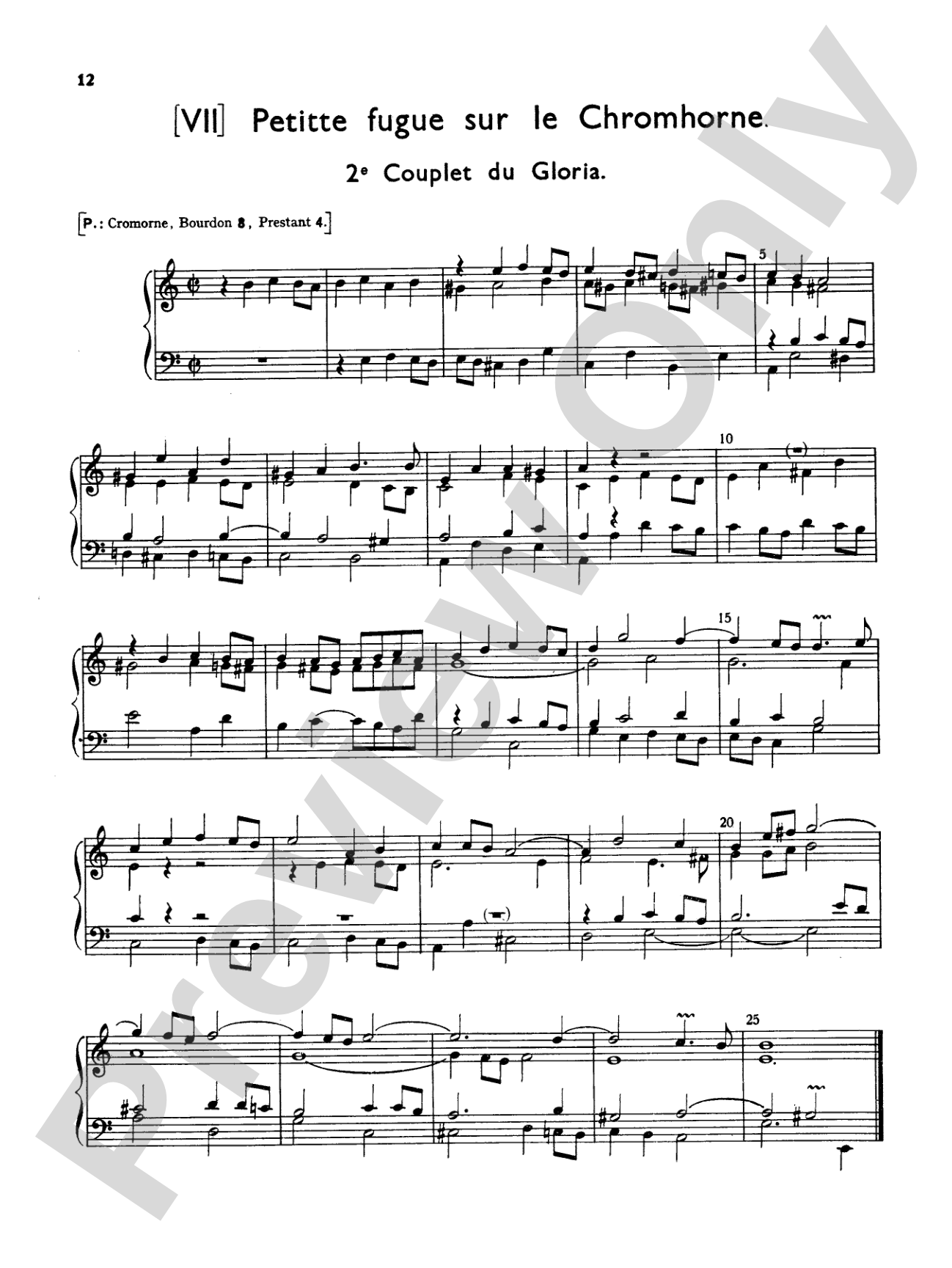
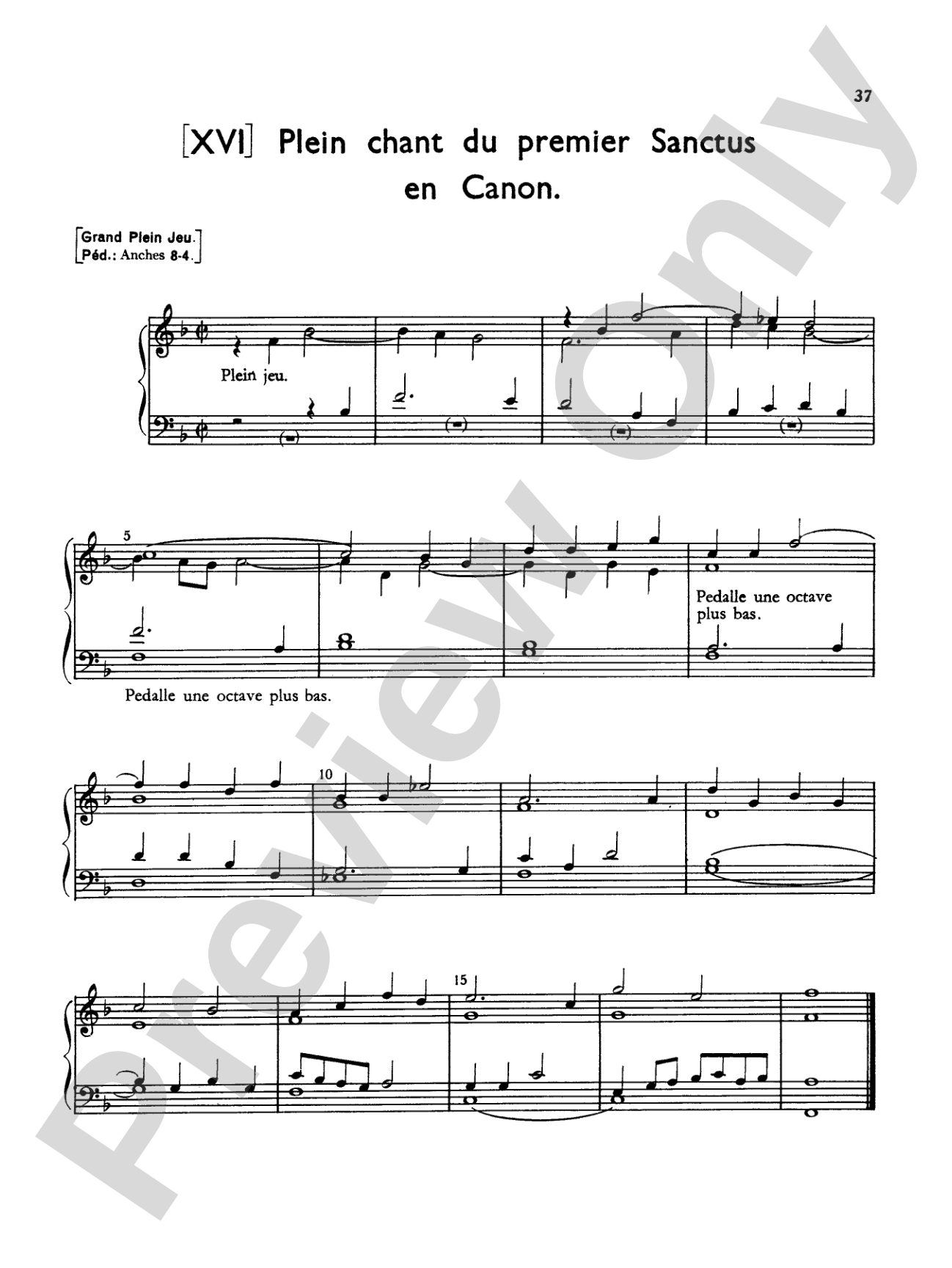
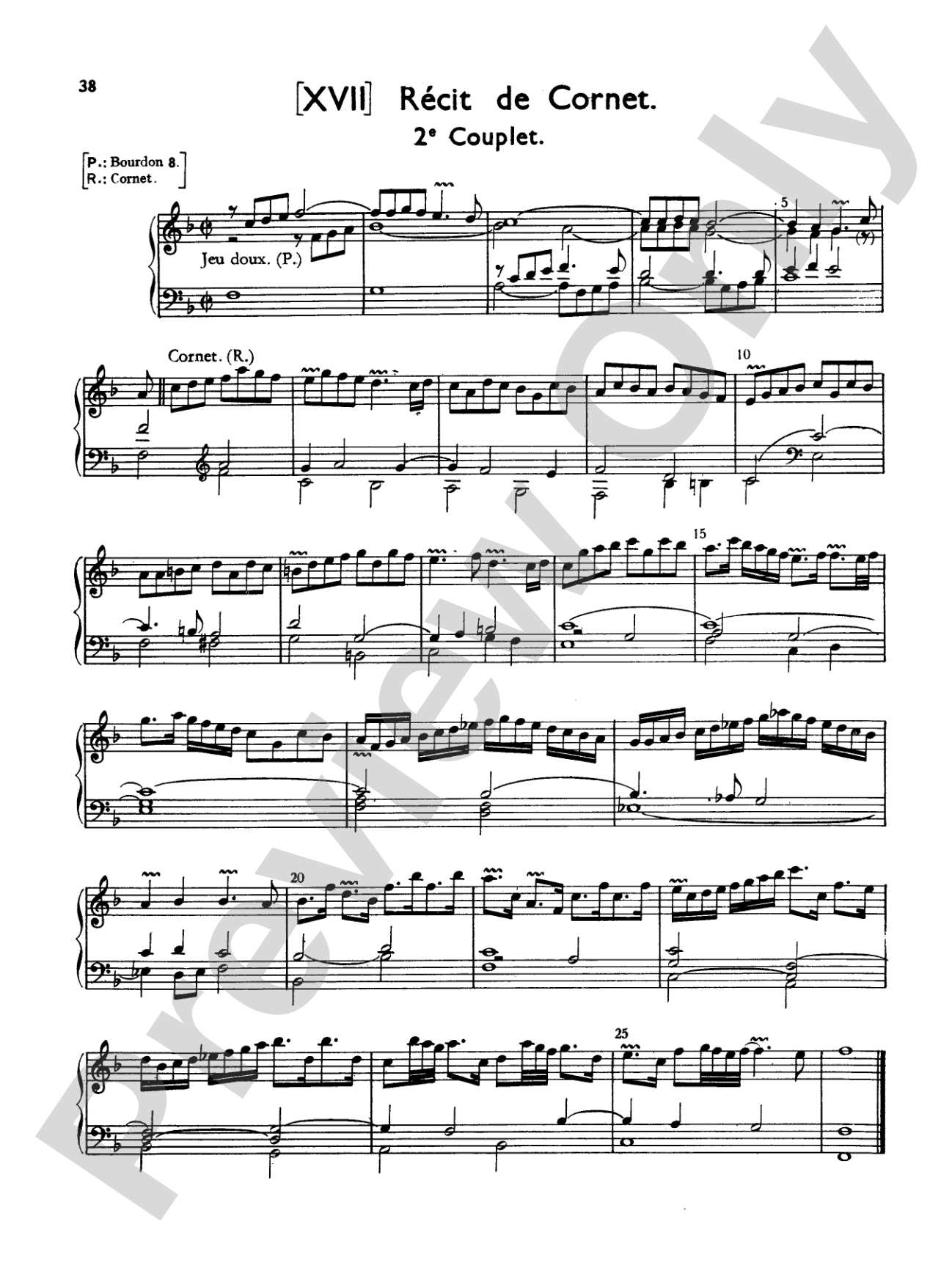
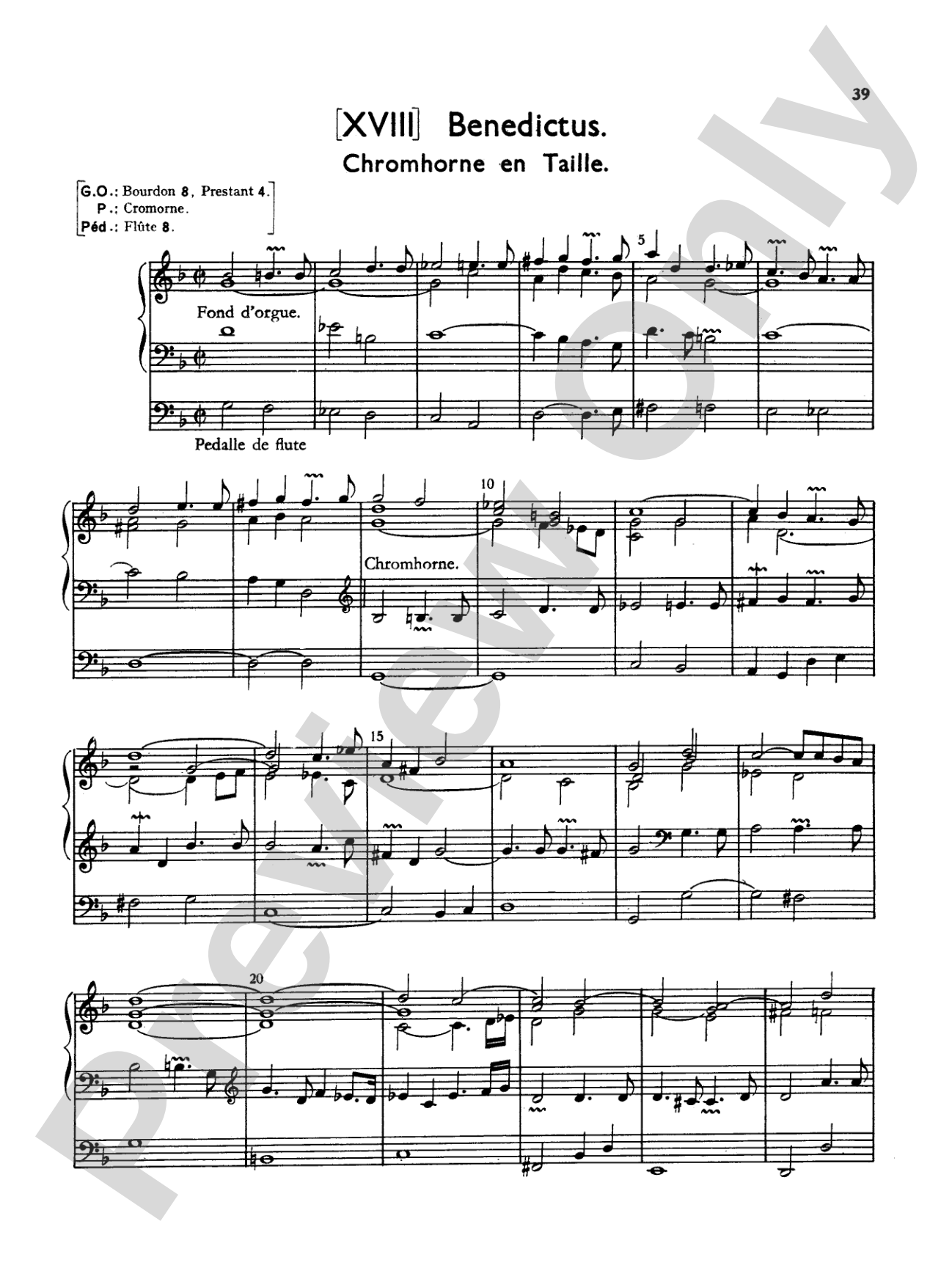
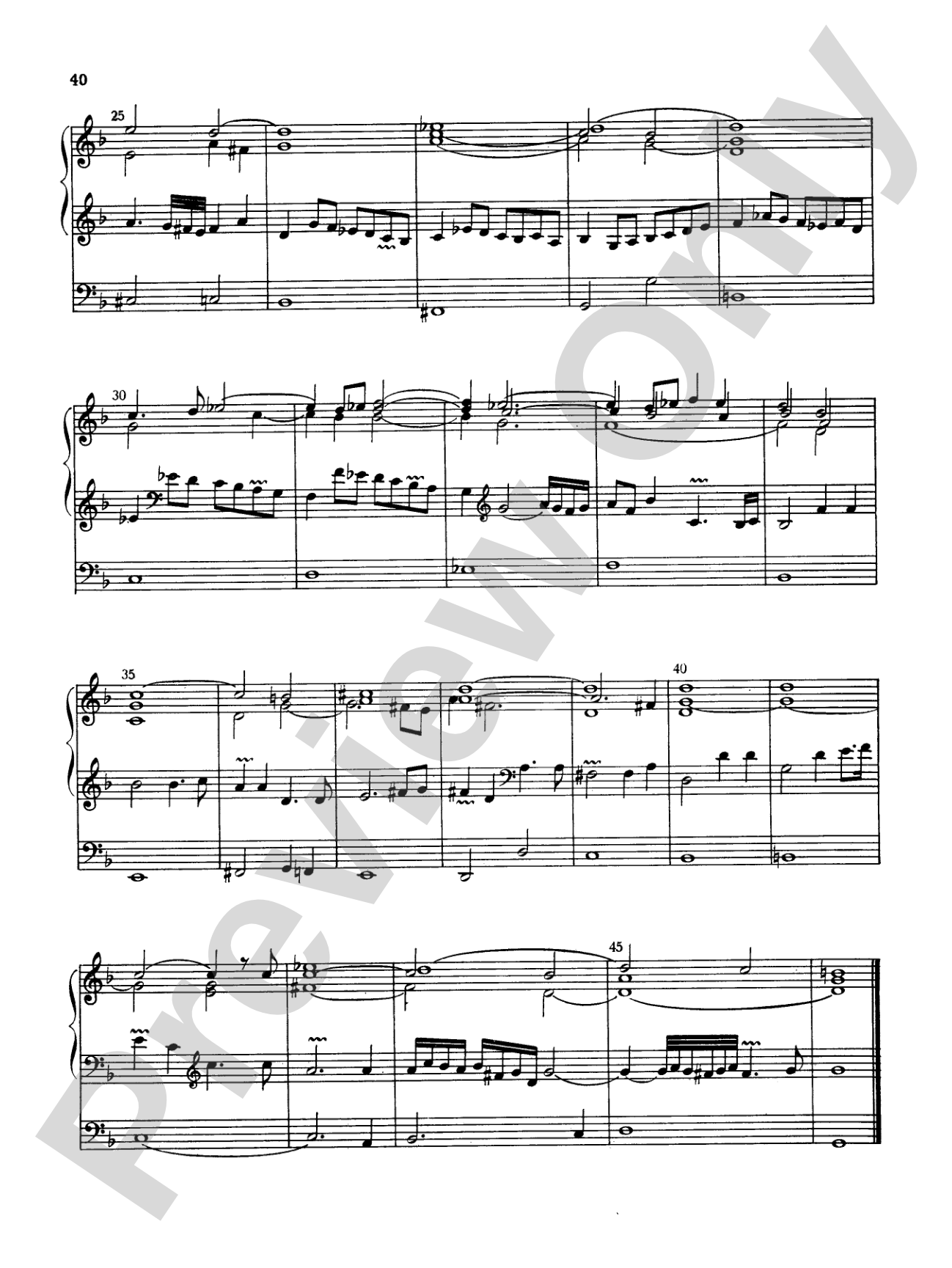
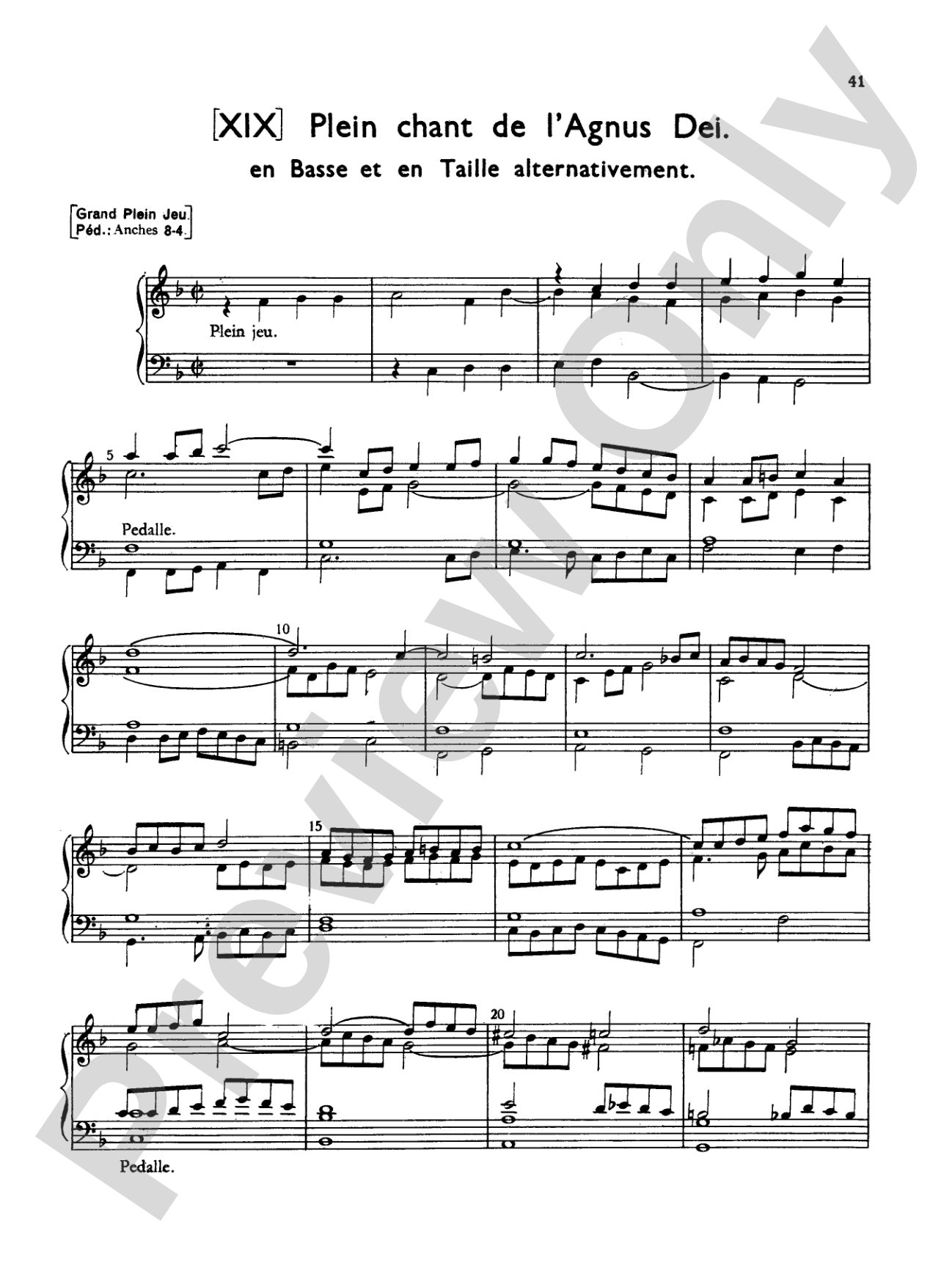
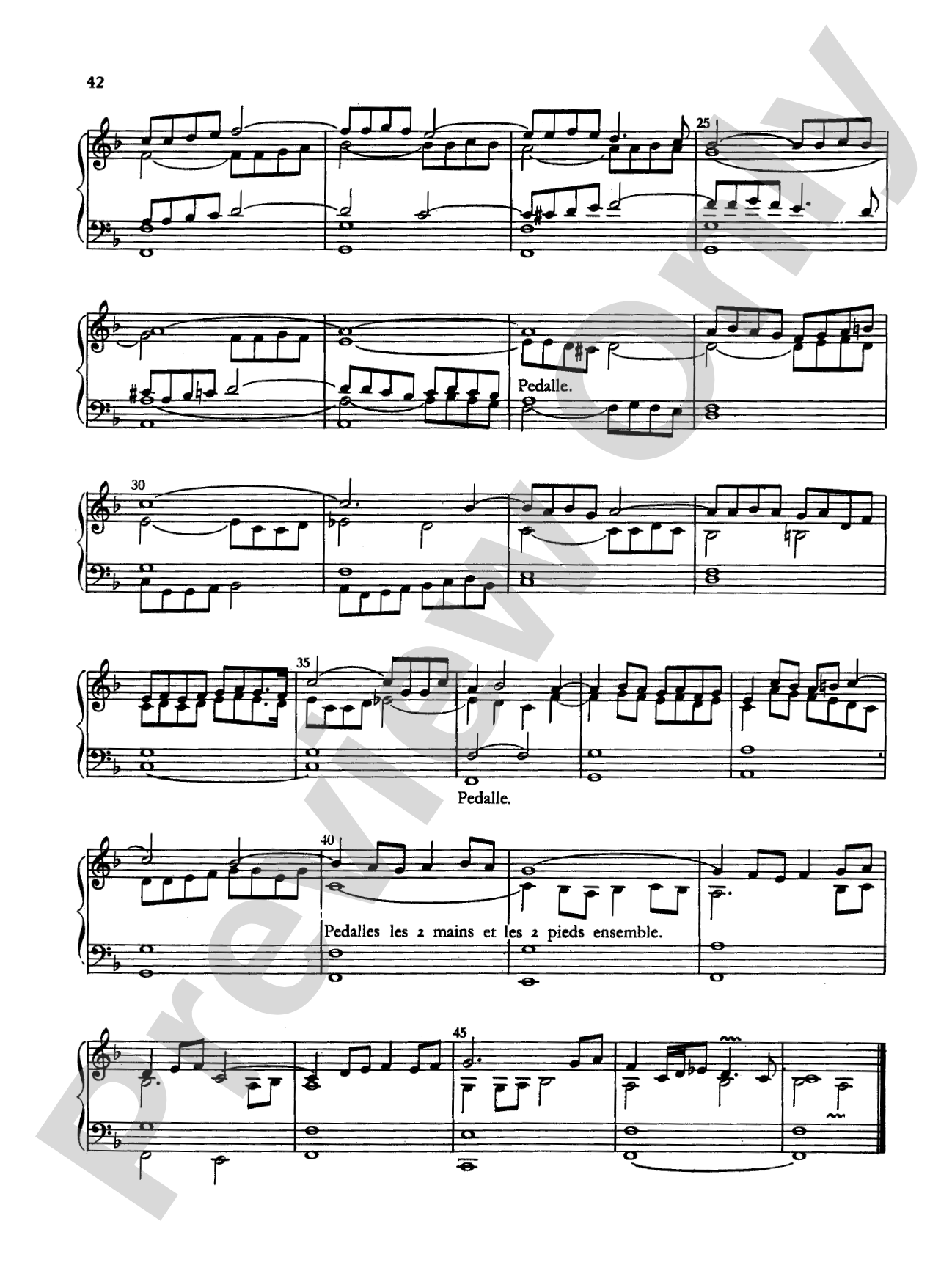
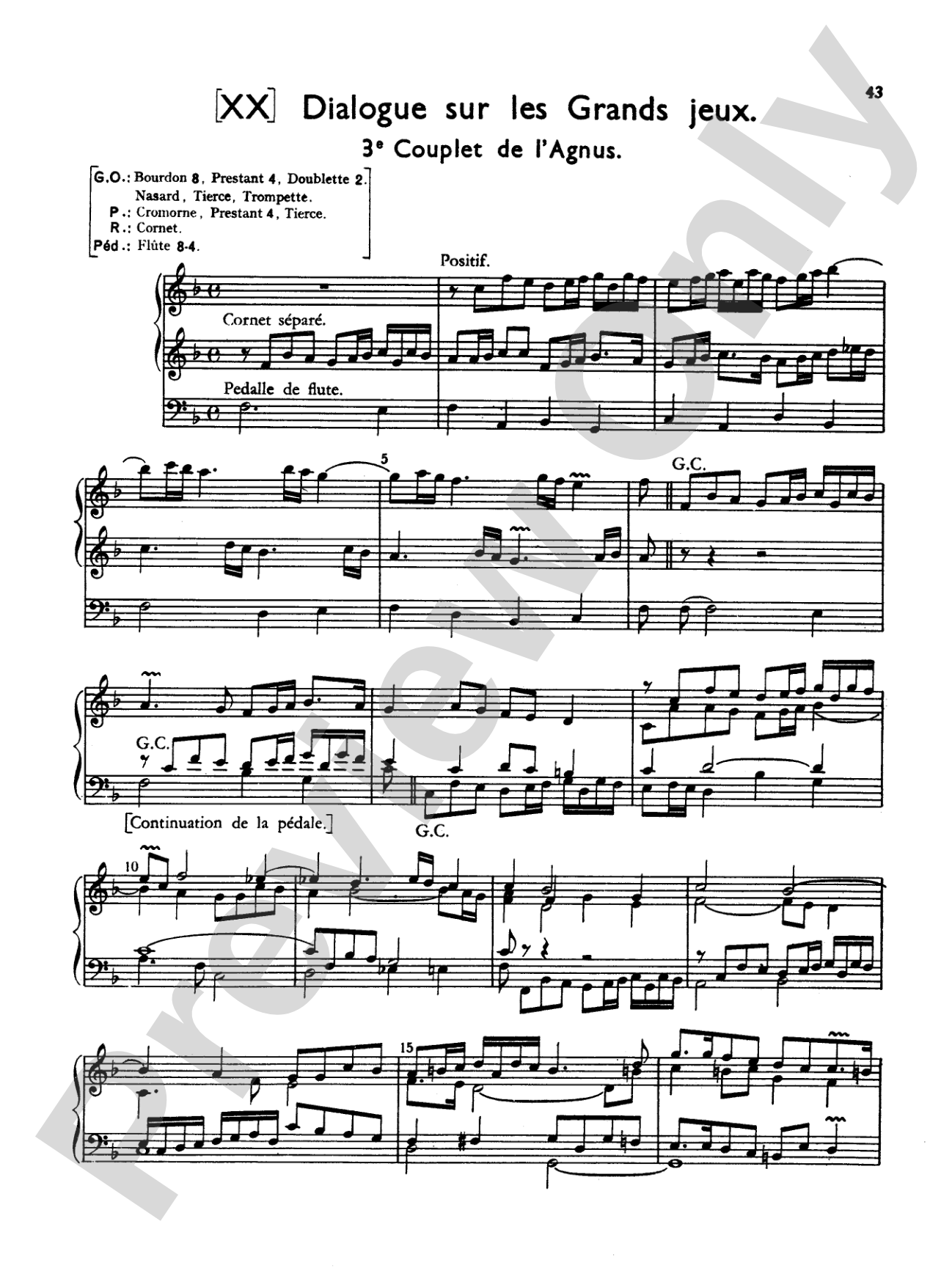
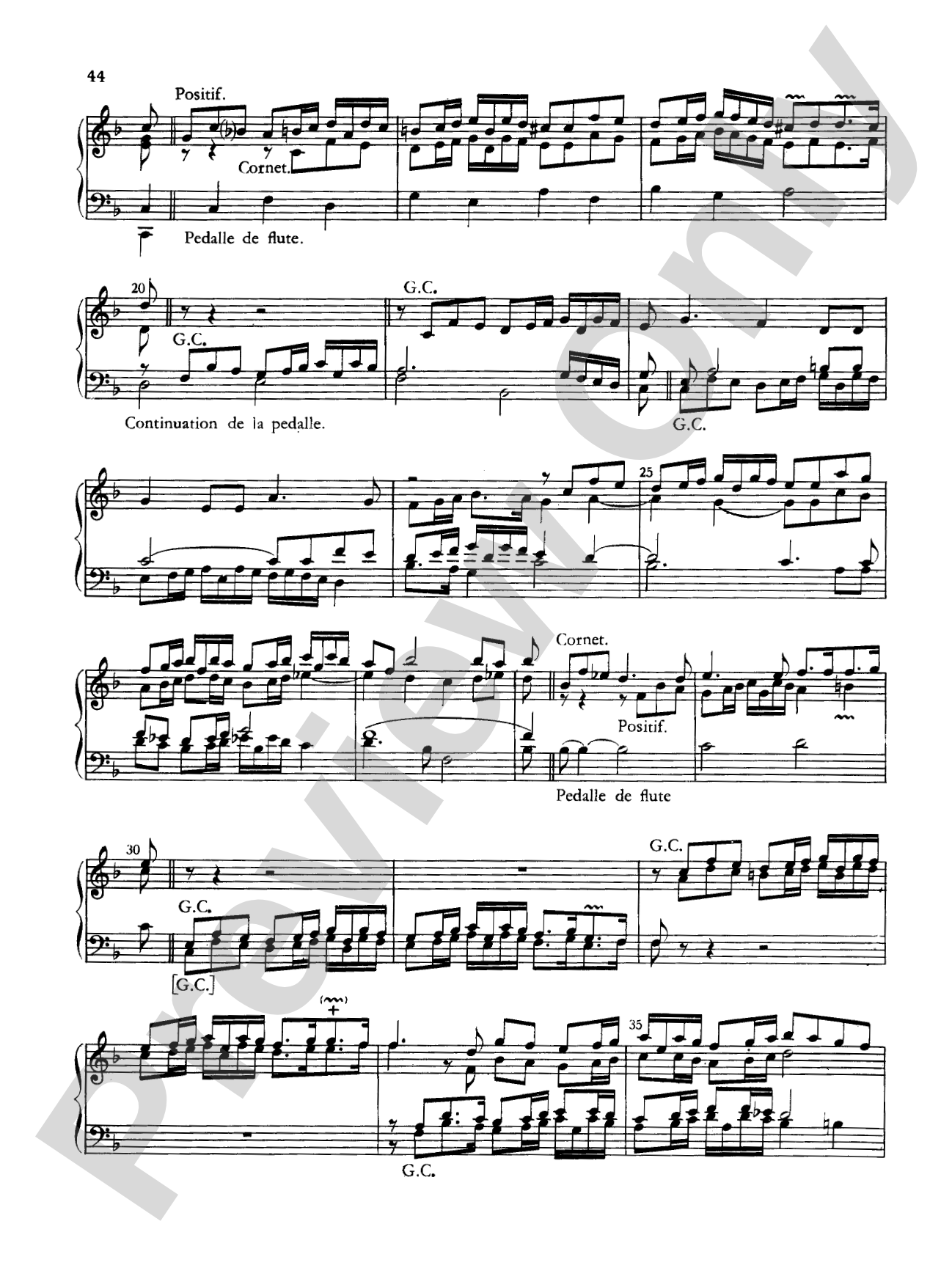
Titles: I, Plein chant du premier Kyrie, en Taille * II, Fugue sur les jeux d'anches * III, Récit de Chromhorne * IV, Dialogue sur la Trompette et le Chromhorne * V, Plein chant * VI, Plein Jeu * VII, Petitte Fugue sur le Chromhorne * VIII, Duo sur les Tierces * IX, Dialogue * X, Trio à 2 dessus de Chromhorne et la basse de Tierce * XI, Tierce en Taille * XII, Dialogue sur la Voix humaine * XIII, Dialogue en trio du Cornet et de la Tierce * XIV, Dialogue sur les Grands jeux * XV, Offertoire sur les Grands jeux *XVI, Plein chant du premier Sanctus en Canon * XVII, Récit de Cornet * XVIII, Benedictus * XIX, Plein chant de l'Agnus Dei * XX, Dialogue sur les Grands jeux * XXI, Deo gratias.


Don't just read it, hear it, play along with it, and watch your students grow with it. In MakeMusic Cloud, Couperin: Mass for the Parishes: Organ Sheet comes alive with professional accompaniment, adjustable tempo, and built-in practice tools that turn solo practice into real progress.
Open in the Player
Jump straight in and assign it today.
Start Your Free Trial
Open this title and explore the full library in minutes.
Sample Audio
No sample audio found.
Sample Video
No sample videos found.
Additional Details
Series:
Kalmus Edition
Publisher:
Alfred Music
Page Count:
48
SKU:
00-PK-0003002
More about this title
About the Composer: François Couperin
François Couperin (1668, 1733) was the most celebrated member of the Couperin family and one of the towering figures of French Baroque music. As organist at the royal chapel under Louis XIV, he mastered the French organ tradition while absorbing influences from Italian keyboard writing, a synthesis that defines his compositional voice.
His two masses for organ, one for parishes, one for convents, stand as landmarks of liturgical music. Rather than treating the organ as accompaniment, Couperin composed intricate dialogues between different stops and manual divisions, turning the instrument itself into an ensemble. These works demonstrate how deeply he understood the organ's character and capabilities.
Why we love this
This Mass contains 21 movements that showcase the complete vocabulary of French Baroque organ music, from intimate récits to thundering Grand Jeu combinations. Each piece is proportioned for actual liturgical use, making this a genuine window into how French churches sounded during the period. The mix of technical challenges, character variety, and genuine musical substance makes it equally rewarding for advanced students exploring Baroque keyboard idioms and for performers building a serious organ recital repertoire.
What to expect
The Mass unfolds like a guided tour through the full expressive range of the Baroque organ, moving from plainchant-like simplicity to virtuosic display, intimate dialogue to majestic proclamation. Each movement creates a distinct sonic world through registration and texture, yet all are bound together by Couperin's elegant voice leading and his gift for balancing harmonic color with structural clarity. The overall effect is both architecturally sound and deeply spiritual.
Who it's for
This is essential material for organists preparing for advanced recital work, for students in academic organ programs studying Baroque masters, and for church musicians who want to understand the liturgical context and authentic performance practices of French organ music. It demands considerable technical fluency, musical maturity, and familiarity with Baroque organ registration and style.
How to get the most out of it
- Study the stop combinations implied by each movement's title (Tierces, Cromorne, Voix humaine, Grands jeux, etc.) and research your instrument's closest equivalents rather than forcing modern registrations onto Baroque specifications.
- Pay attention to the French agrément notation and ornament conventions; Couperin's turns, trills, and mordents follow specific conventions that differ from German or Italian practice.
- Allow the dialogues between manual and pedal lines, and between contrasting stops, to breathe with clear articulation and registration changes that define the musical conversation.
- Approach the fugal movements with rhythmic precision and clarity of voice leading; the counterpoint depends on every line being audible and independent.
How to use it
This work is best programmed as a complete Mass in a liturgical or concert setting that honors its sacred context and allows listeners to experience the full arc of its design. Alternatively, individual movements or groups of movements (such as the Kyrie movements, the Gloria section, or the Sanctus and Agnus Dei) can be extracted for church services or featured as a substantial portion of an organ recital dedicated to French Baroque music.
Skills your students will build
- Reading French Baroque organ notation and stop combinations
- Interpreting agrément notation and period-appropriate ornamentation
- Voicing and independence of contrapuntal lines in fugal and dialogic textures
- Registration strategy and tonal color management across multiple movements
- Understanding liturgical structure and the musical function of each Mass movement
- Executing rapid passage work and technical figures with clarity and style