


Couperin: Mass for the Convents
By François Couperin
Item: 00-PC-0006218
$8.95
Pickup currently not available
Description
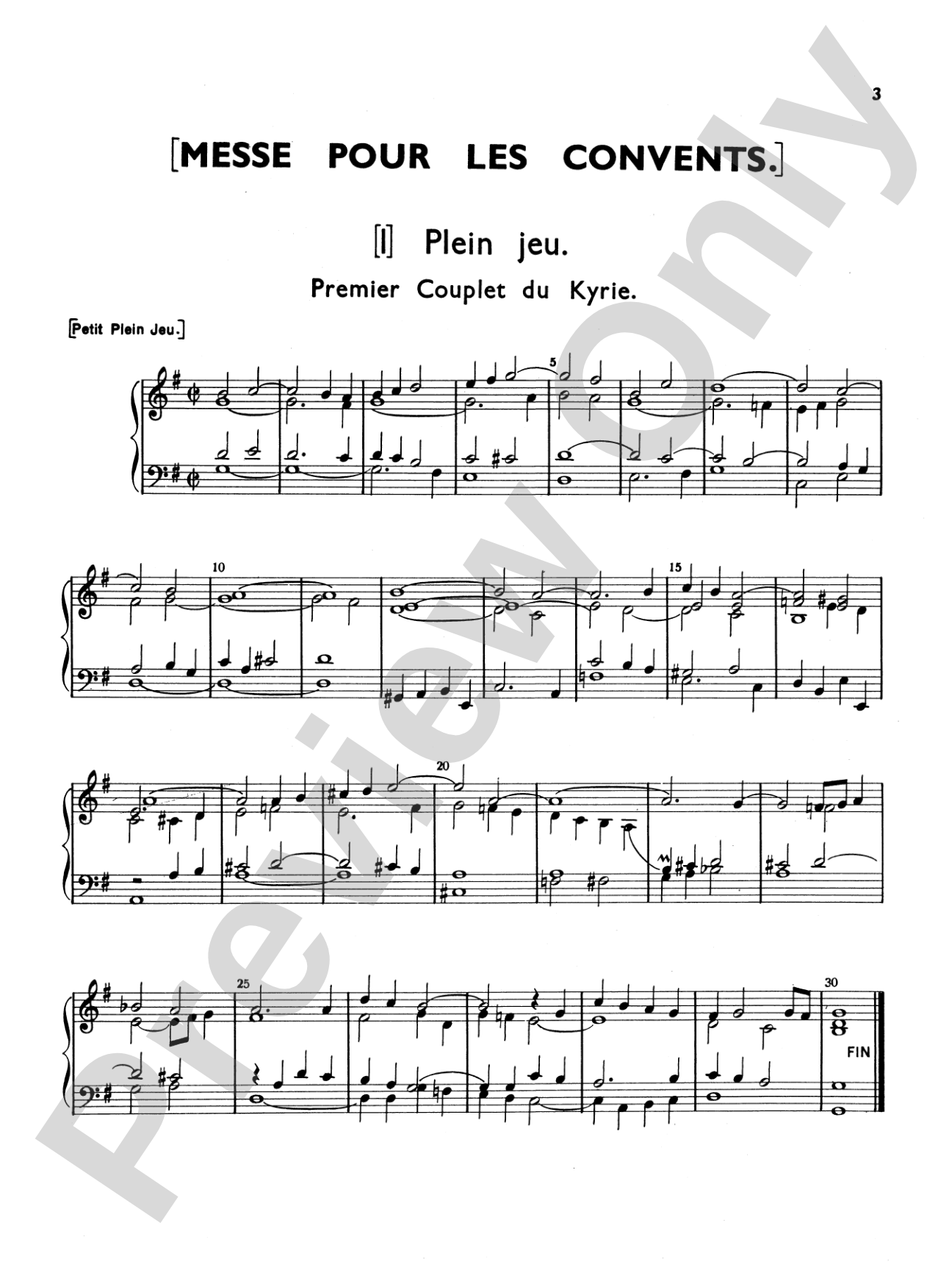
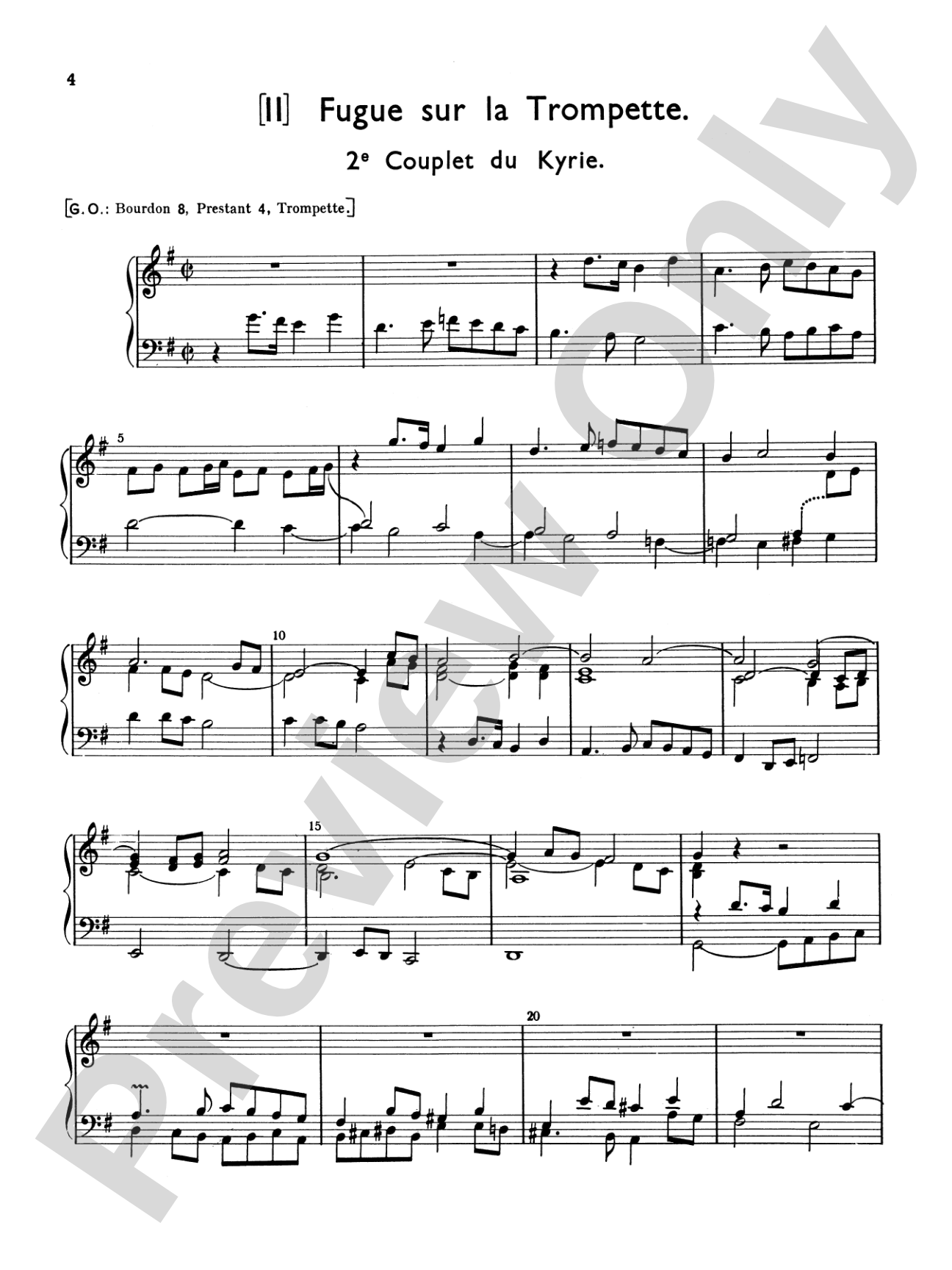
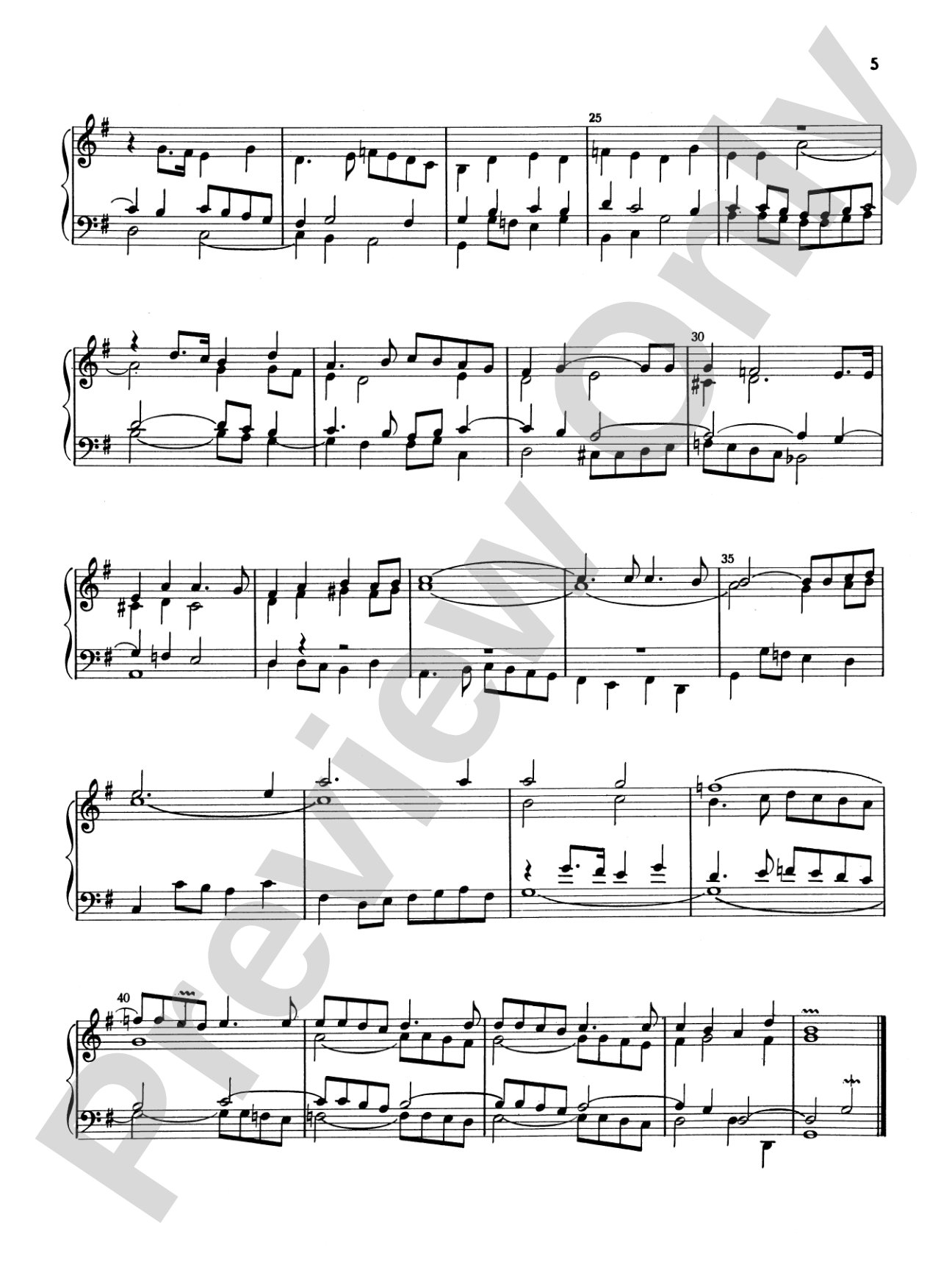
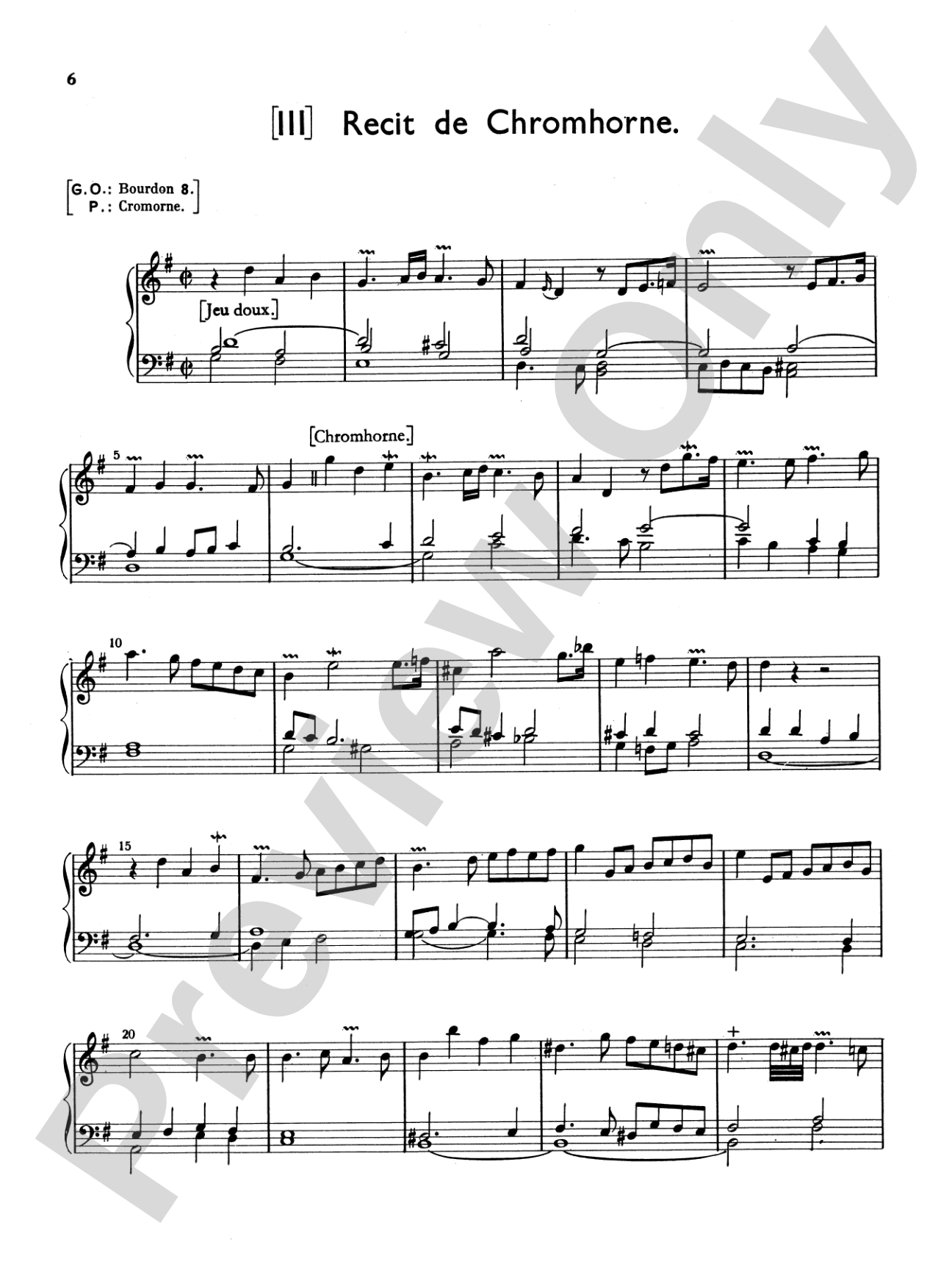
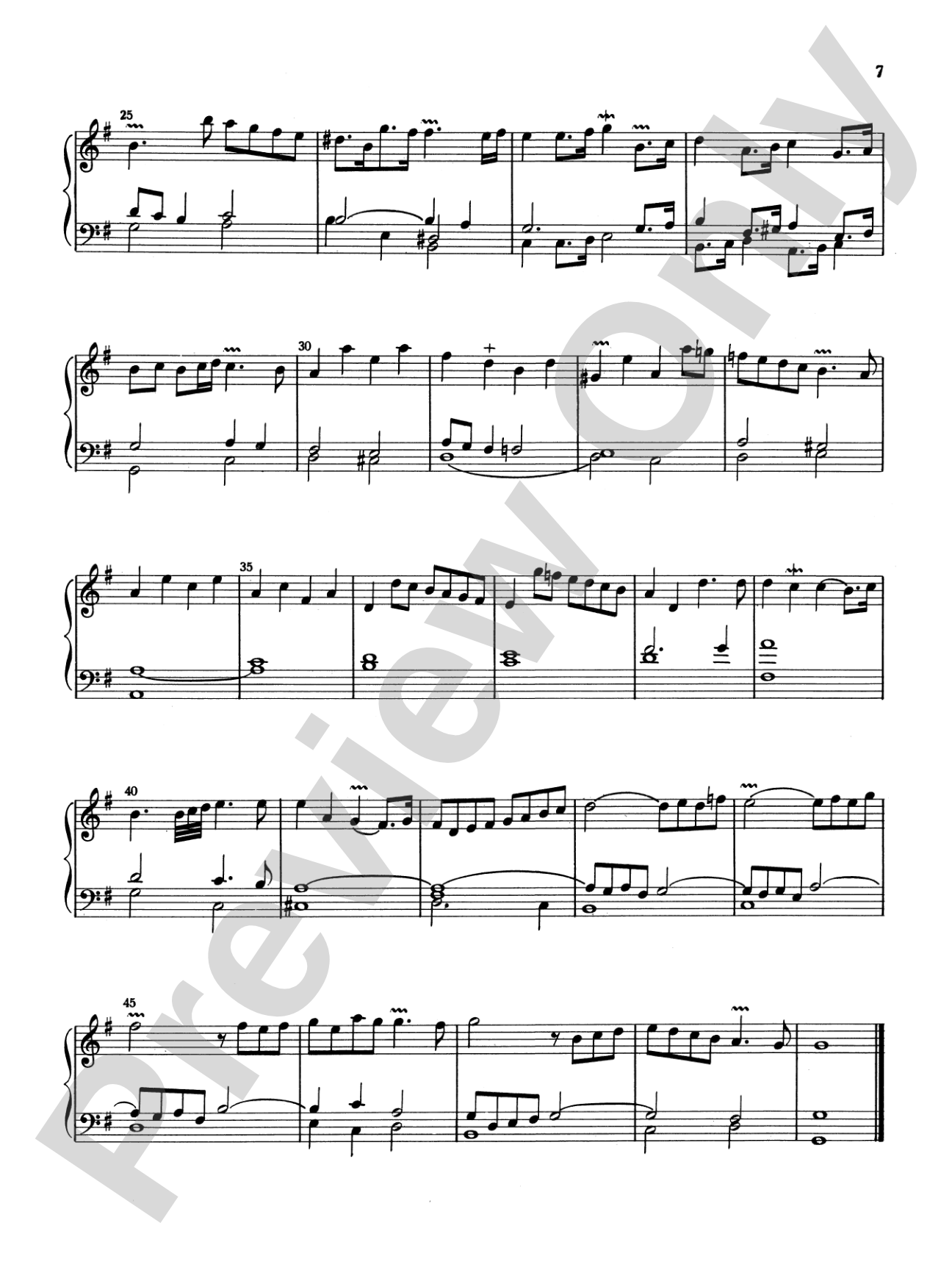
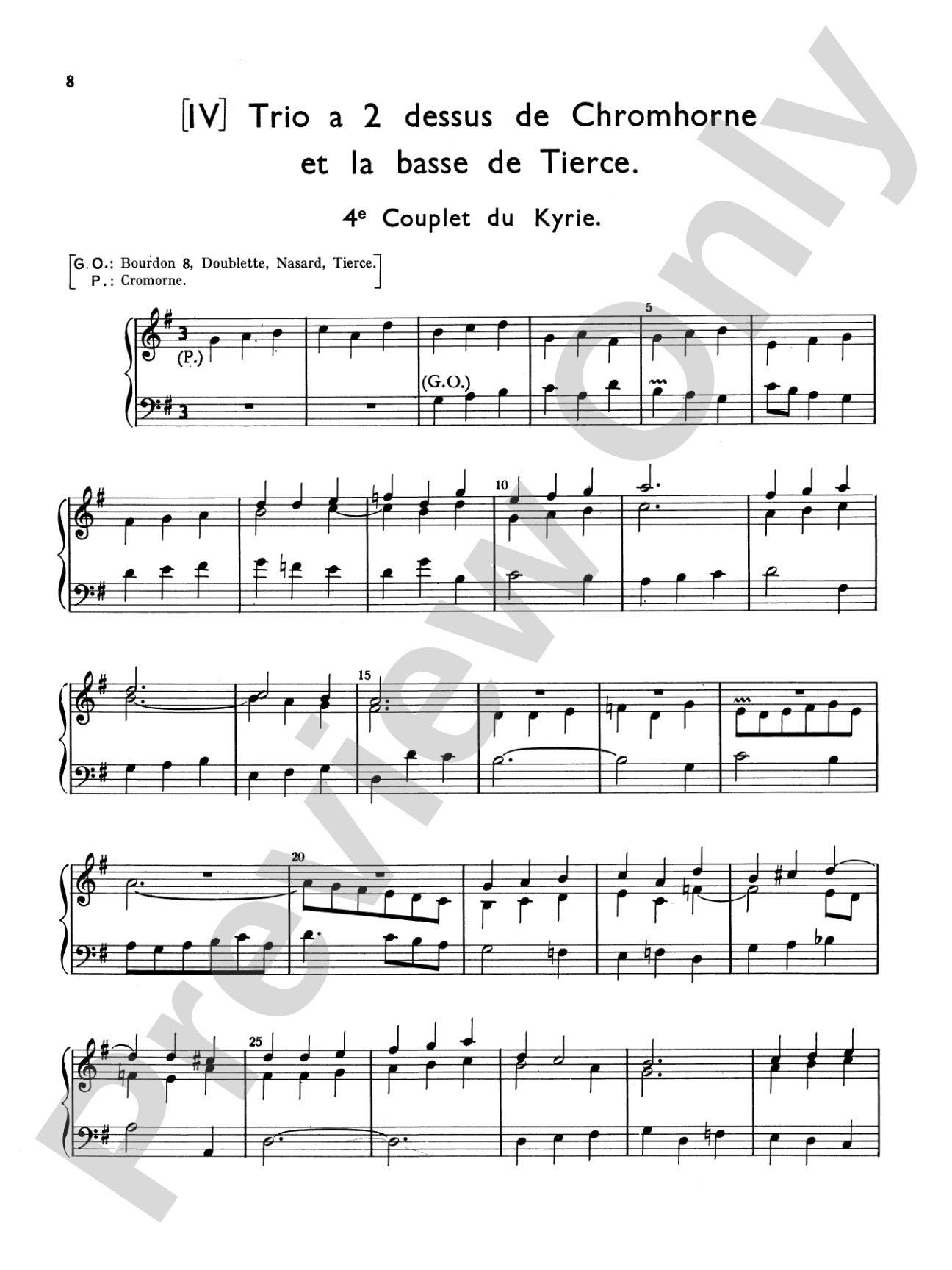
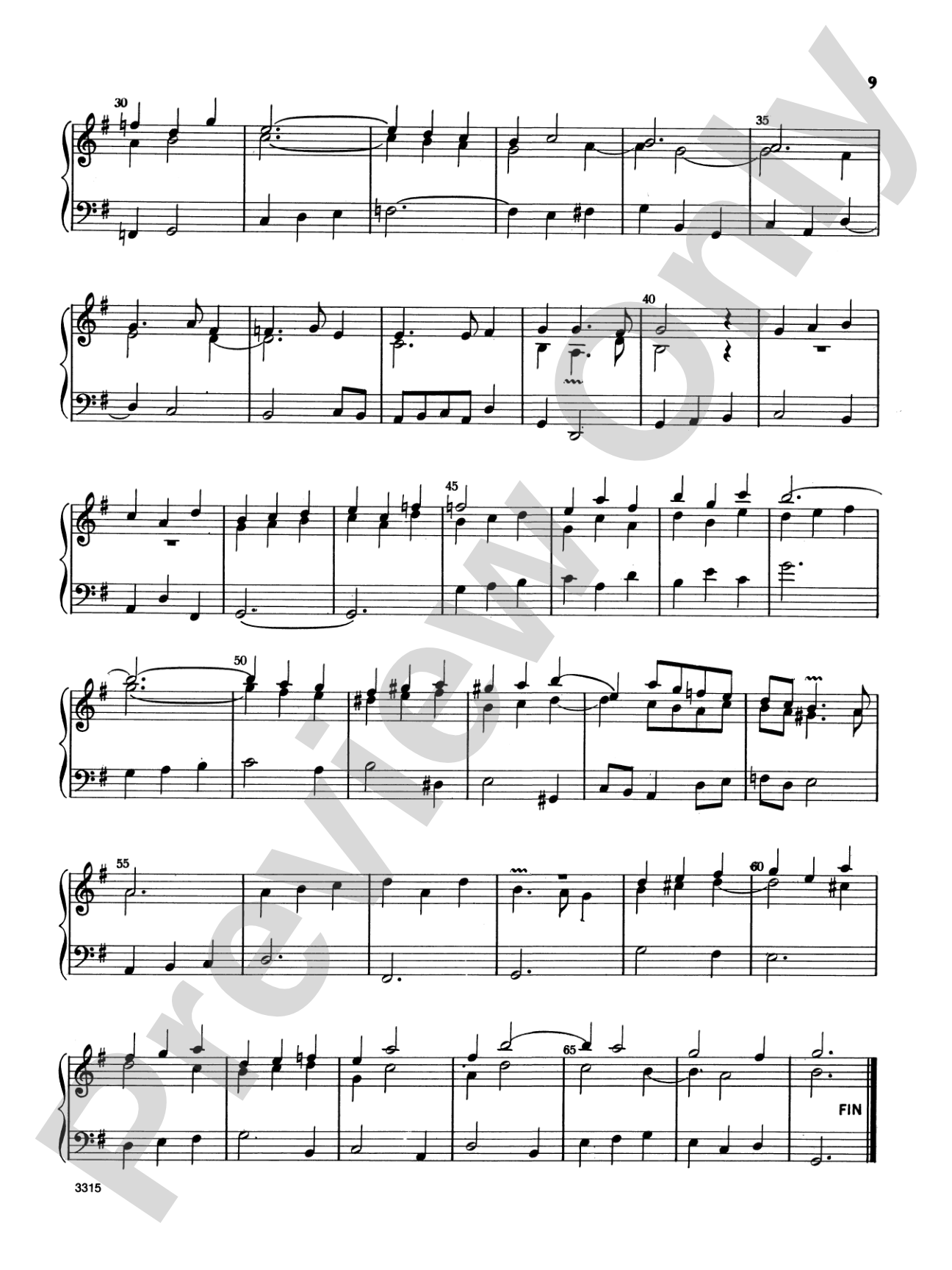
Titles: I, Plein jeu * II, Fugue sur la Trompette * III, Récit de Chromhorne * IV, Trio à 2 dessus de Chromhorne et la basse de Tierce * V, Dialogue * VI, Plein jeu * VII, Petitte fugue sur le Chromhorne * VIII, Duo sur les Tierces * IX, Basse de Trompette * X, Chromhorne sur la Taille * XI, Dialogue sur la Voix humaine * XII, Trio * XIII, Récit de tierce * XIV, Dialogue sur les grands jeux * XV, Offertoire sur les grands jeux * XVI, Premier Couplet du Sanctus * XVII, Récit de Cornet * XVIII, Elevation * XIX, Agnus * XX, Dialogue sur les grands jeux * XXI, Deo Gratias. "Elevation (Tierce en Taille XVIII)" and "Recit de Cromhorne (III)" are Federation Festivals 2016-2020 selections.


Don't just read it, hear it, play along with it, and watch your students grow with it. In MakeMusic Cloud, Couperin: Mass for the Convents comes alive with professional accompaniment, adjustable tempo, and built-in practice tools that turn solo practice into real progress.
Open in the Player
Jump straight in and assign it today.
Start Your Free Trial
Open this title and explore the full library in minutes.
Sample Audio
No sample audio found.
Sample Video
No sample videos found.
Additional Details
Series:
Kalmus Edition
Publisher:
Alfred Music
Page Count:
44
SKU:
00-PC-0006218
More about this title
About the Composer: François Couperin
François Couperin (1668-1733) was the most prominent member of the Couperin family and one of the defining voices of French Baroque keyboard music. A master of the harpsichord and organ, he served as organist at the Church of Saint-Gervais in Paris for nearly five decades and composed extensively for both instruments, blending Italian harmonic language with distinctly French melodic sensibility.
Couperin's organ works, particularly his two masses for convent use, represent the pinnacle of French liturgical organ writing. These pieces showcase his gift for dialogue between manual divisions and his sophisticated use of the French organ's characteristic stops and tonal colors. His influence on organ repertoire and pedagogical practice extends well into the modern era.
Why we love this
This mass contains twenty-one movements spanning the full range of French Baroque organ technique and stop combinations, making it an essential text for understanding how the period's organ literature actually functioned in liturgical practice. Two movements from this collection have been selected for major festivals, a testament to the enduring musical merit and pedagogical value of Couperin's writing even within this substantial work.
What to expect
These movements span from brilliant, full-voiced pleins jeux to intimate dialogue passages and introspective récit sections, creating a spiritual and musical journey that reflects the Mass liturgy itself. The writing balances virtuosic passage work with contemplative moments, always grounded in the characteristic colors and textures of the French organ.
Who it's for
Advanced organists preparing concert repertoire, festival competition materials, or comprehensive study of the French Baroque organ tradition. This score serves both recitalists seeking substantial liturgical works and students engaged in serious historical organ study.
How to get the most out of it
- Study the stop indications throughout the score carefully; Couperin's specified registrations are integral to the music's character and were carefully chosen for the French organ's tonal palette rather than treated as suggestions.
- Balance the dialogue passages (Movements V, XI, XIV, and XX) by establishing clear tonal separation between manual divisions; these movements require confident manual switching and attention to registration change timing.
- Approach the pedal lines, particularly in the basse de Trompette and basse de Tierce movements, with the understanding that French Baroque pedal technique differs significantly from later German practice in both range and independence.
- Allow sufficient practice time for the fugal writing (particularly Movements II and VII) to achieve the clarity and independence of voices that characterizes French organ counterpoint.
How to use it
Present individual movements or small groups of related movements in recital settings rather than the complete mass; the variety of character and registration across the twenty-one movements allows flexible programming to suit different concert contexts. The two festival selections, the Elevation and Récit de Cromhorne, provide accessible entry points for organists new to Couperin's liturgical works.
Skills your students will build
- French Baroque manual techniques and registration changes
- Independent pedal work within the French organ tradition
- Dialogue writing between manual divisions
- Interpretation of period-specific stop indications and tonal planning
- Fugal clarity and voice independence in Baroque keyboard writing
- Stylistically informed articulation and phrasing in French organ music