
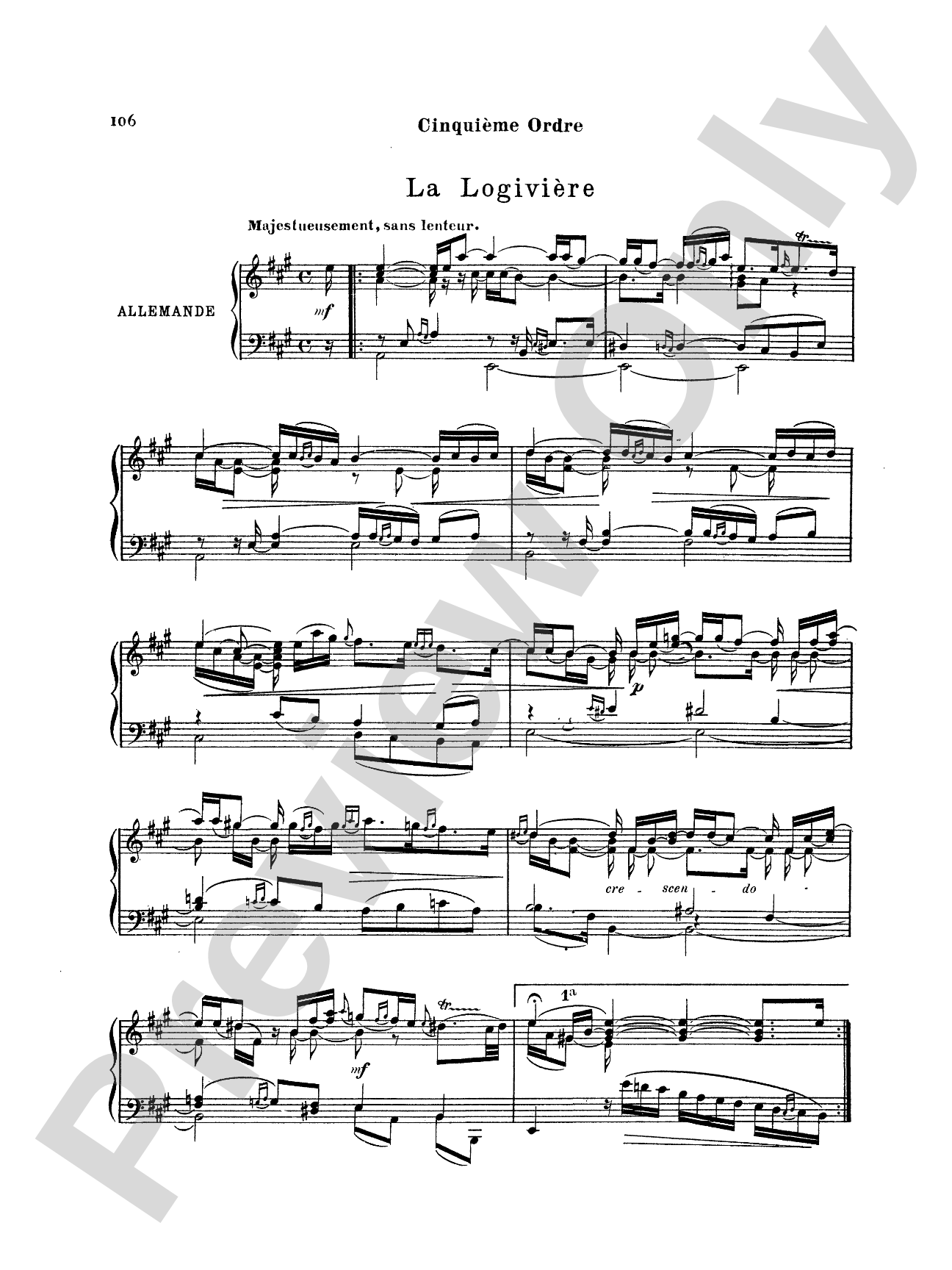
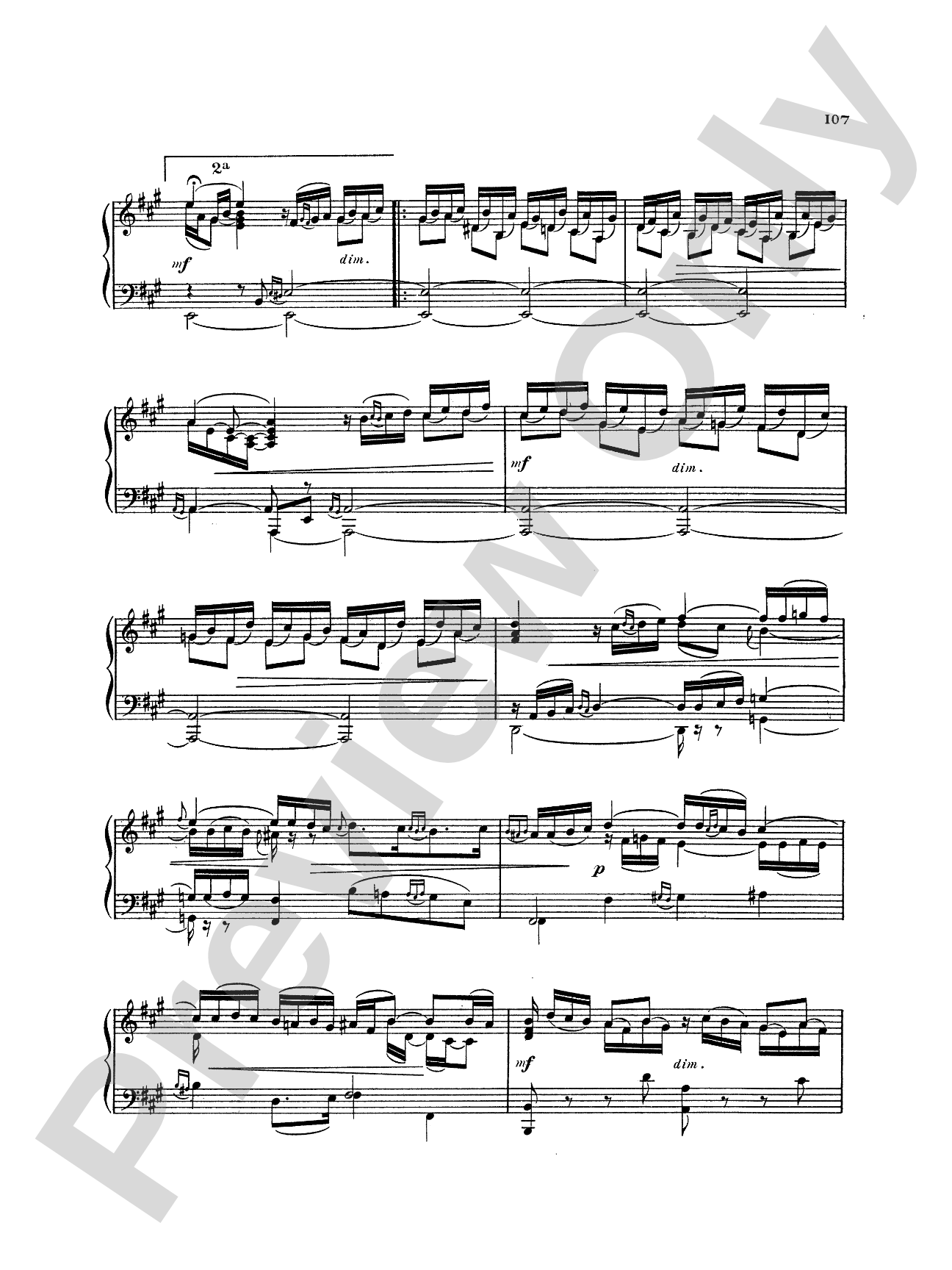
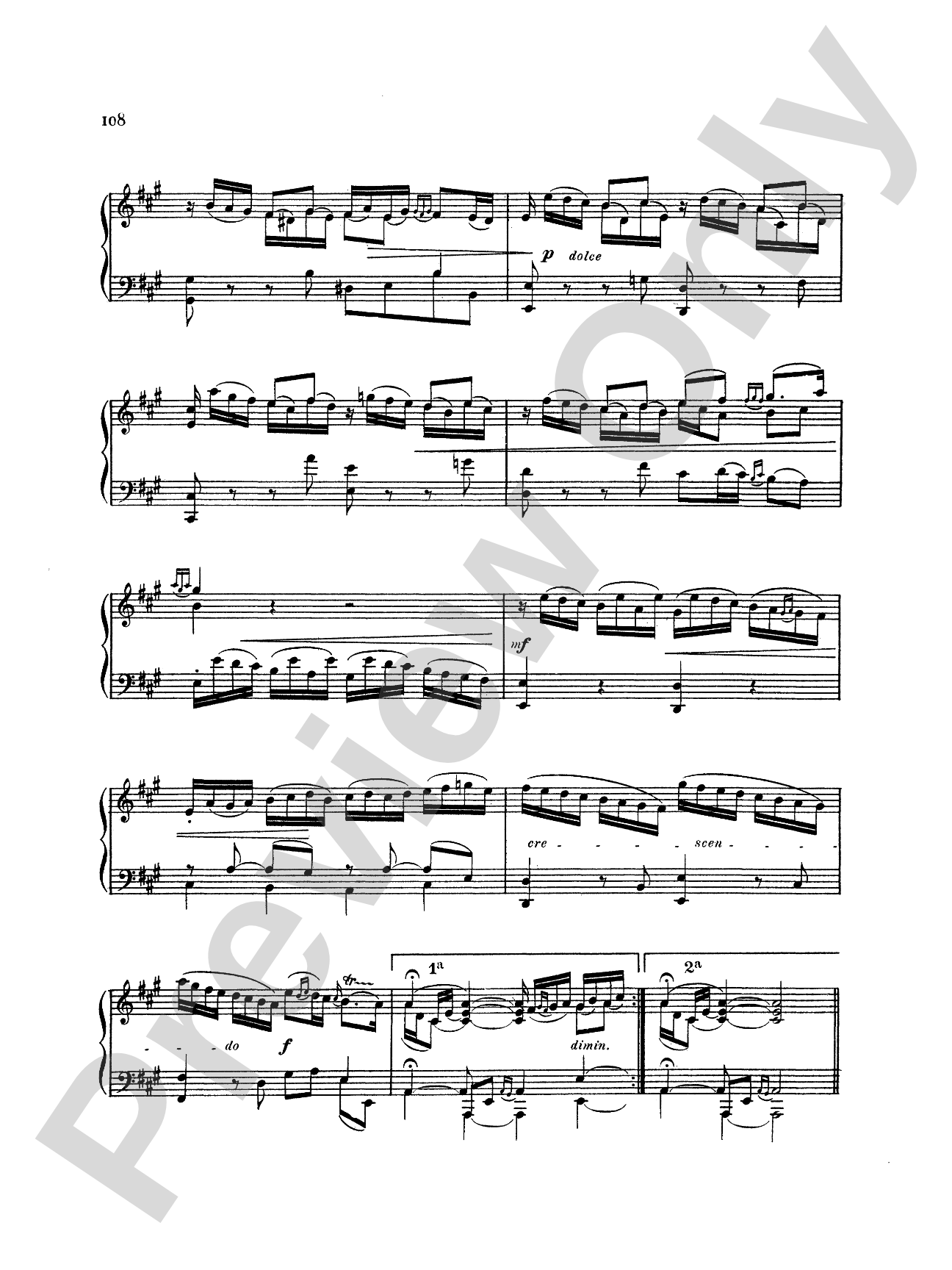

Couperin: Clavichord Pieces (Volume II): Piano Book
By François Couperin
Item: 00-PK-0003005

$14.99
Pickup currently not available
Buy Extra Parts (Digital PDF Download)
Parts Added to Cart!
Related Items
Clavichord Pieces, Volume II: Piano Book |
$14.95
|
View |
Description
Couperin's harpsichord music can be played on solo harpsichord or performed as small chamber works. These pieces were grouped into ordres, which were Couperin's own version of suites, containing traditional dances as well as descriptive pieces. Many of Couperin's keyboard pieces have evocative, picturesque titles and express a mood through key choices, adventurous harmonies and (resolved) discords. They have been likened to miniature tone poems. This collection contains Ordres 5-9.


Don't just read it, hear it, play along with it, and watch your students grow with it. In MakeMusic Cloud, Couperin: Clavichord Pieces (Volume II): Piano Book comes alive with professional accompaniment, adjustable tempo, and built-in practice tools that turn solo practice into real progress.
Open in the Player
Jump straight in and assign it today.
Start Your Free Trial
Open this title and explore the full library in minutes.
Sample Audio
No sample audio found.
Sample Video
No sample videos found.
Additional Details
Series:
Kalmus Edition
Publisher:
Alfred Music
Page Count:
120
SKU:
00-PK-0003005
More about this title
About the Composer: François Couperin
François Couperin (1668, 1733) was the most prominent member of the Couperin family and one of the defining voices of French Baroque keyboard music. His four books of harpsichord pieces, published between 1713 and 1730, represent a synthesis of French elegance, Italian harmonic invention, and deeply personal expression. Couperin's approach to the keyboard established a model for musical organization and storytelling that influenced composers across Europe.
As a pedagogue, Couperin was meticulous about notation and interpretation. His treatise L'art de toucher le clavecin codified French keyboard technique and articulation, making him as important to the history of performance practice as to composition itself. His ordres remain essential repertoire for understanding how Baroque composers used the keyboard to paint moods, characters, and scenes.
Why we love this
These ordres showcase Couperin at his most inventive, blending rigorous counterpoint with genuine melodic charm and harmonic surprise. The expressive titles and shifting moods within each ordre offer pianists a complete musical world to explore without the technical demands of Baroque keyboard virtuosity.
What to expect
These pieces inhabit a refined emotional landscape where elegance and introspection coexist. Delicate textures and witty melodic gestures sit alongside moments of genuine pathos, all contained within forms that feel both structured and intimate, like chamber music heard in a private salon.
Who it's for
Advanced pianists seeking substantial Baroque keyboard repertoire beyond Bach and Handel will find rich material here. This collection suits conservatory-level students, church musicians exploring period style, and mature amateurs drawn to French Baroque aesthetics and character-driven composition.
How to get the most out of it
- Treat ornaments as essential melodic content rather than decoration; each turn, trill, or mordent shapes the phrase and its emotional weight.
- Attend closely to Couperin's dynamic markings and articulation indications, which are sparse but precise; silence and restraint define the French aesthetic as much as sound does.
- Balance the independence of inner voices without allowing counterpoint to obscure the principal melody; these pieces reward transparency over weight.
- Allow harmonic progressions to breathe, especially when resolutions follow dissonance; Couperin's harmonic language depends on clear hearing of voice leading.
How to use it
Ordres from this volume work beautifully in recital programs as standalone suites or grouped thematically by character and key. Include individual pieces as transitional moments between larger Romantic works, or program several ordres as a complete Couperin set to showcase the breadth of his keyboard imagination.
Skills your students will build
- Ornamentation interpretation in Baroque style (turns, trills, mordents, grace notes)
- Voice leading independence and contrapuntal clarity across multiple lines
- Understanding harmonic language of the French Baroque, including resolution of seventh chords and unexpected key shifts
- Pedaling restraint and color variation without heavy sustain
- Stylistic characterization through tempo and articulation choices rather than dynamic extremes
- Sight-reading of Baroque key signatures and figured bass conventions