


Country Dance in C: Score
By Wolfgang Amadeus Mozart / arr. Douglas E. Wagner
Grade: 1.5
Item: 00-PR-0004252
$6.00
Pickup currently not available
Description
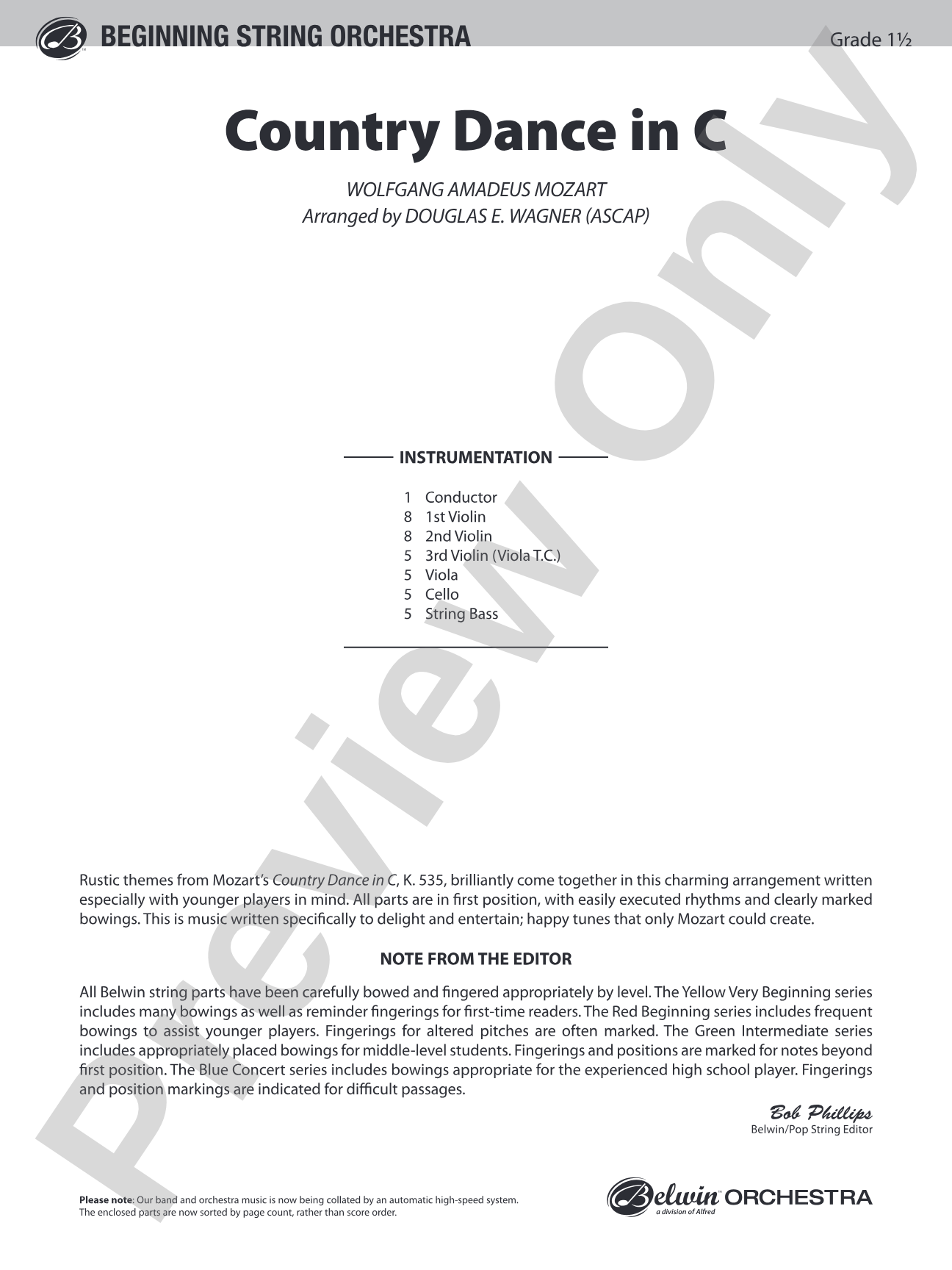
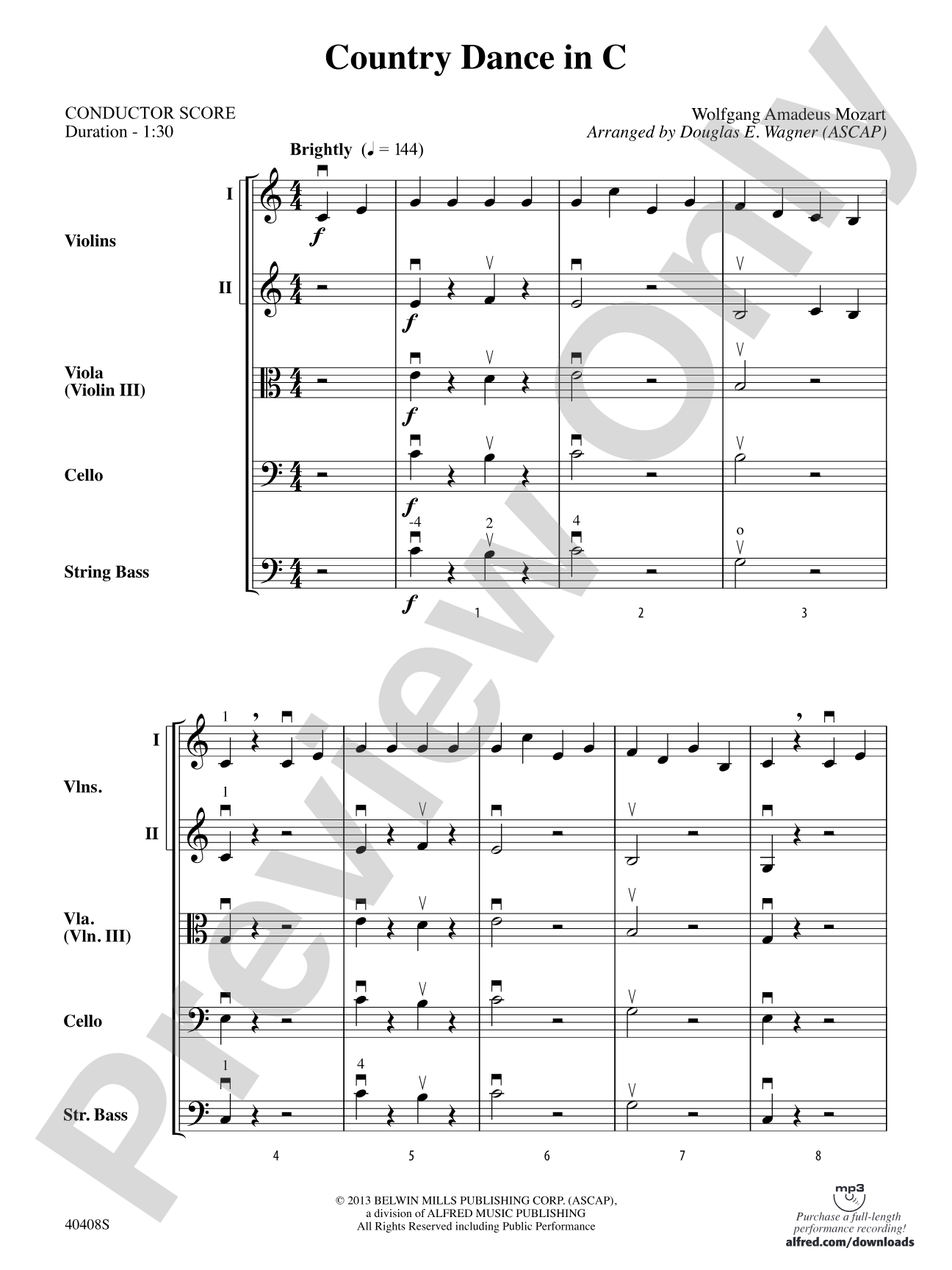
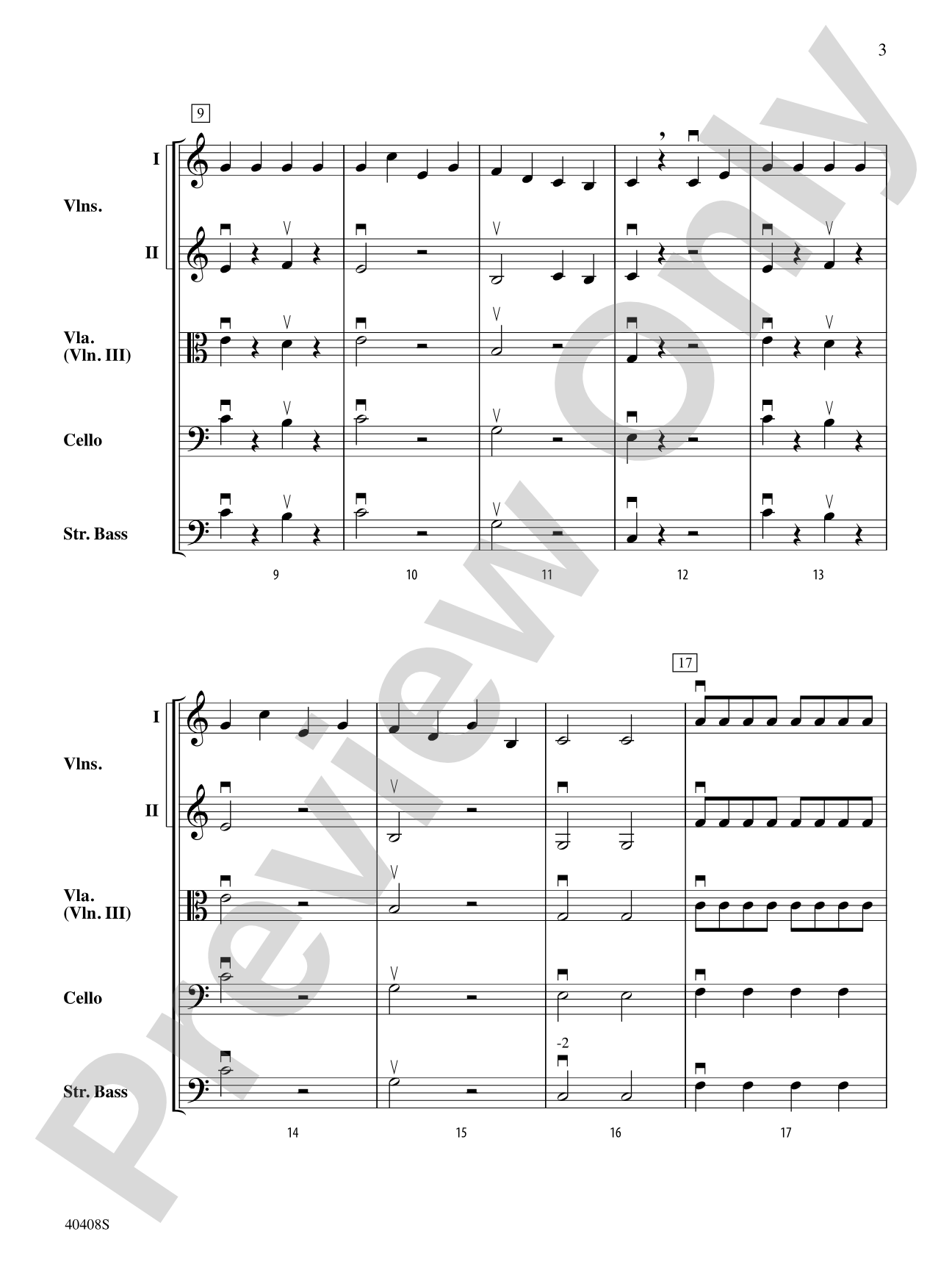
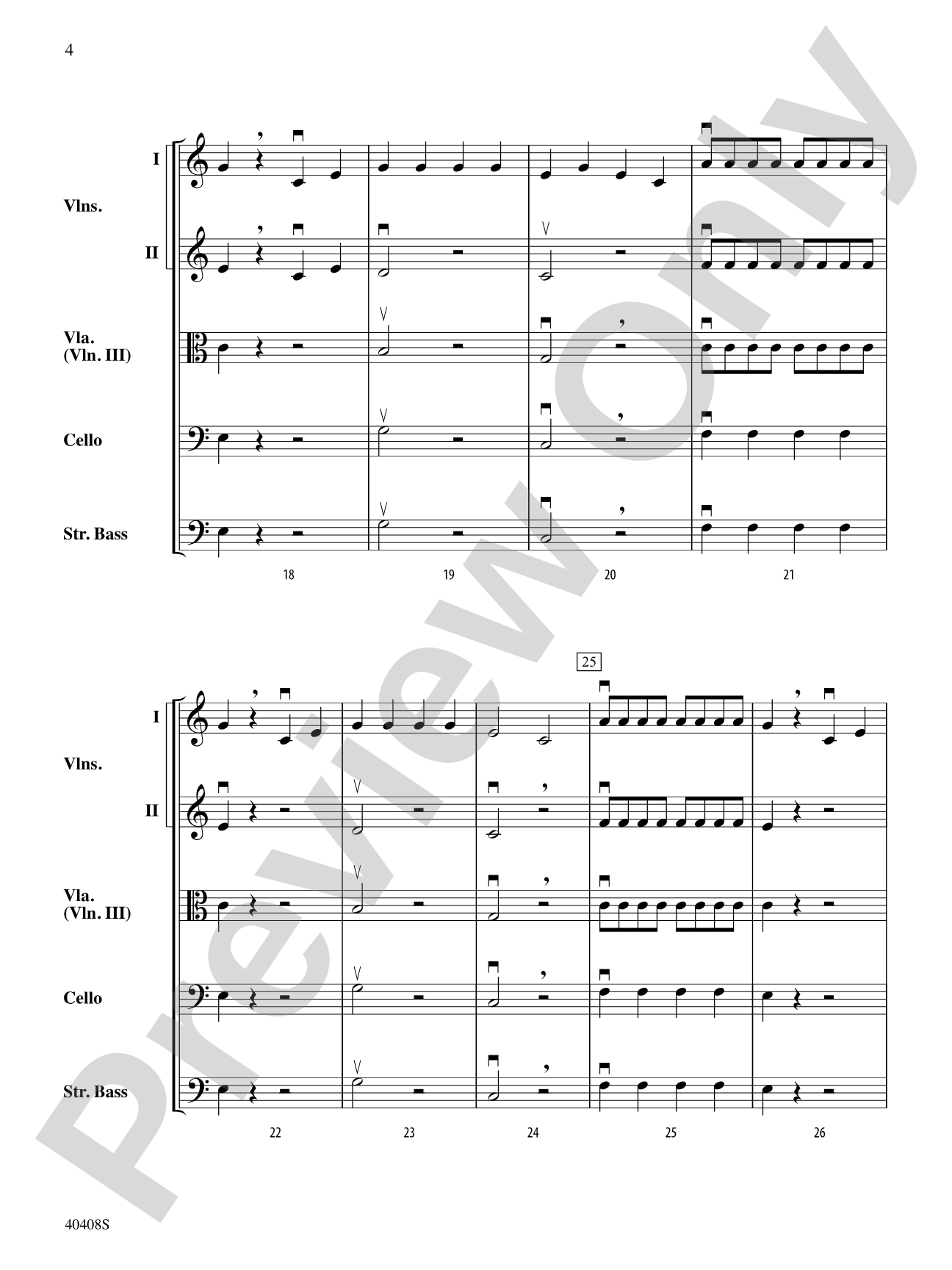
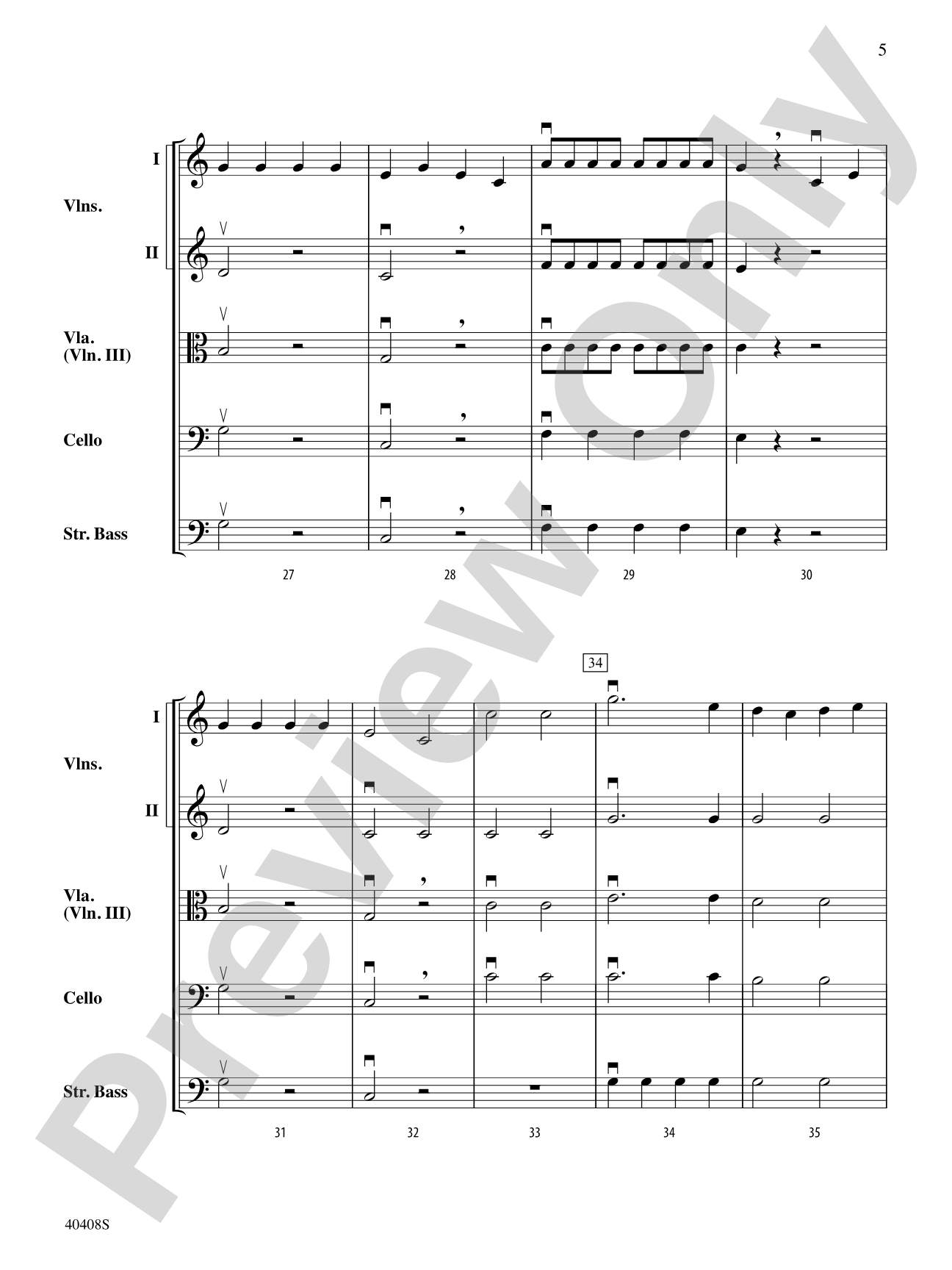
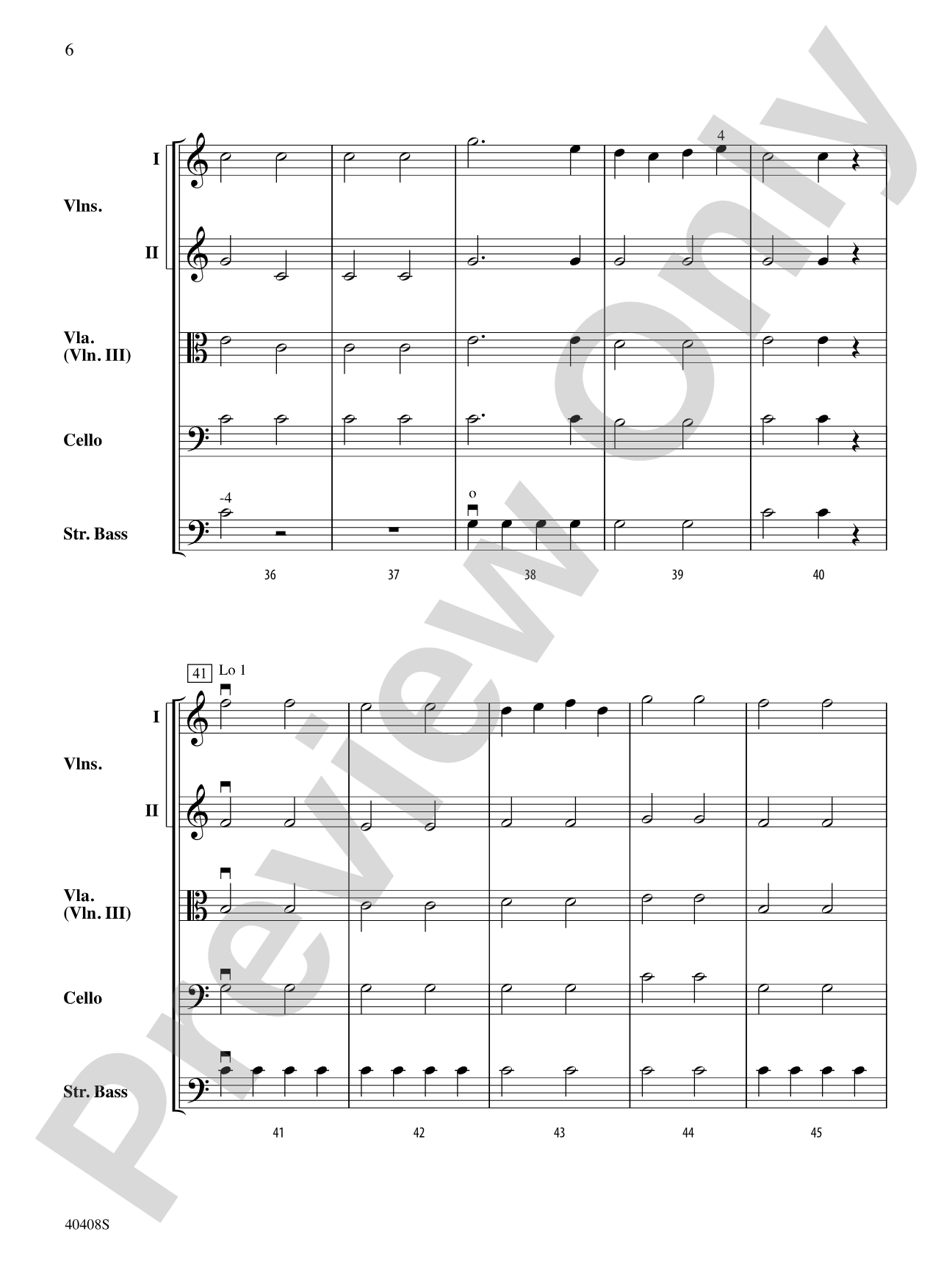
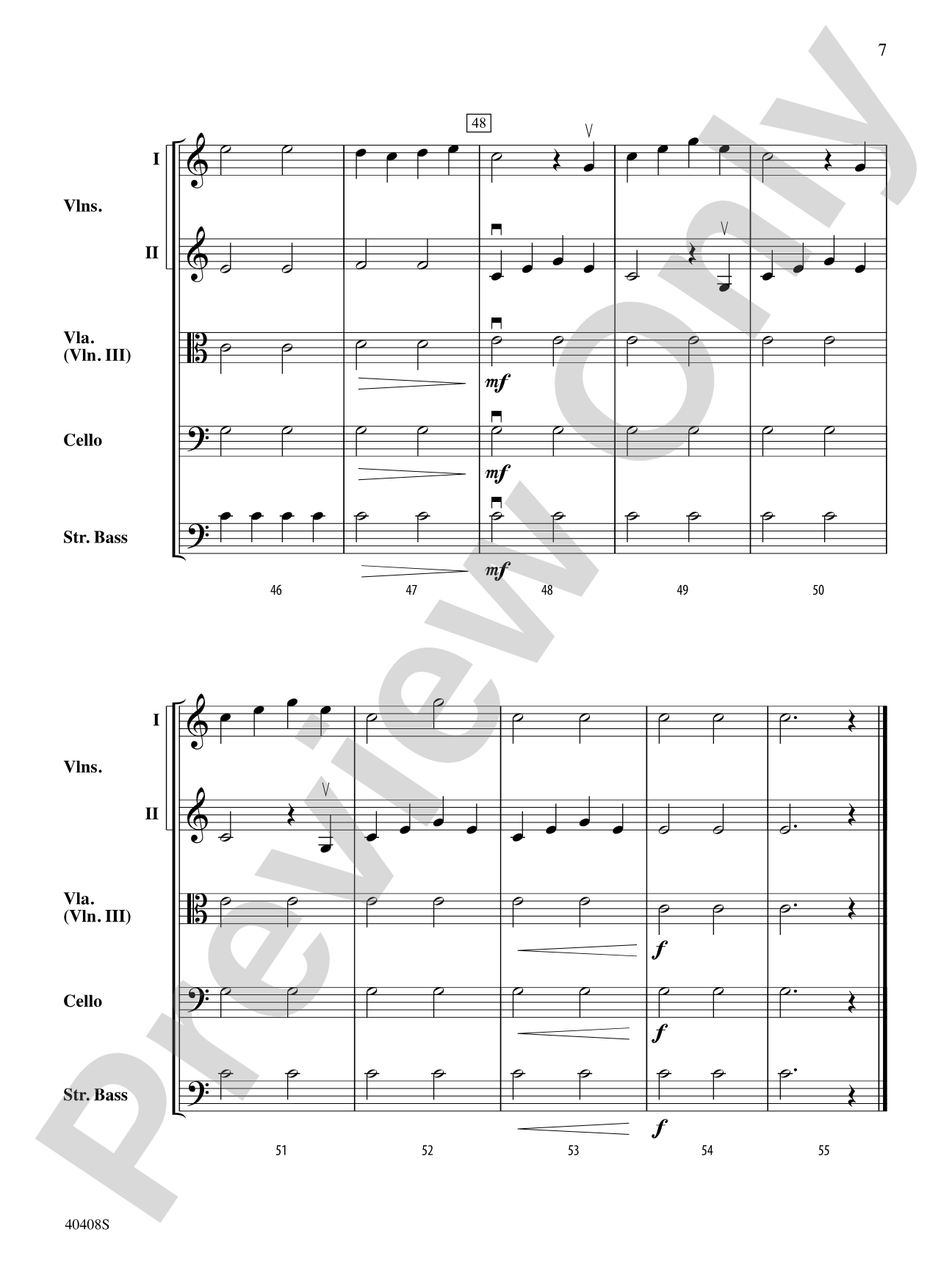
Rustic themes from Mozart's "Country Dance in C," K. 535, brilliantly come together in this charming arrangement written especially with younger players in mind. All parts are in first position, with easily executed rhythms and clearly marked bowings. This is music written specifically to delight and entertain; happy tunes that only Mozart could create. This title is available in MakeMusic Cloud.


Don't just read it, hear it, play along with it, and watch your students grow with it. In MakeMusic Cloud, Country Dance in C: Score comes alive with professional accompaniment, adjustable tempo, and built-in practice tools that turn solo practice into real progress.
Open in the Player
Jump straight in and assign it today.
Start Your Free Trial
Open this title and explore the full library in minutes.
Sample Audio
1
Audio File
--:--
0:00
0:00
Sample Video
No sample videos found.
Additional Details
Series:
Belwin Beginning String Orchestra
Publisher:
Alfred Music
Page Count:
72
SKU:
00-PR-0004252
More about this title
About the Composer: Wolfgang Amadeus Mozart
Wolfgang Amadeus Mozart (1756-1791) composed across every major genre of his era with astonishing facility and invention. His gift for melody was matched only by his structural clarity, making his work accessible to young musicians while rewarding deeper study. For string orchestras, Mozart's dance forms and lighter instrumental works offer a direct path into the Classical style without the demands of his symphonic literature.
Why we love this
Wagner's arrangement strips away unnecessary complexity while preserving Mozart's infectious charm, letting first-position players experience a genuine Classical masterwork rather than a simplified substitute. The rustic character and dancing rhythms give young ensembles repertoire that audiences genuinely enjoy hearing, which builds confidence and ensemble pride. This is the kind of piece that reminds students why they play strings in the first place.
What to expect
This is music that dances. The rustic themes sparkle with Mozart's gift for straightforward, memorable melody paired with gentle humor and warmth. Younger players experience genuine Classical style without technical barriers, feeling the architecture of a real composition while having fun making sound together.
Who it's for
Beginning string orchestras and young ensembles at grades 1.5 and above will find this arrangement perfectly calibrated for their abilities. Players still building first-position security and basic rhythmic fluency will benefit from easily executed parts and clear bowings that let them focus on ensemble listening and intonation.
How to get the most out of it
- Shape the phrases with gentle dynamic breathing rather than abrupt contrasts; Mozart's melodies sing naturally when the conductor allows for subtle crescendos and diminuendos.
- Secure the bowings uniformly across each section so the rustic character remains crisp and articulate without sounding choppy.
- Balance the inner voices carefully when they carry thematic material; first-position work can easily disappear if viola and cello lines aren't brought forward at their moments.
- Maintain steady pulse through the dance rhythms; this music lives in its rhythmic vitality, so anchor your tempo and hold it firmly through any passage shifts.
How to use it
Open a concert with this piece to establish a light, engaging mood and showcase your young players' growing musicianship. It pairs naturally with other Classical-era works or other early-level arrangements, offering audiences a genuine musical moment rather than a stepping stone to more serious repertoire.
Skills your students will build
- First-position security across all string parts
- Reading and executing marked bowings with uniformity
- Sustaining steady pulse through dance rhythms
- Balancing primary and secondary melodic lines
- Recognizing phrase structure and shaping with dynamics