

Counting Time: A Notespeller to Provide the Student with Visual and Aural Conceptions of Rhythm -- An Invaluable Aid for All Music Students: Piano
A Notespeller to Provide the Student with Visual and Aural Conceptions of Rhythm -- An Invaluable Aid for All Music Students
By Scott O'Neal
Item: 00-PB-0001793
$8.99
Pickup currently not available
Related Items
Counting Time: Piano Book |
$8.99
|
View |
Description
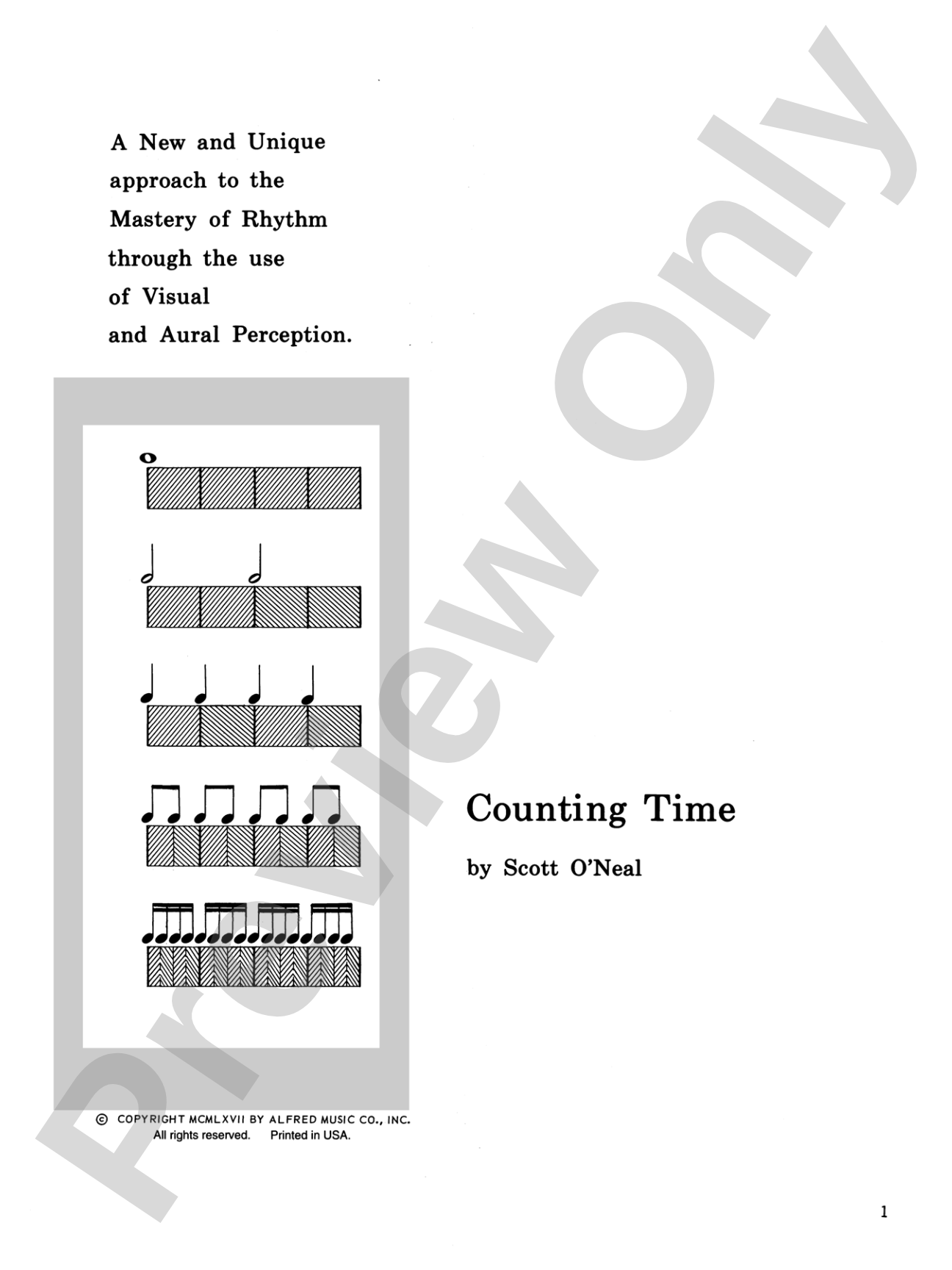
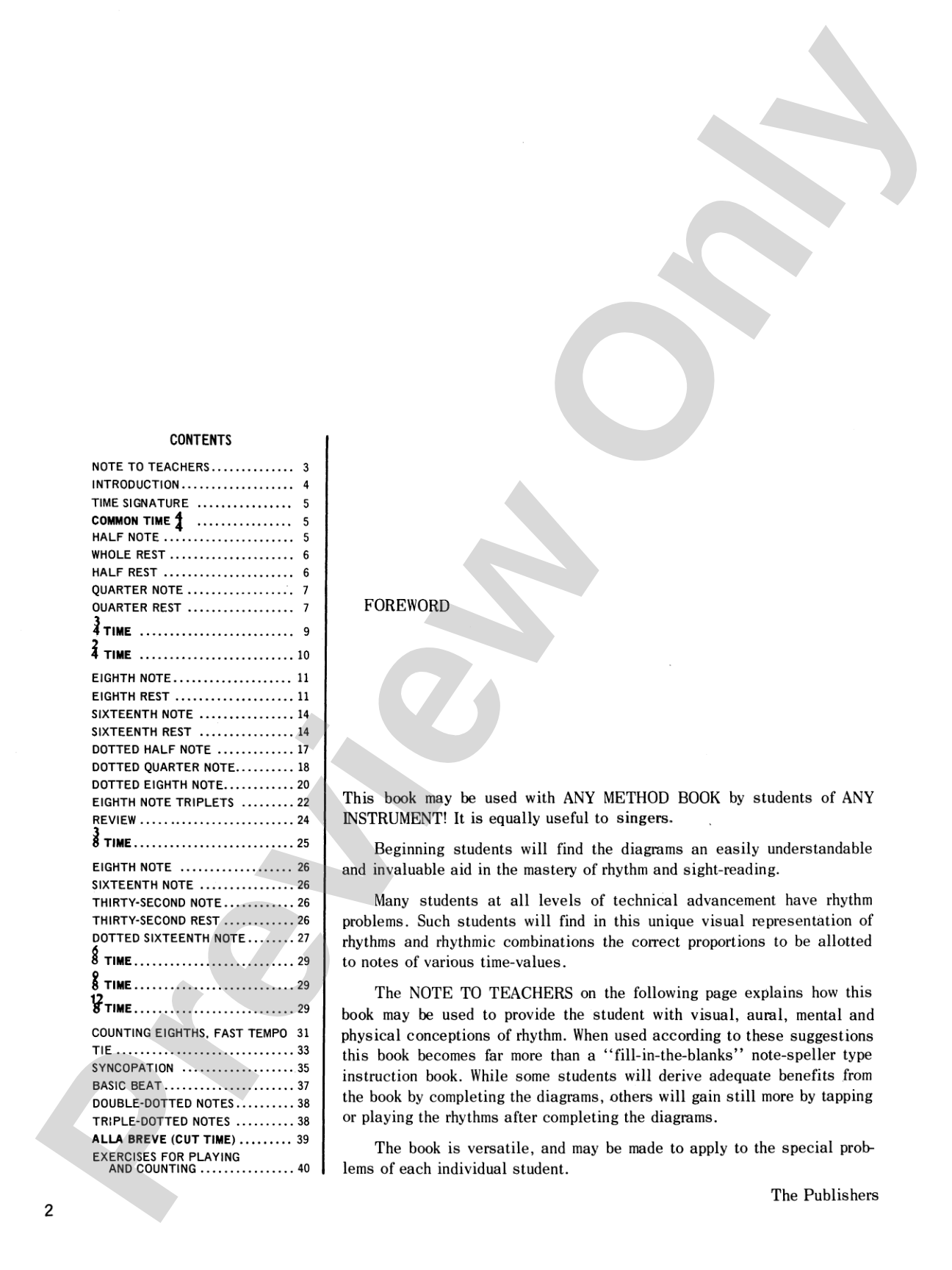
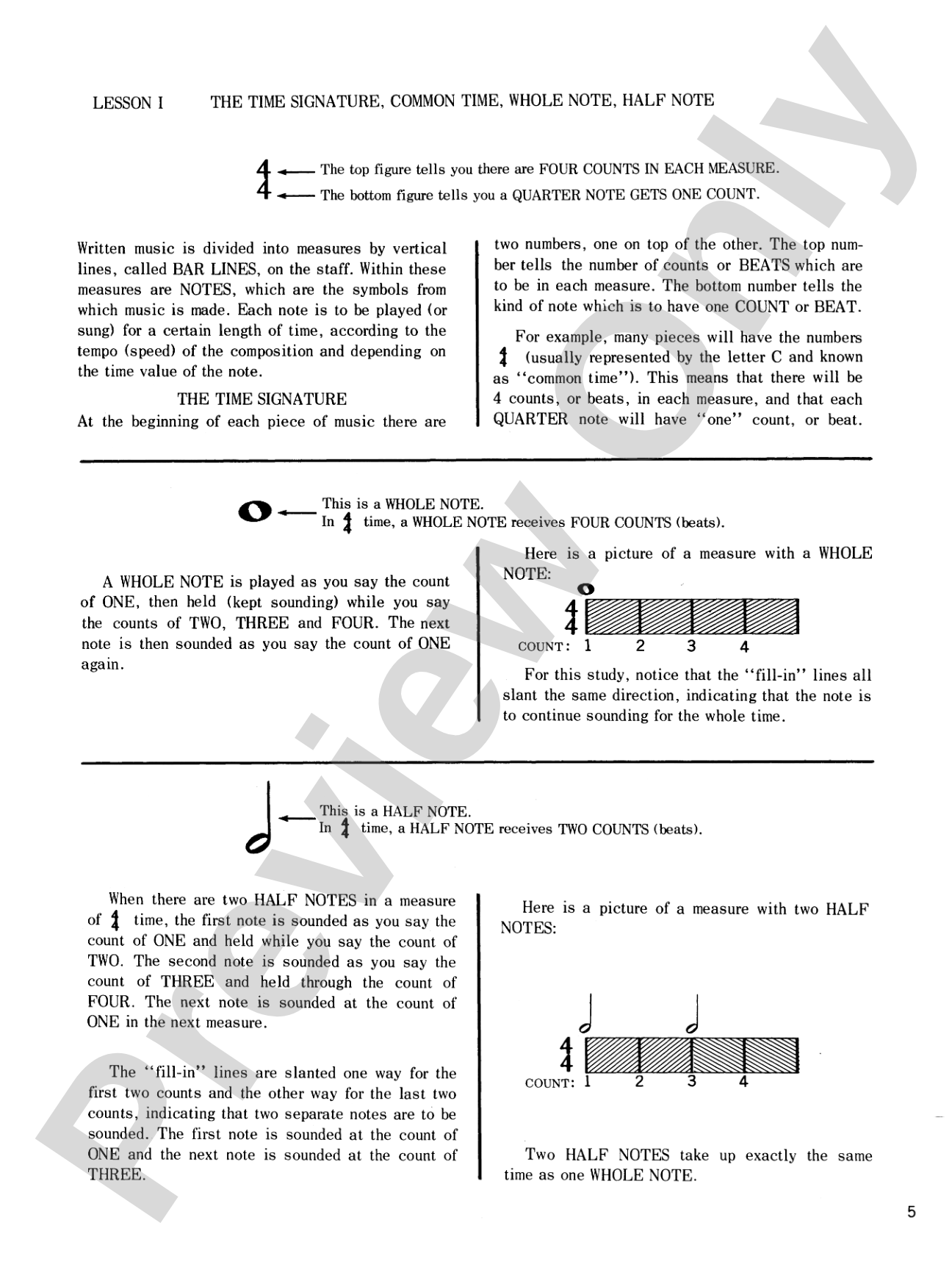
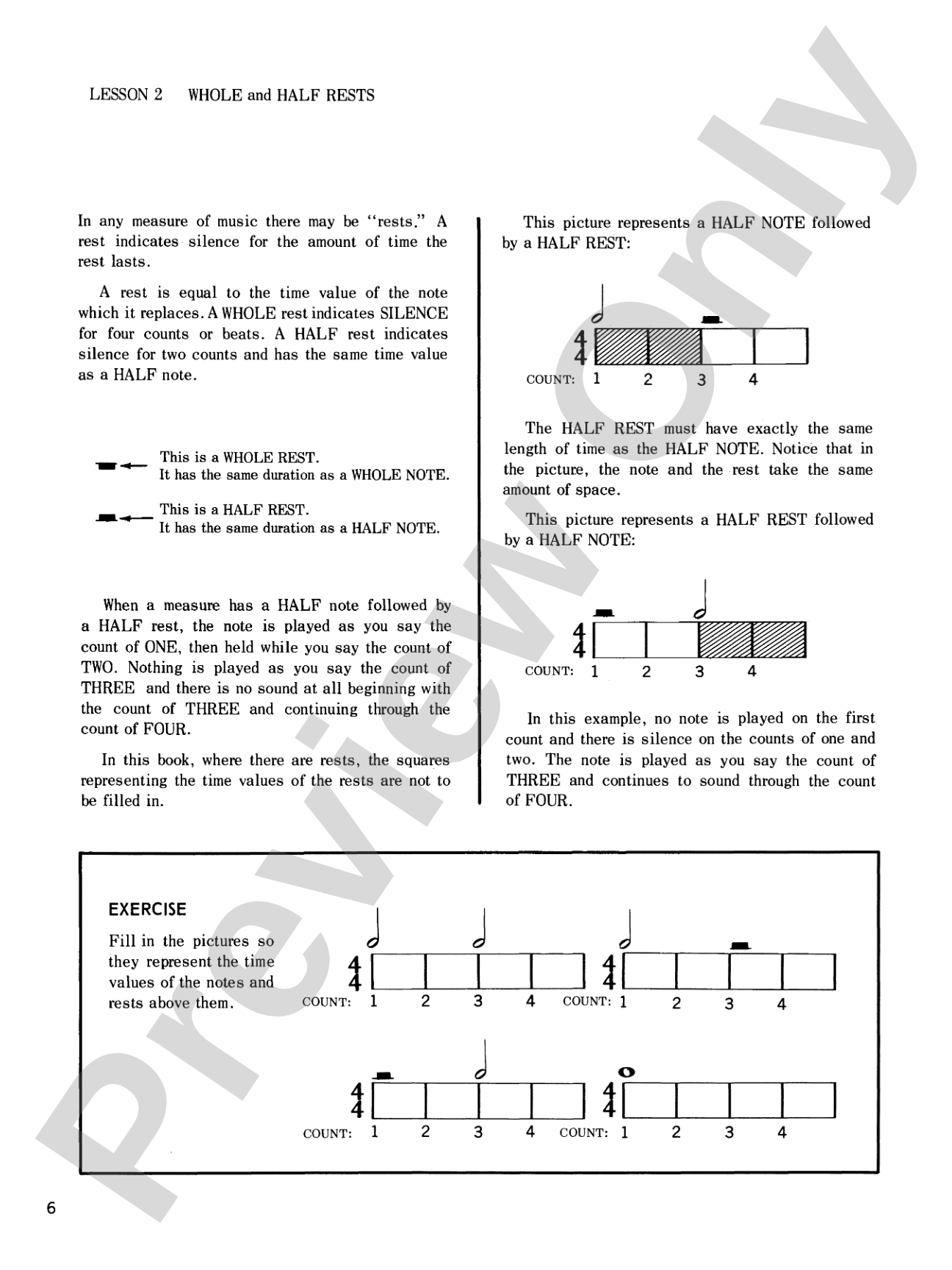
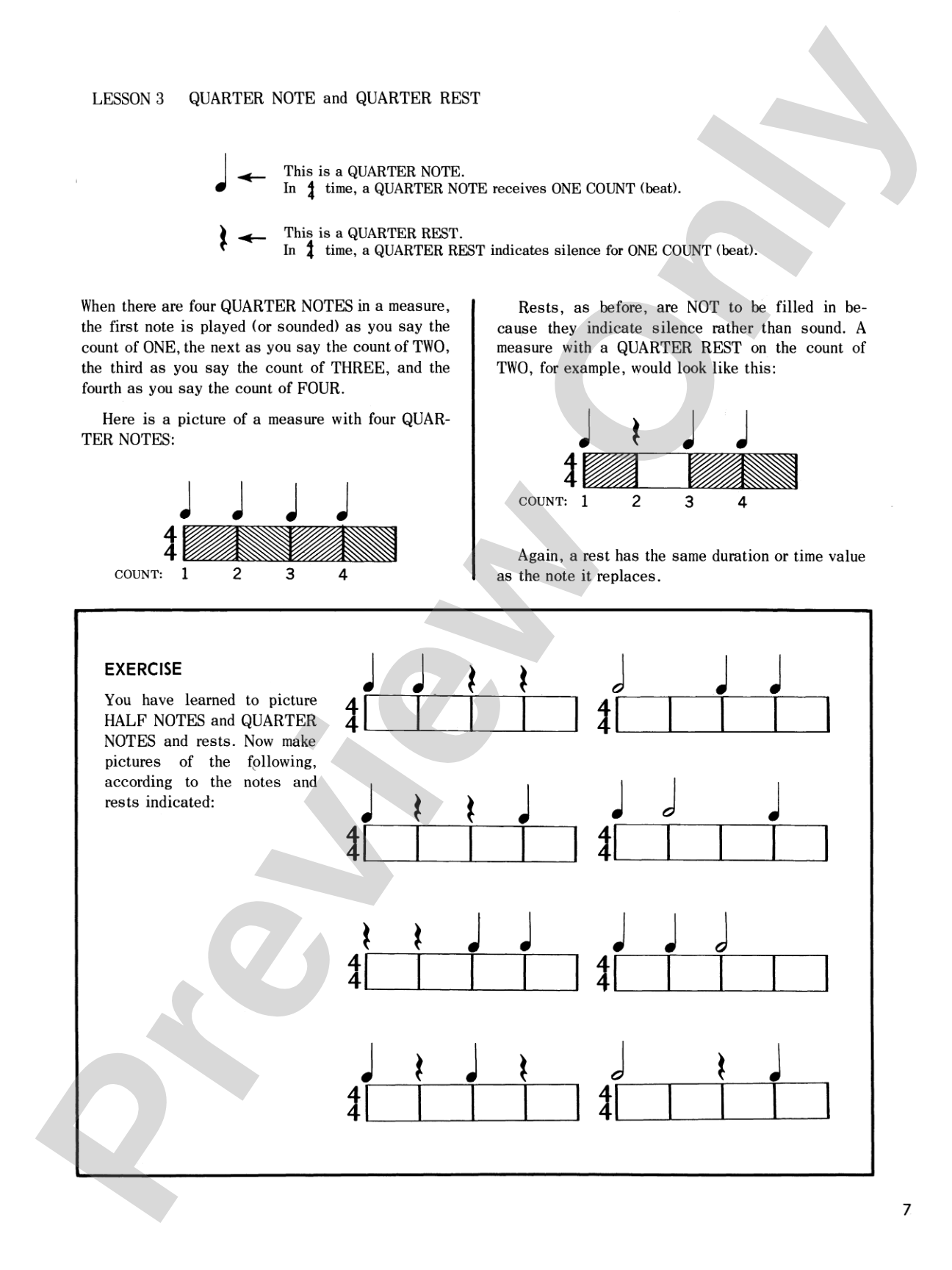
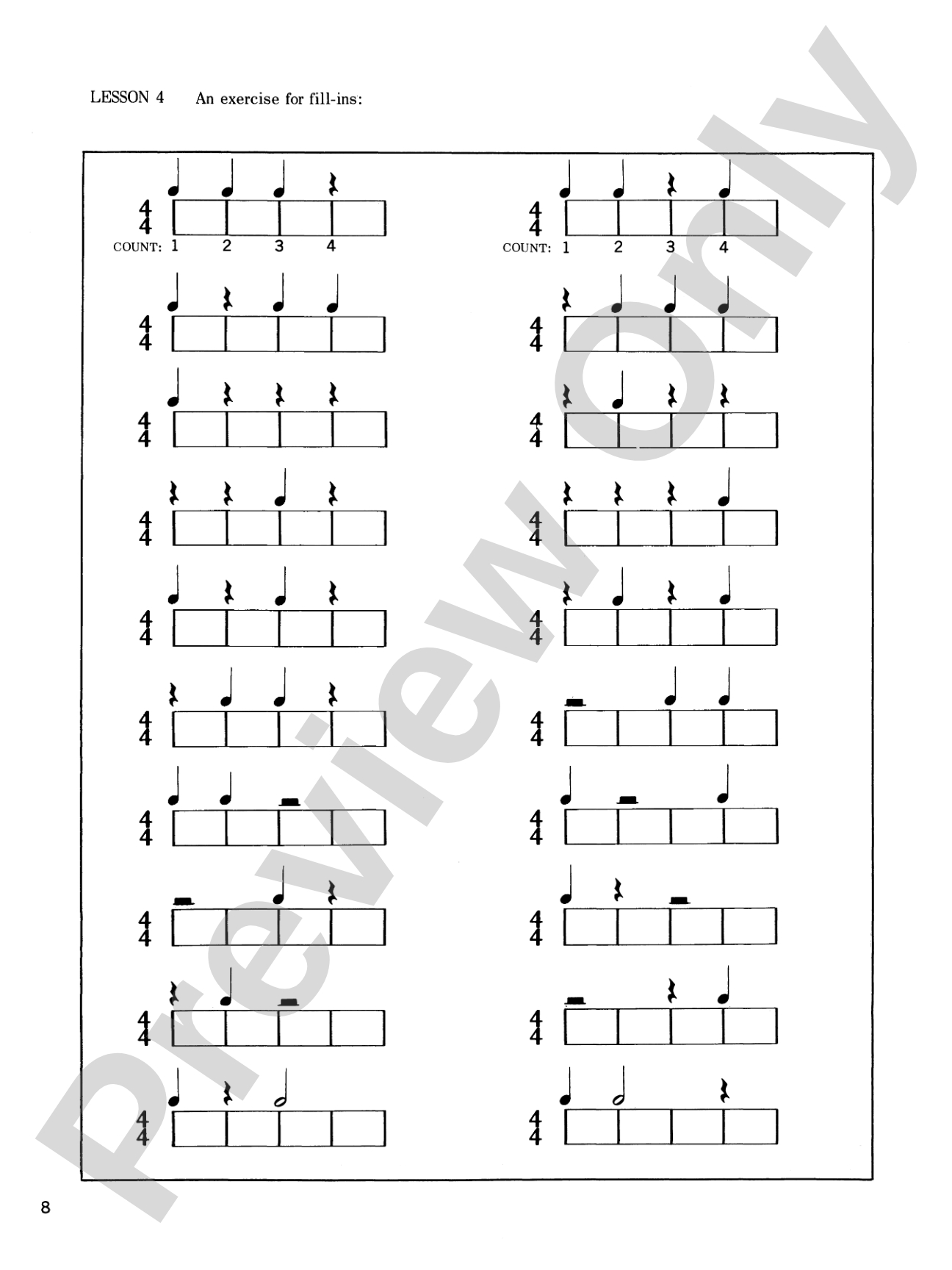
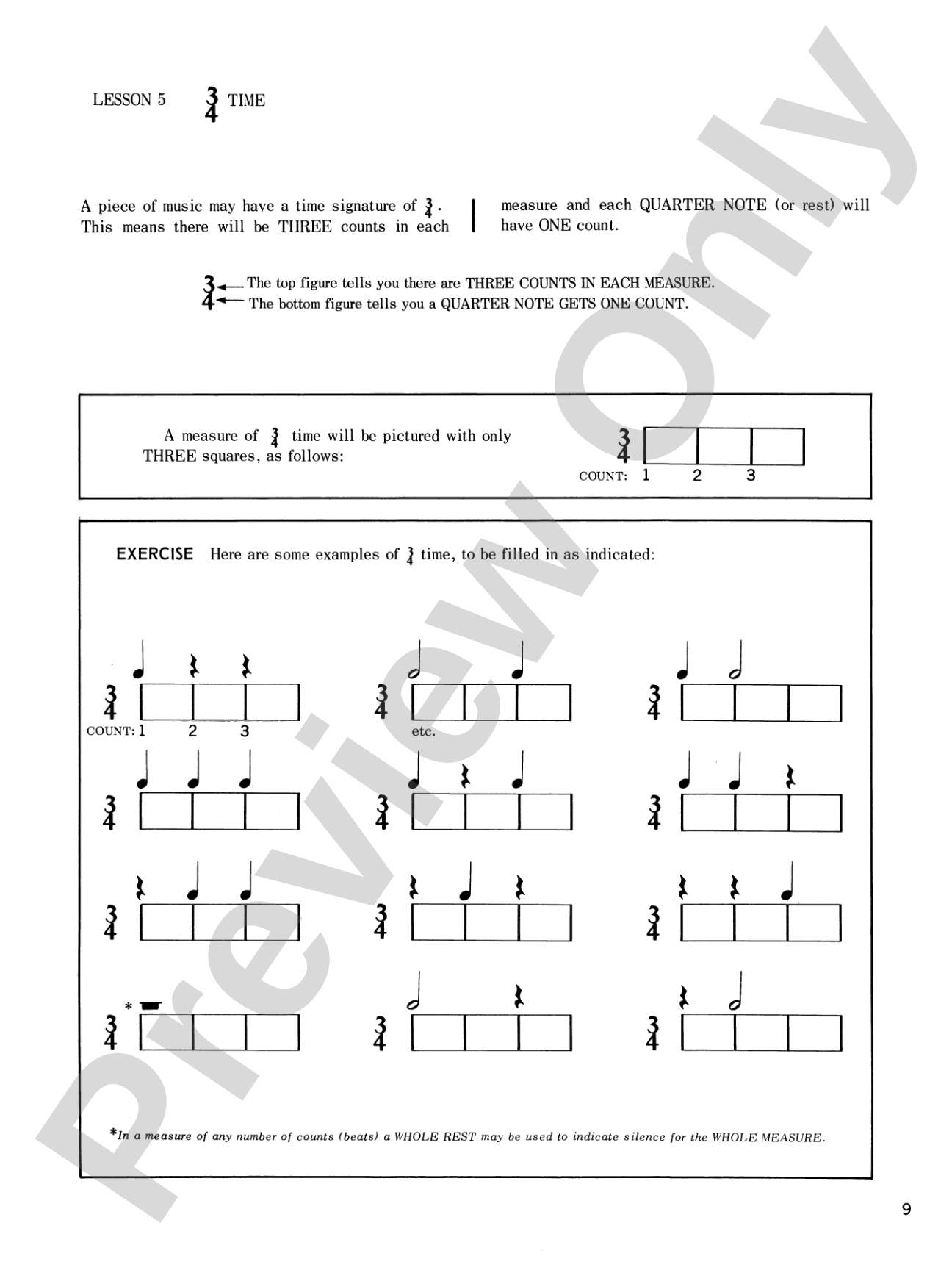
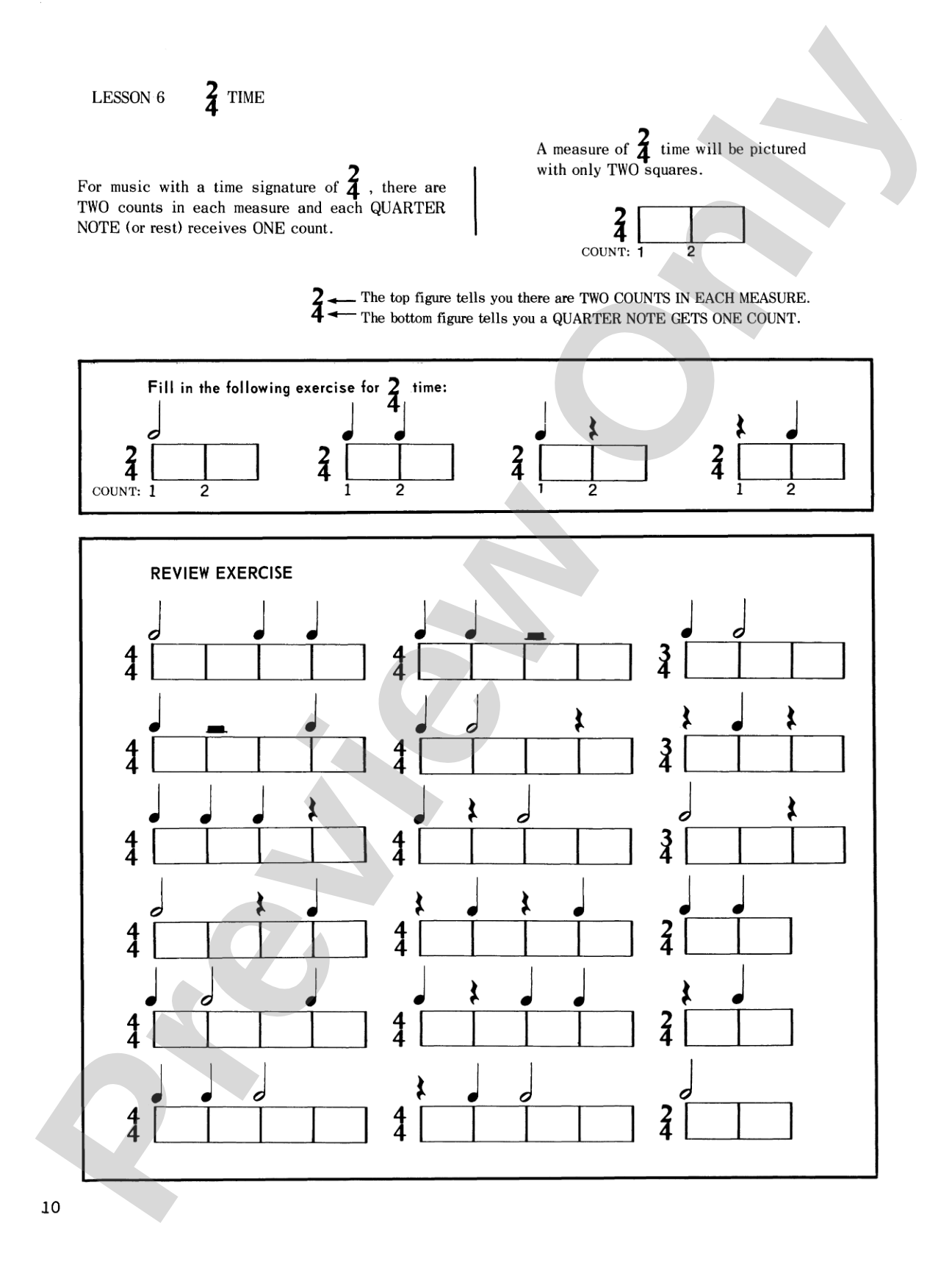
A notespeller that provides students with visual and aural conceptions of rhythm. Covers whole notes through 32nd notes and rests; 4/4, 3/4, 2/4, 3/8, 6/8, 9/8, 12/8 time signatures; syncopation and much more. May be used with any method of instruction. Useful for singers and other instrumentalists, too.


Counting Time: A Notespeller to Provide the Student with Visual and Aural Conceptions of Rhythm -- An Invaluable Aid for All Music Students: Piano isn't in MakeMusic Cloud just yet...but it could be. Let us know you'd like to see it, and you'll help shape what comes next. In the meantime, start a free trial and dive into thousands of interactive titles your students can play along with today.
Request This Title
Tell us you want it.
Start Your Free Trial
Explore everything that's ready to play right now.
Sample Audio
No sample audio found.
Sample Video
No sample videos found.
Additional Details
Publisher:
Alfred Music
Page Count:
48
SKU:
00-PB-0001793
More about this title
Why we love this
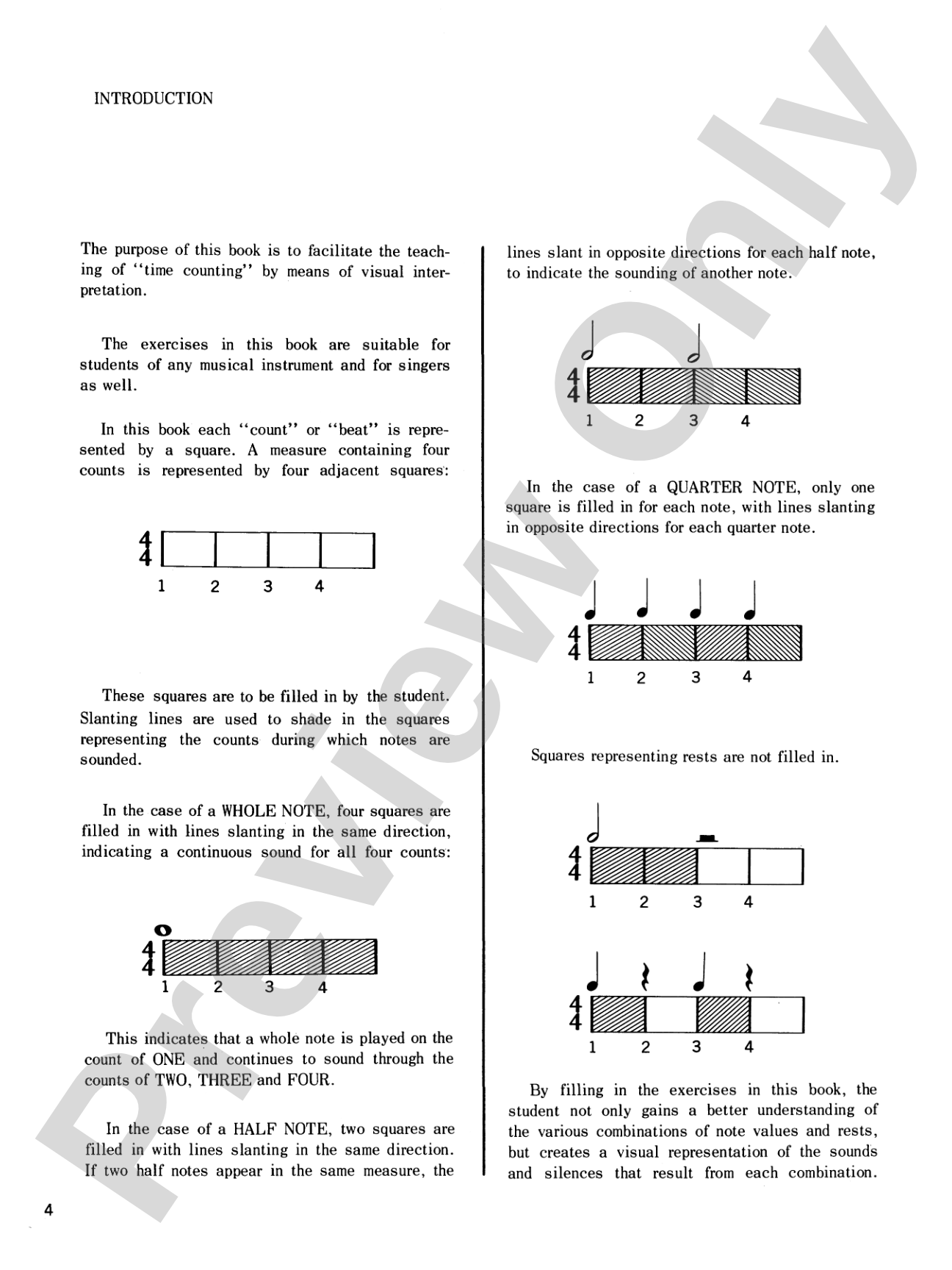
This workbook cuts through the abstract by pairing rhythmic patterns with actual notation on the staff. Students see a whole note, hear it, count it, and feel its duration in real time, which is exactly what transforms rhythm from a concept into muscle memory. The breadth of what's covered means you can pull from it strategically throughout the year as new time signatures and rhythmic complexities emerge in your ensemble repertoire.
What to expect
Methodical and grounded. This isn't flashy; it's the kind of resource that becomes indispensable because it stays focused on one job: connecting the dots between written rhythm, spoken count, and heard sound.
Who it's for
Any piano student building solid rhythm literacy, but also wind and choral musicians who need reinforcement in reading and internalizing rhythmic concepts. The visual notespeller approach works well for students who find traditional counting methods disconnected from what they're actually seeing on the page.
How to get the most out of it
- Work through one time signature family at a time rather than jumping around. This lets students anchor their counting patterns before adding new complexities.
- Use the aural component consistently. Students who only read the notation miss the reinforcement that comes from hearing how syncopation actually sounds against a steady pulse.
- Return to earlier sections whenever a student struggles with a rhythm in actual music. A quick refresher on basic note values often unlocks their ability to navigate more intricate passages.
How to use it
Assign sections as homework keyed to what students are encountering in their current repertoire. When your ensemble starts exploring compound meters, pull out the 6/8, 9/8, and 12/8 pages. It works as both a diagnostic tool to identify gaps and a maintenance resource to sharpen skills that have gotten rusty.
Skills your students will build
- Reading and performing whole notes through 32nd notes with accuracy
- Counting in simple time signatures (4/4, 3/4, 2/4)
- Counting in compound time signatures (3/8, 6/8, 9/8, 12/8)
- Recognizing and executing syncopated rhythms
- Understanding note and rest values visually and aurally
- Connecting written notation to rhythmic sound