Cot in the Act Cover Image

Cot in the Act: Jazz Ensemble Conductor Score & Parts

$48.00 USD
Sale price  $48.00 USD Regular price 
Skip to product information
Cot in the Act Cover Image

Cot in the Act: Jazz Ensemble Conductor Score & Parts

As Performed by Gordon Goodwin's Little Phat Band

By Gordon Goodwin

Grade: 5 (Advanced / Difficult)

Item: 00-41148

makemusic Cloud badge

Need it now?

Buy Digital Version
$48.00
Shipped

One moment…

Description
Funky with a very hip piano intro! Little band instrumentation is for tenor, trumpet, trombone, piano, bass, guitar, and drums. This chart includes solo space for all. (2:16) This title is available in MakeMusic Cloud.

Don't just read it, hear it, play along with it, and watch your students grow with it. In MakeMusic Cloud, Cot in the Act: Jazz Ensemble Conductor Score & Parts comes alive with professional accompaniment, adjustable tempo, and built-in practice tools that turn solo practice into real progress.

Sample Pages

Sample Audio
0:00
0:00
Sample Video
Additional Details
Series: Gordon Goodwin Little Phat Band Series
Publisher: Alfred Music
Page Count: 34
UPC: 038081475462
SKU: 00-41148

More about this title

About the Composer: Gordon Goodwin
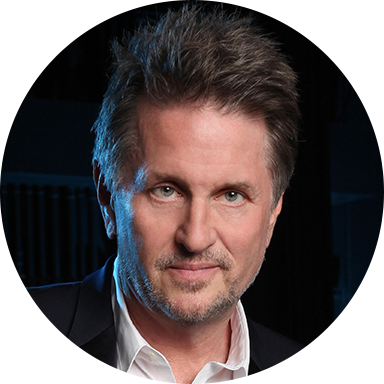
Gordon Goodwin

Gordon Goodwin began composing full pieces at five years old, transcribing the complex arrangements already forming in his mind. By thirteen, he had written his first big band chart, demonstrating a gift that would reshape his entire career trajectory. His work in film and television scoring earned him three Emmy Awards and multiple Grammy nominations, with orchestrations featured in major motion pictures including Bad Boys II, Con Air, Remember the Titans, and Star Trek: Nemesis.

Goodwin has composed and arranged for an impressive roster of artists spanning multiple generations: Christina Aguilera, Quincy Jones, Ray Charles, and others. He has conducted leading symphony orchestras across North America and Europe. Since 2000, he has led Gordon Goodwin's Big Phat Band, a Los Angeles-based ensemble that redefined contemporary big band jazz. His albums have received Grammy recognition, establishing him as one of the most influential arrangers working in jazz today.

Why we love this

Goodwin writes for student ensembles with the same sophistication and groove he brings to his professional Big Phat Band recordings. Every section gets genuine solo space and melodic material, which keeps ensemble members engaged and motivated. The funky piano intro and hip grooves make this chart immediately appealing to student musicians, while the Grade 5 complexity demands real musicianship and ensemble discipline.

What to expect

Funky and confident, with a hip piano introduction that immediately sets the tone. The chart swings with contemporary jazz vocabulary; it feels less like a standard jazz tune and more like the kind of energetic, groove-driven music Goodwin writes for his own professional ensemble.

Who it's for

Advanced jazz ensemble directors who want to program music with real character and groove for skilled musicians. This works equally well for high school and college jazz bands looking for a contemporary piece that demands musicianship without becoming stuffy.

How to get the most out of it

  • Lock the rhythm section (piano, bass, guitar, drums) as a unit before rehearsing horns. The groove foundation must be solid and swinging; this determines whether the whole chart feels funky or labored.
  • Shape the piano intro deliberately. This is your hook. The piano player should voice it with space and attitude, letting each chord land clearly before moving to the next.
  • Honor the solo sections by giving soloists room to breathe and interpret. Goodwin wrote the framework, but the band's energy and responsiveness behind each soloist will determine whether these moments sparkle.
  • Balance the brass voicings carefully, especially when all three voices move together. At this grade level, intonation in jazz voicings can blur quickly; precision makes the chart sound professional.

How to use it

Program this as a concert centerpiece or as part of a jazz showcase where you want to feature soloists. At 2:16, it fits well in a mixed program, and its contemporary sound pairs nicely alongside both traditional and modern jazz repertoire.

Skills your students will build

  • Comping and time-feel in contemporary jazz styles
  • Solo improvisation with structured chord changes
  • Balance and blend in jazz voicings for horn sections
  • Listening and responding to ensemble rhythm section in real time
  • Phrasing and interpretation within written solo sections

You May Also Like
