
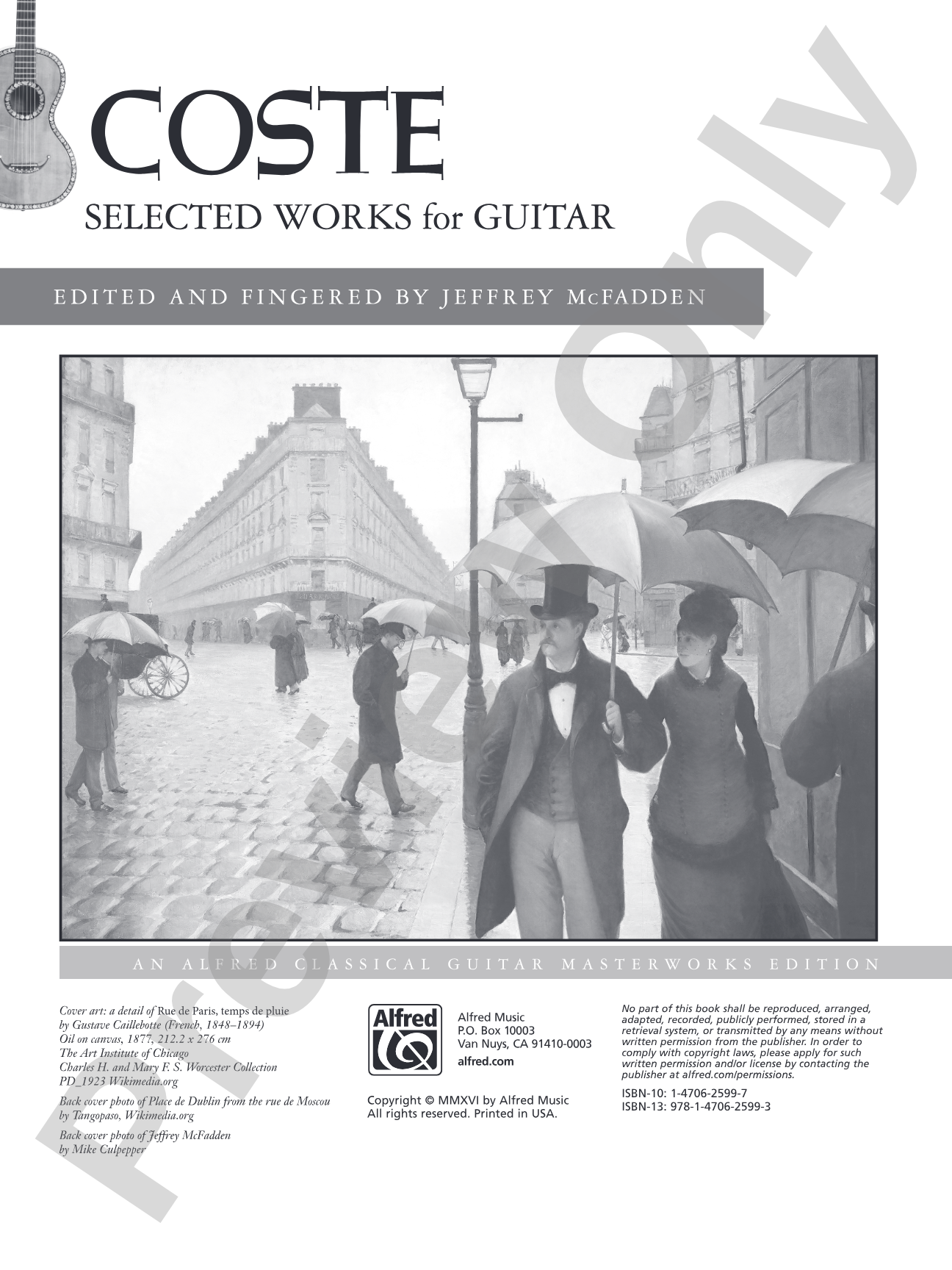
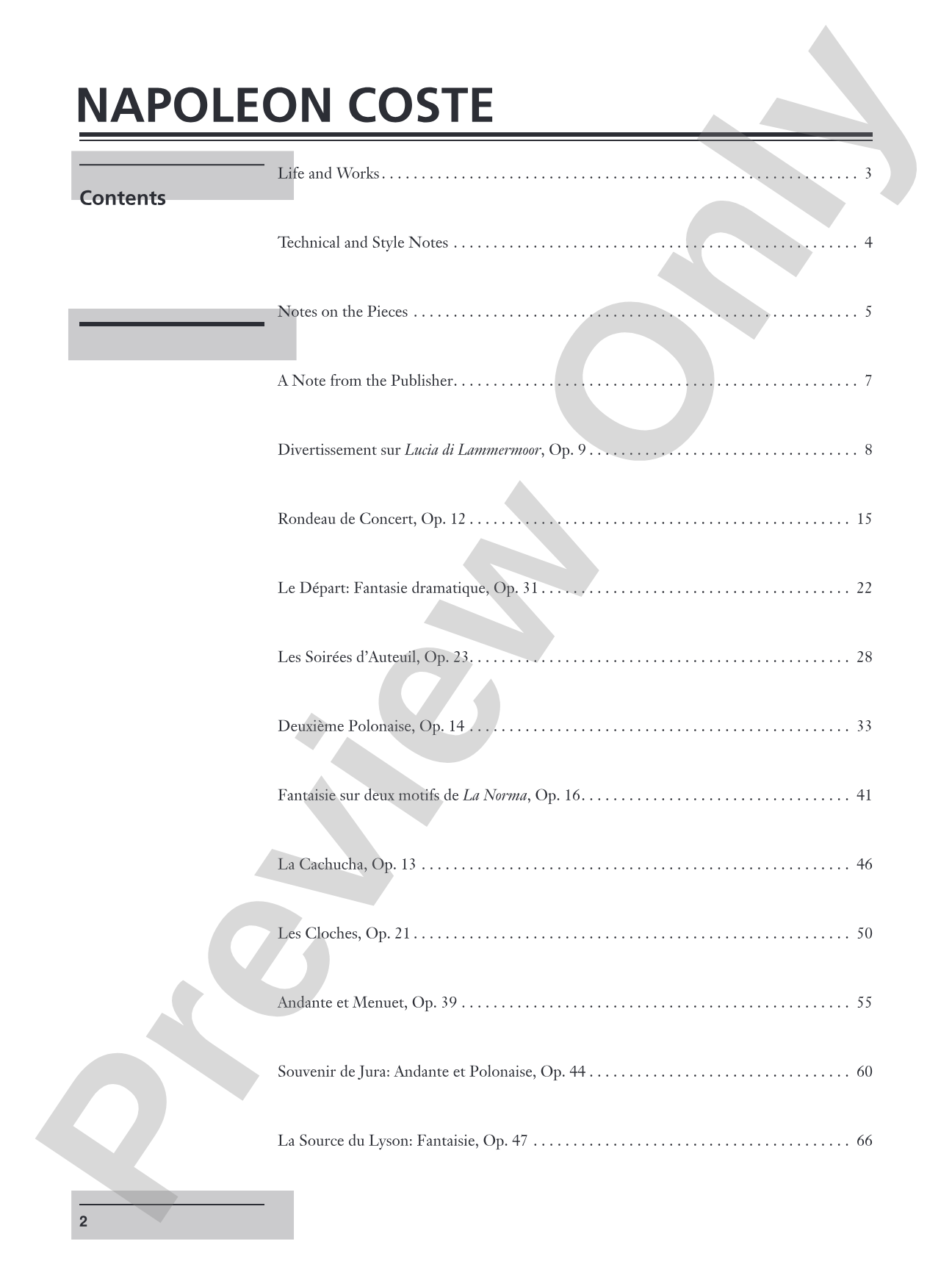
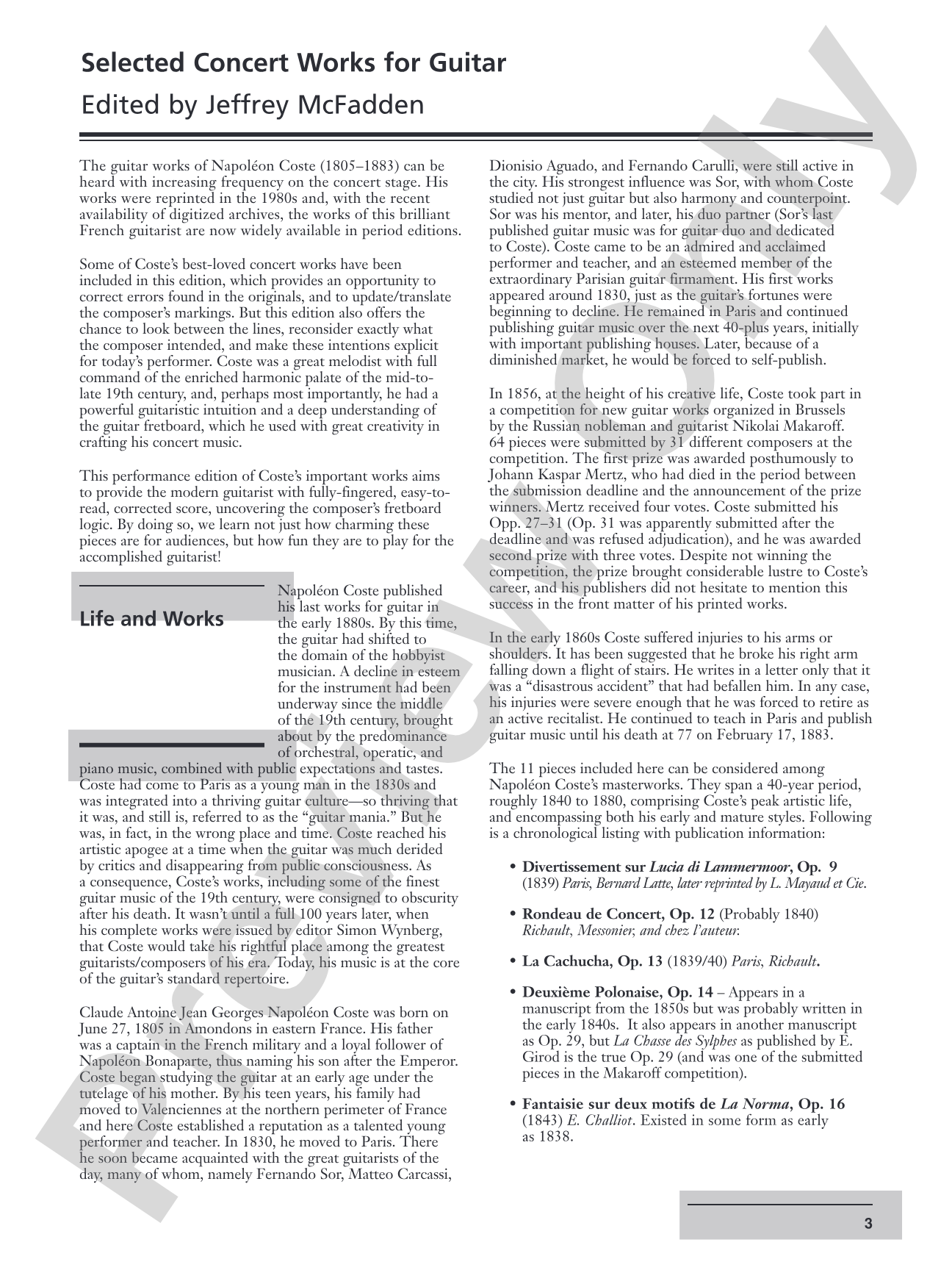
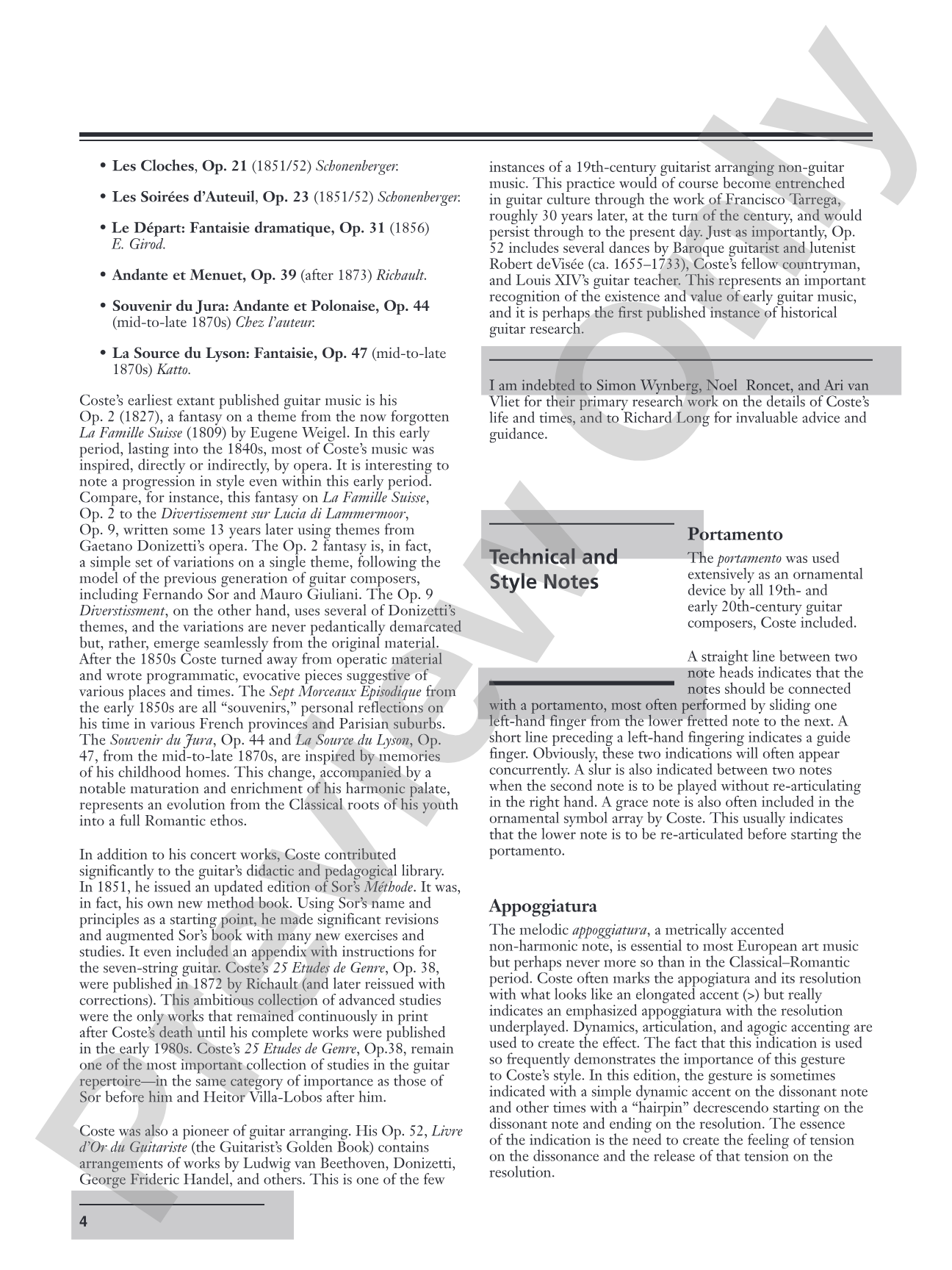

Coste: Selected Works for Guitar: Solo Guitar
By Napoléon Coste / ed. Jeffrey McFadden
Item: 00-PB-0001864
$16.99
Pickup currently not available
Related Items
Coste: Selected Works for Guitar: Guitar Book |
$16.99
|
View |
Description
Classical guitarists---both students and professional performers---require the same high-quality editions that their pianist colleagues have come to expect from Alfred Music. Our Classical Guitar Masterworks Editions continue the Alfred Music tradition of providing carefully edited, beautifully presented music for practice and performance.
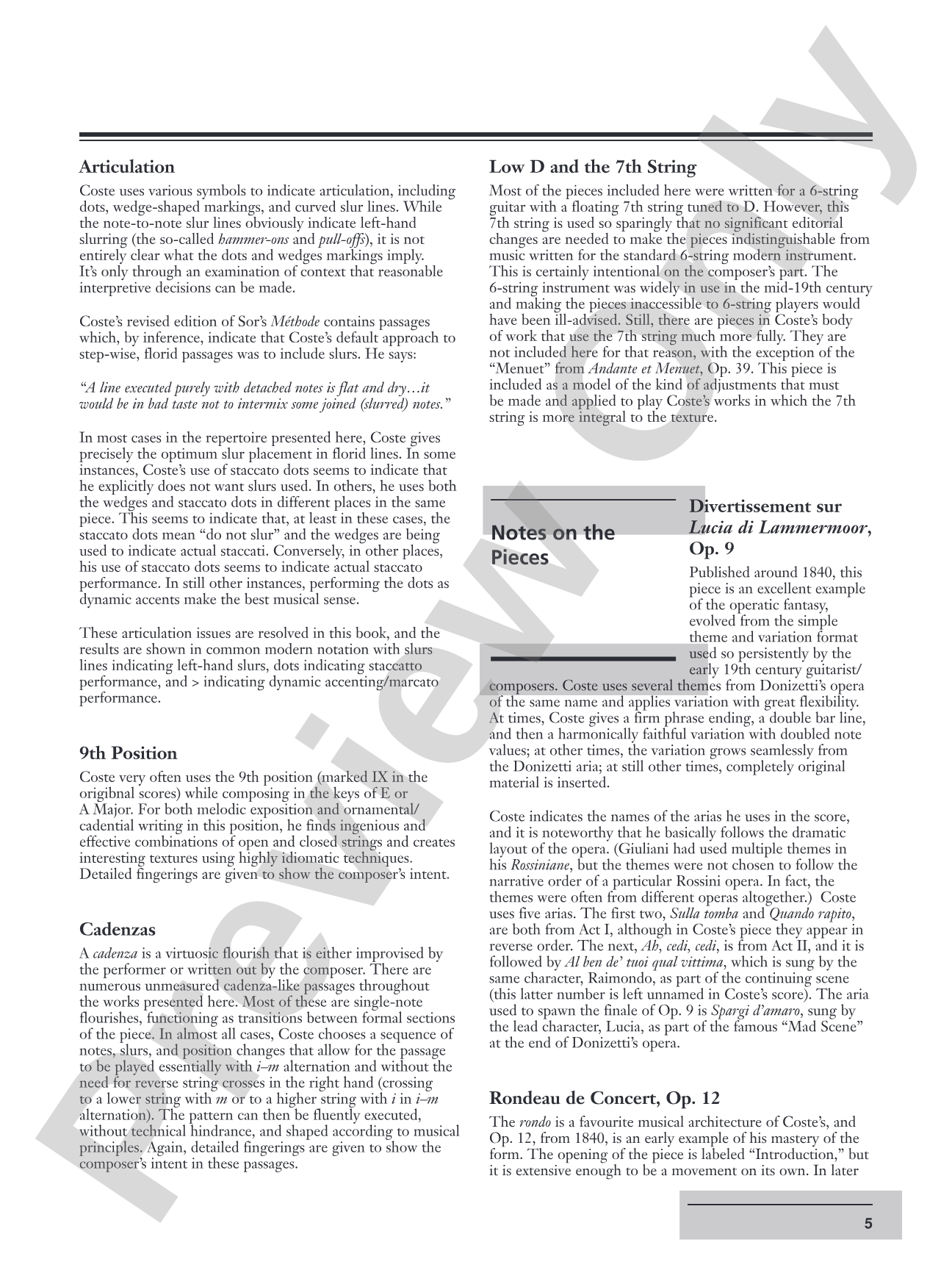
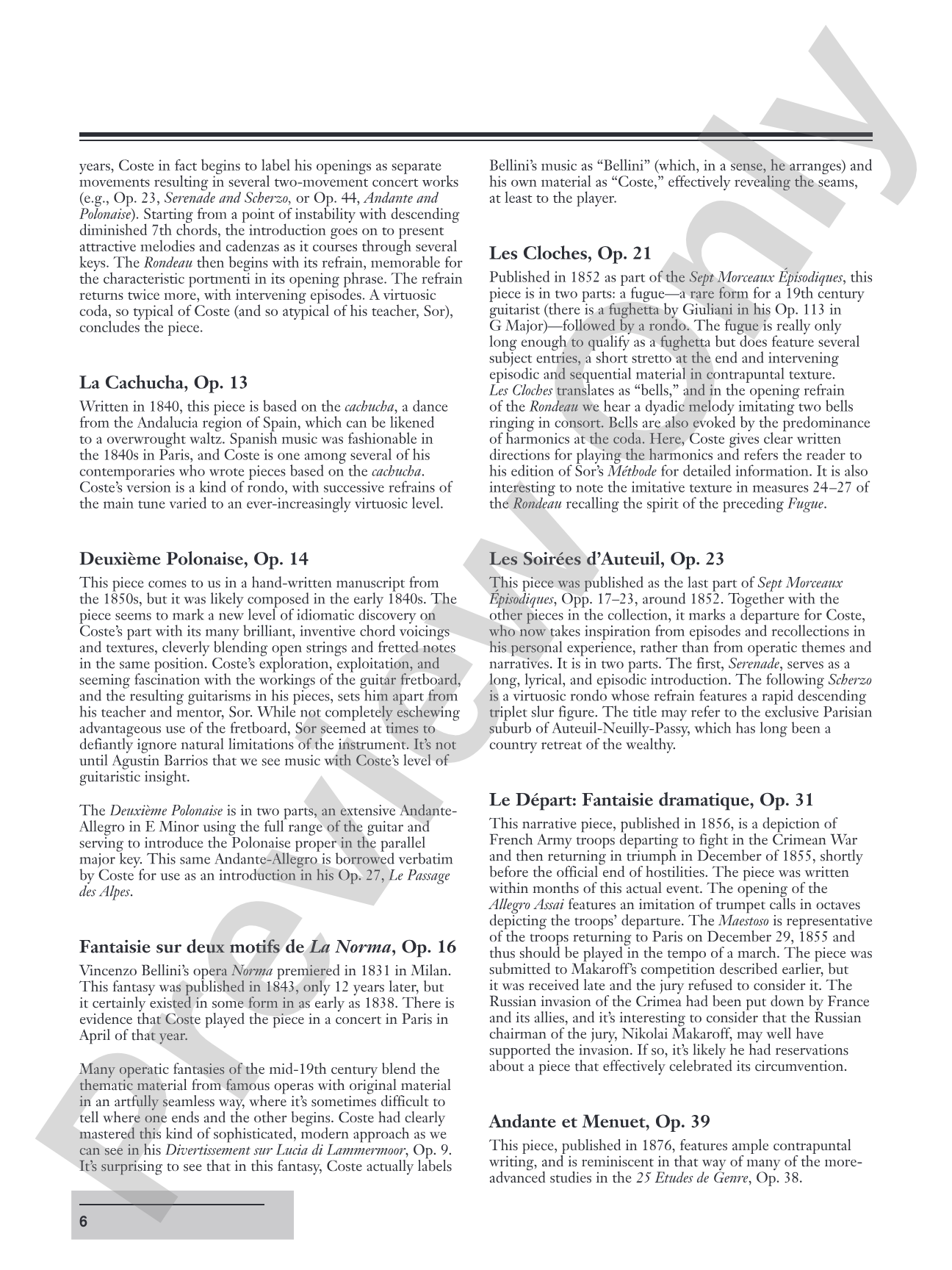
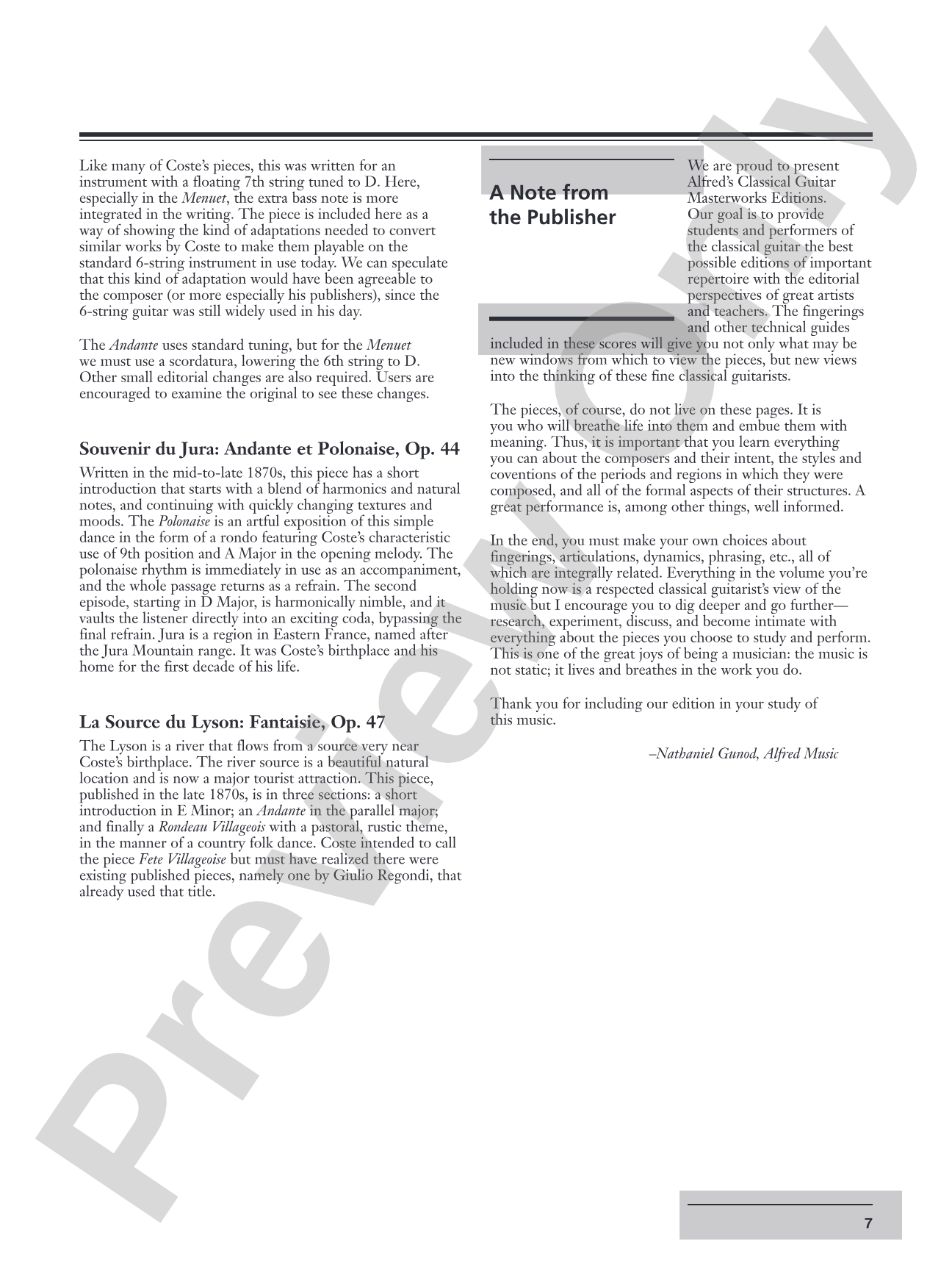
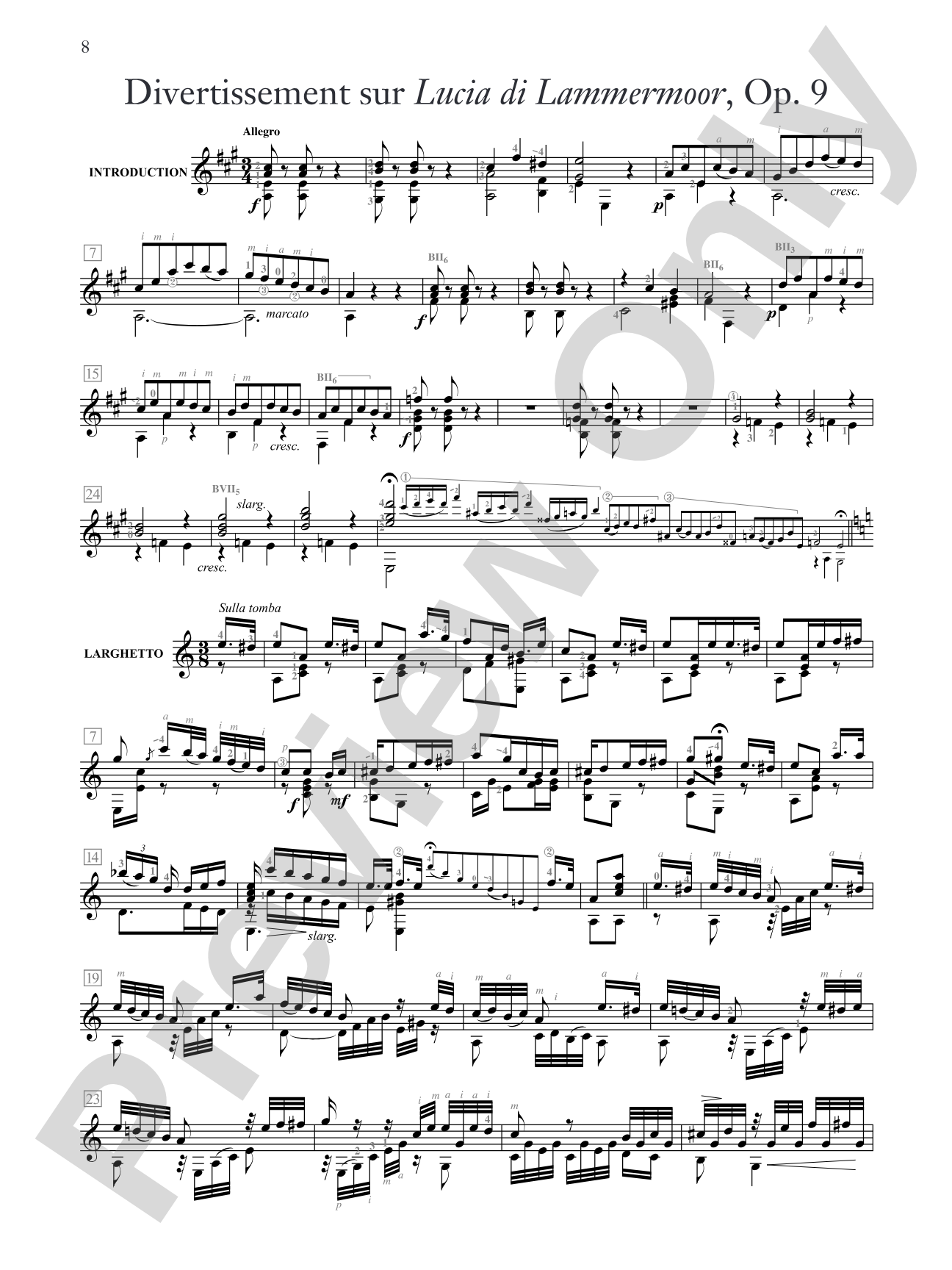
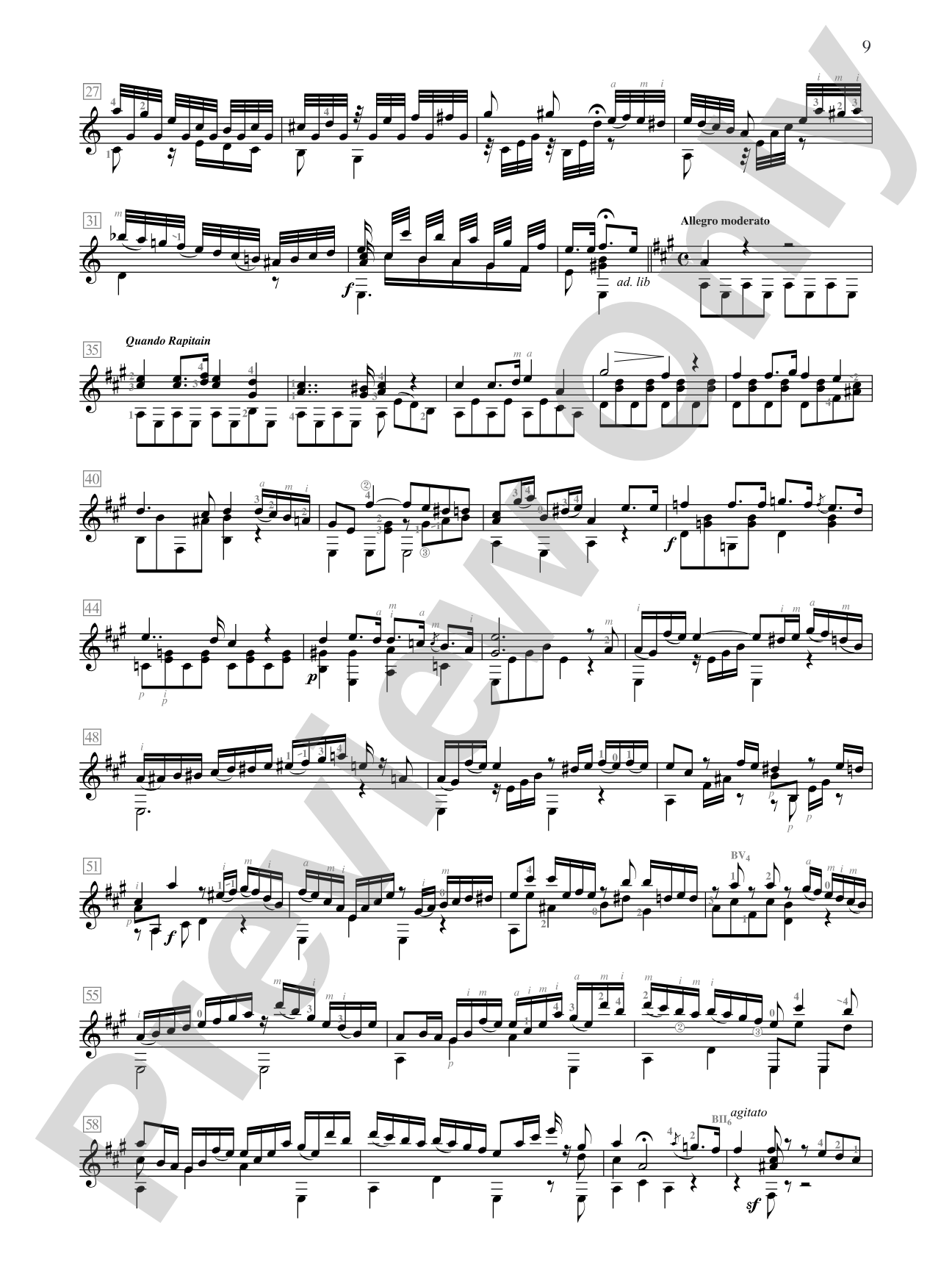
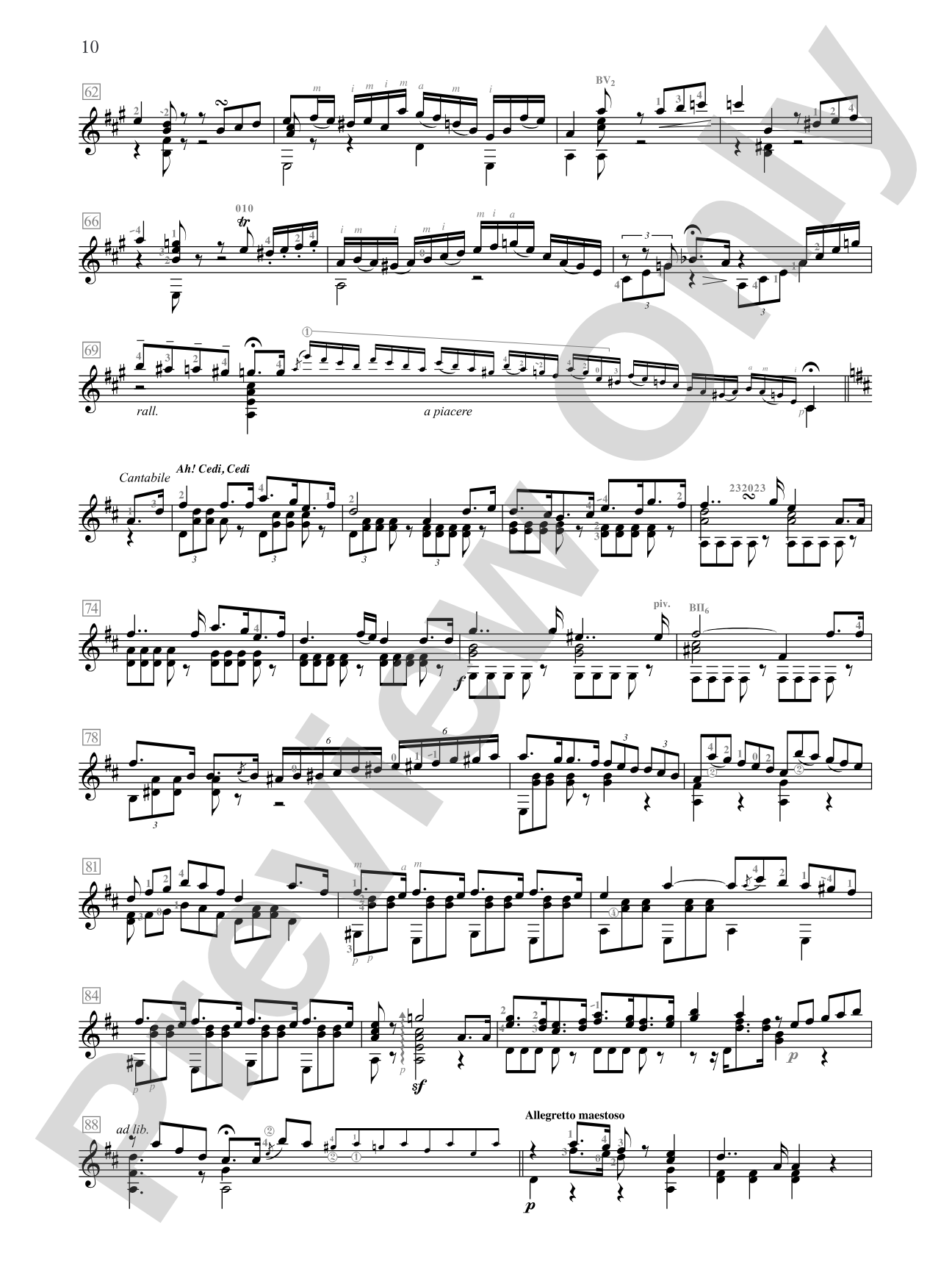
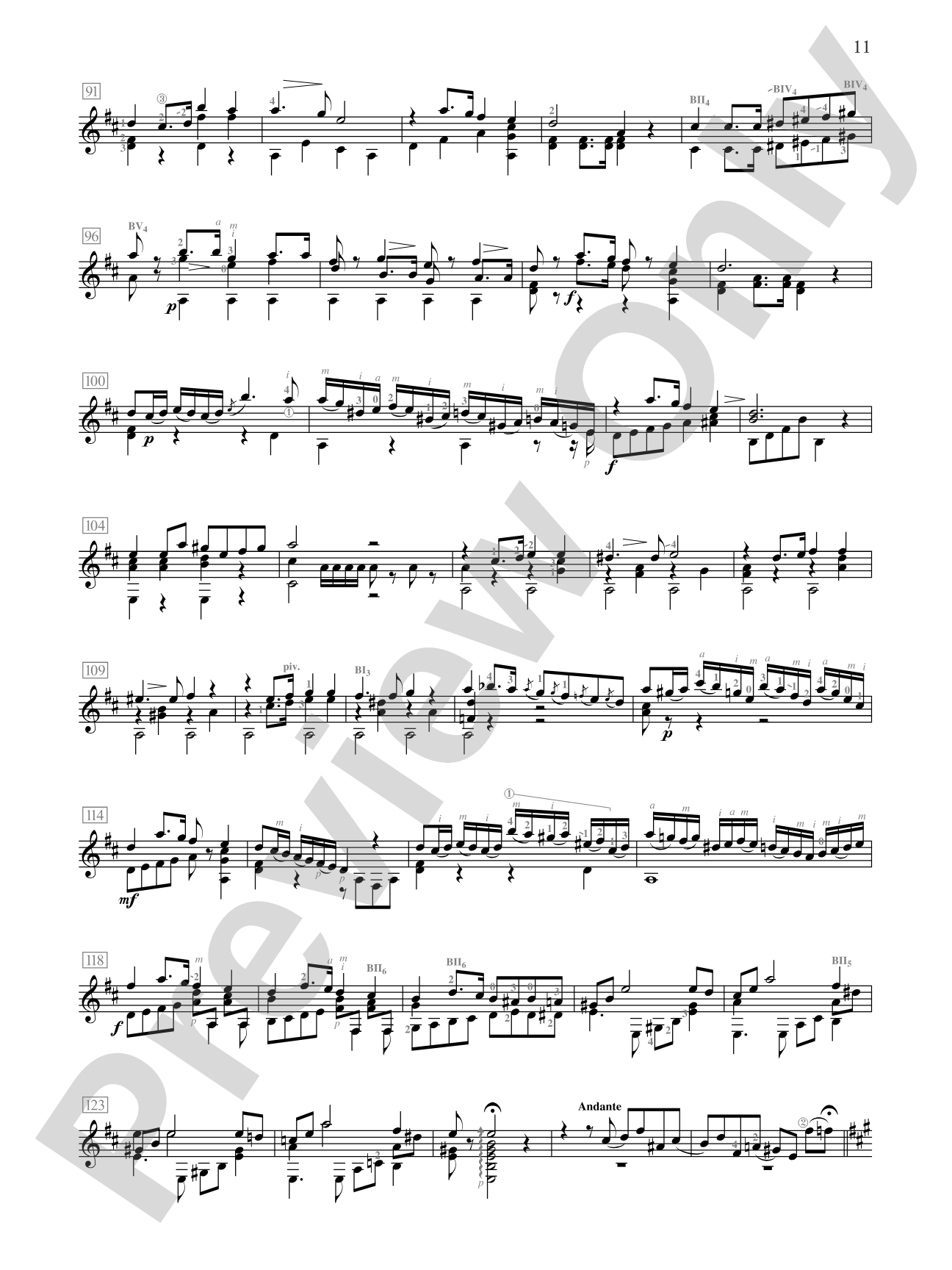
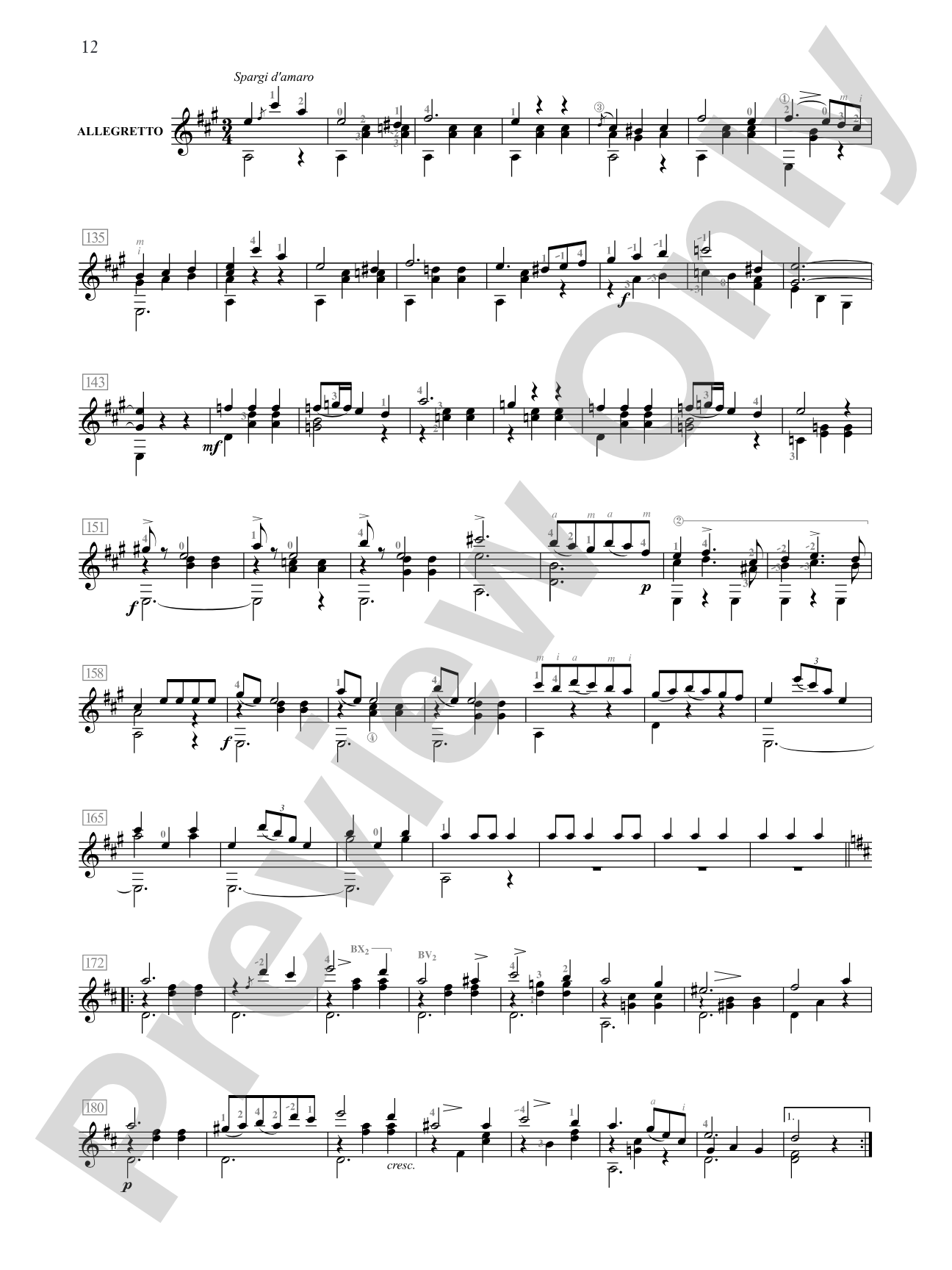
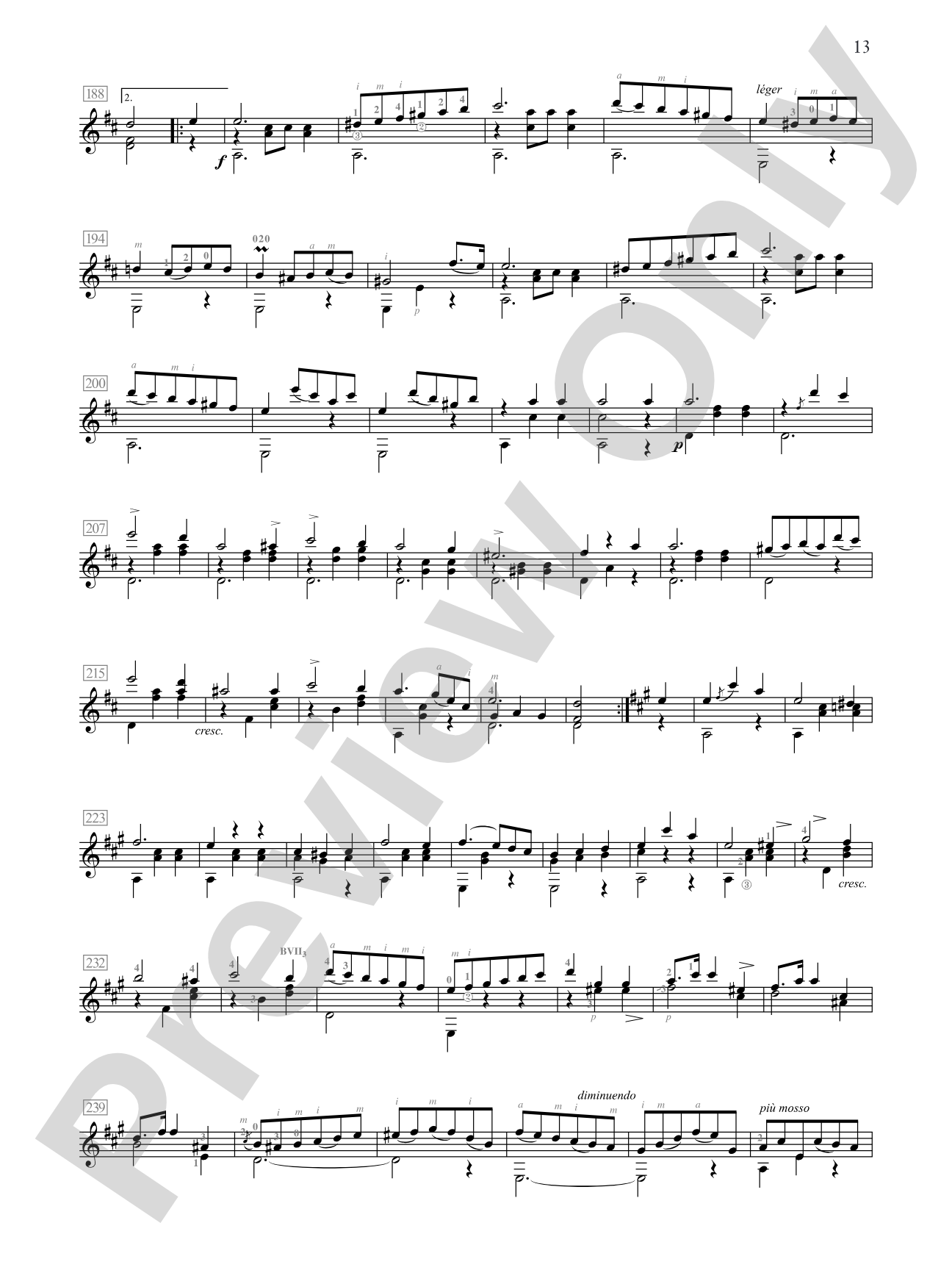
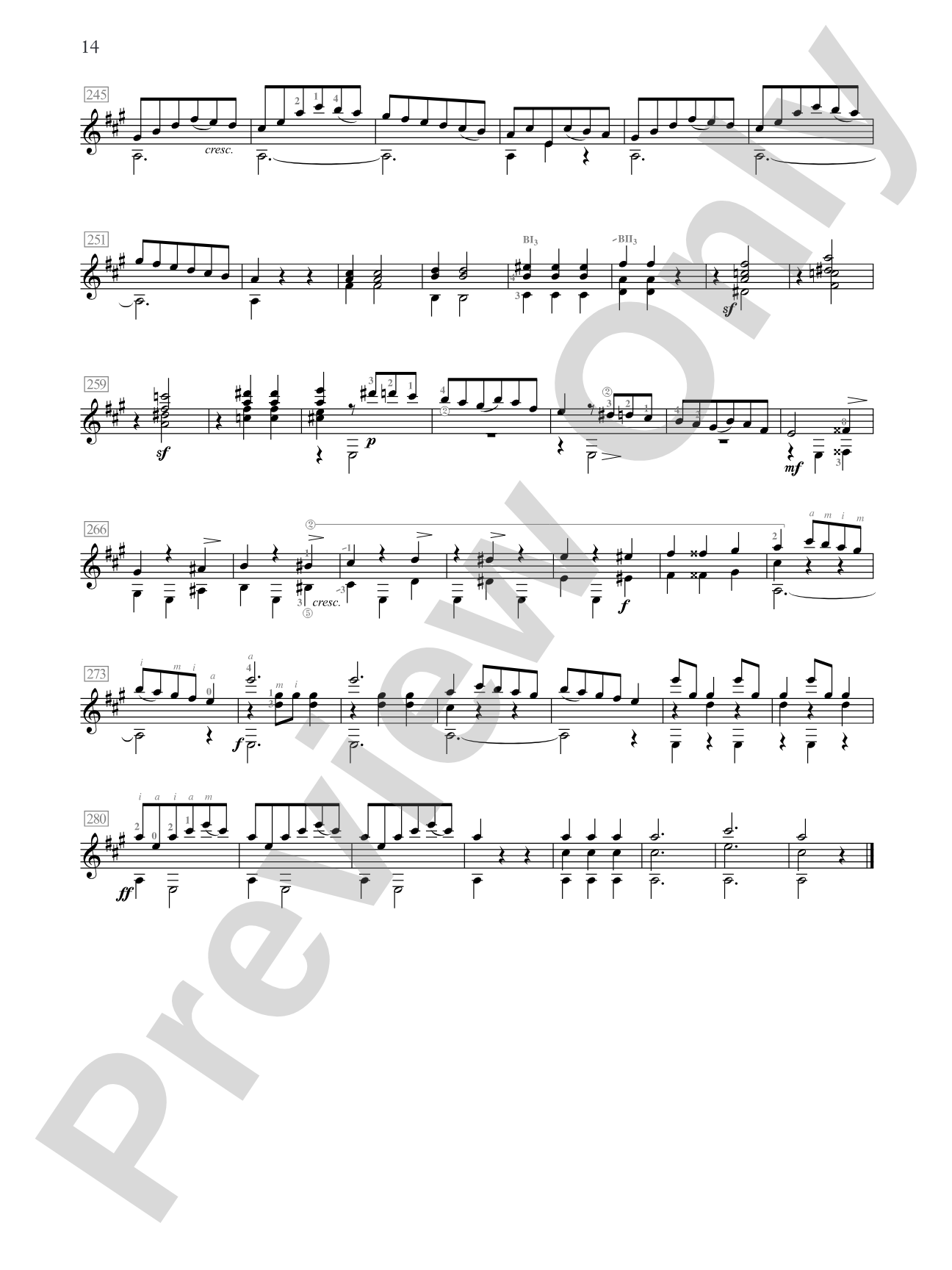
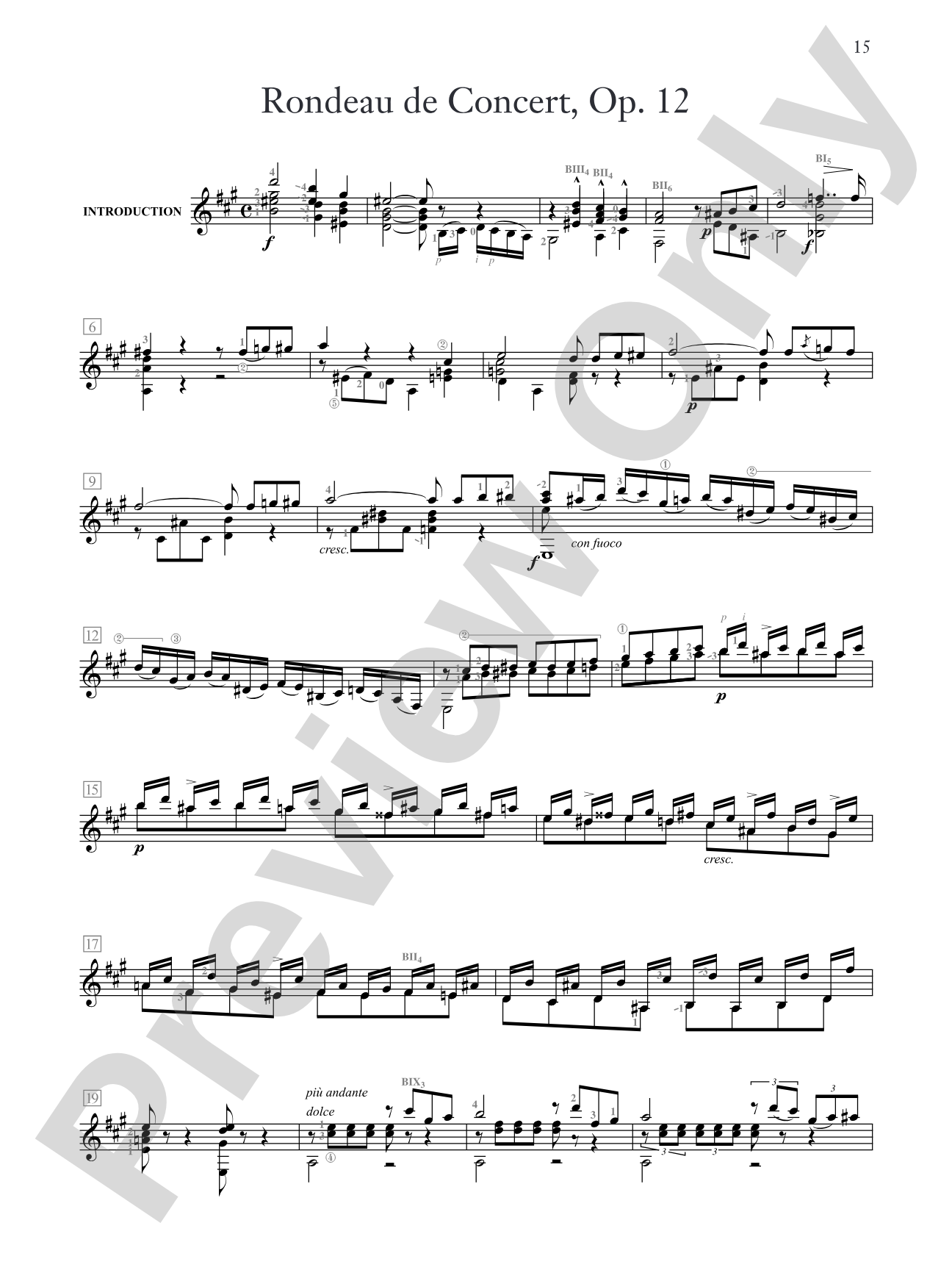
French guitarist and composer Napoléon Coste's best-loved concert works have been expertly collected here. In this edition, editor and acclaimed classical guitarist Jeffrey McFadden, a leading proponent of Coste's repertoire, looks between the lines to see exactly what the composer intended, ultimately making Coste's intentions explicit and clear for the modern performer. Coste was a great melodist who had full command of the rich harmonic palate of the mid-to-late 19th century. Perhaps most importantly, Coste had a powerful guitaristic intuition and a deep understanding of the guitar fretboard, which he used with great creativity in crafting concert music. This performance edition of Coste's works aims to provide the performer with fully fingered, easy-to-read scores, demonstrating not only how charming these pieces are for audiences but also how enjoyable they are to play for the accomplished guitarist!


French guitarist and composer Napoléon Coste's best-loved concert works have been expertly collected here. In this edition, editor and acclaimed classical guitarist Jeffrey McFadden, a leading proponent of Coste's repertoire, looks between the lines to see exactly what the composer intended, ultimately making Coste's intentions explicit and clear for the modern performer. Coste was a great melodist who had full command of the rich harmonic palate of the mid-to-late 19th century. Perhaps most importantly, Coste had a powerful guitaristic intuition and a deep understanding of the guitar fretboard, which he used with great creativity in crafting concert music. This performance edition of Coste's works aims to provide the performer with fully fingered, easy-to-read scores, demonstrating not only how charming these pieces are for audiences but also how enjoyable they are to play for the accomplished guitarist!
Discover MakeMusic Cloud: thousands of interactive titles your students can play along with today.
Sample Audio
No sample audio found.
Sample Video
No sample videos found.
Additional Details
Series:
Alfred Classical Guitar Masterworks
Publisher:
Alfred Music
Page Count:
72
SKU:
00-PB-0001864
More about this title
About the Composer: Napoléon Coste
Napoléon Coste (1805–1883) was a French guitarist and composer who elevated the instrument during the Romantic era when it risked being relegated to parlor entertainment. His long career as both performer and teacher gave him the rare advantage of understanding exactly what works under the fingers, and he wrote with the fretboard's geometry baked into every phrase.
Coste's catalog spans from intimate character pieces to substantial concert works, all marked by vocal melody and sophisticated harmonic thinking. He proved that the guitar could express the emotional depth and structural coherence that defined serious 19th-century music. Modern guitarists return to his works not out of historical obligation but because they reveal how much beauty emerges when a composer truly knows his instrument.
Why we love this
McFadden's scholarship restores Coste's intentions with fingerings and articulations that feel natural rather than imposed. These are substantial works that reward serious practice while remaining approachable for accomplished students, making them ideal for competitions, recitals, or simply deepening a guitarist's musicality during the repertoire-building years.
What to expect
Coste's world is intimate and lyrical, filled with waltzes and miniatures that hint at Romantic salons and quiet study. The music moves between reflective tenderness and moments of considerable emotional depth, all expressed through elegant melodies and rich harmonic coloring that feel both natural to the guitar and unmistakably 19th-century in sensibility.
Who it's for
Serious classical guitarists ready to move beyond standard beginner anthologies into concert repertoire that demands real interpretive maturity. Teachers seeking performance works that combine musical substance with teachable technique will find this collection an essential resource for advanced students.
How to get the most out of it
- Attend to the harmonic rhythm beneath the melody. Coste often shifts chords on weak beats, so let the voice leading guide your phrasing rather than relying on metric accent alone.
- Shape phrases through subtle dynamic curves rather than dramatic swells. The Romantic guitar thrives on color and direction, not volume.
- Practice the fingered editions exactly as marked before innovating. McFadden's choices solve technical problems in ways that honor both the composer's voice and modern technique.
- Balance clarity with legato. Coste's melodic lines benefit from singing tone, but maintaining textural transparency ensures accompaniment figures support rather than muddy the top voice.
How to use it
Feature individual pieces as recital openers or encores to contrast with contemporary works, or program several pieces together as a Coste set that traces the arc from character piece to full concert work. These also serve wonderfully as study material for students preparing auditions or competitions where Romantic guitar repertoire is expected.
Skills your students will build
- Refined vibrato control for expressive melody
- Harmonic function recognition in Romantic voice leading
- Fingered accompaniment pattern coordination
- Interpretive choices within a carefully edited score
- Sustain and tone quality across multiple dynamic levels
- Period-appropriate phrasing and rubato