
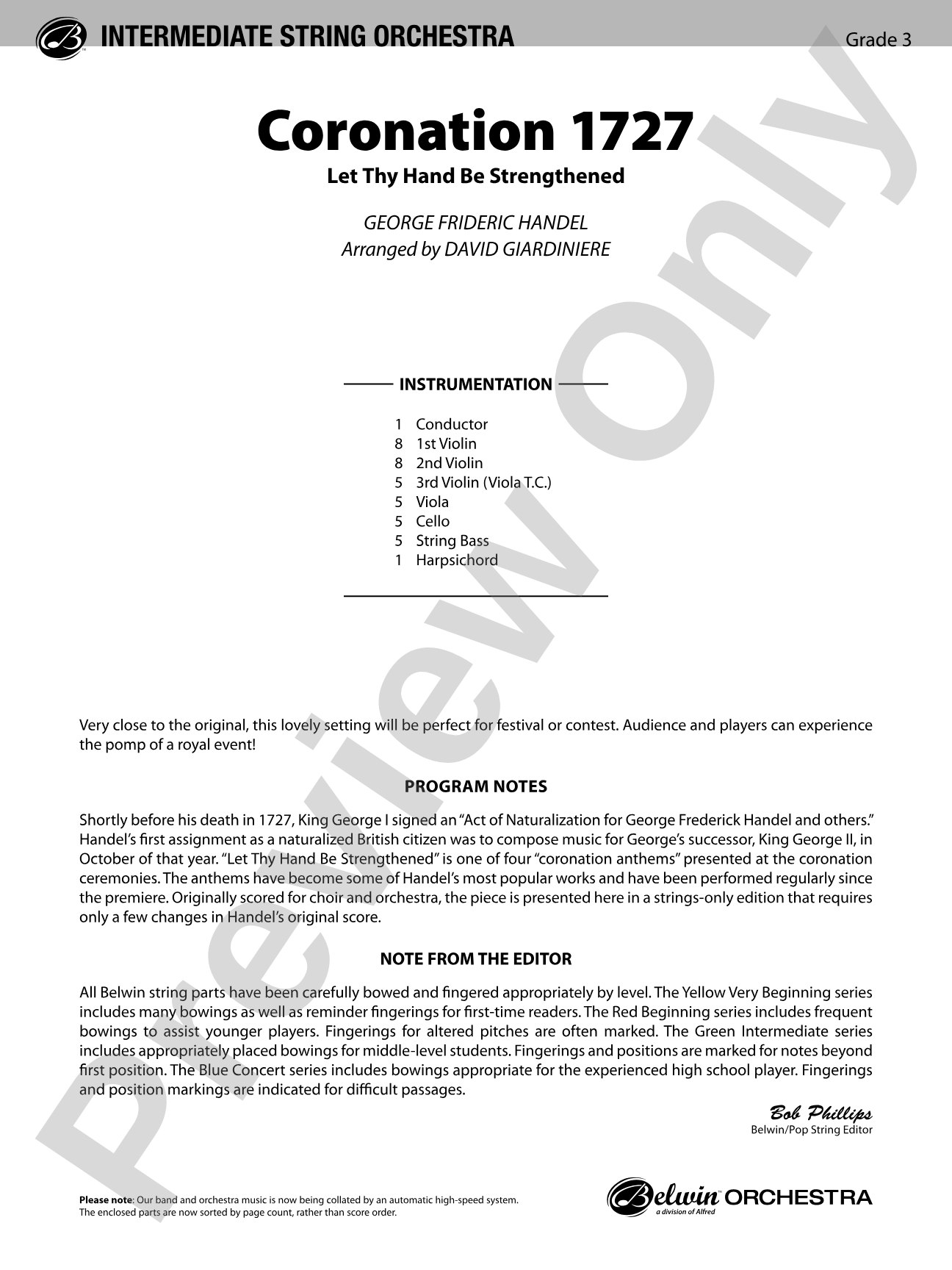
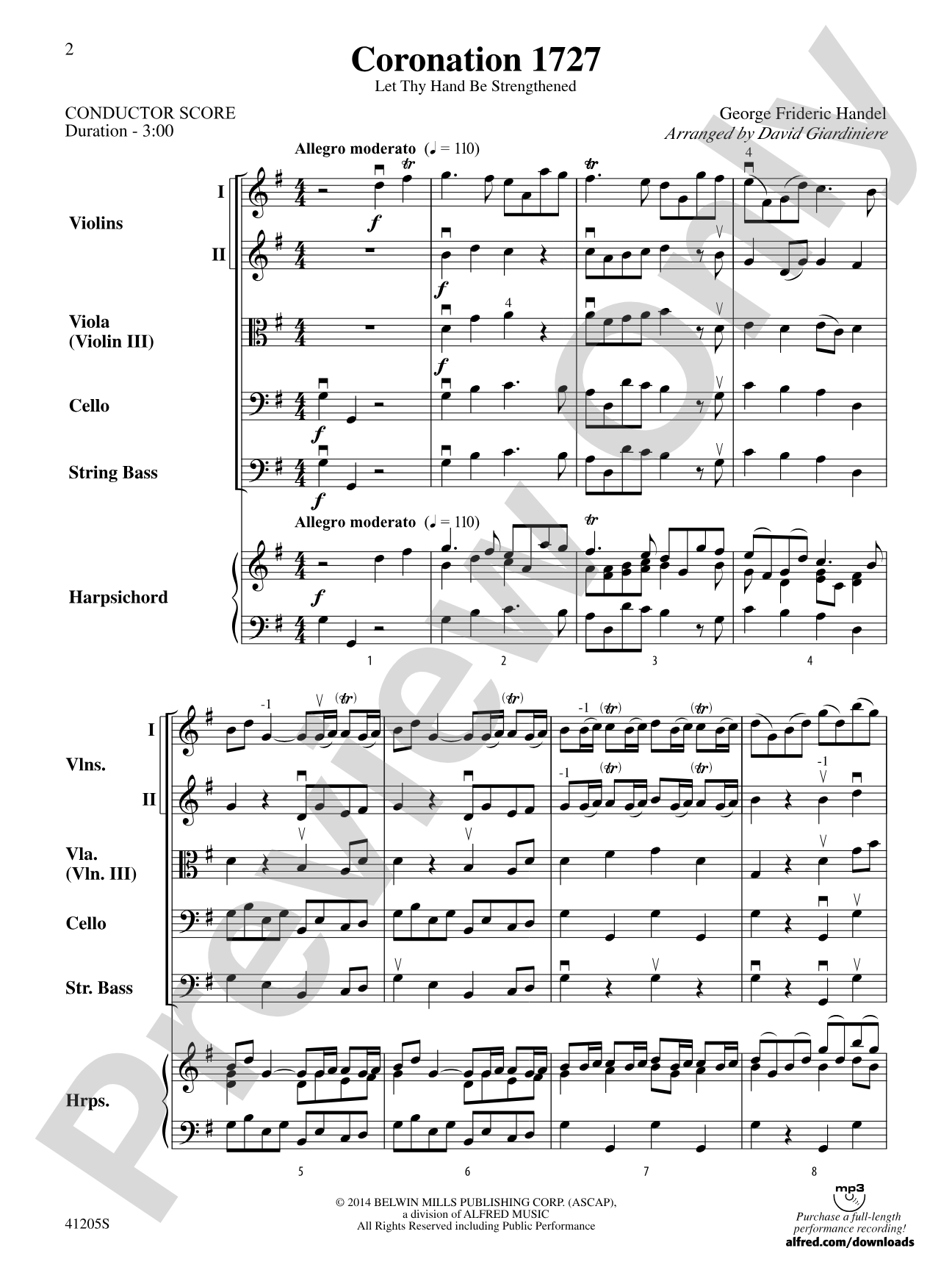
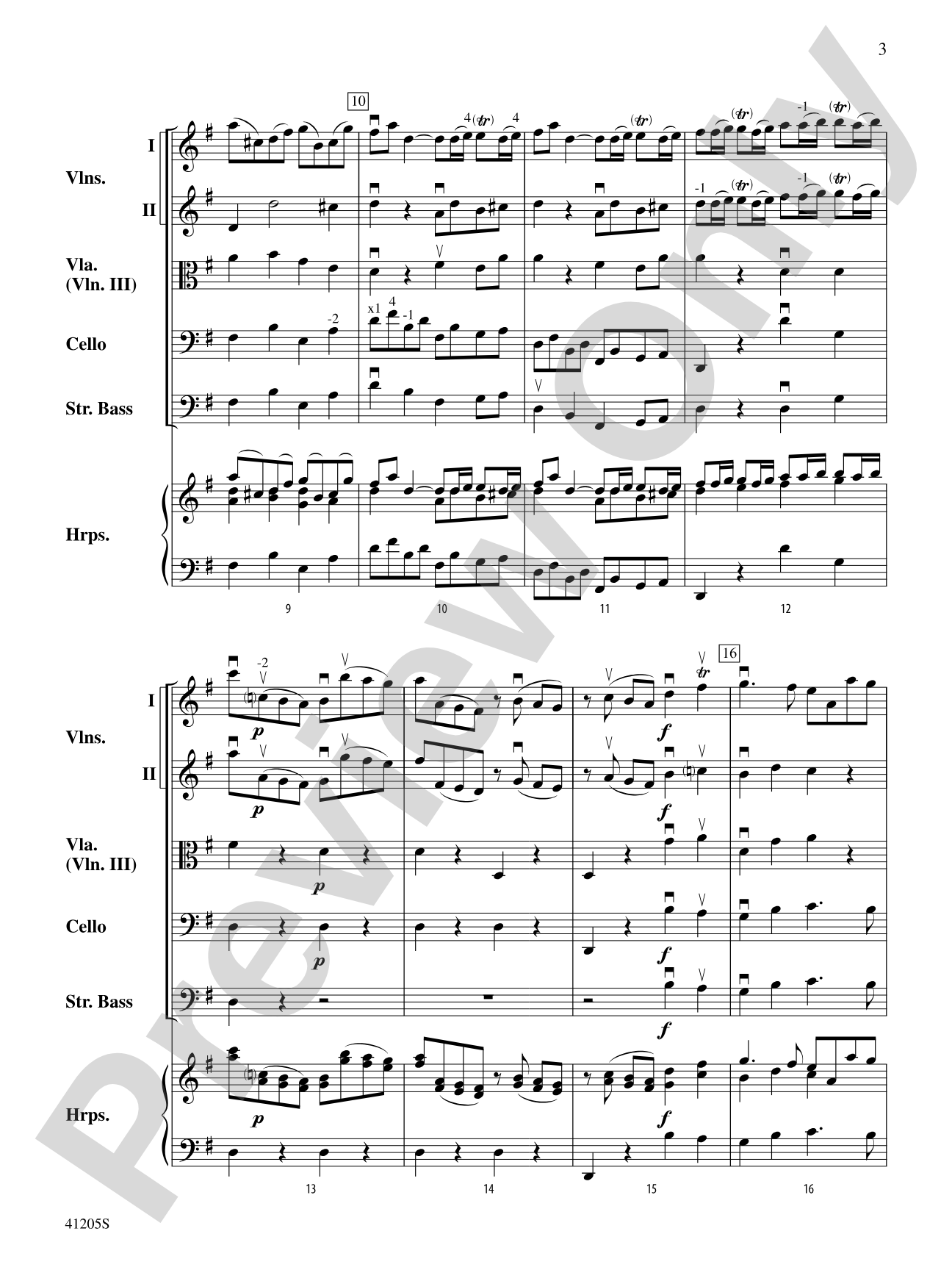
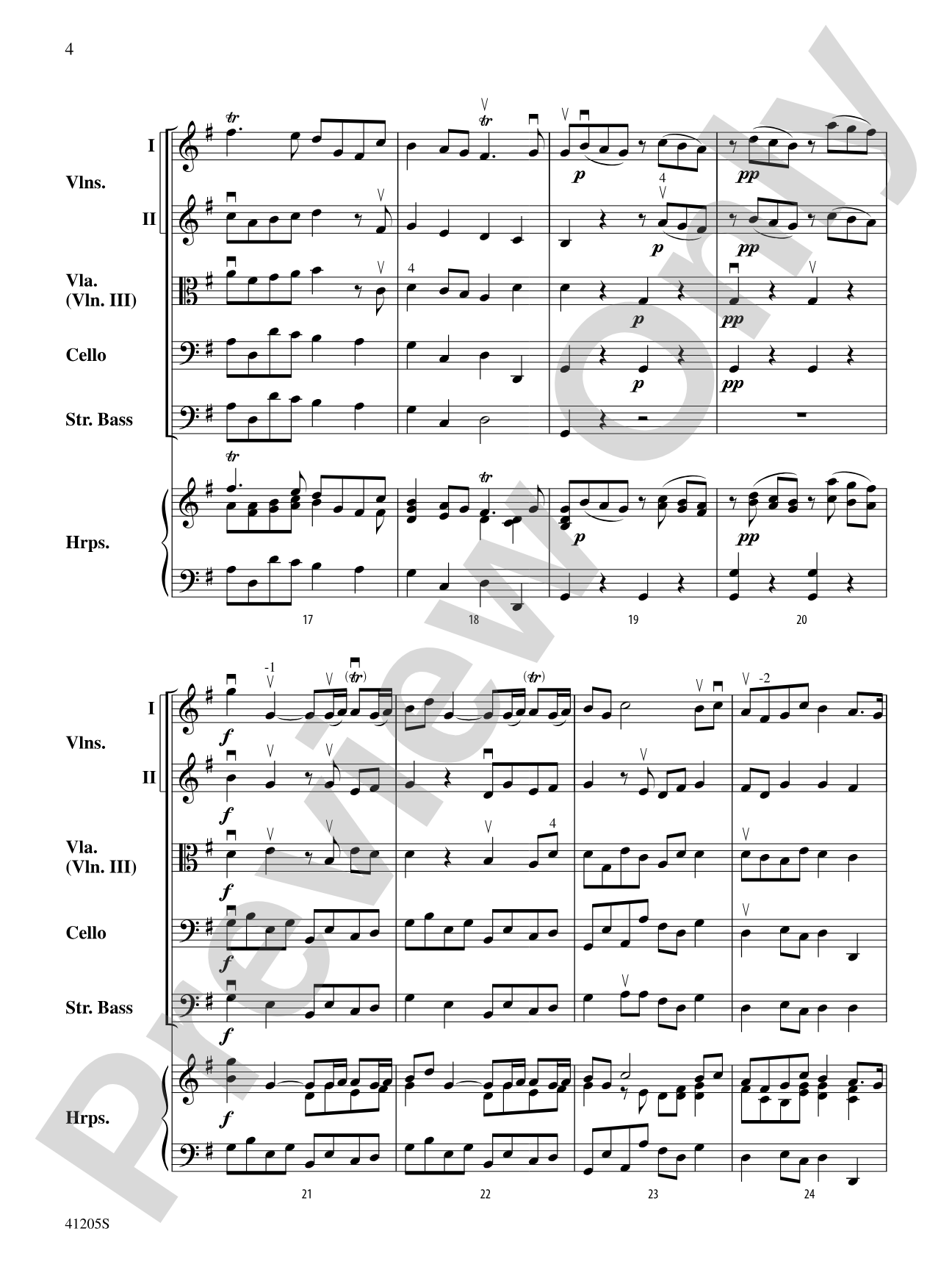
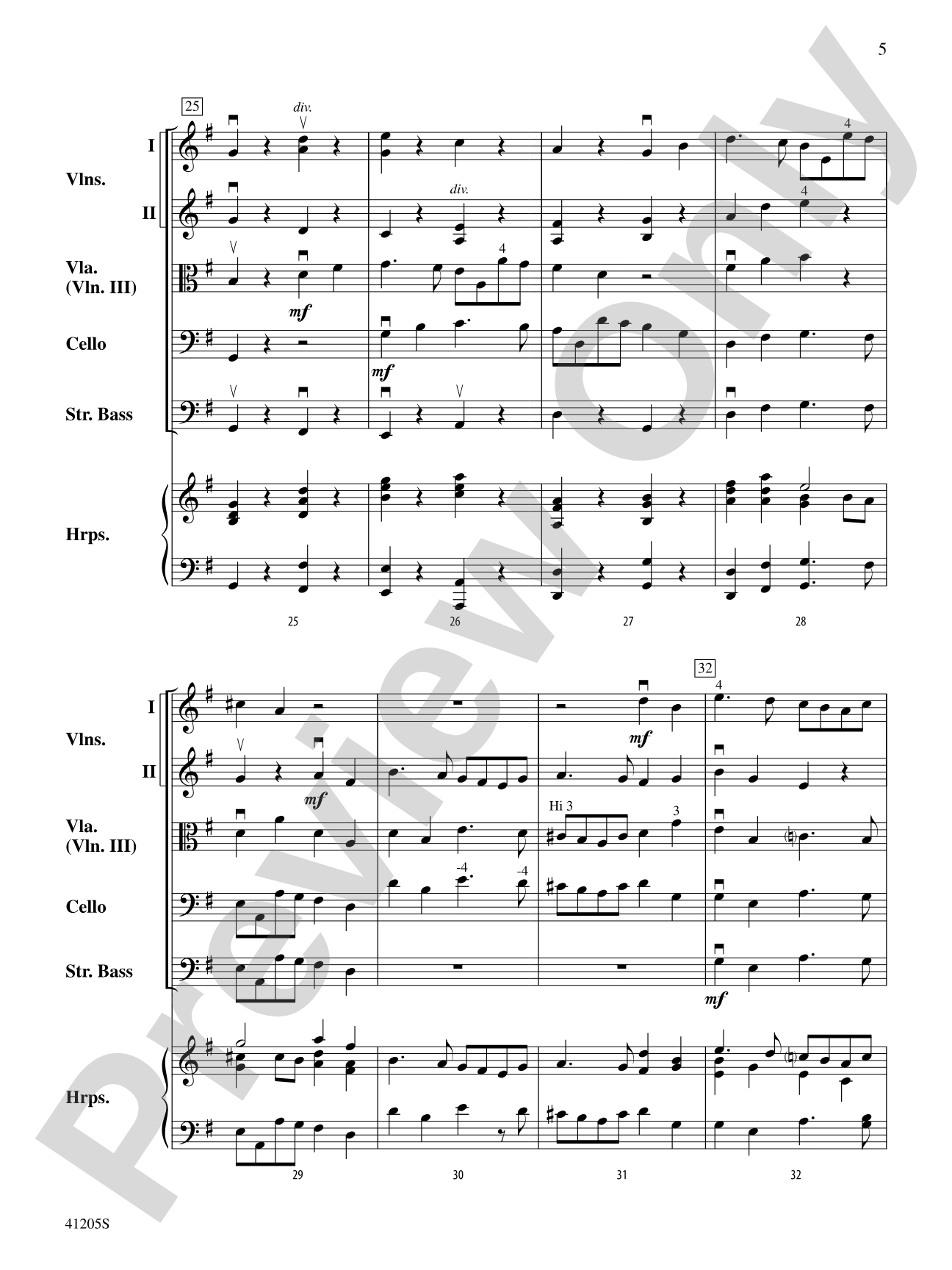
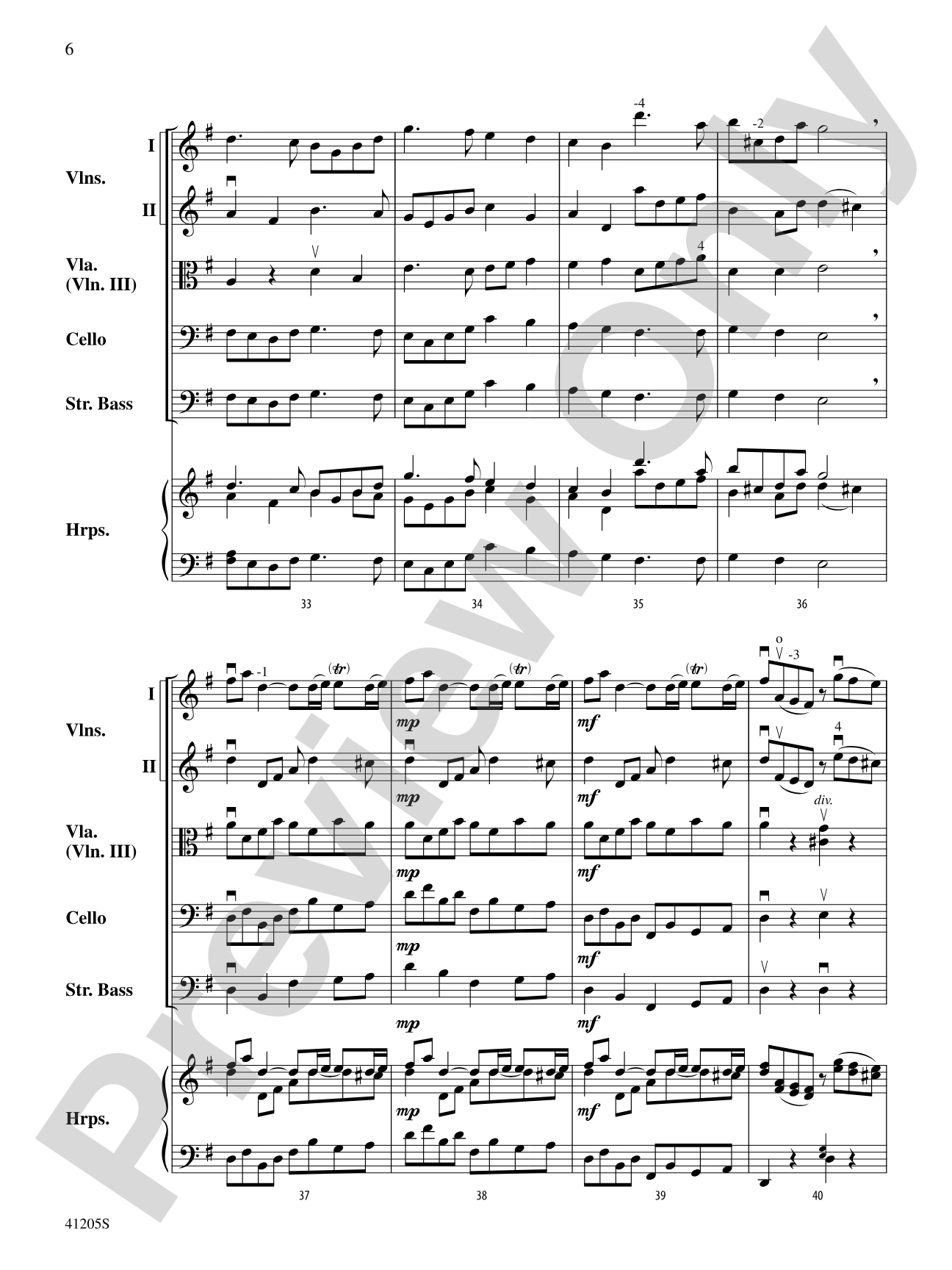
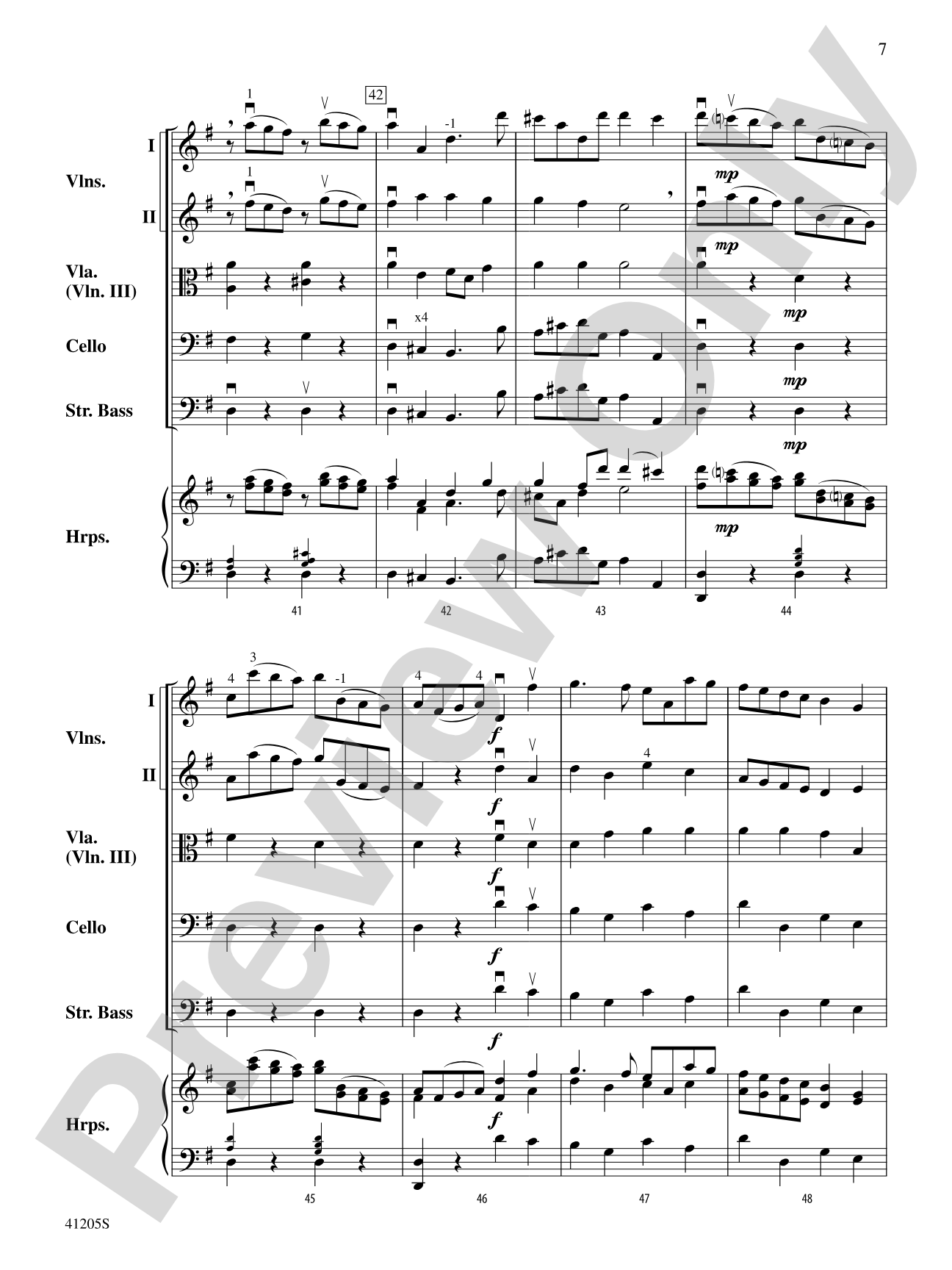
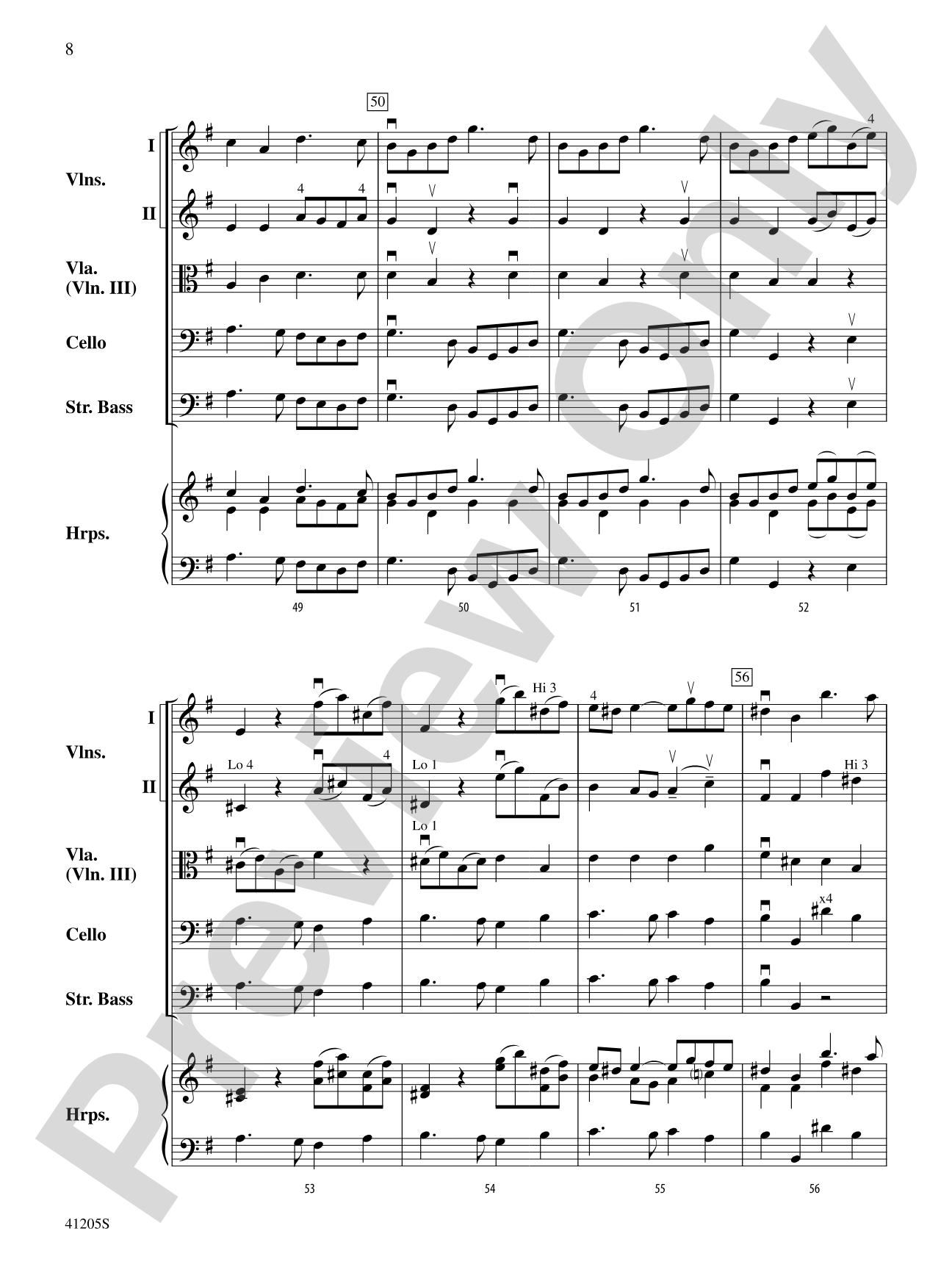
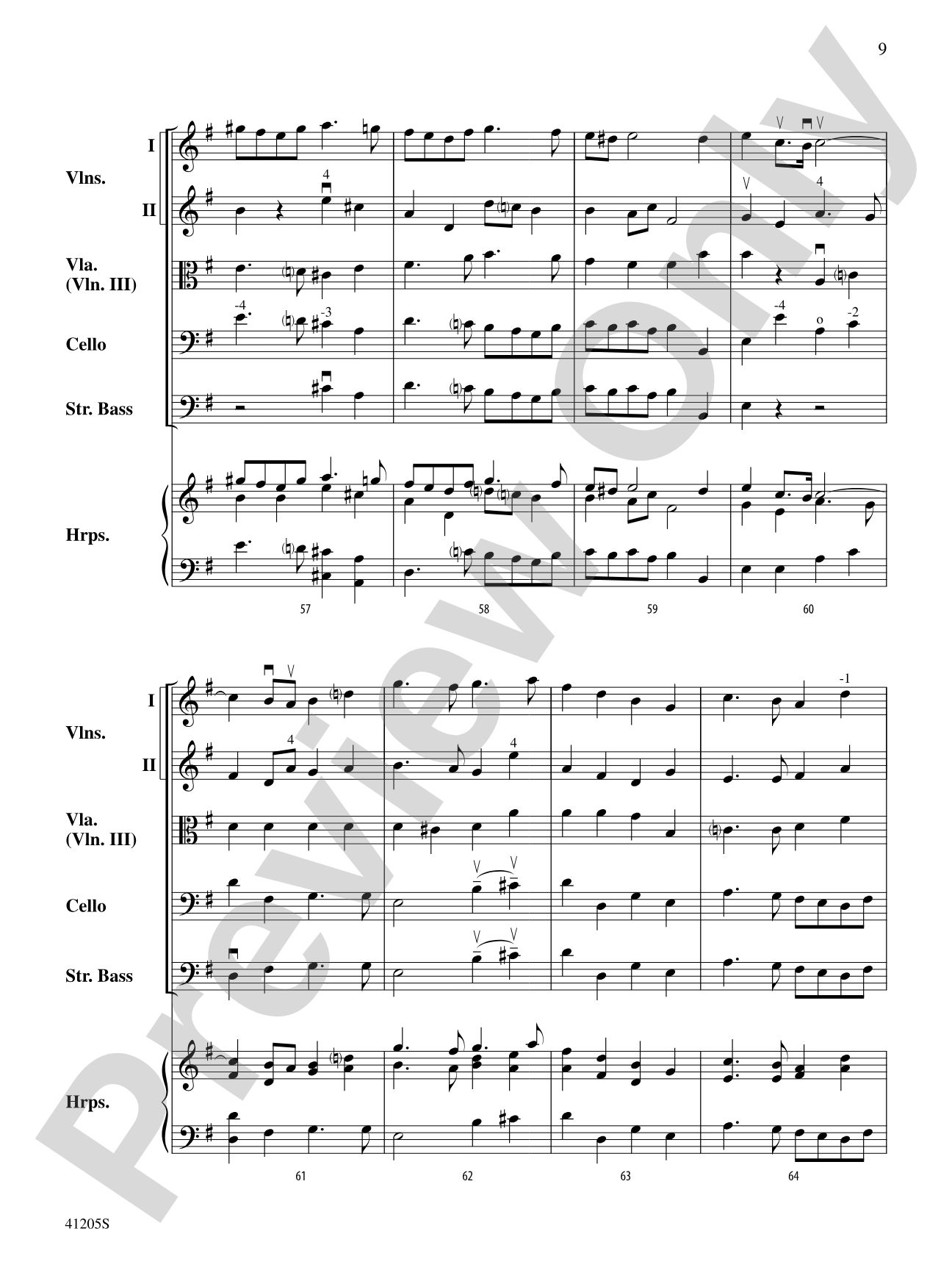
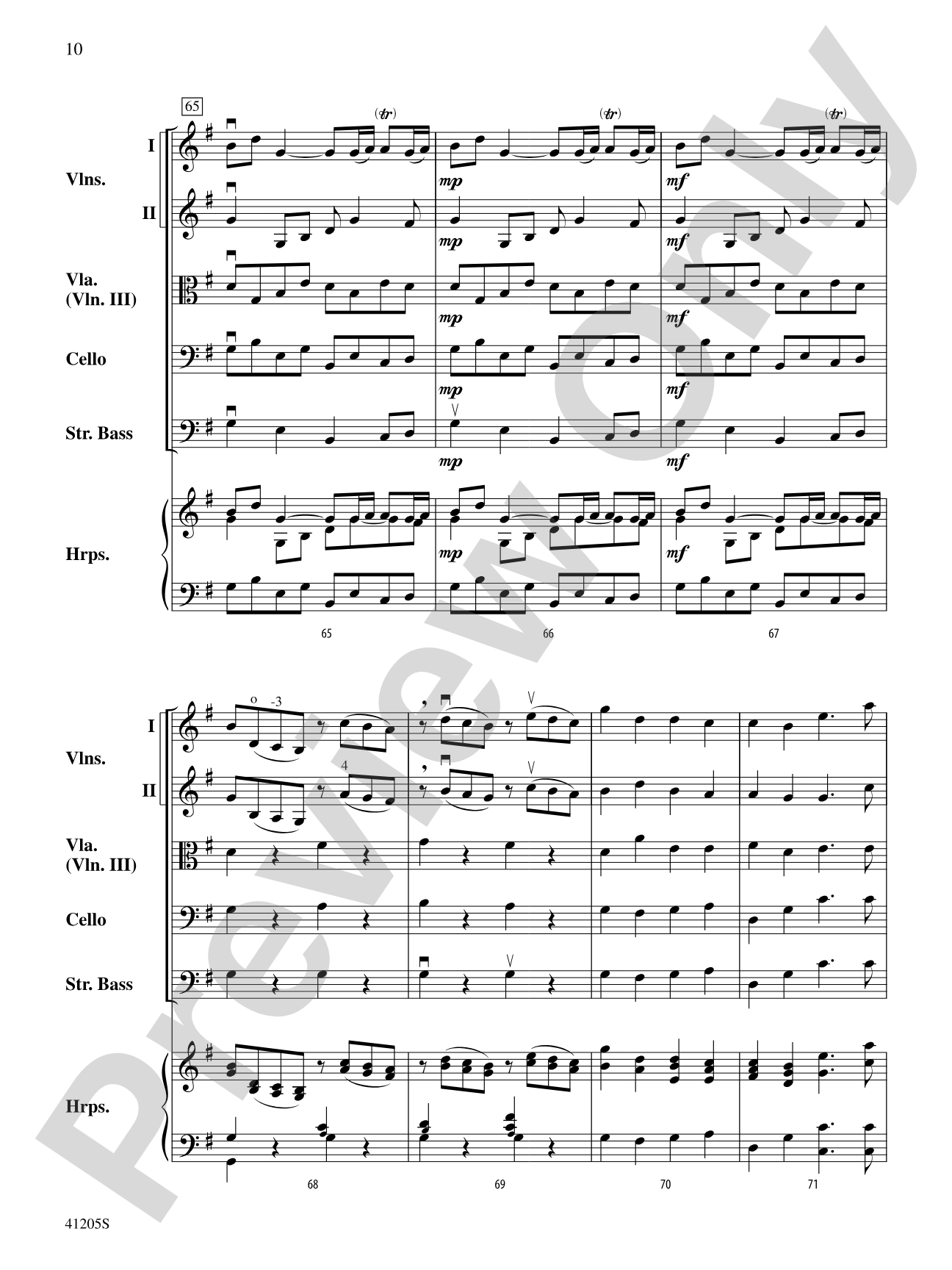
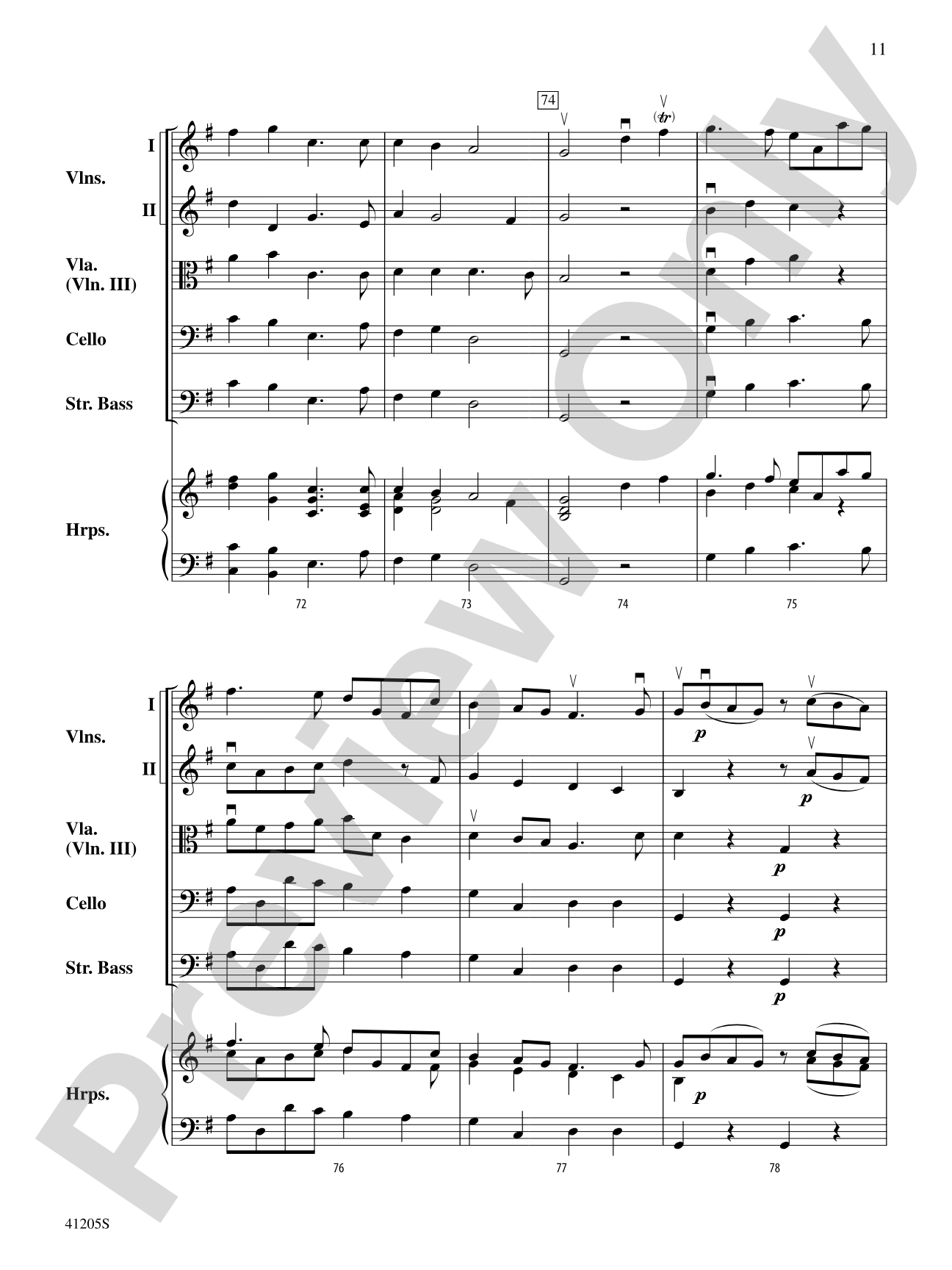
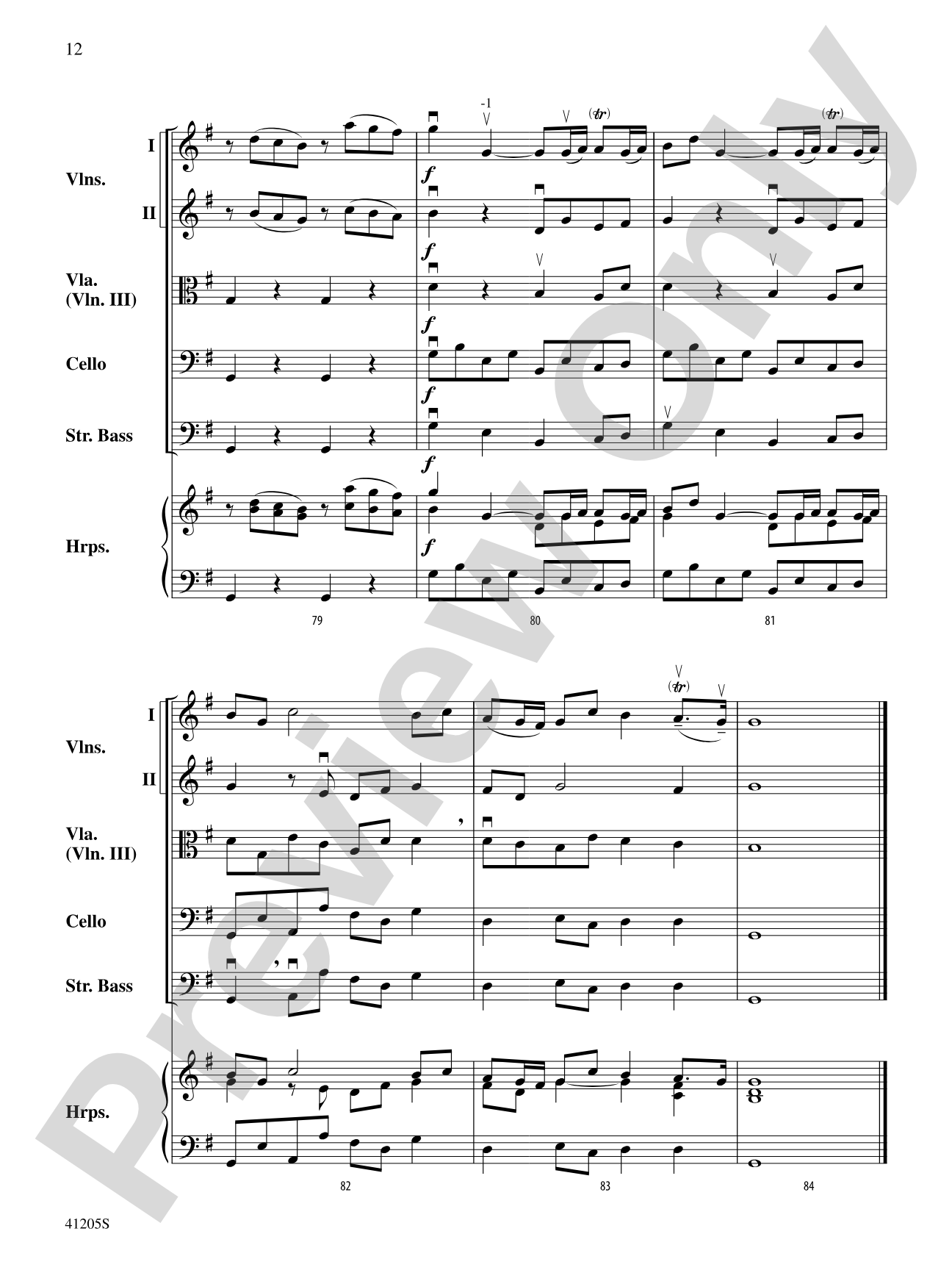

Coronation 1727: Score
Let Thy Hand Be Strengthened
By George Frideric Handel / arr. David Giardiniere
Grade: 3
Item: 00-PR-0004570
$7.00
Pickup currently not available
Description
Very close to the original, this lovely setting will be perfect for festival or contest. Audience and players can experience the pomp of a royal event! (3:00) This title is available in MakeMusic Cloud.


Don't just read it, hear it, play along with it, and watch your students grow with it. In MakeMusic Cloud, Coronation 1727: Score comes alive with professional accompaniment, adjustable tempo, and built-in practice tools that turn solo practice into real progress.
Open in the Player
Jump straight in and assign it today.
Start Your Free Trial
Open this title and explore the full library in minutes.
Sample Audio
1
Audio File
--:--
0:00
0:00
Sample Video
No sample videos found.
Additional Details
Series:
Belwin Intermediate String Orchestra
Publisher:
Alfred Music
Page Count:
148
SKU:
00-PR-0004570
More about this title
About the Composer: George Frideric Handel
George Frideric Handel (1685-1759) was a German-born composer who spent most of his career in England, where he became a central figure in establishing Italian opera and the oratorio as major musical forms. His prolific output includes over 40 operas, 32 oratorios, and numerous instrumental works, many of which remain cornerstones of the baroque repertoire. Handel's music is distinguished by its melodic invention, harmonic clarity, and ability to move audiences through direct emotional expression.
For young musicians, Handel's works offer ideal training ground: his textures are transparent enough to hear individual lines clearly, his rhythms are infectious and easy to internalize, and his harmonic language, though sophisticated, follows logical progressions. Many of his most famous pieces, including those originally written for royal occasions, have proven endlessly adaptable to educational ensembles across centuries.
Why we love this
Giardiniere's arrangement captures the ceremonial splendor of Handel's original without overcomplicating the textures your students need to execute cleanly. String players at this level get to inhabit music with real historical weight and grandeur, and the three-minute duration means they experience a complete, satisfying musical event rather than an excerpt.
What to expect
Pomp without pretense. The music radiates confidence and pageantry, with elegant inner voices that dance above a steady harmonic foundation. You hear sunlight on brass and the measured pace of ceremony, yet the melodic lines soar with joy rather than solemnity.
Who it's for
String orchestras at the intermediate level (Grade 3) who are ready for music with genuine historical significance and architectural clarity. Directors seeking contest or festival repertoire that builds musicianship without requiring advanced technical facility will find this ideal.
How to get the most out of it
- Shape the opening with clear articulation in the first violins; Baroque style requires precision and lightness, not legato swooping, especially in the rapid note passages that establish the regal character.
- Balance the inner voices (violas and second violins) carefully during homophonic sections; these lines define the harmonic foundation and need presence without overwhelming the melody.
- Approach tempo with historical awareness: this music moves with ceremonial dignity but not heaviness. Maintain forward motion through moderate tempos to let the rhythmic vitality breathe.
- Emphasize the cadential moments where the texture thins or shifts; they mark structural seams and give players clear landmarks for ensemble security.
How to use it
Place this in a concert program as a centerpiece that commands respect from both audience and ensemble. Its ceremonial character pairs naturally with other baroque selections, or use it to open a spring concert that benefits from a moment of musical formality before moving into lighter repertoire.
Skills your students will build
- Baroque articulation and phrasing conventions (detached quarters paired with longer note values)
- Inner voice independence and balance within homophonic textures
- Harmonic listening and awareness of chord function
- Rhythmic precision and ensemble entrances across multiple string parts
- Musical interpretation of historical context and ceremonial character