

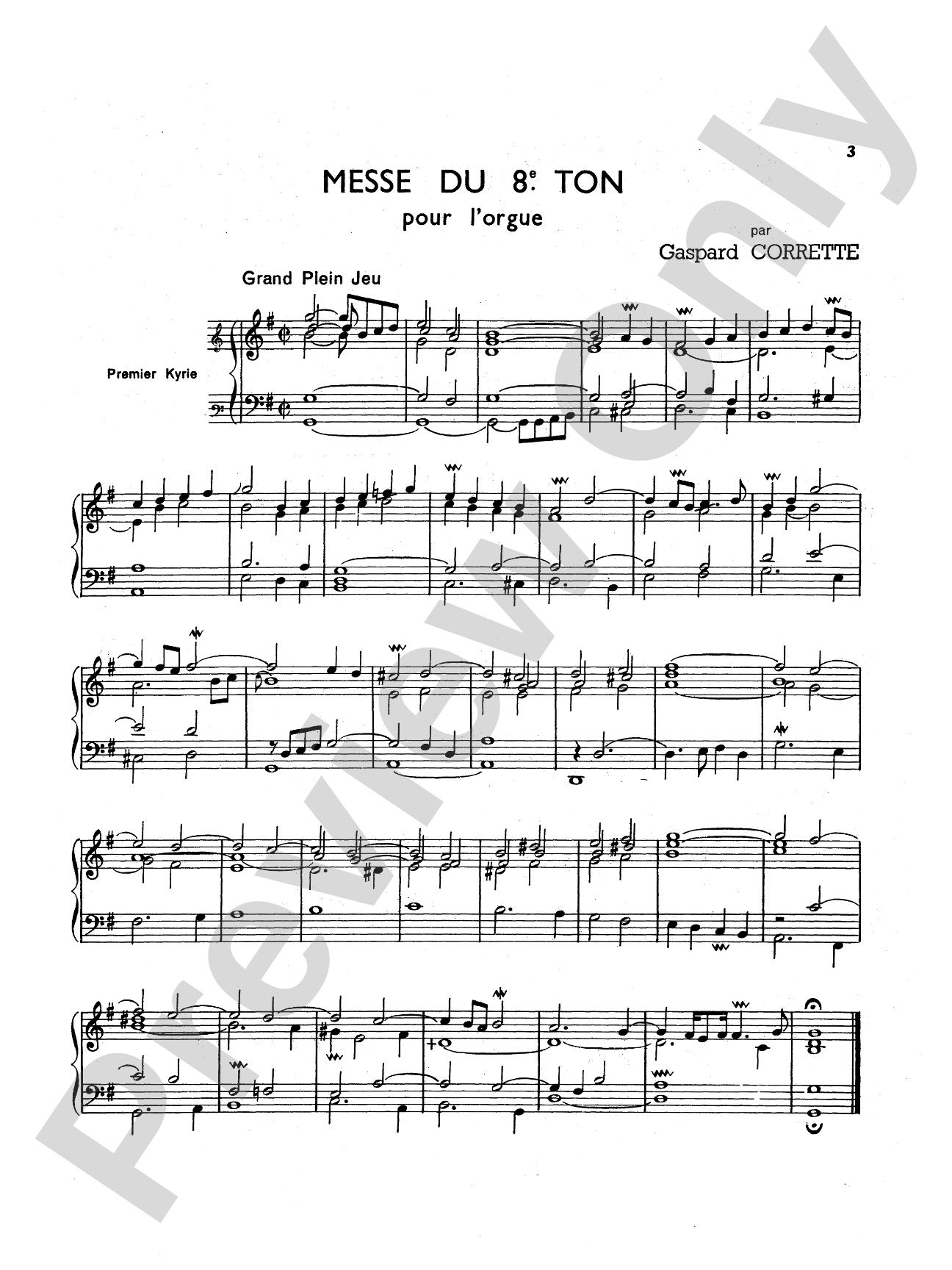
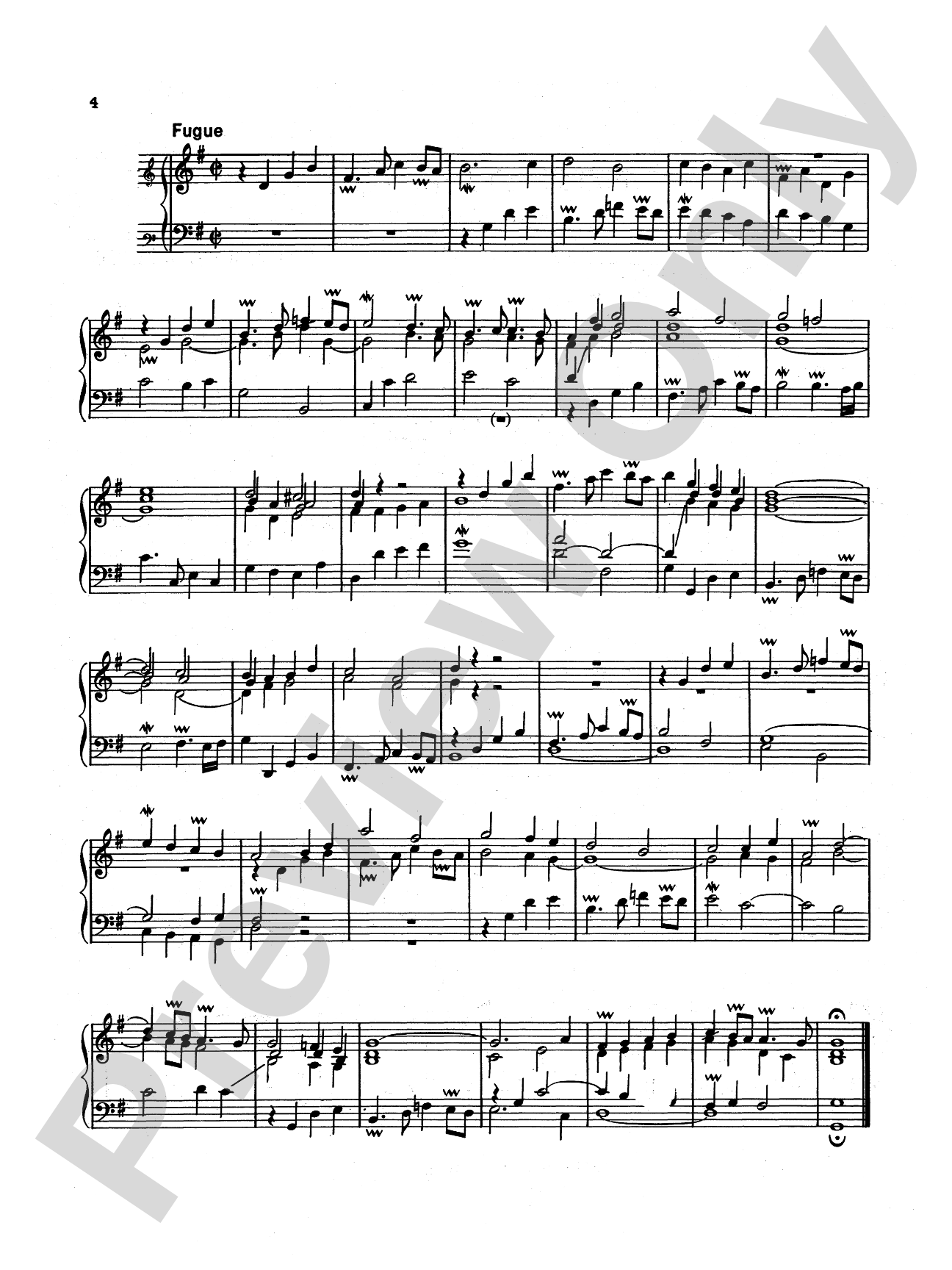
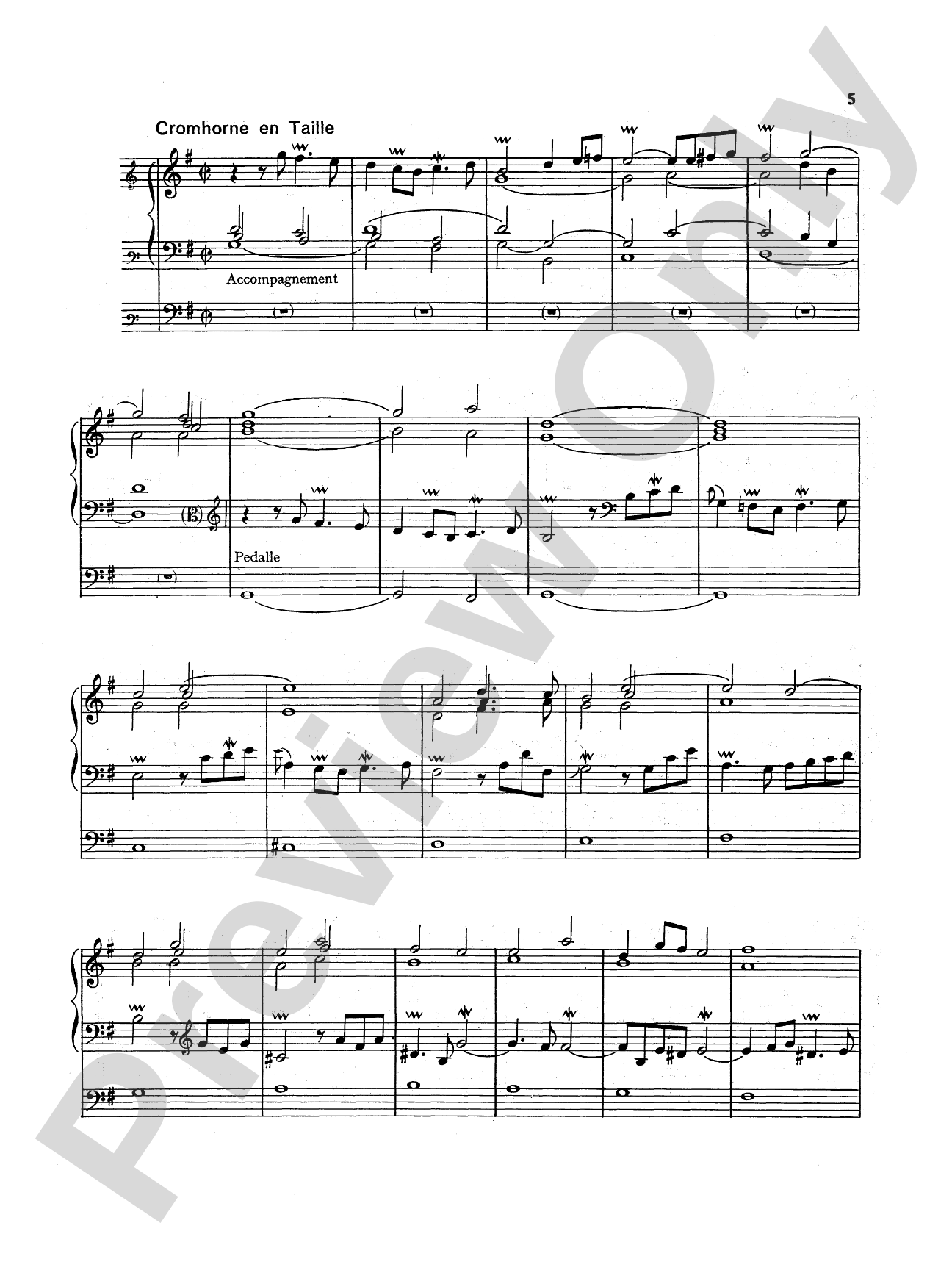
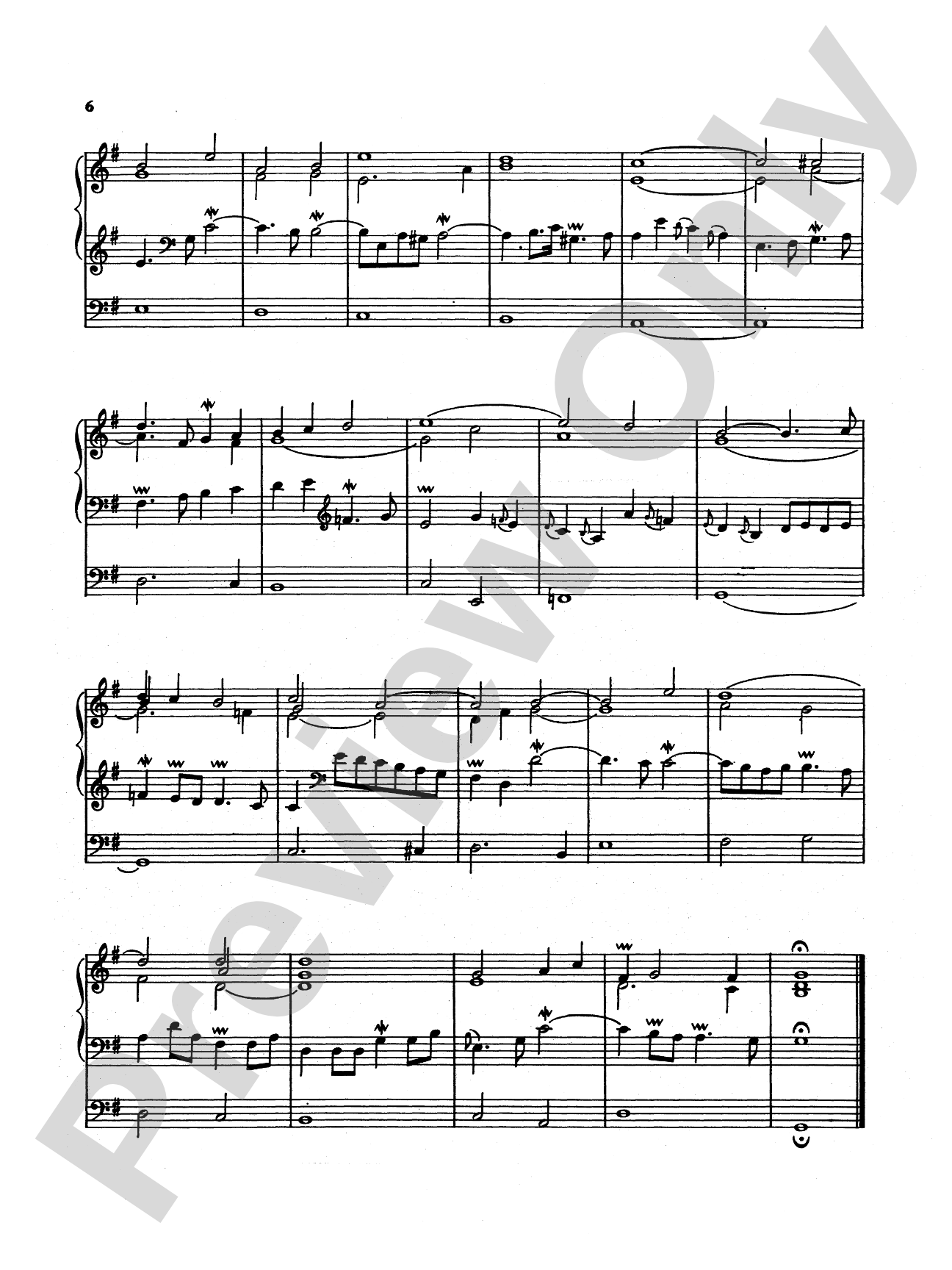
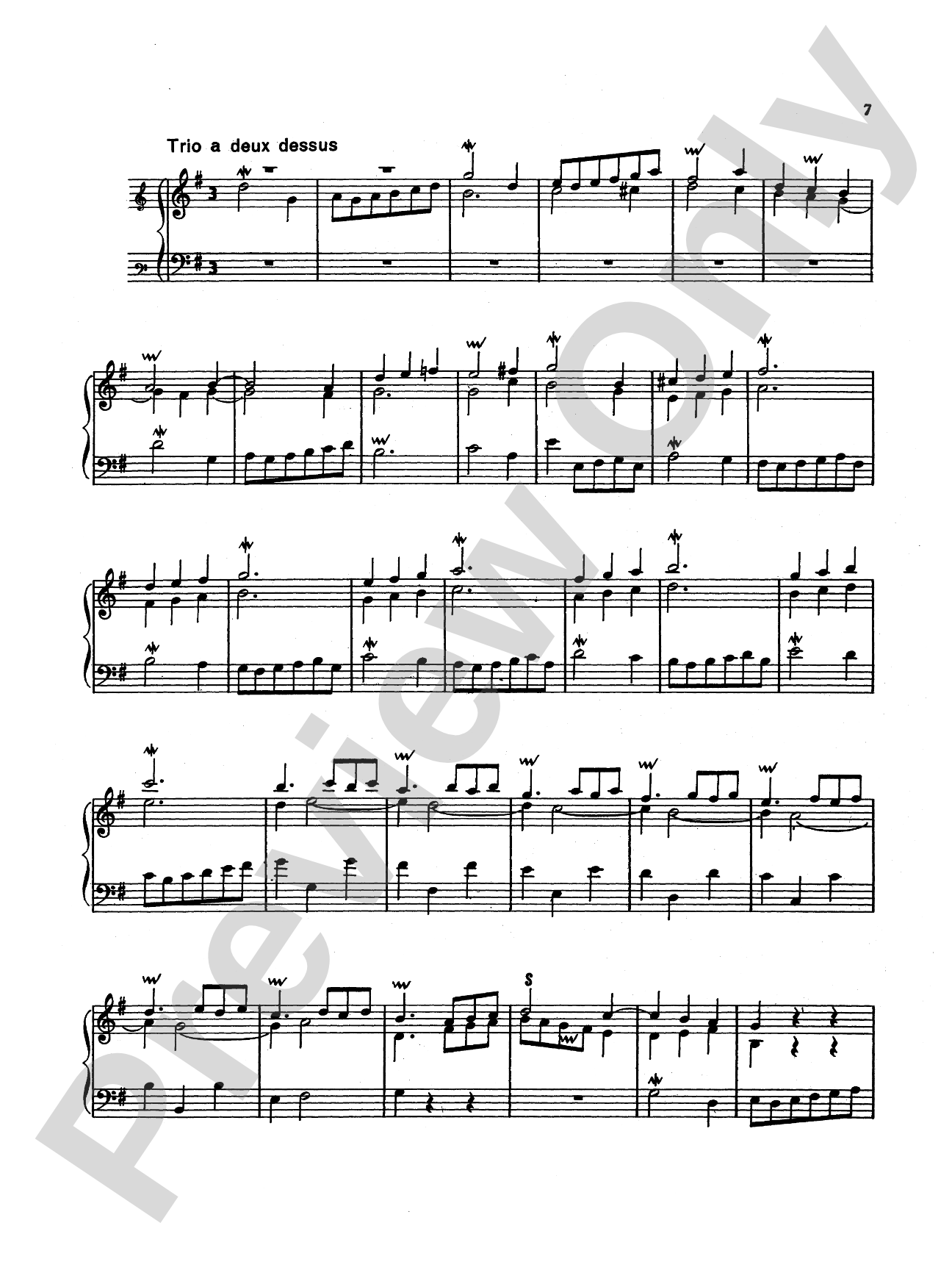
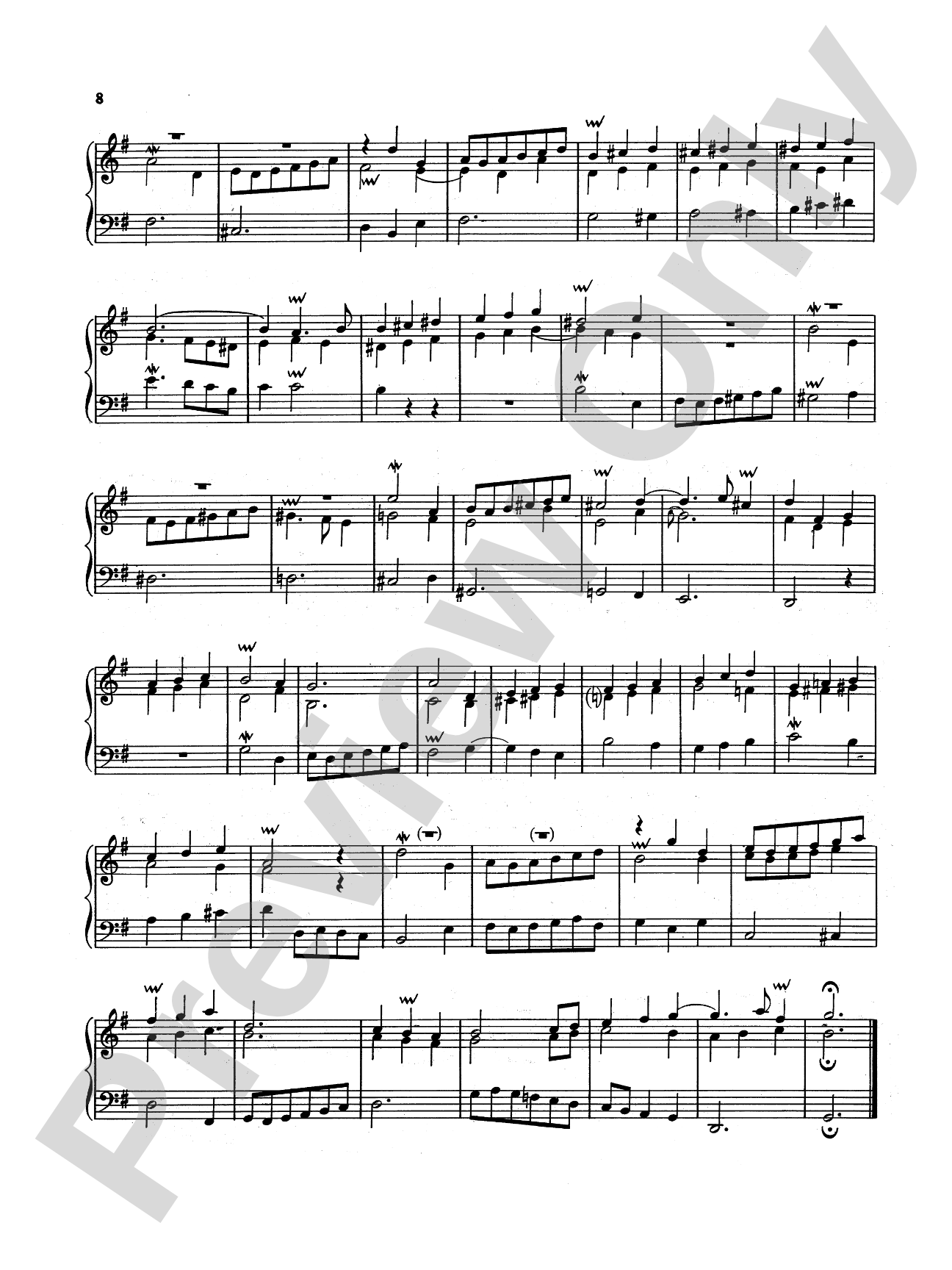
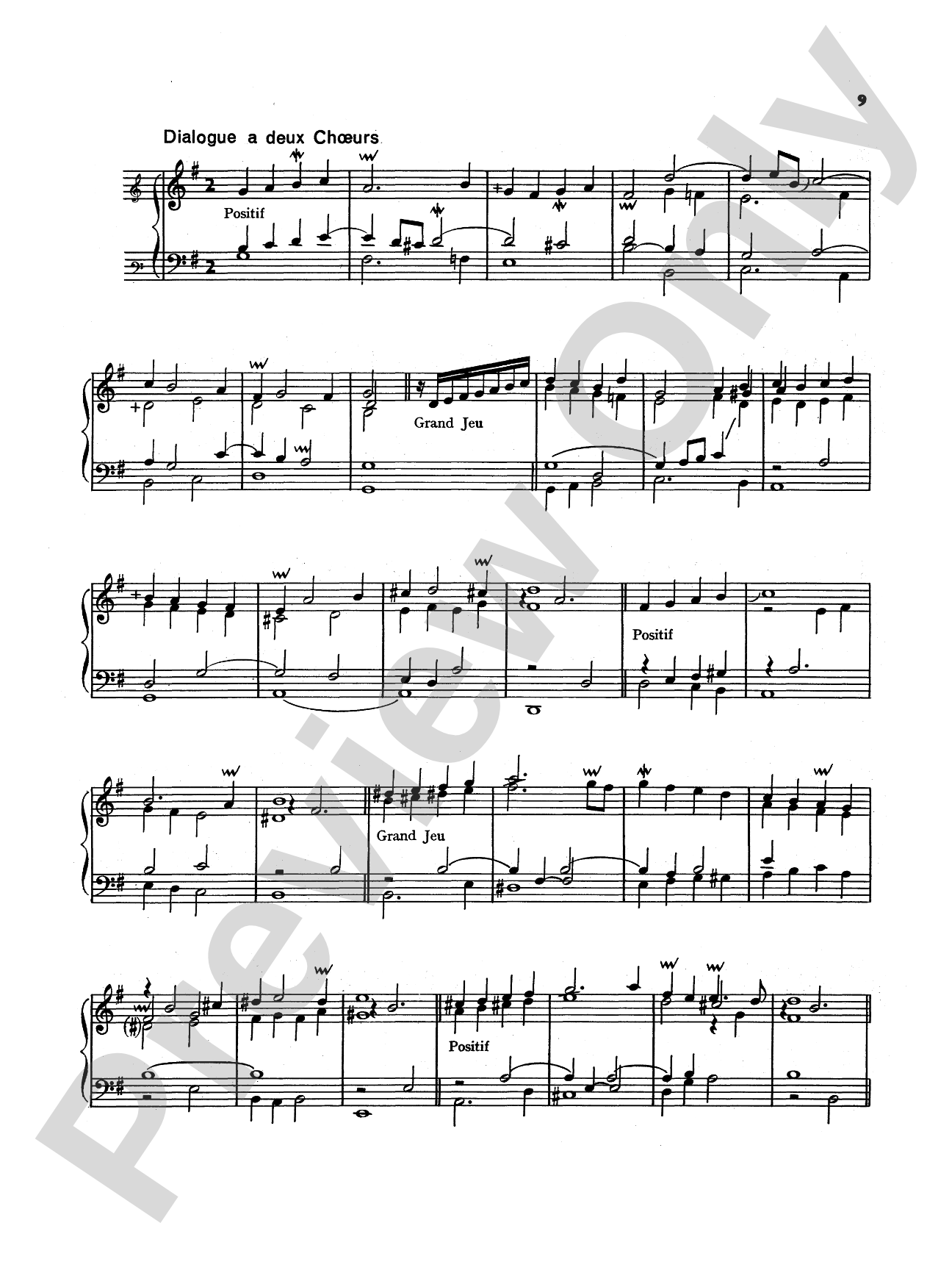
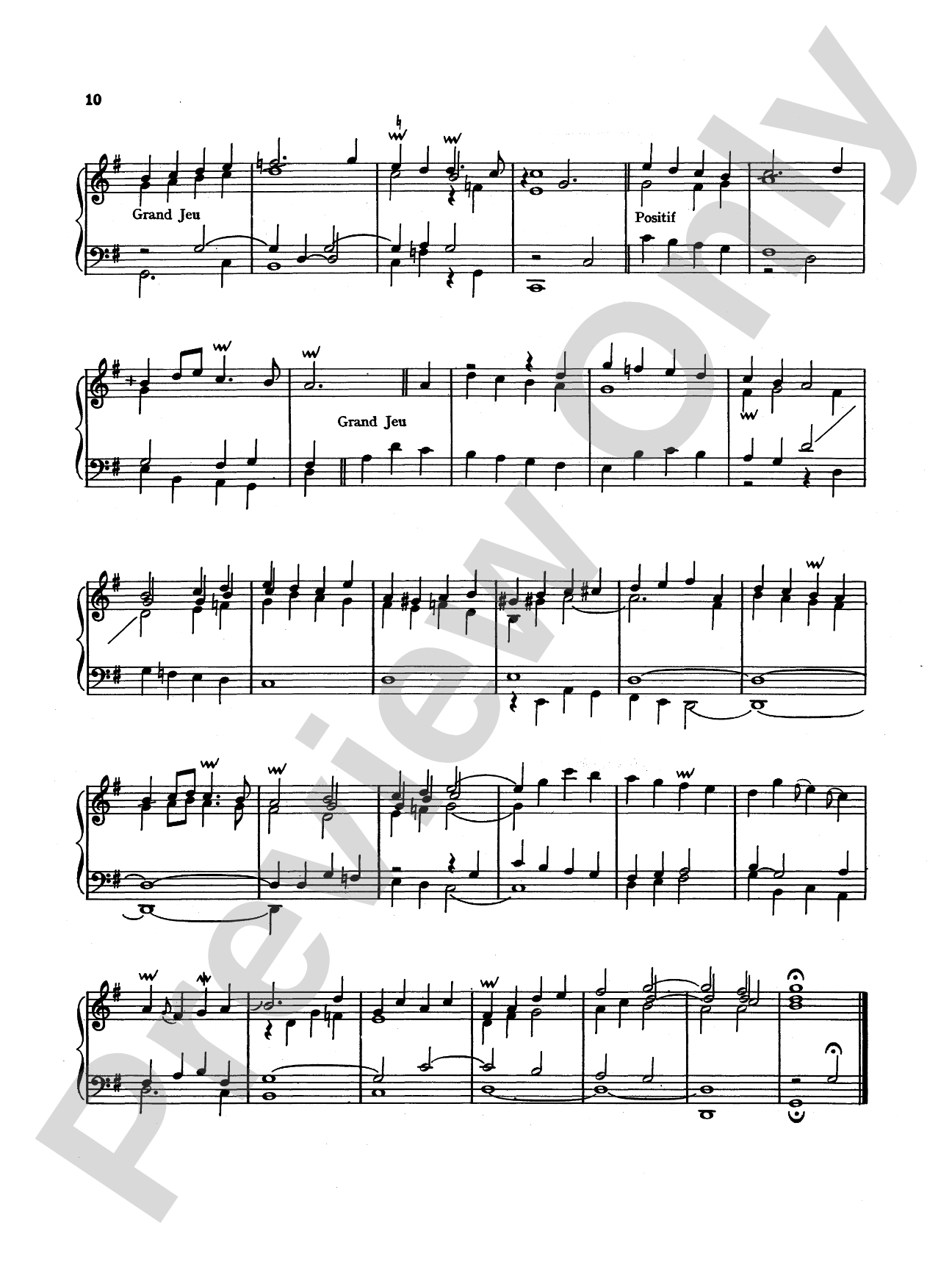
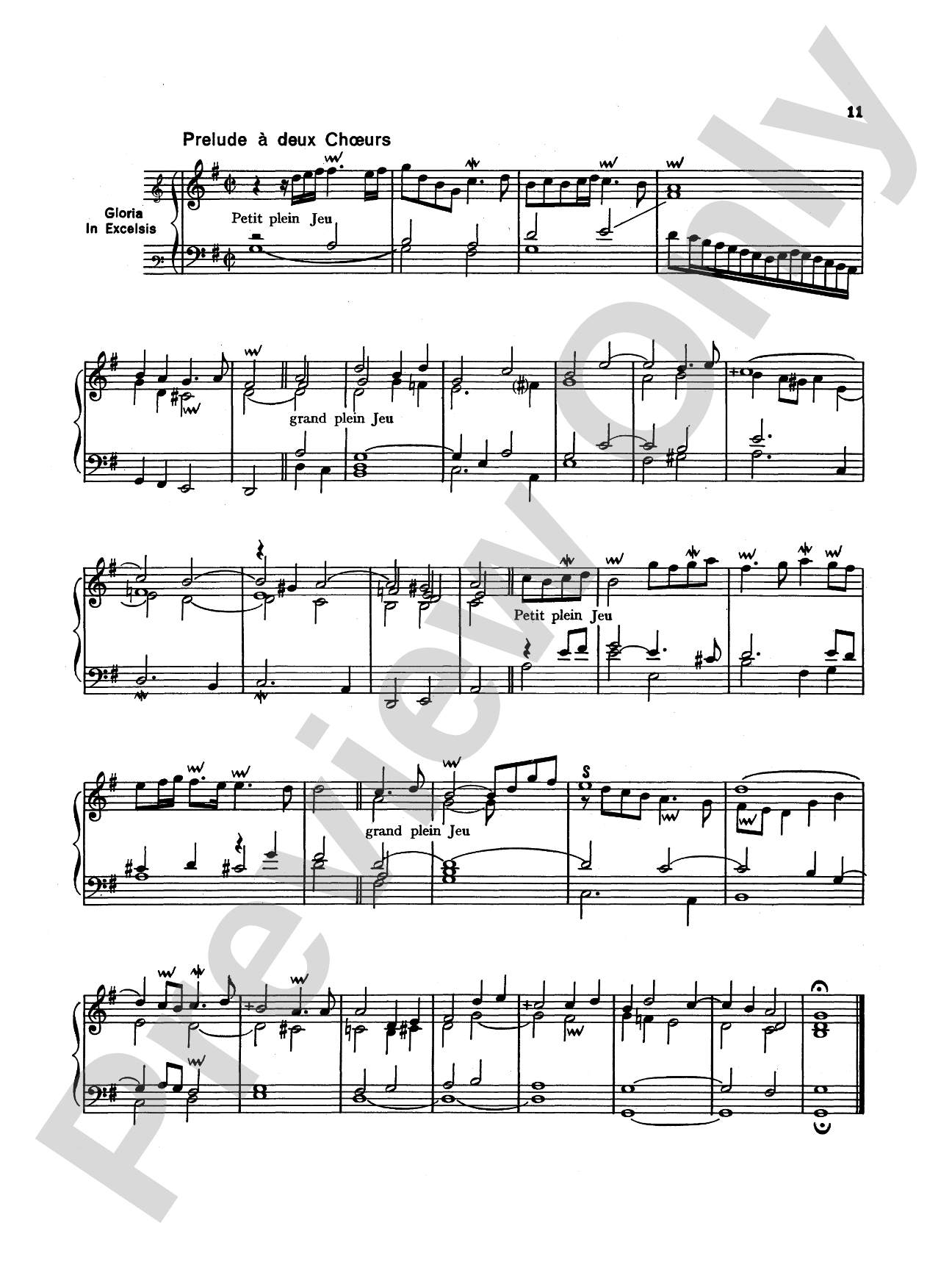
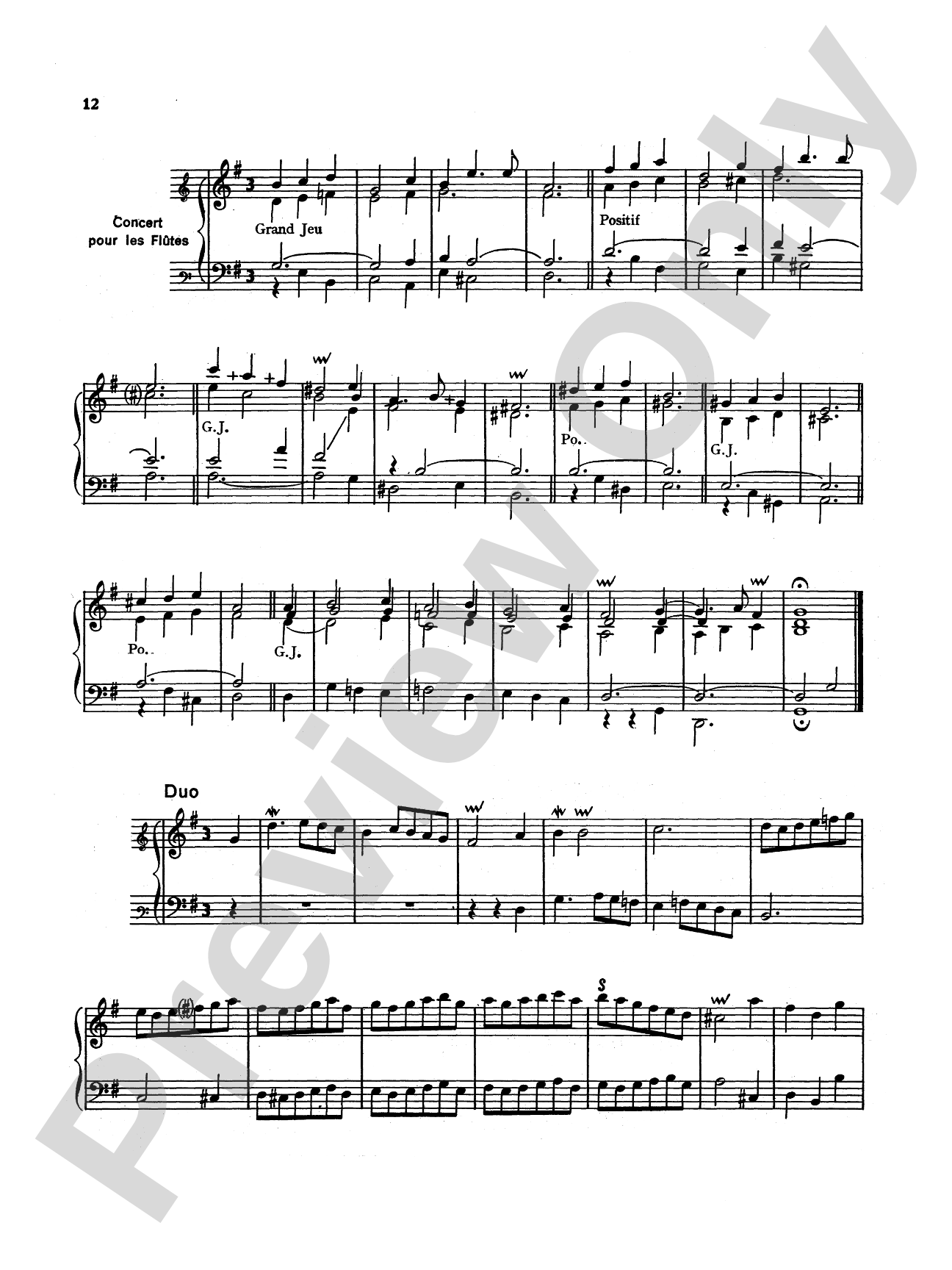
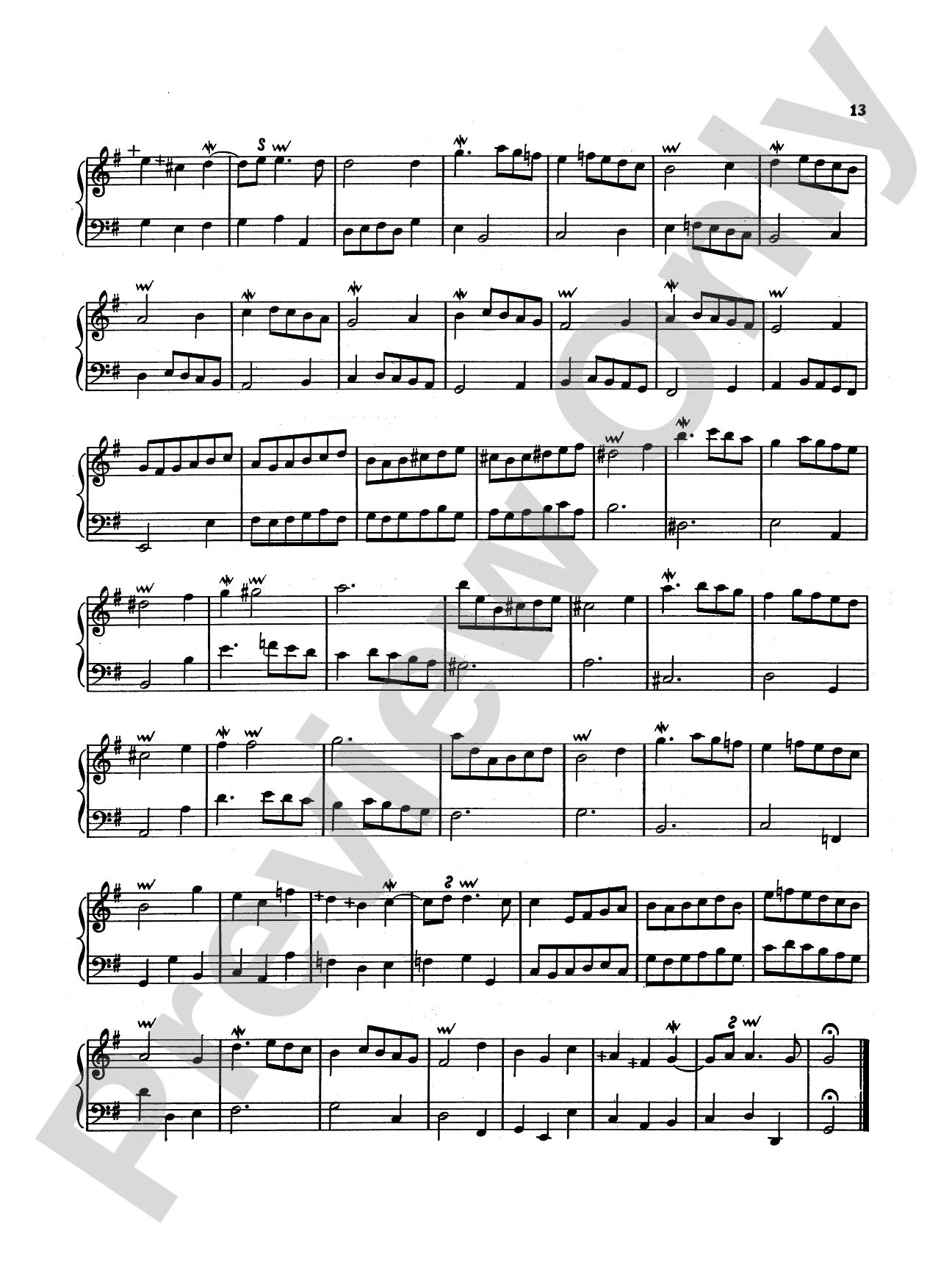
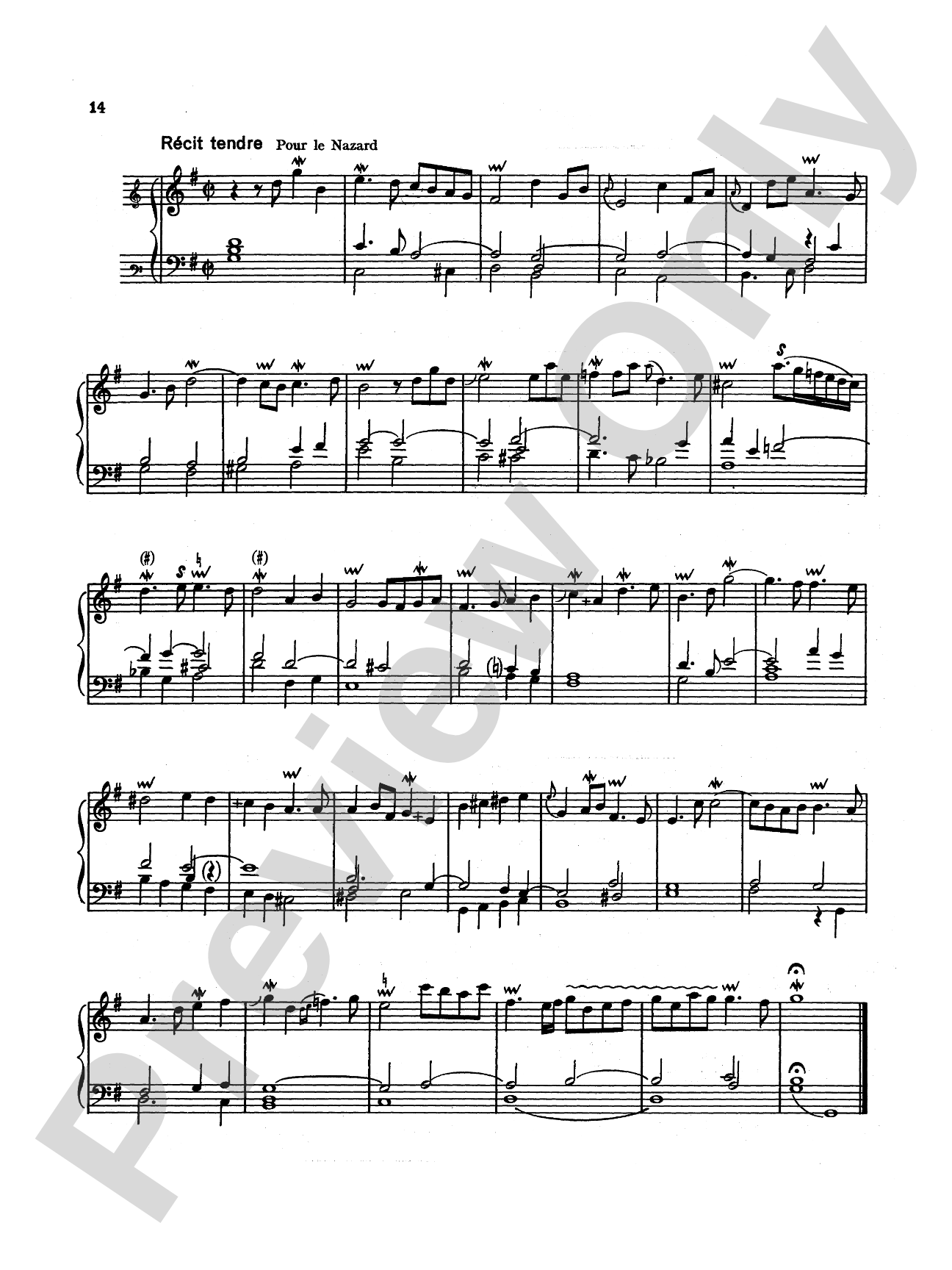
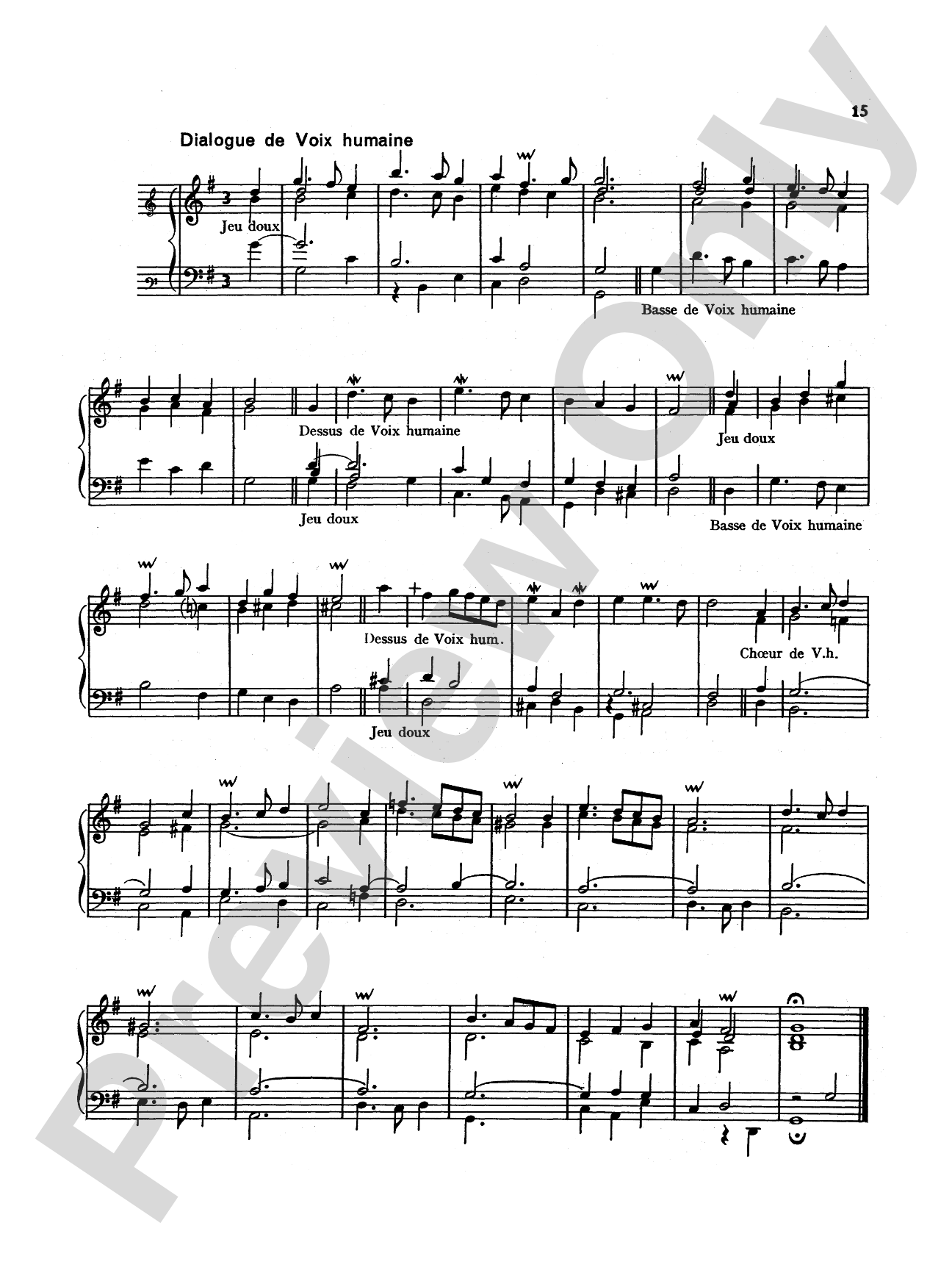
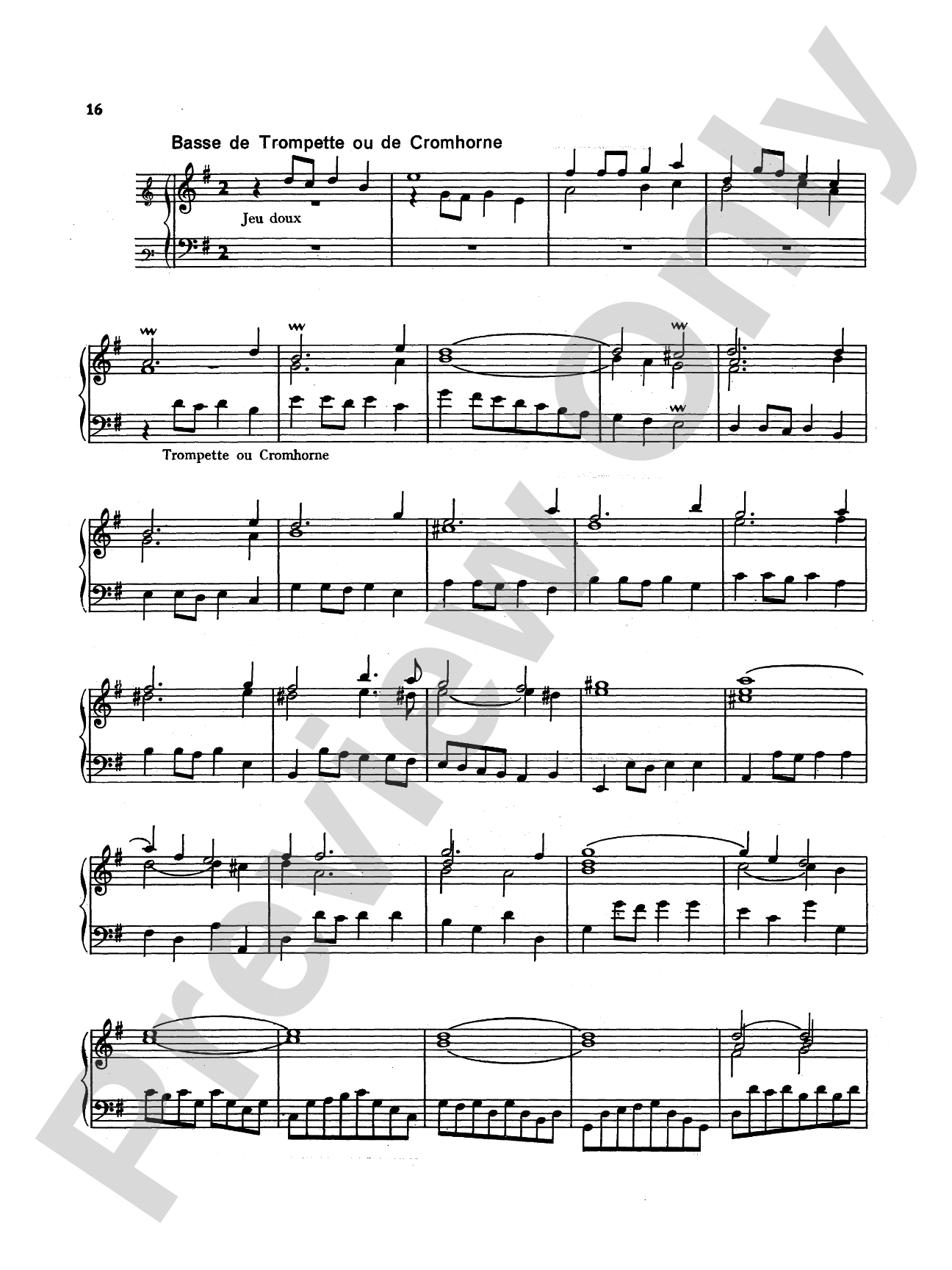
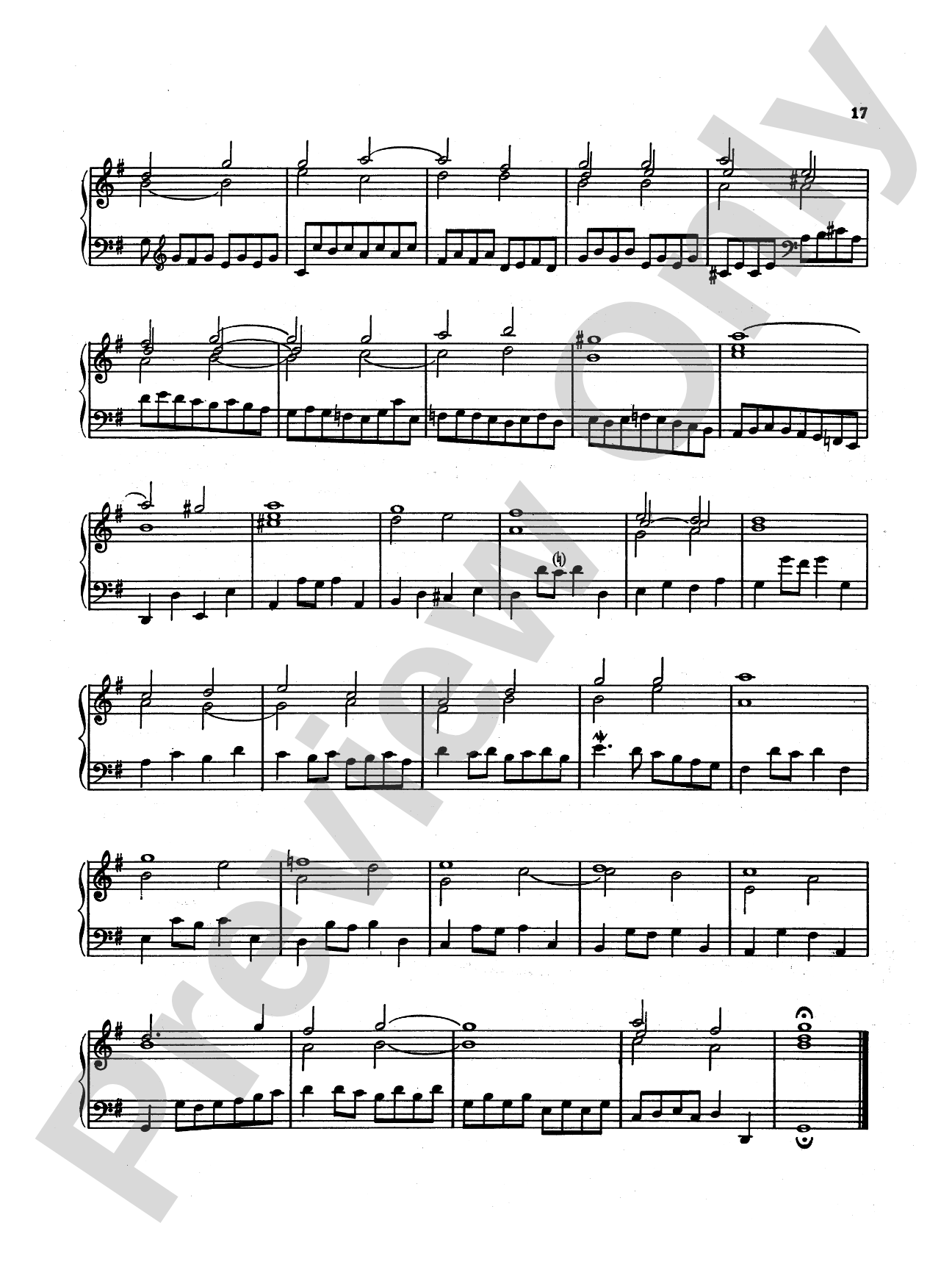
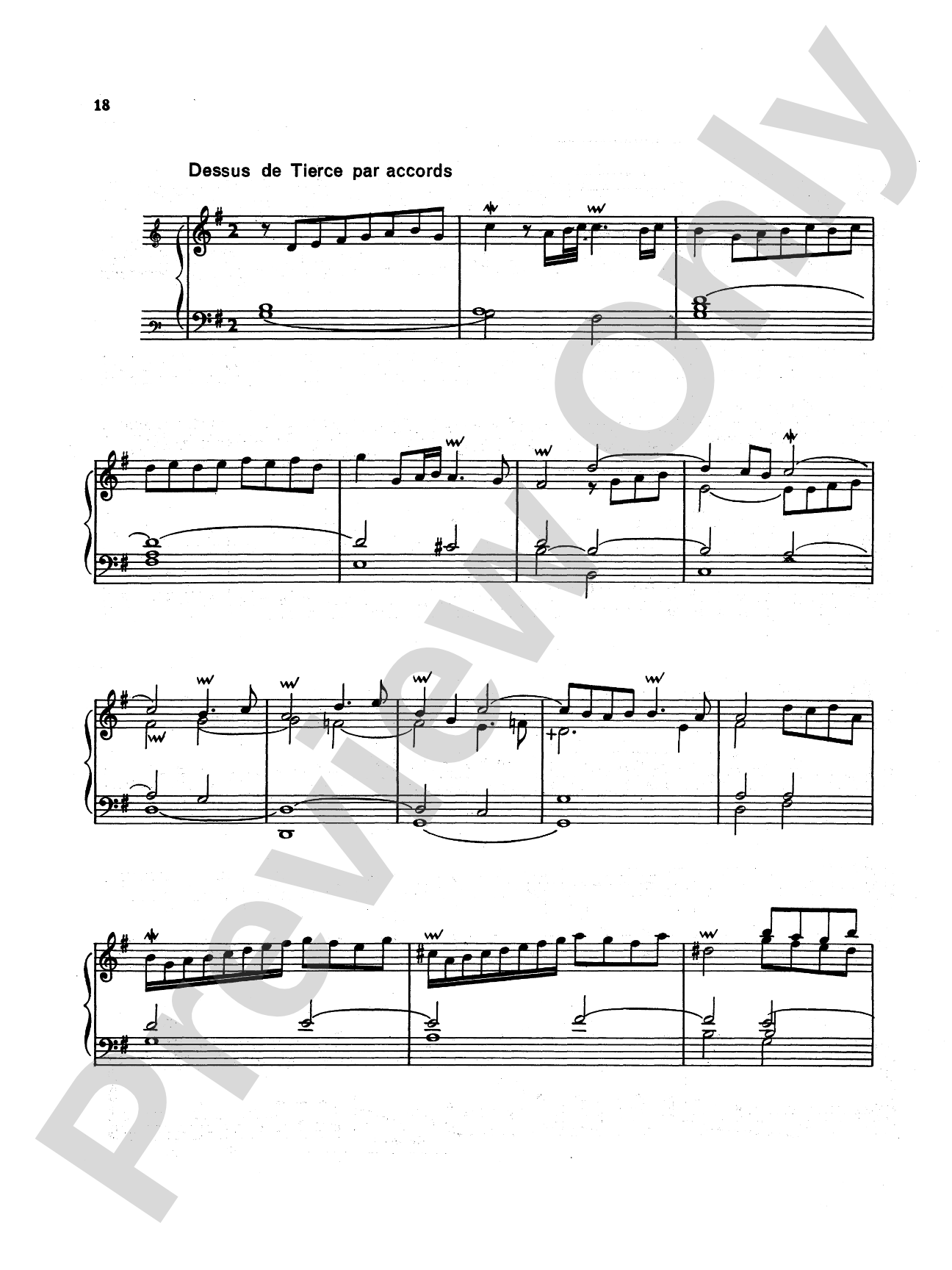
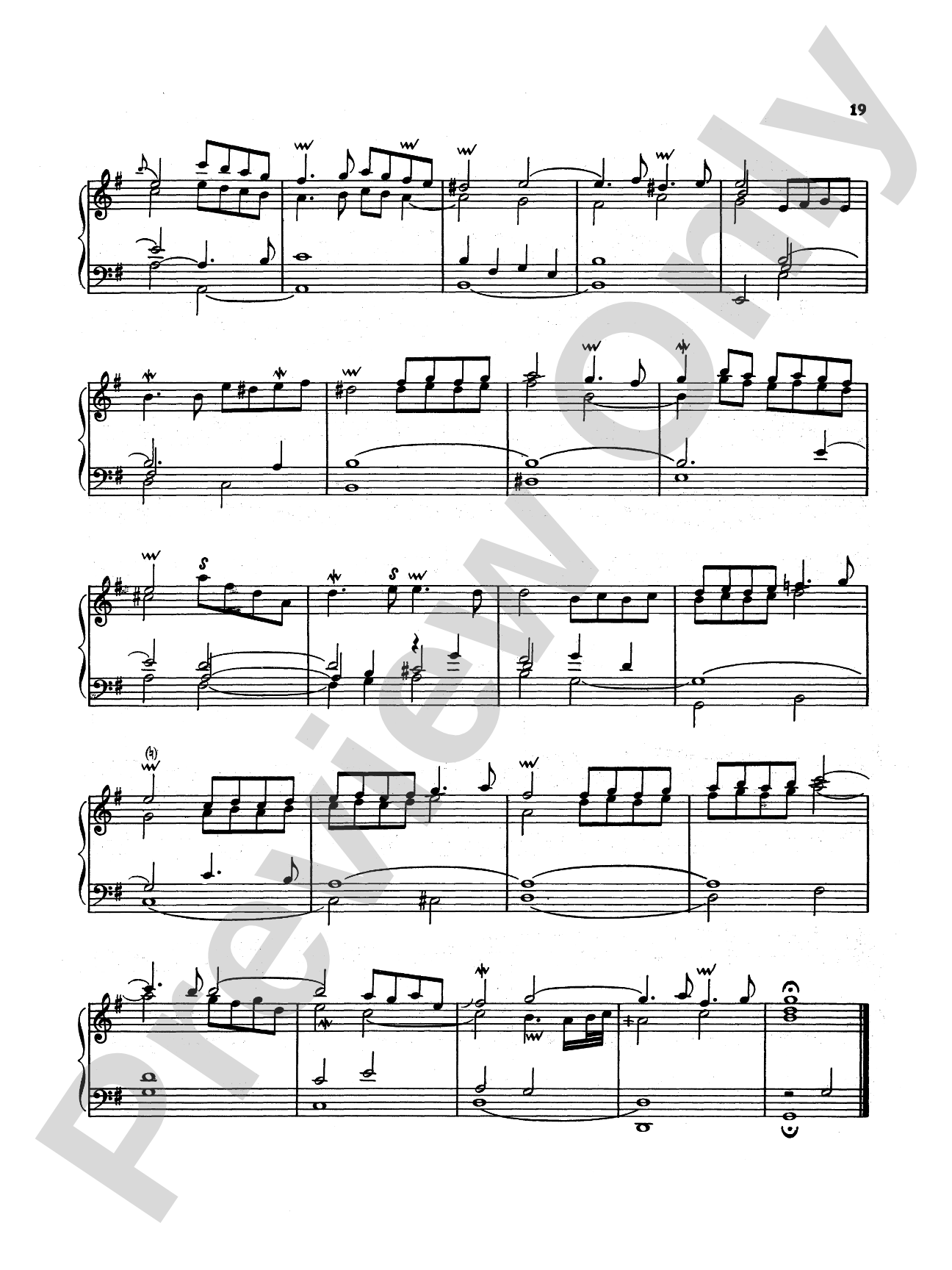
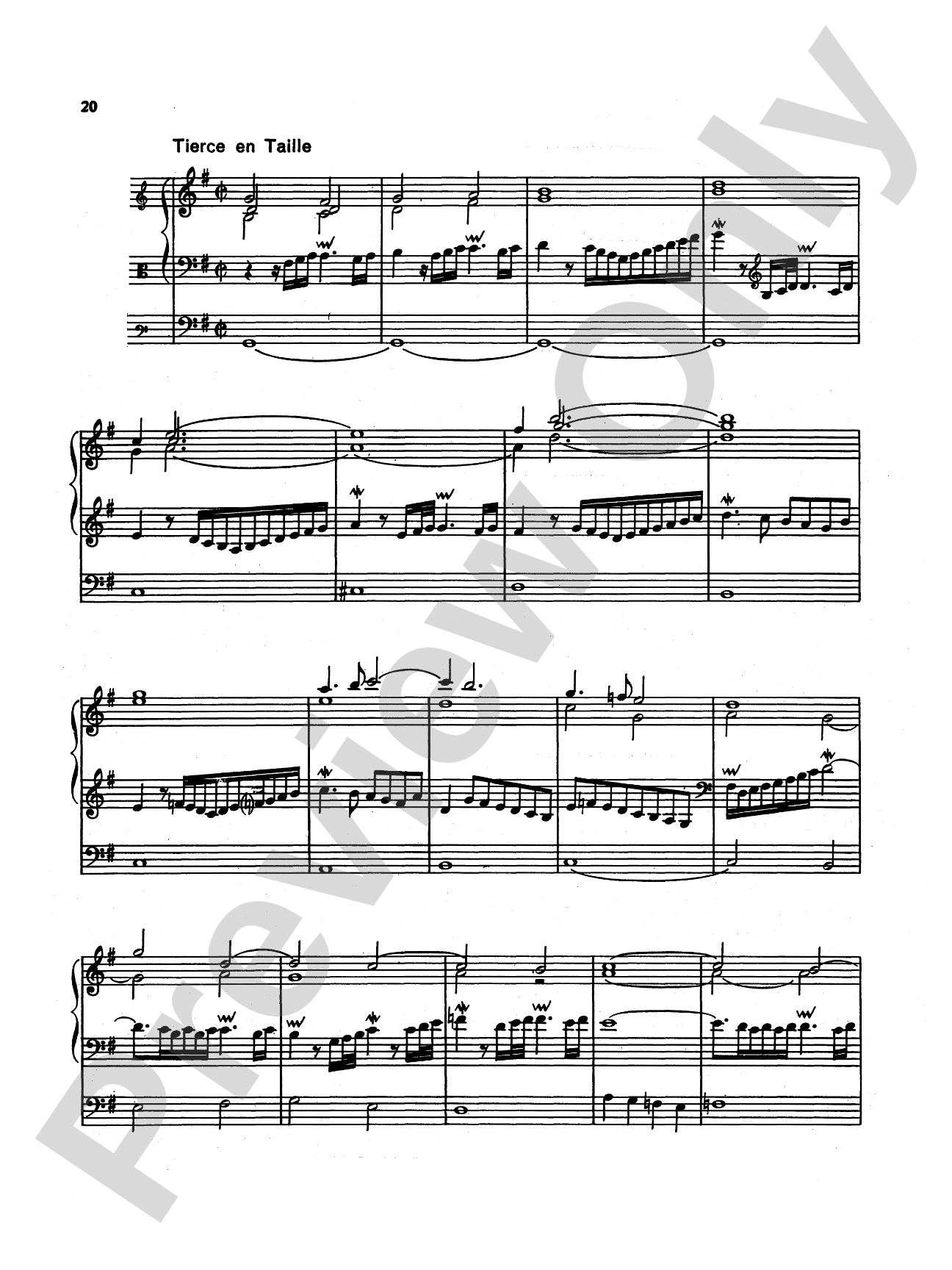
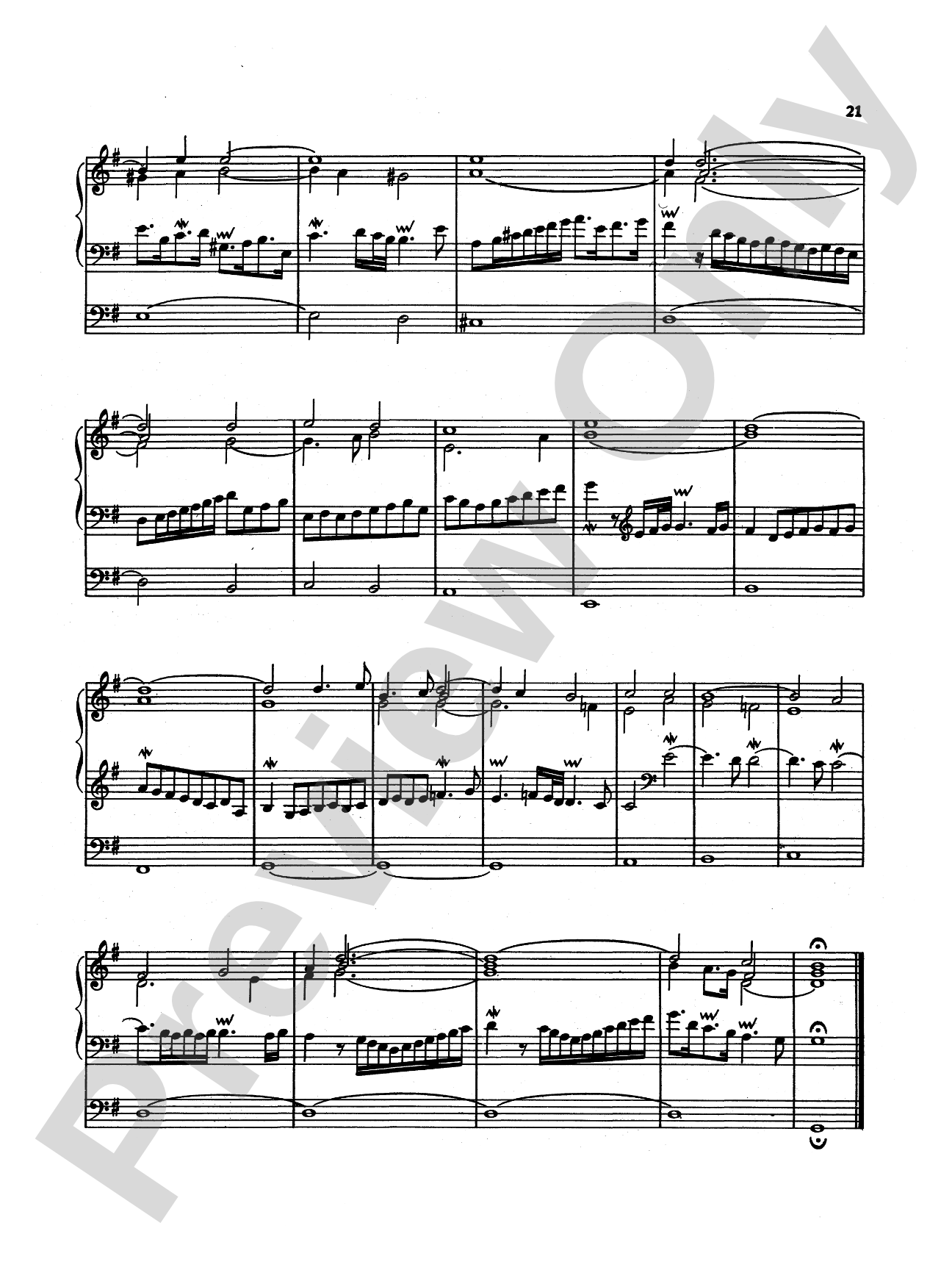
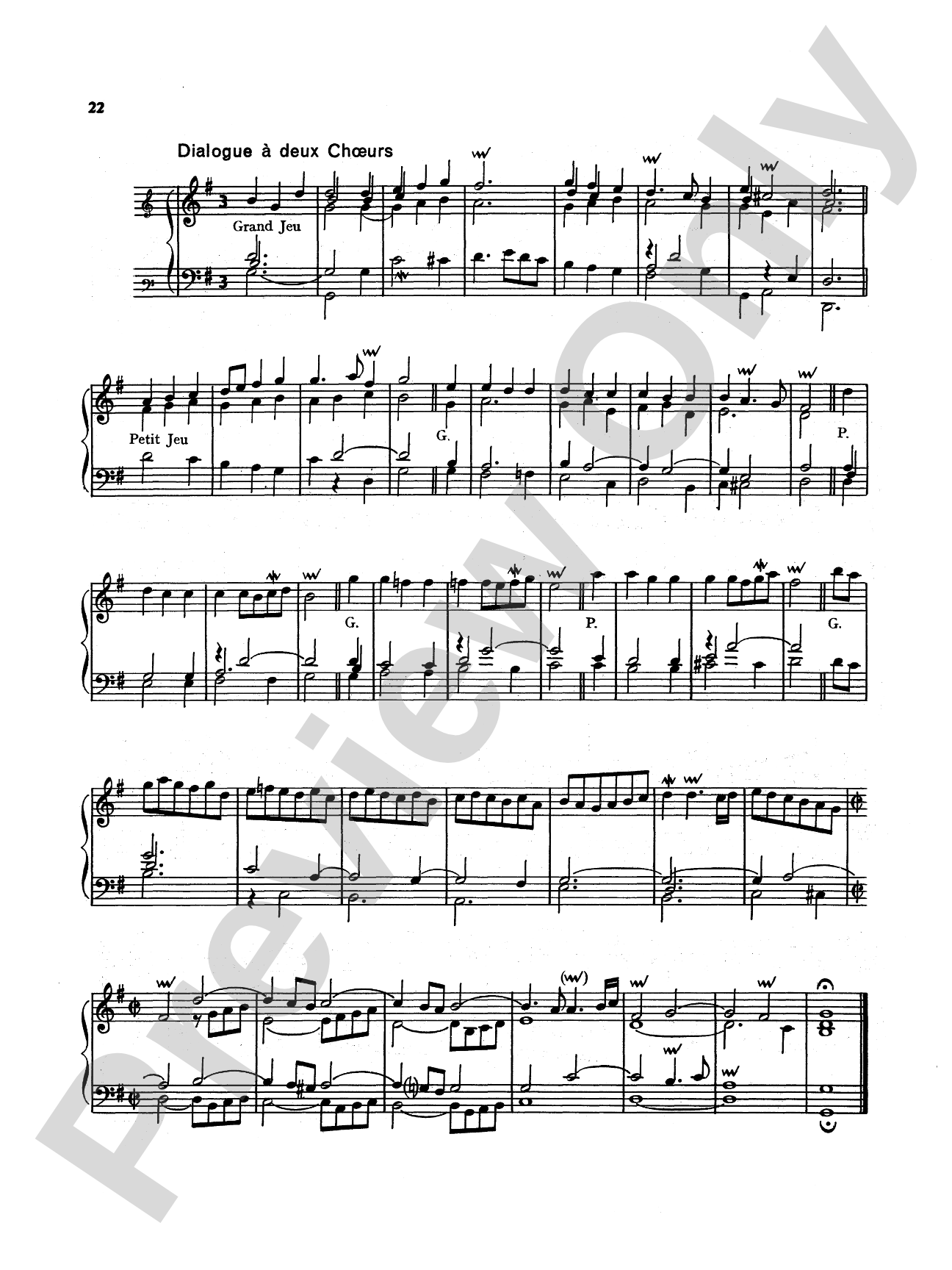
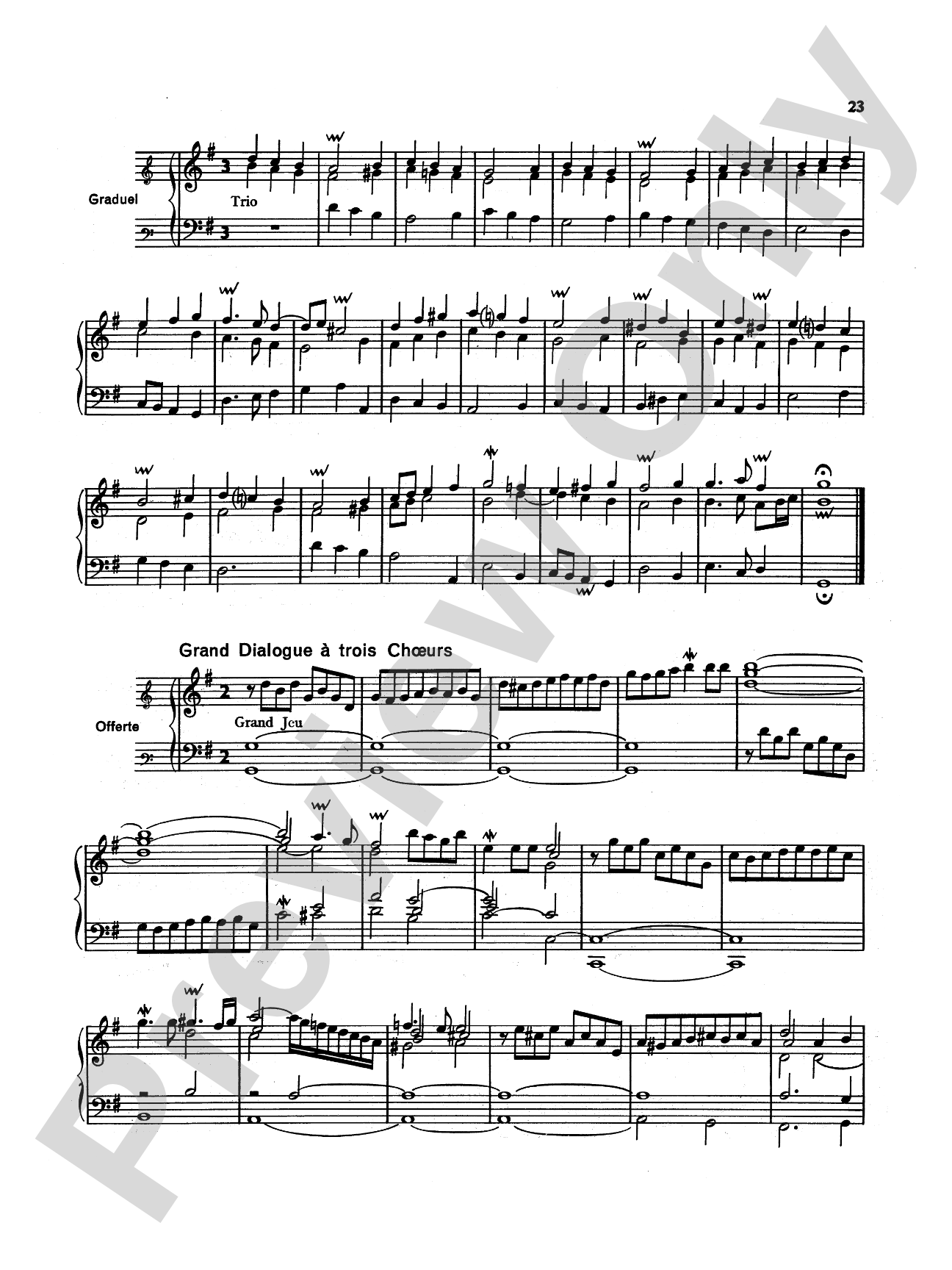
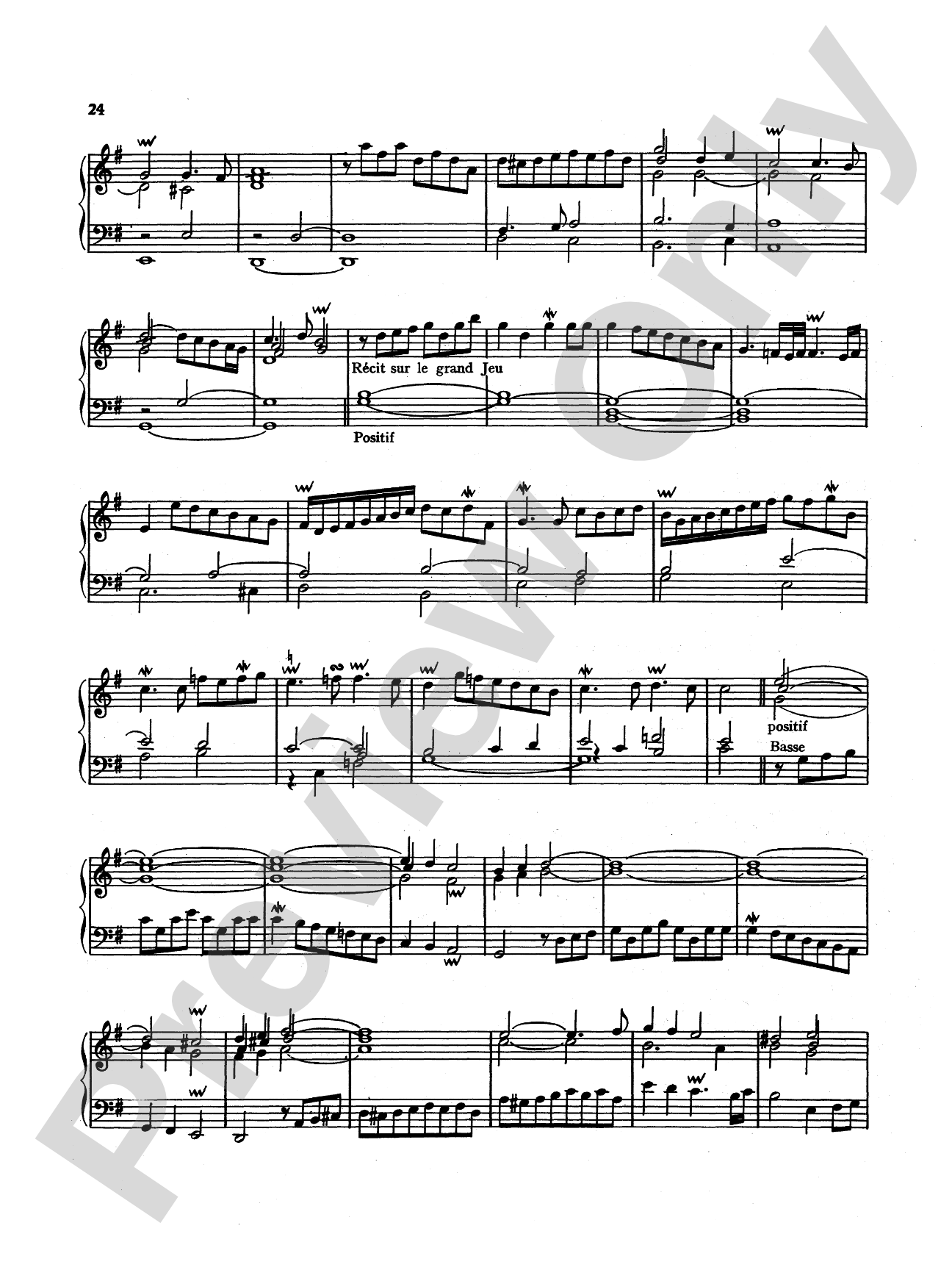
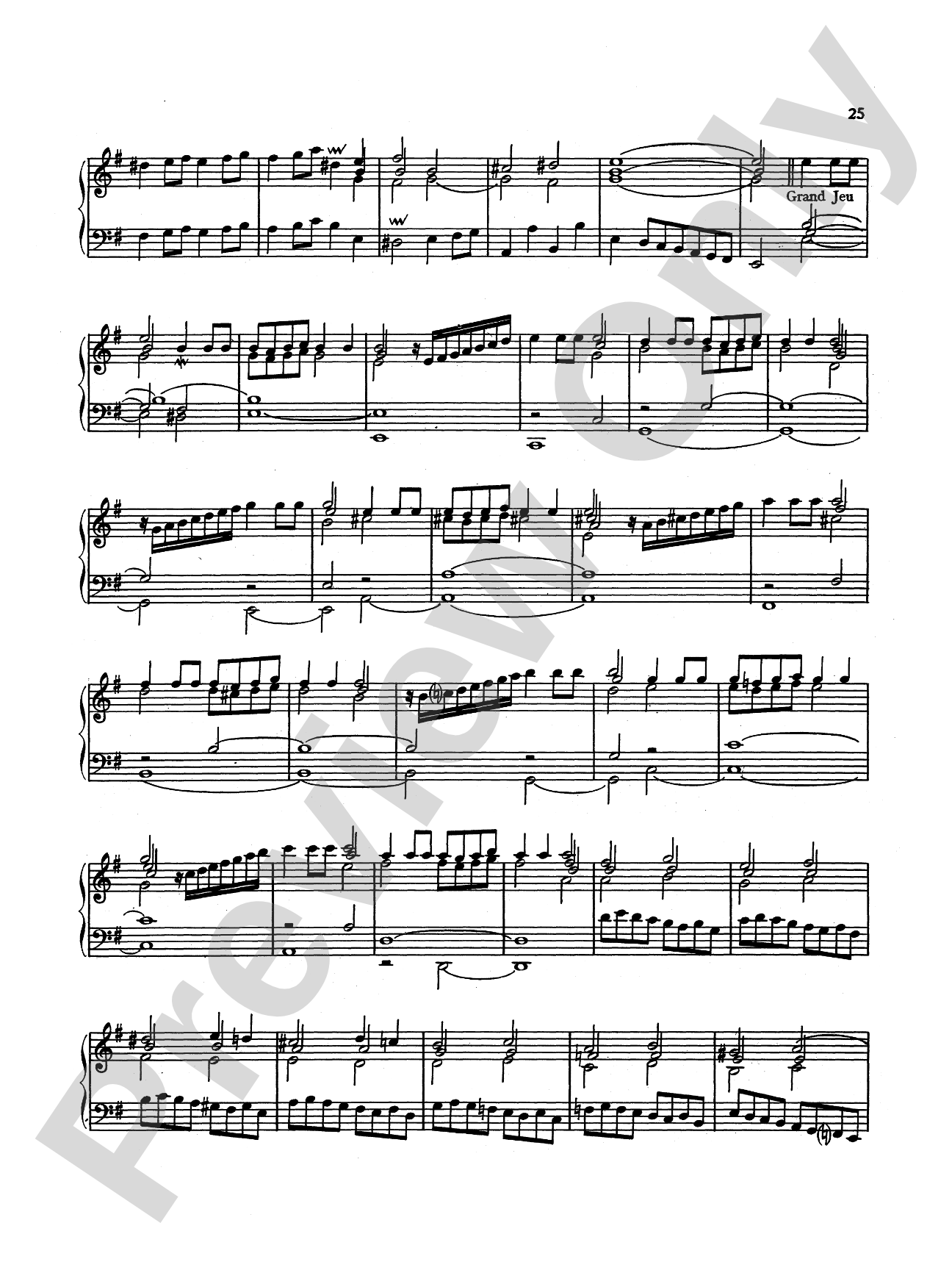
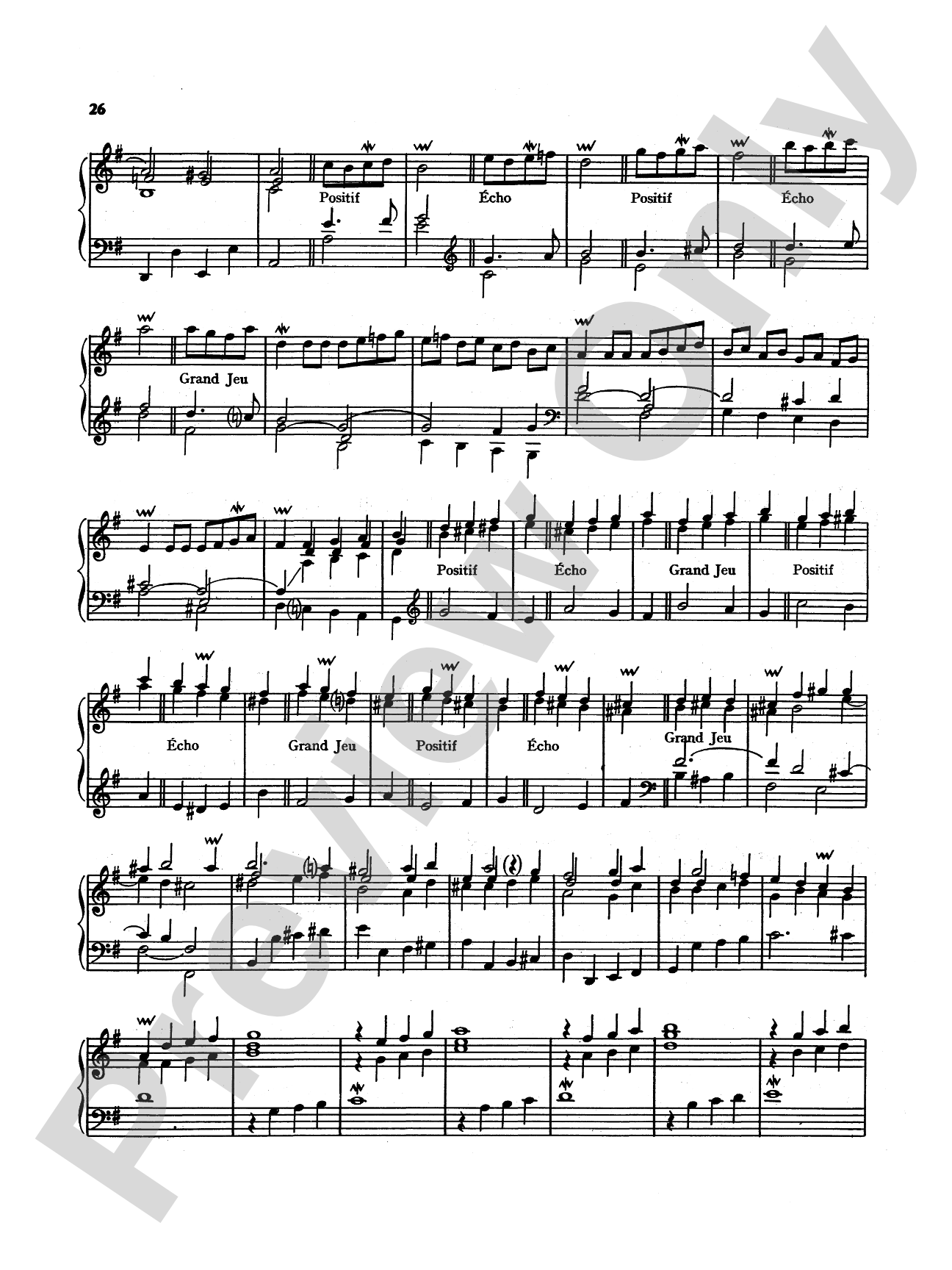
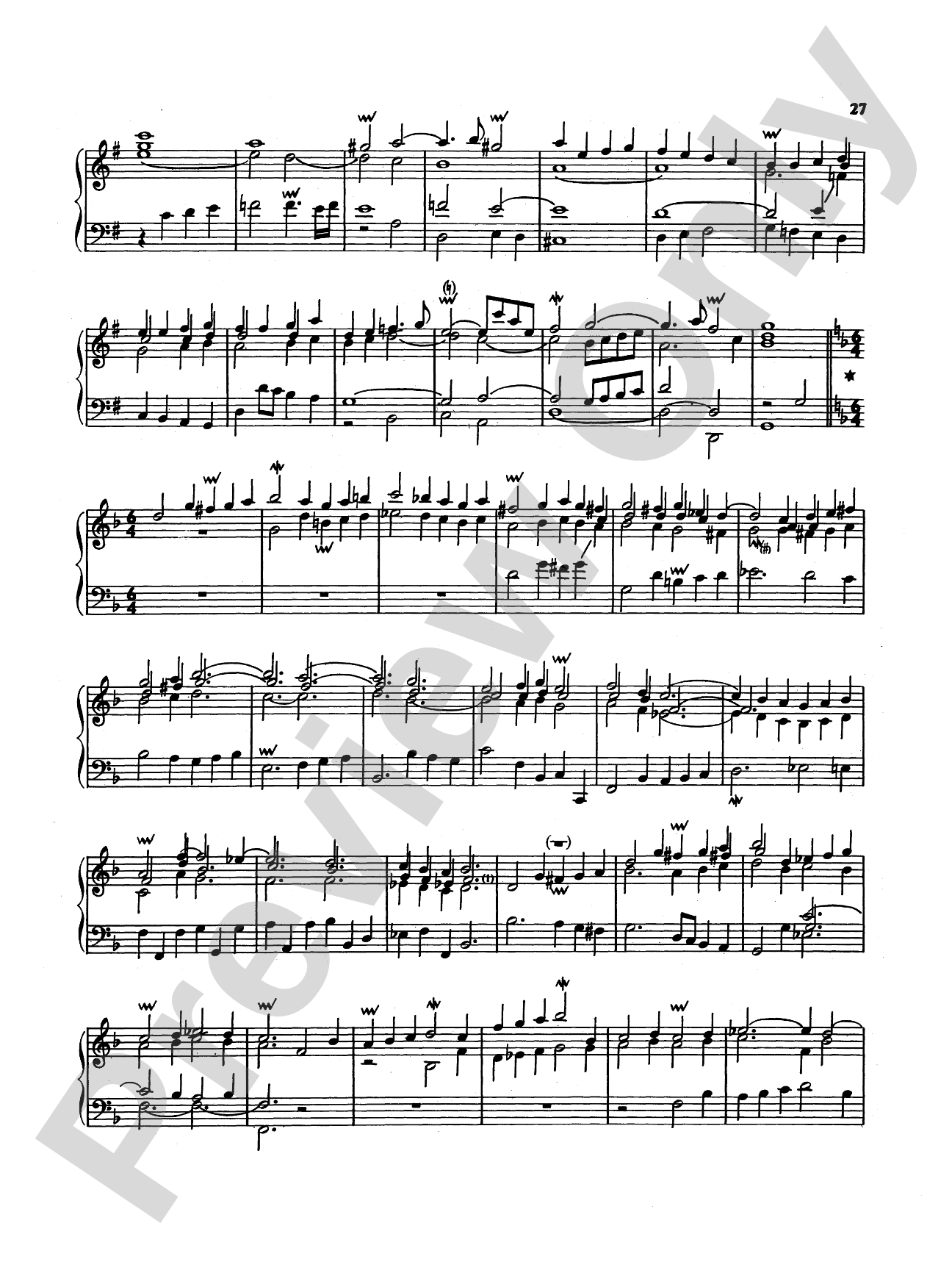
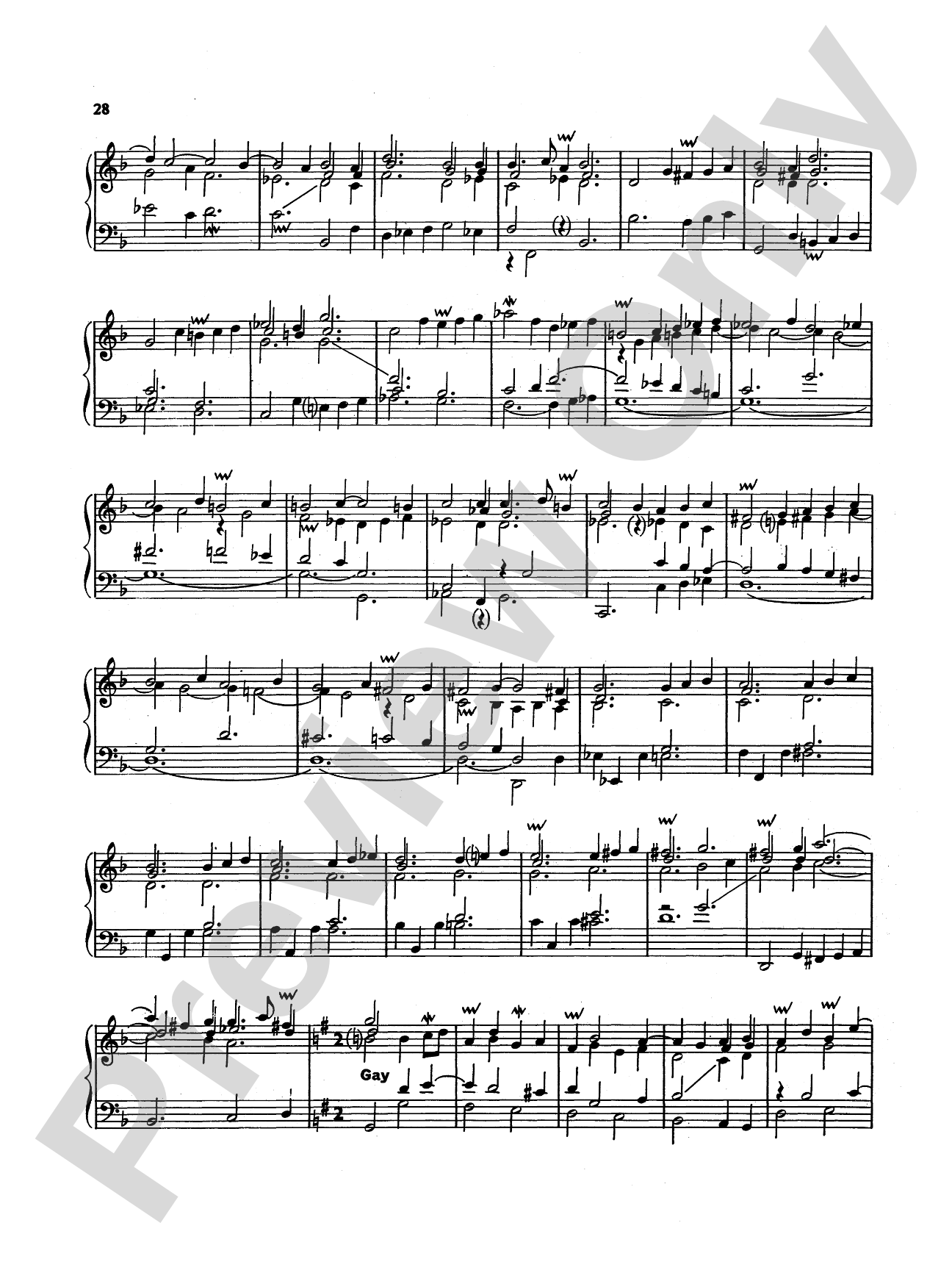
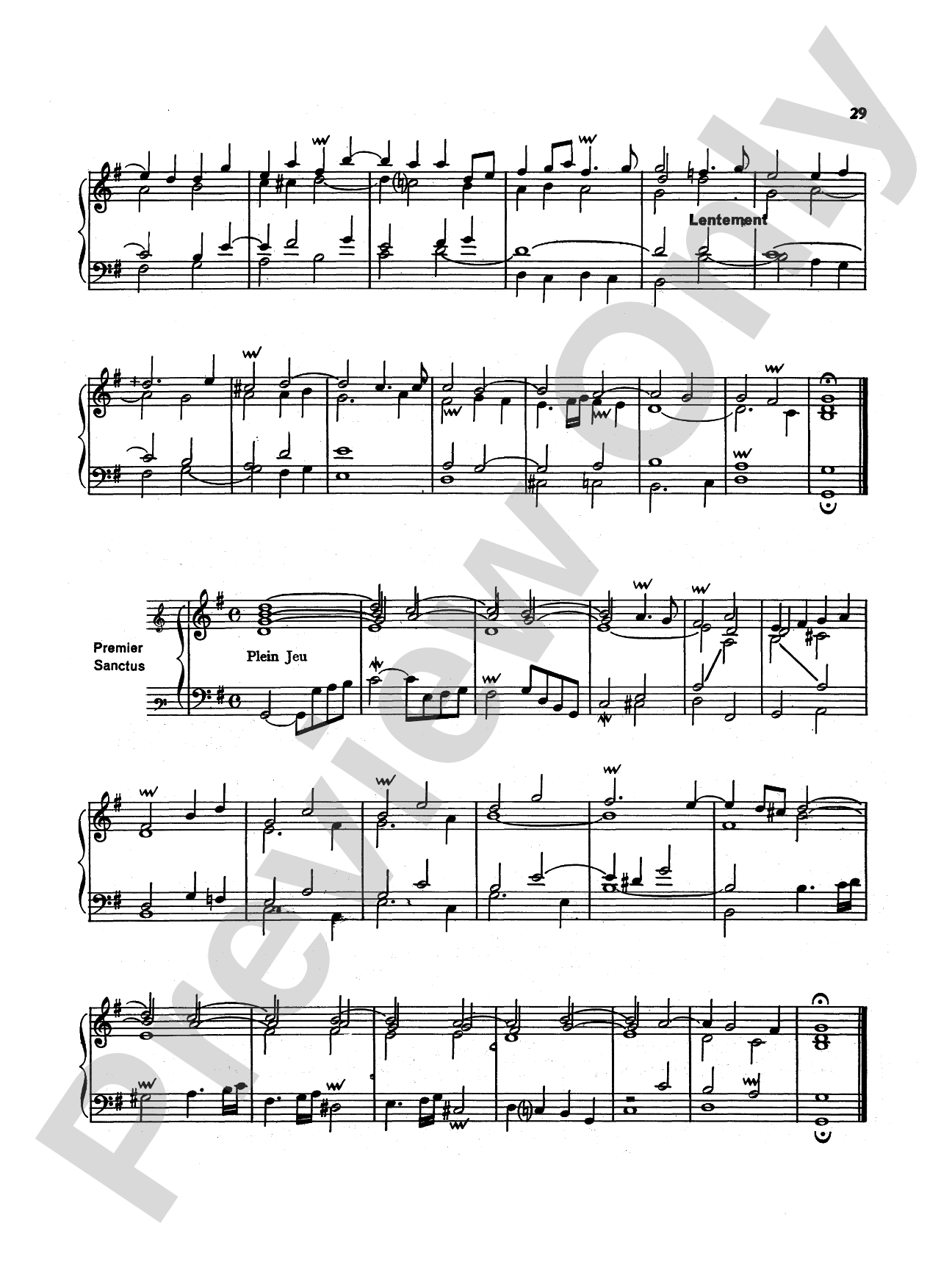
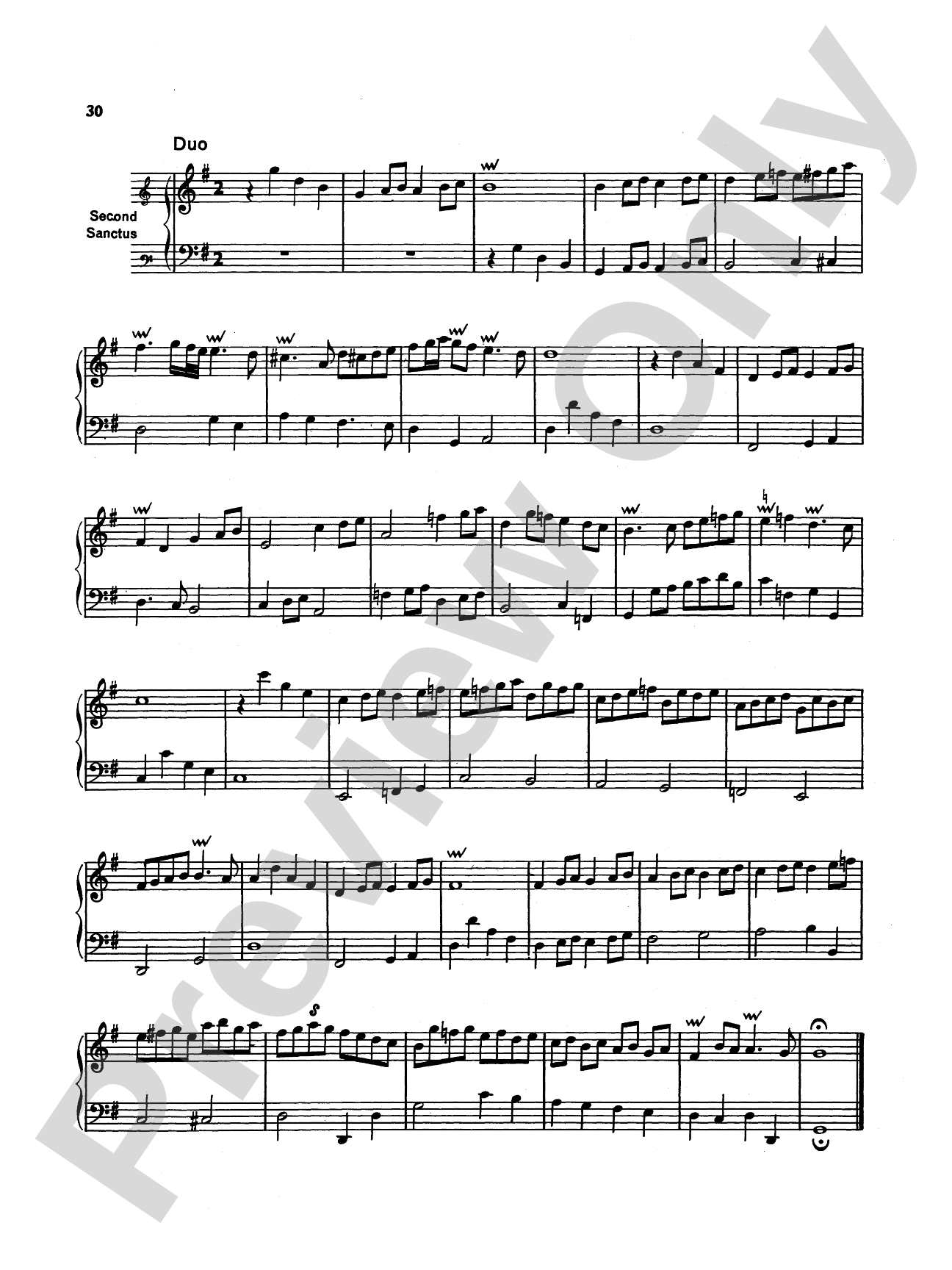
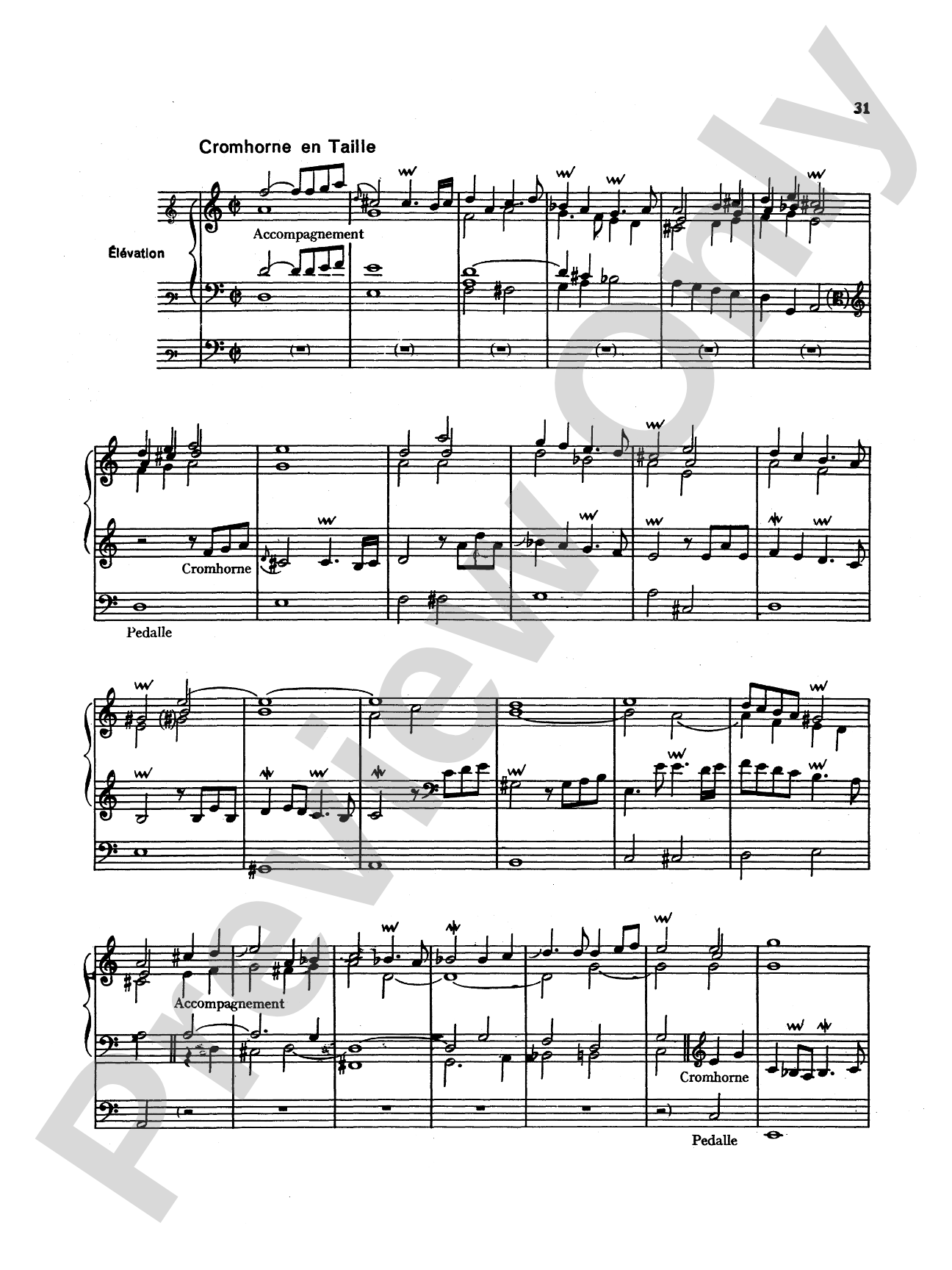
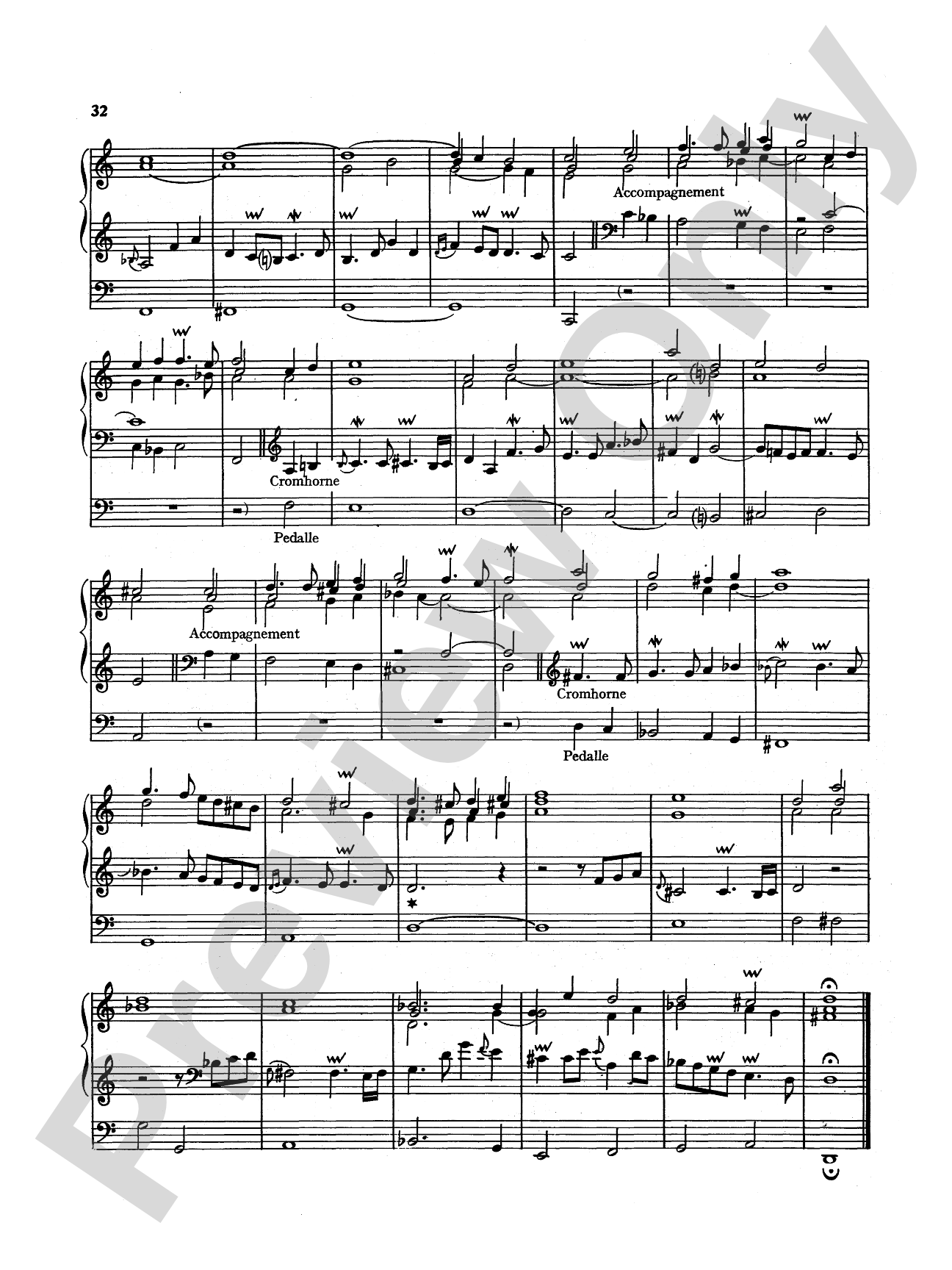
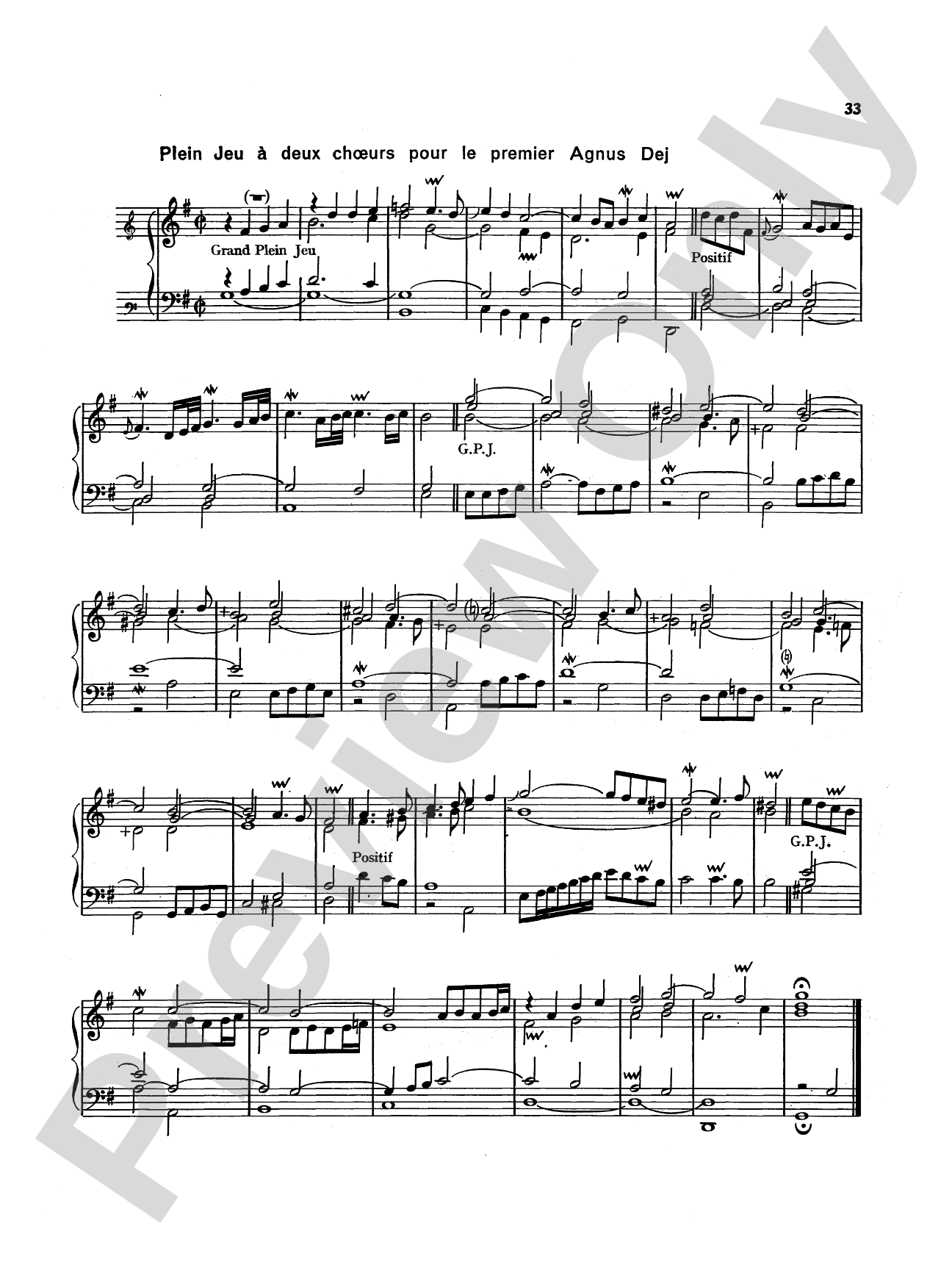
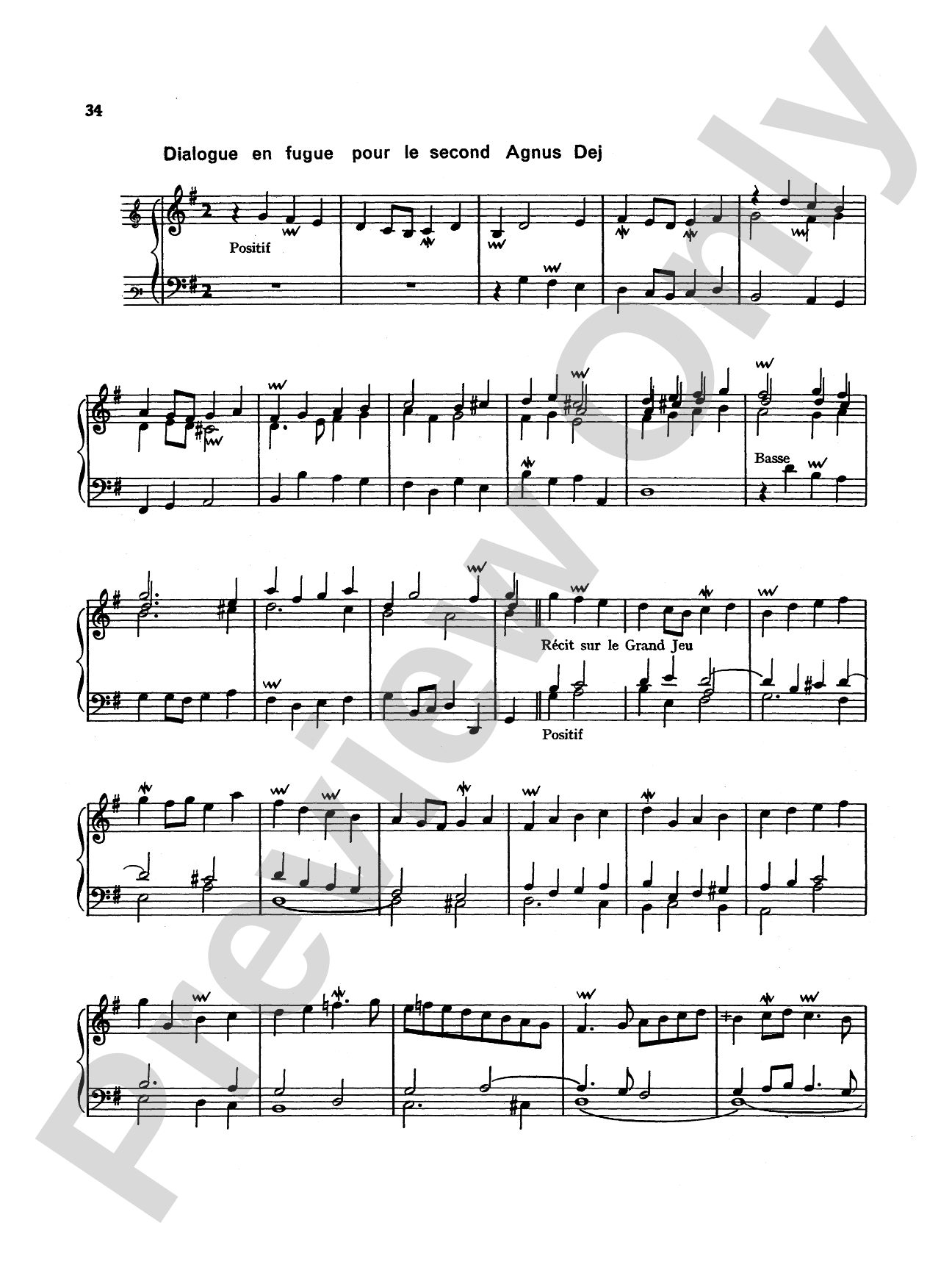
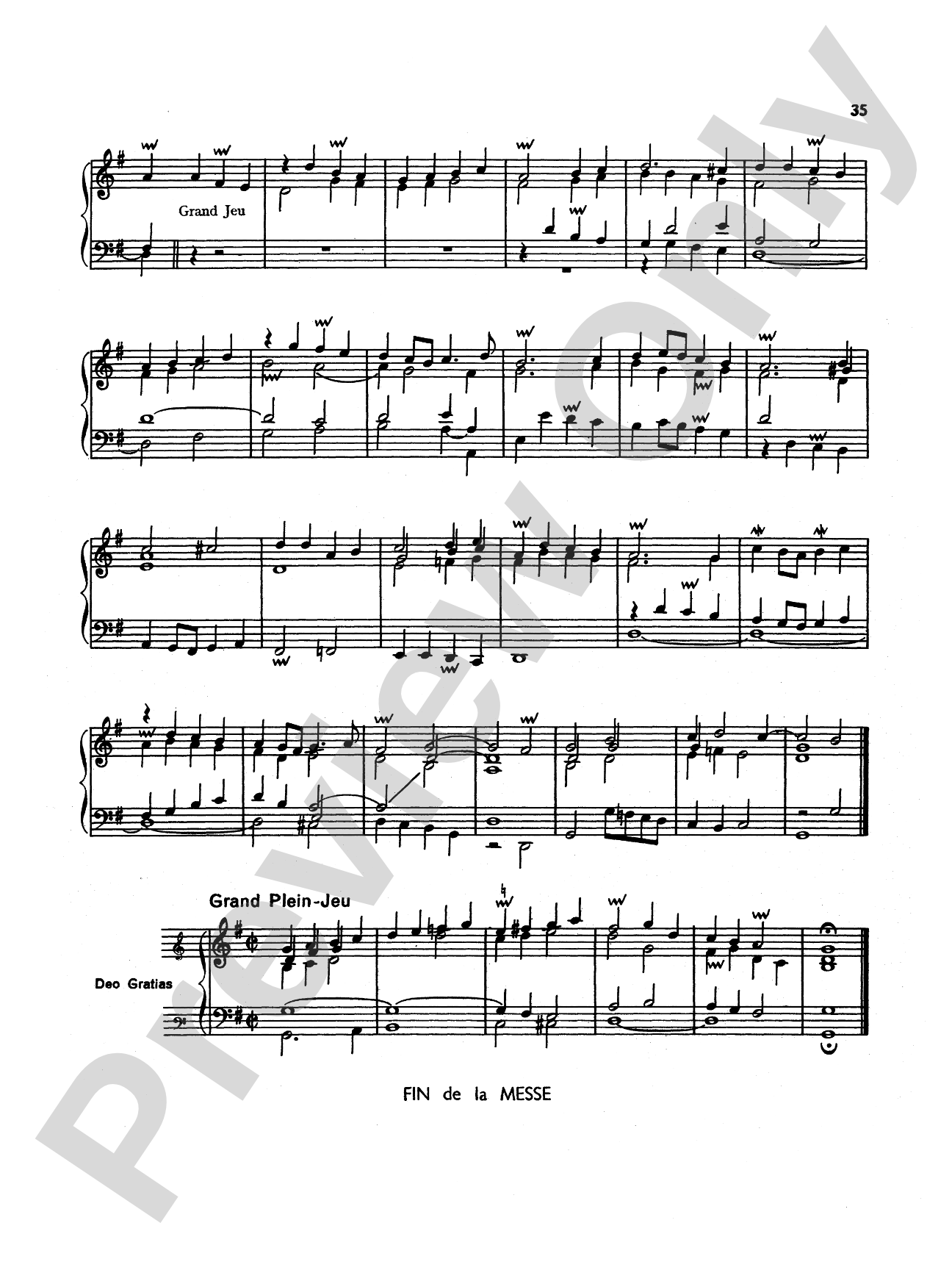
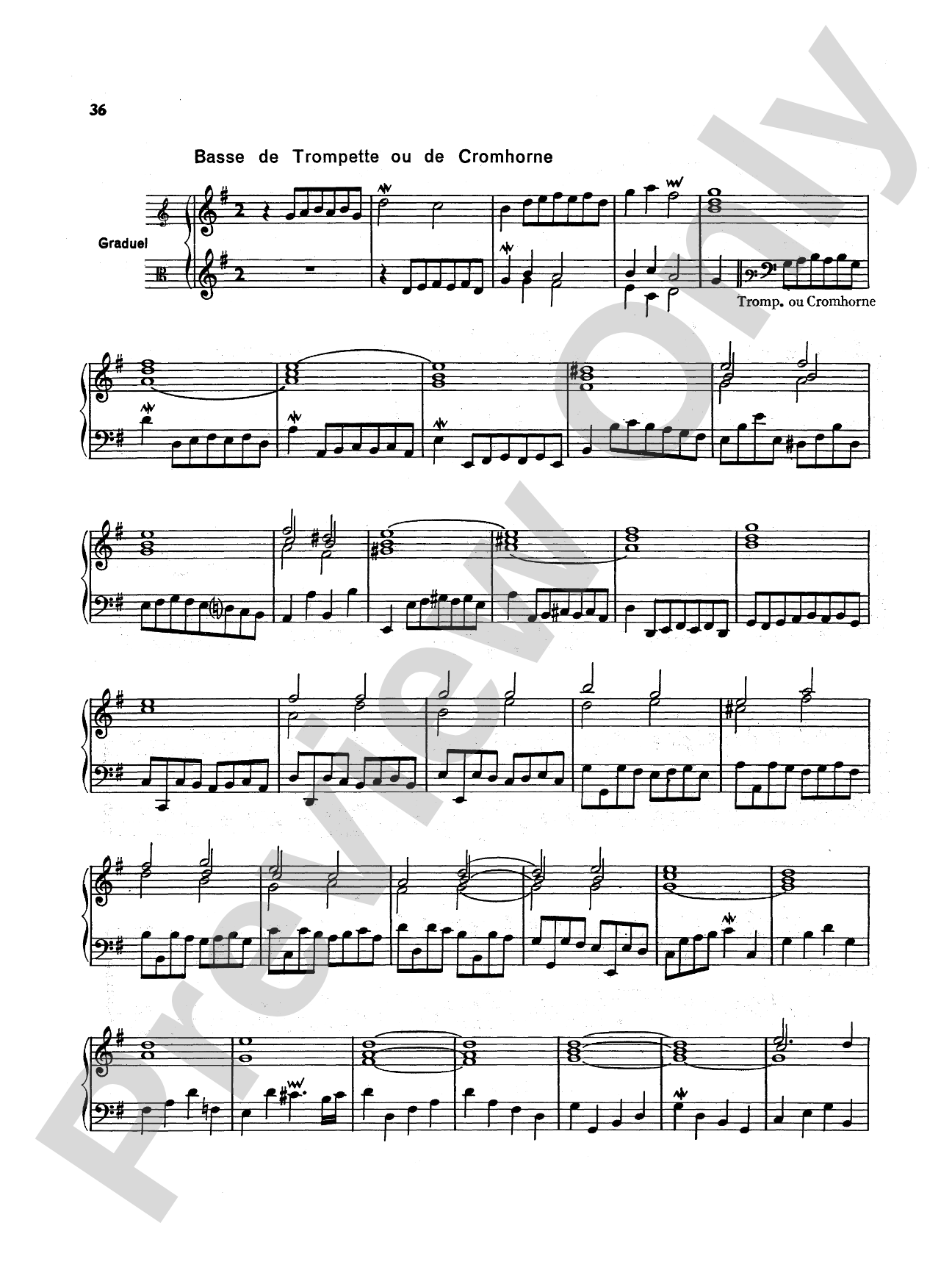
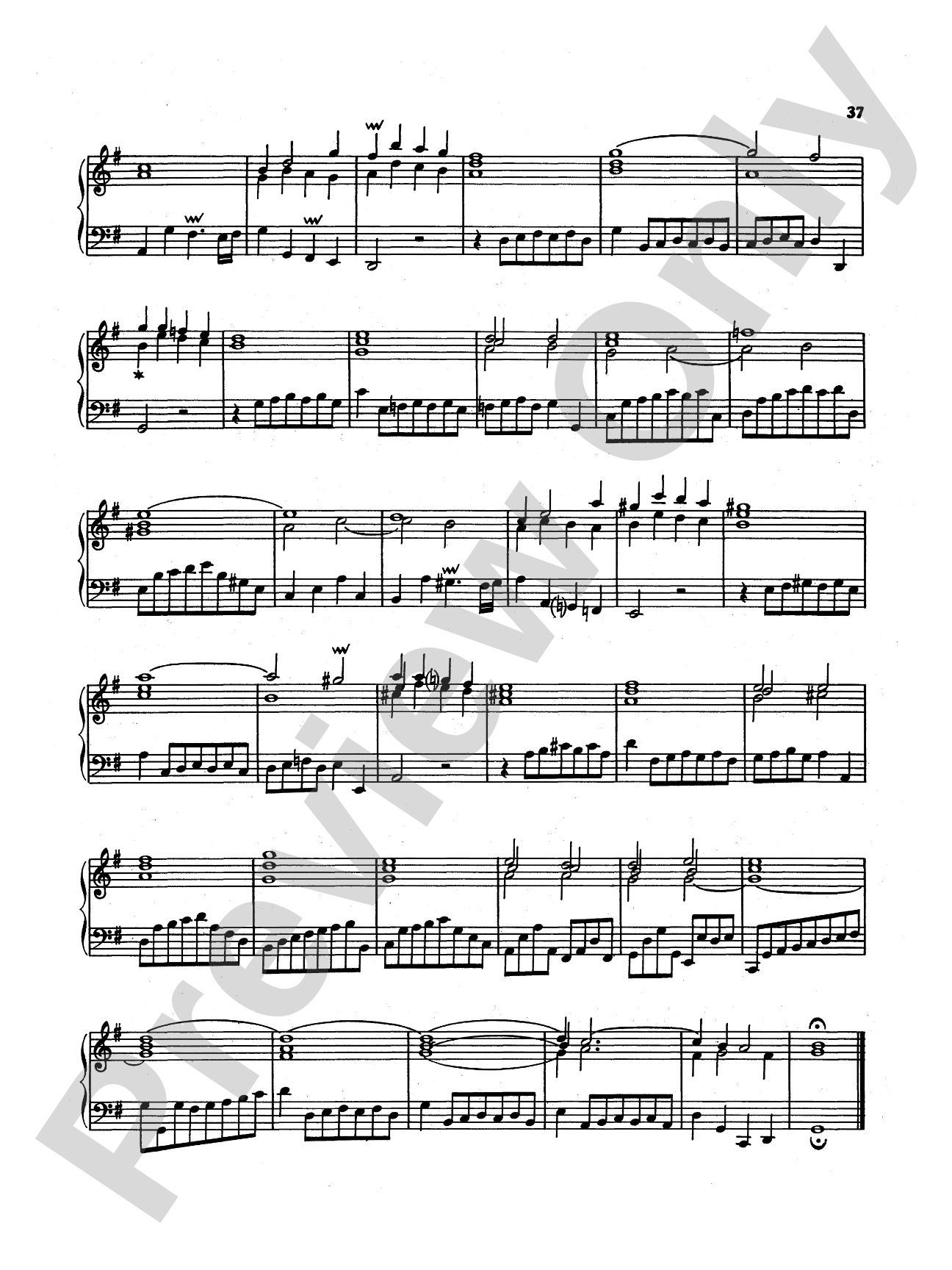
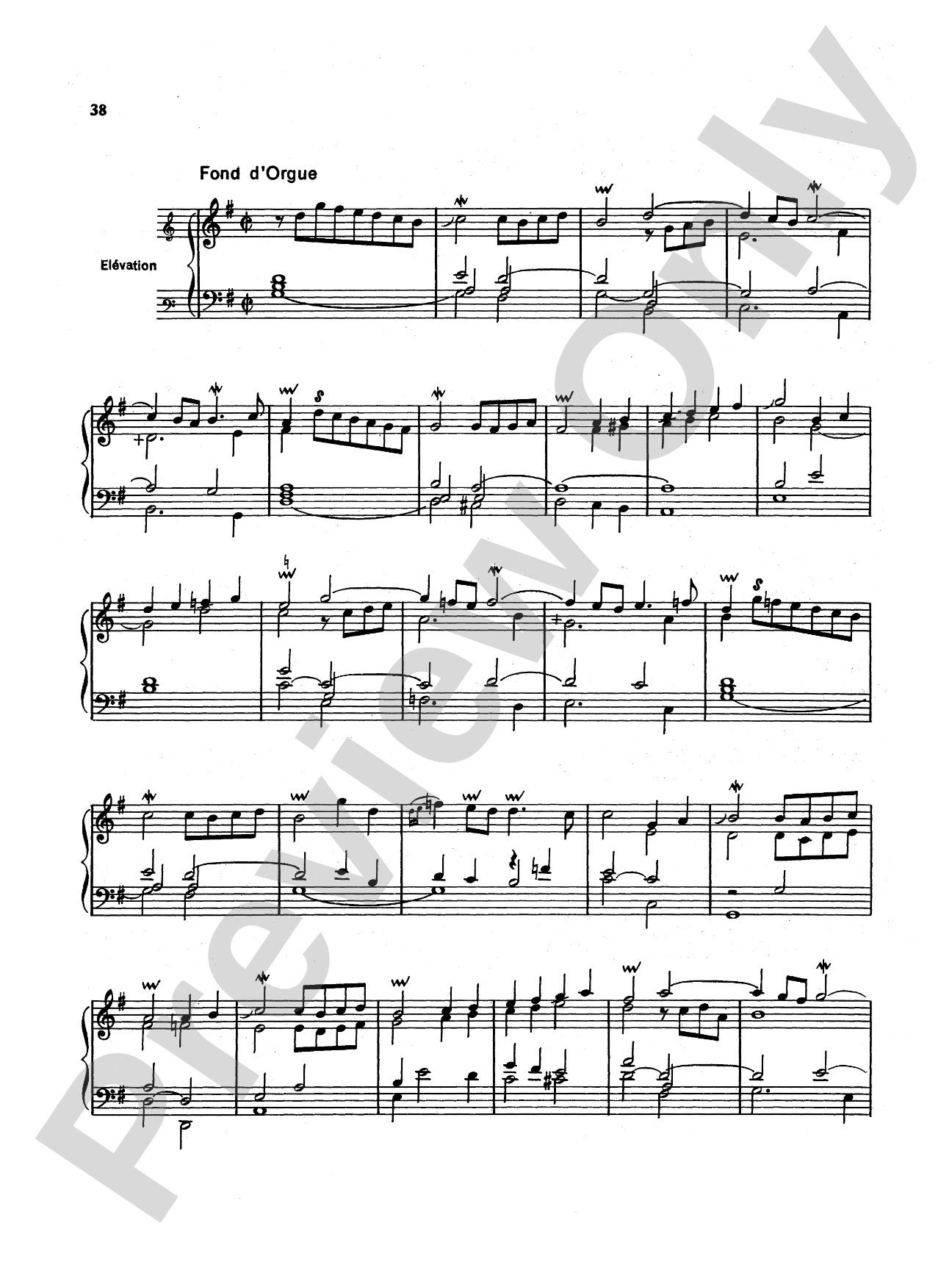
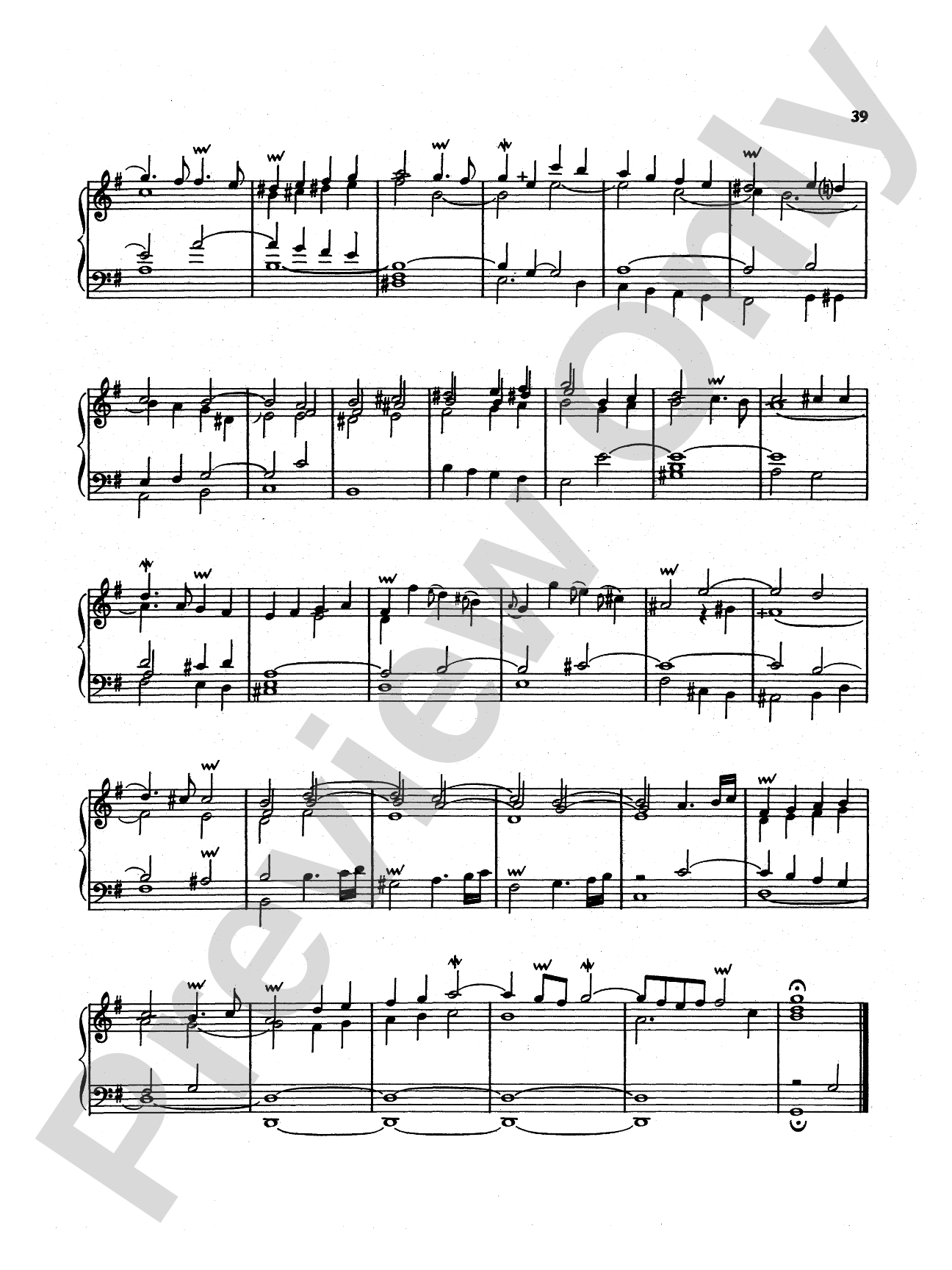

Corette: Missa Octavi Toni: Organ Sheet
By Gaspard Corette
Item: 00-PK-0003001

$9.95
Pickup currently not available
Parts Added to Cart!
Related Items
Missa Octavi Toni: Organ Sheet |
$9.95
|
View |
Description
An Organ solo composed by Gaspard Corette.


Don't just read it, hear it, play along with it, and watch your students grow with it. In MakeMusic Cloud, Corette: Missa Octavi Toni: Organ Sheet comes alive with professional accompaniment, adjustable tempo, and built-in practice tools that turn solo practice into real progress.
Open in the Player
Jump straight in and assign it today.
Start Your Free Trial
Open this title and explore the full library in minutes.
Sample Audio
No sample audio found.
Sample Video
No sample videos found.
Additional Details
Series:
Kalmus Edition
Publisher:
Alfred Music
Page Count:
40
SKU:
00-PK-0003001
More about this title
About the Composer: Gaspard Corette
Gaspard Corette (1707, 1795) was a French organist and composer whose liturgical works earned him respect across the French church music establishment. He served as maître de chapelle at several significant institutions and composed extensively for the organ, the instrument he knew intimately from years of professional practice. His masses and motets represent the mature French Baroque tradition, balancing contrapuntal rigor with the harmonic language of mid-18th-century Paris.
Why we love this
This mass showcases the architectural thinking that defines French organ music at its peak. Corette's command of the eight church mode gives the piece a austere, liturgical weight that feels genuinely sacred rather than merely devotional, a quality organists and church musicians consistently seek when programming for services that demand both substance and reverence.
What to expect
Stately and ceremonial, with the architectural grandeur typical of eighteenth-century French mass settings. The work unfolds with formal clarity and harmonic stability, creating a sense of dignified inevitability punctuated by moments of contrapuntal brightness.
Who it's for
Intermediate to advanced organists with solid command of Baroque counterpoint and competence at the pedalboard. This work suits church musicians preparing liturgical repertoire or solo performers building a Baroque mass collection.
How to get the most out of it
- Attend carefully to the implied registration changes across movements; the Kalmus edition may not specify stops explicitly, so your knowledge of period-appropriate French organ practice (pleins jeux, cromorne, récit sections) will guide effective sonic choices.
- Shape phrases by voice rather than allowing the figured bass to become mechanical; Corette's counterpoint rewards legato phrasing that allows individual lines to breathe within the harmonic structure.
- Balance the manual divisions thoughtfully, particularly in passages where the pedal supports the harmony; clarity of texture depends on relative dynamic control between hands and feet.
How to use it
Program this as a substantial solo work on a recital exploring the organ's role in French sacred music, or use it as prelude and postlude material across a series of church services. At forty pages, the full work provides flexibility for partial or complete performance depending on liturgical context and time constraints.
Skills your students will build
- Baroque counterpoint with independent pedal line
- French Baroque harmonic language and figured bass realization
- Registration planning for clarity and contrast across multiple movements
- Coordination of three manuals and pedals with period-appropriate articulation
- Musical architecture and phrase structure in large sacred forms