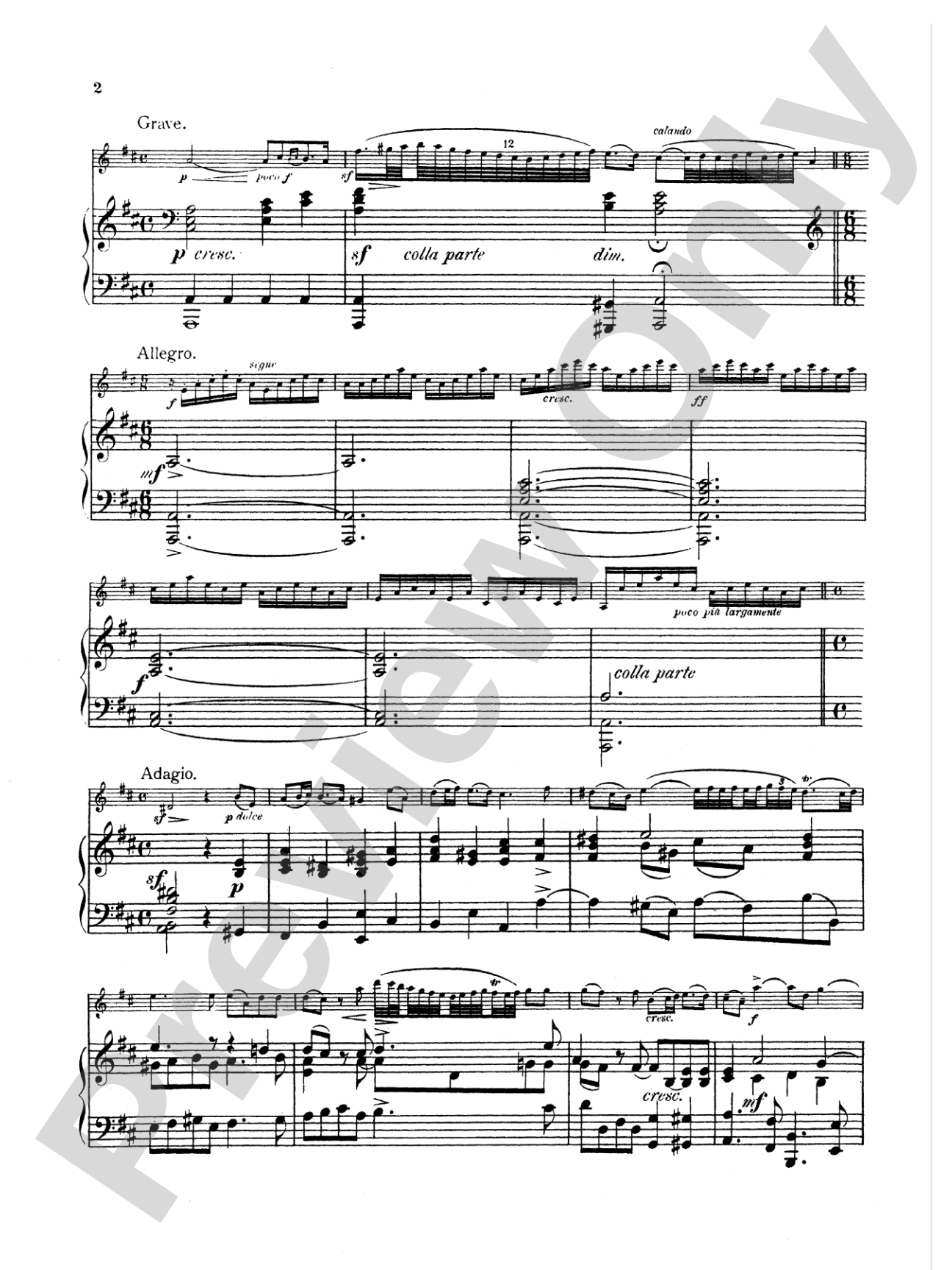
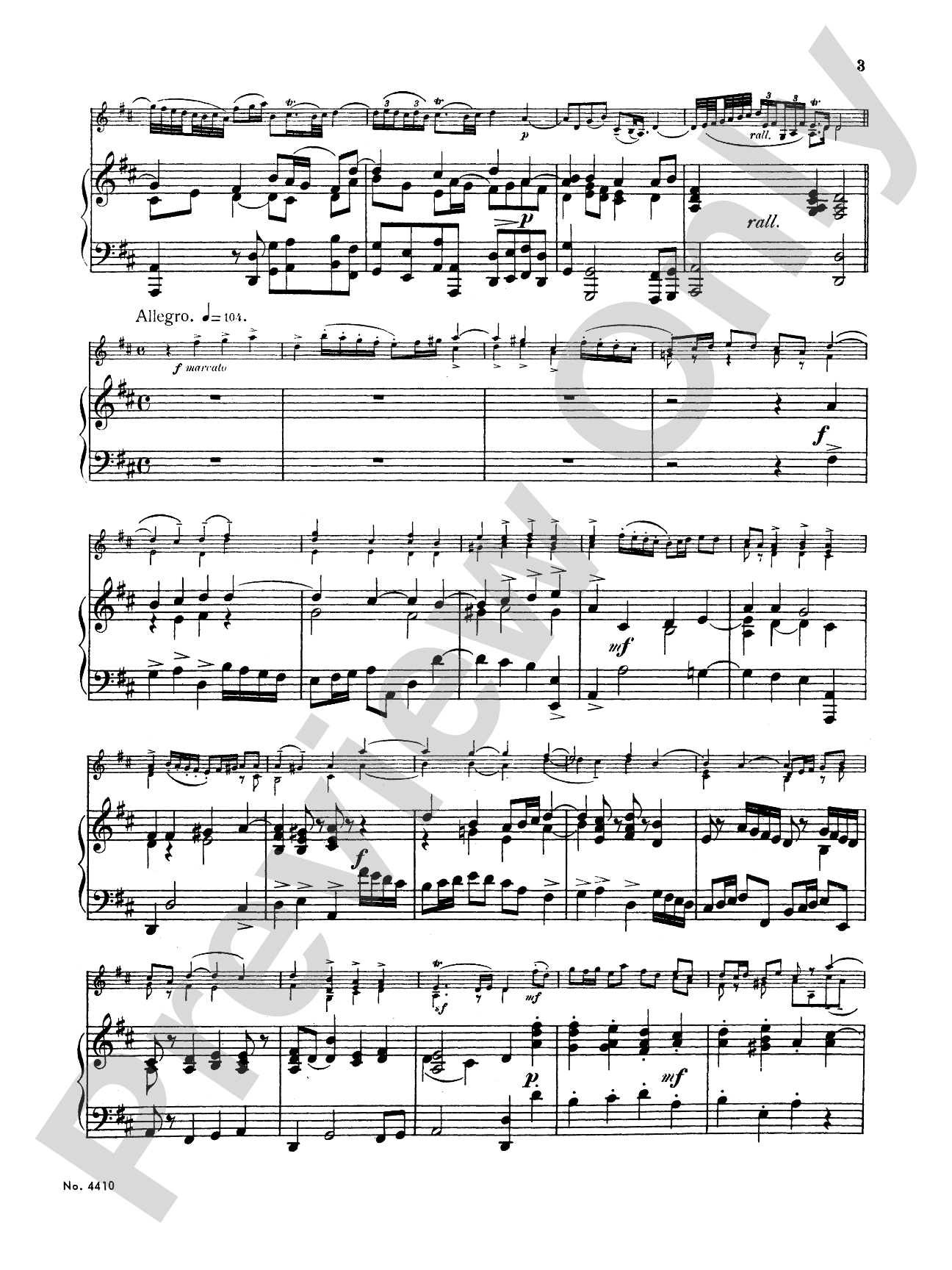
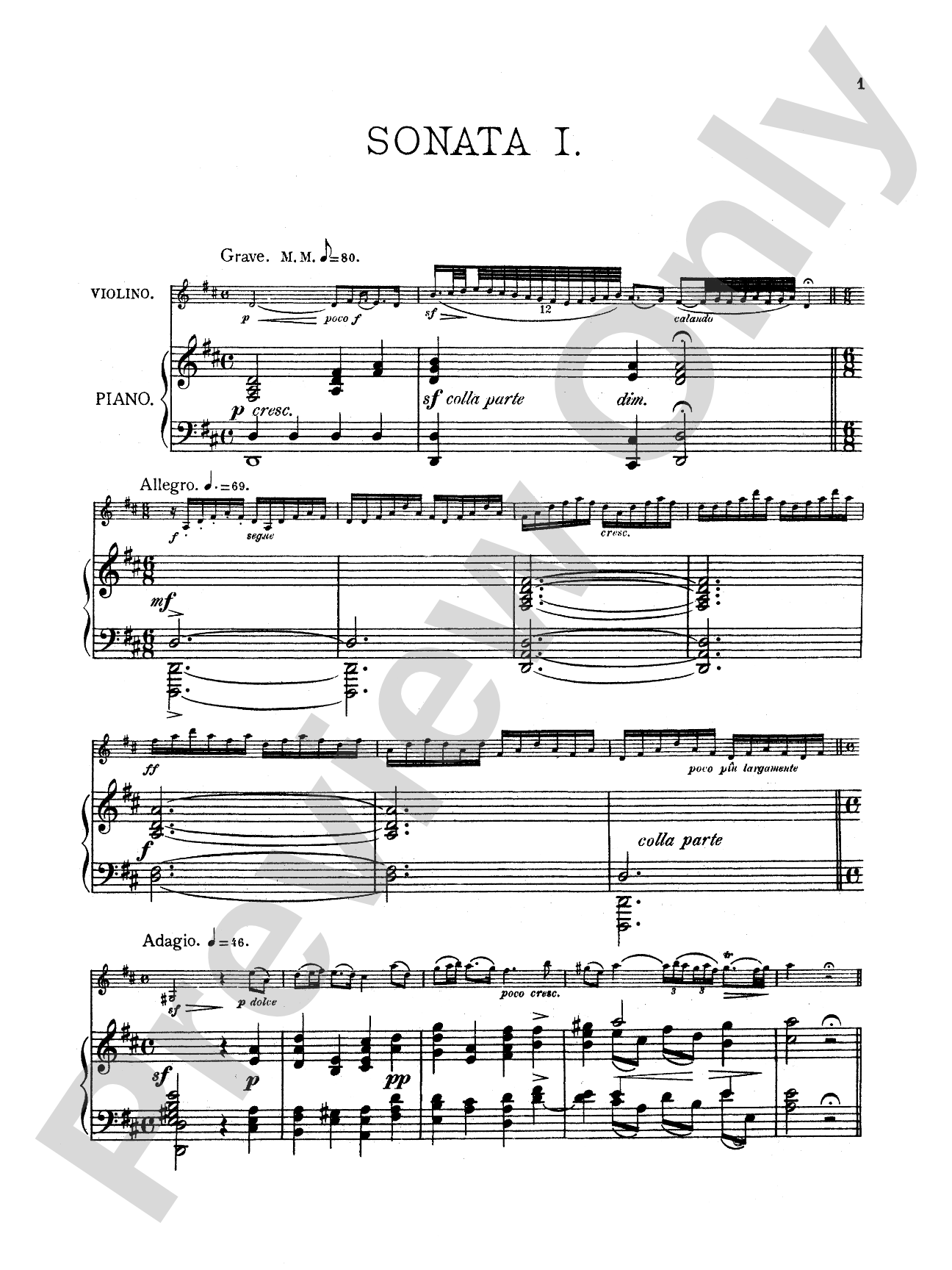
Corelli: Twelve Sonatas, Op. 5 (Volume I) Sheet Music Preview

Corelli: Twelve Sonatas, Op. 5 (Volume I)

By Arcangelo Corelli

Item: 00-PC-0010359

Digital Download
$0.99
Description
A Violin solo with Piano Accompaniment composed by Arcangelo Corelli.

Don't just read it, hear it, play along with it, and watch your students grow with it. In MakeMusic Cloud, Corelli: Twelve Sonatas, Op. 5 (Volume I) comes alive with professional accompaniment, adjustable tempo, and built-in practice tools that turn solo practice into real progress.

Sample Audio
No sample audio found.
Sample Video
Additional Details
Series: Kalmus Edition
Publisher: Alfred Music
Page Count: 100
SKU: 00-PC-0010359

More about this title

About the Composer: Arcangelo Corelli

Arcangelo Corelli (1653-1713) established the modern violin as a solo instrument and shaped Baroque string writing for generations to come. His twelve Op. 5 sonatas became the foundation of violin pedagogy and performance practice, studied by every serious violinist who followed. Corelli's approach to idiomatic writing for the violin—exploiting its expressive range while respecting its technical capabilities—set the standard that composers still reference today.

Why we love this

These sonatas occupy the sweet spot between intellectual rigor and genuine expressiveness. They teach bow control, intonation refinement, and harmonic awareness through music that rewards careful practice without demanding pyrotechnics, making them ideal for advancing intermediate violinists who are ready to move beyond purely technical studies.

What to expect

Graceful, measured, and deeply cantabile. These sonatas speak with Corelli's characteristic balance of restraint and warmth, offering moments of genuine expressive beauty alongside passages of technical refinement. The music unfolds with unhurried elegance, rewarding patient listening and thoughtful interpretation.

Who it's for

Advanced intermediate and early-advanced violinists building interpretive maturity and Baroque performance technique. Teachers seeking repertoire that develops musicianship alongside violin fundamentals will find these sonatas invaluable for students transitioning from method-based studies to stylistically informed performance.

How to get the most out of it

  • Shape each phrase with attention to the underlying harmonic motion rather than artificial breath breaks. Corelli's basso continuo writing creates natural pacing that guides the violin line.
  • Approach ornamentation with restraint and consistency. Baroque conventions allow flexibility, but decisions about trills, turns, and mordents should serve the melodic gesture, not obscure it.
  • Balance vibrato carefully. Minimal vibrato on longer notes allows the harmonic context to speak clearly; reserve fuller vibrato for expressive peaks.
  • Coordinate carefully with the pianist on continuo figures, particularly in slow movements where the keyboard fills harmonic space. Clear communication about tempo and harmonic rhythm prevents rhythmic drift.

How to use it

Feature a complete sonata or a paired slow and fast movement in a chamber recital or string solo competition. These works pair naturally with other Baroque string repertoire, or provide a substantive centerpiece when programming around Italian Baroque themes. Consider assigning individual sonatas as solo repertoire for advanced students across an entire season.

Skills your students will build

  • Baroque articulation and bowing style
  • Harmonic awareness through bass line listening
  • Intonation refinement in slow, lyrical passages
  • Ornamentation decisions based on style and structure
  • Coordinated ensemble playing with keyboard accompaniment
  • Expressive phrasing without vibrato dependency

You May Also Like