
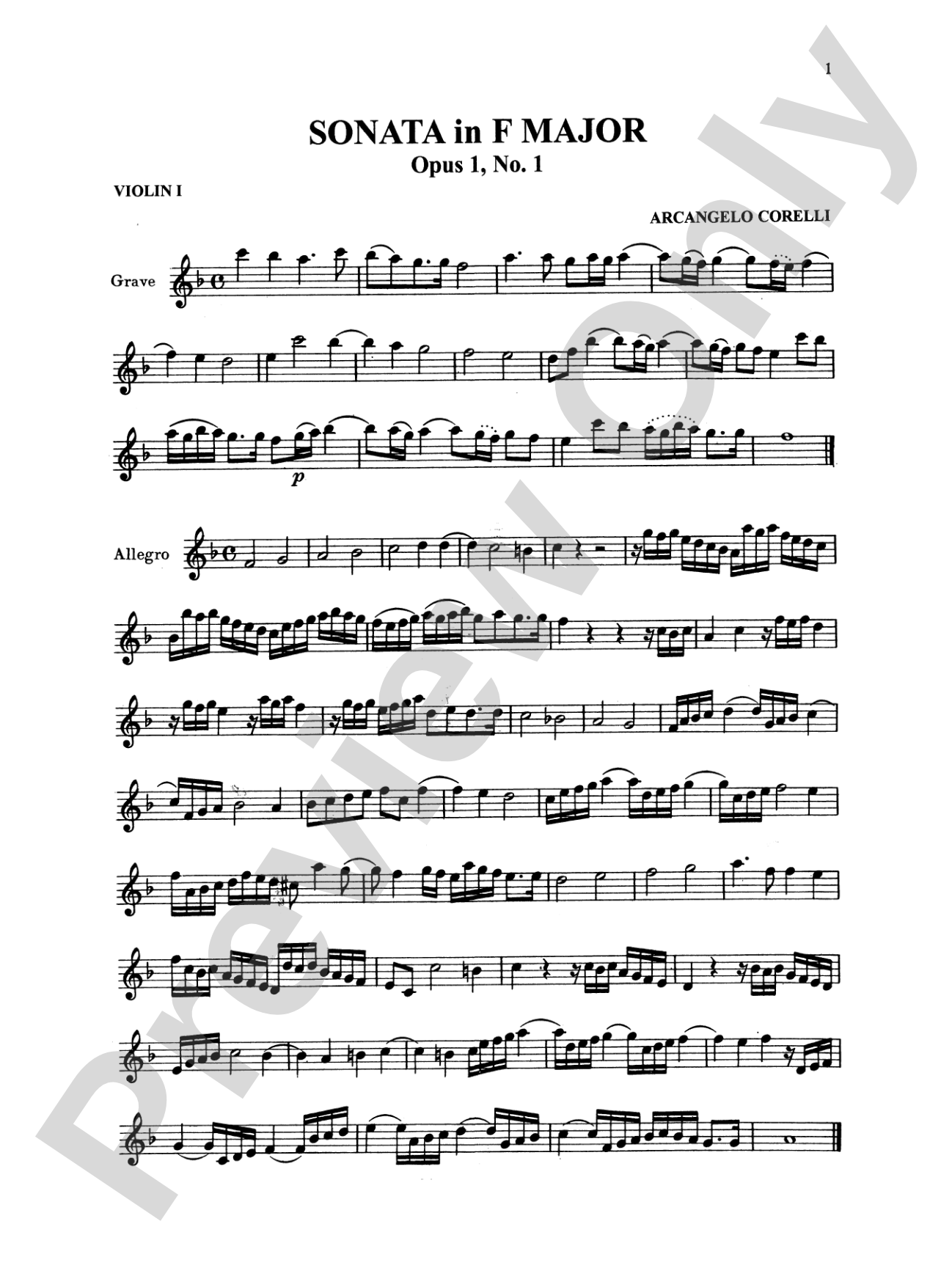
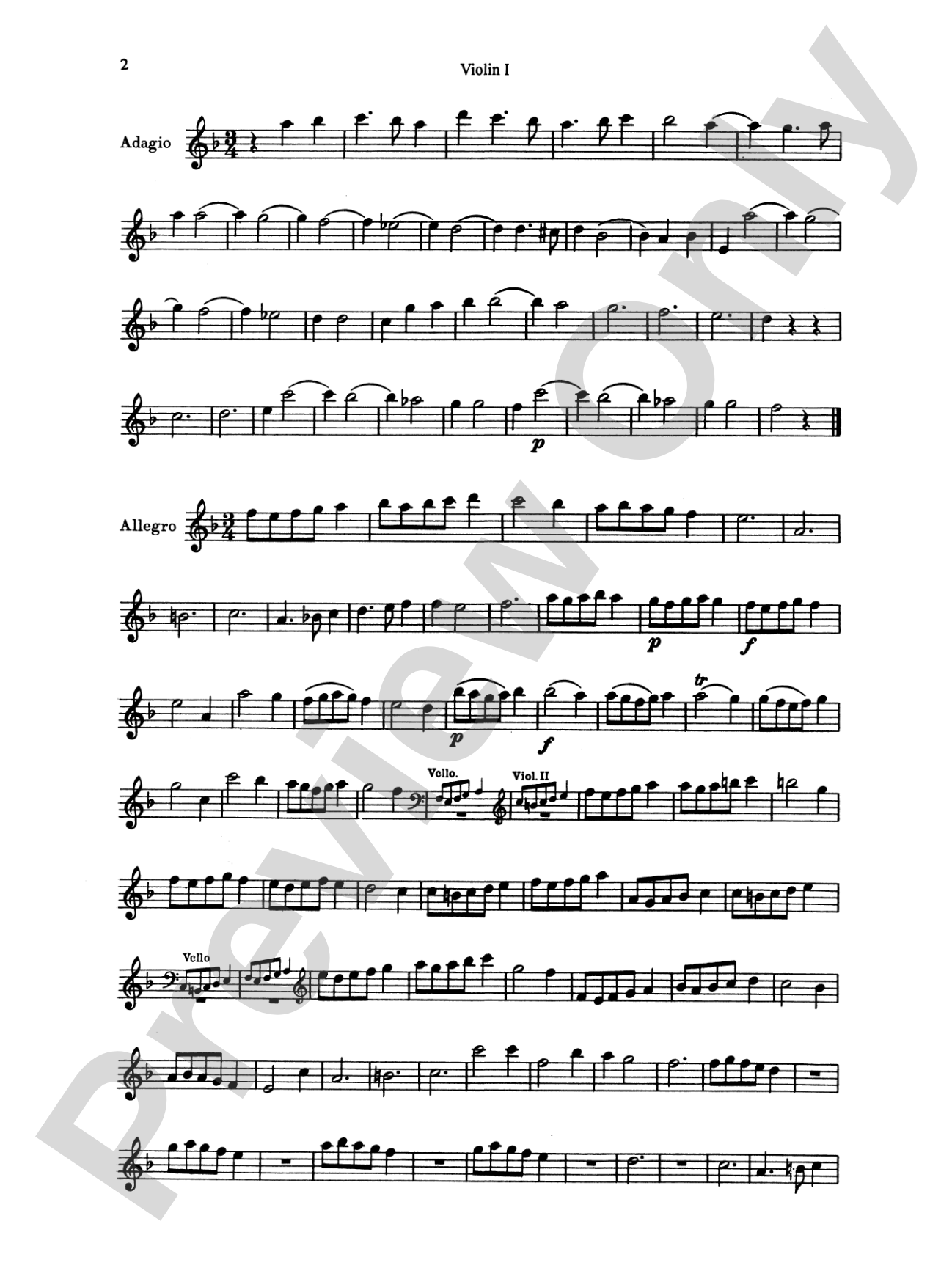
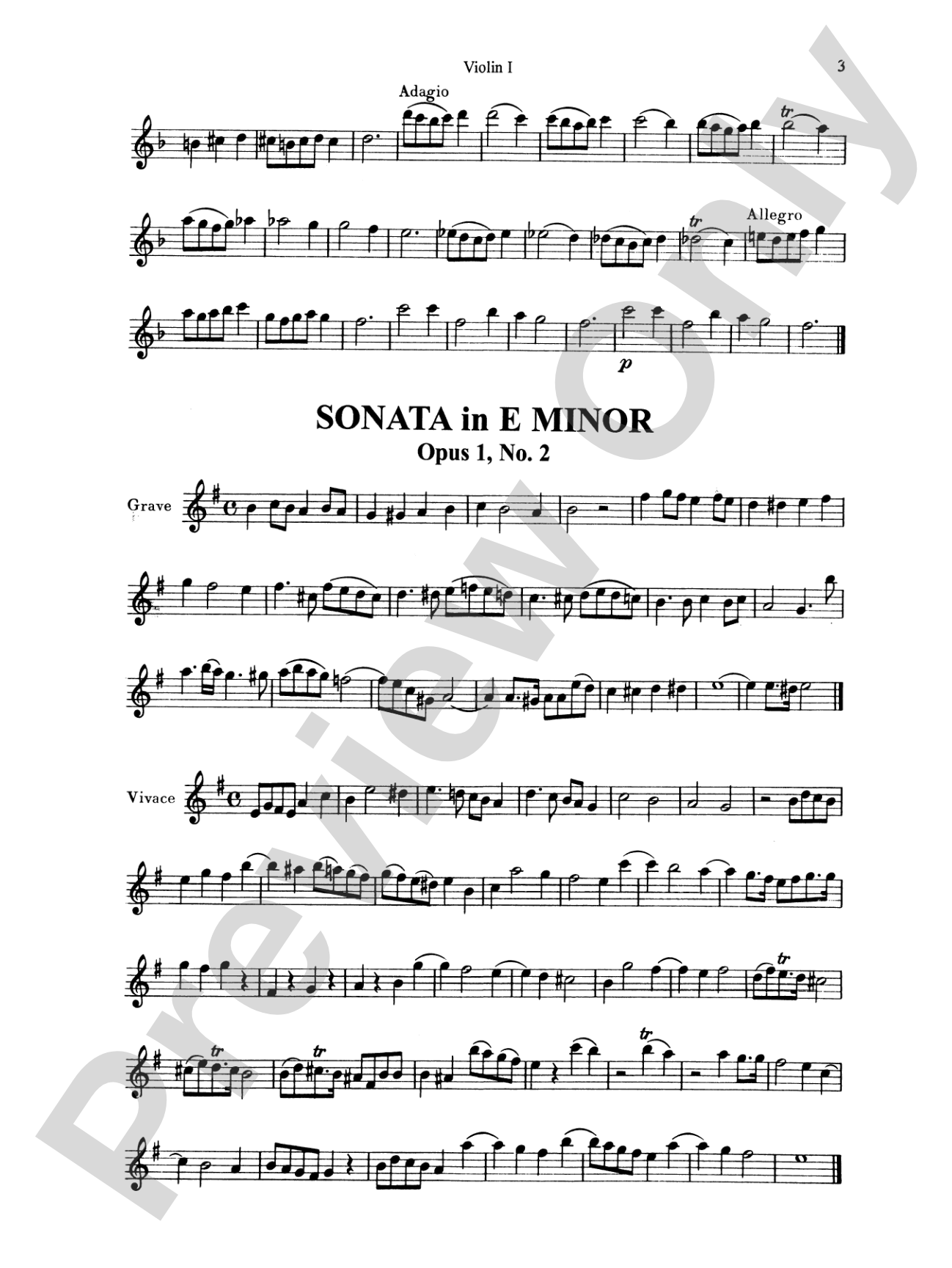

Corelli: Six Sonatas, Op. 1: Violin Book
By Arcangelo Corelli
Item: 00-PK-0002744

$9.99
Pickup currently not available
Buy Extra Parts (Digital PDF Download)
| Product | Price | Quantity |
|---|---|---|
| Corelli: Six Sonatas, Op. 1 | $0.99 | |
| Corelli: Six Sonatas, Op. 1 | $0.99 | |
| Corelli: Six Sonatas, Op. 1 | $0.99 | |
| Corelli: Six Sonatas, Op. 1 | $0.99 | |
| Corelli: Six Sonatas, Op. 1 | $0.99 | |
| Corelli: Six Sonatas, Op. 1 | $0.99 | |
| Corelli: Six Sonatas, Op. 1 | $0.99 | |
| Corelli: Six Sonatas, Op. 1 | $0.99 | |
| Corelli: Six Sonatas, Op. 1 | $0.99 | |
| Corelli: Six Sonatas, Op. 1 | $0.99 | |
| Corelli: Six Sonatas, Op. 1 | $0.99 | |
| Corelli: Six Sonatas, Op. 1 | $0.99 | |
| Corelli: Six Sonatas, Op. 1 | $0.99 | |
| Corelli: Six Sonatas, Op. 1 | $0.99 | |
| Corelli: Six Sonatas, Op. 1 | $0.99 | |
| Corelli: Six Sonatas, Op. 1 | $0.99 | |
| Corelli: Six Sonatas, Op. 1 | $0.99 | |
| Corelli: Six Sonatas, Op. 1 | $0.99 | |
| Corelli: Six Sonatas, Op. 1 | $0.99 | |
| Corelli: Six Sonatas, Op. 1 | $0.99 | |
| Corelli: Six Sonatas, Op. 1 | $0.99 | |
| Corelli: Six Sonatas, Op. 1 | $0.99 | |
| Corelli: Six Sonatas, Op. 1 | $0.99 | |
| Corelli: Six Sonatas, Op. 1 | $0.99 |
Parts Added to Cart!
Related Items
Six Sonatas, Opus 1: Violin Book |
$9.95
|
View |
Description
This new Kalmus edition offers six sonatas from Corelli's Opus 1 for two violins, piano and optional cello. All parts are included. KALMUS EDITIONS are primarily reprints of Urtext editions, reasonably priced and readily available. They are a "must" for students, teachers, and performers.


Don't just read it, hear it, play along with it, and watch your students grow with it. In MakeMusic Cloud, Corelli: Six Sonatas, Op. 1: Violin Book comes alive with professional accompaniment, adjustable tempo, and built-in practice tools that turn solo practice into real progress.
Open in the Player
Jump straight in and assign it today.
Start Your Free Trial
Open this title and explore the full library in minutes.
Sample Audio
No sample audio found.
Sample Video
No sample videos found.
Additional Details
Series:
Kalmus Edition
Publisher:
Alfred Music
Page Count:
76
SKU:
00-PK-0002744
More about this title
About the Composer: Arcangelo Corelli
Arcangelo Corelli (1653, 1713) was the architect of modern violin technique and the first composer to establish the sonata as a central form of instrumental music. His twelve opus numbers, particularly Op. 1 through Op. 6, became the foundation for violin pedagogy across Europe and remain essential study for understanding how the instrument evolved from accompaniment to protagonist.
Corelli's systematic approach to composition, clear harmonic structures, balanced phrases, and progressively challenging technical demands, made his works invaluable for both teaching and concert performance. He essentially created the template that composers like Vivaldi and later Classical masters would build upon, earning him recognition as the father of modern violin playing.
Why we love this
These sonatas sit at the intersection of technical development and genuine artistry. They demand secure intonation, independent voice leading, and secure rhythm between two violins, yet the musical content never feels like an exercise. Programming all six offers audiences a window into the architecture of Baroque formal thinking while allowing your violinists to build ensemble maturity.
What to expect
These sonatas breathe with the courtly restraint of seventeenth-century Rome, yet they pulse with genuine character and unexpected harmonic turns that keep both players engaged. The dialogue between violins feels like a conversation between equals, poised, graceful, and fundamentally human in its give-and-take.
Who it's for
Intermediate to advanced high school violinists and college students preparing for auditions or upper-level study. These sonatas are repertoire standards for chamber ensembles and solo recitals, and they develop the refined intonation and stylistic awareness required for serious string training.
How to get the most out of it
- Balance the two violin lines by listening across the room rather than to your stand partner. Corelli's writing often trades the leading voice between parts, and clarity requires awareness of the overall texture, not just your own line.
- Shape phrases by voice rather than by symmetry. These sonatas follow speech-like phrasing conventions from Italian vocal music; let the harmonic rhythm and text-based breathing patterns (even without text) guide your bow articulation and vibrato choices.
- Use the piano part as an anchor for tempo and harmonic clarity, but avoid letting it dictate the rhythm of the solo lines. Baroque chamber music breathes around a steady continuo; the violins should lead the expressive timing.
- Practice the faster passage work with a metronome at performance tempo to build security, then remove it and focus on the contrapuntal conversation. Technical command frees you to listen.
How to use it
These work beautifully in a Baroque or Italian music themed concert, either as a complete cycle of six sonatas or as selected pairs programmed between larger ensemble works. They also serve as preparation repertoire for chamber auditions and solo recitals where Corelli demonstrates command of style.
Skills your students will build
- Baroque articulation and ornamentation (appoggiature, trills, mordents)
- Intonation precision in double-stop passages and harmonic contexts
- Independent voice leading and listening to ensemble partners
- Phrasing shaped by harmonic function rather than symmetrical bar groupings
- Sonata da chiesa form (fast-slow-fast-slow structure)