

Contest Winners for Two, Book 3: 9 Original Piano Duets from the Alfred, Belwin, and Myklas Libraries: Piano Duets & Four Hands
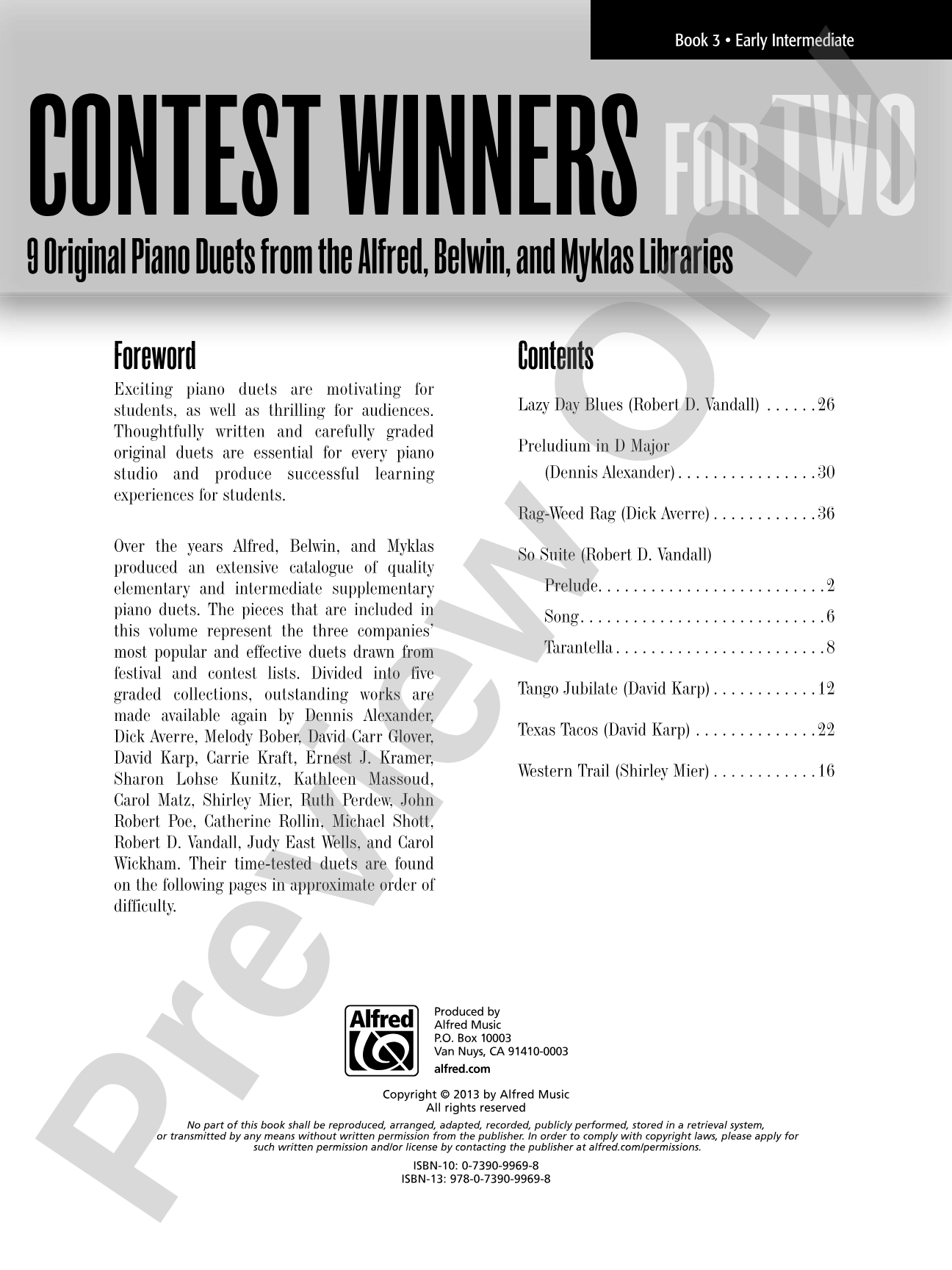
9 Original Piano Duets from the Alfred, Belwin, and Myklas Libraries
Level: Early Intermediate
Item: 00-PB-0000604

$8.50
Pickup currently not available
Related Items
Contest Winners for Two, Book 3: Piano Duet (1 Piano, 4 Hands) Book |
$8.50
|
View |
Description
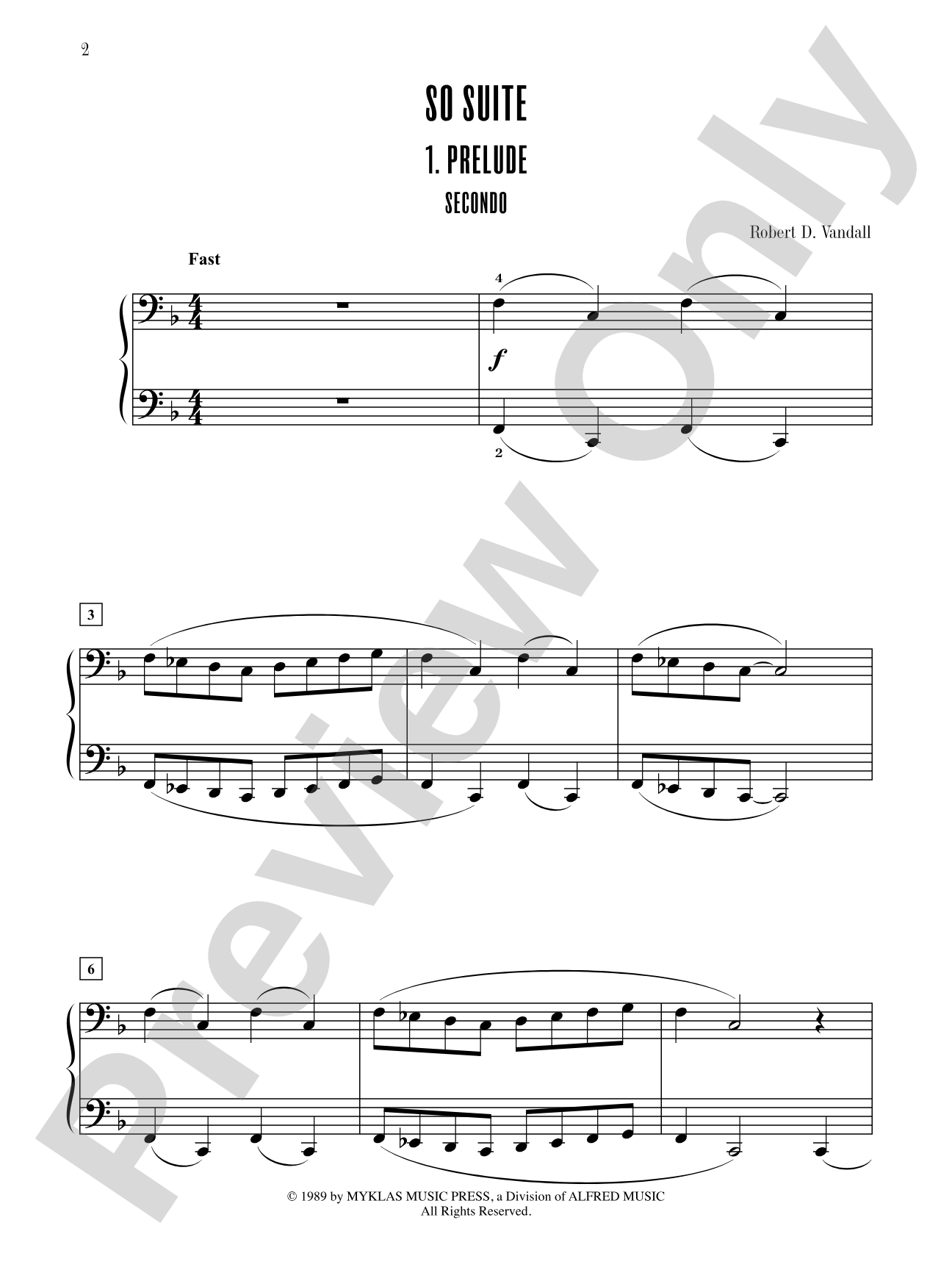
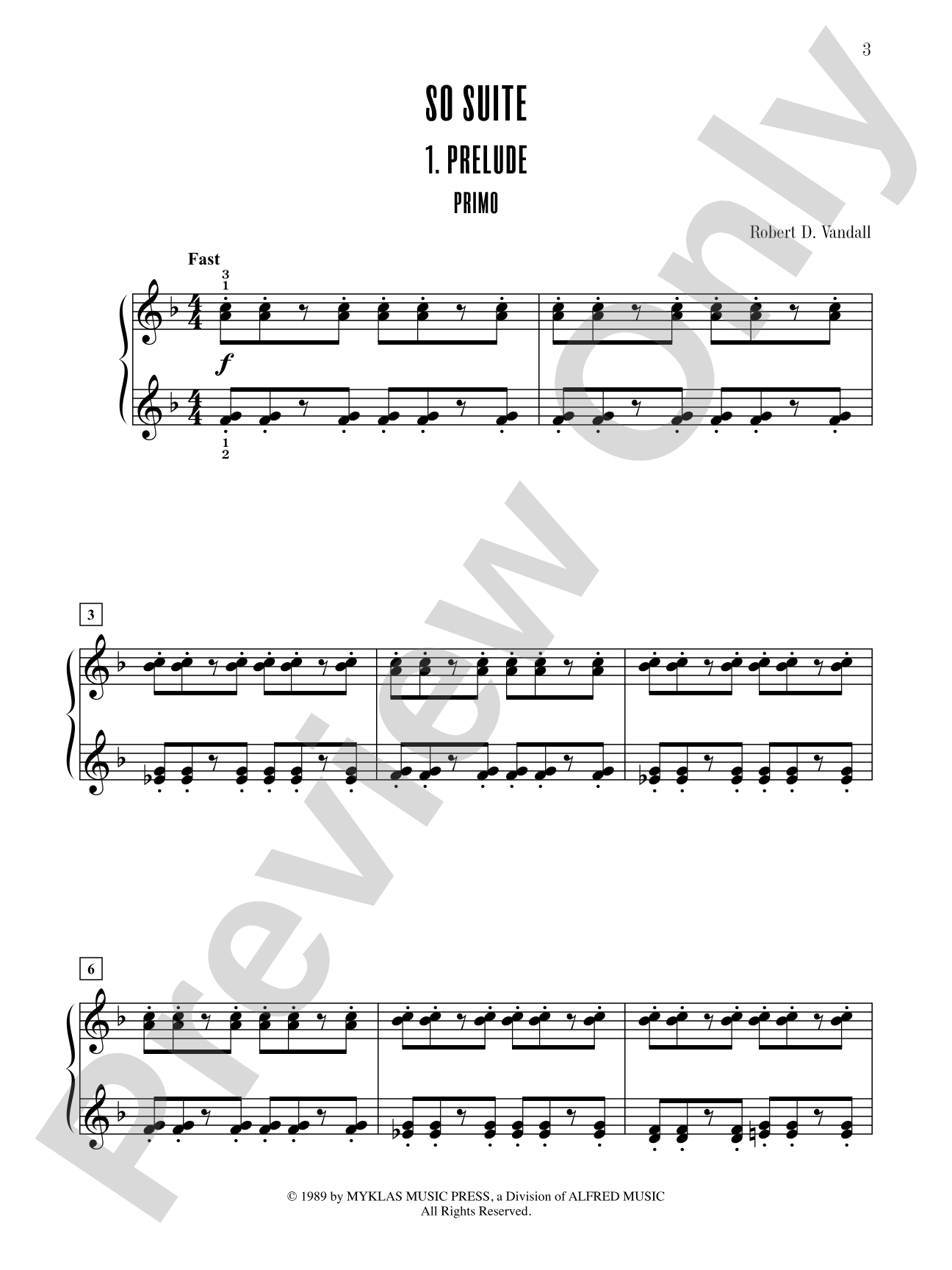
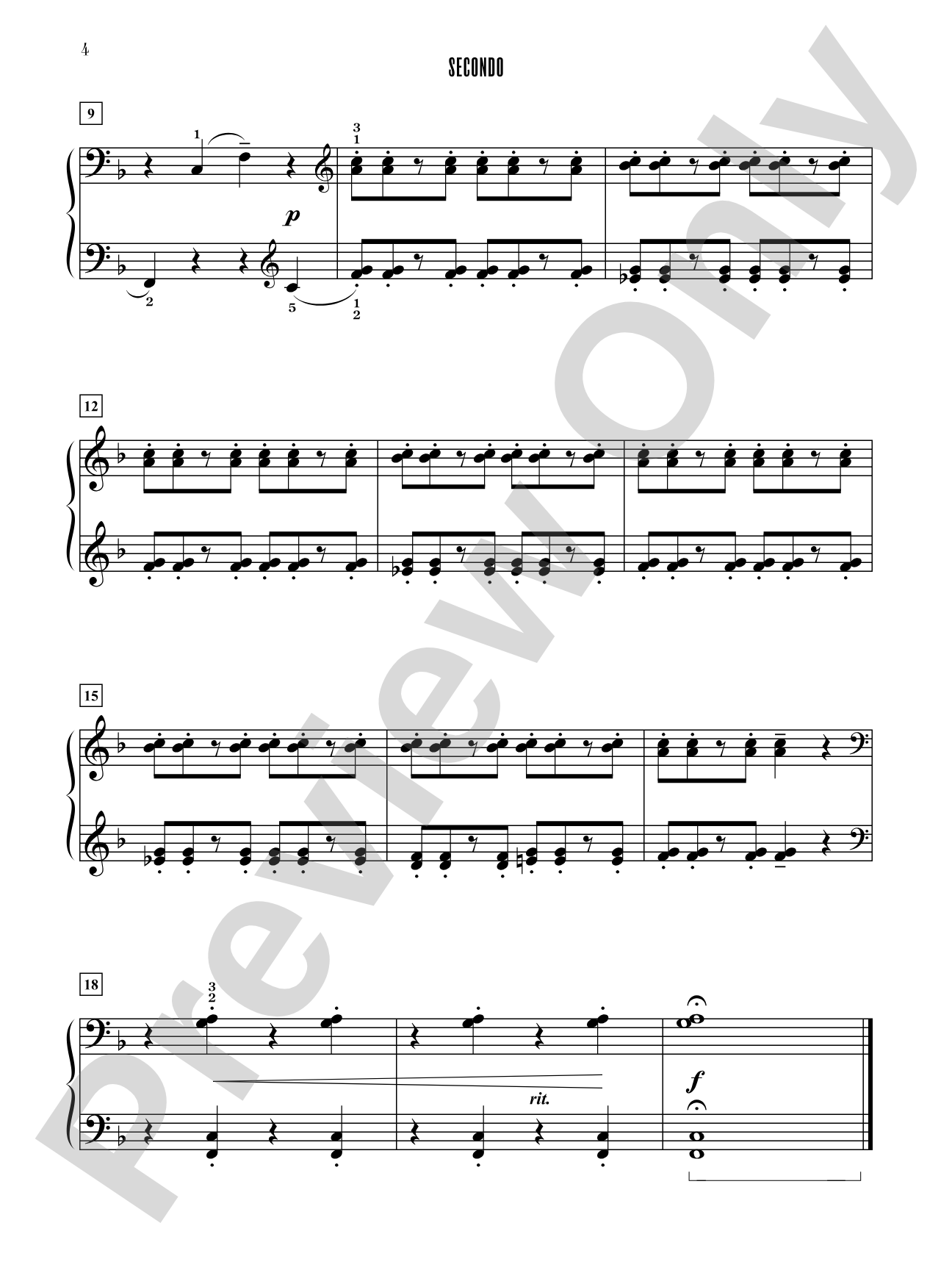
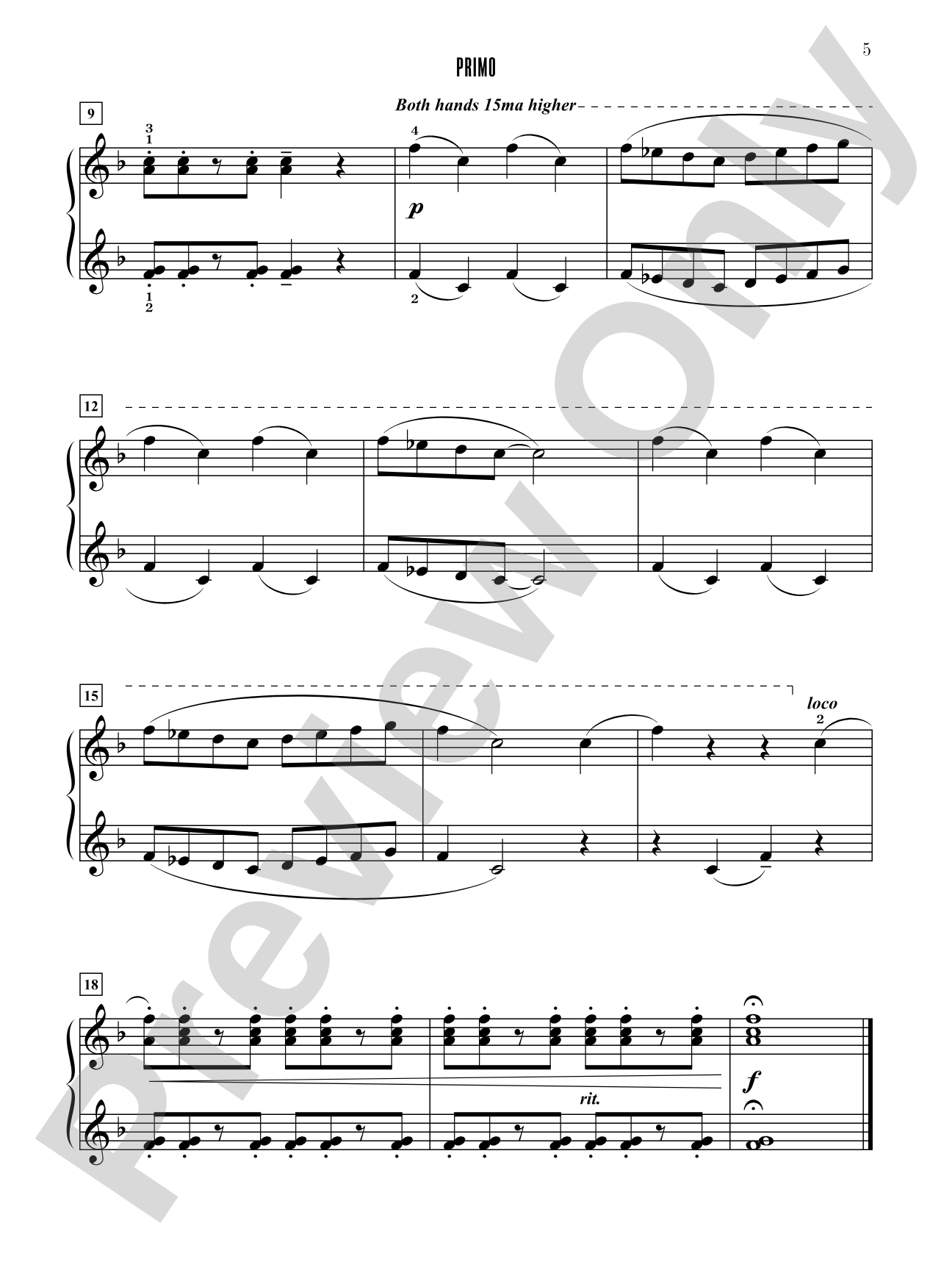
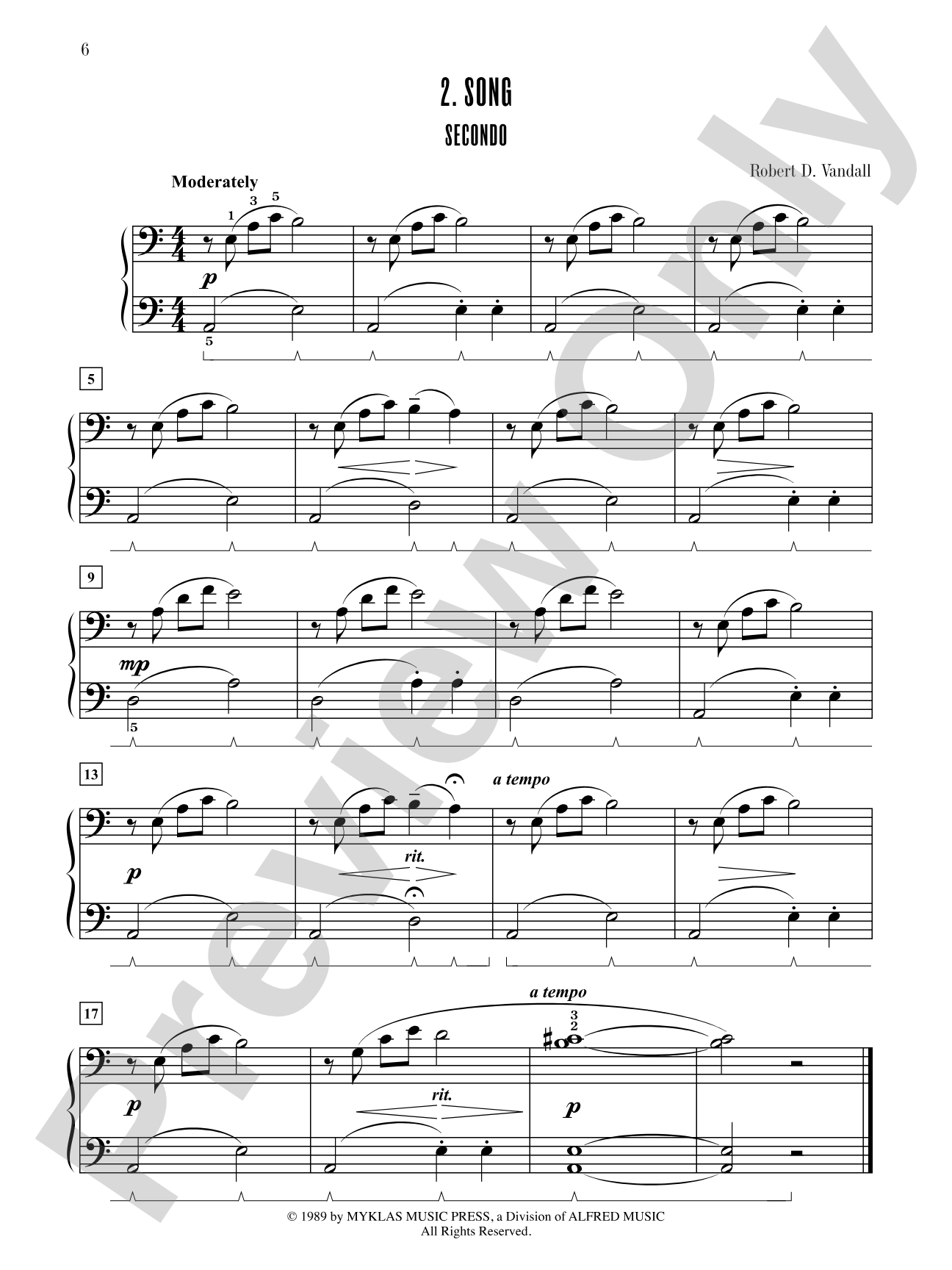
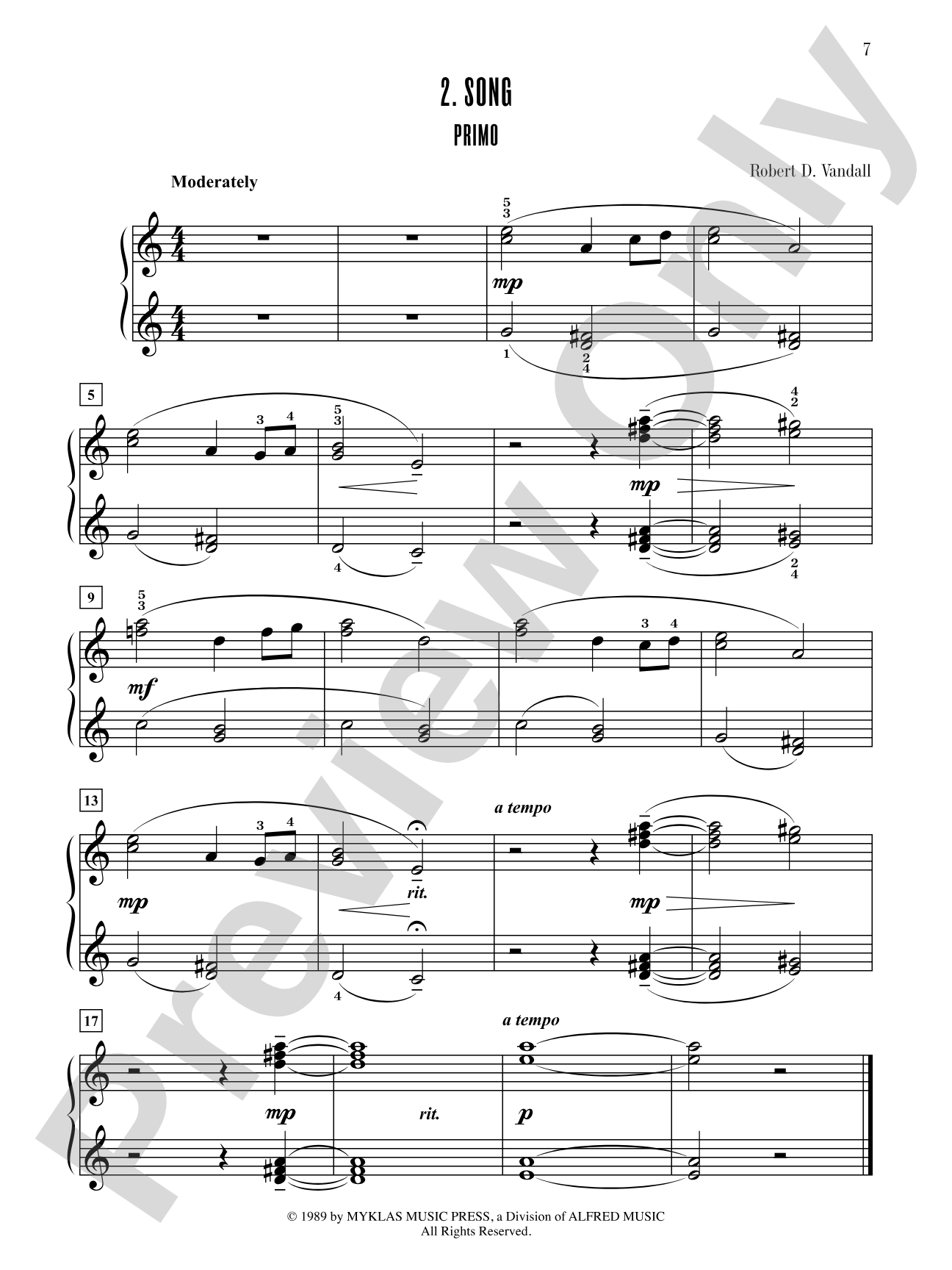
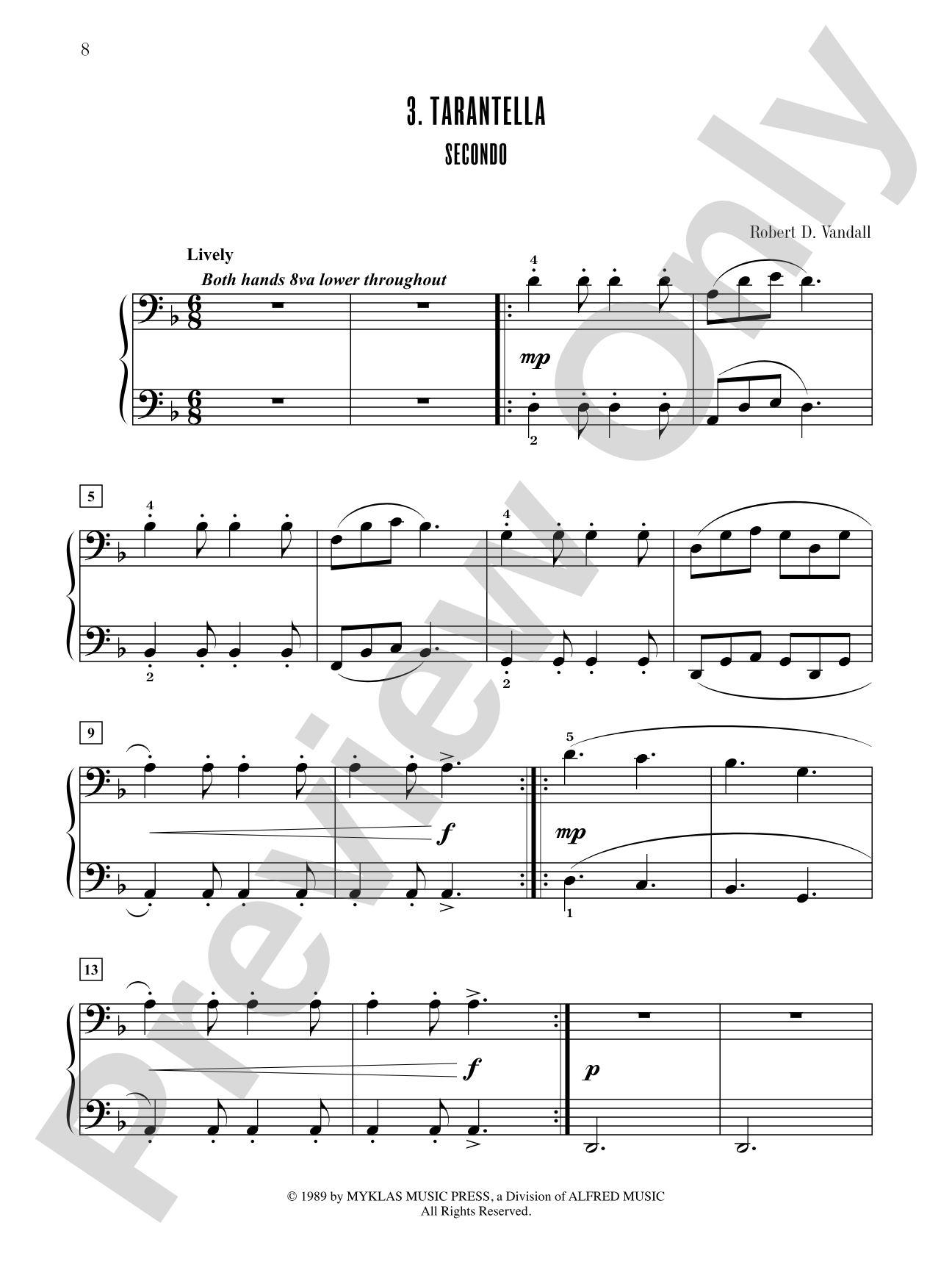
Contest Winners for Two is a series of five graded collections of original, time-tested piano duets. Over the years Alfred, Belwin, and Myklas produced an extensive catalogue of quality elementary and intermediate supplementary piano duets. The pieces that are included in this volume represent the three companies' most popular and effective duets drawn from festival and contest lists. Book 3 consists of early intermediate pieces, placed in approximate order of difficulty. Titles: Lazy Day Blues (Robert D. Vandall) * Preludium in D Major (Dennis Alexander) * Rag-Weed Rag (Dick Averre) * So Suite (Robert D. Vandall): Prelude, Song, Tarantella * Tango Jubilate (David Karp) * Texas Tacos (David Karp) * Western Trail (Shirley Mier). A Federation Festivals 2020-2024 selection.


Don't just read it, hear it, play along with it, and watch your students grow with it. In MakeMusic Cloud, Contest Winners for Two, Book 3: 9 Original Piano Duets from the Alfred, Belwin, and Myklas Libraries: Piano Duets & Four Hands comes alive with professional accompaniment, adjustable tempo, and built-in practice tools that turn solo practice into real progress.
Open in the Player
Jump straight in and assign it today.
Start Your Free Trial
Open this title and explore the full library in minutes.
Sample Audio
No sample audio found.
Sample Video
No sample videos found.
Additional Details
Series:
Contest Winners for Two
Publisher:
Alfred Music
Page Count:
40
SKU:
00-PB-0000604
More about this title
Why we love this
Alfred, Belwin, and Myklas built their reputations on duets that actually work in lessons and festivals. This collection pulls nine pieces that have proven themselves over decades, solving the real puzzle of finding early intermediate duets with distinct character and genuine musical substance rather than filler arrangements.
What to expect
A musical postcard collection. You move from the laid-back groove of Lazy Day Blues through classical courtesy in Preludium, then shift into ragtime energy, a three-movement suite, Latin flair, folk color, and Americana landscapes. Each piece establishes its own world without overshooting your students' technical reach.
Who it's for
Early intermediate students ready to explore genuine duet literature beyond exercises and arrangements. Teachers seeking contest-ready repertoire that builds confidence without overwhelming technique or adding stress to ensemble playing.
How to get the most out of it
- Balance the primo and secondo parts by listening for which hand carries the melody in each section; adjust dynamics to keep the musical line clear without burying accompaniment figures.
- Work out rhythmic alignment in pieces like Tango Jubilate before adding tempo; lock the rhythm section first, then layer in any syncopation or ornamentation.
- Record yourselves on a phone during rehearsals to catch ensemble issues you can't hear while playing; intonation and phrase shaping become obvious on playback.
- Establish a clear beat pattern with your partner using only your torso and head before you touch the keys; this prevents the tempo drift that happens when two people depend only on listening.
How to use it
Use this as your duet recital foundation or festival prep resource. The range of styles means you can program a full concert of just these nine pieces without repetition of character, or select individual titles to pair alongside your larger ensemble concerts.
Skills your students will build
- Reading and performing two independent lines simultaneously with clear melodic hierarchy
- Stylistic interpretation across blues, classical, ragtime, and Latin idioms
- Rhythmic precision in syncopated and straightforward meters without a conductor
- Dynamic balance and part awareness in four-hand writing
- Ensemble listening and tempo stability between two players