

Conquistador!: Score
By Deborah Baker Monday
Grade: 2
Item: 00-PR-0000692
$10.00
Pickup currently not available
Description
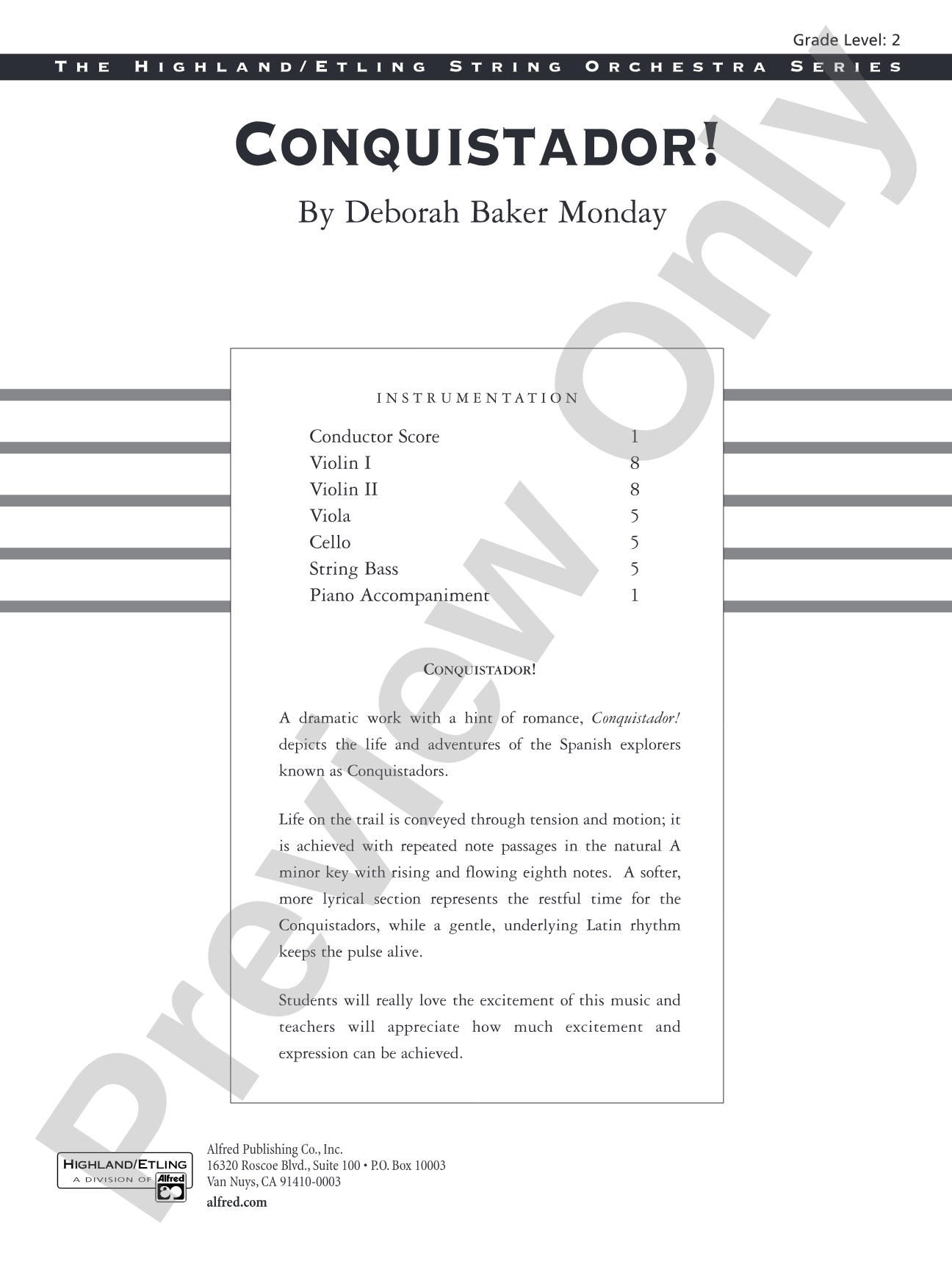
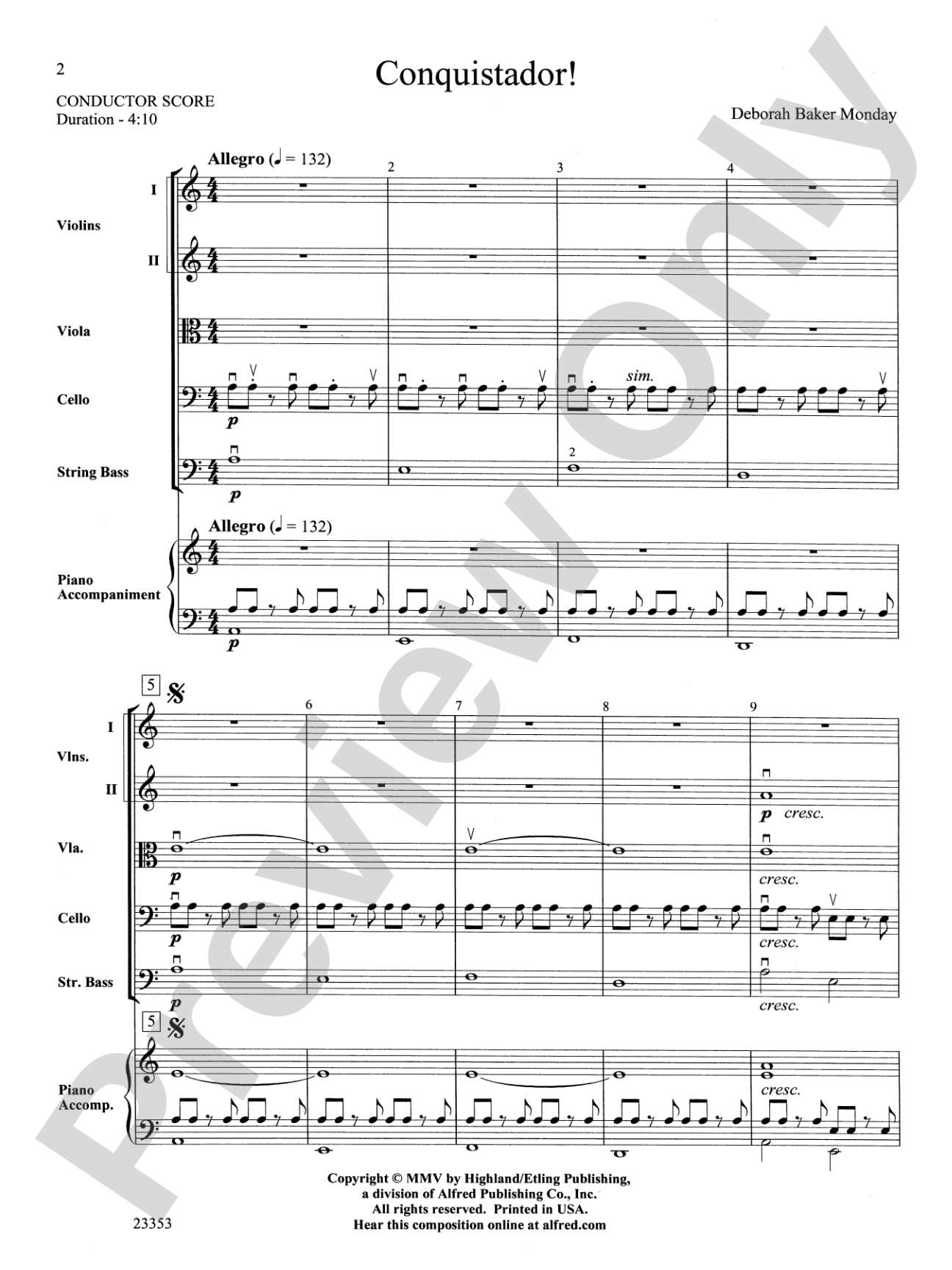
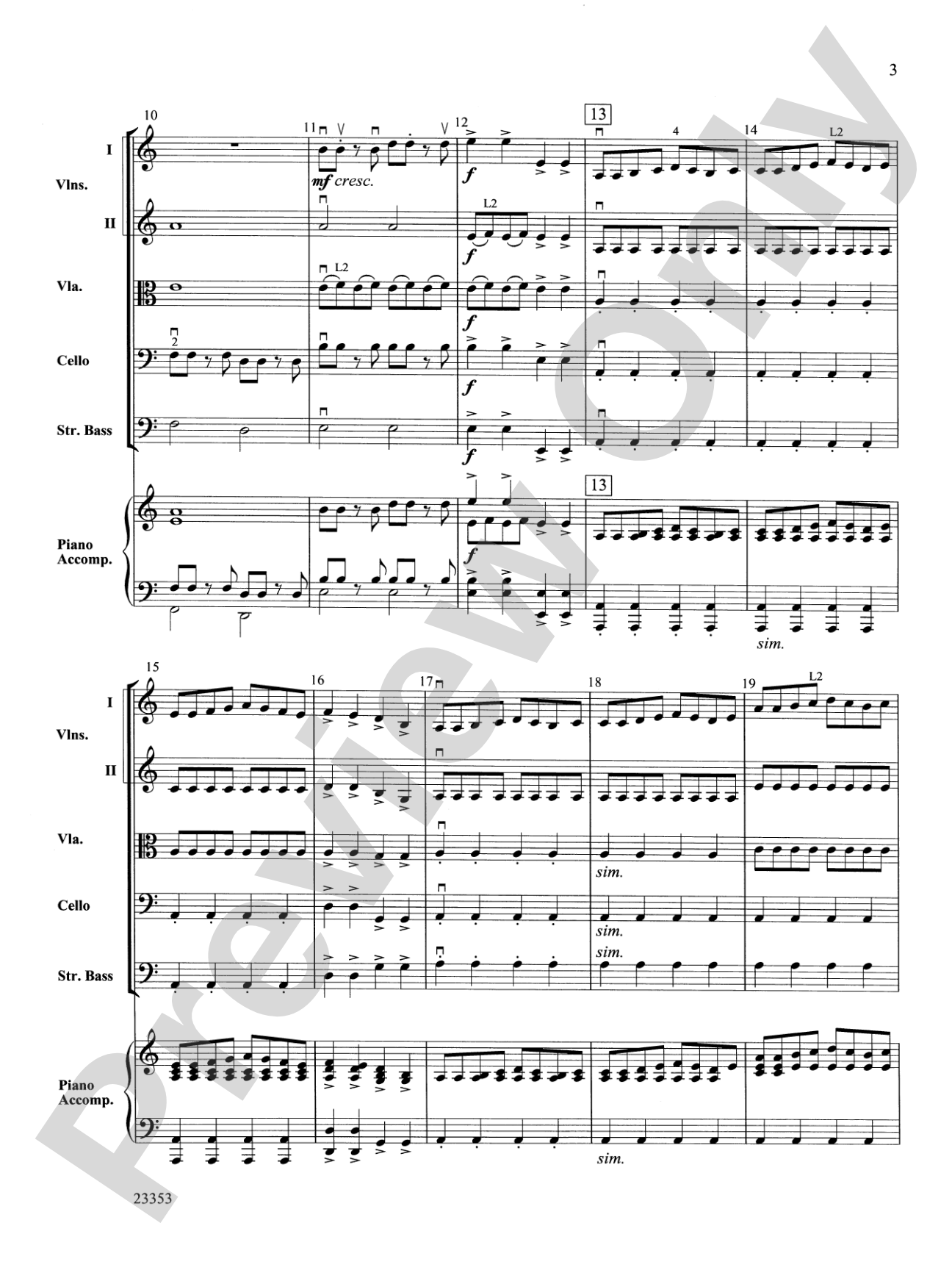
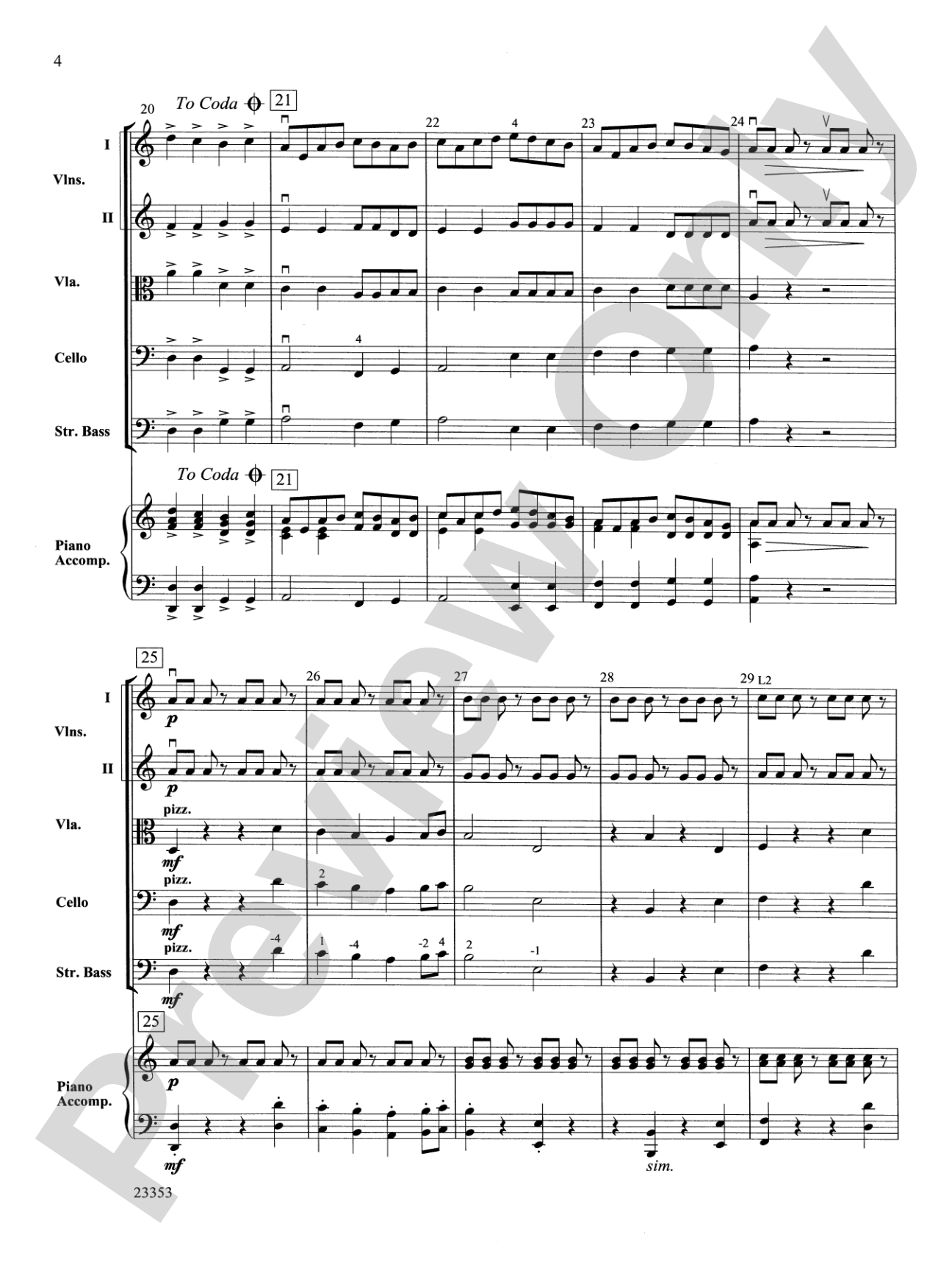
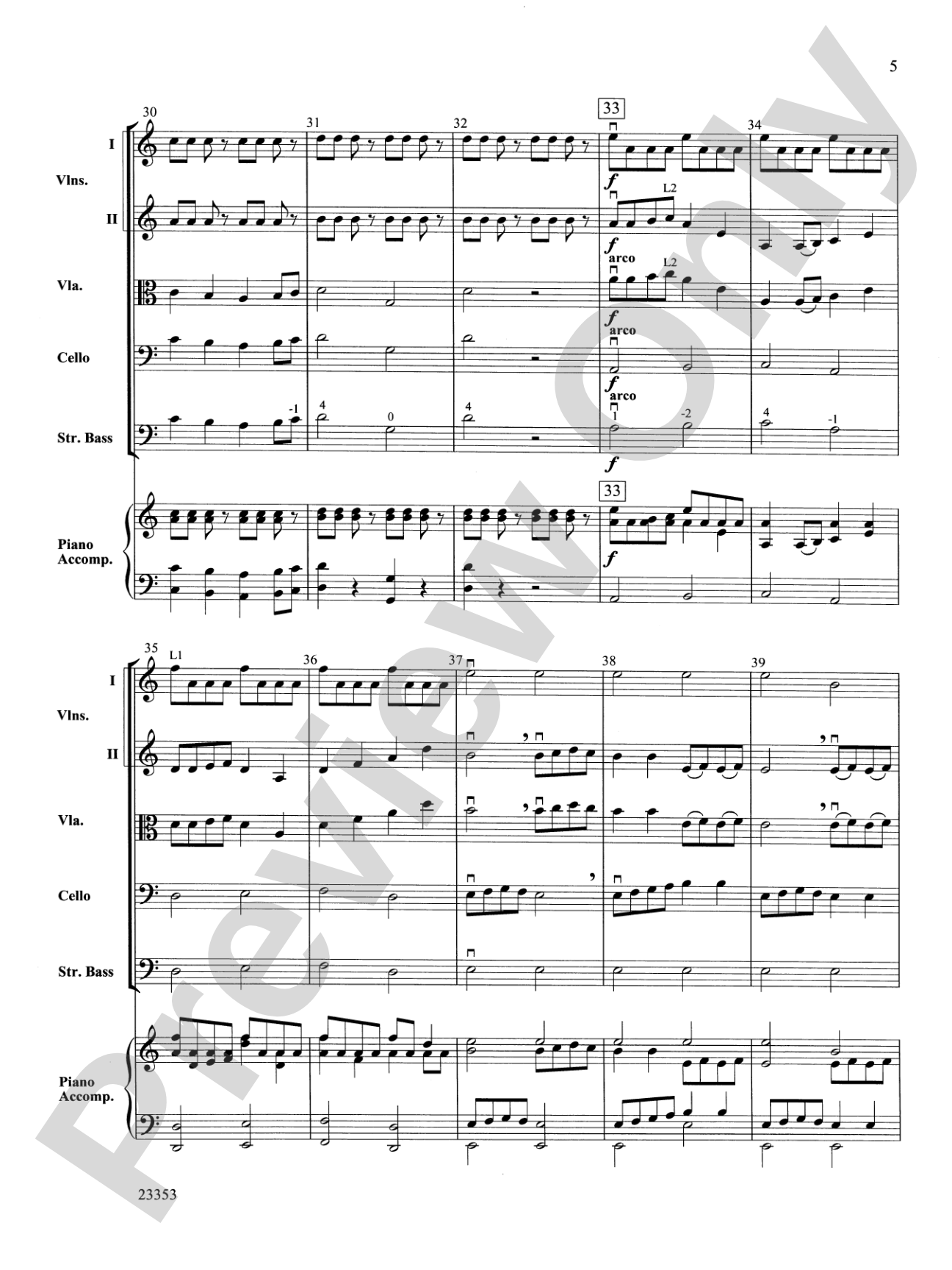
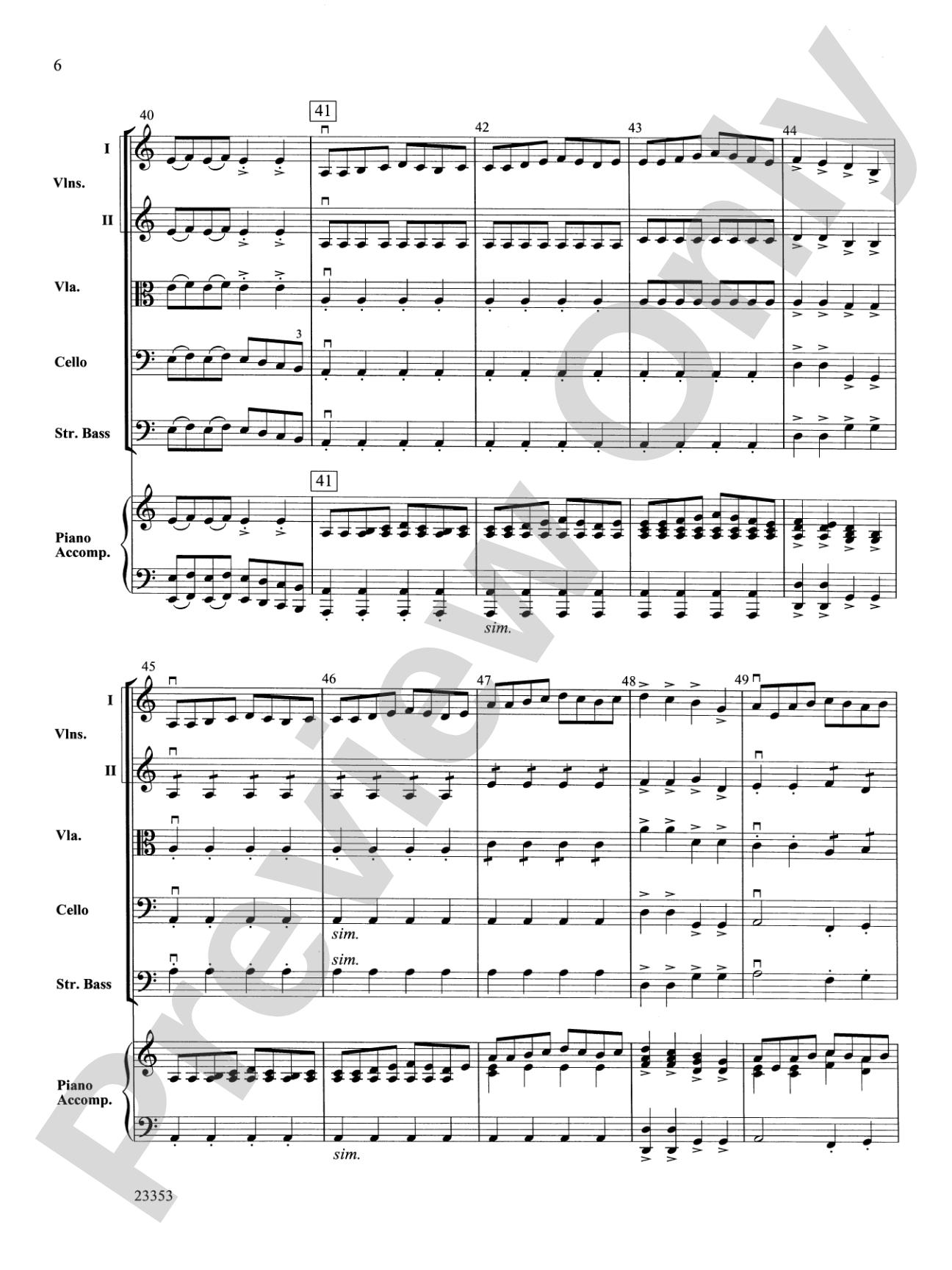
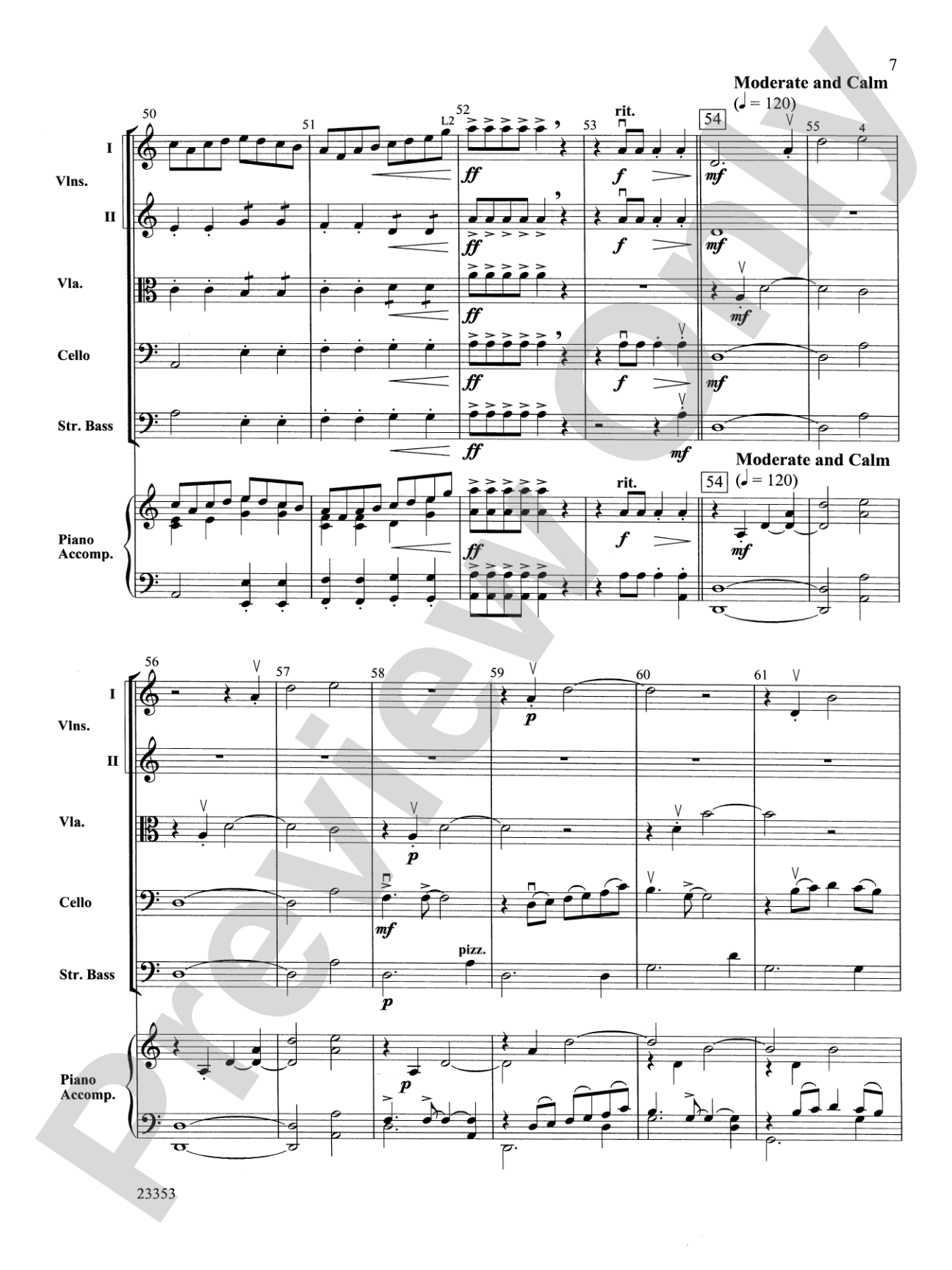
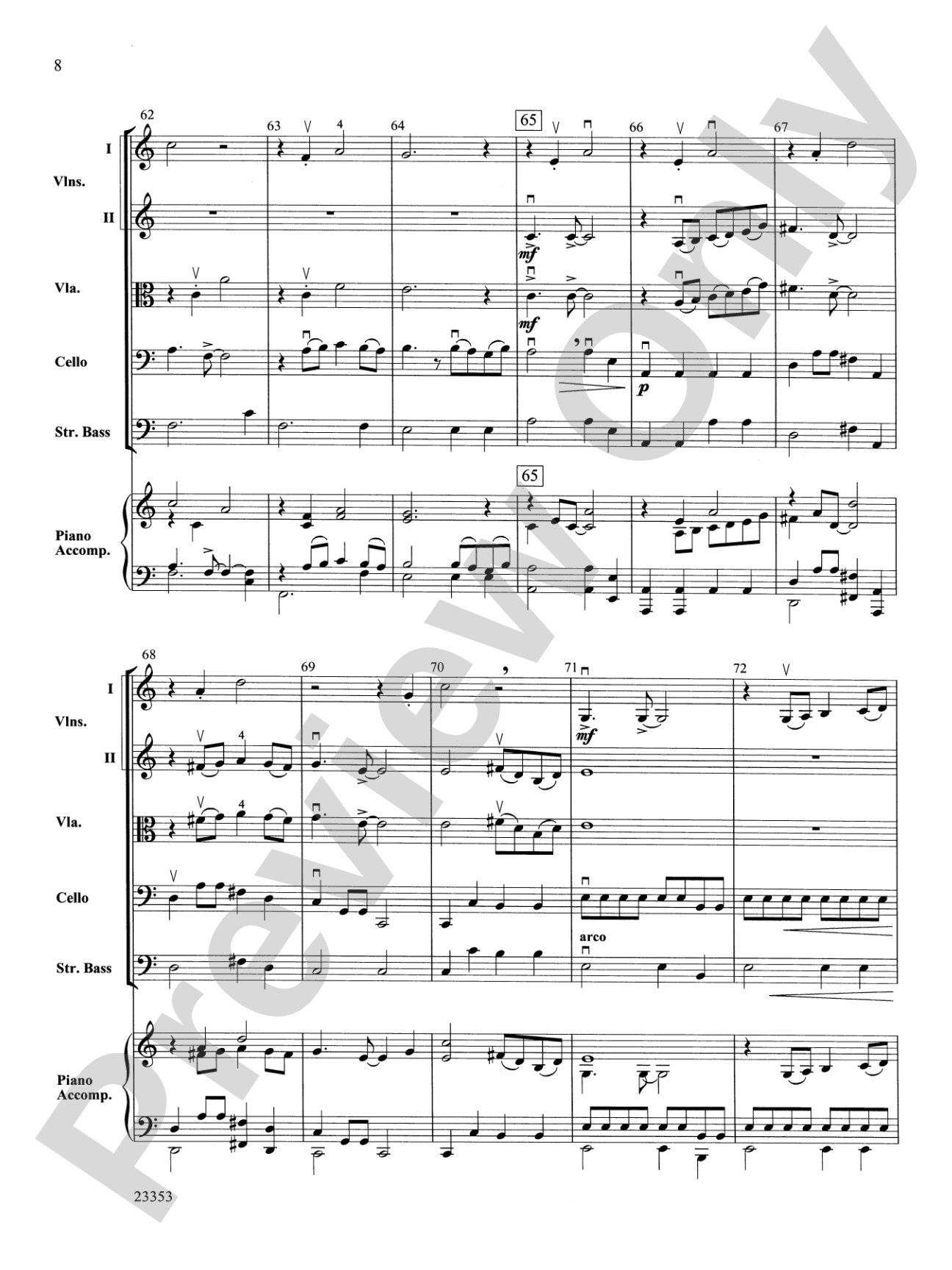
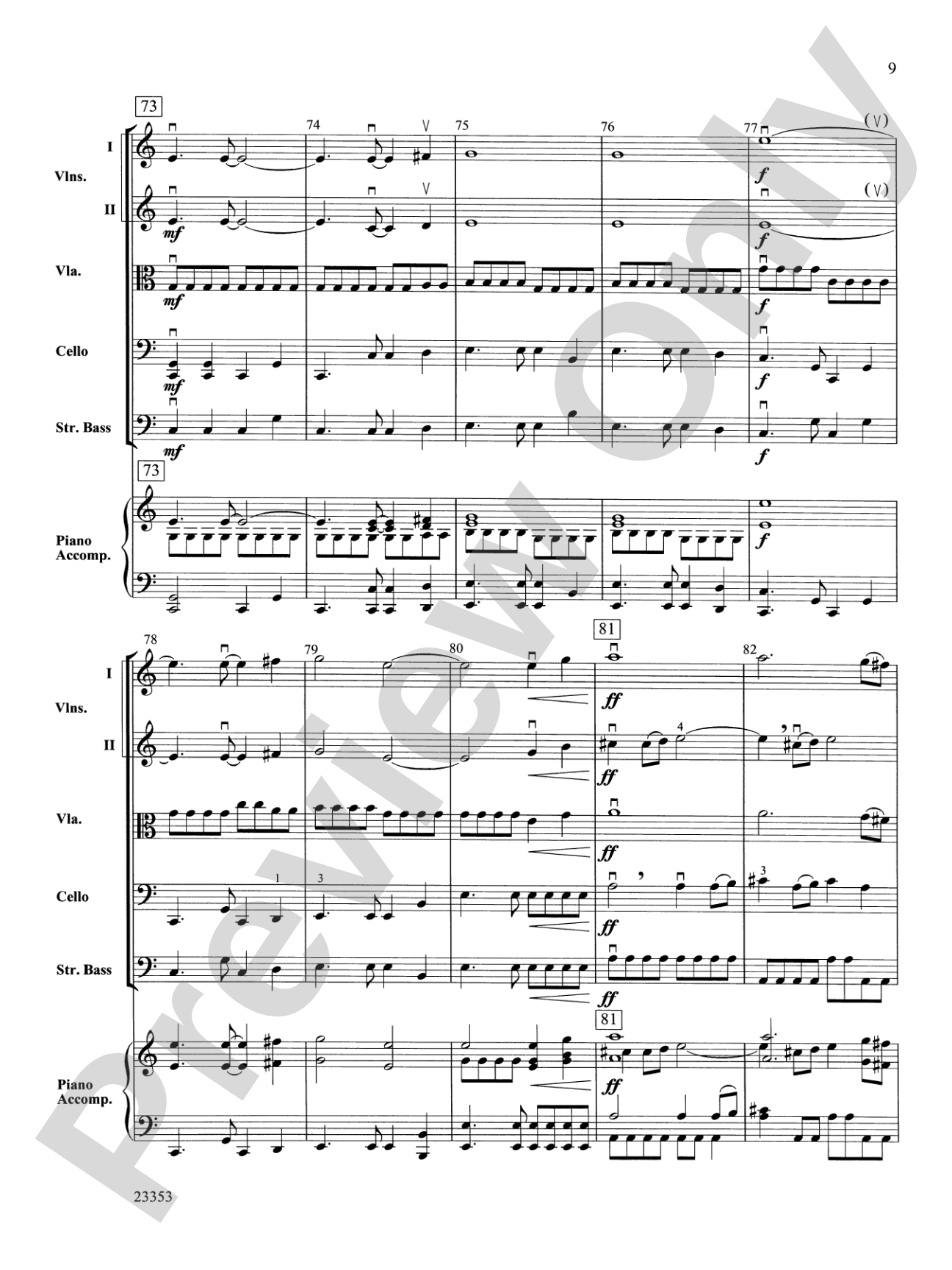
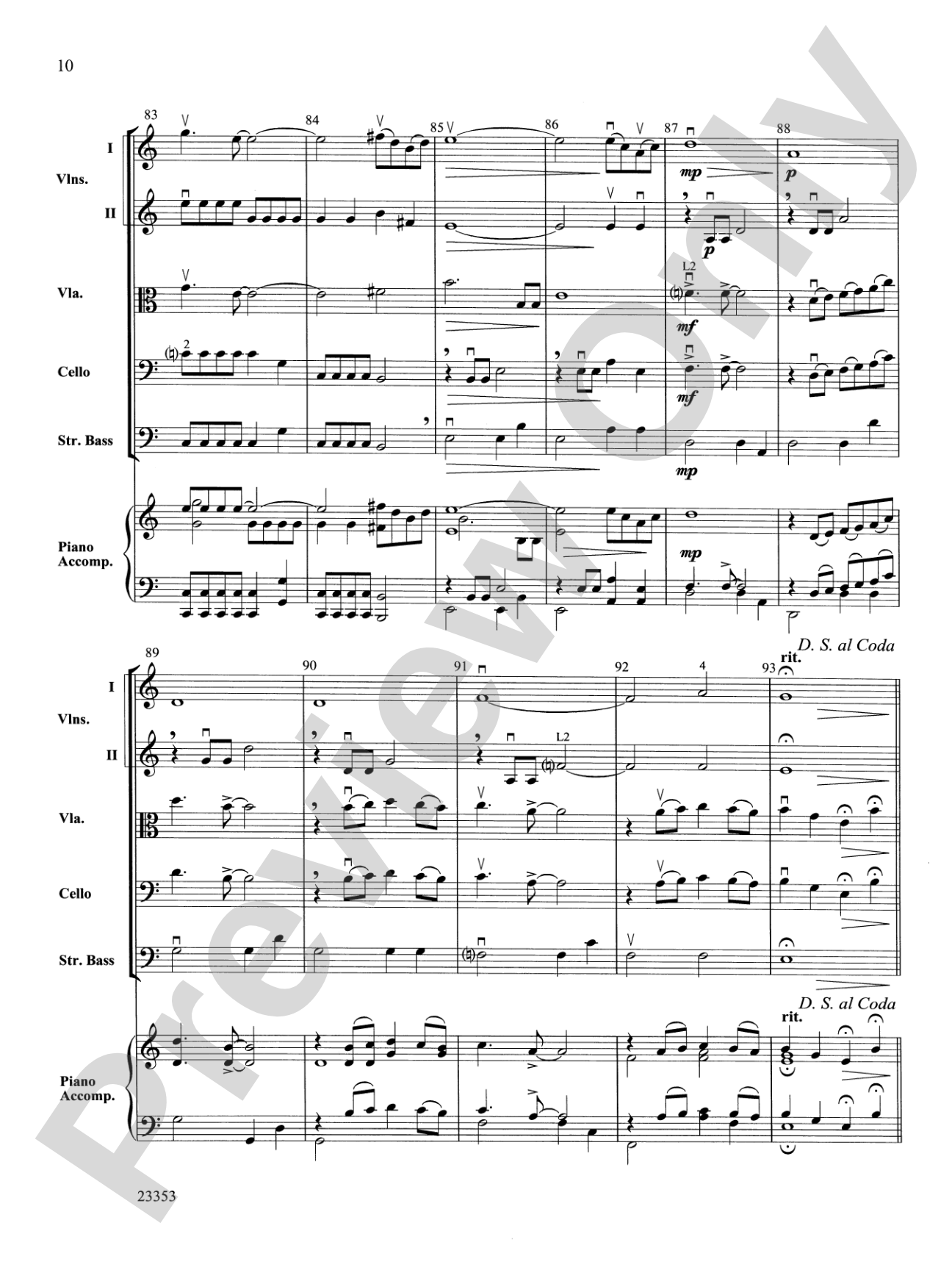
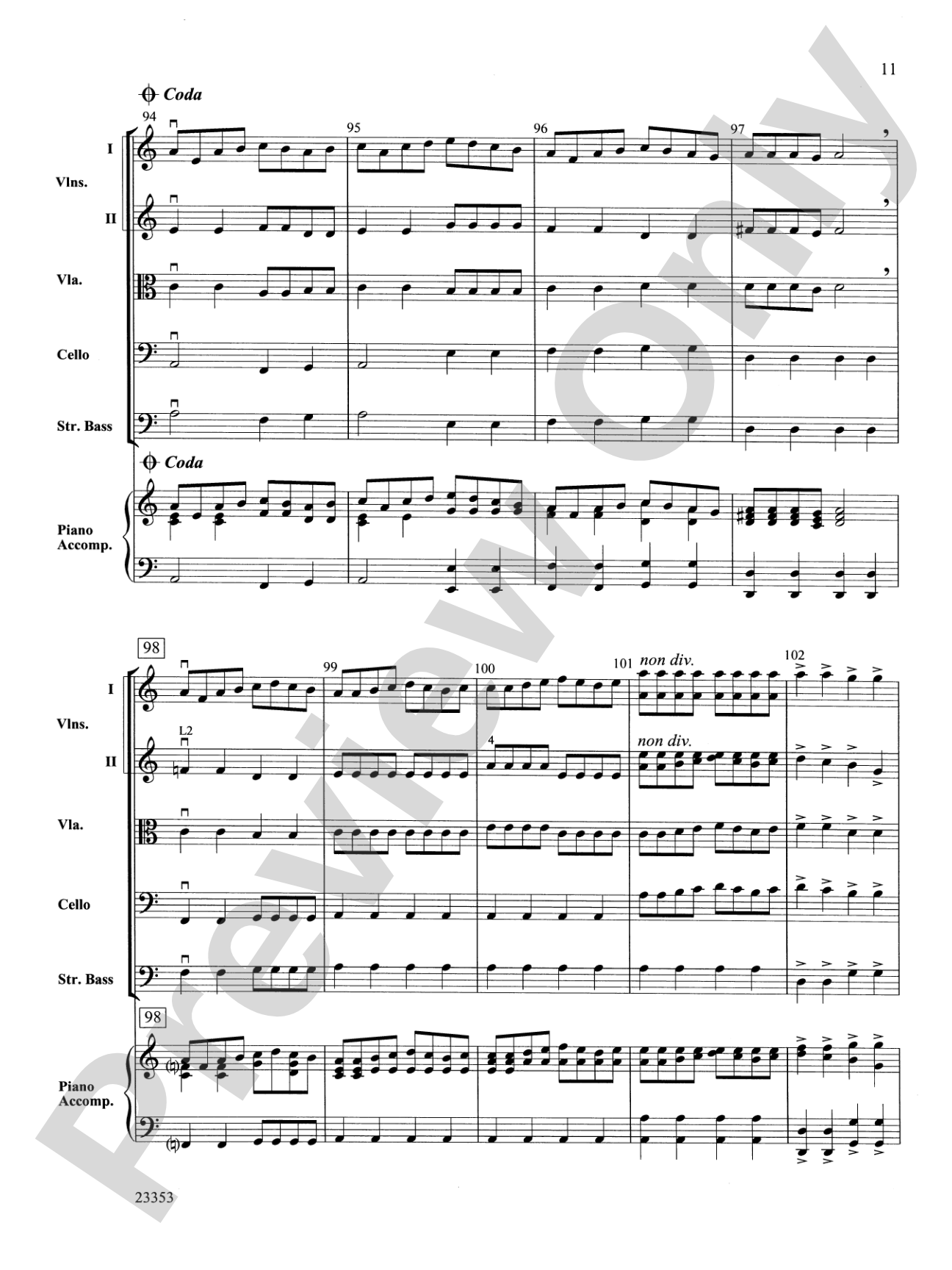
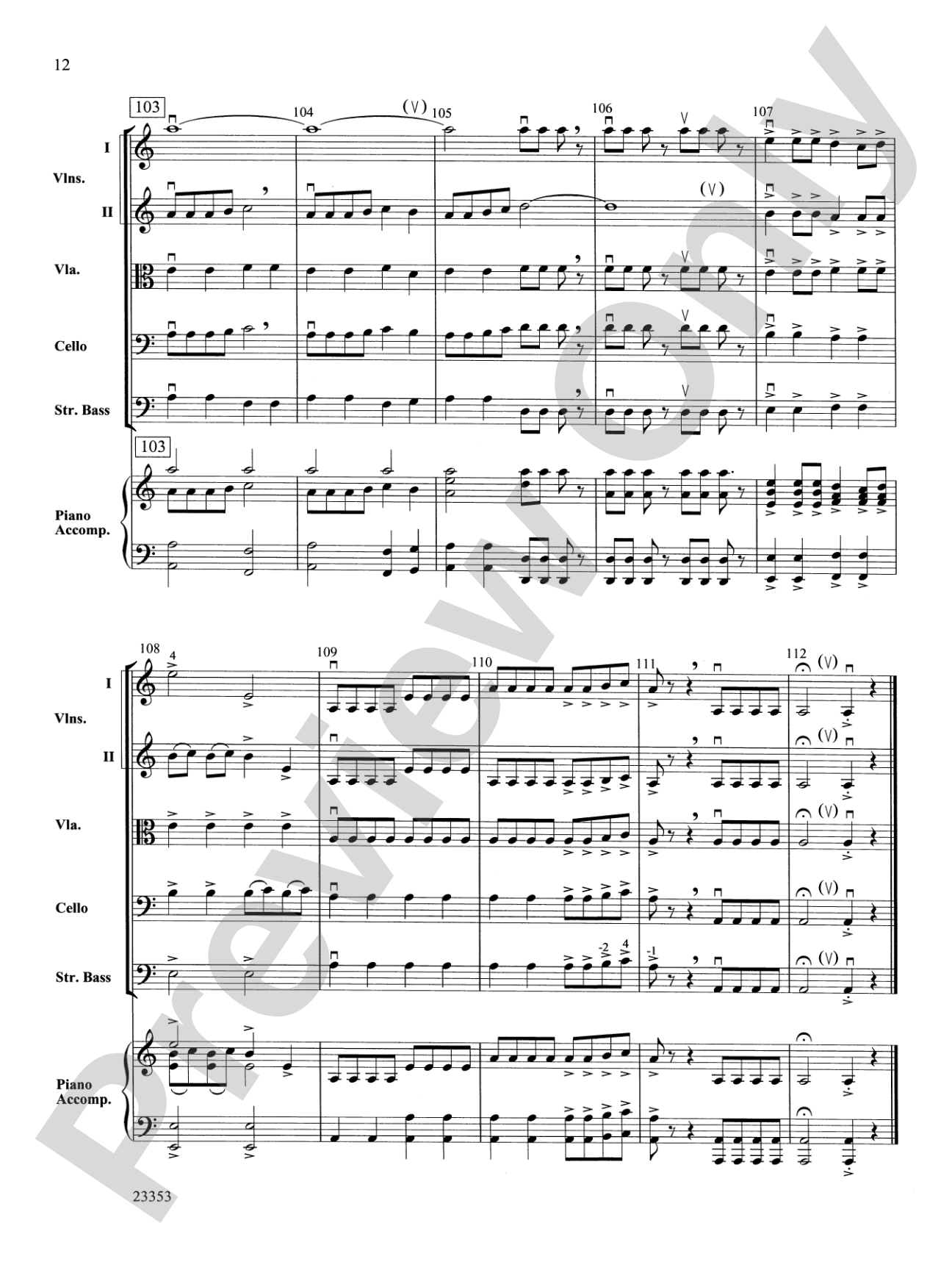
A dramatic work with a hint of romance, Conquistador! depicts the life and adventures of the Spanish explorers known as conquistadors. Repeated-note passages in A minor provide a glimpse into life on the trail, and the softer, lyrical section depicts the restful time. A great way to bring history into the music rehearsal! (4:15) This title is available in MakeMusic Cloud.


Don't just read it, hear it, play along with it, and watch your students grow with it. In MakeMusic Cloud, Conquistador!: Score comes alive with professional accompaniment, adjustable tempo, and built-in practice tools that turn solo practice into real progress.
Open in the Player
Jump straight in and assign it today.
Start Your Free Trial
Open this title and explore the full library in minutes.
Sample Audio
1
Audio File
--:--
0:00
0:00
Sample Video
Additional Details
Series:
Highland/Etling String Orchestra
Publisher:
Alfred Music
Page Count:
132
SKU:
00-PR-0000692
More about this title
About the Composer: Deborah Baker Monday

Deborah Baker Monday brought 25 years of experience to the Logan City orchestra program, where she earned recognition for her contributions to string education. She holds a B.M.E. from Florida State University, an M.M. in composition from the University of Alabama, and completed doctoral coursework at Louisiana State University. Her teachers in composition included Harold Schiffman, John Boda, Frederic Goossen, Paul Hedwall, and Dinos Constantinides.
Beyond her classroom work, Monday has maintained an active composing and arranging career, publishing over 130 works with seven publishing companies, with particular focus on educational string repertoire. She has won the UtahASTA Composition Competition twice (2006 and 2011), received commissions for her work, and presented at state conferences, national ASTA conventions, The Midwest Clinic, and the Ohio State String Teachers Workshop. She continues to serve the string education community as a guest clinician, conductor, and teaching supervisor.
Why we love this
Monday captures two distinct moods within a Grade 2 framework without sacrificing musical integrity. The repeated-note passages create rhythmic momentum and ensemble cohesion, while the lyrical section offers a genuine contrast that students can shape musically. The programmatic context makes this piece natural for interdisciplinary programming and keeps players invested in their parts.
What to expect
The journey feels immediate and tangible. Rhythmic, driving passages evoke the labor and determination of exploration, while a contrasting lyrical section provides moments of beauty and repose. The orchestration is clear and accessible without feeling thin, letting each voice matter.
Who it's for
String orchestra conductors at the Grade 2 level who want repertoire that connects music to social studies or history units. This piece works equally well for festival and contest environments, offering the right balance of accessibility and musical substance for developing orchestras.
How to get the most out of it
- Shape the repeated-note passages with dynamic control rather than treating them as purely mechanical. Grade 2 orchestras can achieve clarity and purpose in these sections by attending to articulation and bow direction rather than speed.
- Balance the transition into the lyrical section by adjusting ensemble sound from rhythmic precision to sustained tone production. Have string players think about the 'restful' quality mentioned in the score and adjust vibrato accordingly.
- Use the programmatic journey as a rehearsal tool. Discuss the historical context briefly with students, then ask them to listen for where the music shifts from 'on the trail' to 'at rest.' This engages their ears and makes the form memorable.
- Record a sectional run-through of the repeated-note passages to help students hear how their part contributes to the overall texture and build confidence in their rhythmic accuracy.
How to use it
Program this alongside other Grade 2 repertoire that contrasts in mood or instrumentation to create varied concert pacing. The programmatic content makes it a natural choice for theme-based concerts (exploration, world cultures, or history) or as a bridge piece between educational and performance-focused selections on a festival program.
Skills your students will build
- Reading repeated rhythmic figures with articulation clarity
- Sustaining longer note values and managing vibrato in lyrical passages
- Responding to programmatic context and musical narrative while playing
- Balancing sectional responsibility within full orchestra texture
- Managing dynamic and tonal contrast between contrasting sections