Concone: Fifteen Studies in Style and Expression, Op. 25 Sheet Music Preview

Concone: Fifteen Studies in Style and Expression, Op. 25

By Giuseppe Concone

Item: 00-PC-0006210

Digital Download
$0.99
Description
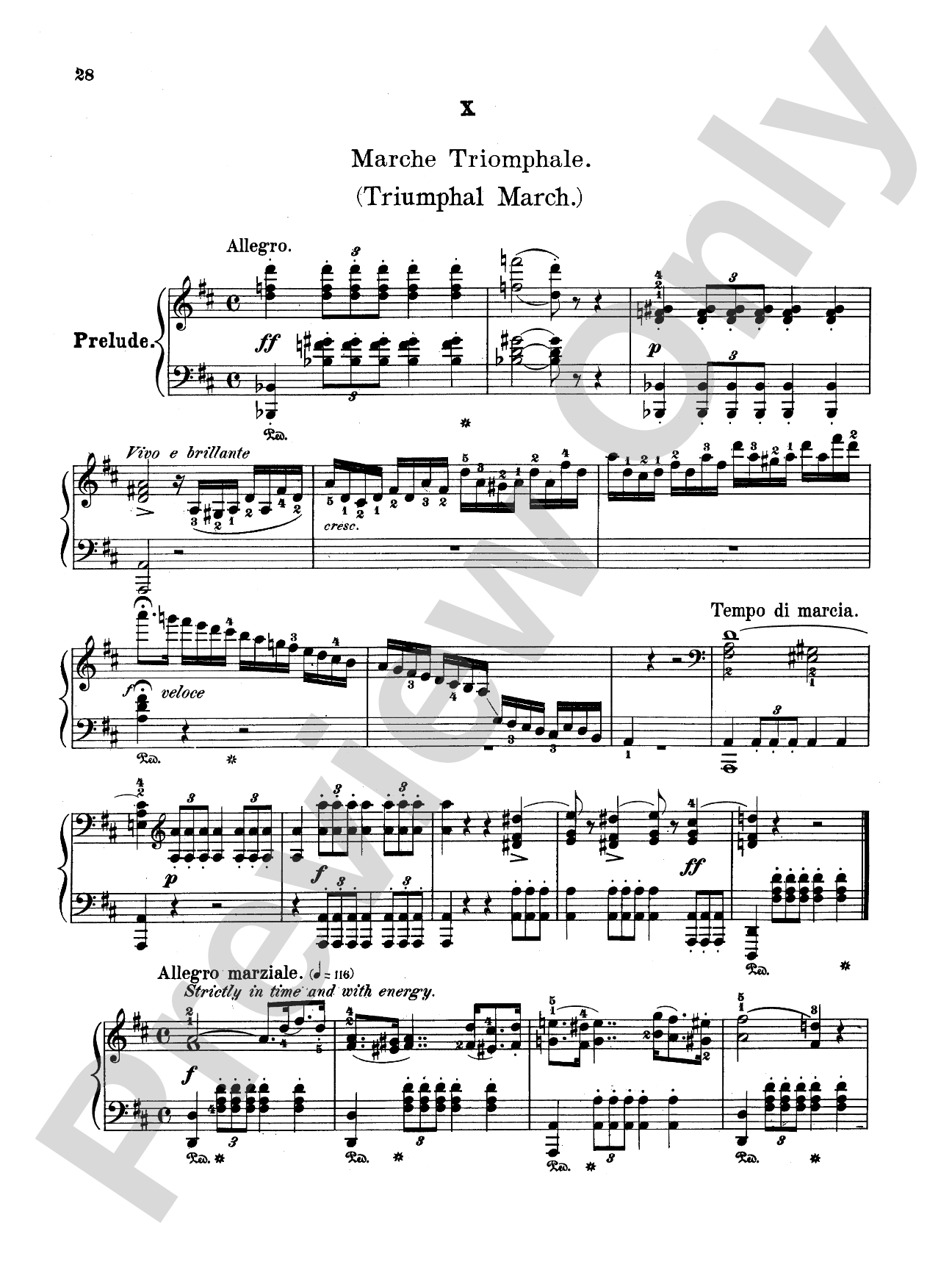
Giuseppe Concone (1801-1861) was an Italian choral director, originally from Turin, Italy. This collection of 15 Studies in Style and Expression, Opus 25, will be especially appropriate for the early advanced pianist in developing appropriate expression and interpretation. Includes: Anxiety * The Archer's Patrol * Butterflies * Departure * Fairy Tale * Melancholy * Murmuring Leaves * The Phantast * Prayer * The Reapers * Reverie * Robin Redbreast * Starry Night * The Swallow * Sweet Memories * Triumphal March * The Waves.

Don't just read it, hear it, play along with it, and watch your students grow with it. In MakeMusic Cloud, Concone: Fifteen Studies in Style and Expression, Op. 25 comes alive with professional accompaniment, adjustable tempo, and built-in practice tools that turn solo practice into real progress.

Sample Audio
No sample audio found.
Sample Video
Additional Details
Series: Kalmus Edition
Publisher: Alfred Music
Page Count: 48
SKU: 00-PC-0006210

More about this title

About the Composer: Giuseppe Concone

Giuseppe Concone (1801-1861) was an Italian choral conductor and composer whose pedagogical works remain essential in vocal and keyboard training. Though primarily known for his contributions to vocal repertoire, Concone's instrumental studies demonstrate his deep understanding of expressive musicianship and technical development.

Working in Turin during the height of the Romantic era, Concone created music that bridges classical structure with the emotional language of his time. His studies prioritize musical character and interpretive nuance alongside technical facility, reflecting the values of a musician equally invested in conducting singers and developing thoughtful interpreters.

Why we love this

These studies feel less like technical exercises and more like musical character sketches. Each piece has a distinct personality (Anxiety, Reverie, Triumphal March) that requires real interpretive choices, making them ideal for pianists ready to move beyond mechanics into genuine expression. The collection rewards careful listening and rereading in ways that keep students engaged across all fifteen movements.

What to expect

These studies inhabit the emotional landscape of Romantic lyricism without excessive virtuosity. Moving from Anxiety through Reverie, Departure, and into Triumphal March creates a journey through miniature character studies that feel intimate yet fully realized. The writing balances elegant melodic lines with harmonic color and rhythmic variety.

Who it's for

Early advanced pianists ready to develop expressive interpretation alongside technical security. This collection is ideal for students who have solid fundamentals but need guided experience in making meaningful musical choices within structured pieces.

How to get the most out of it

  • Pay attention to the piece titles as interpretive guides. Each study has a specific emotional or narrative identity that should inform your tempo choices, pedal usage, and dynamic shaping.
  • Work with a metronome early, then gradually free the pulse to match the emotional content of each movement. Concone builds freedom through precision, not around it.
  • Explore different pedal combinations rather than holding the sustain pedal throughout. These pieces benefit from selective coloring that changes as harmonies shift.
  • Record yourself regularly across the collection. Hearing pieces back to back reveals how well you're differentiating character between movements and helps identify interpretive habits.

How to use it

Consider programming one or two contrasting studies as recital openers or transitions between larger works. A student performing in concerto series might use a single study as an encore, or a teacher might sequence different pieces across a studio recital to showcase expressive range. The collection also works well for monthly lesson-end performances that keep momentum building throughout a year.

Skills your students will build

  • Interpreting programmatic titles and emotional content into musical choices
  • Developing independence between hands in Romantic-era textures
  • Shaping phrases with attention to harmonic rhythm and melodic contour
  • Selective use of pedal for color and resonance rather than wash
  • Building musical personality and expressive variety across a collection

You May Also Like