

Concerto Romantique: In Three Movements for Solo Piano with Piano Accompaniment - Piano Duo (2 Pianos, 4 Hands): Piano Duets & Four Hands
In Three Movements for Solo Piano with Piano Accompaniment
By Catherine Rollin
Level: Intermediate
Item: 00-PS-0016204

$9.99
Pickup currently not available
Related Items
Concerto Romantique: Piano Duo (2 Pianos, 4 Hands) Sheet (2 copies required) |
$9.95
|
View |
Description
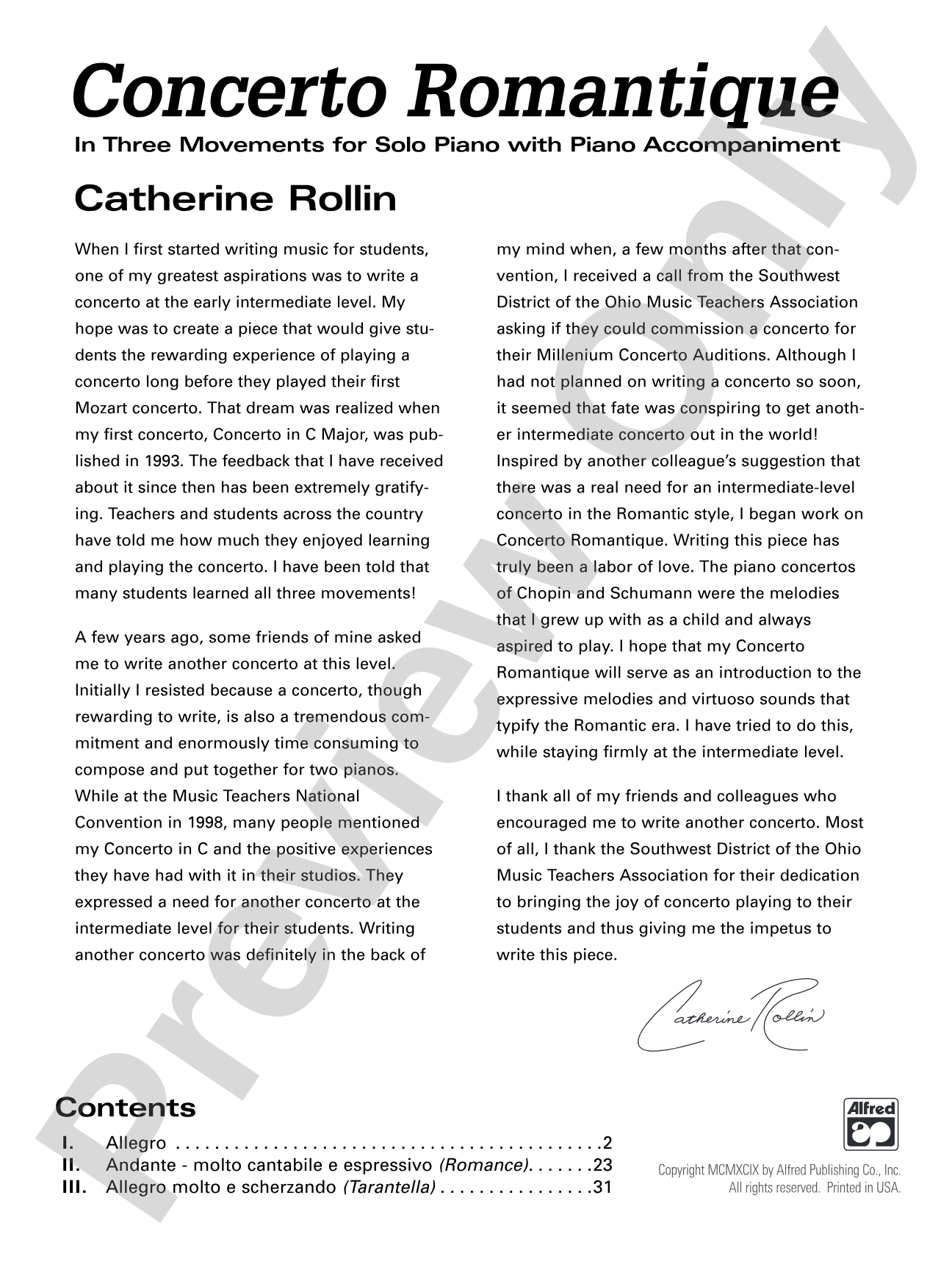
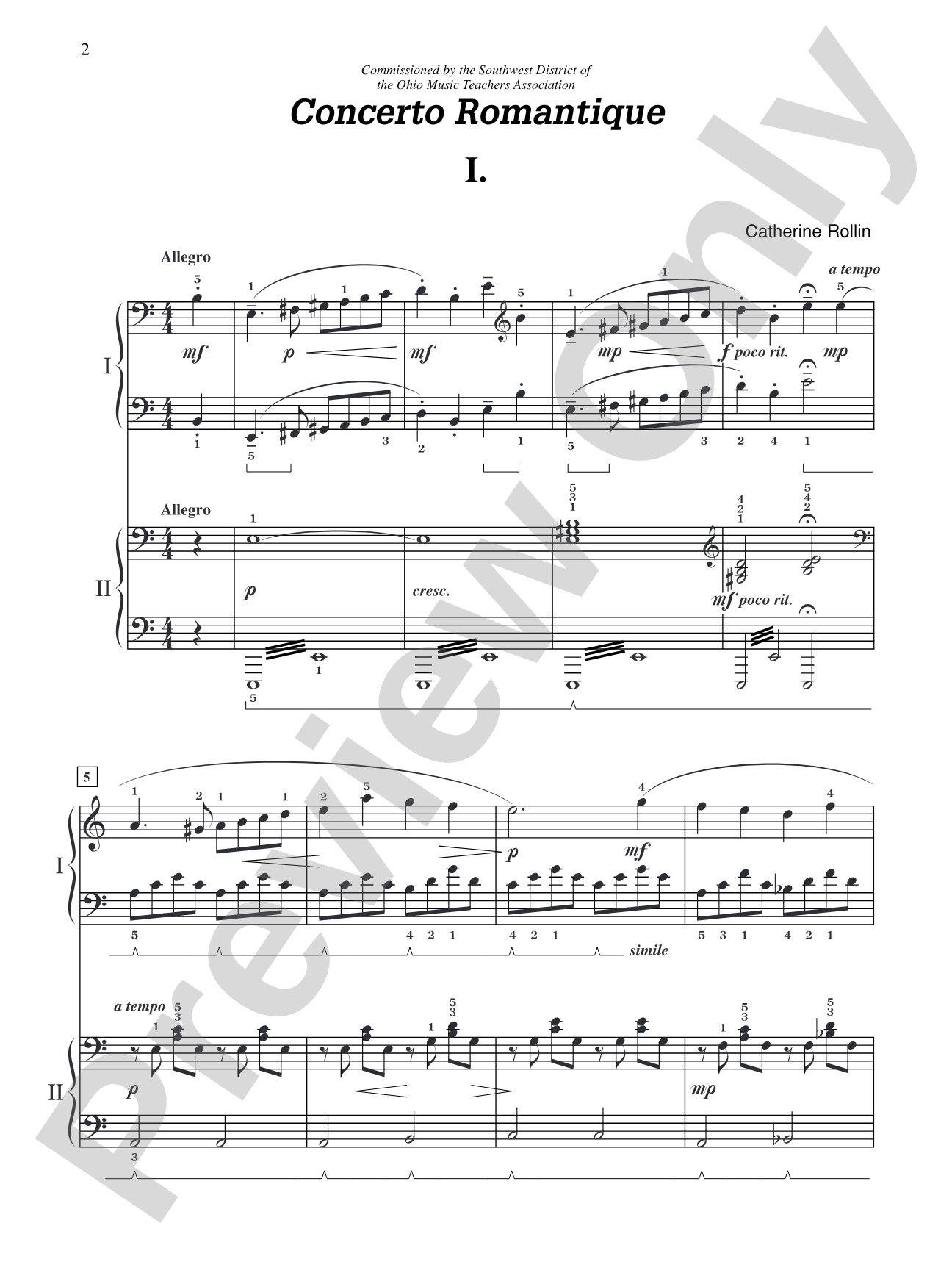
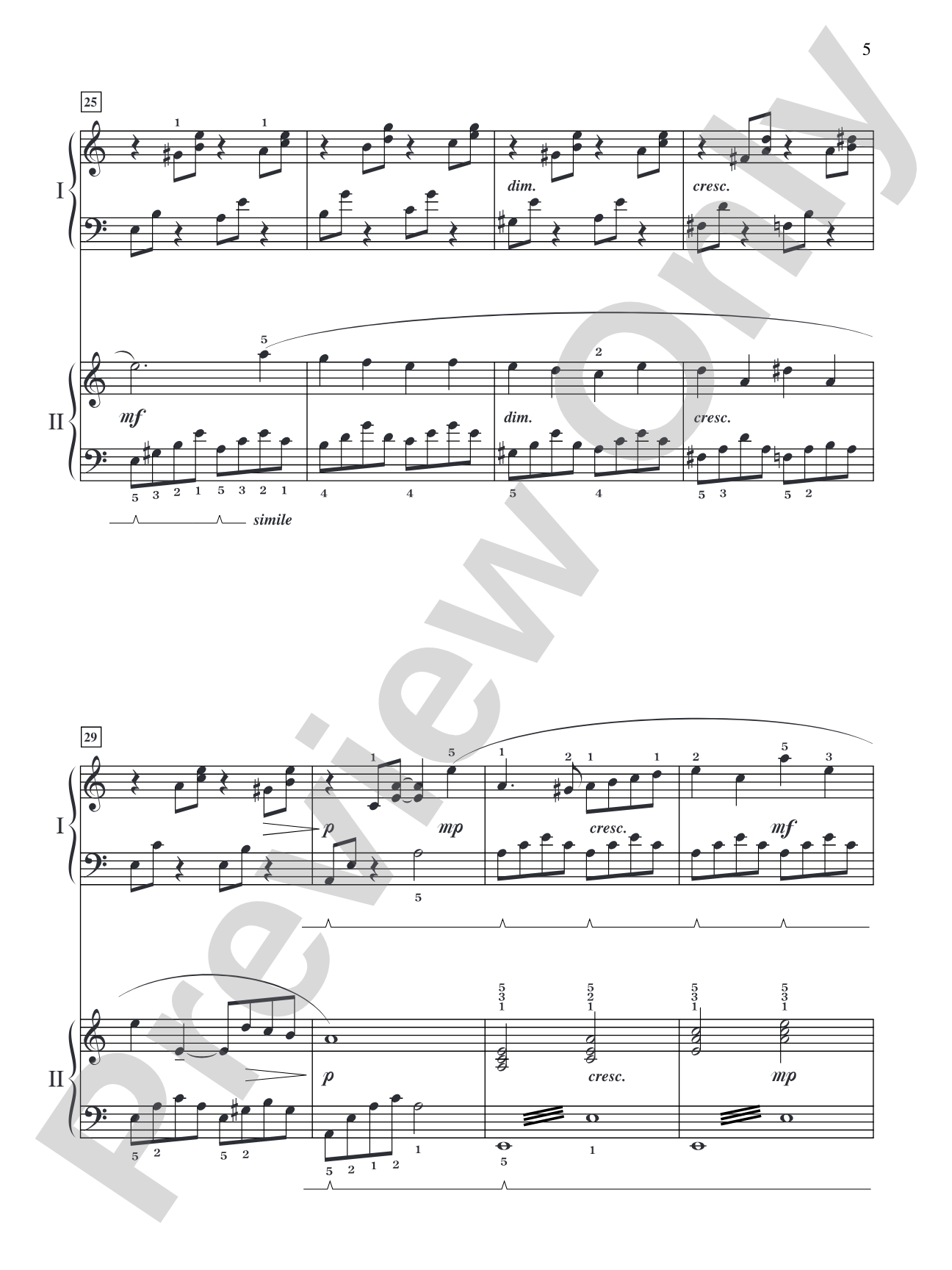
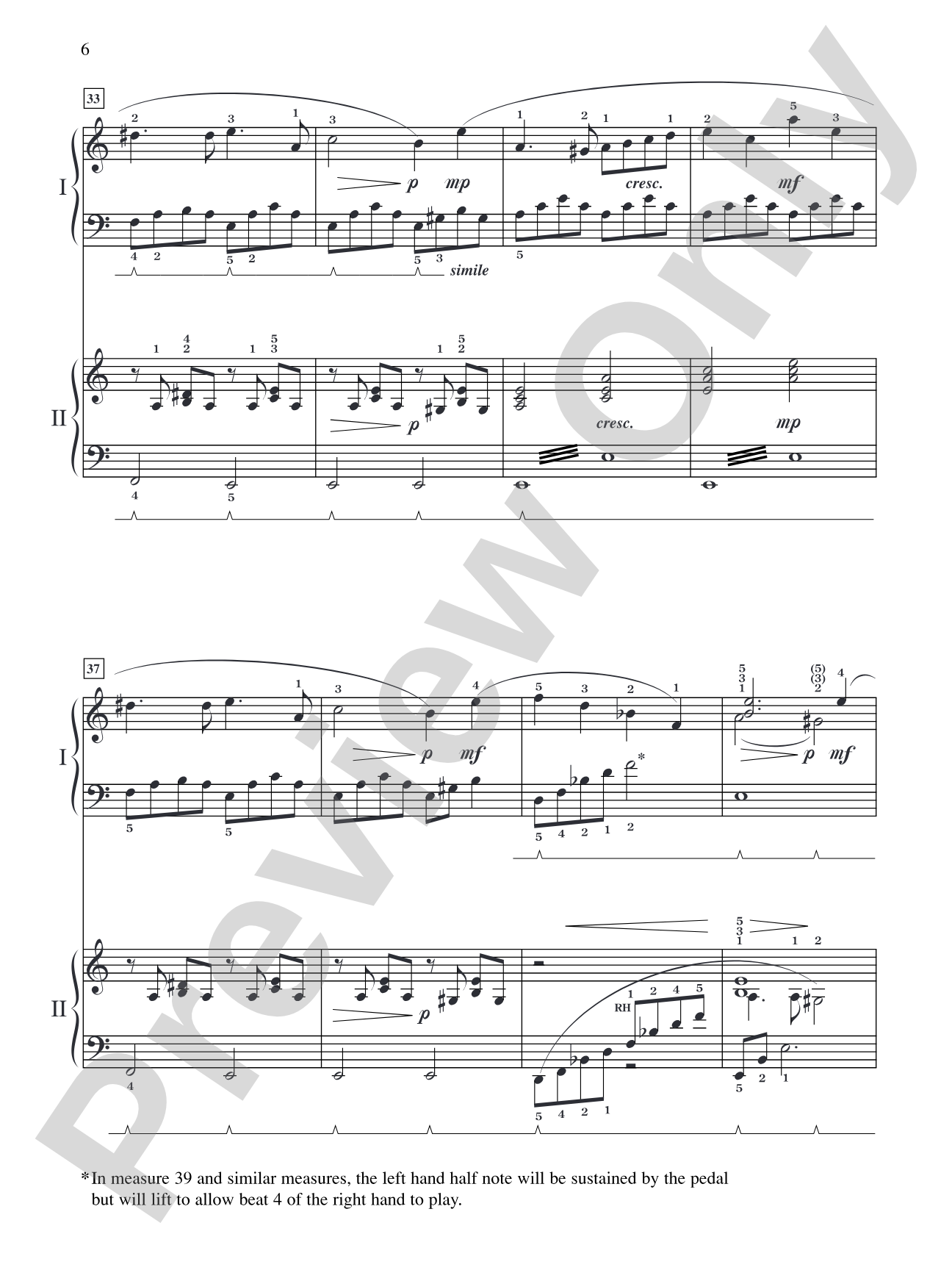
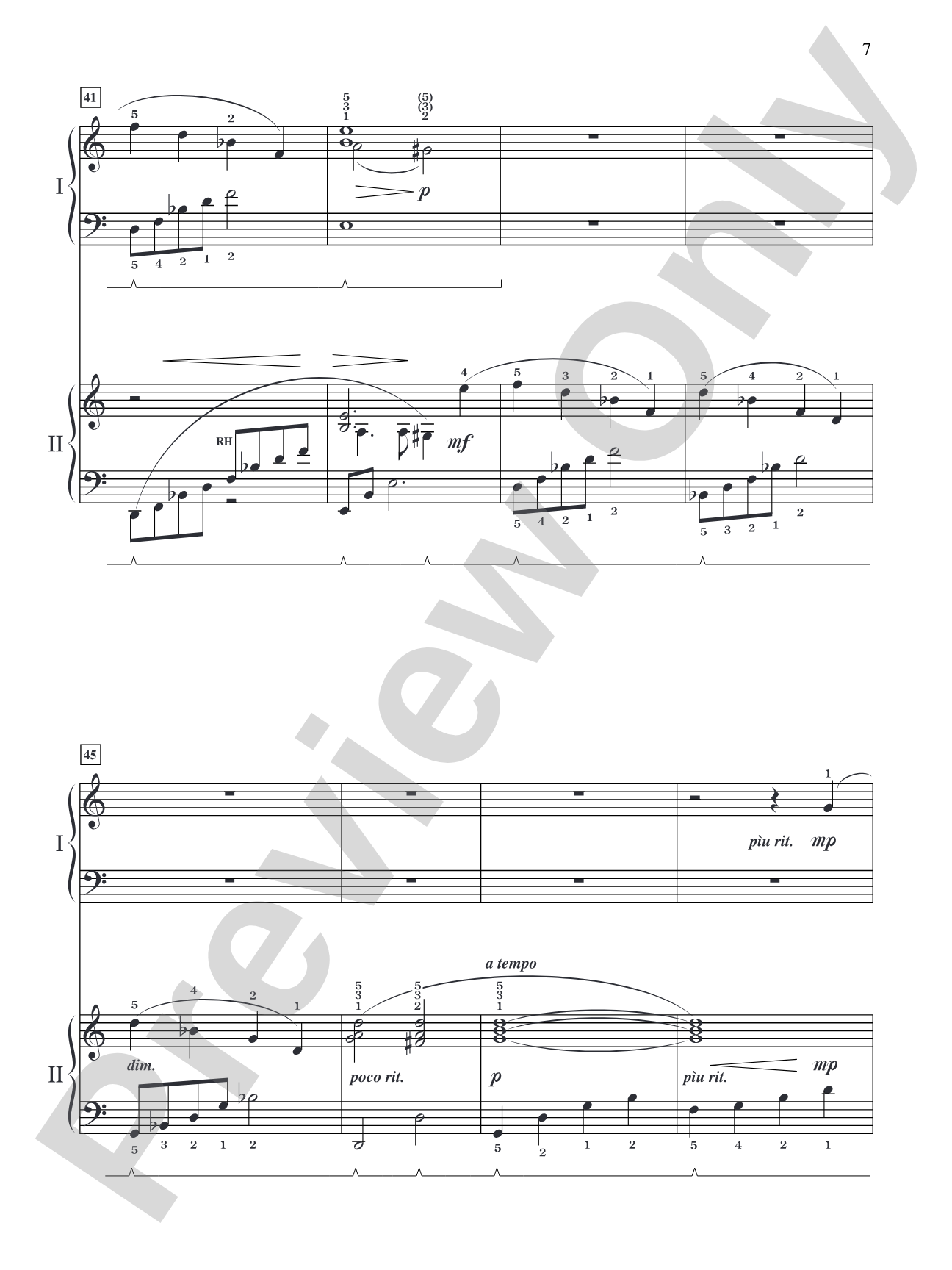
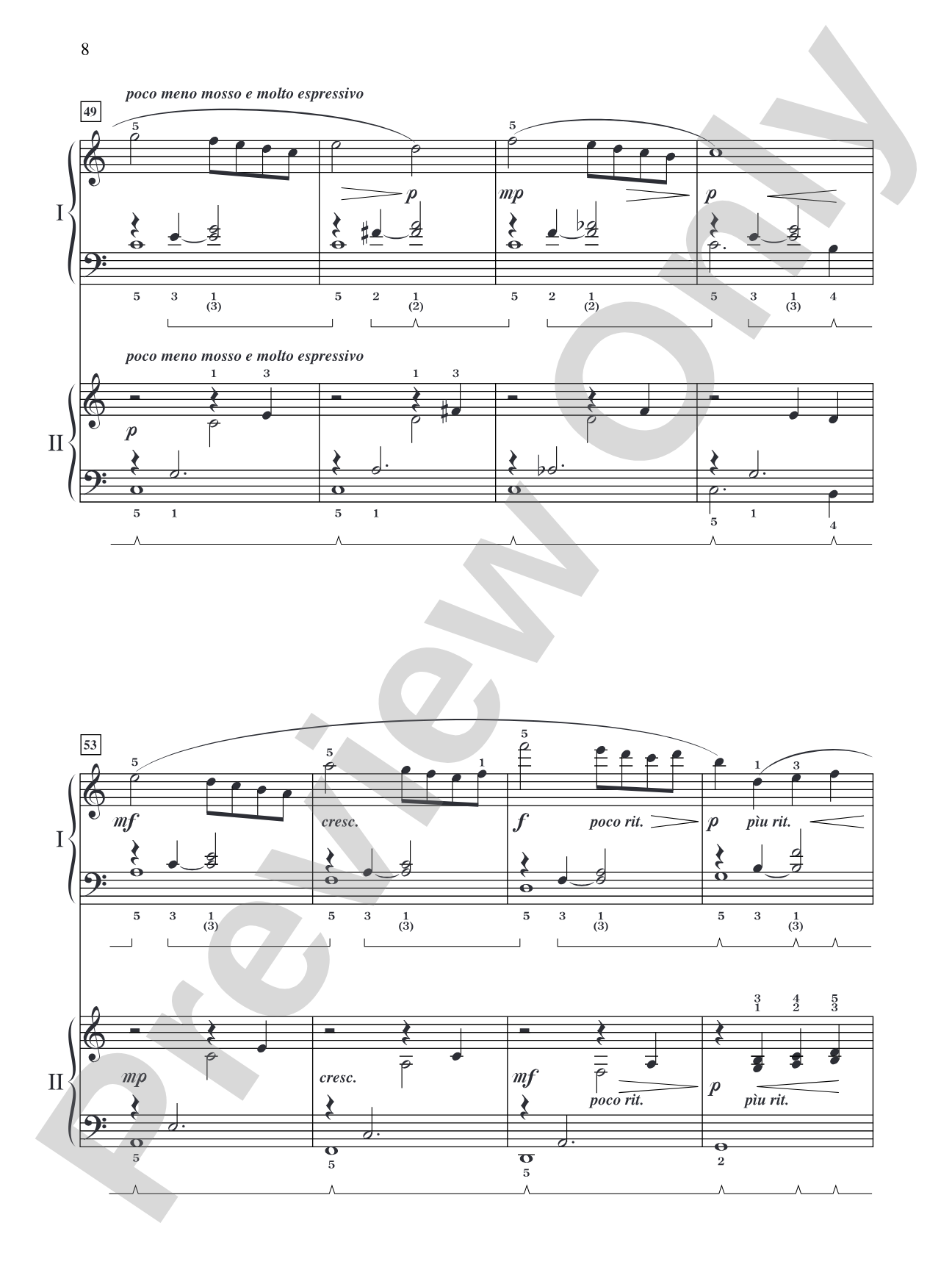
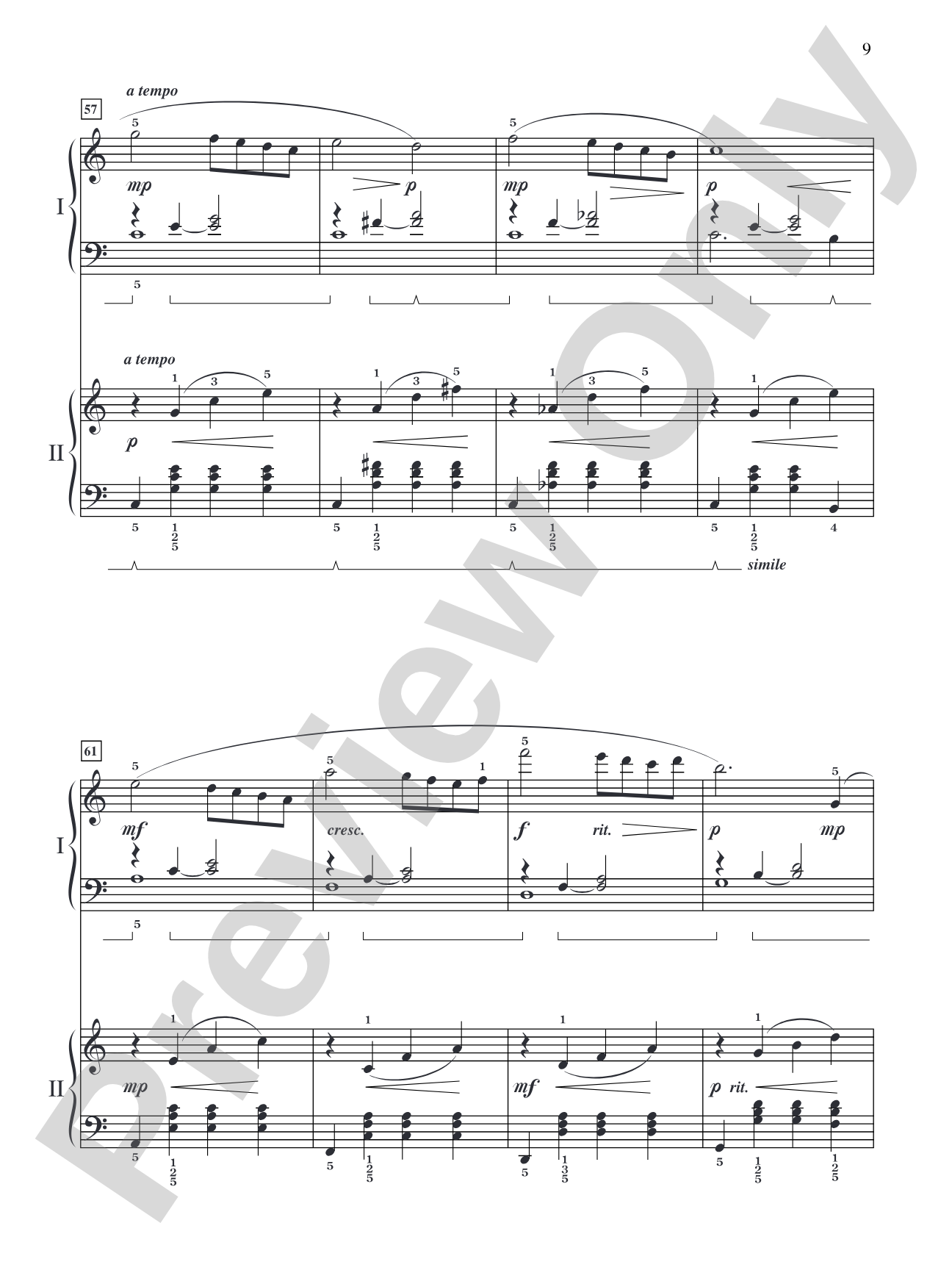
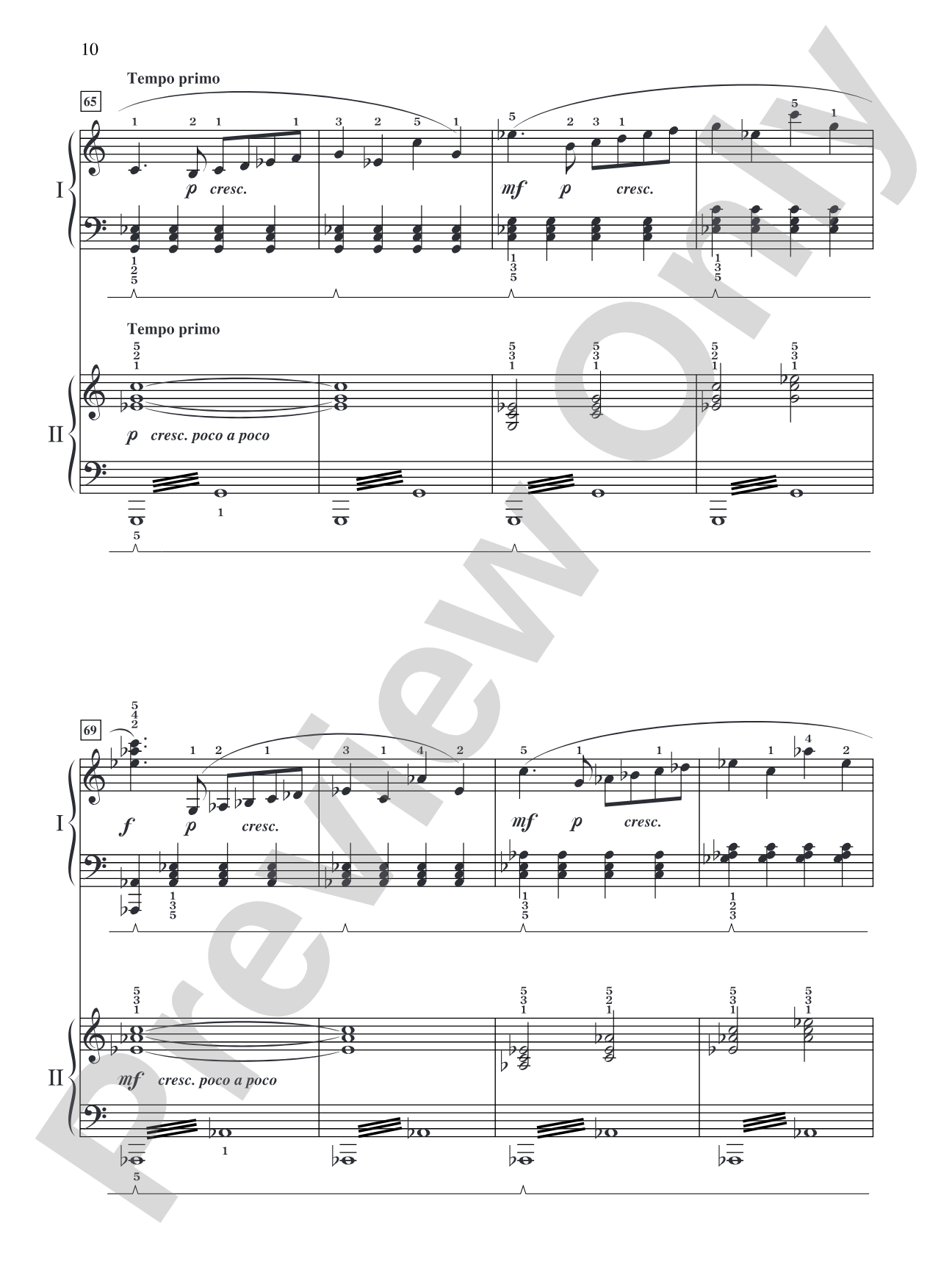
Concerto Romantique is reminiscent of such Romantic era composers as Schumann and Chopin, yet characteristic of Catherine Rollin's lyric sound and style. The beautiful, flowing melody will be appealing and accessible to intermediate-level students who enjoy playing Romantic-style music in an ensemble setting. Note: two copies are needed for performance. An orchestration is available for this piece and may be rented, go to presser.com/request-rental.. A Federation Festivals 2024-2028 selection.


Don't just read it, hear it, play along with it, and watch your students grow with it. In MakeMusic Cloud, Concerto Romantique: In Three Movements for Solo Piano with Piano Accompaniment - Piano Duo (2 Pianos, 4 Hands): Piano Duets & Four Hands comes alive with professional accompaniment, adjustable tempo, and built-in practice tools that turn solo practice into real progress.
Open in the Player
Jump straight in and assign it today.
Start Your Free Trial
Open this title and explore the full library in minutes.
Sample Audio
No sample audio found.
Sample Video
No sample videos found.
Additional Details
Series:
The Alfred Ensemble Series
Publisher:
Alfred Music
Page Count:
48
SKU:
00-PS-0016204
More about this title
About the Composer: Catherine Rollin

Catherine Rollin balances an active composing career with mentoring accomplished students, having presented masterclasses and workshops across more than 200 cities throughout North America, Japan, and Taiwan. She holds a Bachelor of Musical Arts degree with distinction from the University of Michigan and a master's degree from Oakland University School of Performing Arts.
Rollin's compositions have earned recognition from major music education organizations, including commissions from the Music Teachers National Association (MTNA), the Michigan Music Teachers Association, and Clavier Companion magazine. Her works appear regularly in the National Federation of Music Clubs Festivals Bulletin, and she has served as a national judge for the MTNA Student Composition Competition and the Lynn Freeman Olson Composition Contest. A 2018 MTNA commissioned work for flute, alto saxophone, and piano premiered at the national conference, and her ASCAP award-winning series Museum Masterpieces has been featured by the Steinway Society.
Why we love this
Rollin captures the lyrical warmth of 19th-century Romantic piano writing while keeping the musical language fresh and singable for intermediate players. The two-piano format invites genuine ensemble dialogue rather than simple doubling, making it rewarding for partnerships that want to experience real musical communication. This is festival-selected literature that sounds more ambitious than its technical demands suggest.
What to expect
Concerto Romantique embraces the elegance and gentle drama of 19th-century piano writing, with melodies that unfold naturally across both hands and across both instruments. The work flows with the reflective quality that defines Rollin's compositional voice, offering moments of warmth and lyricism without demanding virtuosic display.
Who it's for
Intermediate piano students who have solid technique in both hands and can sustain cantabile playing across longer phrases. This works well for duet partnerships in private studios, group piano classes, or collaborative performance courses where musicians want accessible but musically substantial repertoire.
How to get the most out of it
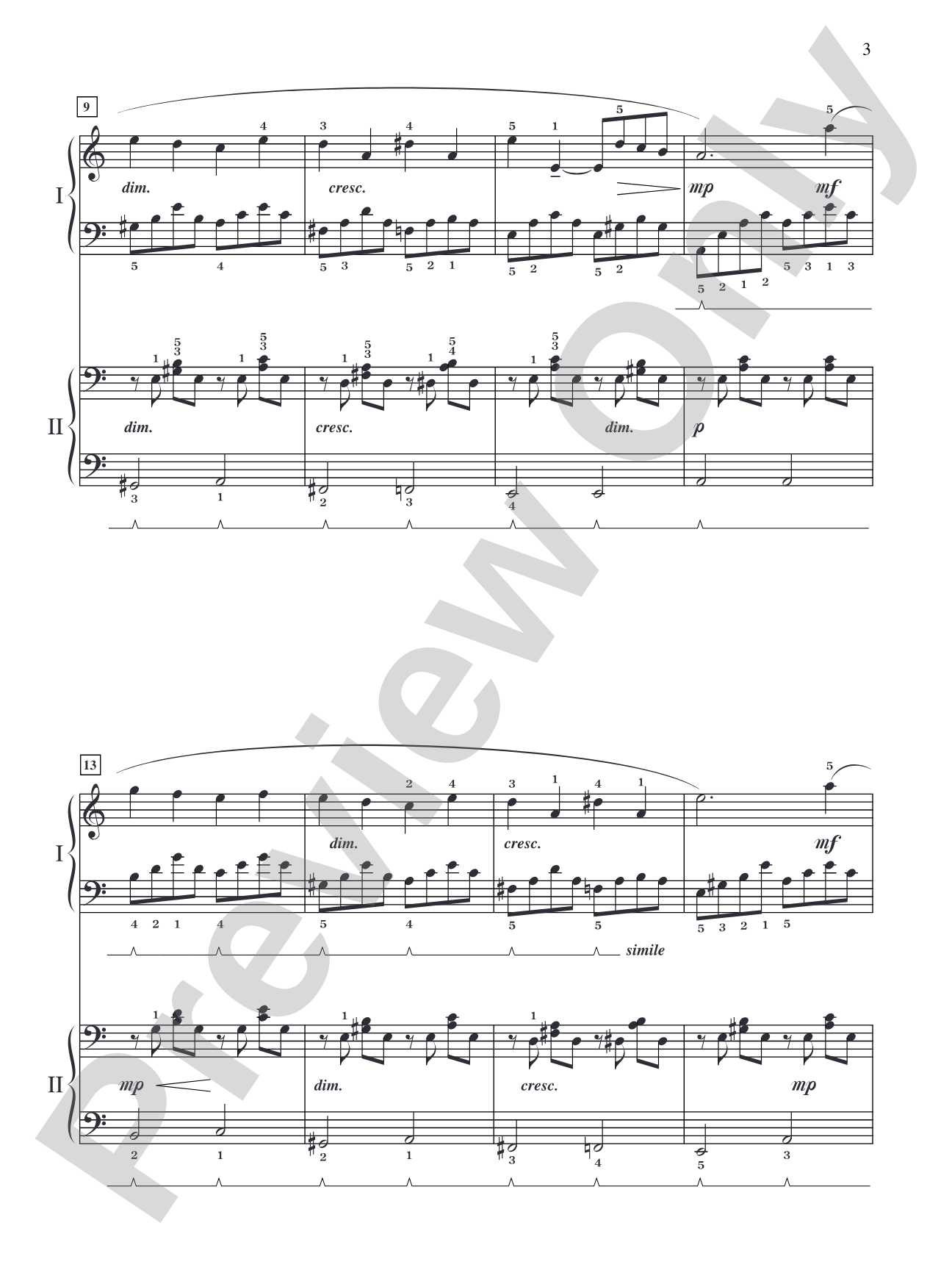
- Balance the melody between primo and secondo parts so the singing line remains audible even when accompaniment textures thicken; the flowing nature of the writing rewards clarity over power.
- Allow the opening theme to breathe at a tempo that lets its Romantic character speak naturally, then adjust slightly in faster passages while maintaining the overall lyrical quality.
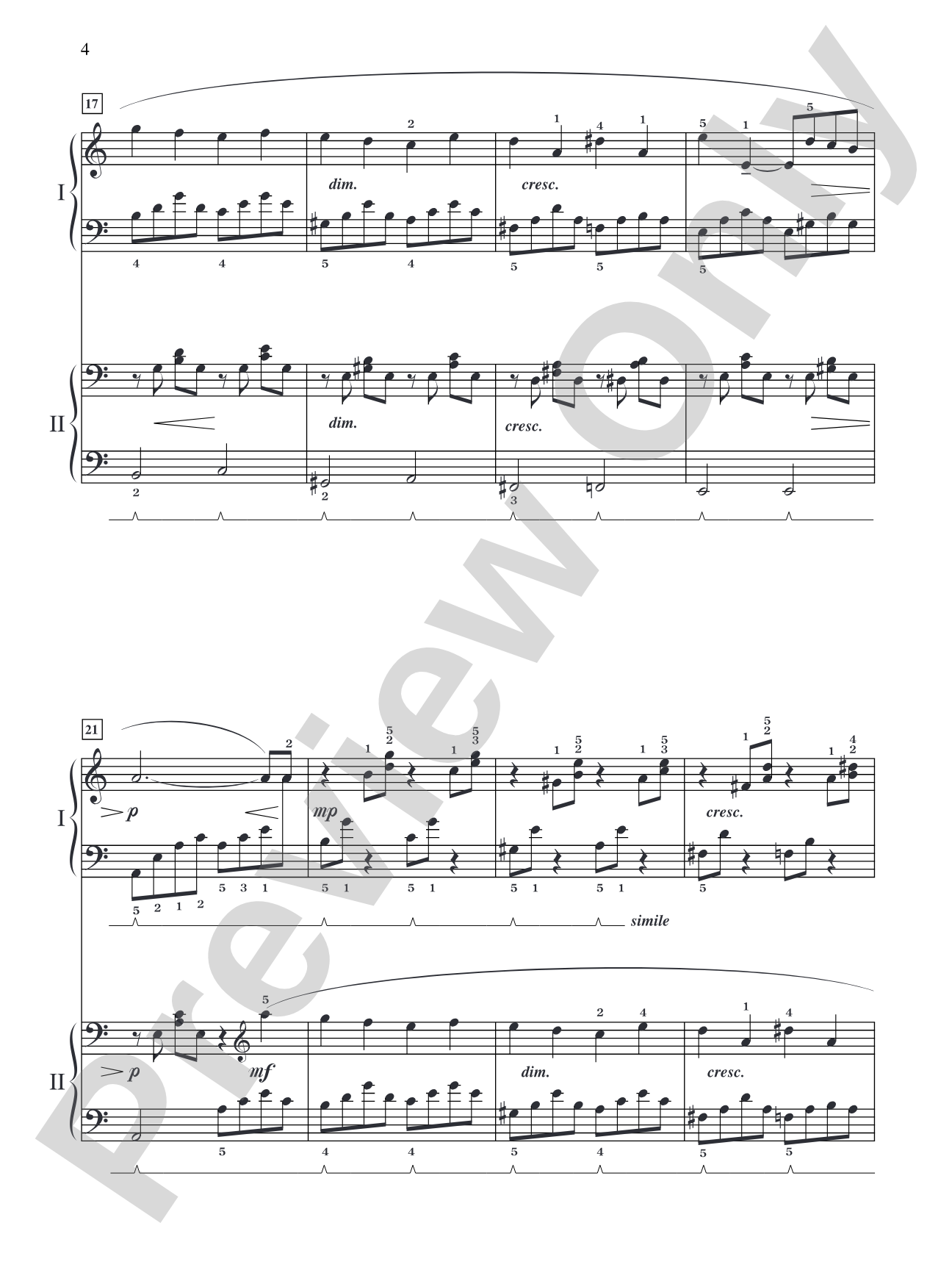
- Listen across both pianos constantly during rehearsal; mark dynamic adjustments in score where one part naturally recedes to support the other's phrasing.
How to use it
Feature this as a centerpiece on a recital exploring Romantic-era piano music, pairing it with solo works by Schumann or Chopin for programming continuity. Its selection as a Federation Festivals choice makes it an excellent choice for students preparing for competition or performance adjudication.
Skills your students will build
- Sustaining long melodic lines with consistent tone and phrasing
- Ensemble balance and listening between two keyboard instruments
- Romantic-era interpretation including rubato and dynamic shaping
- Coordinating with a partner across three movements of contrasting character