
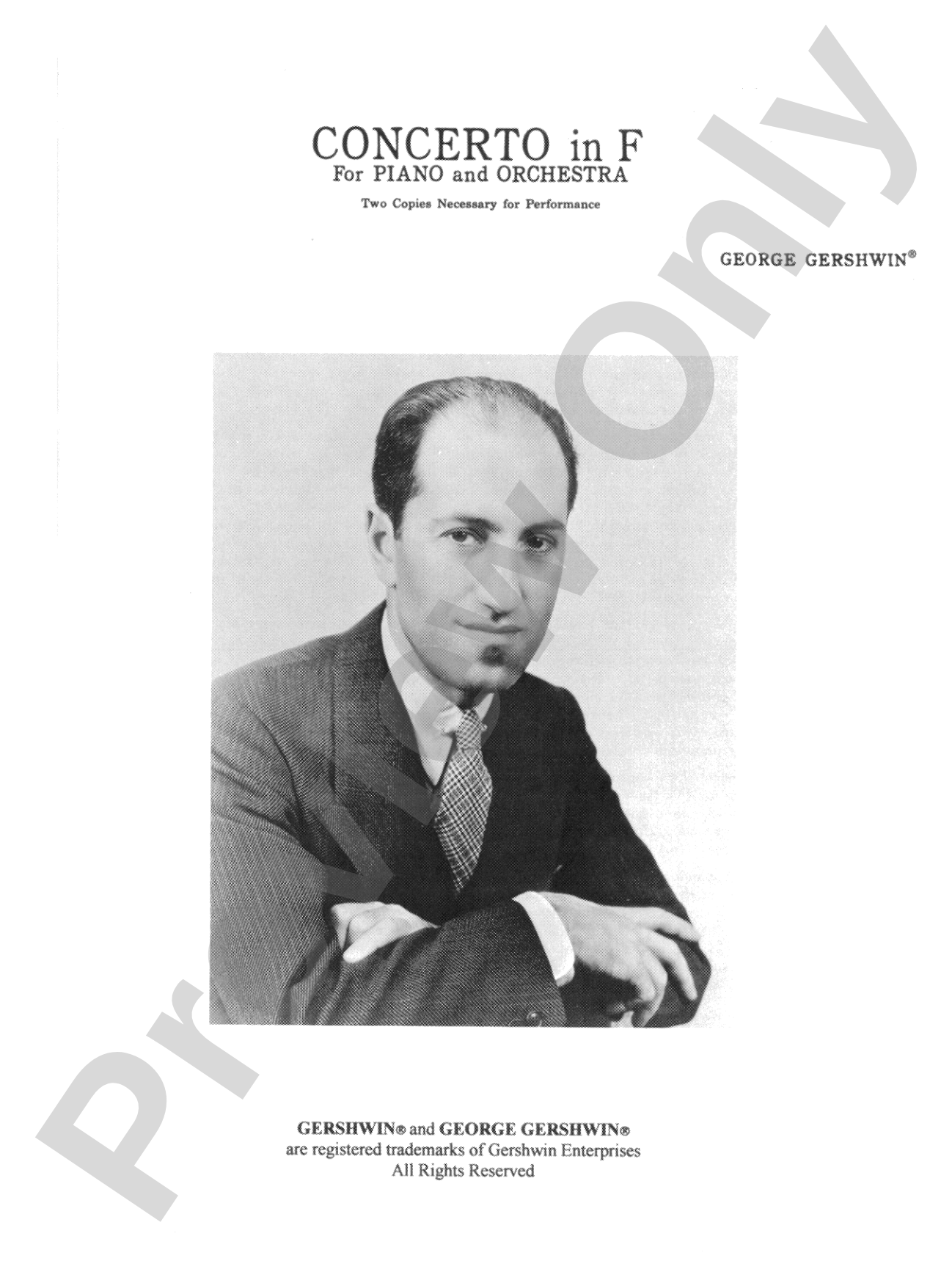
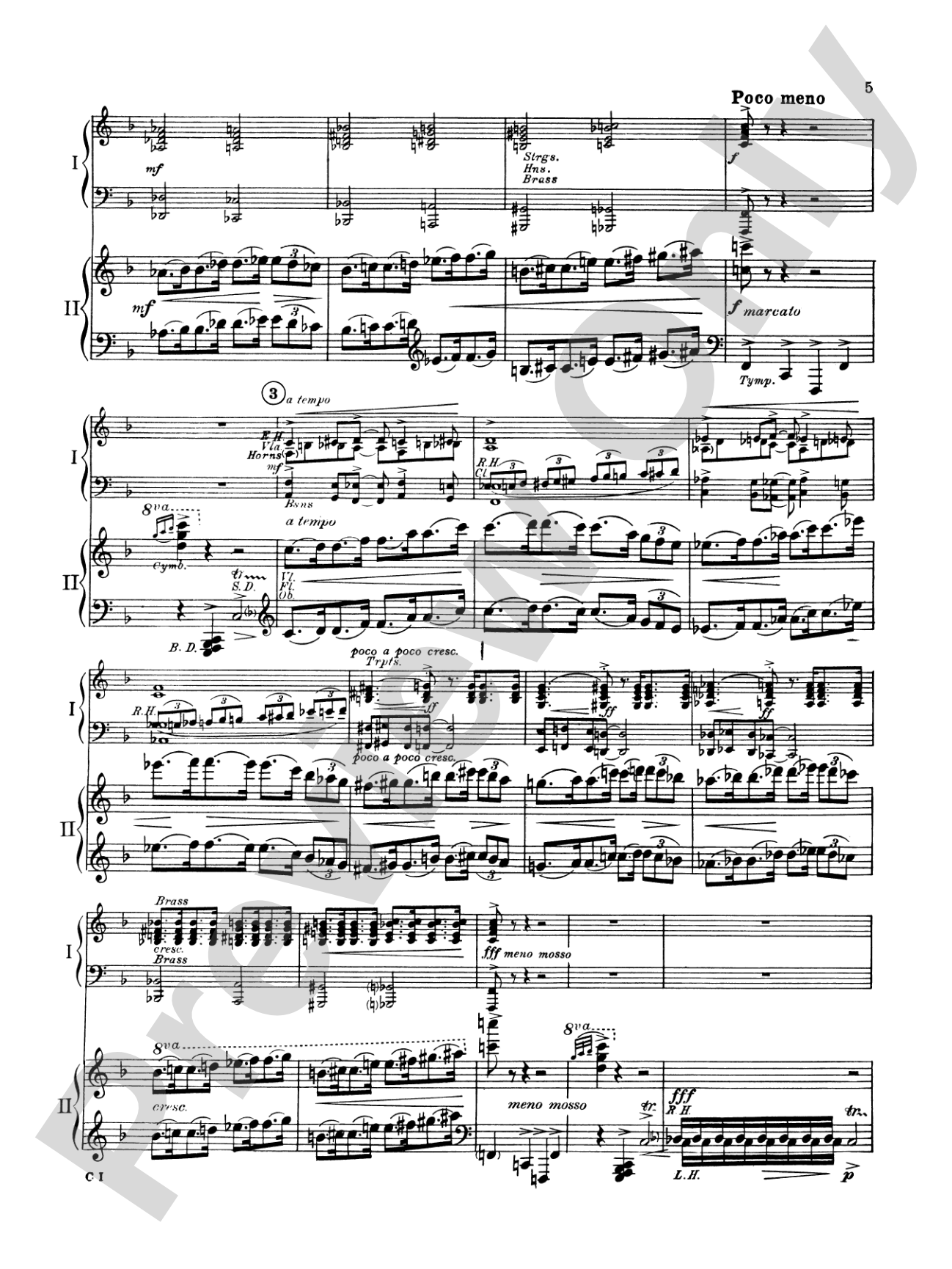
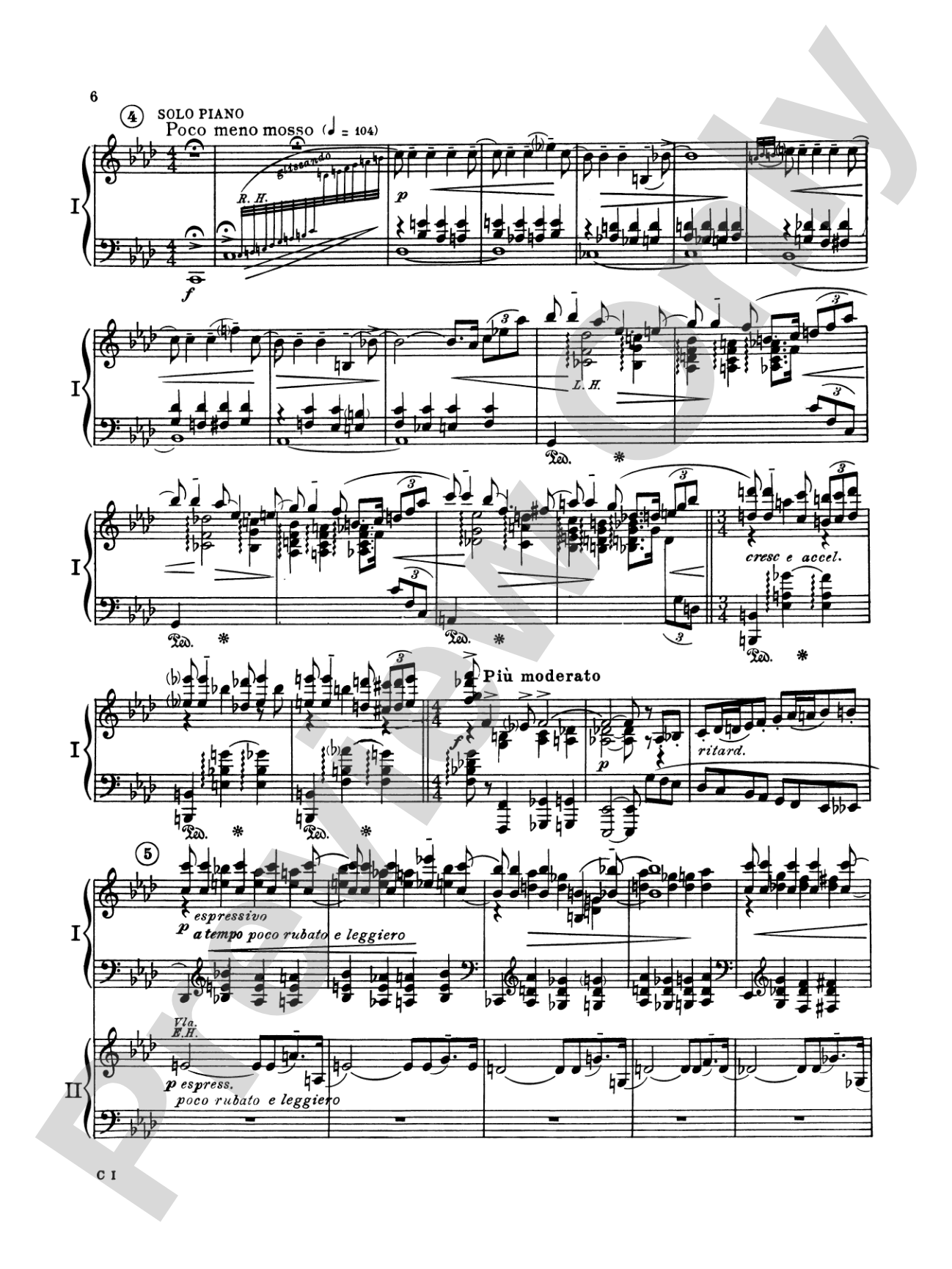
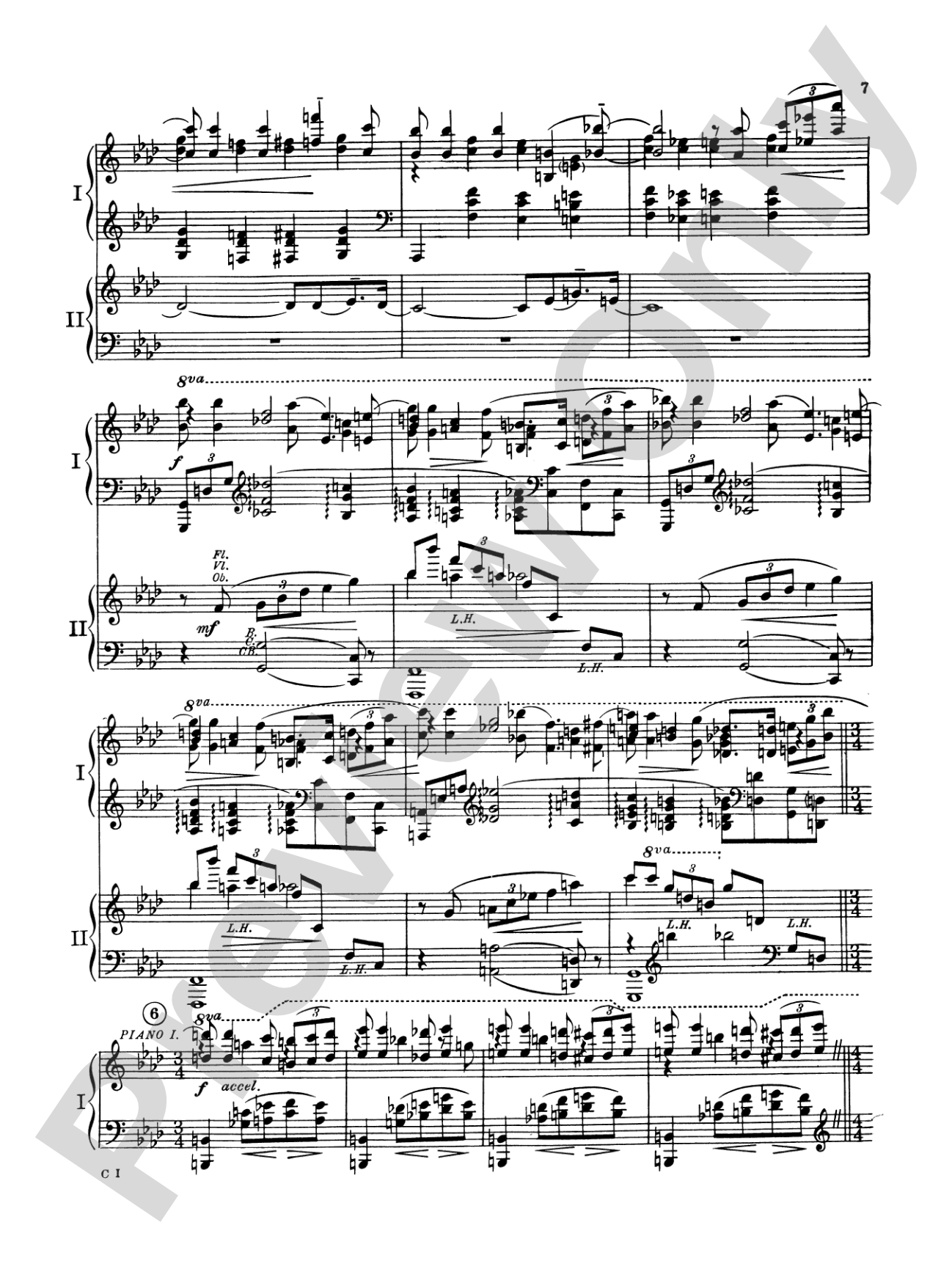
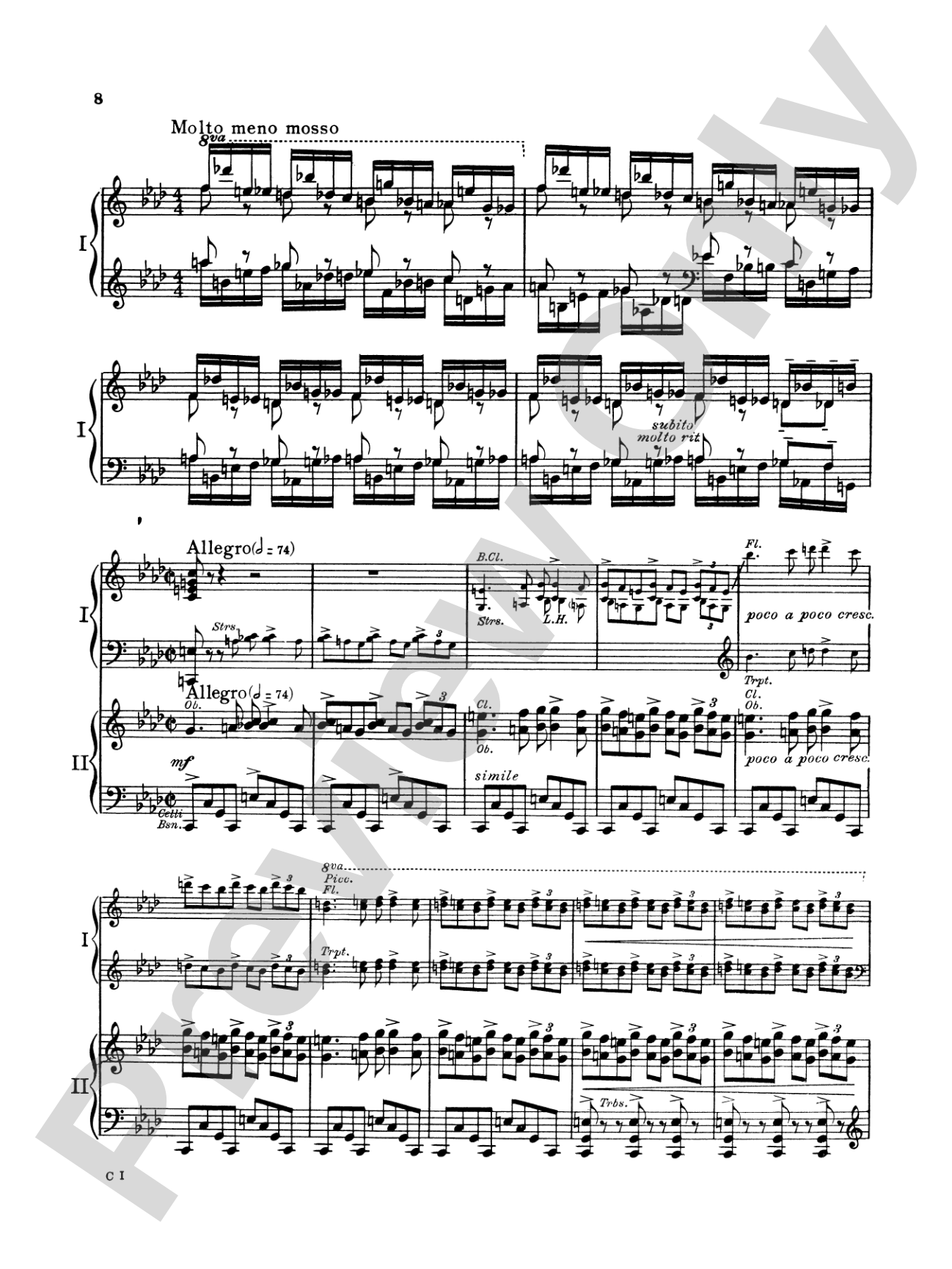
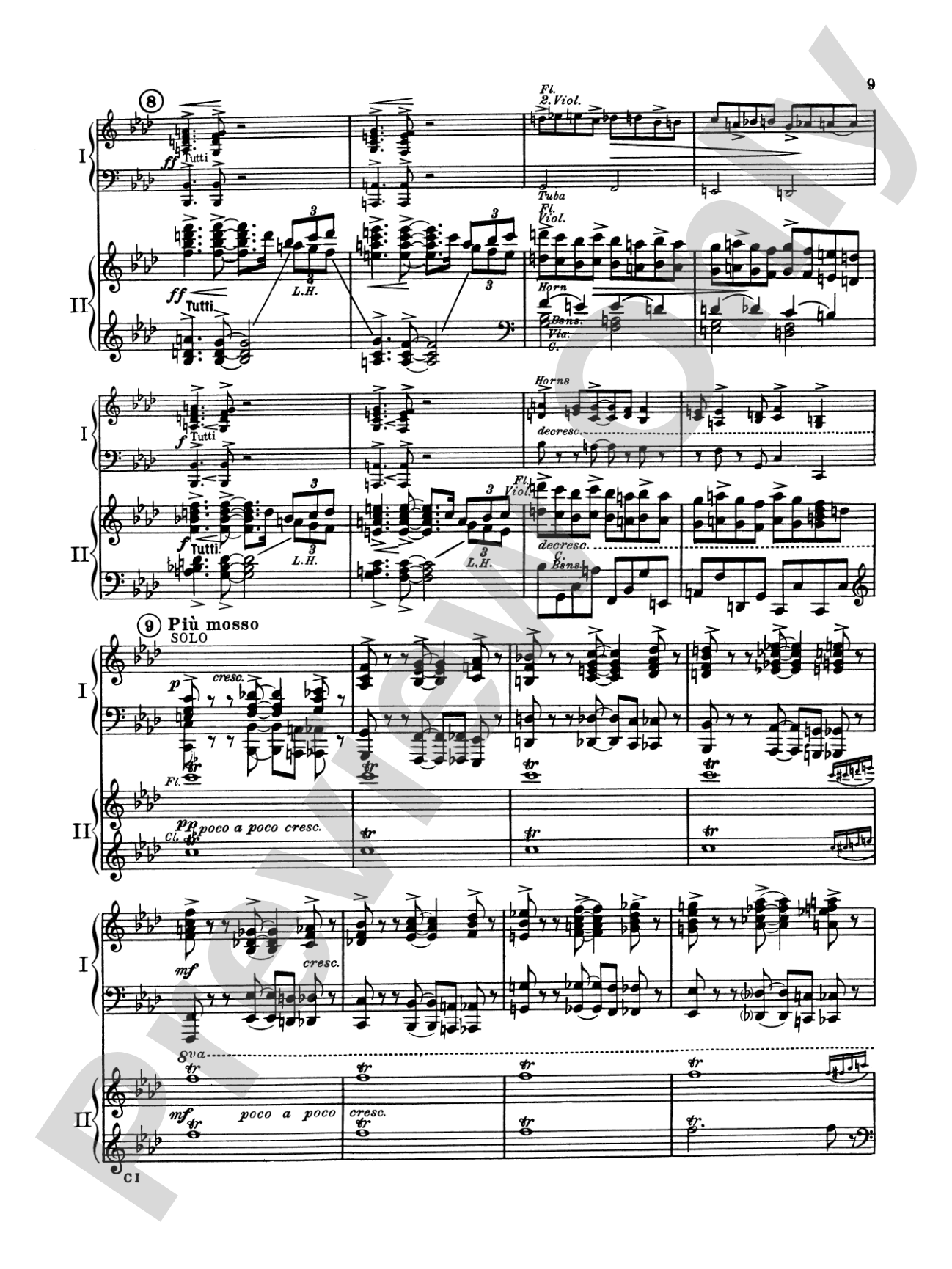
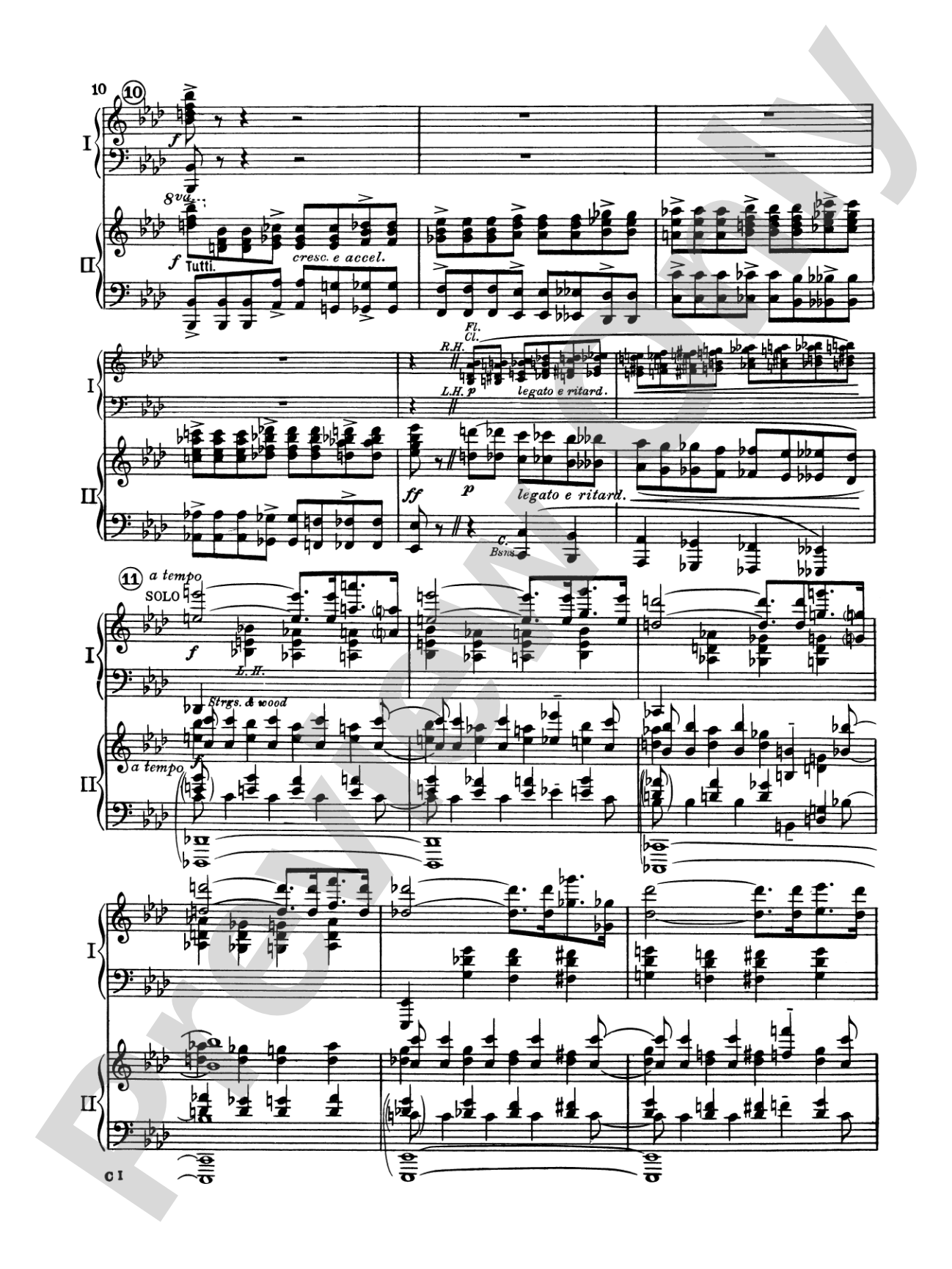
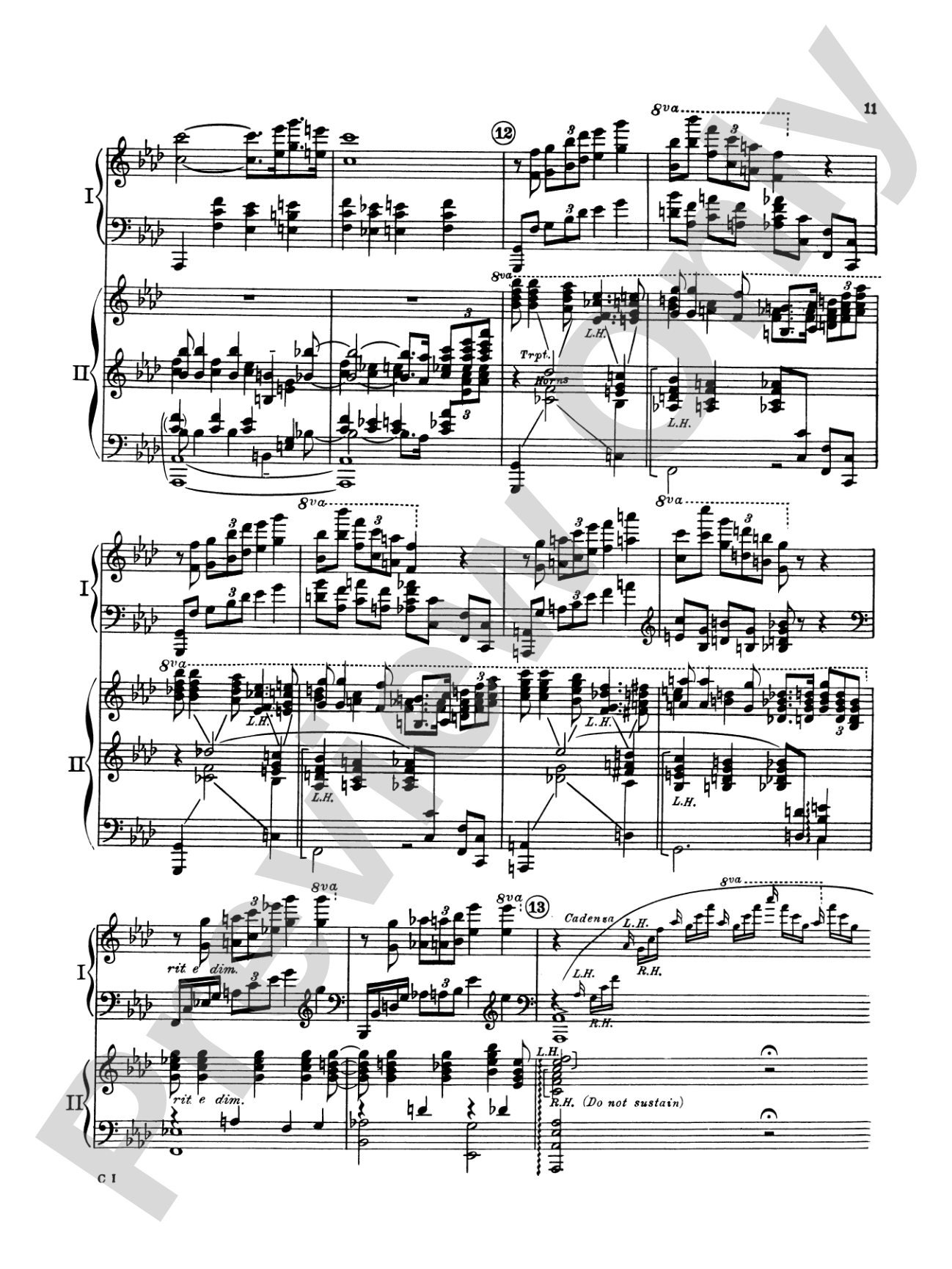
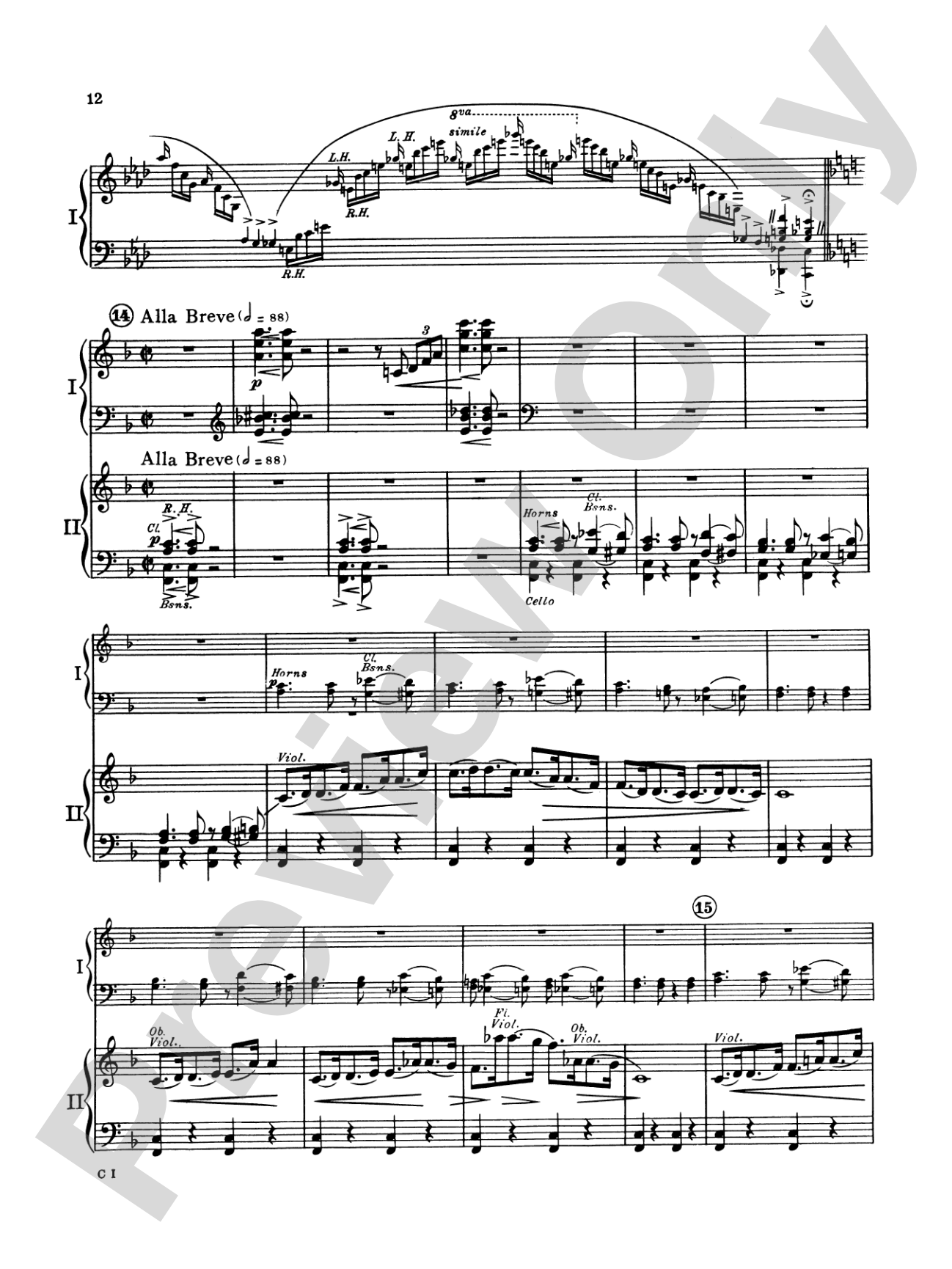

Concerto in F - Piano Duo (2 Pianos, 4 Hands): Piano Duets & Four Hands
Transcribed by George Gershwin
Level: Advanced
Item: 00-PS-0016199
$20.00
One moment…
Description
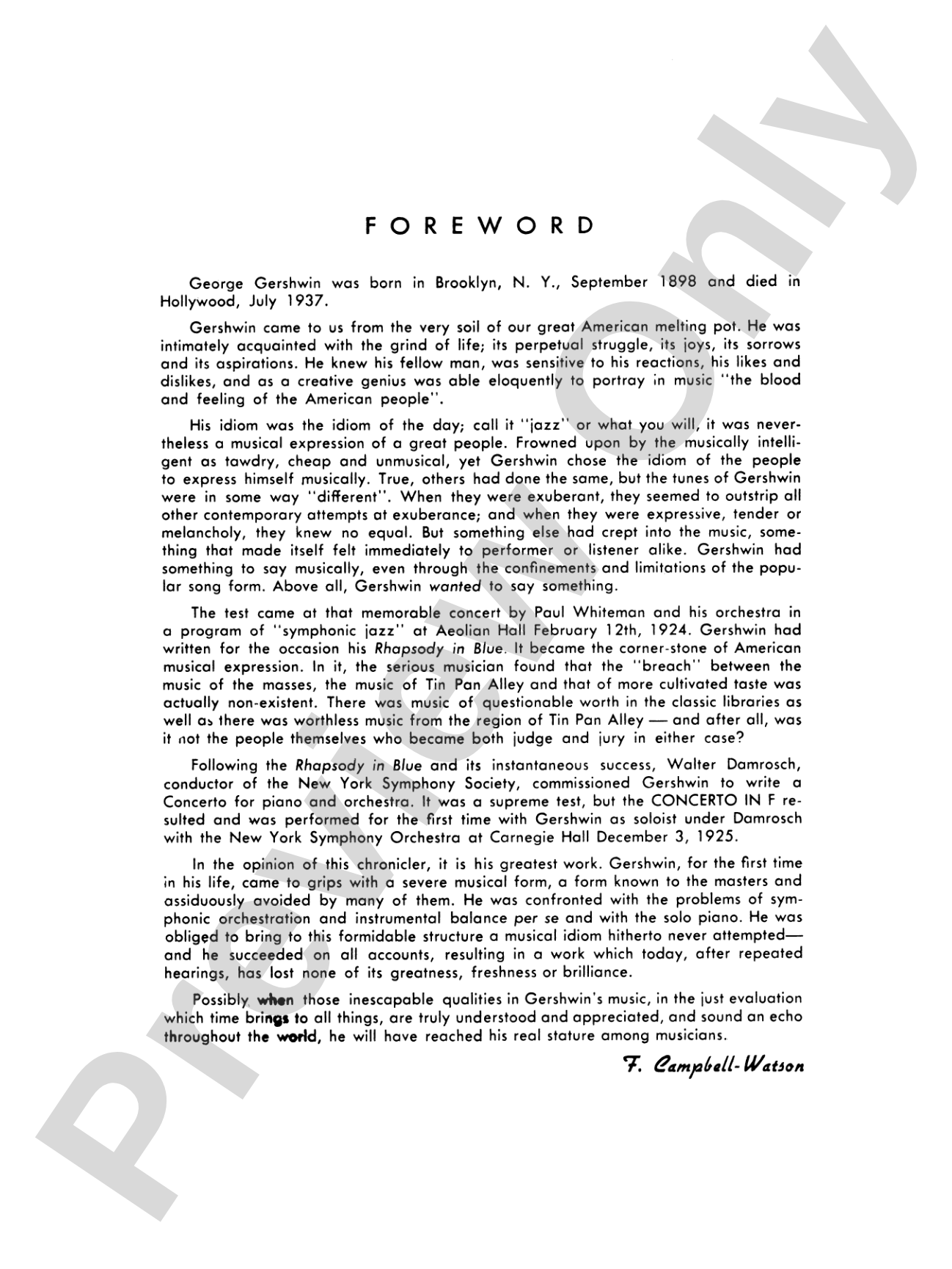
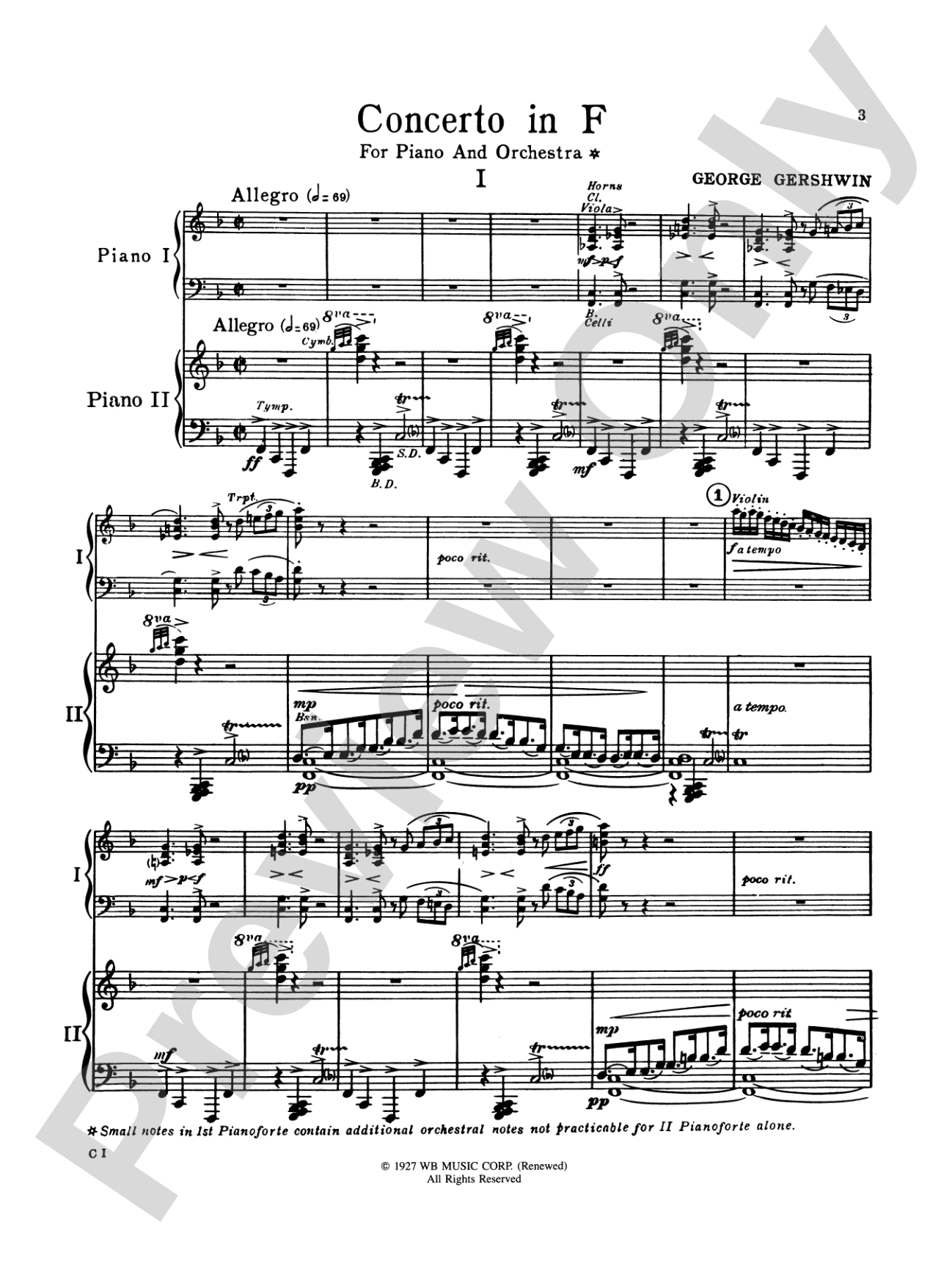
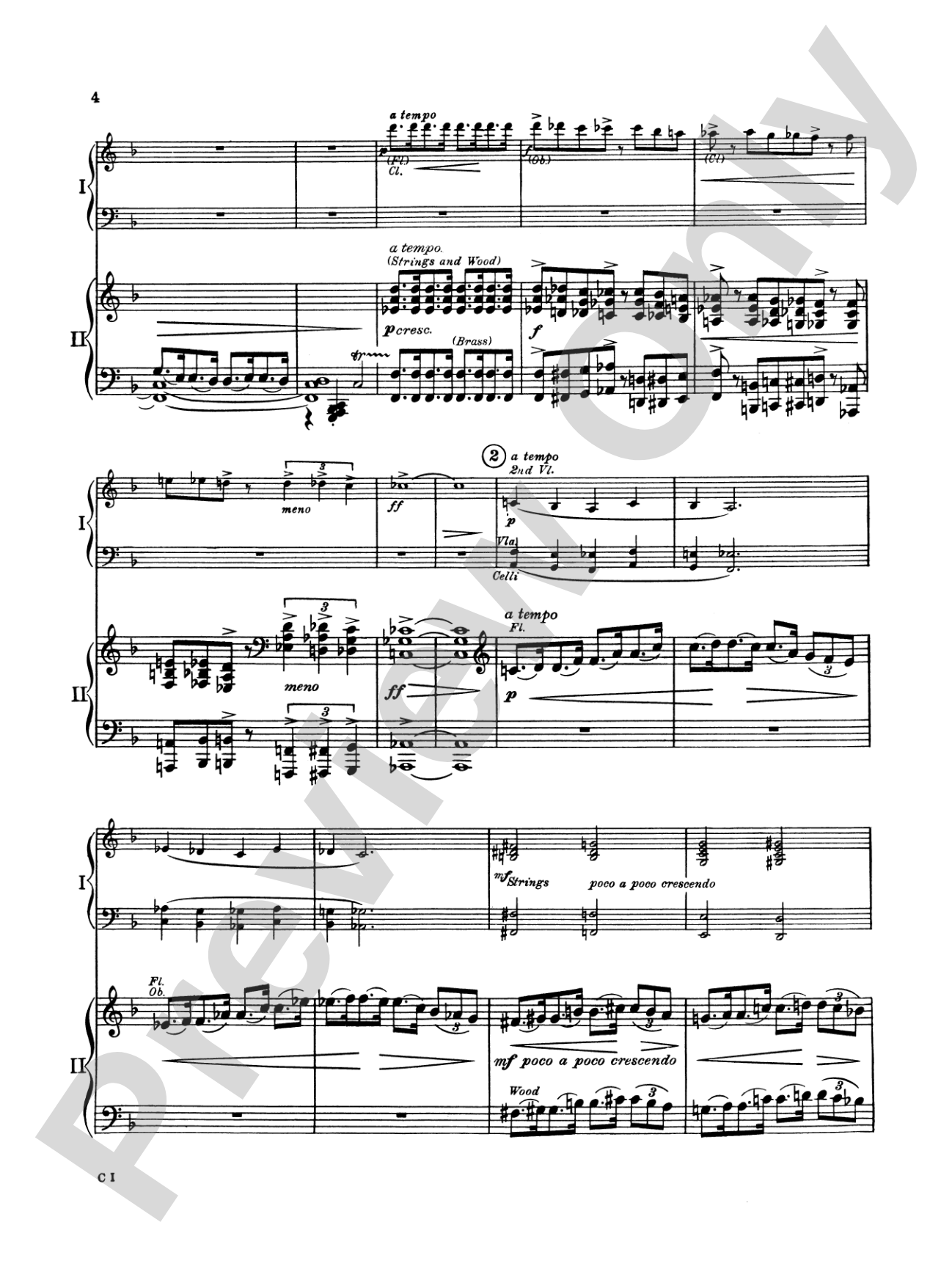
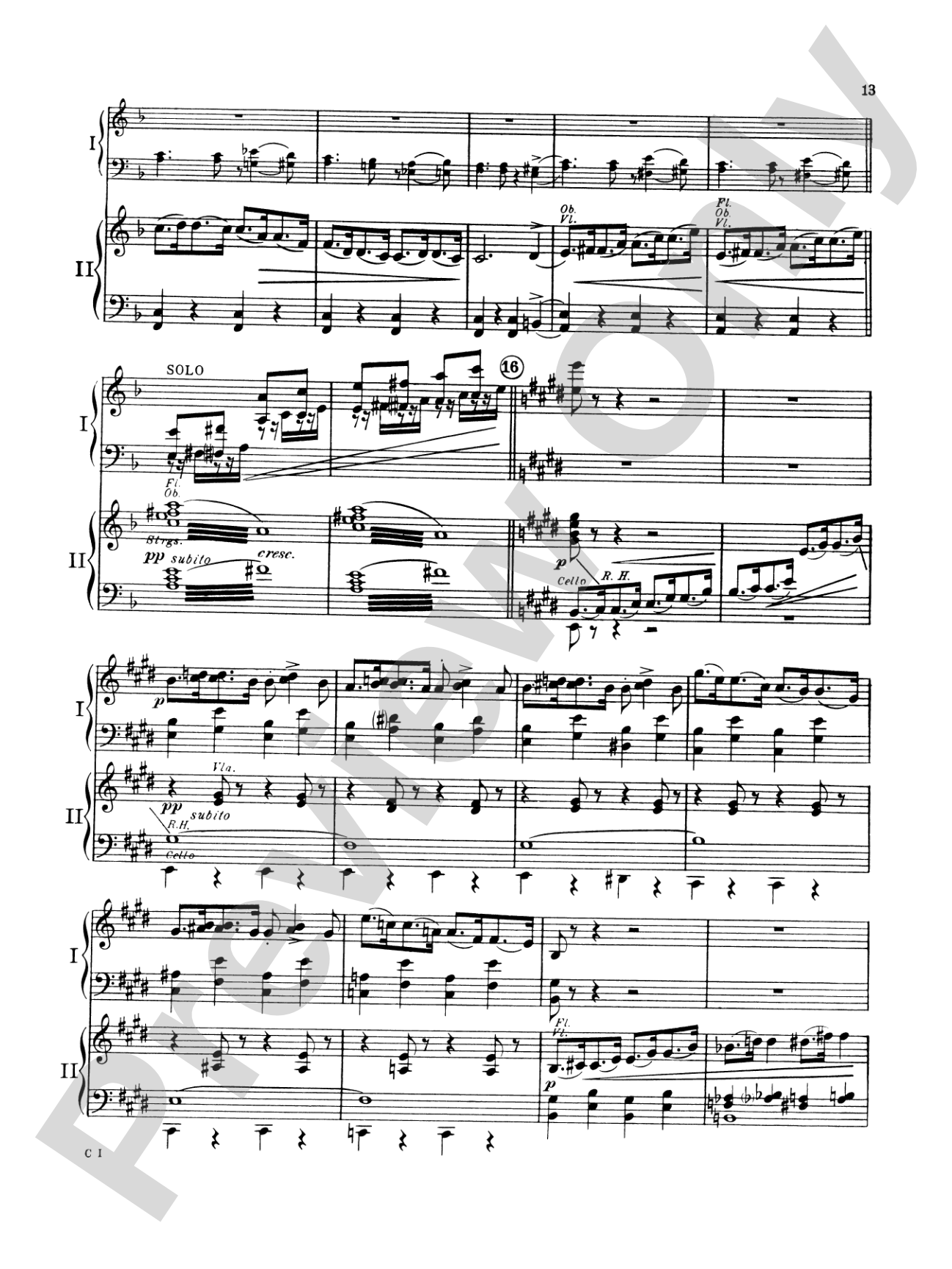
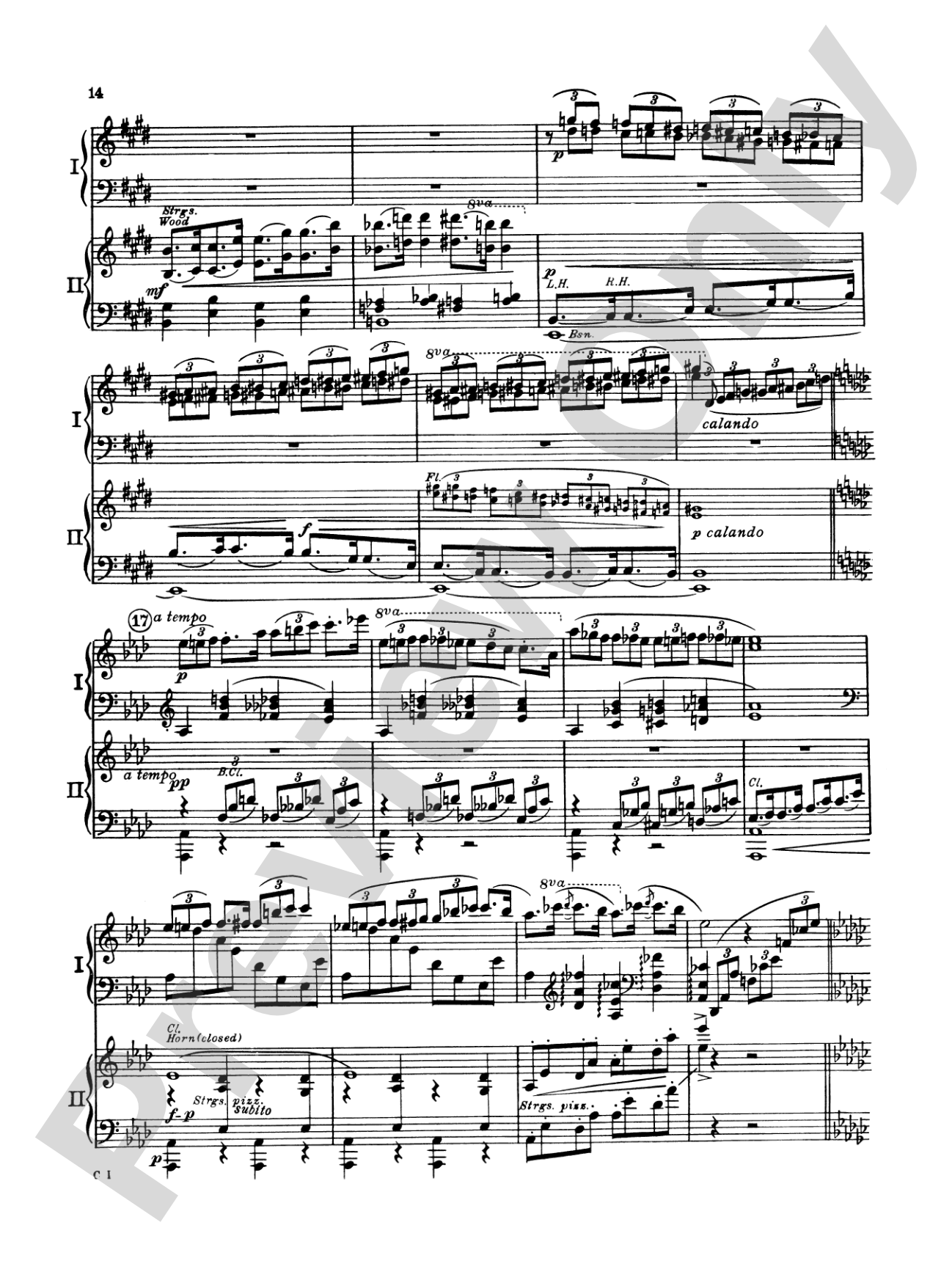
Gershwin's Concerto in F was a work commissioned by Walter Damrosch in the spring of 1925. Gershwin began the two-piano score in July, titling the original drafts the "New York Concerto." It was performed first in December, 1925, with Gershwin at the piano and Mr. Damrosch conducting the New York Symphony Orchestra. This is the 1927 2-piano score, technically advanced in level of difficulty. Two copies are needed for performance. Two-piano edition, with second piano playing a transcription of the orchestration. A Federation Festivals 2024-2028 selection.


Concerto in F - Piano Duo (2 Pianos, 4 Hands): Piano Duets & Four Hands isn't in MakeMusic Cloud just yet...but it could be. Let us know you'd like to see it, and you'll help shape what comes next. In the meantime, start a free trial and dive into thousands of interactive titles your students can play along with today.
Request This Title
Tell us you want it.
Start Your Free Trial
Explore everything that's ready to play right now.
Sample Audio
No sample audio found.
Sample Video
No sample videos found.
Additional Details
Series:
Alfred's Classic Editions
Publisher:
Alfred Music
Page Count:
68
SKU:
00-PS-0016199
More about this title
About the Arranger: George Gershwin
George Gershwin (1898-1937) stands as one of the most important American composers of the twentieth century, bridging the worlds of concert music and popular song with singular inventiveness. His Concerto in F arrived at a pivotal moment in his career, commissioned by conductor Walter Damrosch to prove that Gershwin could write large-scale instrumental works with the same sophistication he brought to Rhapsody in Blue. The concerto's 1925 premiere, with Gershwin himself at the keyboard, established him as a major voice in American concert music.
Why we love this
This two-piano arrangement captures the full orchestral sweep of Gershwin's masterwork without requiring a symphony orchestra, making one of the twentieth century's most exuberant American concertos accessible to advanced pianists. The second piano's transcription of the orchestration preserves the jazzy harmonic color and rhythmic vitality of the original while creating a genuine dialogue between both players. It's a showpiece that rewards serious study and delivers genuine concert impact.
What to expect
Exuberant and urbane, suffused with the energy of 1920s New York. The piece moves from a bluesy, introspective opening through passages of driving syncopation and brilliant passagework, all while maintaining Gershwin's gift for memorable melody. Both players share moments of virtuosic display and quiet lyricism in equal measure.
Who it's for
Advanced pianists preparing for recital or festival performance, particularly those in collegiate settings or serious community music programs. This arrangement suits festival competitions and chamber recital programming where two pianos can be deployed to authentic effect.
How to get the most out of it
- Balance the two pianos so the first piano's melodic line reads clearly over the second piano's orchestral textures; the score should never sound like competing soloists.
- Gershwin's jazz idiom relies on flexibility within the beat. Allow rubato in the lyrical sections while keeping the rhythmic passages sharp and syncopated.
- Coordinate pedaling carefully between both pianos, especially in passages where the second piano sustains harmonic beds. Clarity matters more than blur.
- Study the original full score alongside this two-piano edition to understand how Gershwin orchestrated specific passages; this informs phrasing and color choices.
How to use it
Position this as an anchor work on a contemporary American masterworks recital, or use it to showcase the technical command of two advanced students in a collaborative setting. Its inclusion in the 2024-2028 Federation Festivals selections makes it an ideal choice for preparing competitive festival entries at the advanced level.
Skills your students will build
- Ensemble coordination between two independent keyboard parts
- Pedal management in multi-part texture with sustained orchestral writing
- Syncopation and rhythmic flexibility in jazz-inflected passages
- Large-scale form and architectural thinking across 68 pages
- Balance and voice-leading across the full range of two pianos