George Gershwin (1898–1937) bridged classical and popular music in ways that few composers have managed. He possessed an instinctive gift for melody, harmonic sophistication, and orchestration that allowed him to write concert music genuinely rooted in American vernacular. His training under composition mentors like Rubin Goldmark equipped him with formal technique, which he deployed with uncommon freedom.
Why we love this
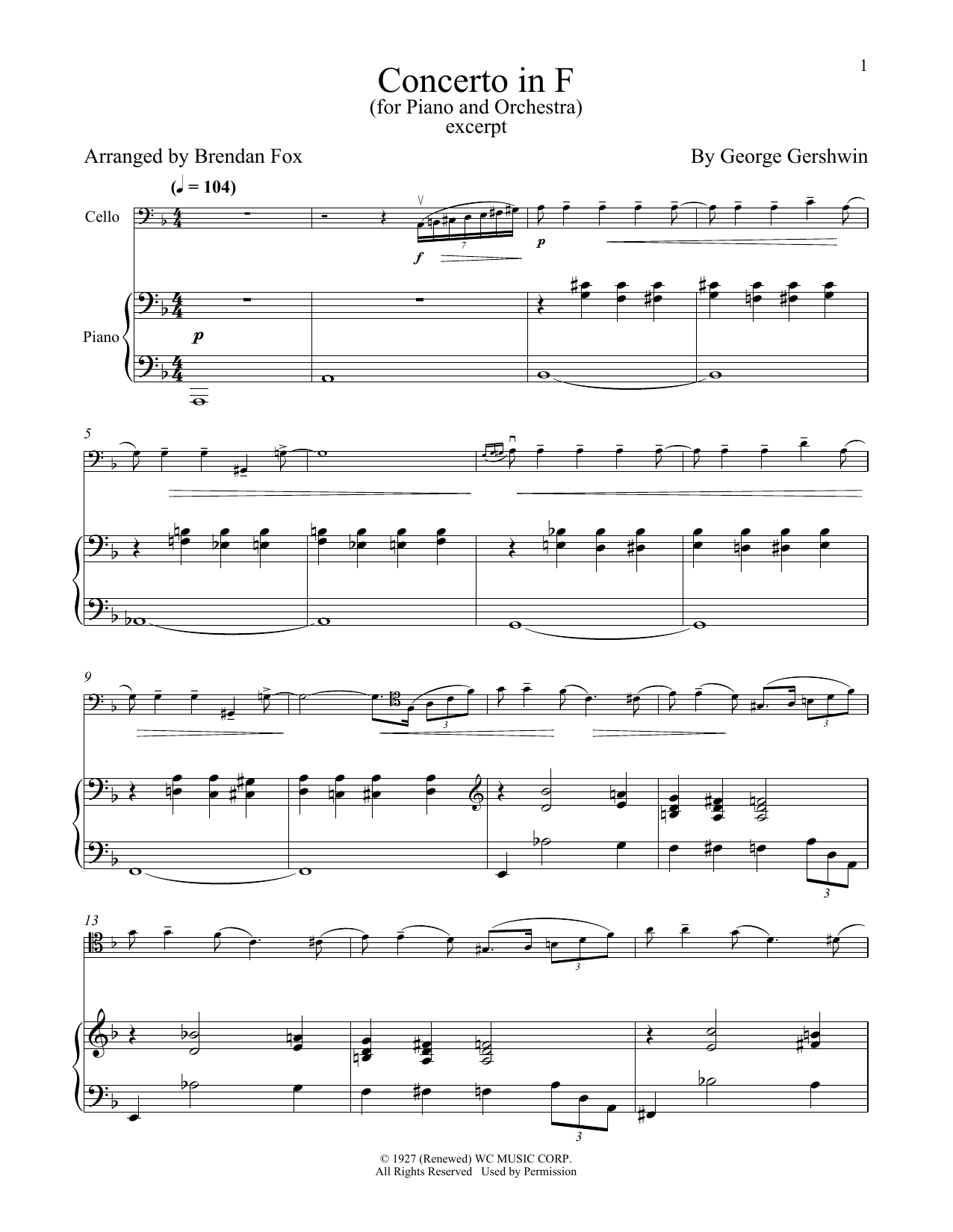
This excerpt captures the signature voice of Gershwin's most celebrated work, where the piano part sings with infectious rhythmic vitality and harmonic inventiveness. The orchestration here gives soloists and accompanists genuine material to work with, rather than a thin reduction; the interplay between keyboard and ensemble feels essential, not supplementary. Programming this in a chamber or concerto context signals sophistication while remaining accessible to audiences.
What to expect
Urbane and energetic, with the restless sophistication of early twentieth century New York. The music swings without becoming jazz, and it's romantic without sentimentality. There's a sense of forward motion throughout, punctuated by moments of genuine lyricism that feel earned rather than imposed.
Who it's for
Pianists preparing for concerto competition, recital performers seeking contemporary classical repertoire with broad appeal, and music programs wanting to program American concert music that speaks to both musicians and listeners. This arrangement gives serious pianists an authentic score without requiring a full orchestra.
How to get the most out of it
Balance the piano line so it projects over the accompaniment without forcing; Gershwin's textures are frequently dense, and clarity of melodic intent matters more than volume
Observe the syncopations and swing inflections as written, but allow the phrasing to breathe naturally rather than mechanically subdividing the beat
Coordinate any rubato between soloist and ensemble before rehearsal, since the accompaniment needs to move with the piano's interpretive choices
Pay attention to dynamic contrast; Gershwin often juxtaposes delicate chordal writing with punchy orchestral hits, and these moments define the piece's character
How to use it
Feature this as a centerpiece in a 'Music of the Americas' or twentieth century concert, pairing it with other American classics or modernist works that wrestle with popular idioms. A three-page excerpt works well as a standalone concert piece or as part of a piano concerto showcase that includes works from different periods and styles.
Skills your students will build
Balancing a melodic line against complex harmonic accompaniment
Executing jazz-inflected rhythmic figures with accuracy and style
Coordinating interpretive choices with an ensemble
Performing syncopated rhythms in a classical context
Shaping rubato through dense orchestral textures
You May Also Like
Scan to Complete Your Purchase
Use your phone's camera to scan the code below
You'll log in on your phone and the order will be added to your account