
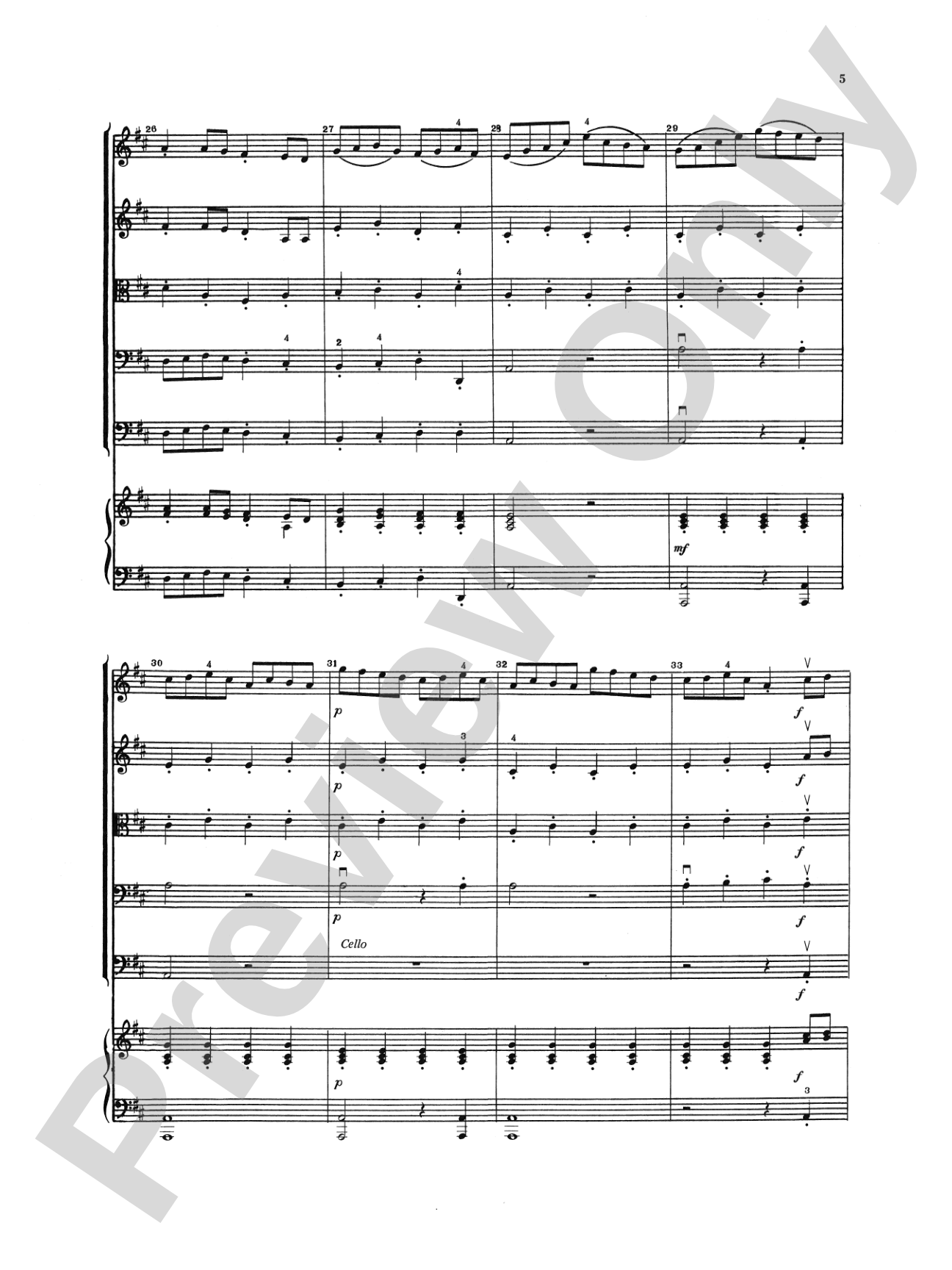
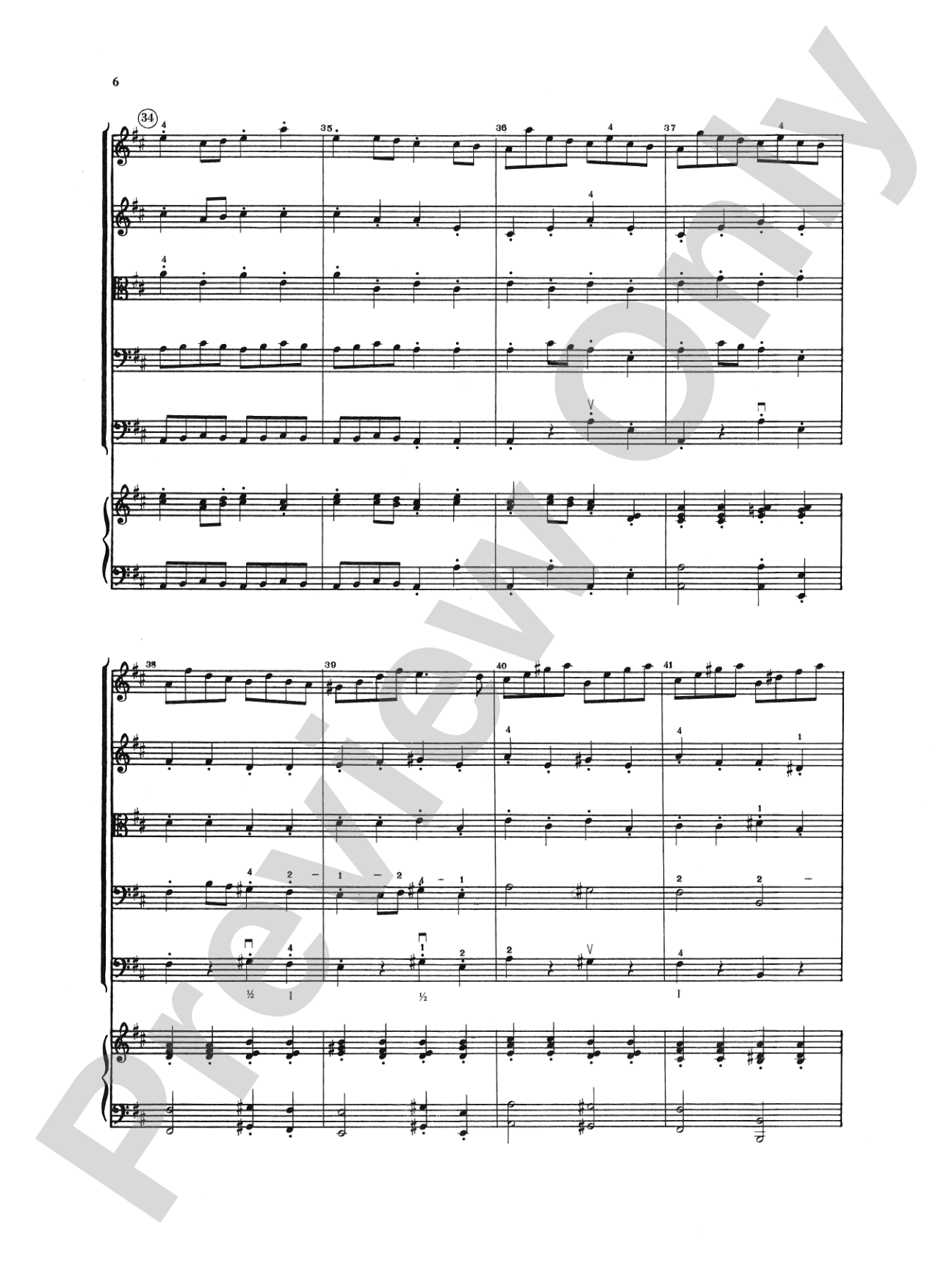
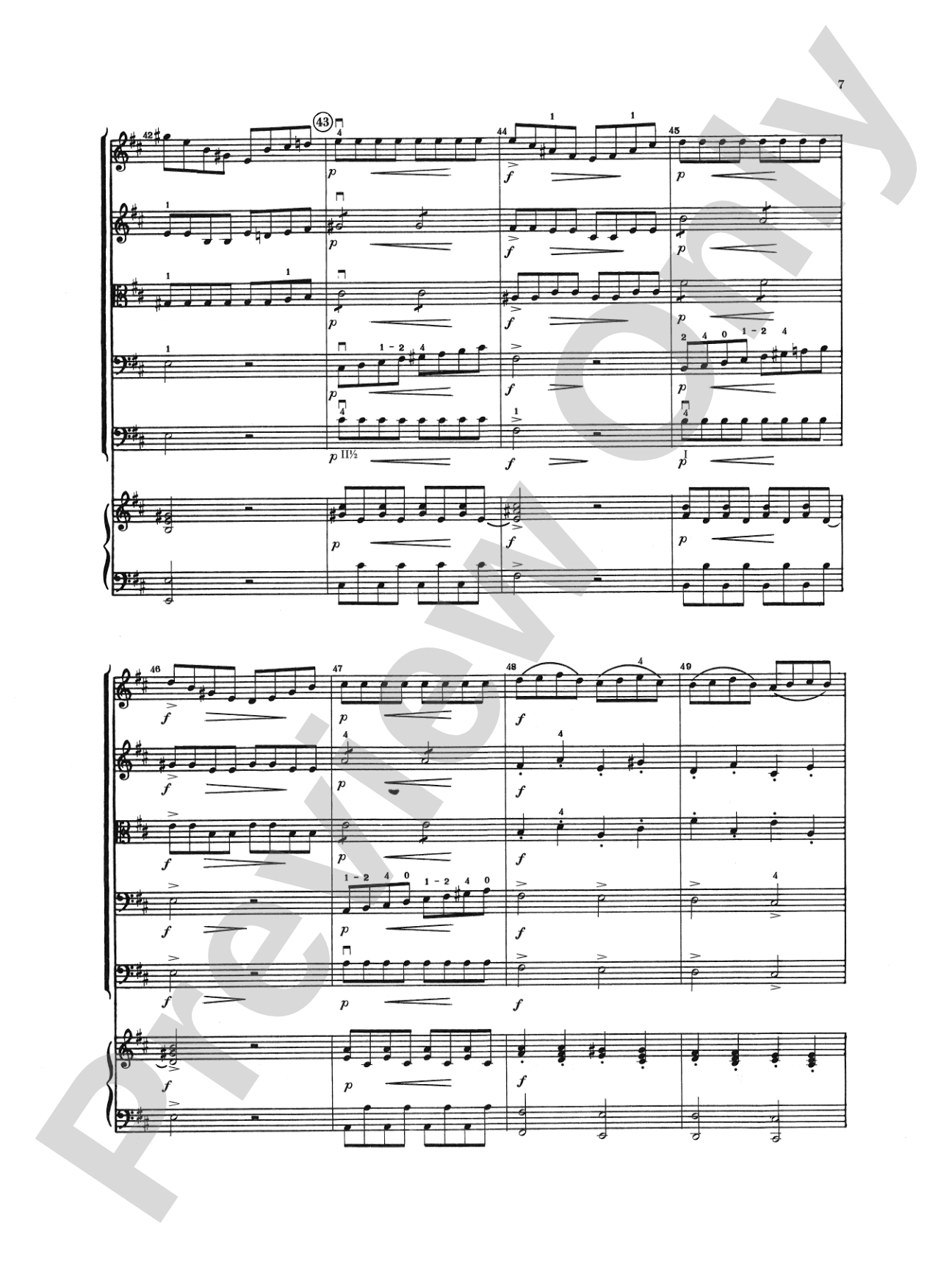
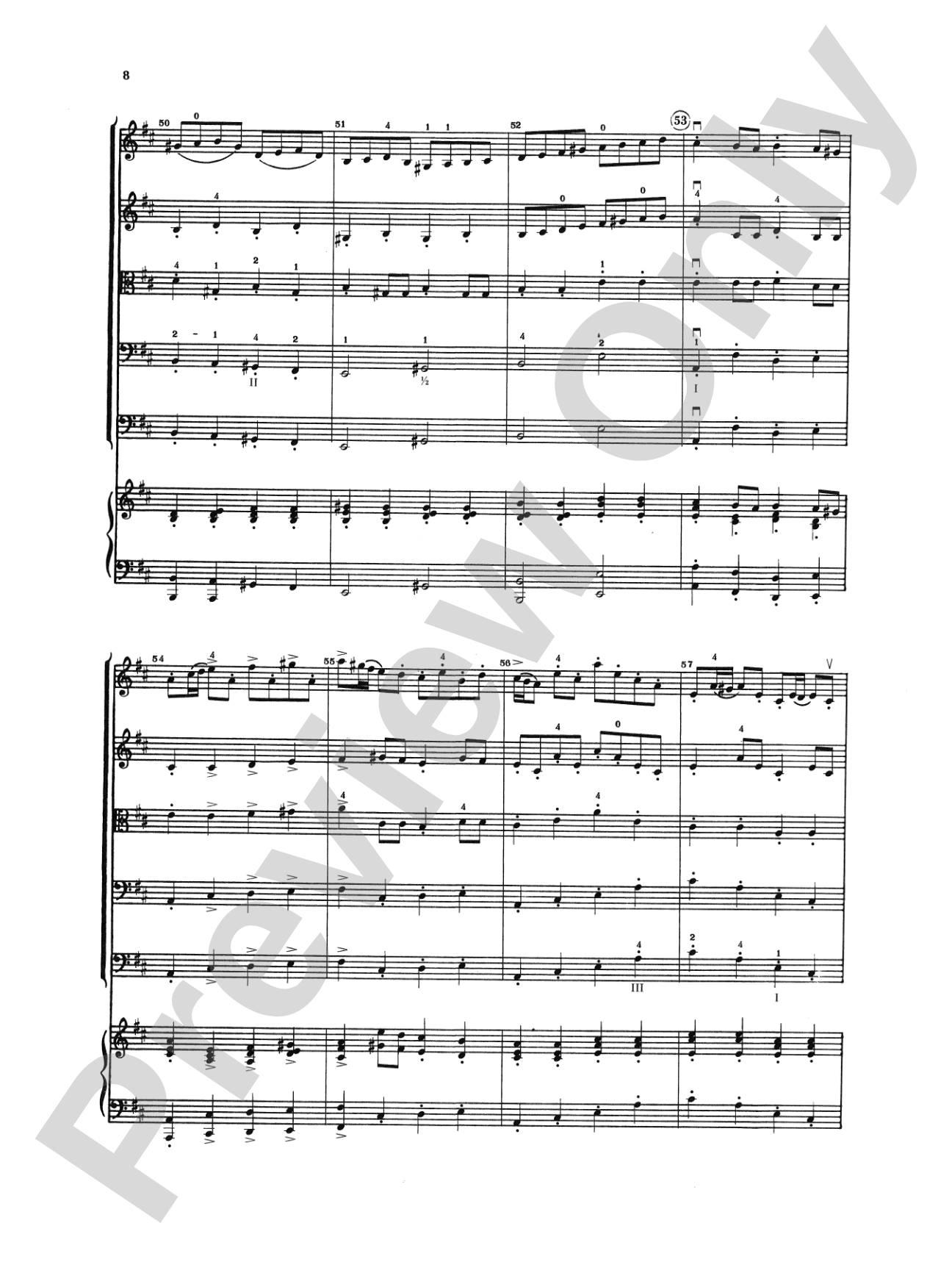
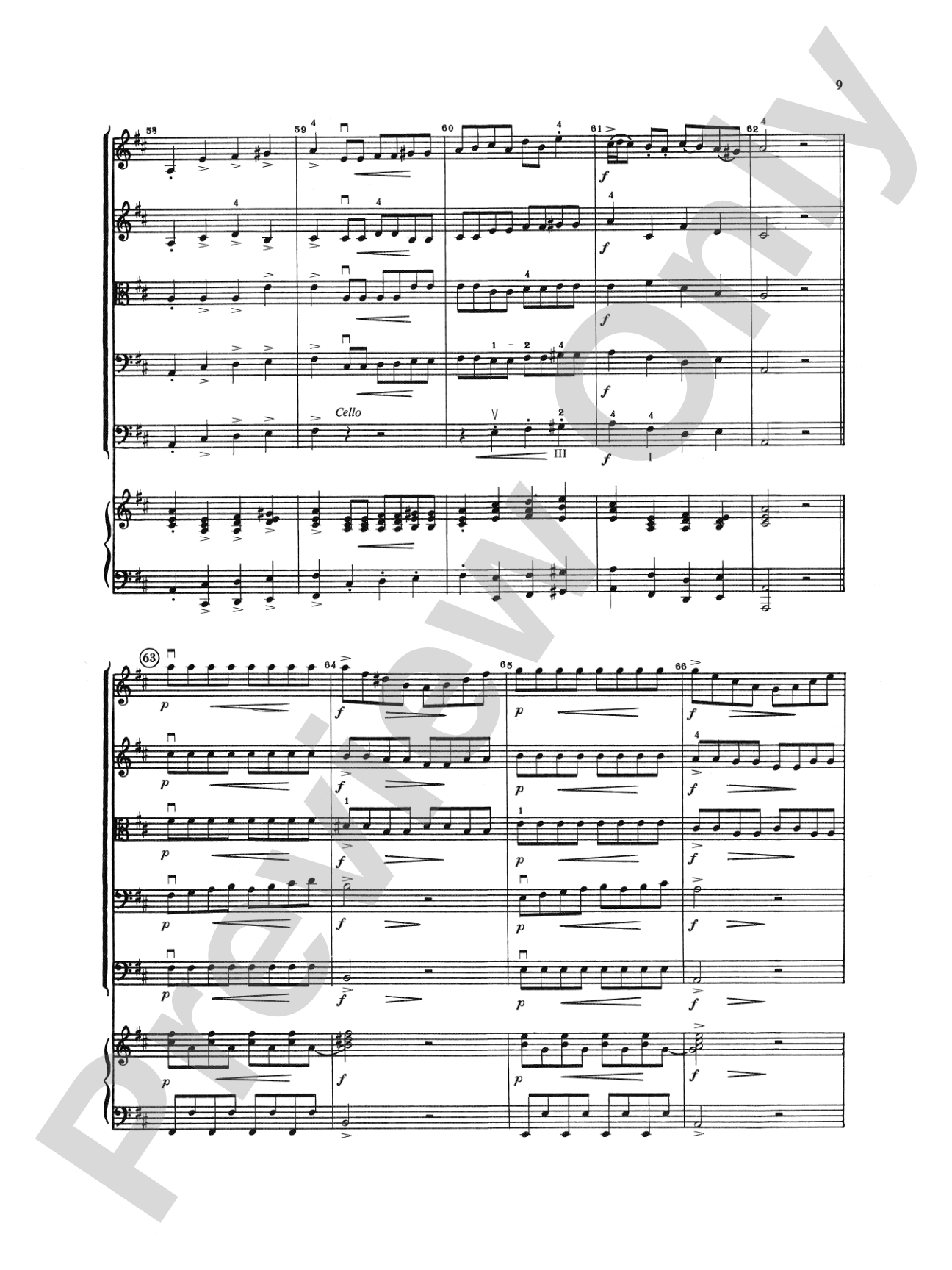
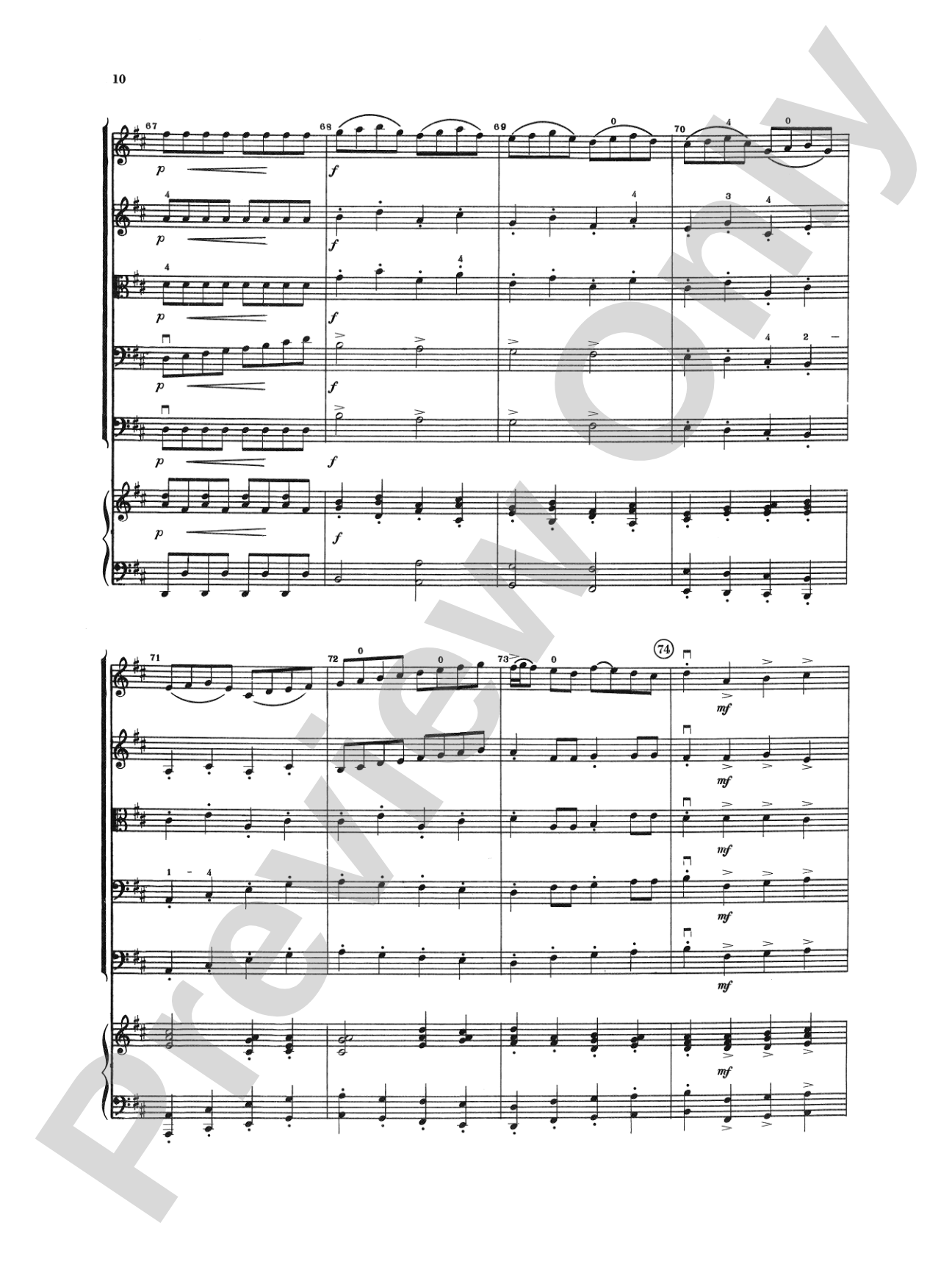
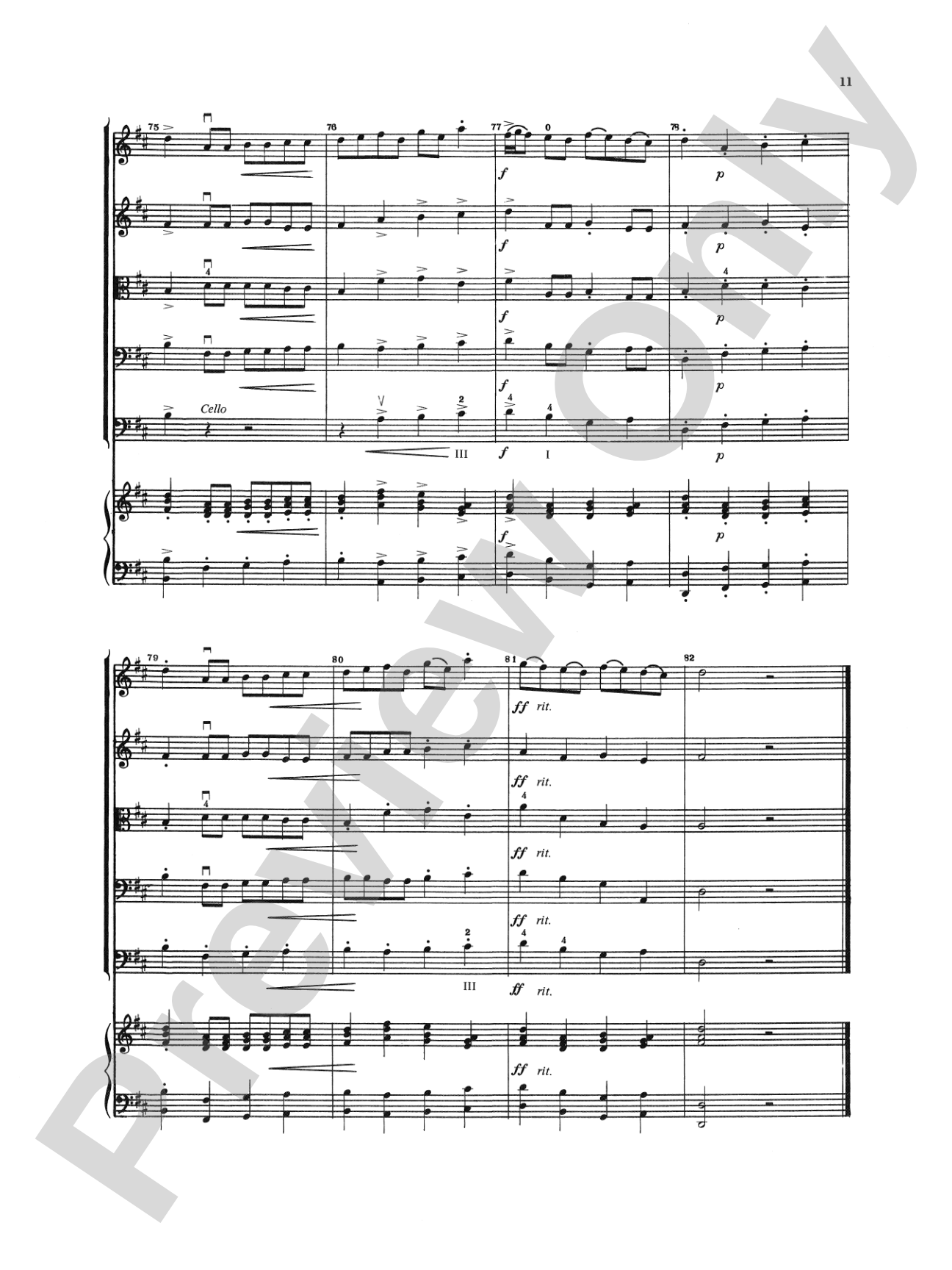


Concerto in D Major (from Clavier Concerto No. 3): String Orchestra Conductor Score & Parts
(from Clavier Concerto No. 3)
By Johann Sebastian Bach / arr. Merle J. Isaac
Grade: 3
Item: 00-PK-0000097

$62.00
Pickup currently not available
Buy Extra Parts (Digital PDF Download)
Parts Added to Cart!
Description


Don't just read it, hear it, play along with it, and watch your students grow with it. In MakeMusic Cloud, Concerto in D Major (from Clavier Concerto No. 3): String Orchestra Conductor Score & Parts comes alive with professional accompaniment, adjustable tempo, and built-in practice tools that turn solo practice into real progress.
Open in the Player
Jump straight in and assign it today.
Start Your Free Trial
Open this title and explore the full library in minutes.
Sample Audio
No sample audio found.
Sample Video
No sample videos found.
Additional Details
Series:
Highland/Etling String Orchestra
Publisher:
Alfred Music
Page Count:
144
SKU:
00-PK-0000097
More about this title
About the Composer: Johann Sebastian Bach
Johann Sebastian Bach (1685, 1750) stands as the bridge between Renaissance polyphony and the Classical era, synthesizing centuries of musical thought into works of unmatched structural brilliance. His output spans every genre of his time except opera, and his mastery of counterpoint, harmonic language, and formal architecture established principles that composers still study today. For music educators, Bach represents both a technical standard and a gateway: his music teaches voice leading, harmonic thinking, and the relationship between melody and accompaniment with a clarity no other composer matches.
Bach's keyboard concertos, originally written for harpsichord with string accompaniment, reveal his gift for writing idiomatically across instruments. These works emerged from his role as Kapellmeister in Cöthen and Leipzig, where he balanced the demands of the church, the court, and his own compositional ambitions. In arrangement, they offer string orchestras access to one of the Baroque's most essential composers without sacrificing the brilliance of the original conception.
Why we love this
Merle Isaac's arrangement makes Bach's keyboard writing transparently accessible to string orchestras without sacrificing the music's architectural integrity. Grade 3 students can engage with genuine Baroque counterpoint and harmonic language, building their musicianship on repertoire that has proven itself across three centuries. The D Major key and bright character make this an ideal choice for spring or end-of-year concerts where you want substance alongside accessibility.
What to expect
Bright and energetic, with the crystalline texture typical of Baroque concertos. The D Major tonality shines, and the interplay of string sections creates an elegant, dance-like character that feels both formal and genuinely musical.
Who it's for
This arrangement serves Grade 3 string orchestras ready to explore Baroque masterworks with harmonic and contrapuntal substance. It works equally well for orchestras preparing for festival competition or seeking concert repertoire that challenges players without overwhelming them technically.
How to get the most out of it
- Balance the dialogue between upper and lower strings carefully; Bach's lines are often equal in importance, so avoid letting first violins dominate the texture.
- Observe the articulation patterns precisely. Clear, shaped phrases will help the counterpoint breathe and prevent the music from sounding overly legato.
- Bring out inner voices where they carry thematic material, particularly in the middle sections where violas or second violins may have significant lines.
- Use a tempo that allows the sixteenth-note passages to flow naturally without rushing; a moderate pace will highlight the clarity of Bach's writing.
How to use it
Pair this with contemporary or Romantic-era works to demonstrate the historical arc of string orchestration, or program it as a festival entry where its musicianship and authenticity stand out. The moderate technical demands make it suitable for a mid-concert placement where you want to showcase ensemble precision and control.
Skills your students will build
- Reading and balancing independent musical lines in contrapuntal texture
- Playing with clarity and articulation in fast scalar passages
- Tracking harmonic movement across the ensemble
- Responding to internal cues and ensemble blend rather than relying solely on the conductor
- Understanding Baroque performance practice and style conventions