


Concerto in C Major: In Three Movements for Solo Piano with Piano Accompaniment - Piano Duo (2 Pianos, 4 Hands): Piano Duets & Four Hands
In Three Movements for Solo Piano with Piano Accompaniment
By Catherine Rollin
Level: Intermediate
Item: 00-PS-0016234

$7.99
Pickup currently not available
Related Items
Concerto in C Major: Piano Duo (2 Pianos, 4 Hands) Sheet (2 copies required) |
$7.99
|
View |
Description
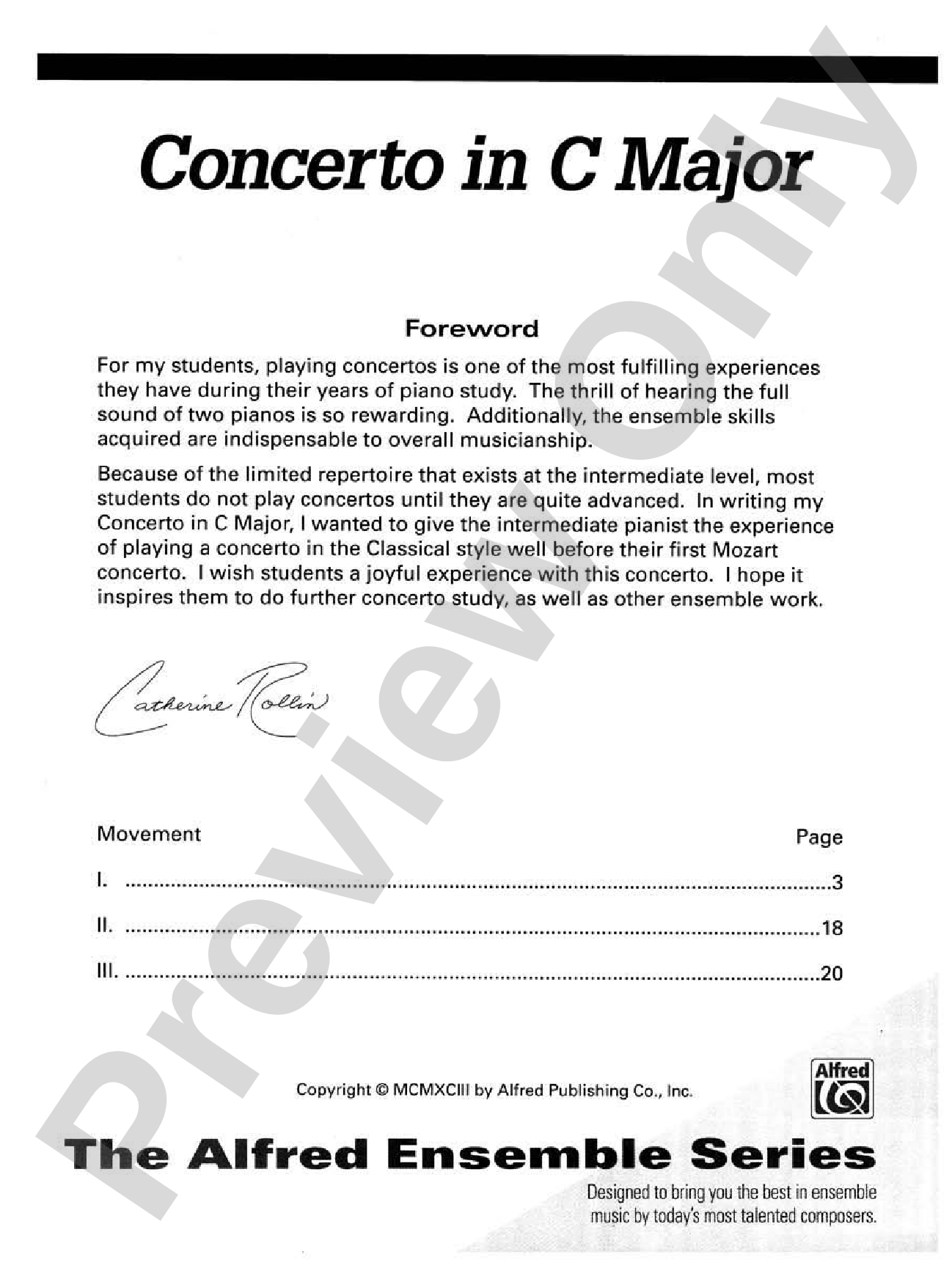
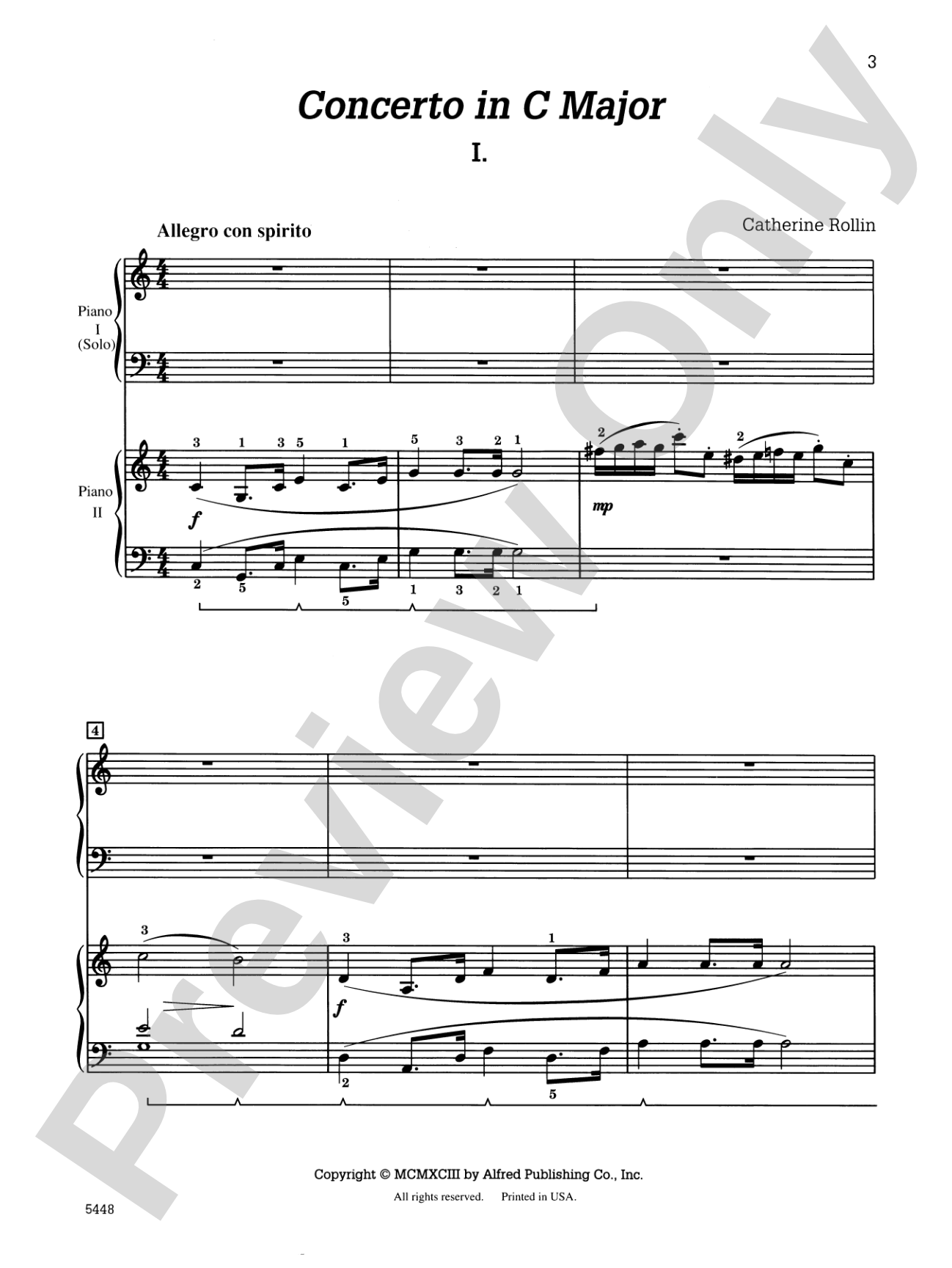
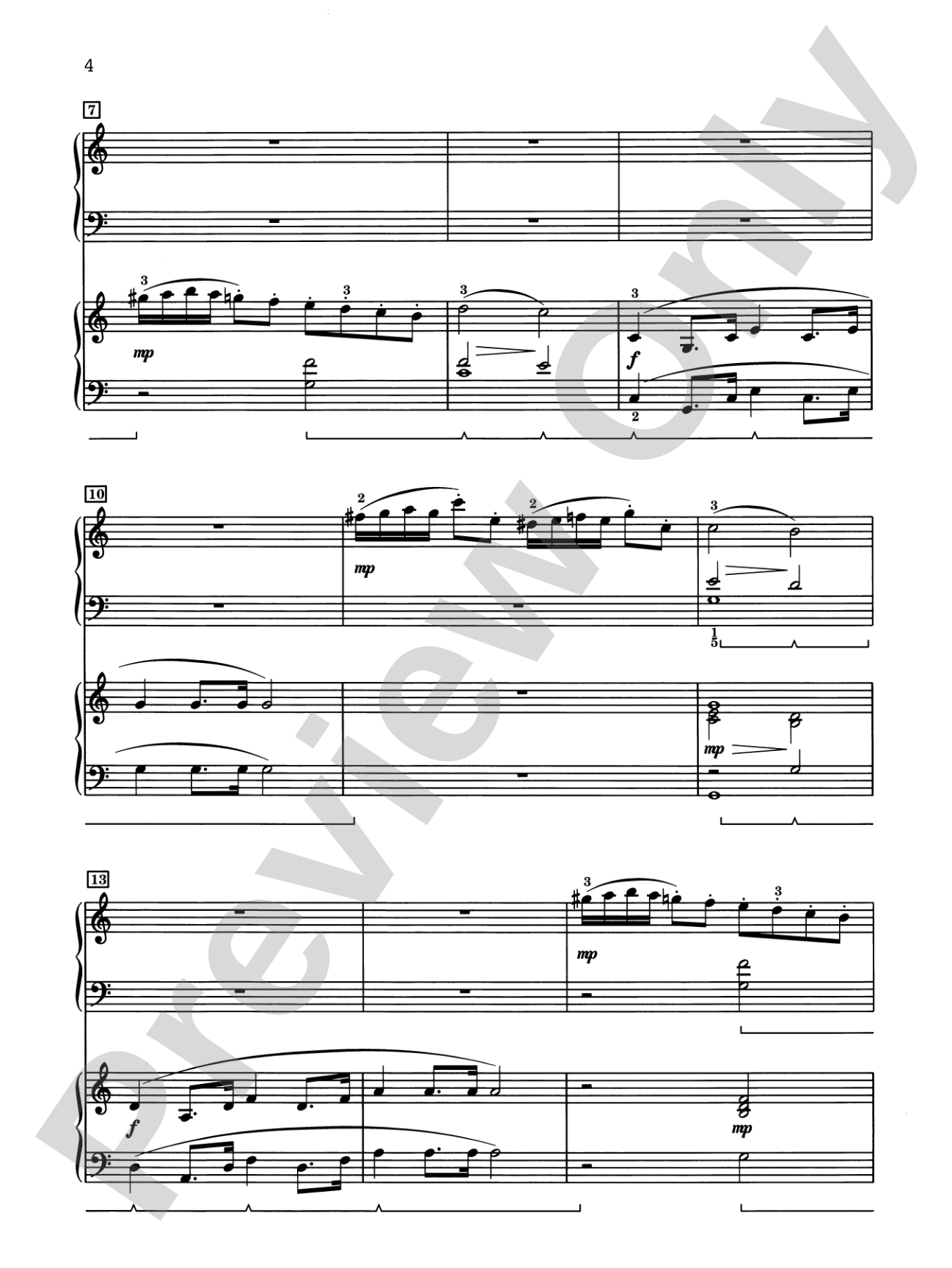
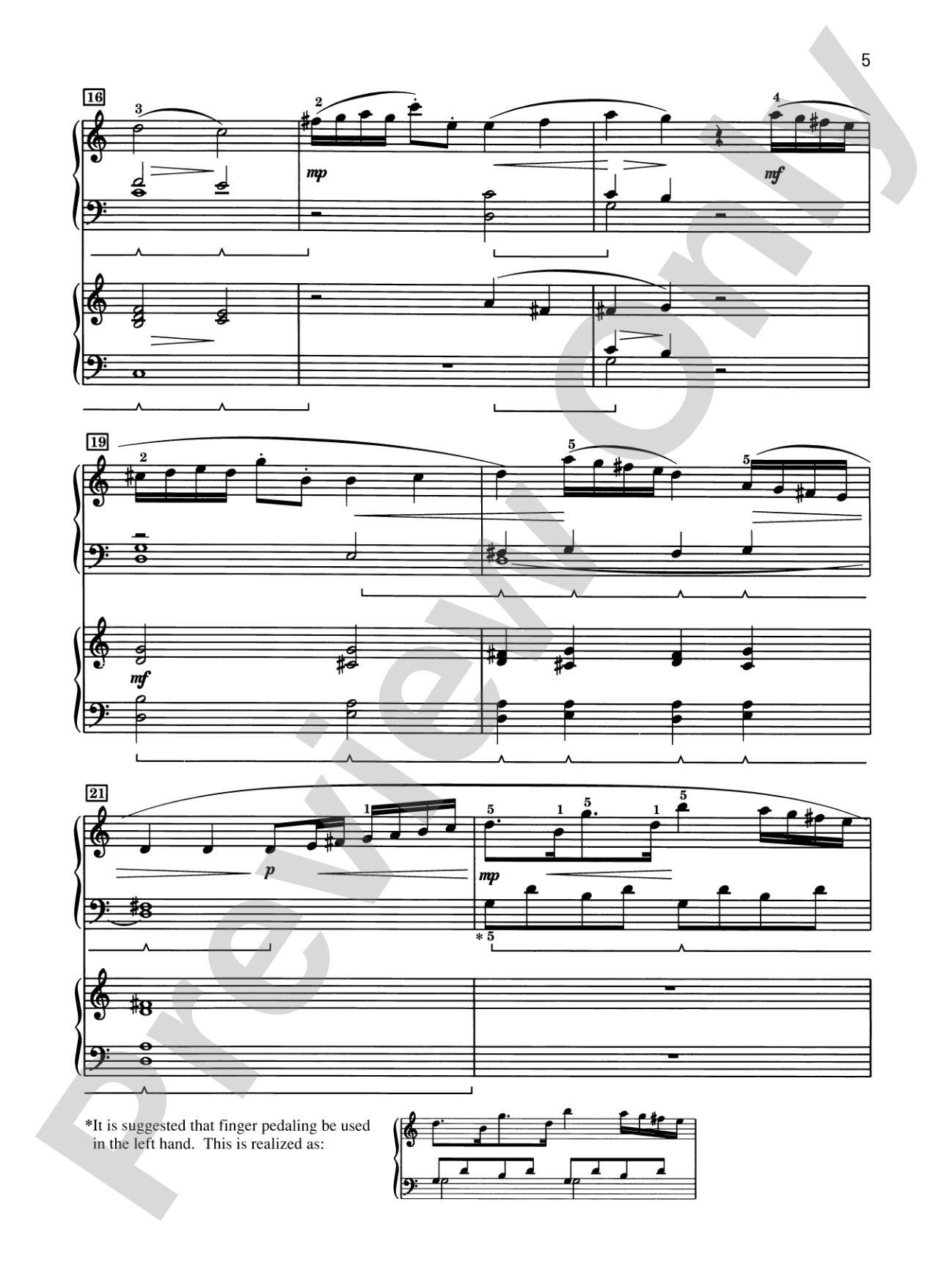
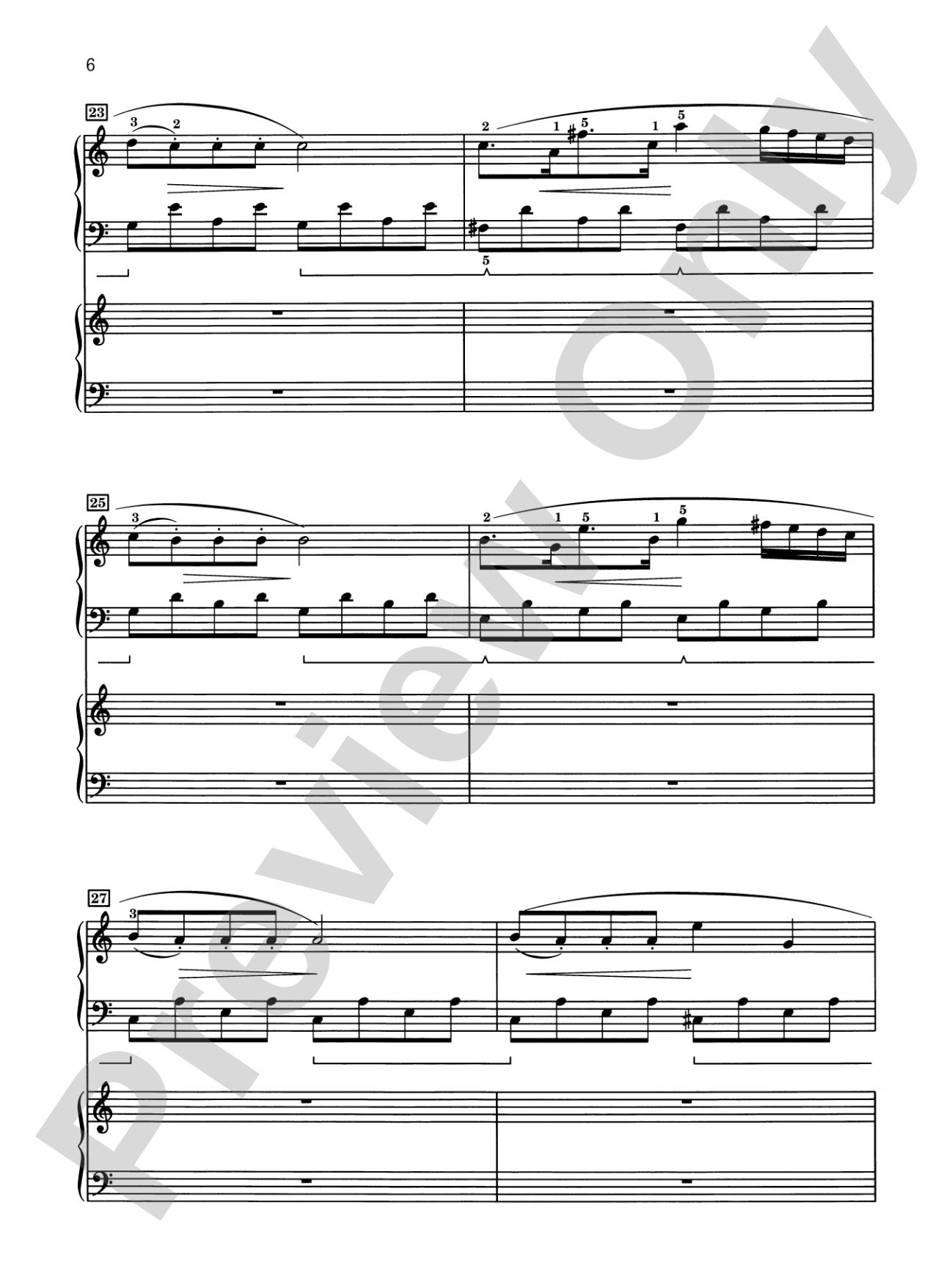
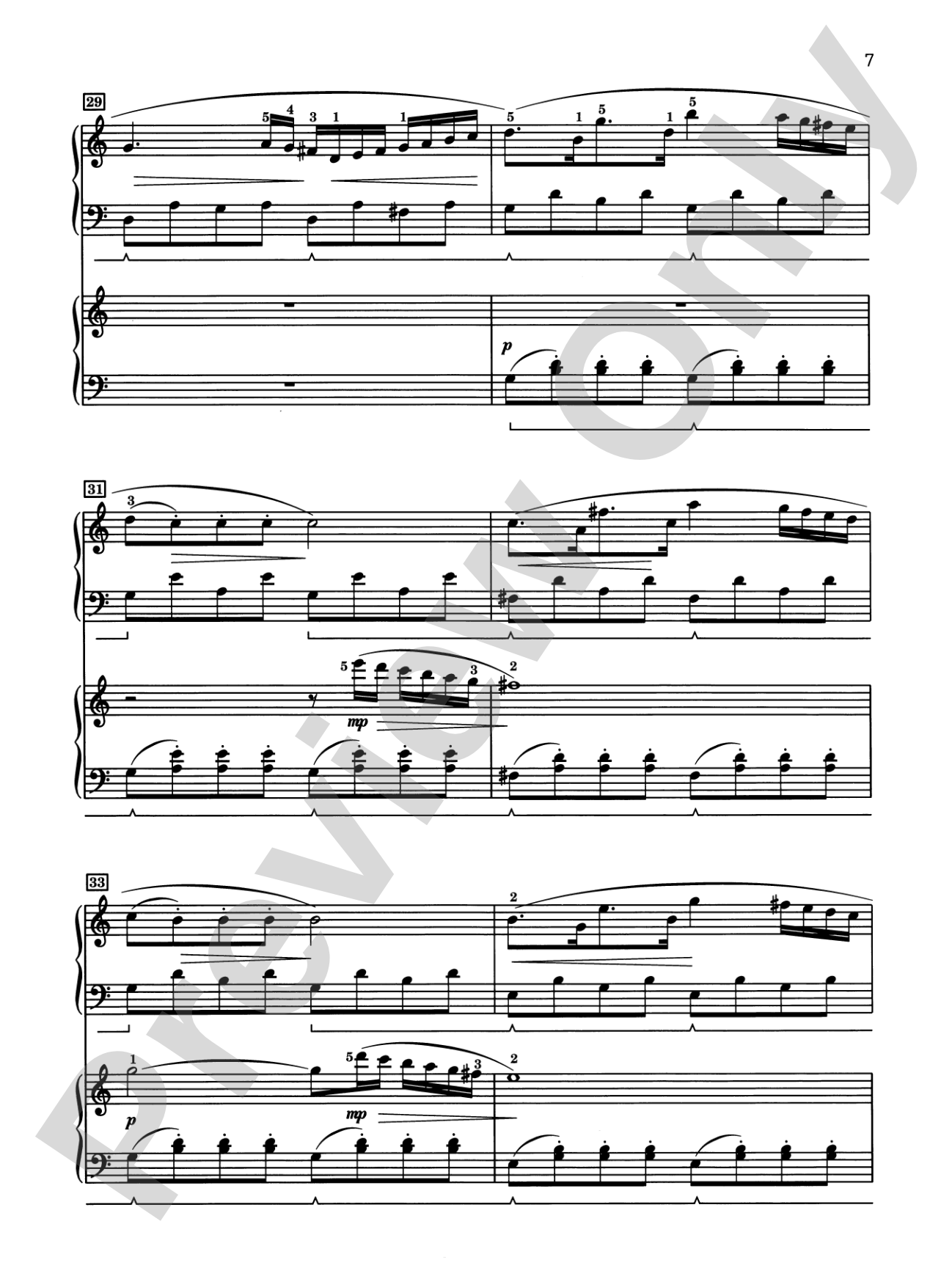
Playing concertos is one of the most fulfilling experiences a student has during the early years of piano study, and playing ensemble music is indispensable to acquiring overall musicianship. This concerto in the classical style at the intermediate level is a perfect choice for piano students; particularly those who are excited about playing concertos by Mozart and Haydn in the future. Note: two copies are needed for performance. A Federation Festivals 2024-2028 selection.


Don't just read it, hear it, play along with it, and watch your students grow with it. In MakeMusic Cloud, Concerto in C Major: In Three Movements for Solo Piano with Piano Accompaniment - Piano Duo (2 Pianos, 4 Hands): Piano Duets & Four Hands comes alive with professional accompaniment, adjustable tempo, and built-in practice tools that turn solo practice into real progress.
Open in the Player
Jump straight in and assign it today.
Start Your Free Trial
Open this title and explore the full library in minutes.
Sample Audio
No sample audio found.
Sample Video
No sample videos found.
Additional Details
Series:
The Alfred Ensemble Series
Publisher:
Alfred Music
Page Count:
32
SKU:
00-PS-0016234
More about this title
About the Composer: Catherine Rollin

Catherine Rollin balances an active composing career with mentoring accomplished piano students, having led workshops and masterclasses across the United States, Canada, Japan, and Taiwan. She holds a Bachelor of Musical Arts degree with distinction from the University of Michigan and a master of Music degree from Oakland University School of Performing Arts.
Rollin's compositions have earned recognition from major music organizations including commissions from Clavier Companion magazine, the Music Teachers National Association (MTNA), and the Michigan Music Teachers Association. Her work has been selected multiple times for the National Federation of Music Clubs Festivals Bulletin, and she has served as a judge for the MTNA Student Composition Competition and the Lynn Freeman Olson Composition Contest. Her multimedia series Museum Masterpieces won an ASCAP award, and her trio for flute, alto saxophone, and piano (Suite Detroit) premiered at the 2018 MTNA national conference.
Why we love this
Rollin writes concertos that genuinely feel like concertos, not simplified imitations. The three-movement structure and classical proportions give students real stakes: they get to experience the formal architecture and dramatic arc of the genre while staying within intermediate technical reach. Having a peer pianist rather than a recorded accompaniment makes this a true chamber music experience, building collaboration skills alongside musicianship.
What to expect
Elegant and purposeful. The three movements unfold with the grace of classical form, moving through contrasting tempos and moods while maintaining an intimate, conversational quality between the two pianos. There's genuine satisfaction in executing passage work and lyrical phrases without the technical demands that would overshadow musical expression.
Who it's for
Piano students at the intermediate level who are drawn to the classical concerto repertoire and ready for ensemble playing. This works especially well for pianists preparing for festival performances or those building toward studying Mozart and Haydn concertos.
How to get the most out of it
- Balance the solo and accompaniment parts so the first pianist's melody sings clearly without drowning out the harmonic and rhythmic foundation from the second piano
- Practice the two parts independently first, then rehearse together focusing on synchronized tempos and phrase shaping across the keyboard
- Mark pedal changes in both parts before the first full run-through to ensure the sonorities blend intentionally rather than muddying
How to use it
Feature this as a concerto performance at a student recital or festival concert, giving intermediate pianists the prestige of a solo concerto without the solo burden. It also pairs naturally with other small ensemble works in a program celebrating collaborative music-making.
Skills your students will build
- Reading and performing classical concerto form (three-movement structure with contrasting tempos)
- Balancing solo and accompaniment textures across two instruments
- Ensemble listening and coordination with another pianist
- Sustaining lyrical phrasing through passage work at an intermediate technical level
- Interpreting classical style with proper ornamentation and articulation