
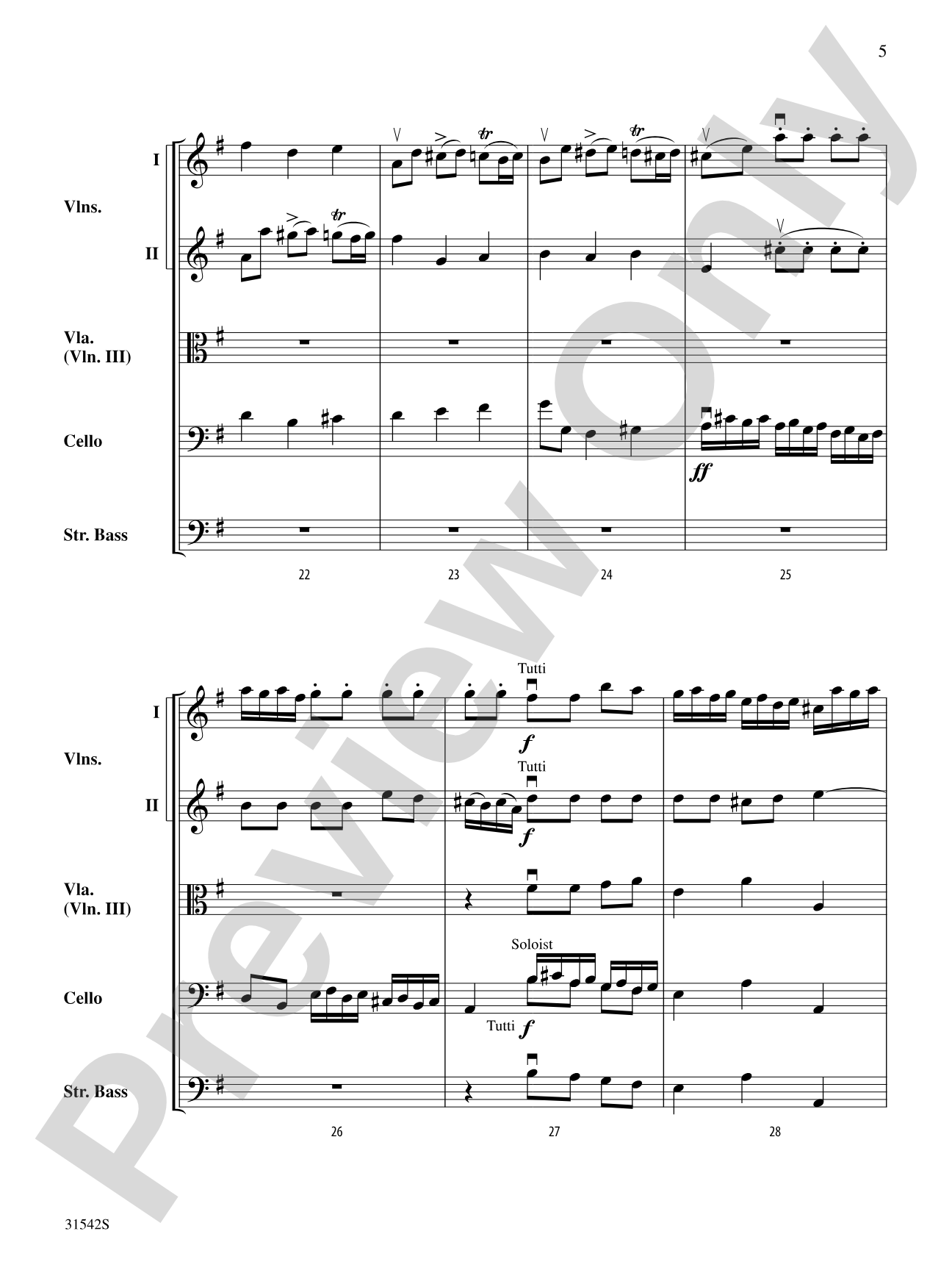
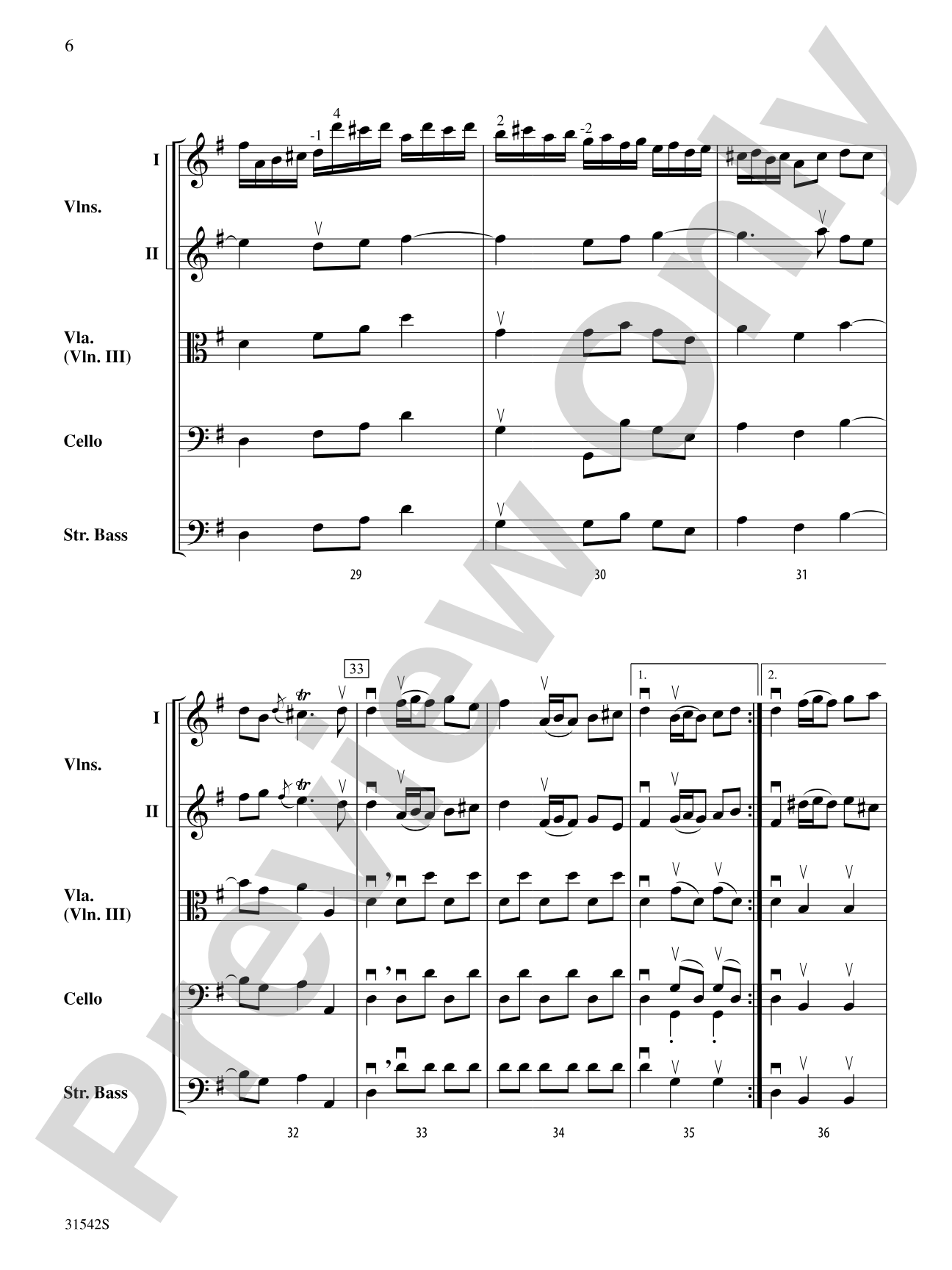
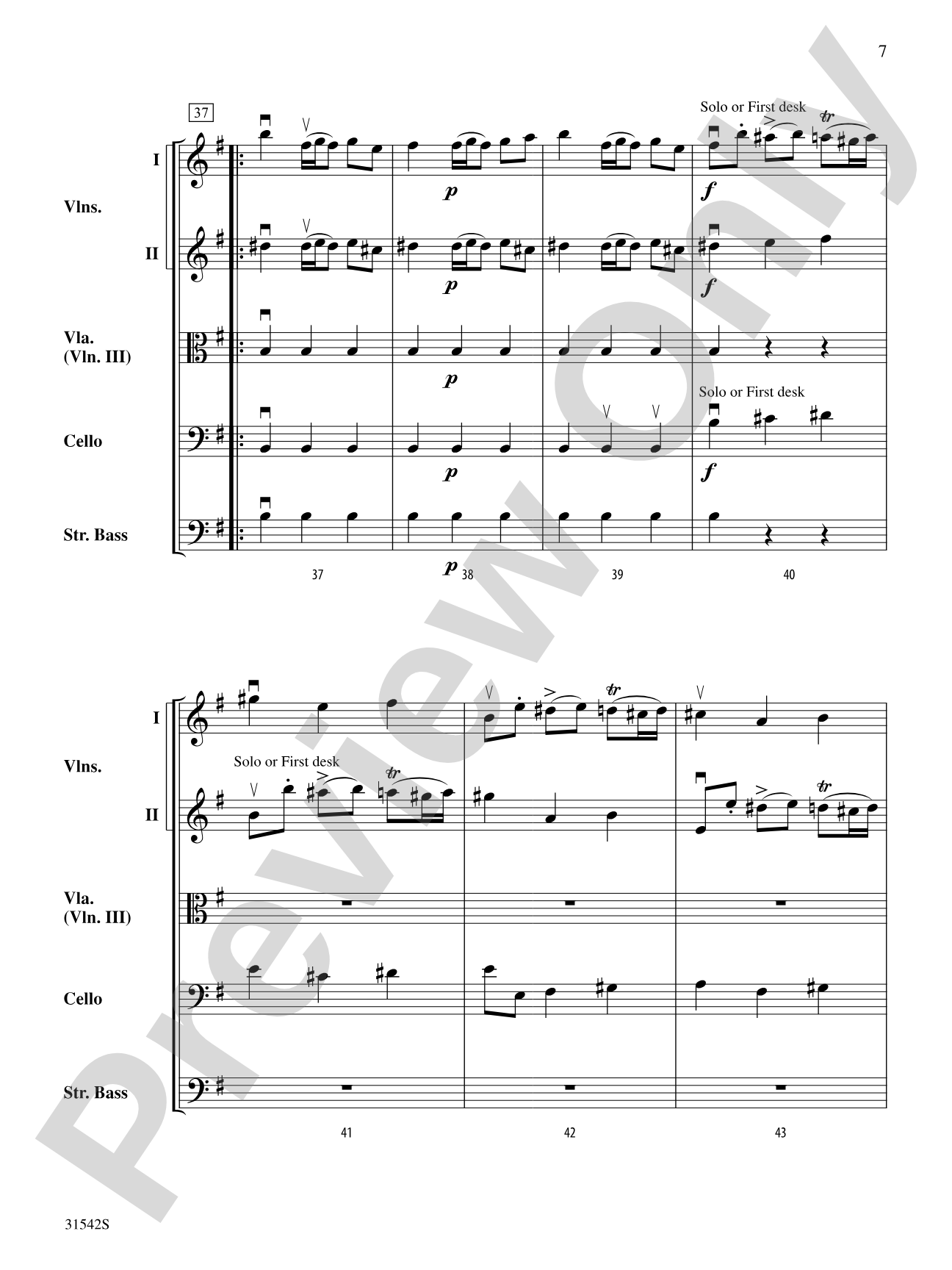
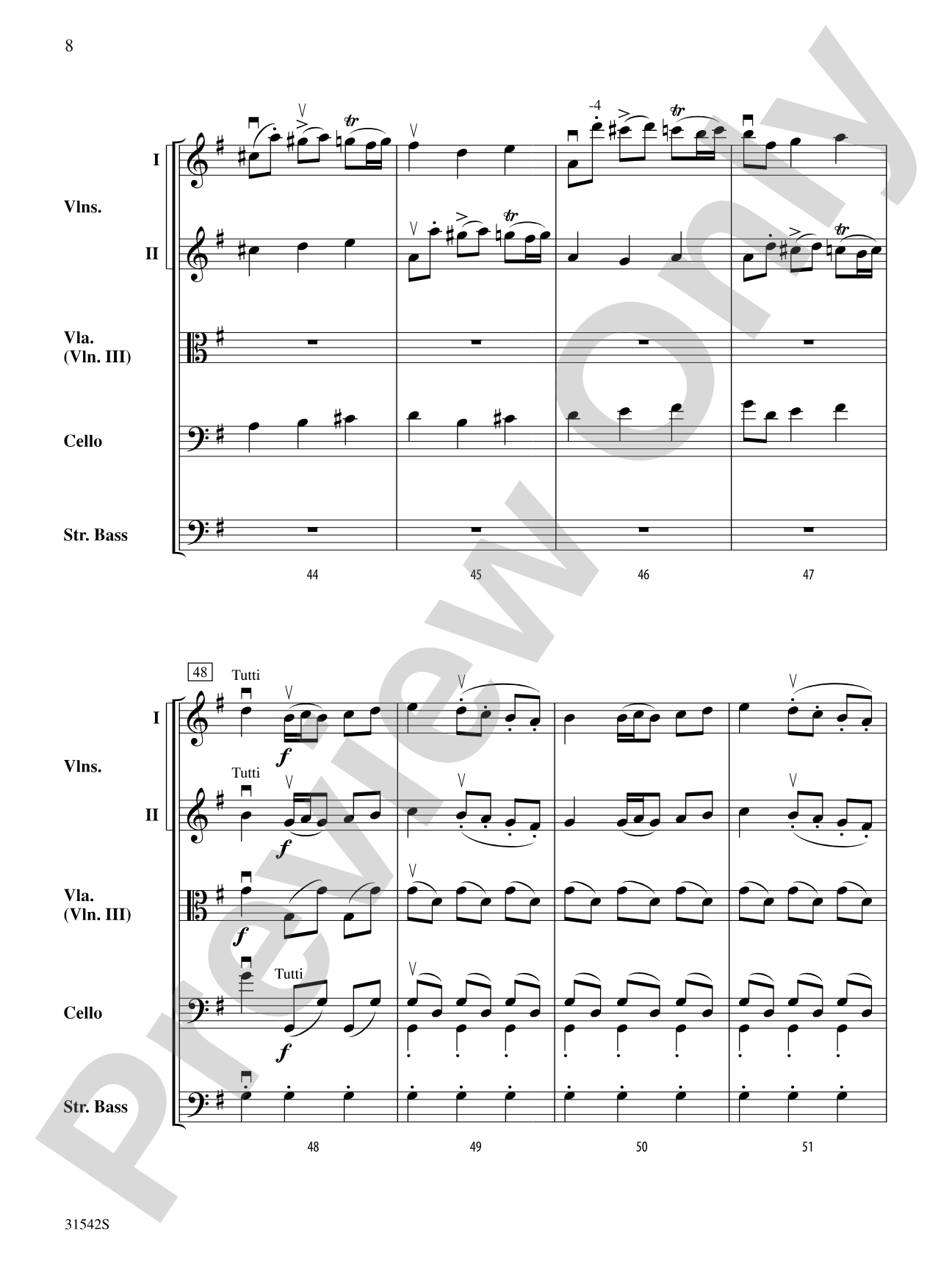
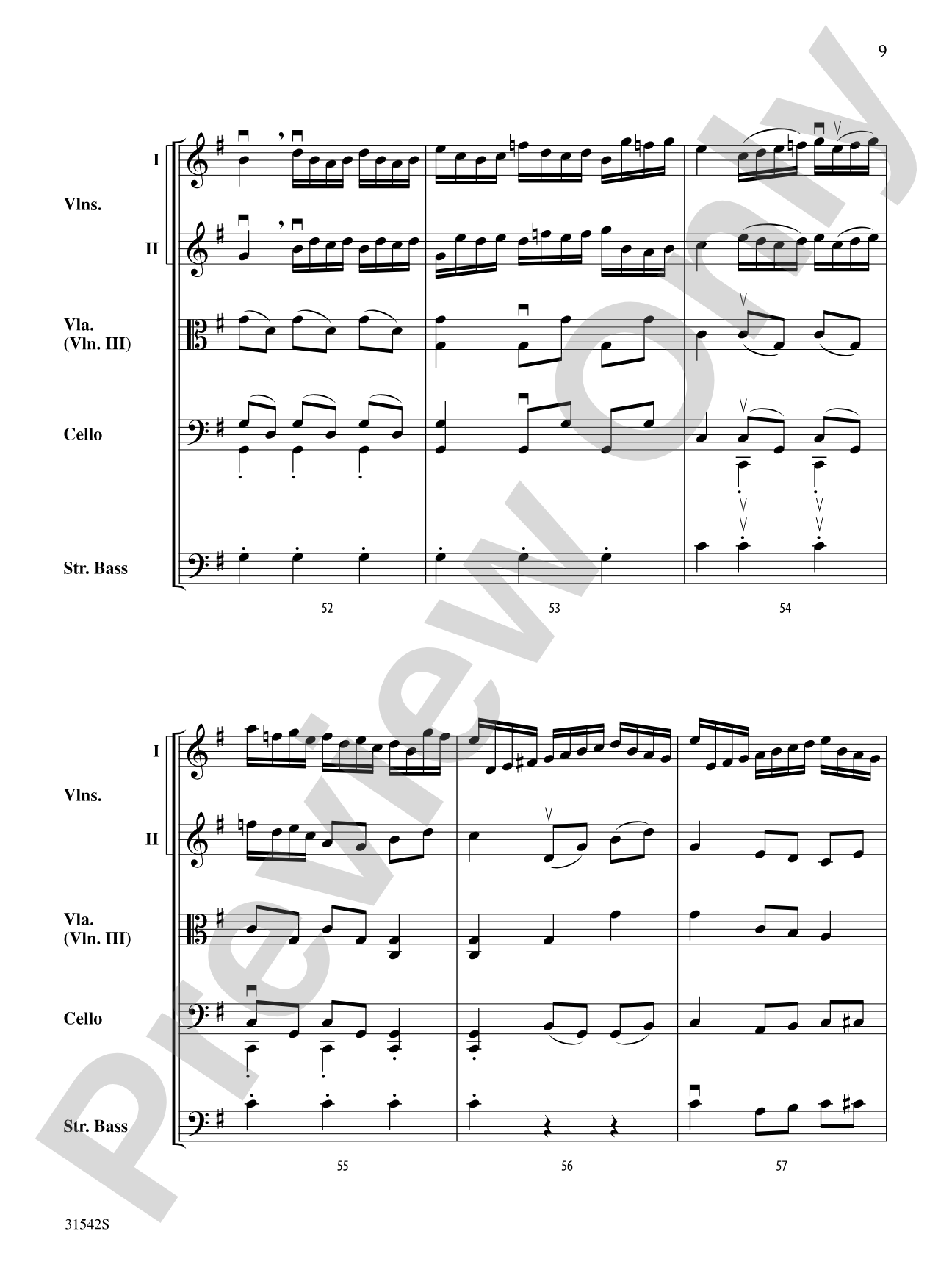
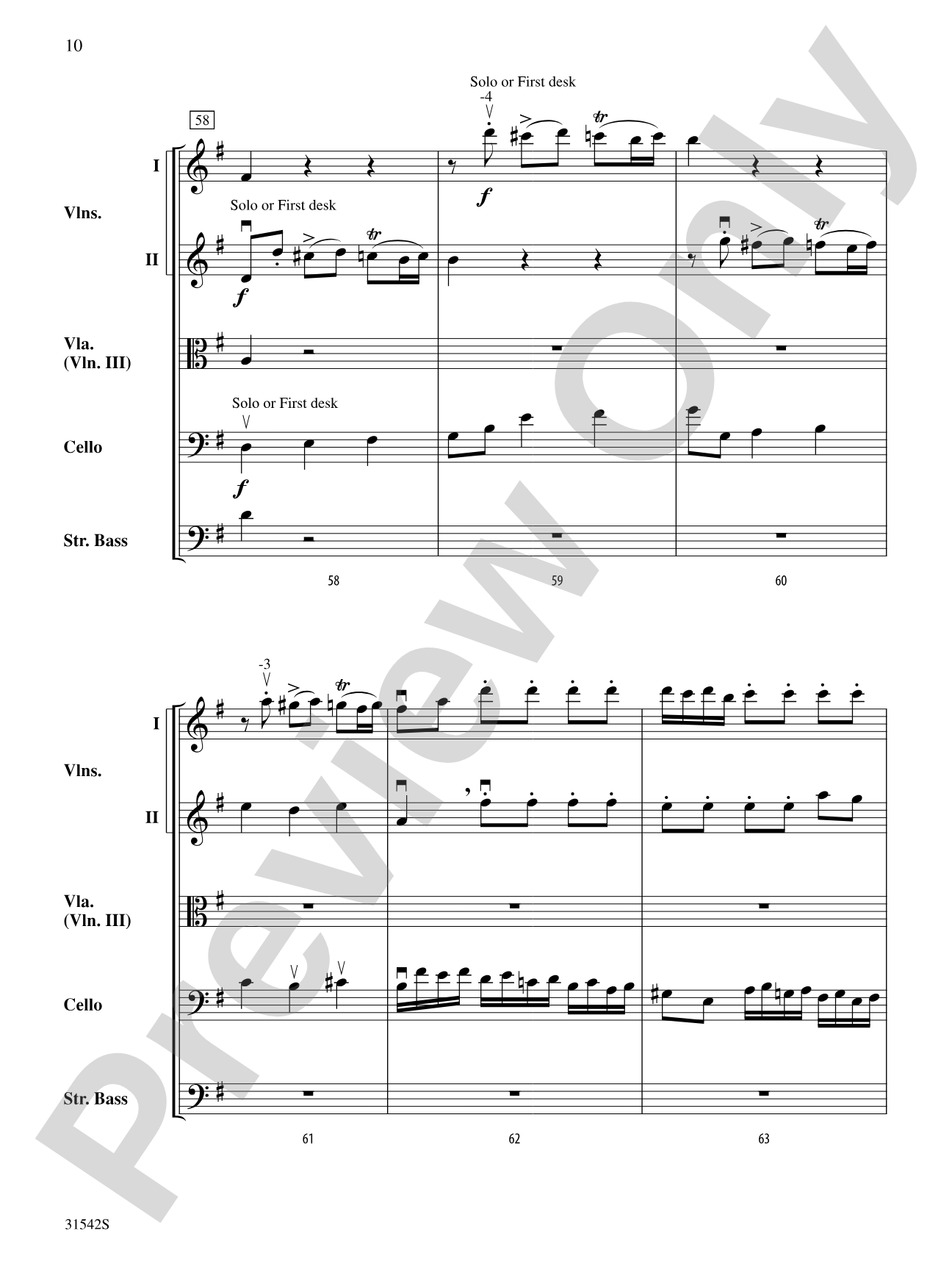
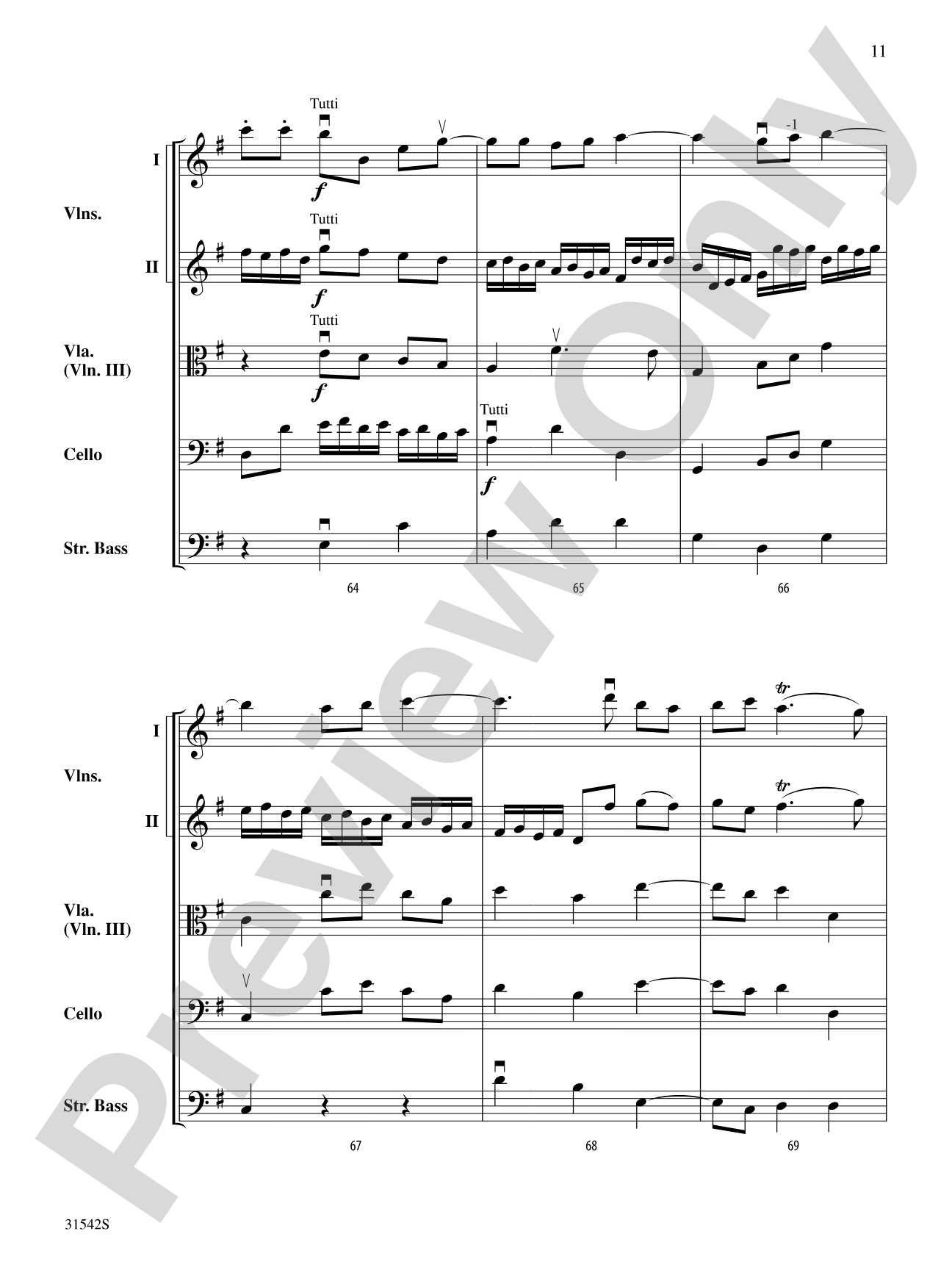
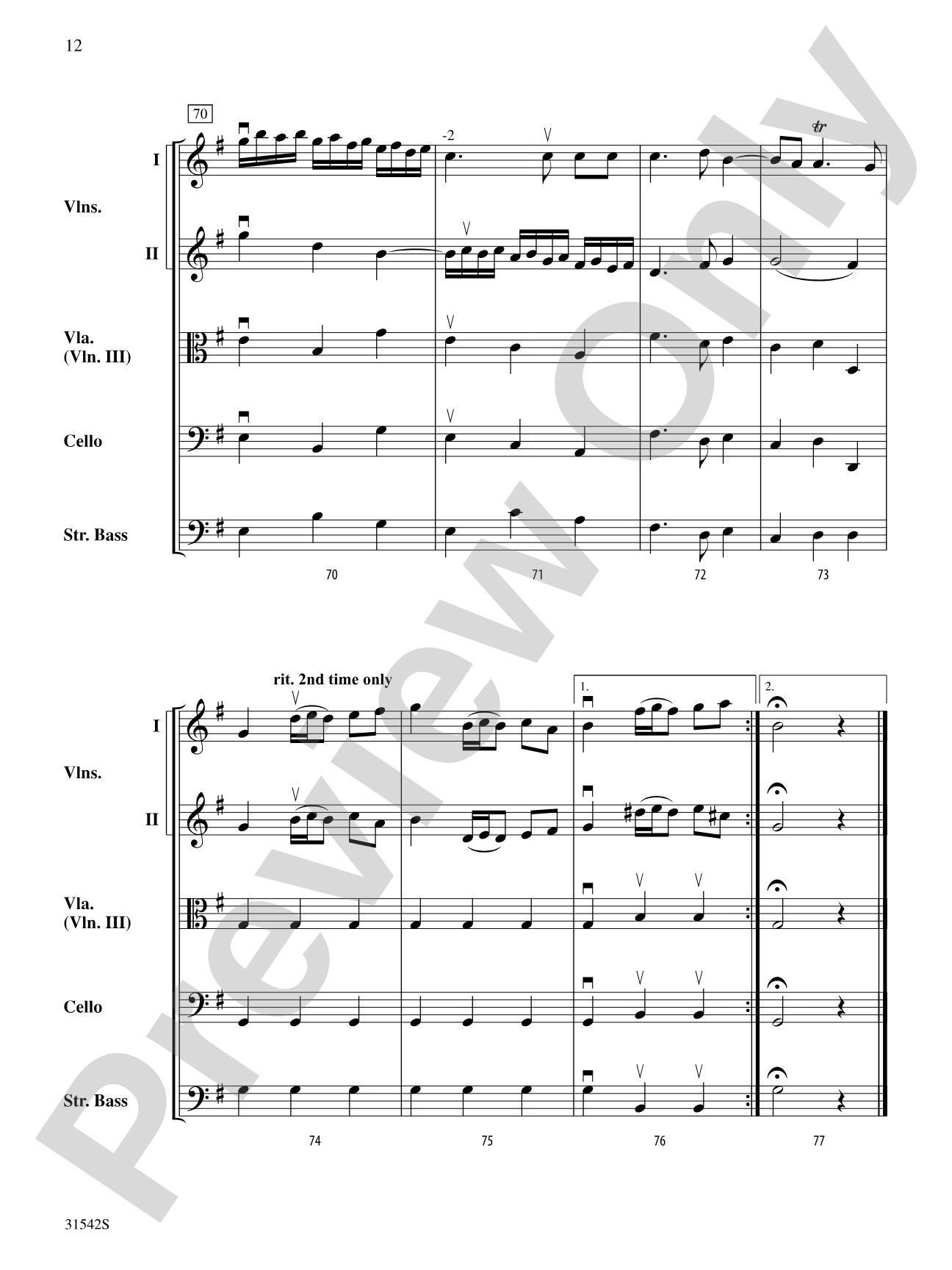

Concerto Grosso, Opus 6, No. 3 (Polonaise): String Orchestra Conductor Score & Parts
By George Frideric Handel / arr. Tim McCarrick
Grade: 3.5
Item: 00-PK-0001738

$49.00
Pickup currently not available
Buy Extra Parts (Digital PDF Download)
Parts Added to Cart!
Description
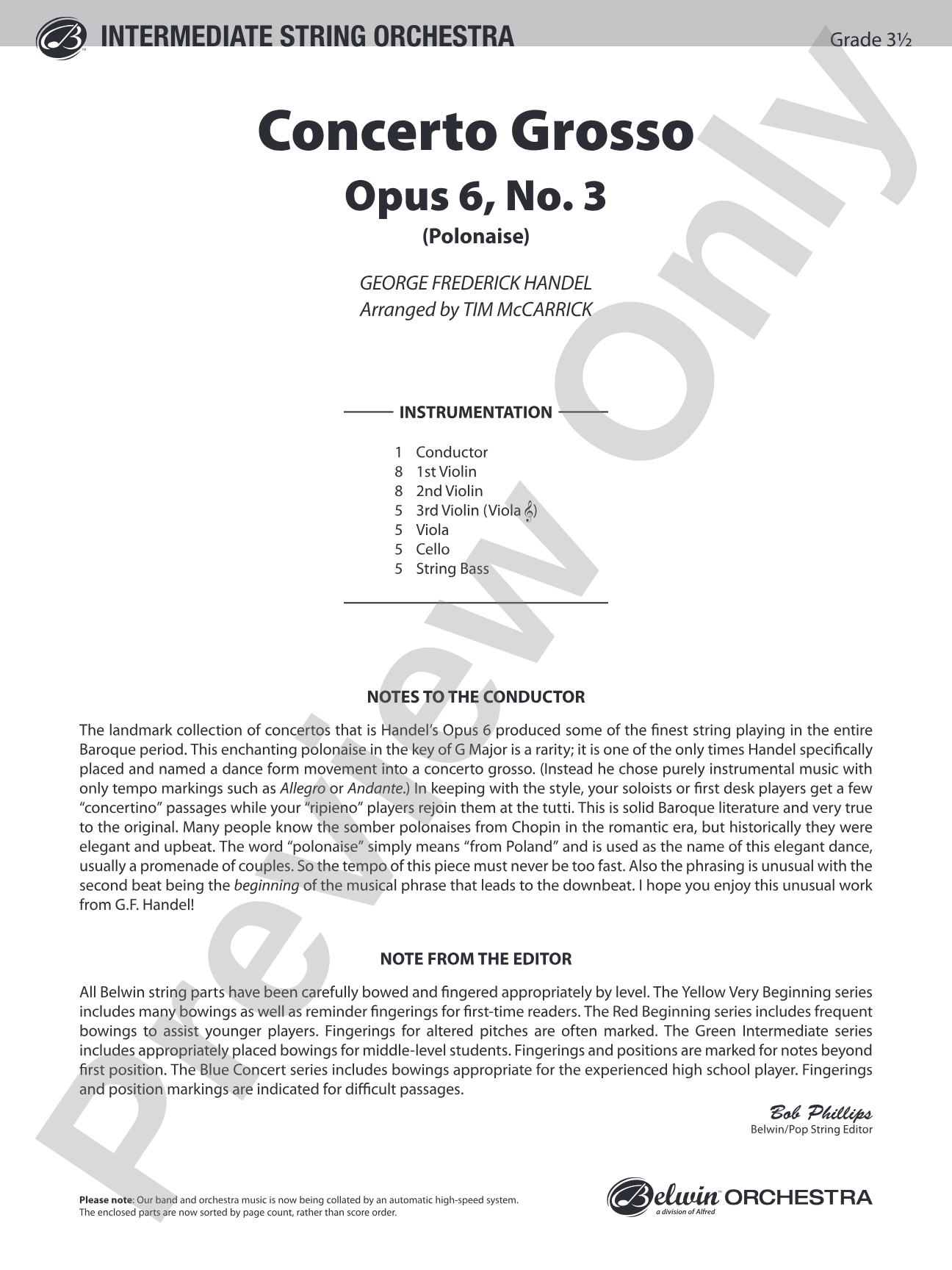
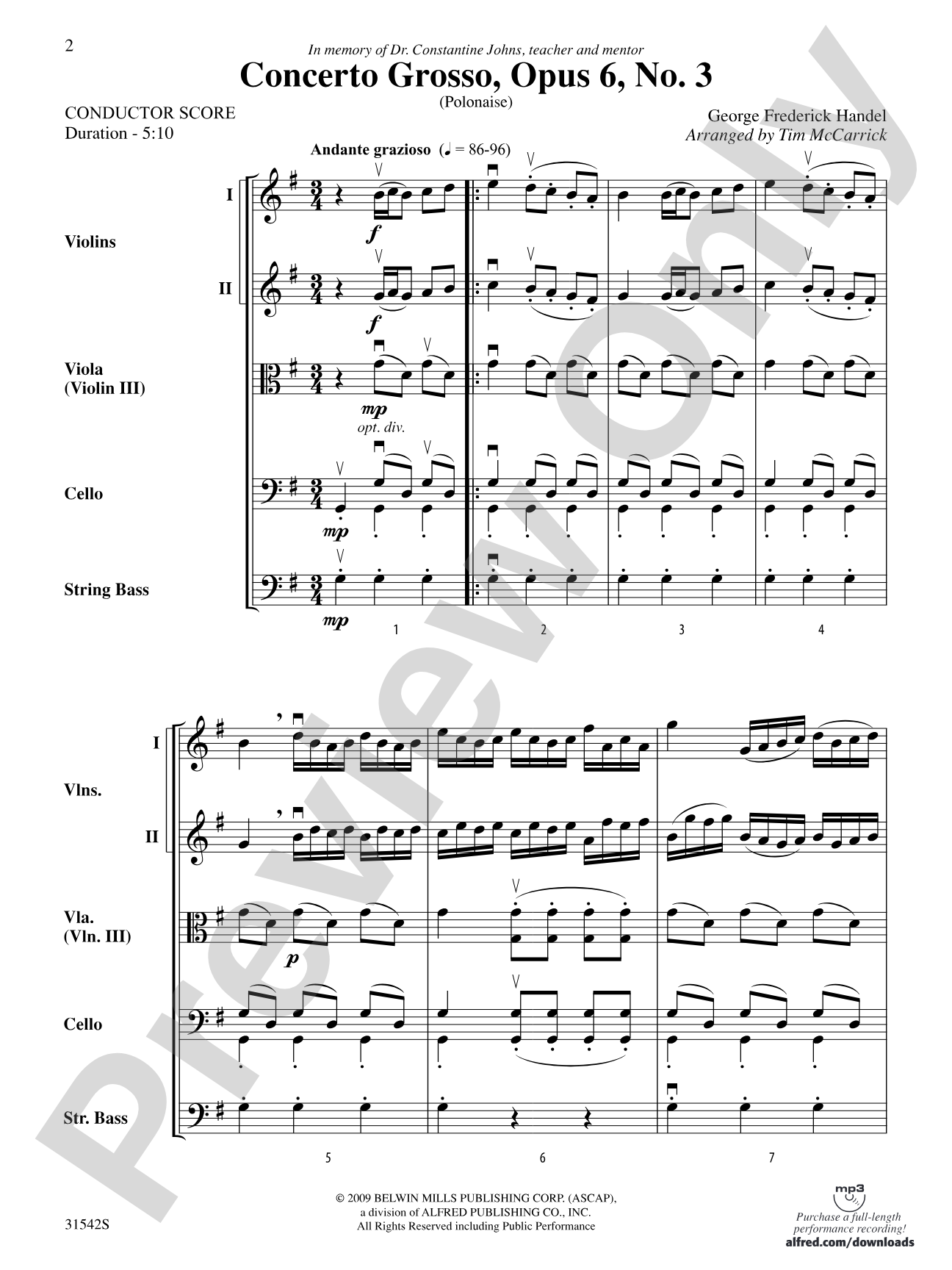
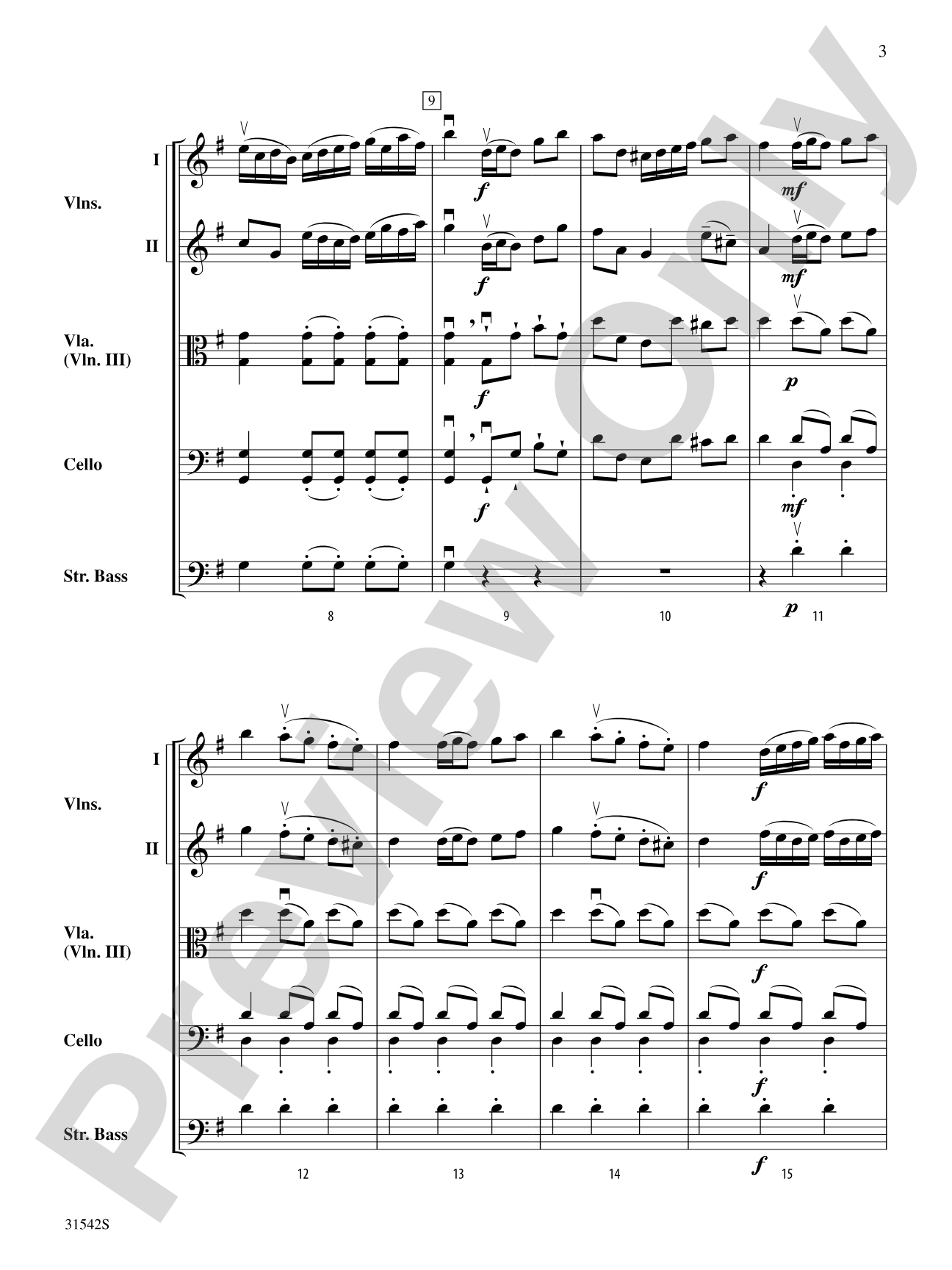
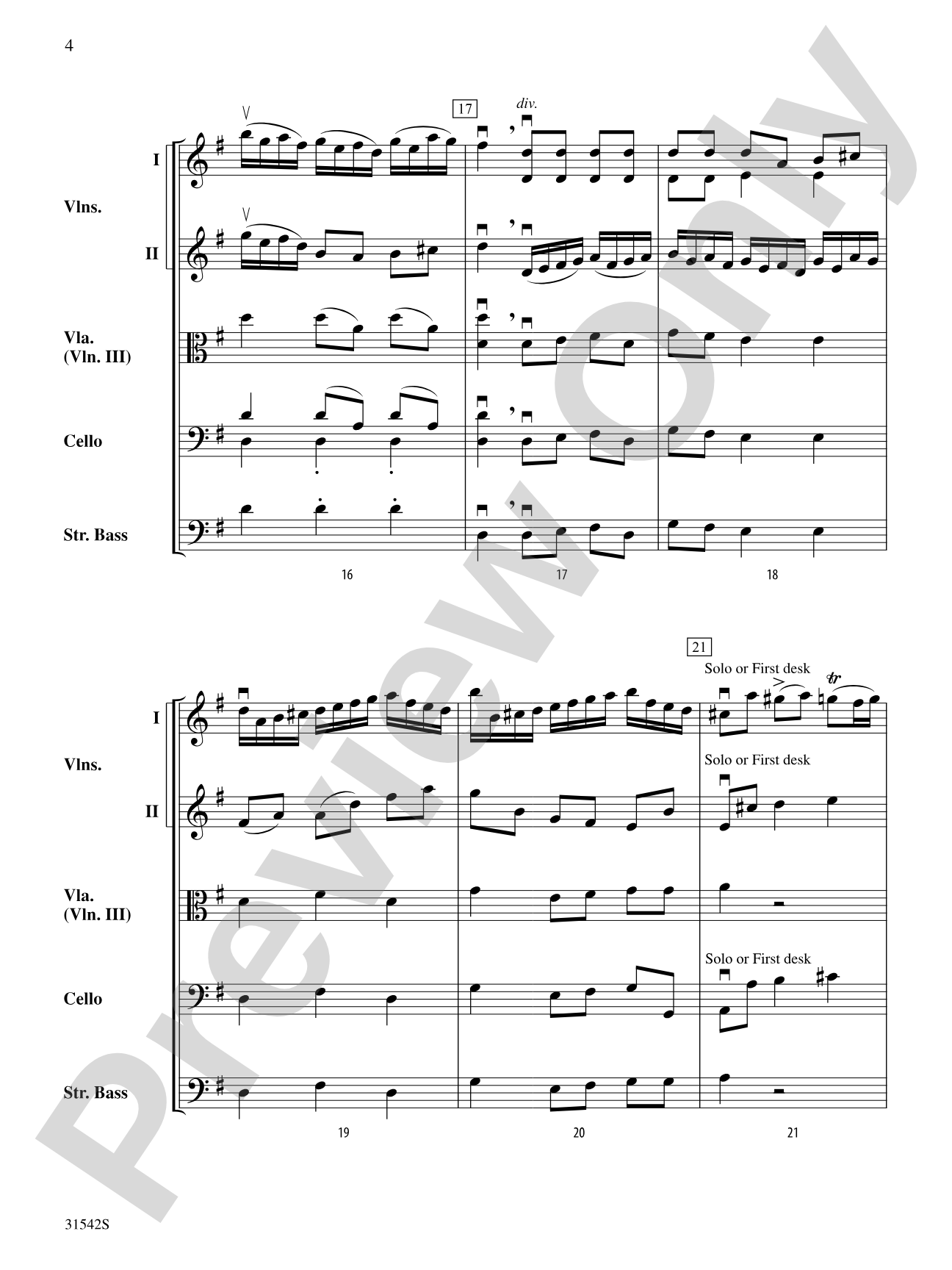
Elegant, enchanting and upbeat, this unusual work from Handel is one of the only times he specifically named and placed a dance form movement into the Opus 6 Concerto Grosso works. This is solid Baroque literature and very true to the original, including solos in keeping with the style. This title is available in MakeMusic Cloud.


Don't just read it, hear it, play along with it, and watch your students grow with it. In MakeMusic Cloud, Concerto Grosso, Opus 6, No. 3 (Polonaise): String Orchestra Conductor Score & Parts comes alive with professional accompaniment, adjustable tempo, and built-in practice tools that turn solo practice into real progress.
Open in the Player
Jump straight in and assign it today.
Start Your Free Trial
Open this title and explore the full library in minutes.
Sample Audio
1
Audio File
--:--
0:00
0:00
Sample Video
No sample videos found.
Additional Details
Series:
Belwin Intermediate String Orchestra
Publisher:
Alfred Music
Page Count:
114
SKU:
00-PK-0001738
More about this title
About the Composer: George Frideric Handel
George Frideric Handel (1685-1759) was a German-born composer who spent most of his career in England, where he became one of the most celebrated musicians of the Baroque era. He wrote across nearly every genre of his time, from operas and oratorios to keyboard works and instrumental concertos, earning a reputation for melodic brilliance and dramatic flair that made his music accessible to both aristocratic and public audiences.
Handel's Concerti Grossi, Opus 6, represent the apex of his writing for strings. Composed in 1739, these twelve concertos showcase his mastery of the concerto grosso form, where a small group of soloists (the concertino) contrasts with the larger ensemble (the ripieno). The inclusion of a Polonaise movement in No. 3 reflects Handel's cosmopolitan approach to composition and his willingness to experiment with dance forms within the concerto framework.
Why we love this
Handel rarely worked a named dance form into his Concerti Grossi, which makes this Polonaise movement distinctly memorable and gives your orchestra a piece of Baroque repertoire with genuine personality. At Grade 3.5, it sits perfectly for developing string orchestras that have moved beyond beginning literature but still need the clear textures and proportionate challenges that Baroque writing provides. The solo passages keep your strongest players engaged while the full ensemble sections remain accessible, making rehearsals efficient and rewarding.
What to expect
This Polonaise dances with aristocratic poise. The movement sparkles with Baroque elegance, trading between intimate solos and full ensemble statements in a way that feels conversational and alive. There's a buoyancy throughout that lifts the piece away from heaviness, inviting players and audiences alike into the refined court world Handel inhabited.
Who it's for
String orchestras at the intermediate level who are ready to explore Baroque masterworks with confidence. This arrangement works well for orchestras that have solid intonation, independent musicianship in each section, and at least one or two players per part capable of carrying a solo line.
How to get the most out of it
- Approach articulation with clarity rather than heaviness. Baroque strings benefit from separation without weight, so work toward detached eighth-note passages that bounce naturally off the bow rather than pressed into the string.
- Balance the soloists within the full ensemble by positioning them where they can project without competitive dynamics from the ripieni. A well-placed soloist six feet from the conductor will register clearly without requiring amplified volume.
- Shape the Polonaise rhythm as a dance, not as a mechanical pattern. The characteristic dotted rhythms should breathe and recover slightly on the downbeats to maintain the character Handel intended.
- Maintain consistent tempo between the concertino and ripieno sections. Hansel's formal logic depends on tempo stability, so establish a secure pulse before rehearsals and remind players that contrast comes from texture and scoring, not from tempo fluctuations.
How to use it
This works beautifully as a standalone concert piece or as part of a Baroque program with other concertos or suite movements. Consider programming it at the midpoint of a concert where its shorter length and dance character offer a pleasant contrast to weightier contemporary works, or pair it with a later Romantic concerto to show the evolution of the form across centuries.
Skills your students will build
- Baroque articulation and period-appropriate phrasing
- Solo playing within an ensemble context (for concertino players)
- Maintaining independent rhythmic integrity while blending with full sections
- Stylistically informed interpretation of dotted rhythms and ornamental figures
- Balancing between concertino and ripieno textures