
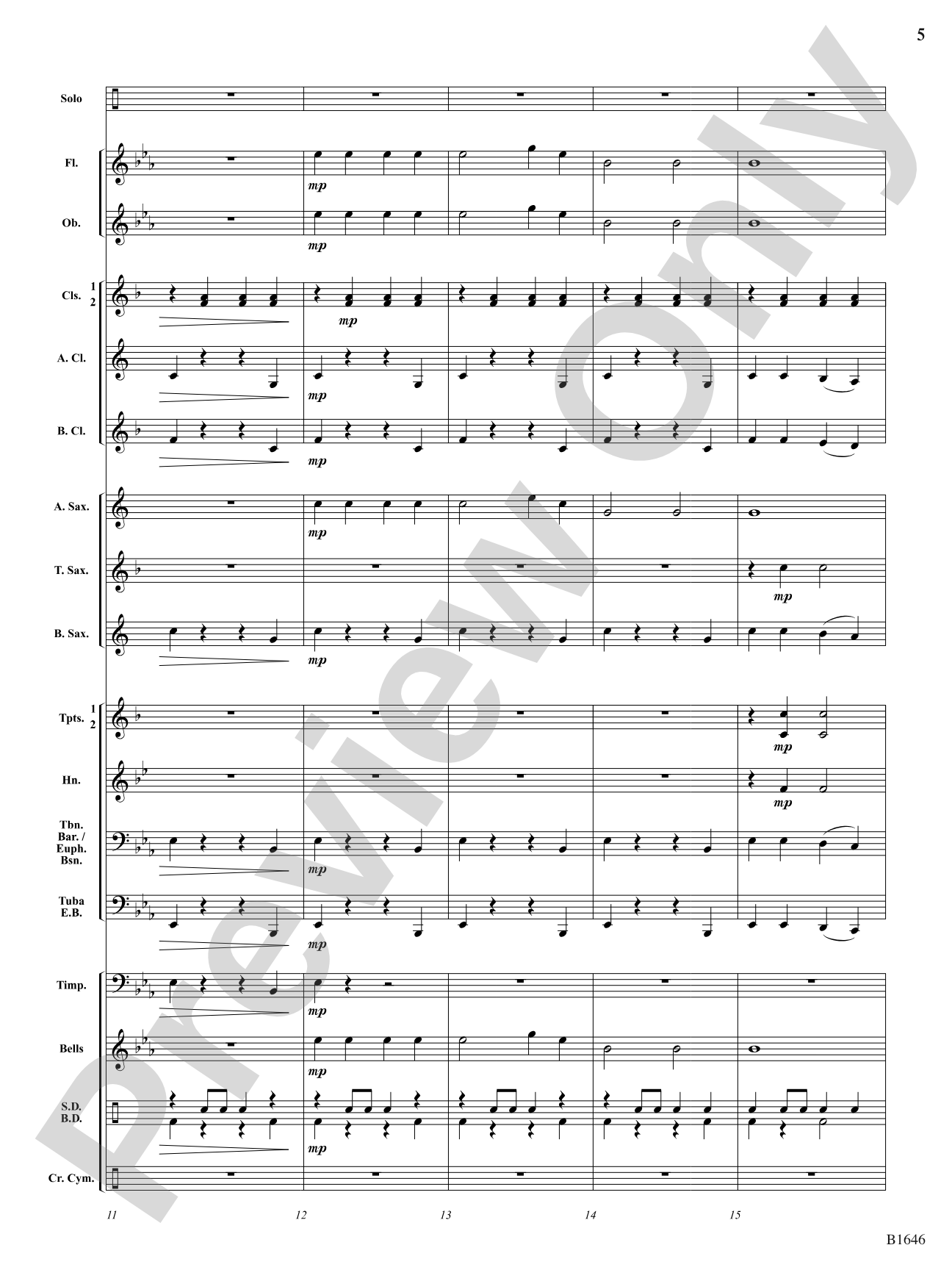
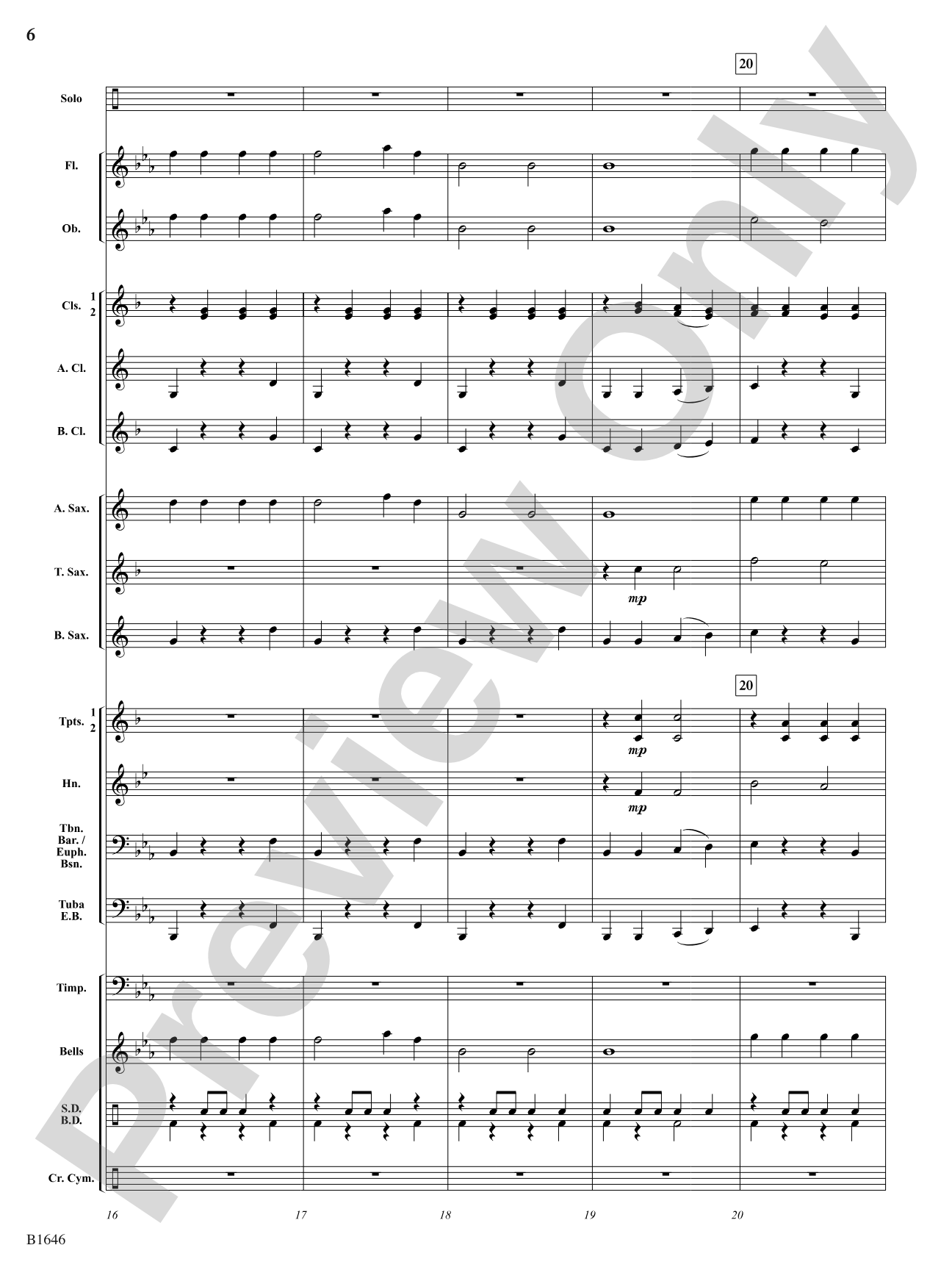
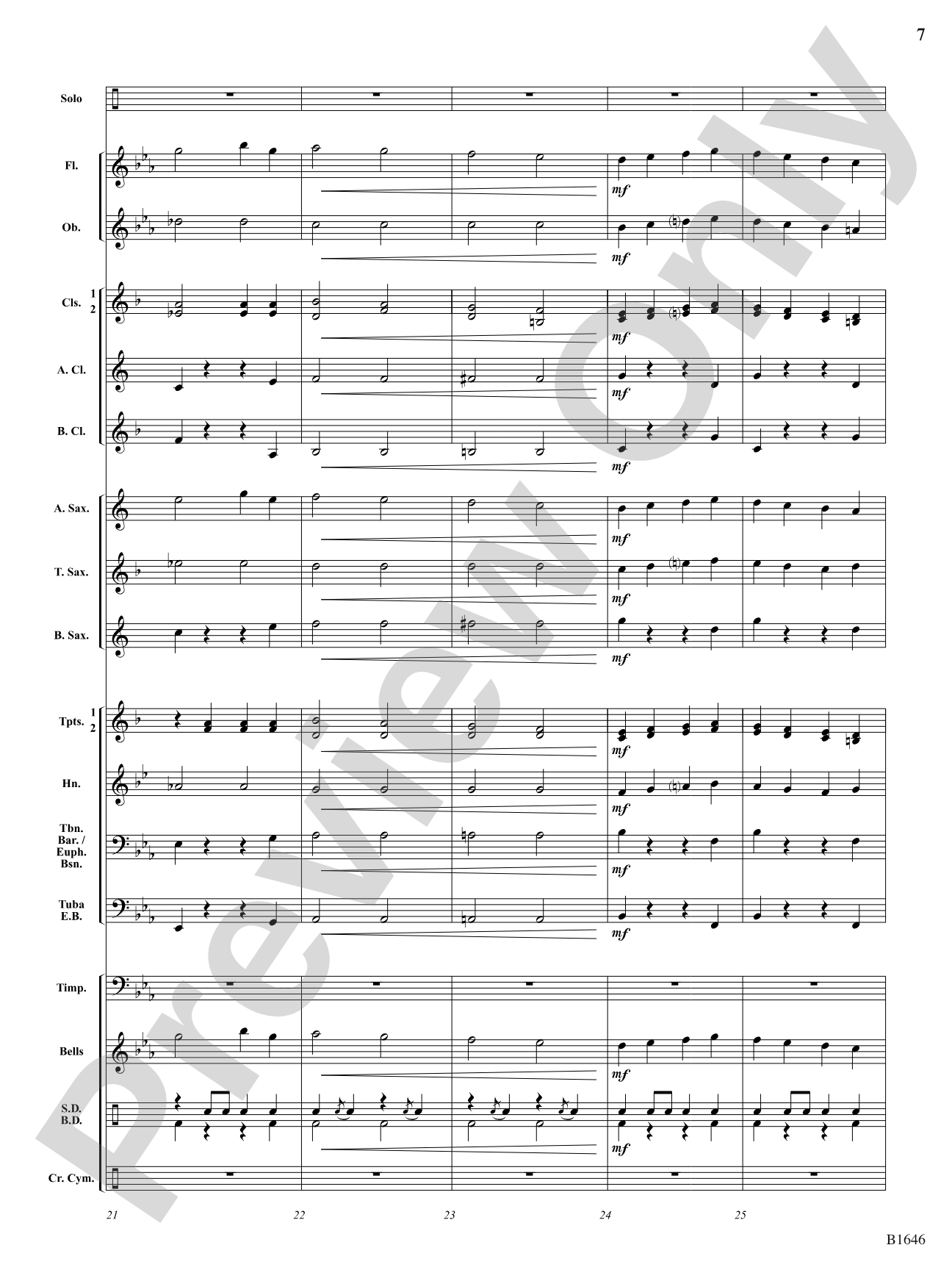
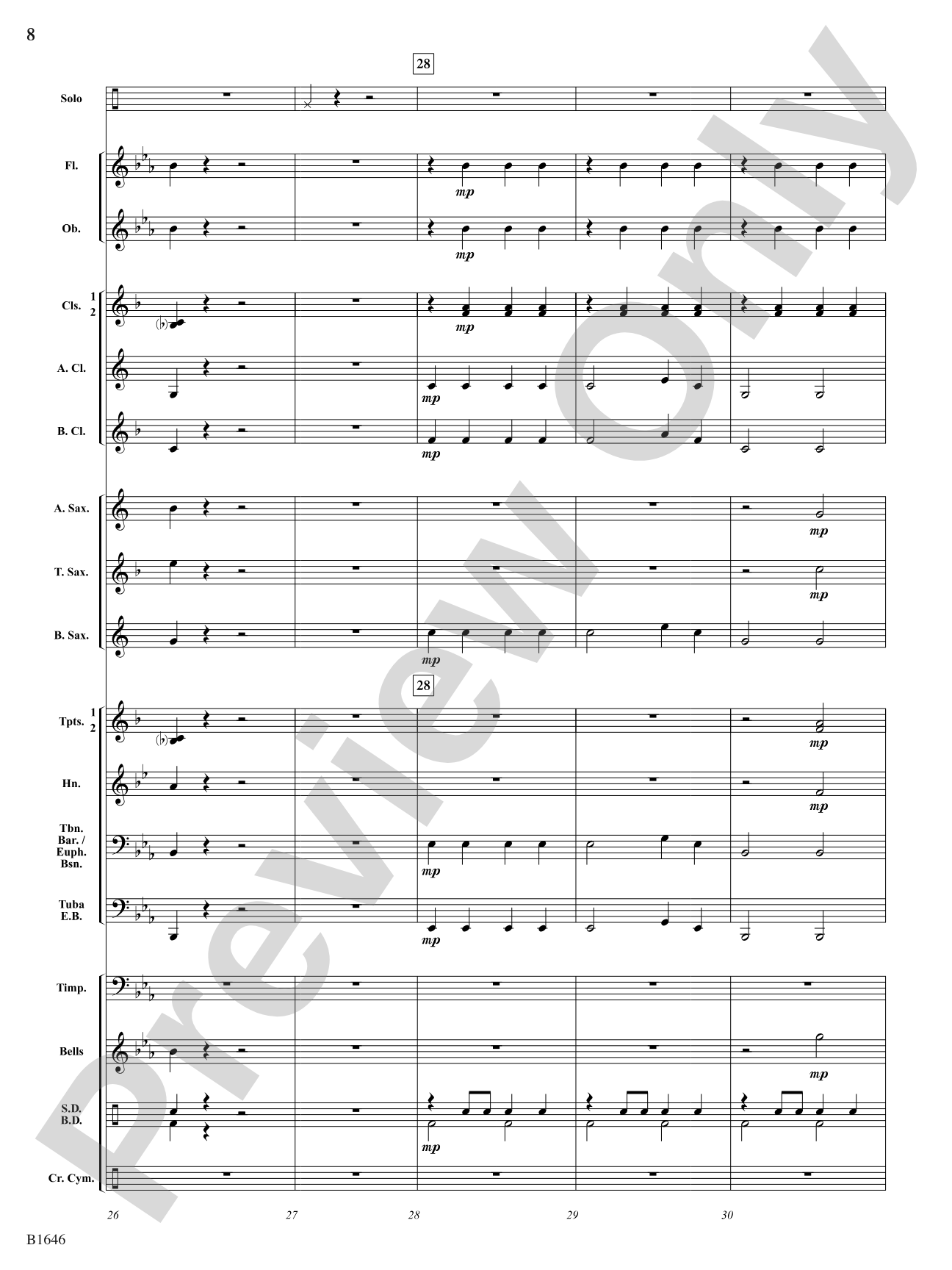

Concerto for Two Hands: Concert Band Conductor Score & Parts
By Brian Balmages
Grade: 0.5;1
Item: 98-DB1646
$55.00
Pickup currently not available
Buy Extra Parts (Digital PDF Download)
Parts Added to Cart!
Description
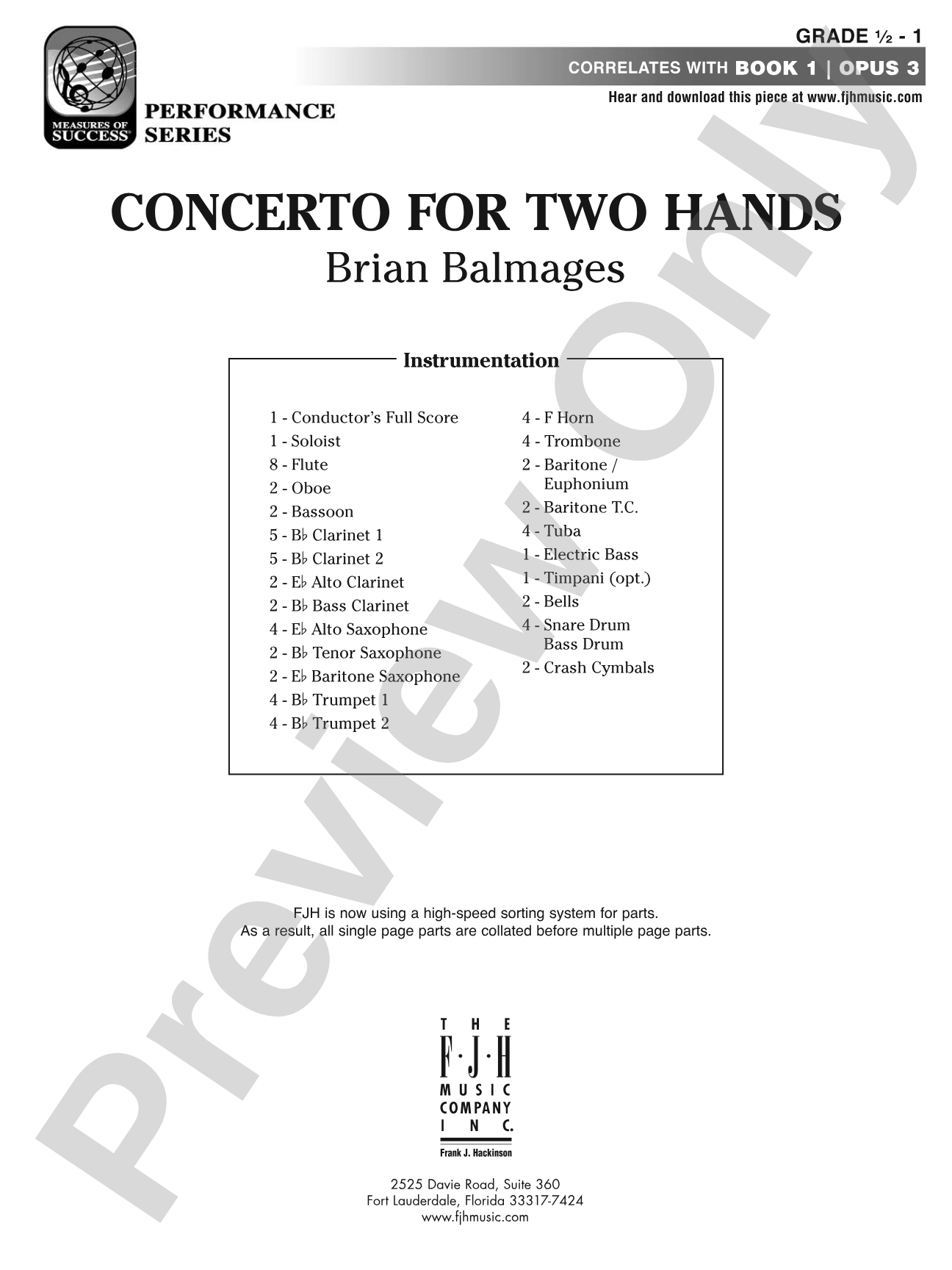
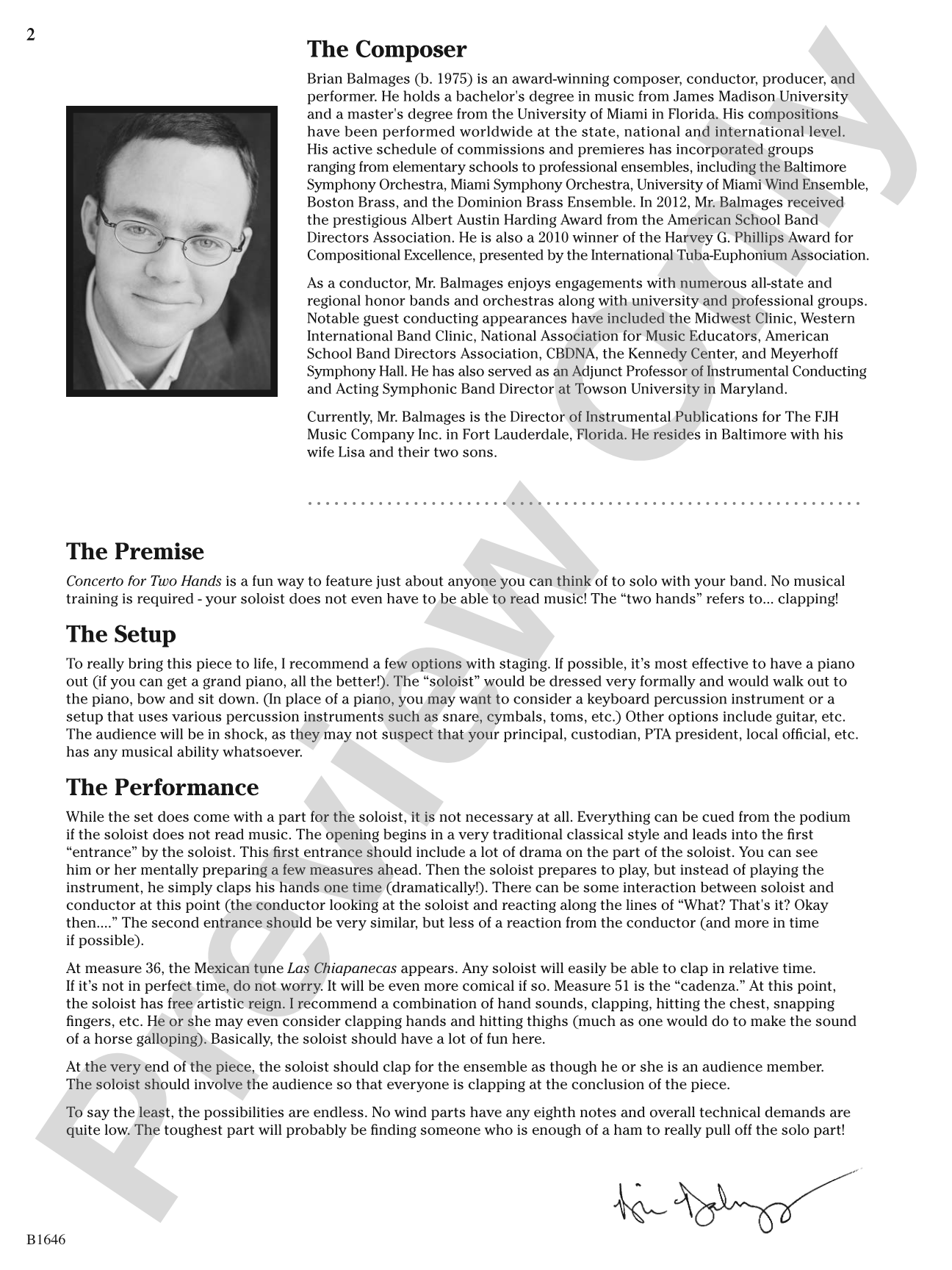
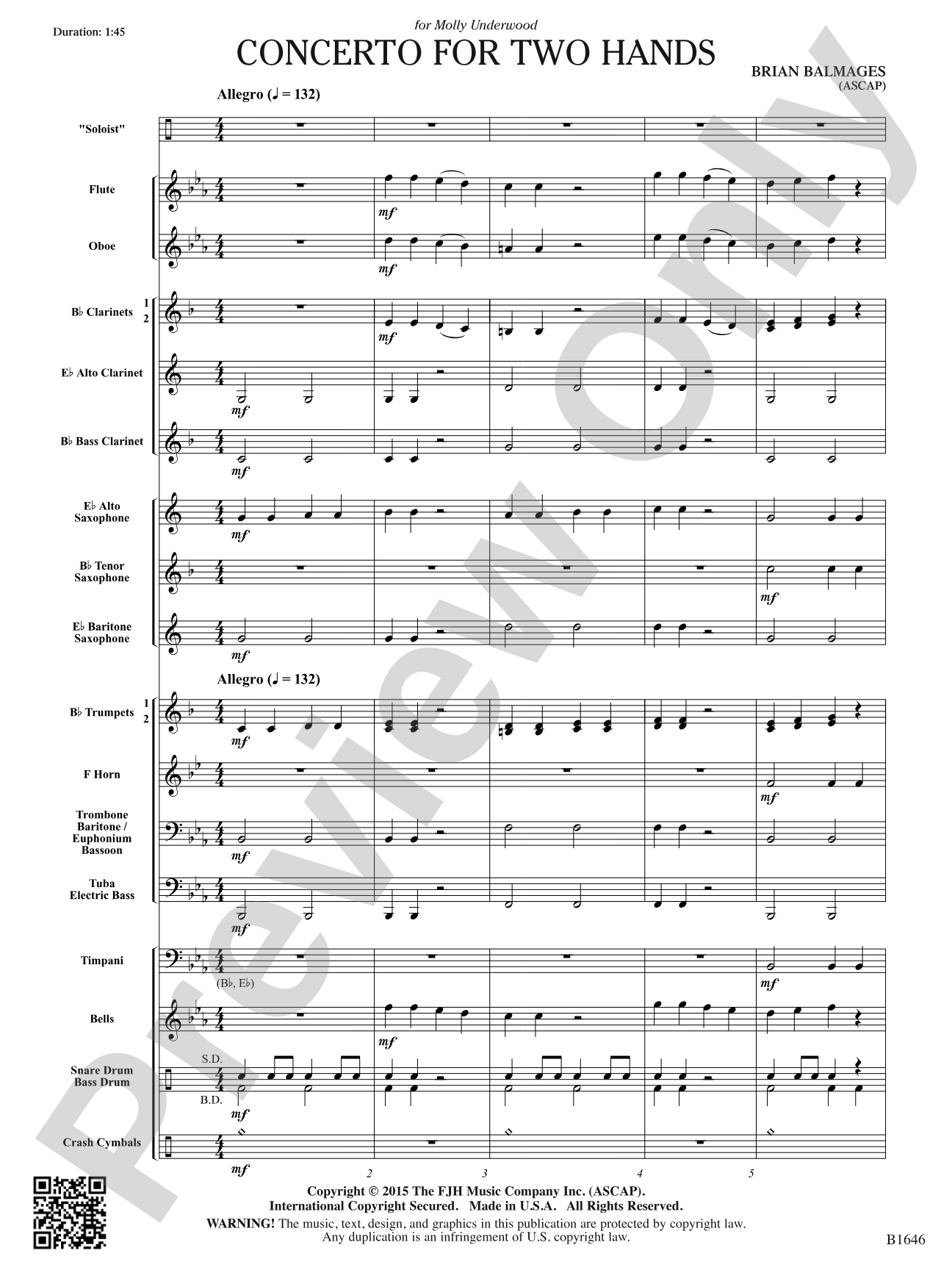
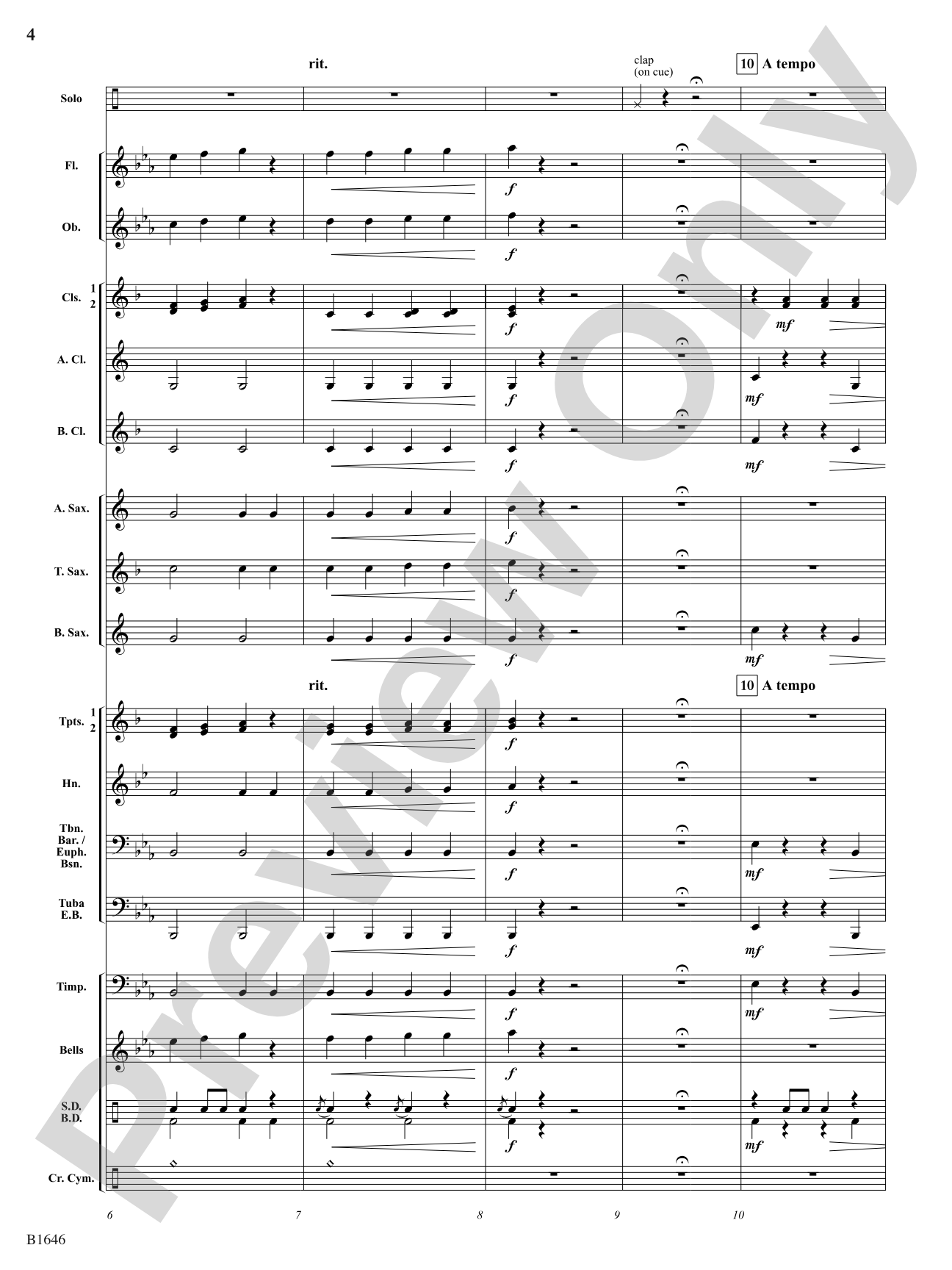
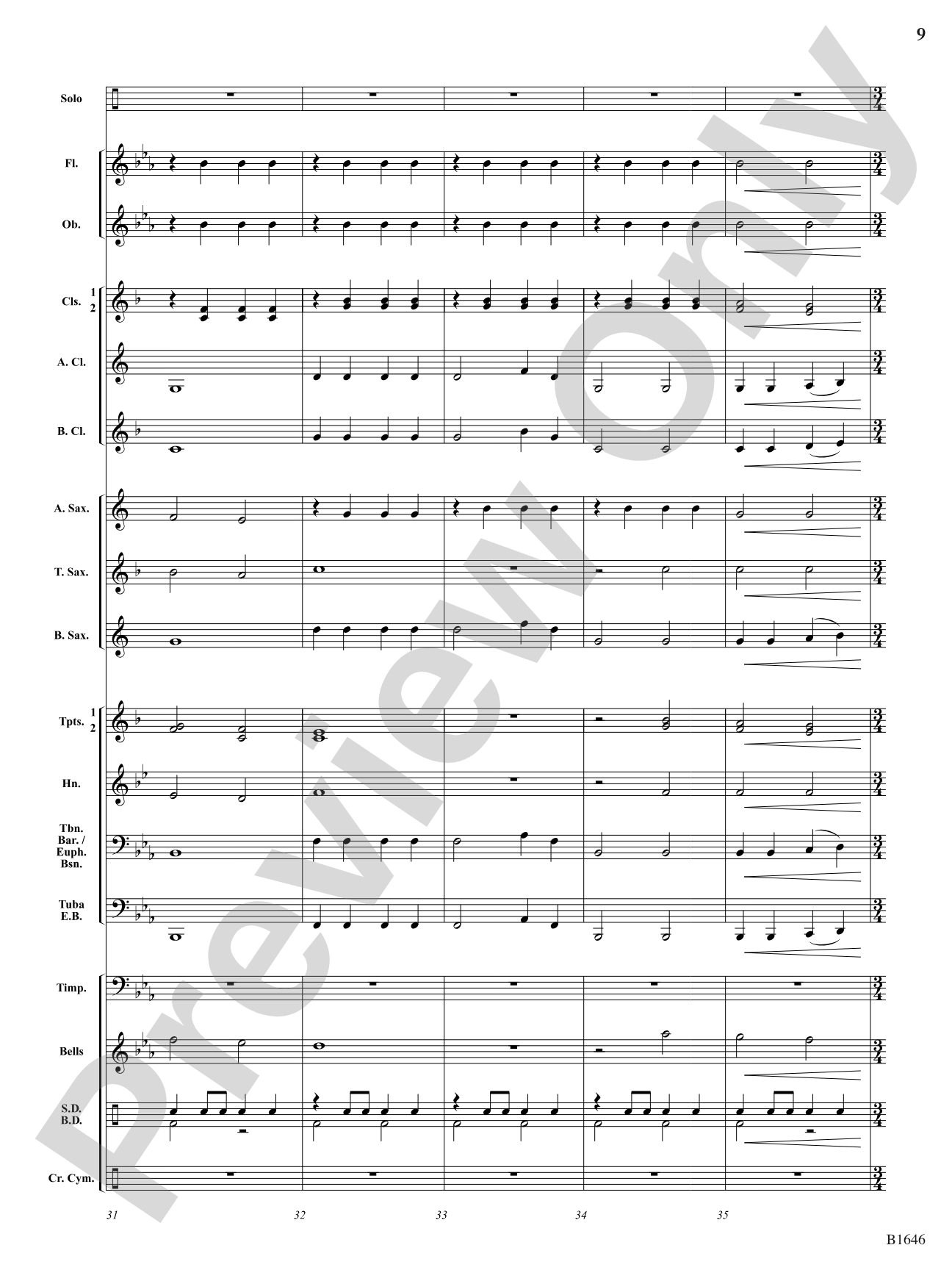
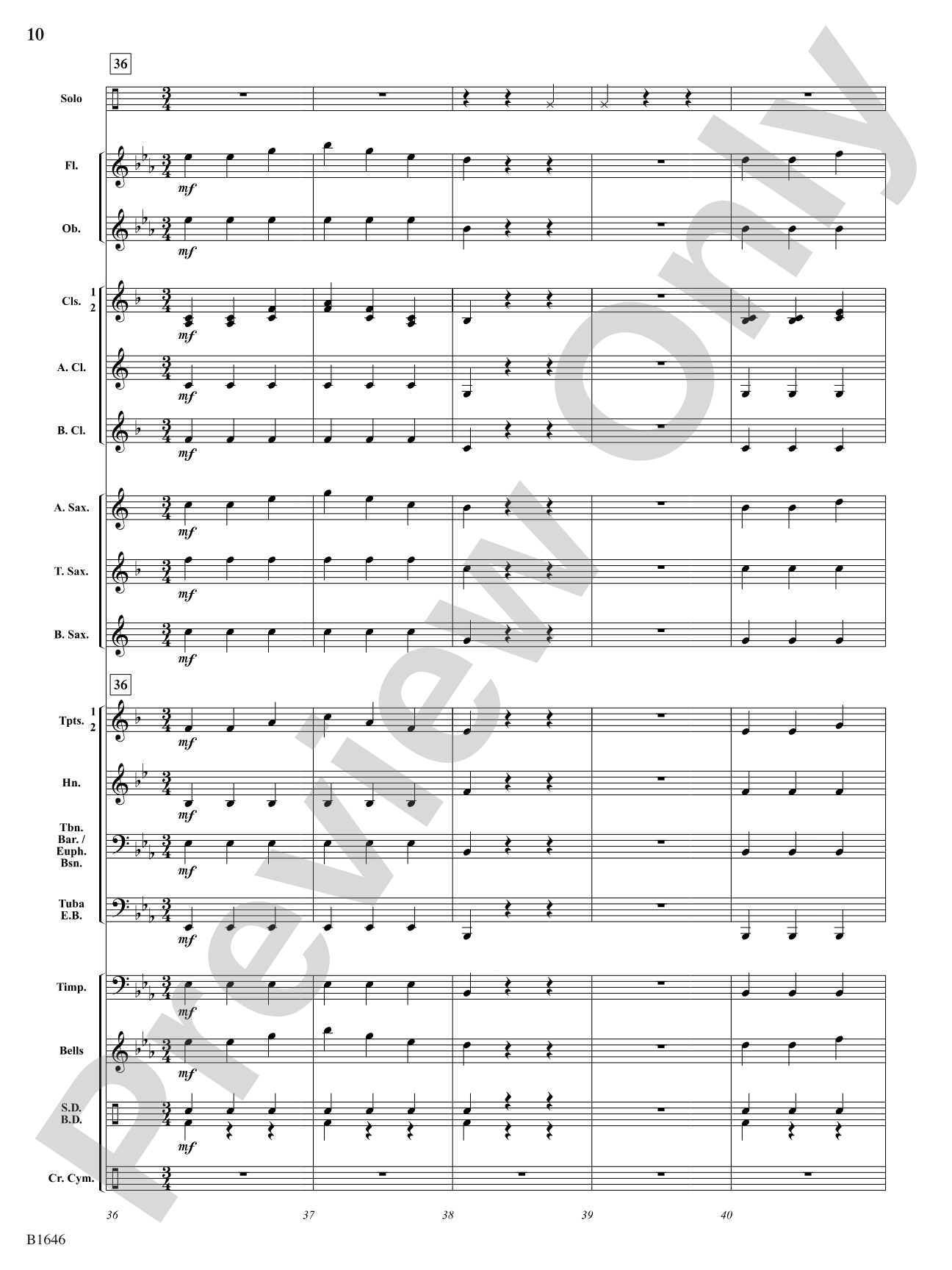
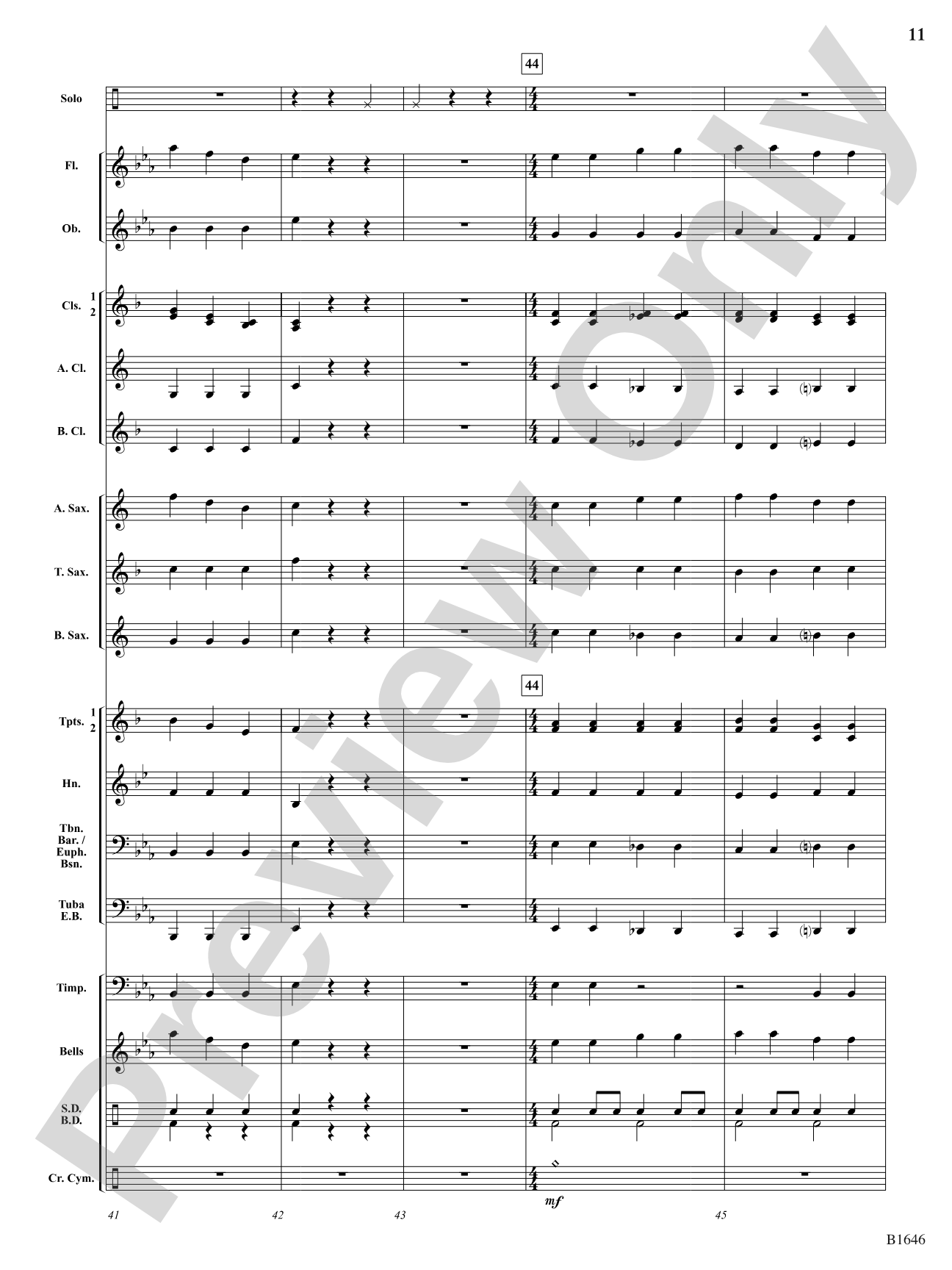
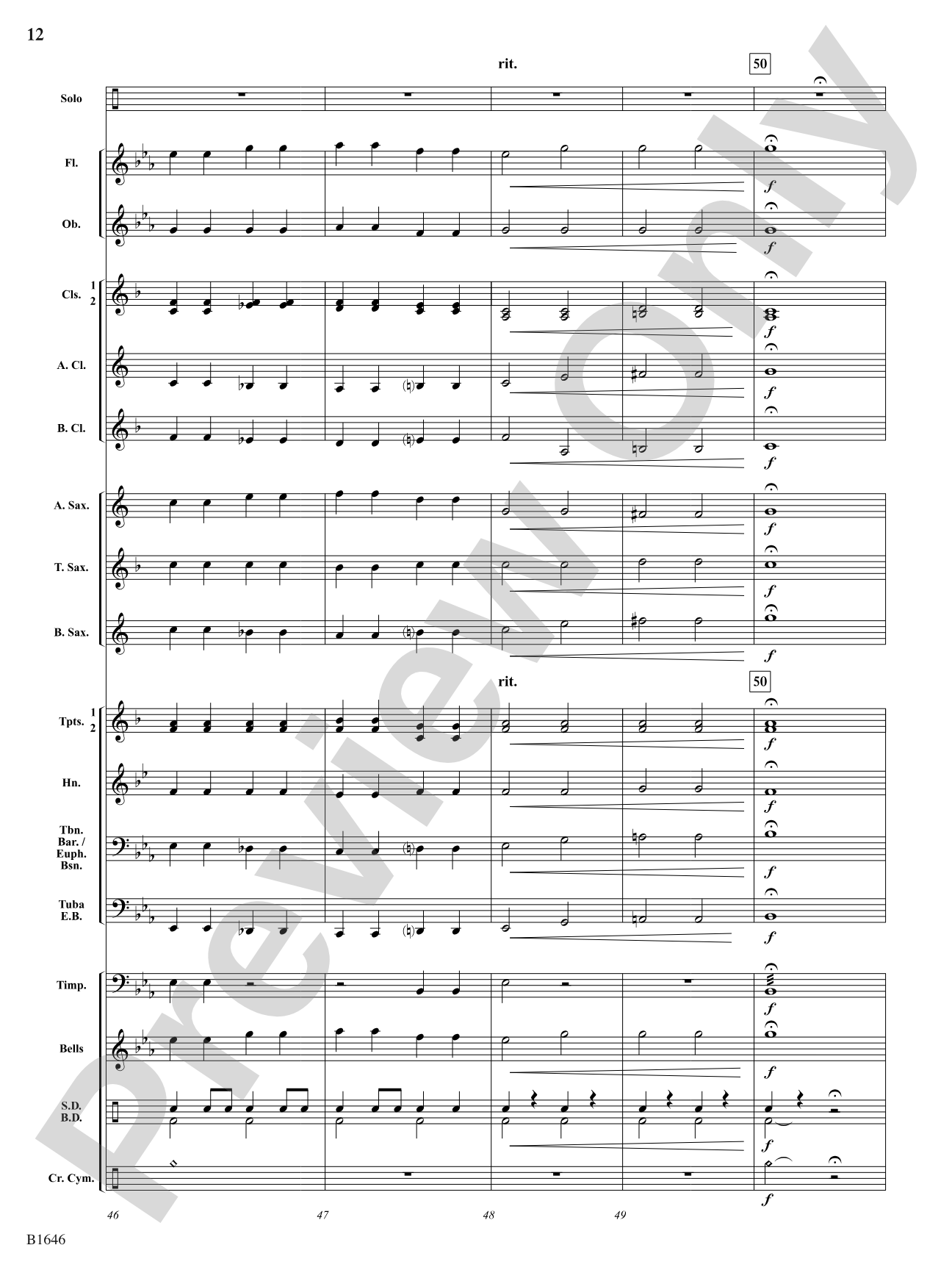
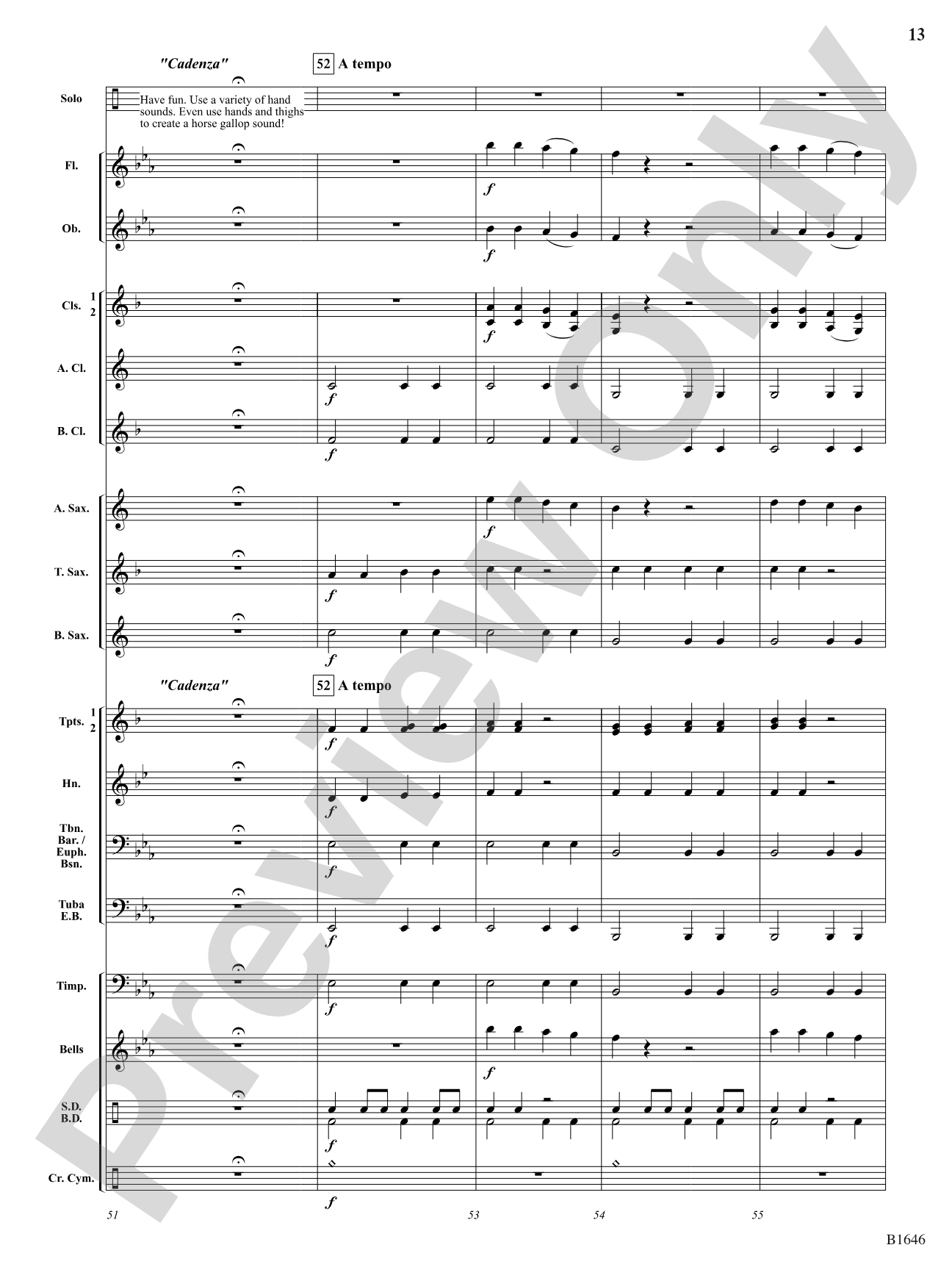
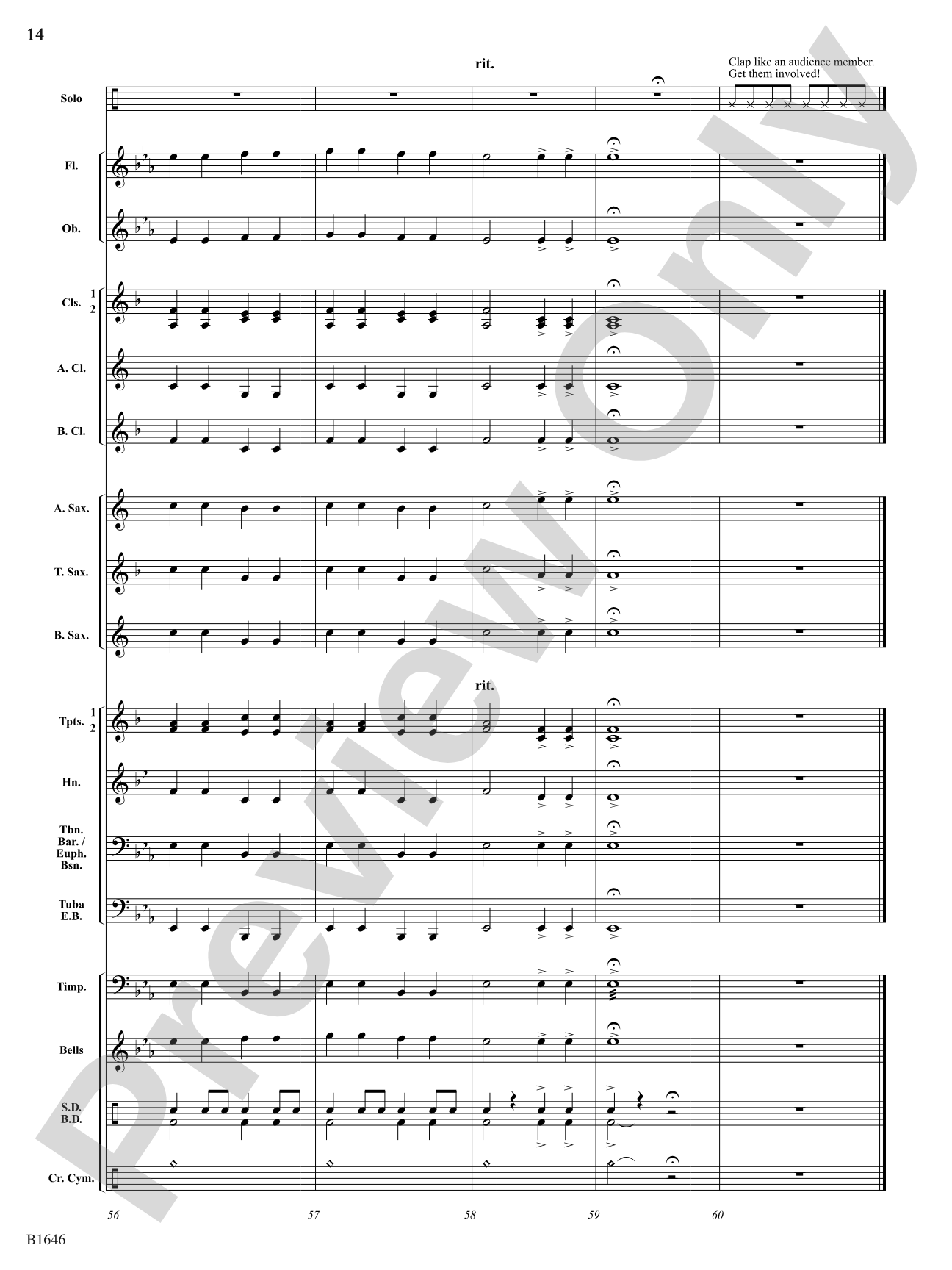
Feature anyone (musical or not!) in this clever and hilarious “concerto” that features a soloist who... claps! Set the stage with a grand piano, xylophone, bells or other keyboard instrument out front. Your audience will be amazed to see your principal, custodian or other special guest about to play a concerto. Imagine their surprise when the soloist simply claps on cue. Then, let your soloist really showcase some personality with the improvised cadenza. So much fun!


Concerto for Two Hands: Concert Band Conductor Score & Parts isn't in MakeMusic Cloud just yet...but it could be. Let us know you'd like to see it, and you'll help shape what comes next. In the meantime, start a free trial and dive into thousands of interactive titles your students can play along with today.
Request This Title
Tell us you want it.
Start Your Free Trial
Explore everything that's ready to play right now.
Sample Audio
1
Audio File
--:--
0:00
0:00
Sample Video
No sample videos found.
Additional Details
Series:
FJH MOS Performance
Publisher:
The FJH Music Company, Inc.
SKU:
98-DB1646
More about this title
About the Composer: Brian Balmages

Brian Balmages is a composer and conductor whose work spans orchestral, band, and chamber music across every performance level. His pieces have reached stages from Carnegie Hall and the Kennedy Center to elementary school gymnasiums, and he has received major honors including the A. Austin Harding Award from the American School Band Directors Association and selection as a member of the American Bandmasters Association.
Beyond composition, Balmages maintains an active conducting schedule with all-state ensembles, university groups, and professional orchestras internationally. He currently serves as Director of MakeMusic Publications and Digital Education for Alfred and MakeMusic, bringing his deep understanding of what works in real rehearsal rooms to his leadership role in music education.
Why we love this
This piece solves the perennial concert problem of needing variety and surprise without sacrificing musicianship. The humor is entirely genuine—your band plays a legitimate concert arrangement while the audience's delight comes from the concept itself, not from music played badly. It's the kind of moment that gets talked about long after the concert ends and makes people want to come back to band concerts.
What to expect
A clever theatrical moment dressed up as a formal concerto premiere. The band delivers a legitimate, well-orchestrated arrangement while the soloist brings pure personality and timing to what is essentially a rhythmic conversation. There's genuine warmth underneath the humor, and the audience realizes they've witnessed something both funny and genuinely performed.
Who it's for
Band directors who want to program something that delights audiences across all ages without sacrificing genuine musicianship. This works especially well when you want to celebrate a community member (a principal, custodian, or local figure) and give them a moment in the spotlight. It's ideal for concert bands at all levels who are comfortable with music that entertains without being trivial.
How to get the most out of it
- Rehearse the conductor's cues with your clapping soloist multiple times before performance so they feel confident with timing and can commit fully to their role
- Use the keyboard instrument (piano, xylophone, or bells) to frame the solo visually; position it downstage so the audience has a clear sight line to the soloist
- Encourage your soloist to build personality and confidence during rehearsals; the more secure they are with the rhythm, the more they can play with dynamics and timing during performance
- Keep the cadenza loosely structured in rehearsal so it feels genuinely improvised in the moment; a few rehearsed beats or endpoints will maintain control while preserving spontaneity
How to use it
Place this strategically in your concert to surprise your audience and shift the energy. It works beautifully as a set closer or as a bridge between concert halves, giving people a moment to laugh and reset. The novelty element makes it especially effective in community concerts, family concerts, or fundraising performances where you want strong audience connection alongside solid musicianship.
Skills your students will build
- Following a non-traditional soloist and responding musically to a colleague rather than a conductor
- Maintaining rhythmic precision while supporting an improvised or loosely-timed cadenza section
- Balancing ensemble sound and dynamics to frame a featured performer
- Performing with confidence in repertoire that values entertainment and personality alongside technical skill