
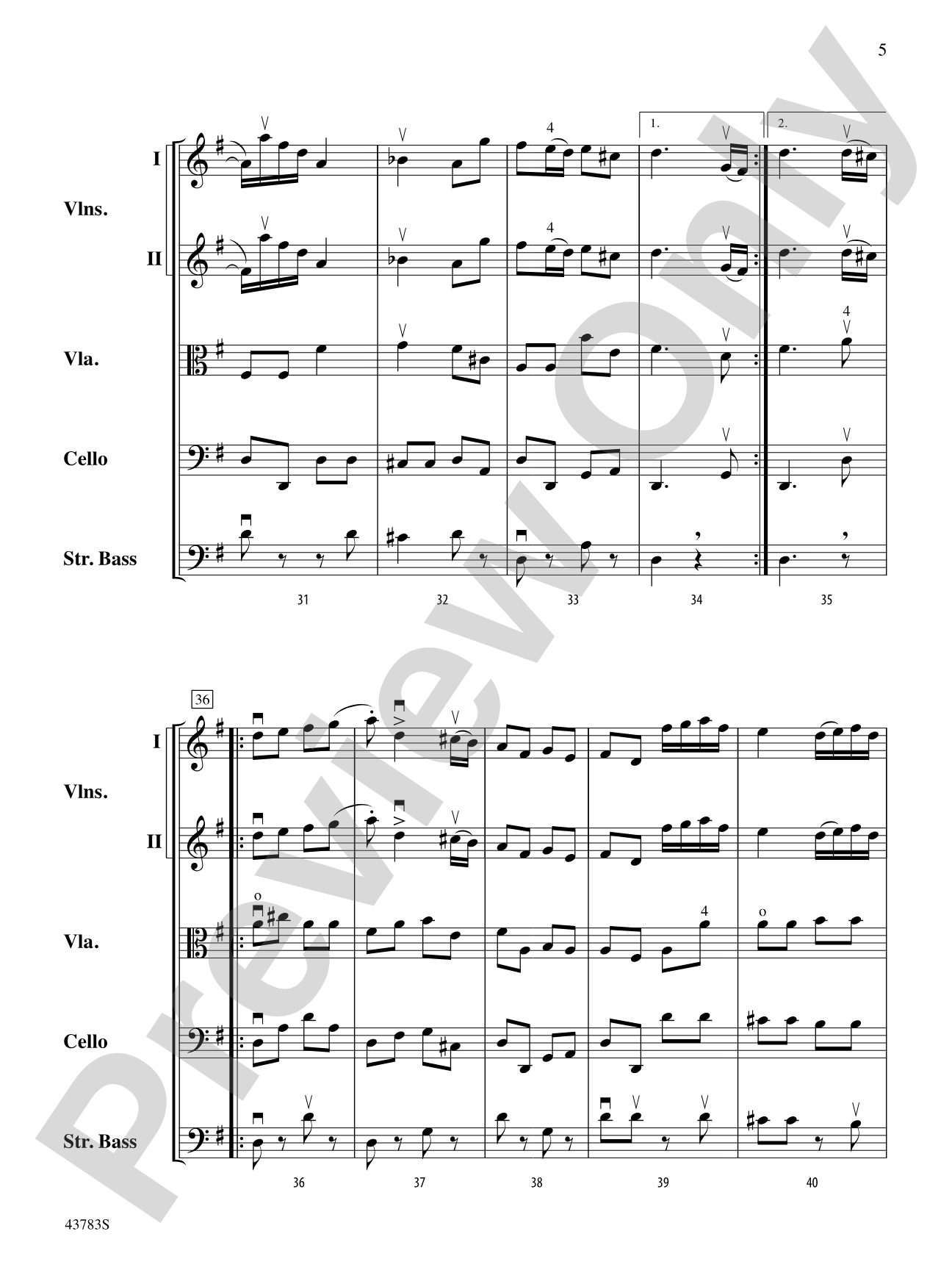
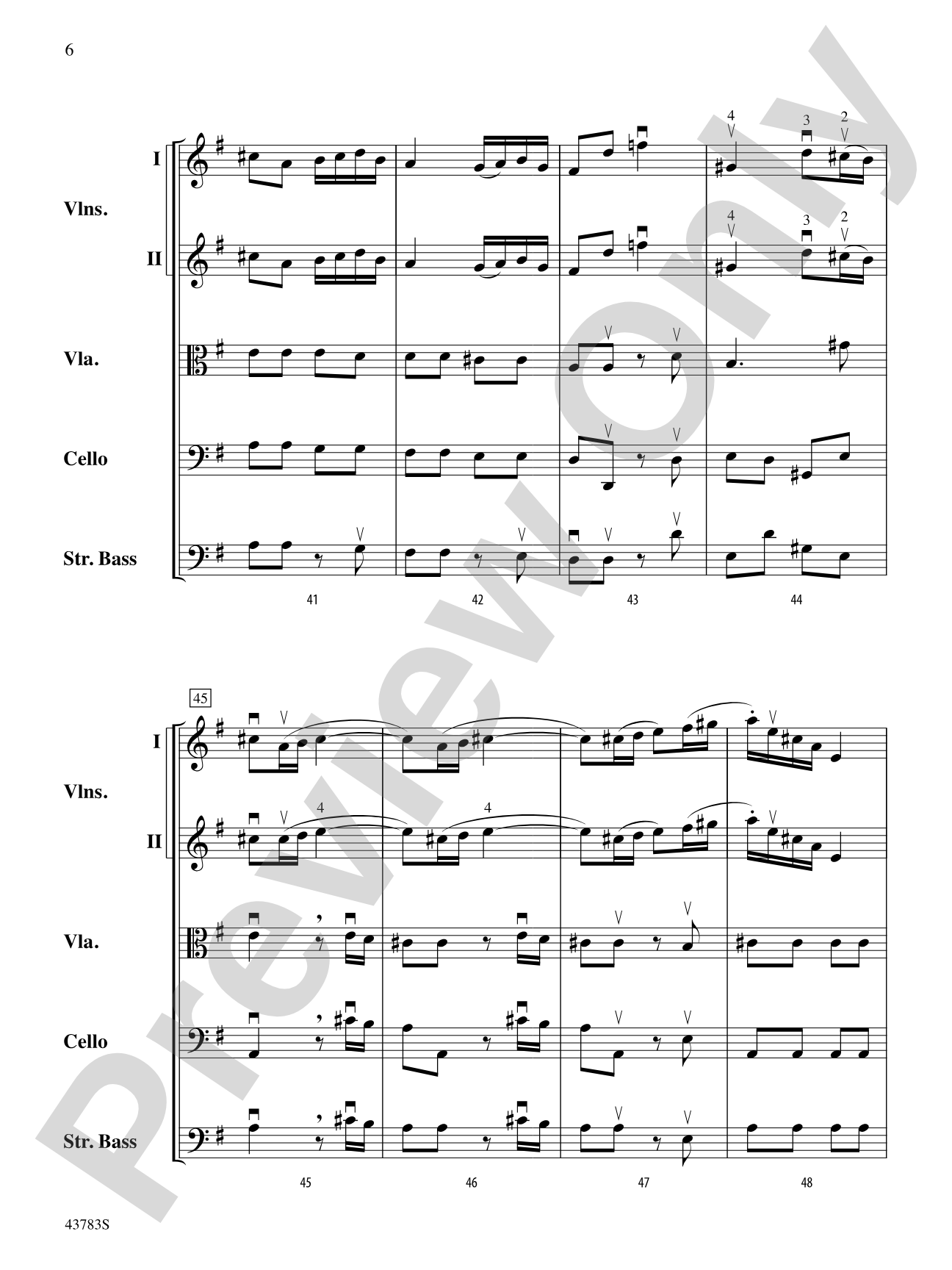
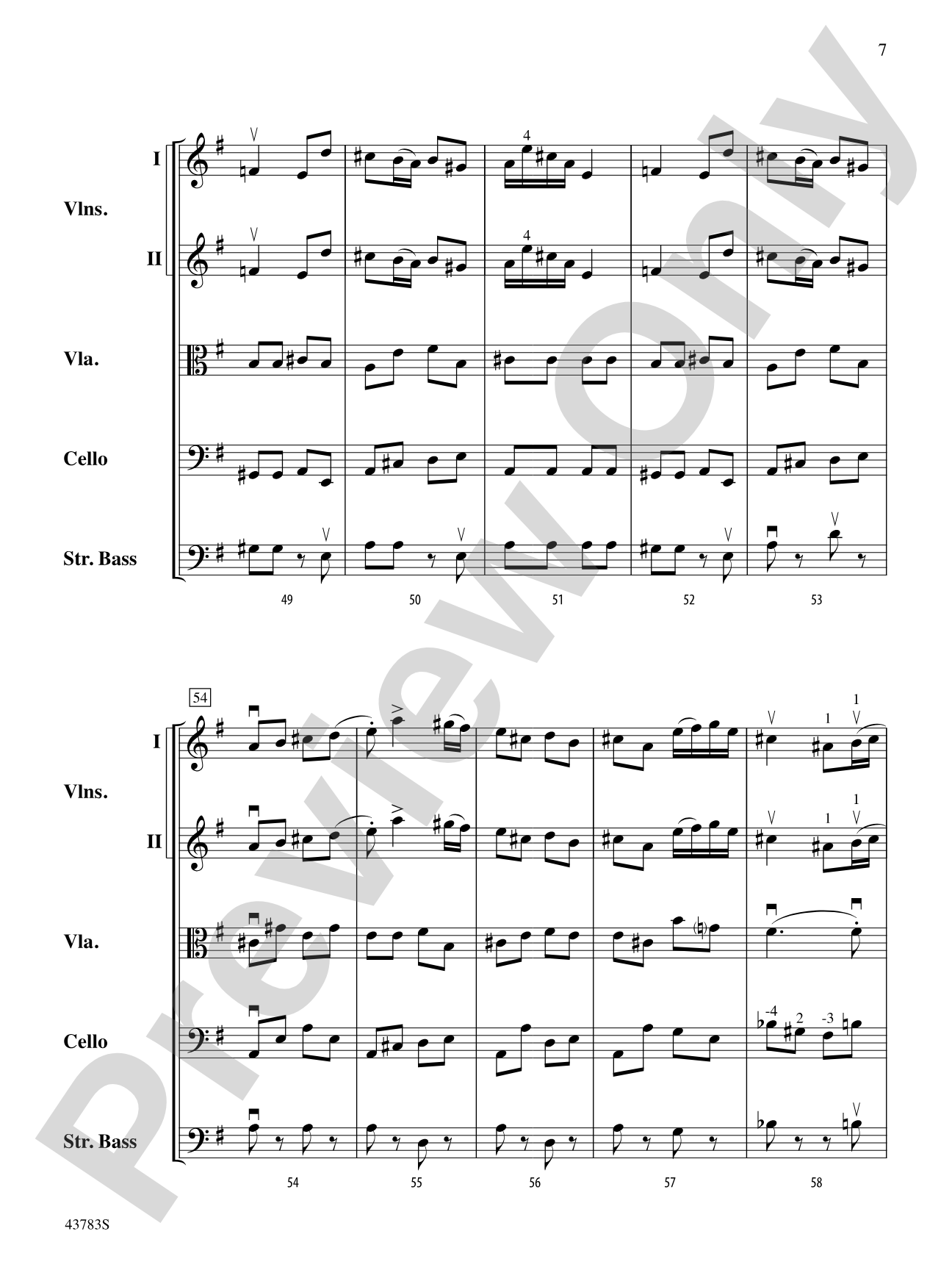
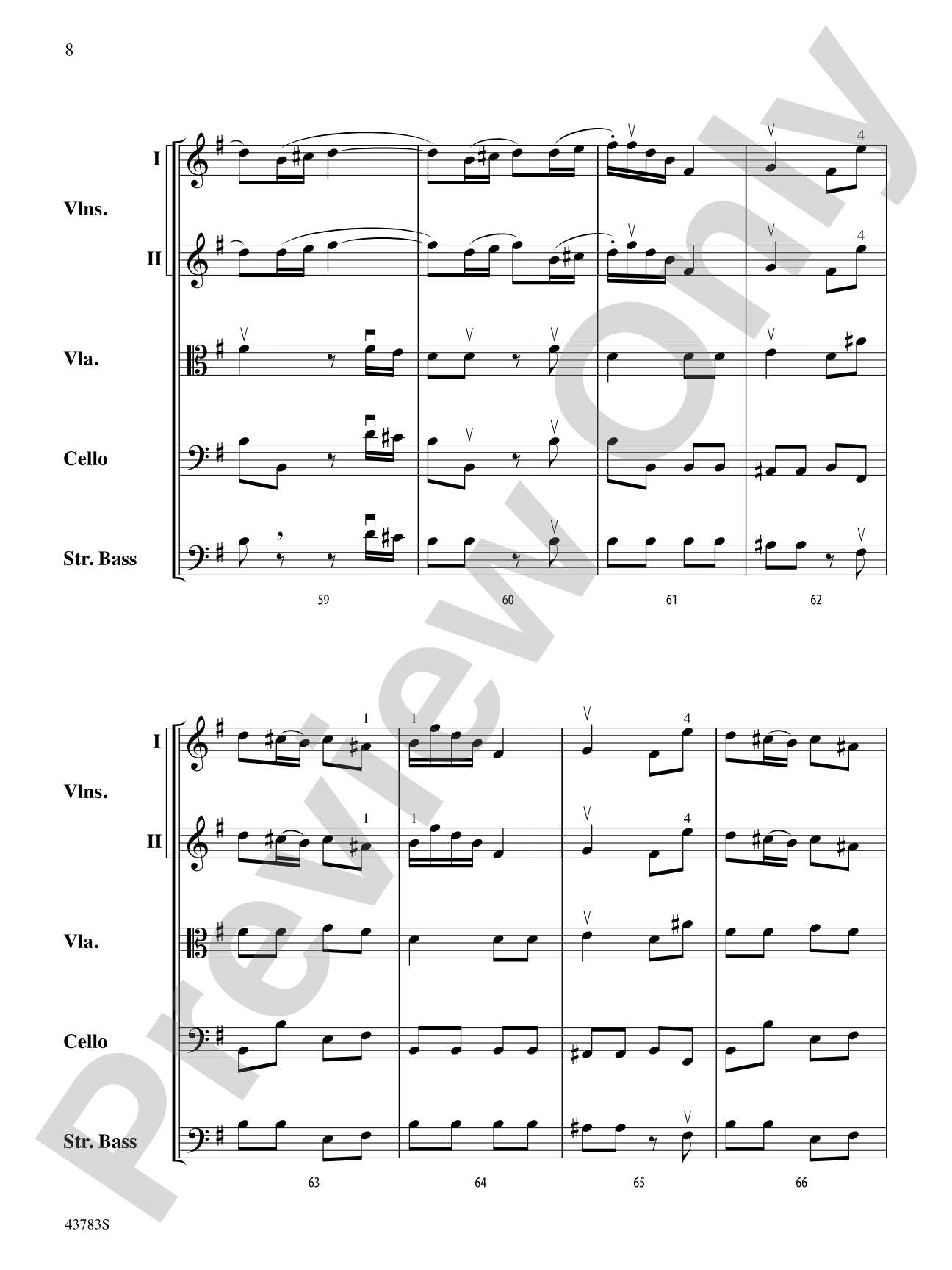
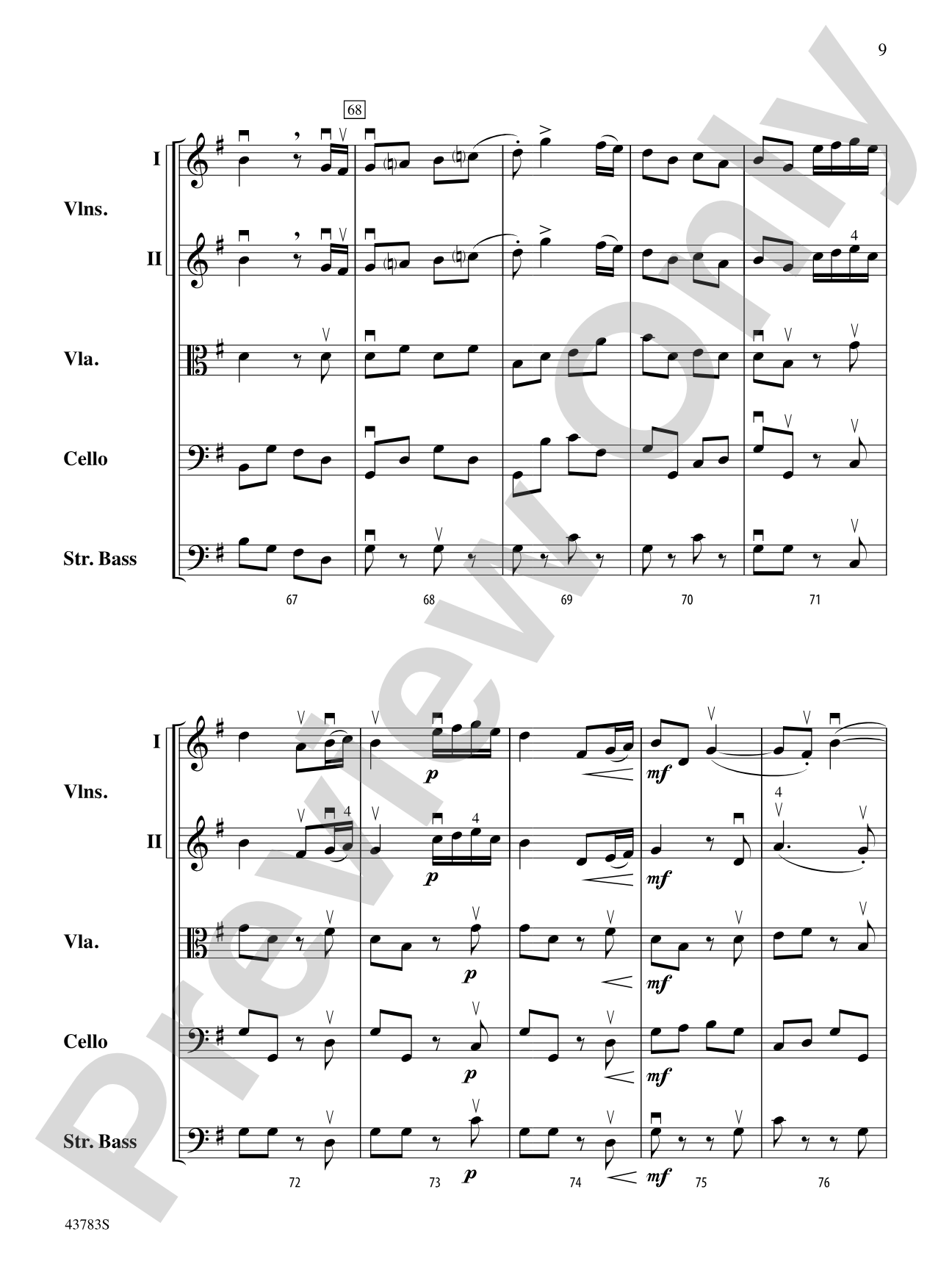
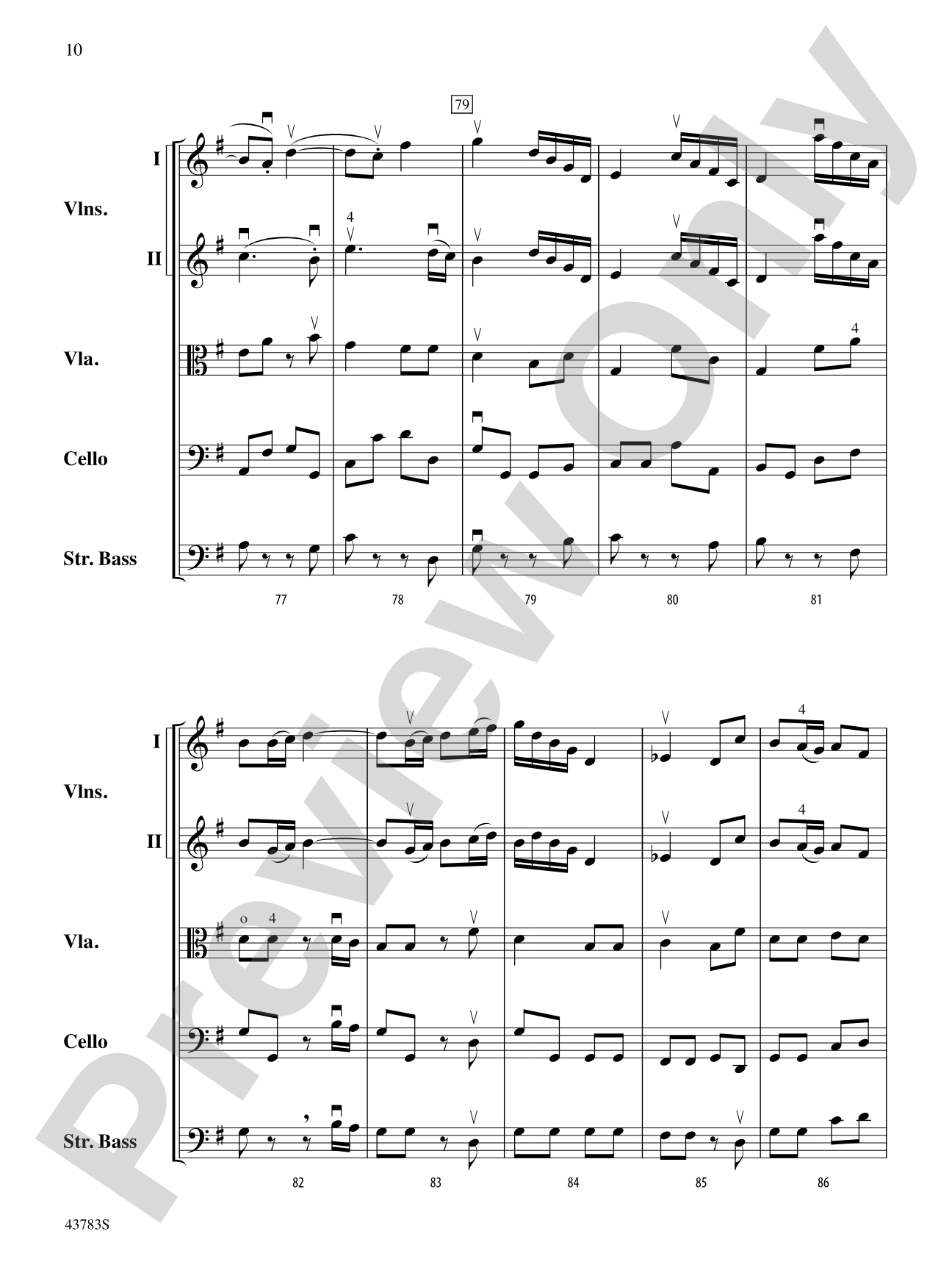
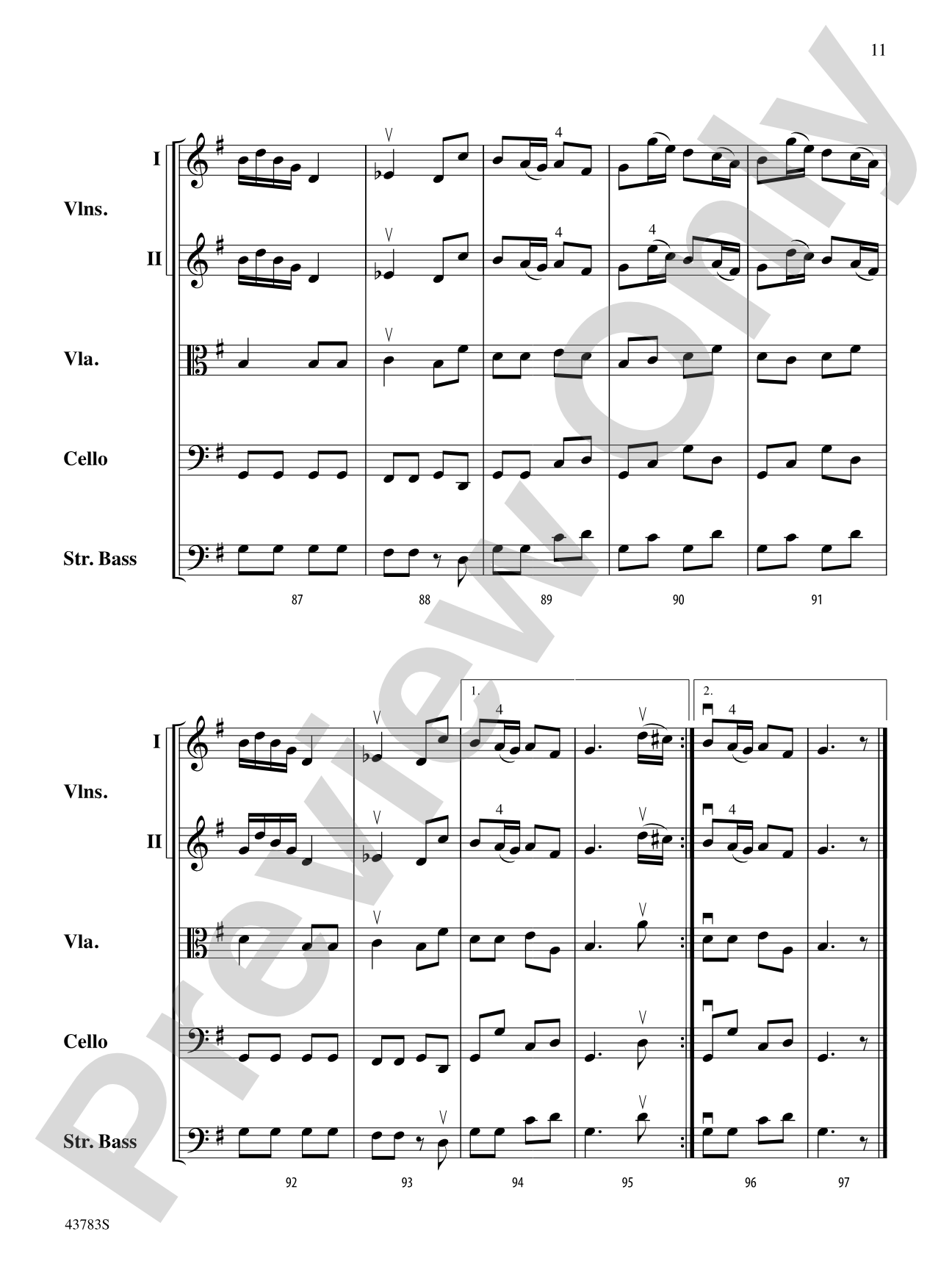

Concerto for Strings: Score
Fanna XI, No. 4
By Antonio Vivaldi / arr. Jan Farrar-Royce
Grade: 3.5
Item: 00-PR-0005126
$10.00
Pickup currently not available
Description
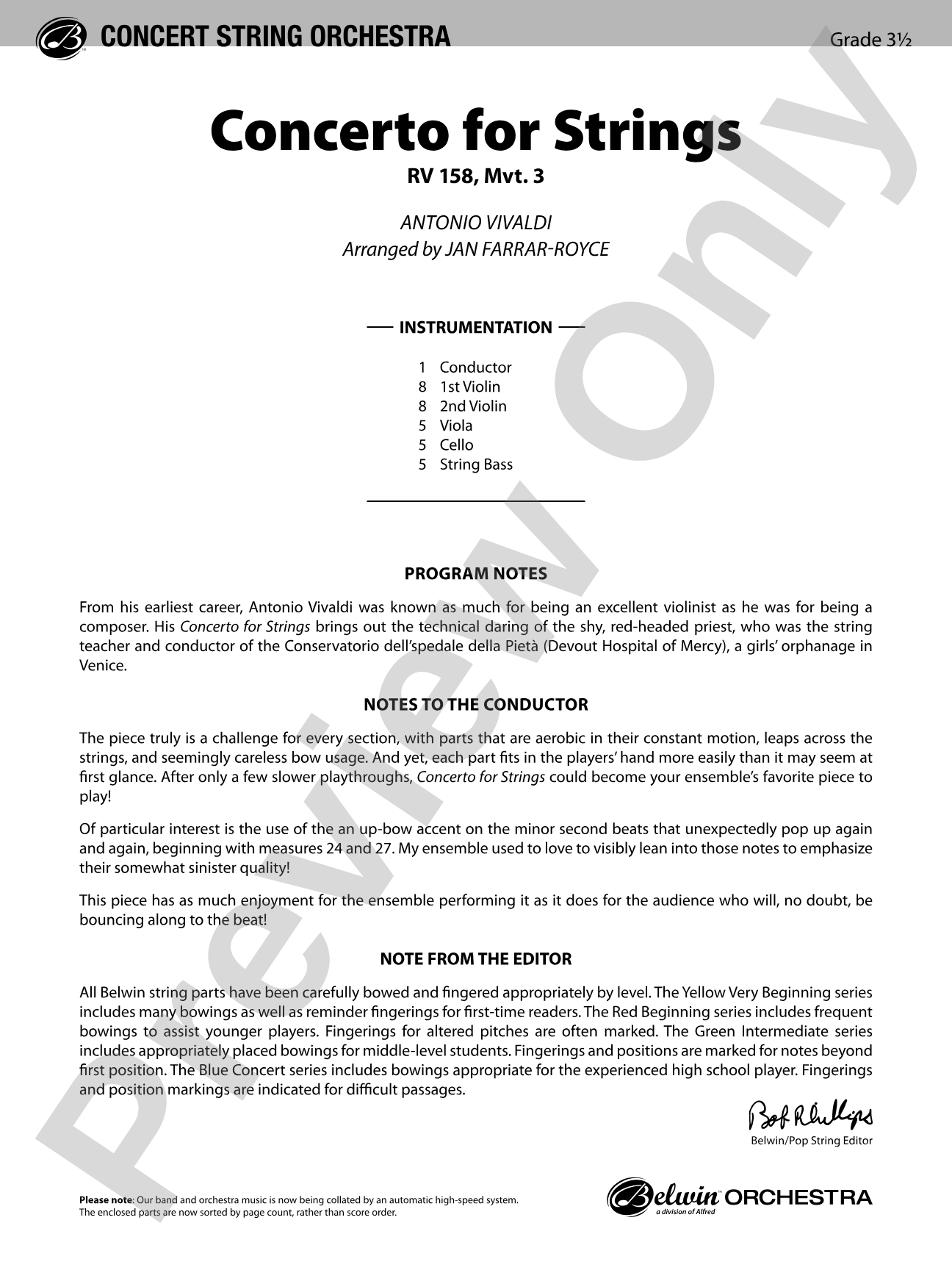
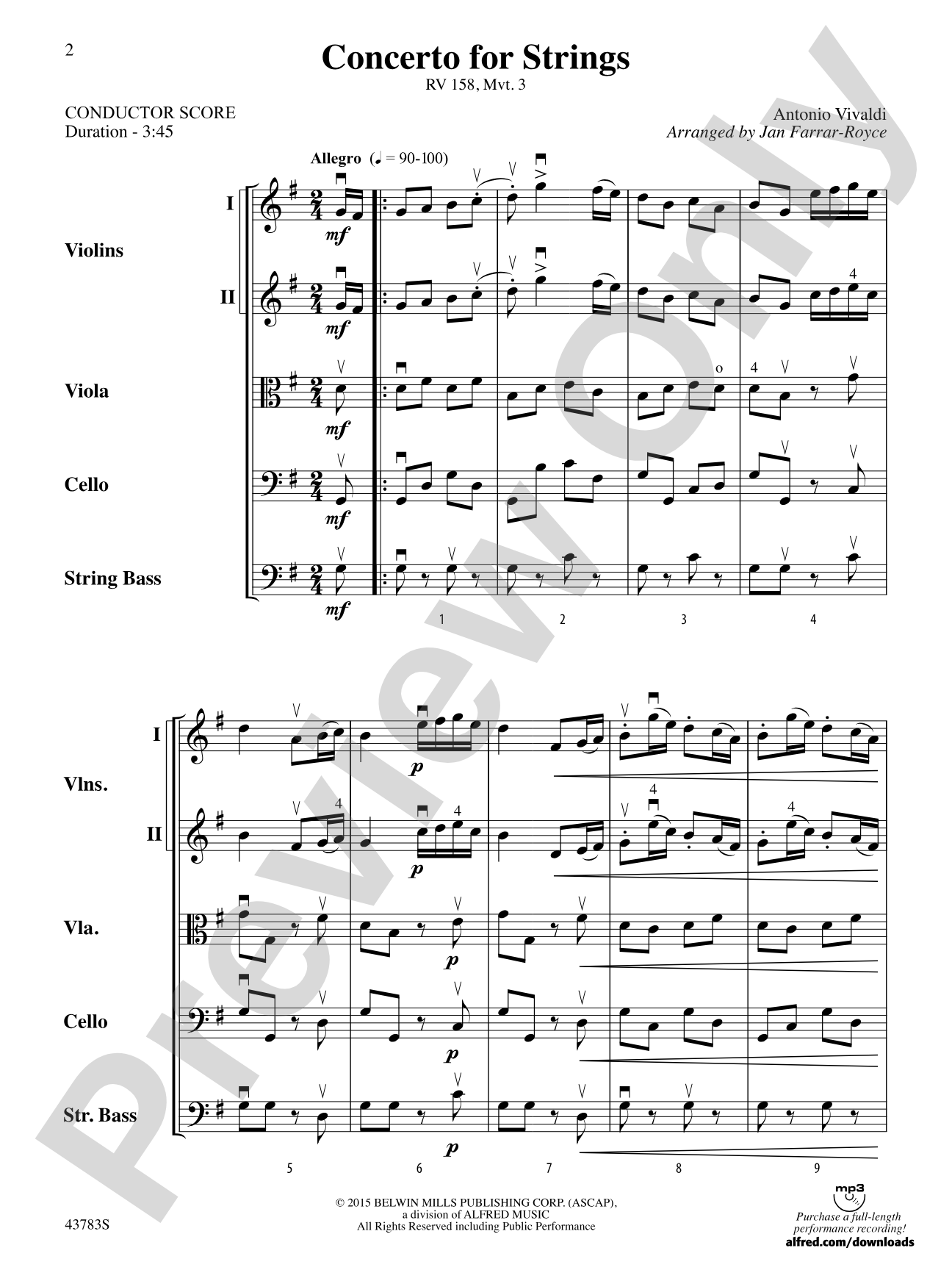
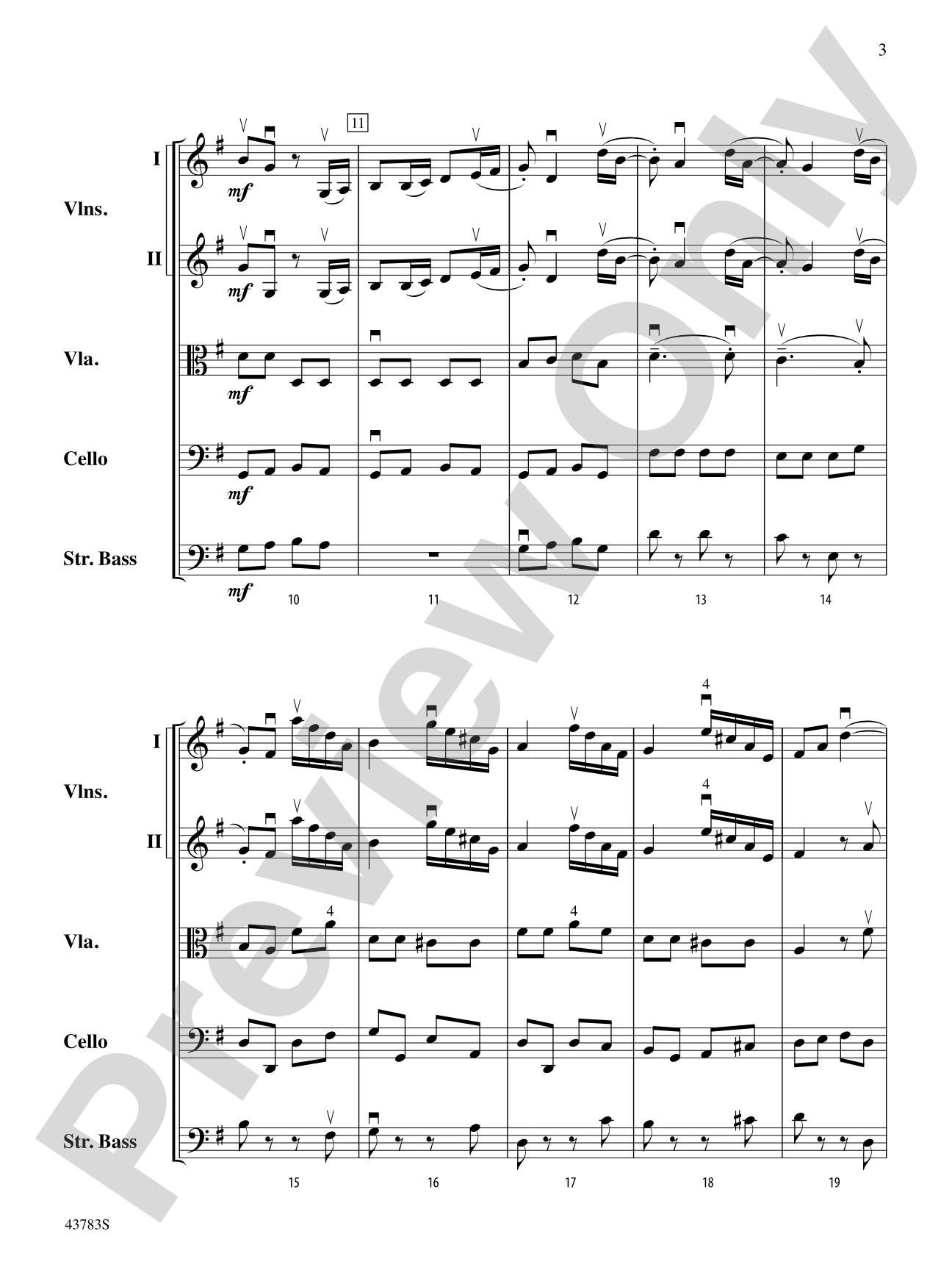
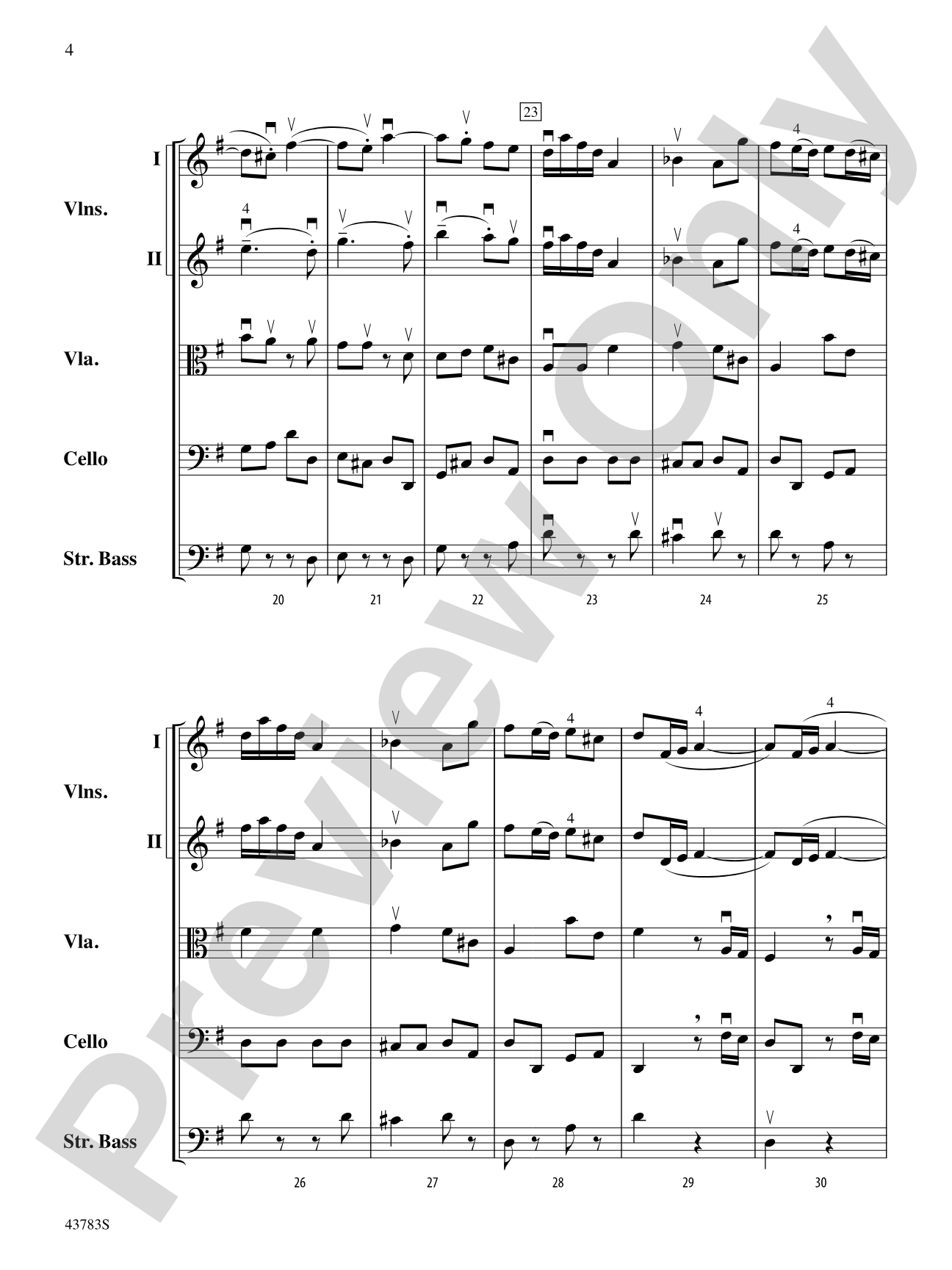
A challenge they will love, this piece is almost aerobic in its constant motion! It goes together more easily than it appears and will become a favorite. (3:45)


Don't just read it, hear it, play along with it, and watch your students grow with it. In MakeMusic Cloud, Concerto for Strings: Score comes alive with professional accompaniment, adjustable tempo, and built-in practice tools that turn solo practice into real progress.
Open in the Player
Jump straight in and assign it today.
Start Your Free Trial
Open this title and explore the full library in minutes.
Sample Audio
1
Audio File
--:--
0:00
0:00
Sample Video
No sample videos found.
Additional Details
Series:
Belwin Concert String Orchestra
Publisher:
Alfred Music
Page Count:
124
SKU:
00-PR-0005126
More about this title
About the Composer: Antonio Vivaldi
Antonio Vivaldi (1678-1741) stands as one of the Baroque era's most prolific and inventive composers. A virtuoso violinist and master of instrumental form, he composed over 500 concertos that established many conventions of the genre still taught today. His work bridges the expressive depth of the Italian Baroque with structural clarity that makes his music both accessible and endlessly rewarding to perform.
Vivaldi's influence on music education remains profound. Teachers and conductors return to his concertos because they combine technical challenge with immediate musical gratification. His commitment to writing idiomatically for strings ensures that student orchestras can achieve genuinely professional sound while developing fundamental ensemble skills.
Why we love this
This Farrar-Royce arrangement captures what makes Vivaldi indispensable at the Grade 3.5 level: the piece sounds far more sophisticated than the technical demands suggest. The constant rhythmic drive keeps young musicians engaged and accountable, while the transparent Baroque textures allow intonation and bow control to shine. Programming a Vivaldi concerto signals to your audience that your ensemble has genuine musicality, not just ambition.
What to expect
Vivaldi's relentless momentum propels the piece forward, creating an almost aerobic energy that feels less like sitting in rehearsal and more like participating in something vital. The contrast between busy passagework and sudden moments of clarity invites players to discover structure within the motion, transforming technical precision into musical intention.
Who it's for
This concerto belongs in the library of any string orchestra working at Grade 3.5 or above. Young players encounter genuine Baroque concerto design without the extreme virtuosity of a full solo concerto, while experienced ensembles appreciate the technical and musical efficiency of the writing.
How to get the most out of it
- Establish a clear, steady pulse in sectional rehearsals before bringing the full orchestra together. The relentless motion can obscure tempo if individual sections drift.
- Shape the fast passages with subtle dynamic waves rather than playing them uniformly loud. Vivaldi's writing rewards transparency and line; let the counterpoint breathe.
- Ensure consistent vibrato across all sections during sustained notes and slower passages. Baroque style benefits from restrained vibrato, which also tightens ensemble sound.
- Balance the string sections so inner voices (violas and second violins) remain audible. This arrangement depends on clarity of part-writing to justify its architectural design.
How to use it
Open a concert with this piece to establish energy and ensemble confidence, or use it as a palate cleanser between heavier contemporary works. Its moderate length (3:45) and Baroque origins make it a natural partner with other Baroque orchestral music, or schedule it in spring programming when fast passage work showcases winter rehearsal investment.
Skills your students will build
- Playing fast passagework with consistent tone and intonation across all sections
- Balancing independent melodic lines (melody, inner voices, bass) within a single ensemble
- Sustaining rhythmic precision during extended passages of similar note values
- Understanding Baroque style conventions and transparent orchestration
- Responding to subtle dynamic and tempo gesture from the conductor