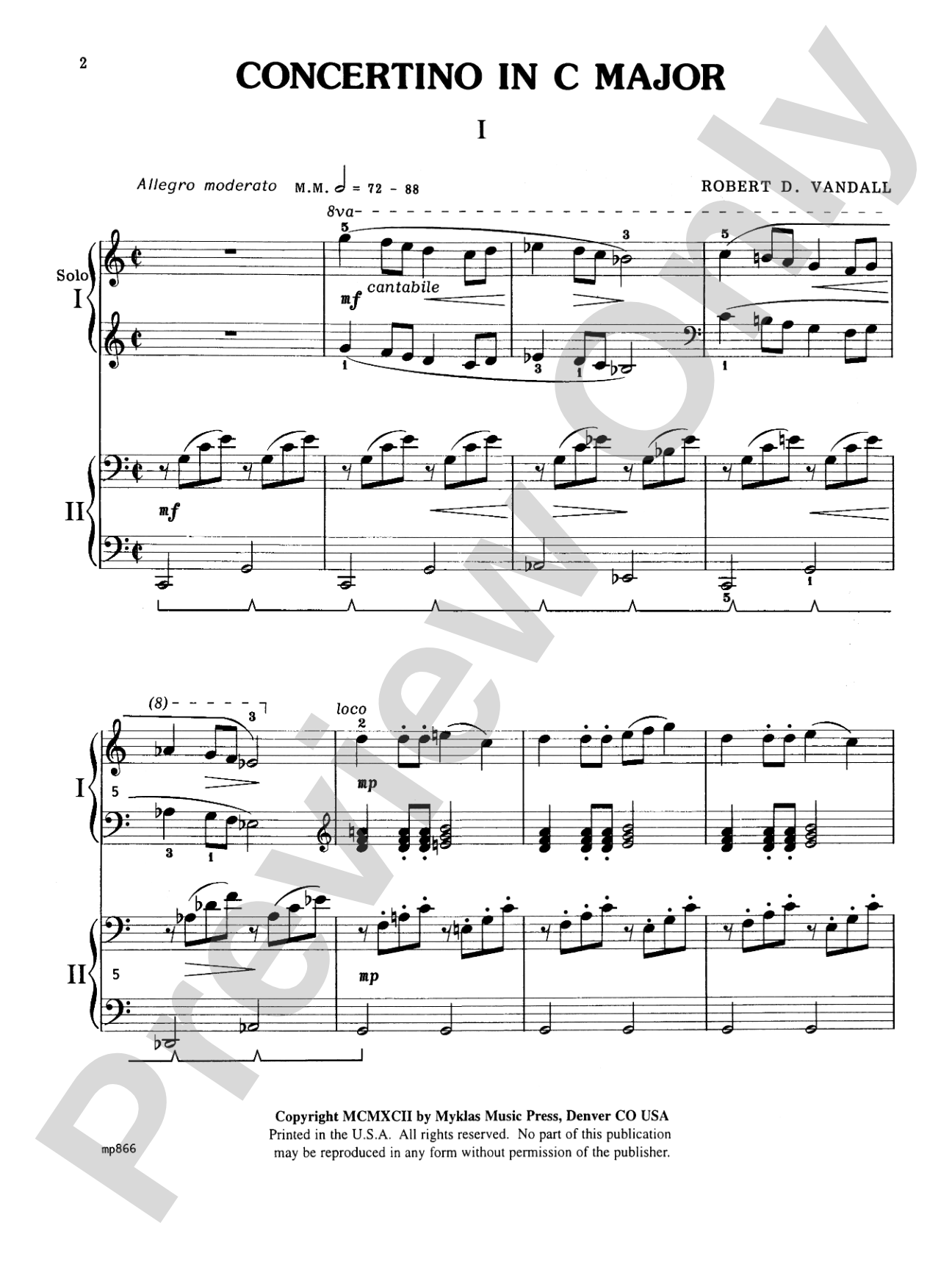
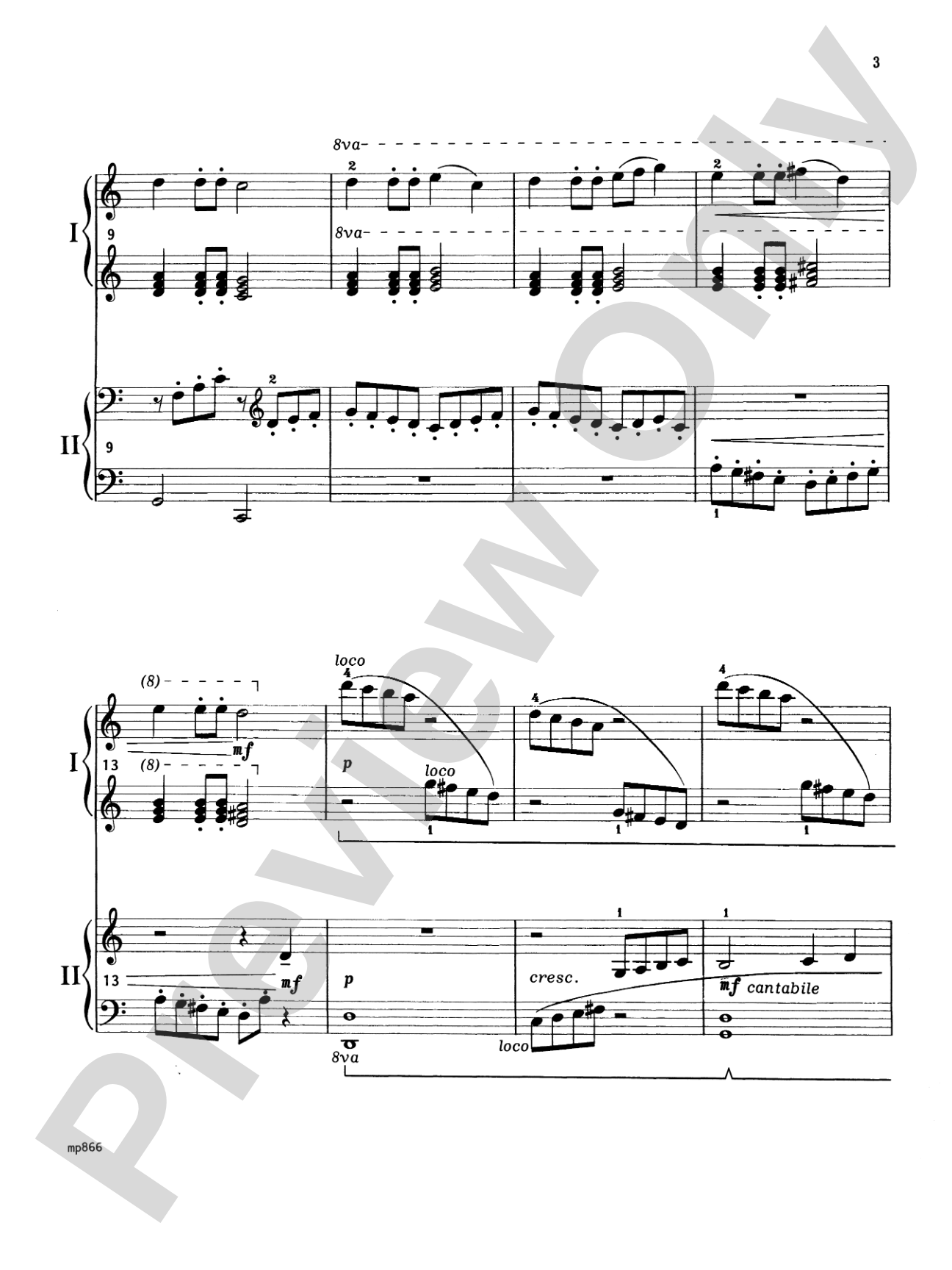
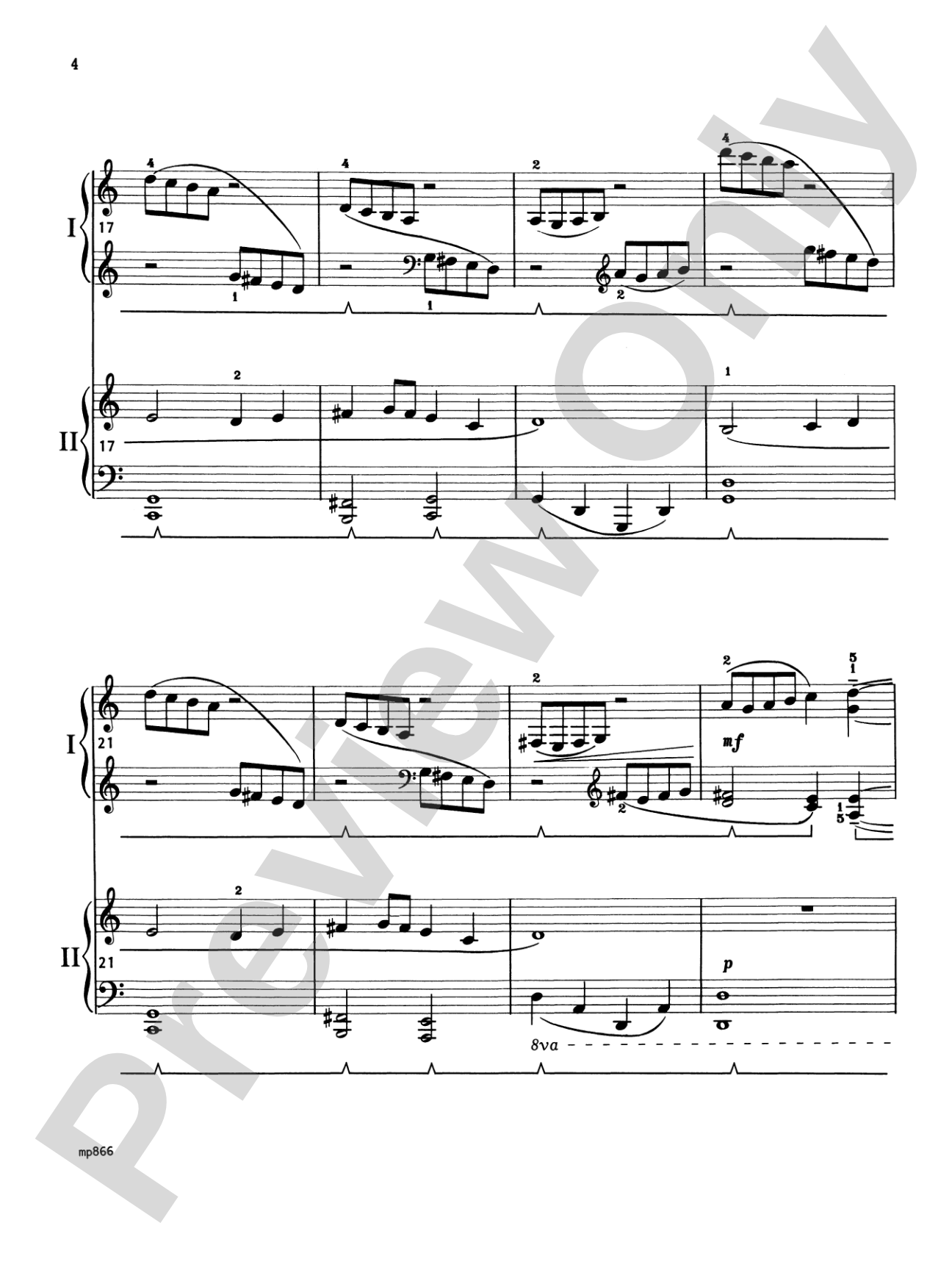
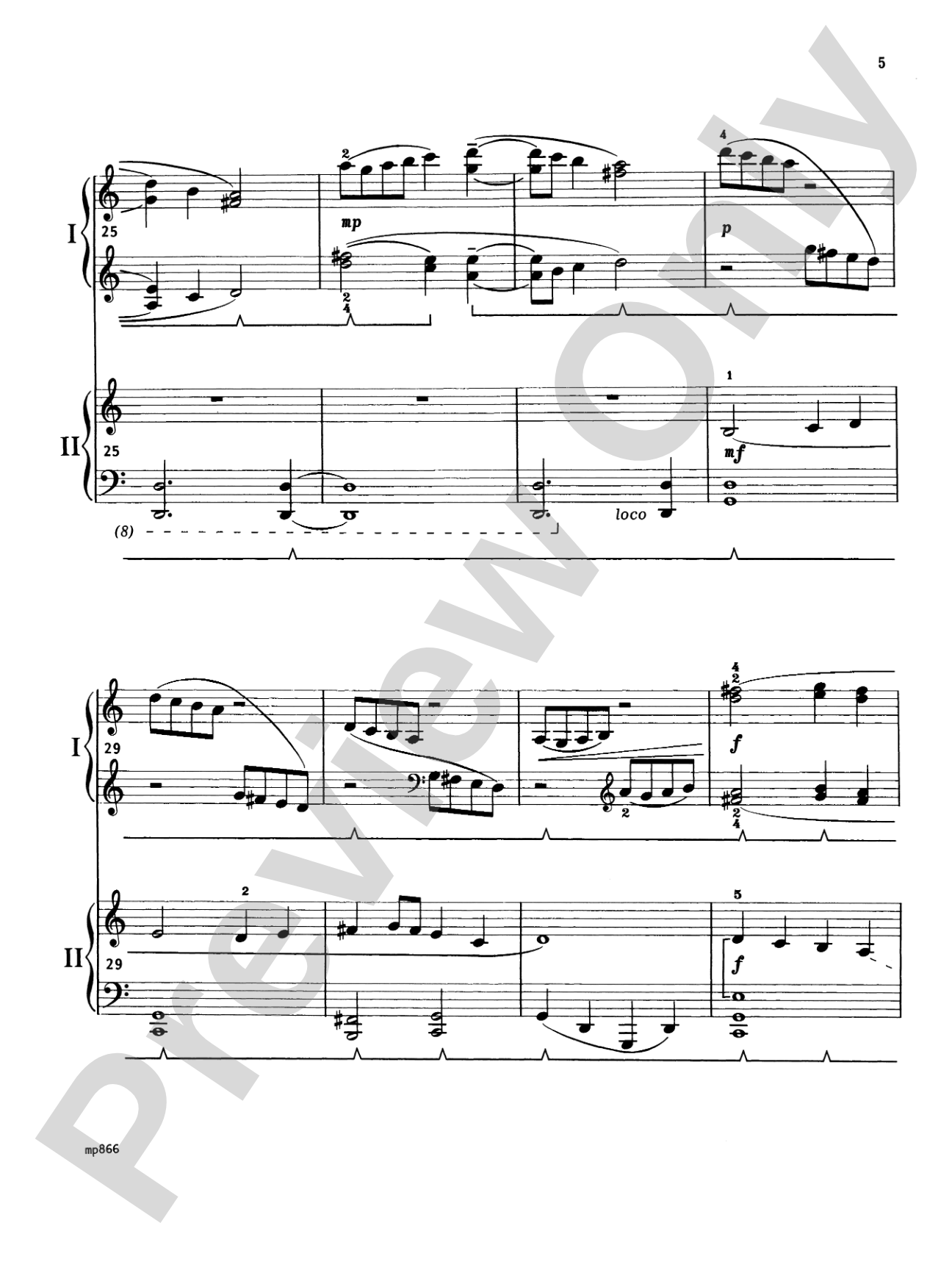
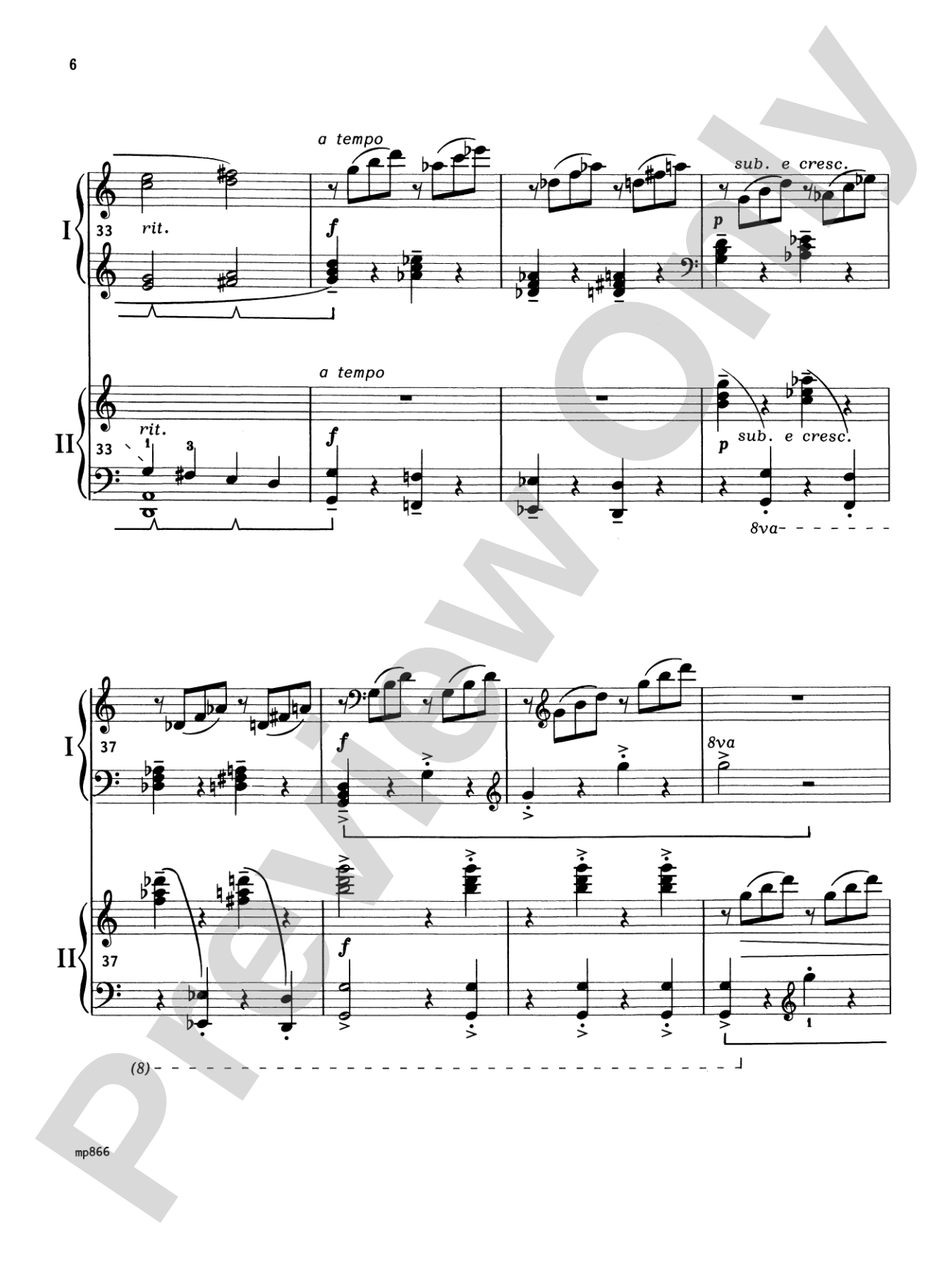
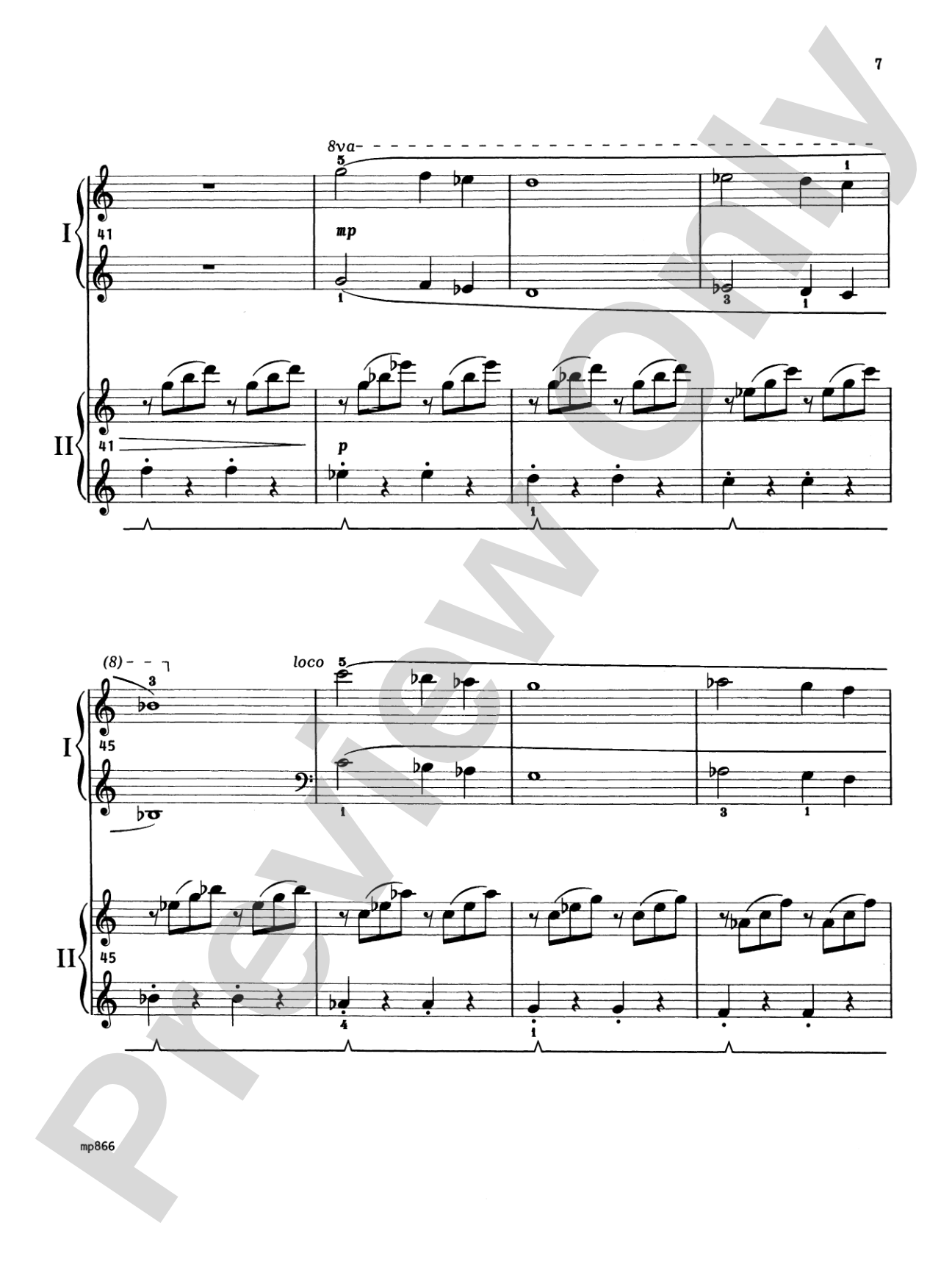
Concertino in C Major - Piano Duo (2 Pianos, 4 Hands) Sheet Music Preview

Concertino in C Major - Piano Duo (2 Pianos, 4 Hands): Piano Duets & Four Hands

By Robert D. Vandall

Level: Early Intermediate

Item: 00-PS-0016236

Digital Download
makemusic Cloud badge
$12.99
Description
Impressive, showy solo with second-piano accompaniment. Three movements. (Two scores included) A Federation Festivals 2024-2028 selection.

Don't just read it, hear it, play along with it, and watch your students grow with it. In MakeMusic Cloud, Concertino in C Major - Piano Duo (2 Pianos, 4 Hands): Piano Duets & Four Hands comes alive with professional accompaniment, adjustable tempo, and built-in practice tools that turn solo practice into real progress.

Sample Audio
No sample audio found.
Sample Video
Additional Details
Series: The Myklas Duet Series
Publisher: Alfred Music
Page Count: 64
SKU: 00-PS-0016236

More about this title

About the Composer: Robert D. Vandall

Robert D. Vandall is a prolific composer whose writing spans piano repertoire from early elementary through advanced levels. His works are known for their musical substance, clear formal structures, and attention to the developing pianist's technical and artistic needs.

Why we love this

Vandall writes duets that give the primo part genuine spotlight without asking the secondo to disappear into pure accompaniment. This three-movement work balances showiness with musical integrity, making it an effective choice for students who need impressive festival material that doesn't sacrifice compositional craft.

What to expect

Elegant and confident. The three-movement design moves from lyrical exposition through a contrasting section and back to affirmation, with the primo voice always singing at the center. The writing values melody and clear harmonic movement over technical display.

Who it's for

Early intermediate pianists competing in festival settings or preparing recital programming that demands polish and musical maturity. This work suits students ready to balance their own part with genuine collaboration, particularly when one pianist is slightly ahead technically.

How to get the most out of it

  • Establish clear hierarchy between the two parts during rehearsal. The primo carries the melodic and dramatic weight, so balance the volume accordingly rather than treating it as a true equal partnership.
  • Map out the three-movement arc before intensive practice. Understanding how each movement connects emotionally helps both players commit to the work as a unified whole.
  • Give special attention to coordinating the endings of phrases and movements. Ensemble precision matters more in a duo where the two parts are exposed and interdependent.
  • Use the included second score to prepare with your partner. Having separate parts encourages each player to focus on their specific role rather than defaulting to watching one another's hands.

How to use it

Schedule this as a recital highlight for a student seeking substantial early intermediate material with festival credentials. It works effectively in a program of contrasting solo works, offering the ensemble dimension and broader scope that a solo piece alone cannot provide.

Skills your students will build

  • Balancing melody and accompaniment texture in ensemble playing
  • Maintaining independence while listening to a partner part
  • Sustaining long-line phrasing across three connected movements
  • Coordinating rhythmic precision and pedal changes between two instruments
  • Interpreting lyrical writing with age-appropriate musical maturity

You May Also Like