Complexus Cover Image

Complexus: String Orchestra Conductor Score

$8.00 USD
Sale price  $8.00 USD Regular price 
Skip to product information
Complexus Cover Image

Complexus: String Orchestra Conductor Score

By Shirl Jae Atwell

Grade: 4

Item: 36-50255186

$8.00
Shipped

One moment…

Description
Recurring, asymmetric ostinato figures drive this hypnotic piece, punctuated by harmonically lush cadences. Program this exciting Shirl Jae Atwell work as a concert opener or pre-intermission cliffhanger. Complexus may also serve as a fun way to warm up those fingers and counting skills in rehearsal! (3:00)

Complexus: String Orchestra Conductor Score isn't in MakeMusic Cloud just yet...but it could be. Let us know you'd like to see it, and you'll help shape what comes next. In the meantime, start a free trial and dive into thousands of interactive titles your students can play along with today.

Sample Pages

No sample pages found.

Sample Audio
No sample audio found.
Sample Video
Additional Details
Series: LudwigMasters String Masters
Publisher: Keiser Productions, Inc.
ISBN10: 1-63-887455-7
ISBN13: 978-1-63-887455-3
UPC: 735816203221
SKU: 36-50255186
Instrumentation: String Orchestra, Ensemble Works

More about this title

About the Composer: Shirl Jae Atwell
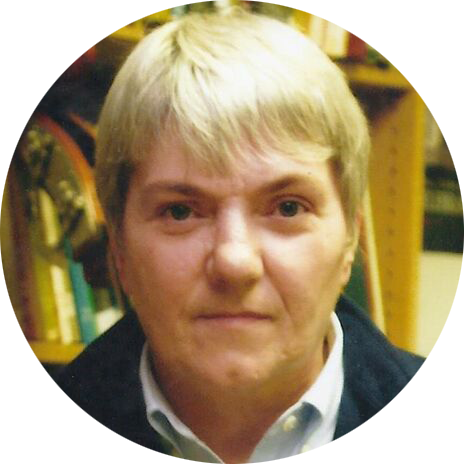
Shirl Jae Atwell

Shirl Jae Atwell holds degrees from Kansas State Teachers College and the University of Louisville, where she earned a Master of Music Theory and Composition. She completed four years of advanced composition study at the University of South Carolina, establishing herself as a prolific composer across multiple genres including opera, ballet, and orchestral works.

Atwell's achievements include the 1984 Clifford Shaw Memorial Award for Kentucky Composers, a 1996 National School Orchestra Association composition contest win for her string orchestra piece Modus á Four, and a 1997 Texas Orchestra Directors Association award. Her ballet Lucy, with choreography by Alun Jones and premiered by the Louisville Ballet in 1999, received an Emmy Award for its televised production in 2000. Six of her scores were placed in the permanent collection of the Paris Bibliothèque Internationale de Musique Contemporaine, and her works have been premiered by regional orchestras and educational ensembles across the United States.

Why we love this

Atwell writes with real understanding of what keeps student orchestras engaged. The asymmetric ostinato patterns create genuine rhythmic interest without requiring advanced technical facility, while the harmonically sophisticated cadences reward careful listening and give your section leaders something musical to shape. The piece functions brilliantly as both a concert statement and a rehearsal tool for developing rhythmic precision.

What to expect

Hypnotic and propulsive, driven forward by interlocking rhythmic patterns that create forward momentum even at moderate tempos. The piece shifts between trancelike repetition and moments of lush harmonic release, building a sense of anticipation that rewards attentive listening with rich vertical sonorities.

Who it's for

Grade 4 string orchestras ready to tackle rhythmic sophistication and harmonic depth without extreme technical demands. This score works for mid-level school orchestras, community youth ensembles, and advanced middle school programs seeking contemporary repertoire with real compositional substance.

How to get the most out of it

  • Lock the ostinato figures into your string sections before rehearsing the full score. Have violins I and II isolate their patterns separately, then layer in violas and cellos so the rhythmic framework is bulletproof.
  • Shape the lush cadences with dynamic control and breath. These harmonic arrivals deserve space and attention; they're the payoff to the hypnotic build-up, so resist rushing them.
  • Use the three-minute runtime strategically. The piece works as either a high-energy opener that sets the tone for your concert or a tense pre-intermission moment that leaves the audience wanting more.
  • Keep counting visible and audible during rehearsals when navigating the asymmetric patterns. Even experienced section leaders benefit from silent beat patterns or light taps to maintain ensemble cohesion.

How to use it

Open your concert with Complexus to establish energy and contemporaneity, or position it strategically before intermission to leave your audience in a state of rhythmic tension. The piece also serves as an excellent rehearsal opener when you need to focus on rhythmic reading and counting accuracy; students engage with the interesting patterns while building fundamental ensemble skills.

Skills your students will build

  • Reading and executing asymmetric ostinato patterns with precision
  • Maintaining ensemble cohesion in layered rhythmic structures
  • Counting accuracy and awareness of metric asymmetry
  • Responding to harmonic cadences and shaping musical phrases
  • Balance and blend when multiple independent rhythmic lines occur simultaneously

You May Also Like