
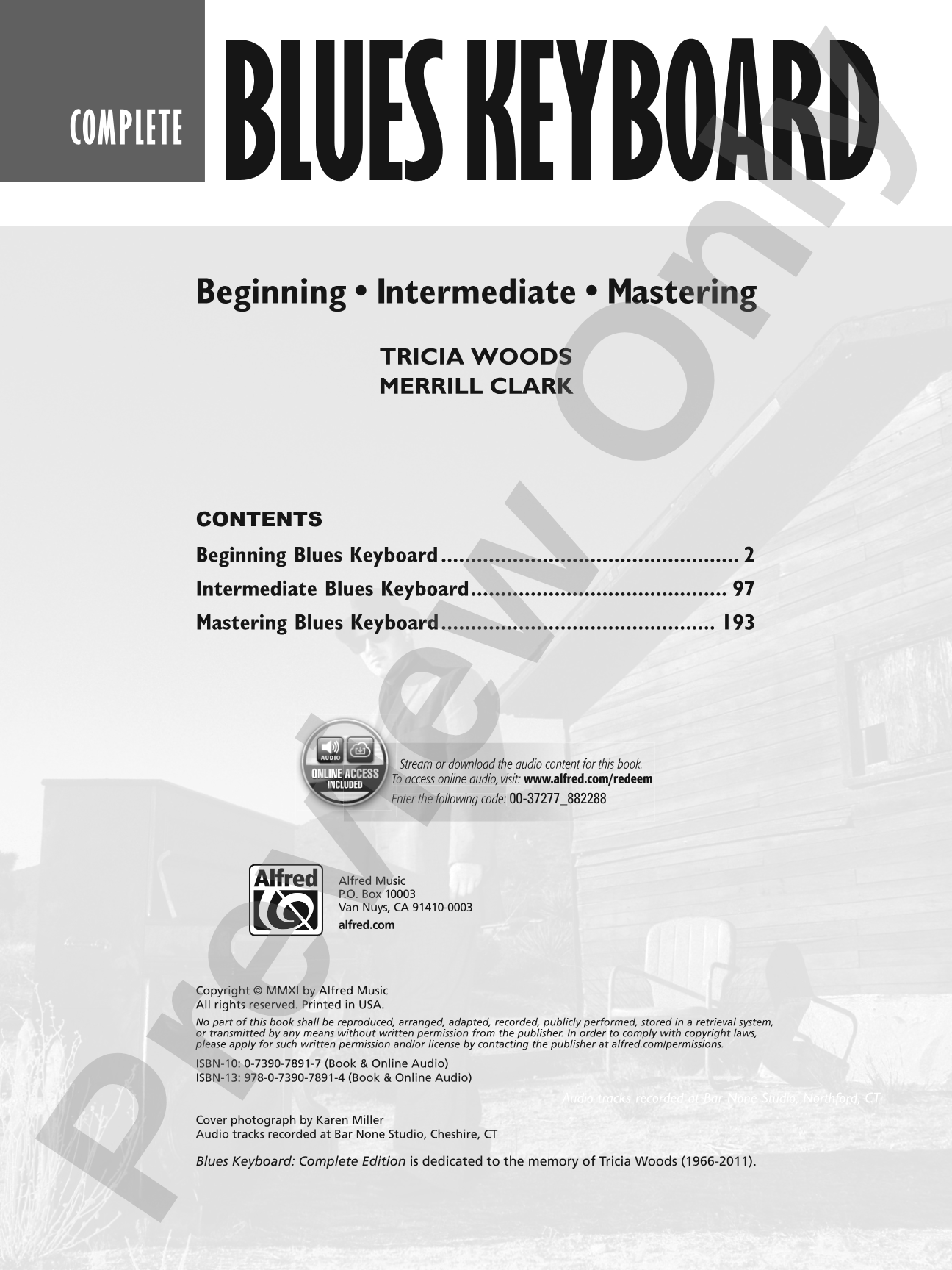


Complete Blues Keyboard Method Complete Edition: Piano
By Tricia Woods and Merrill Clark
Item: 00-PB-0001831
$34.99
Pickup currently not available
Related Items
Complete Blues Keyboard Method Complete Edition: Keyboard/Piano Book & Online Audio |
$34.99
|
View |
Description
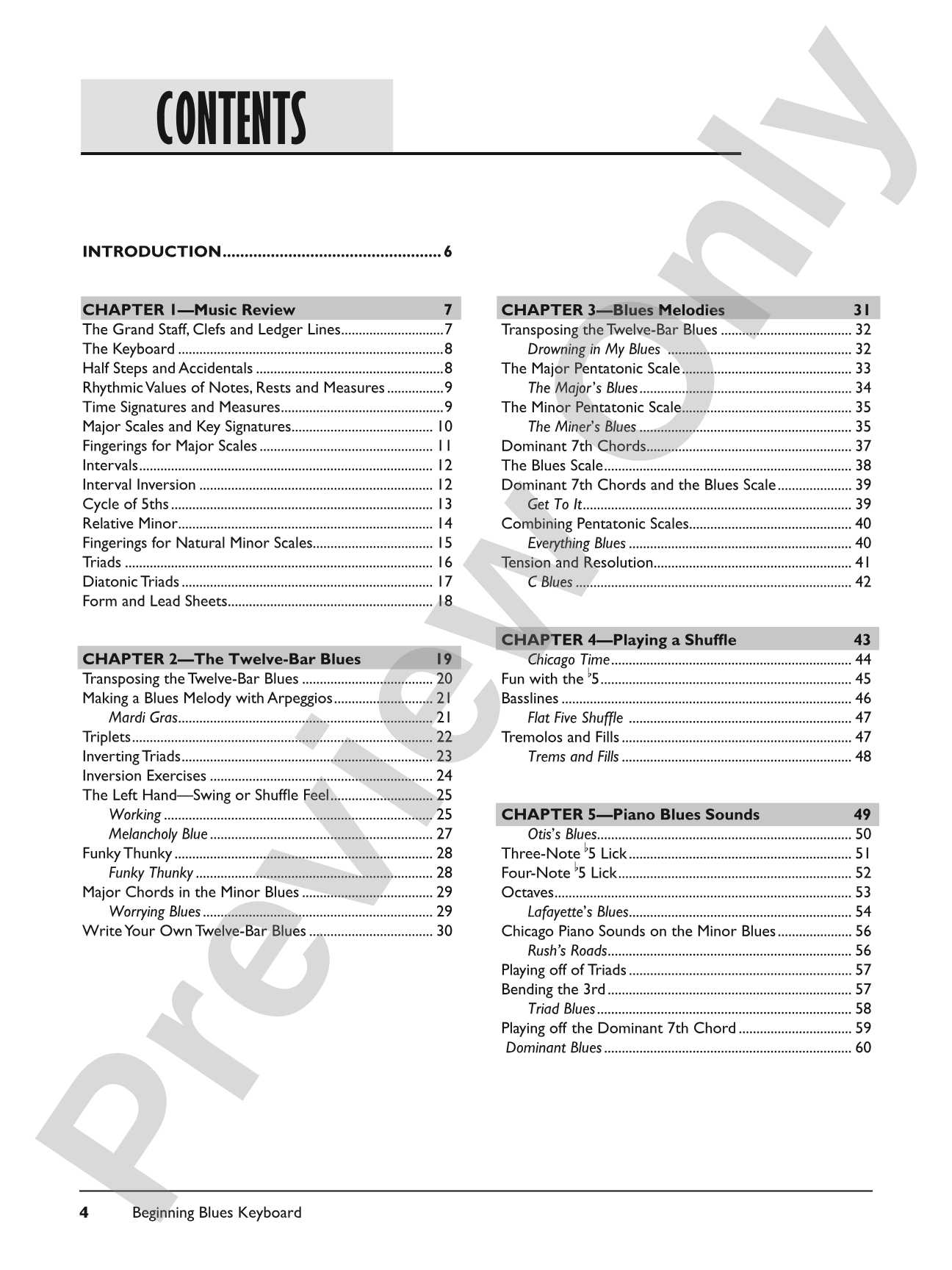
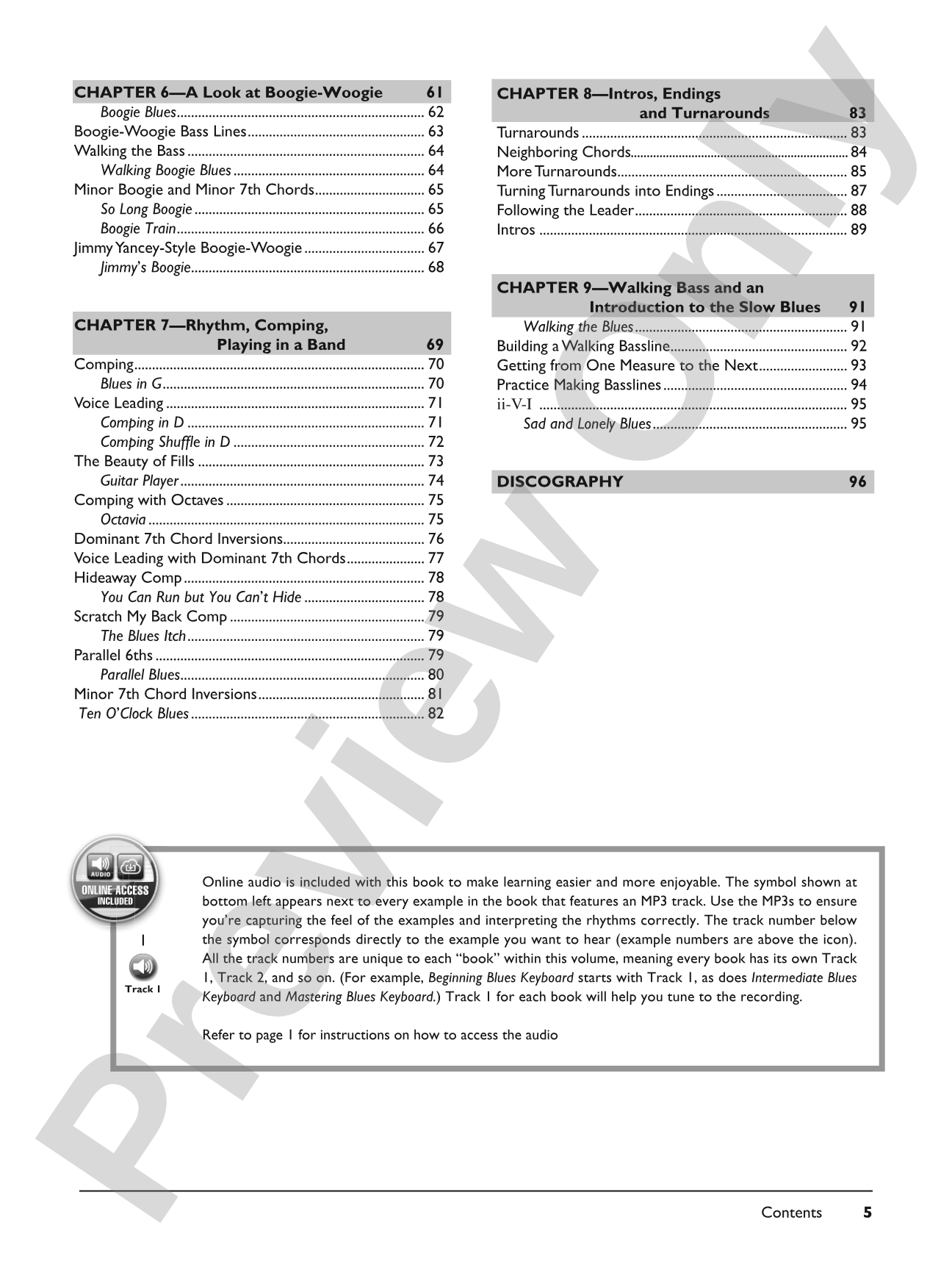
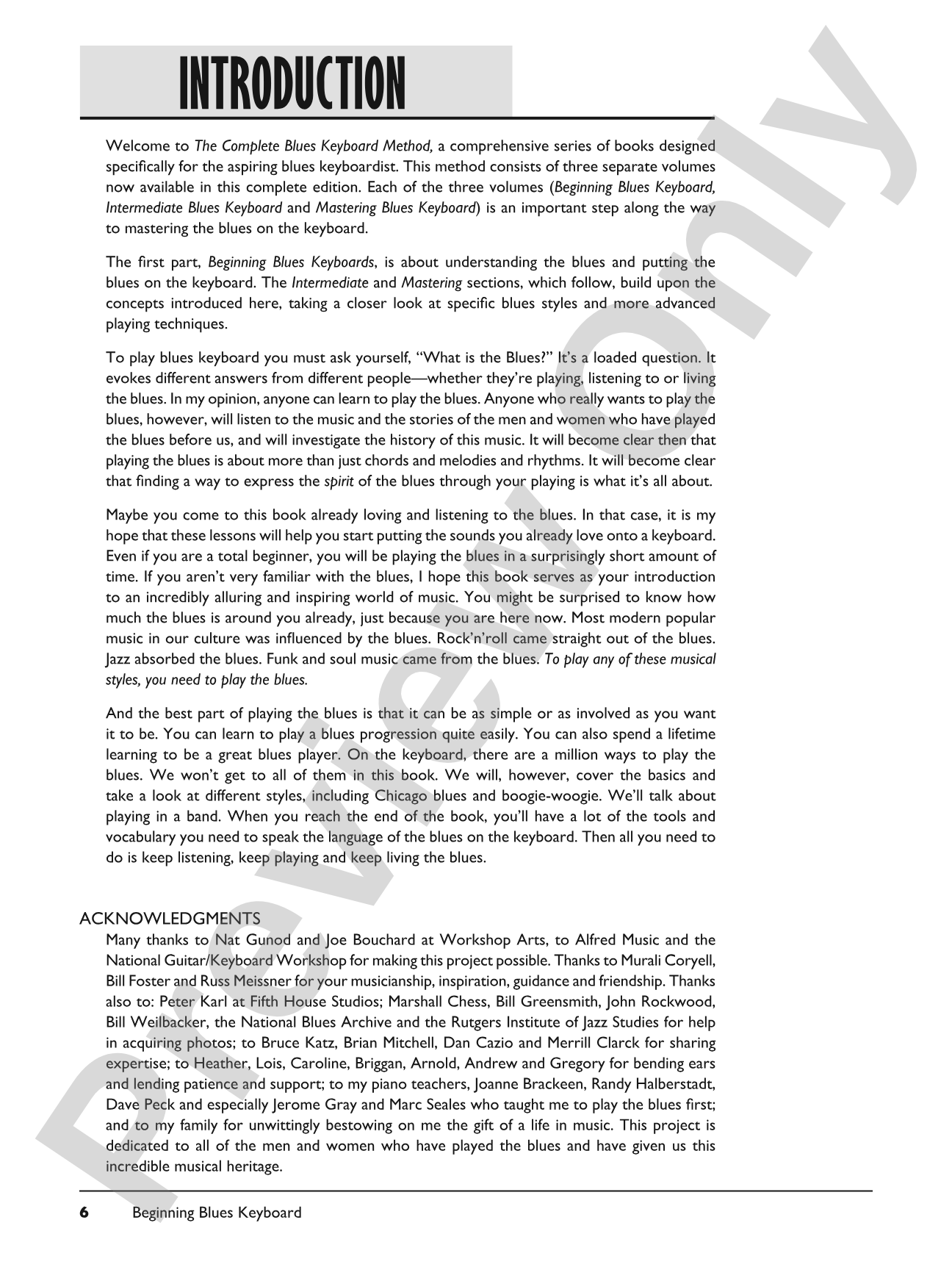
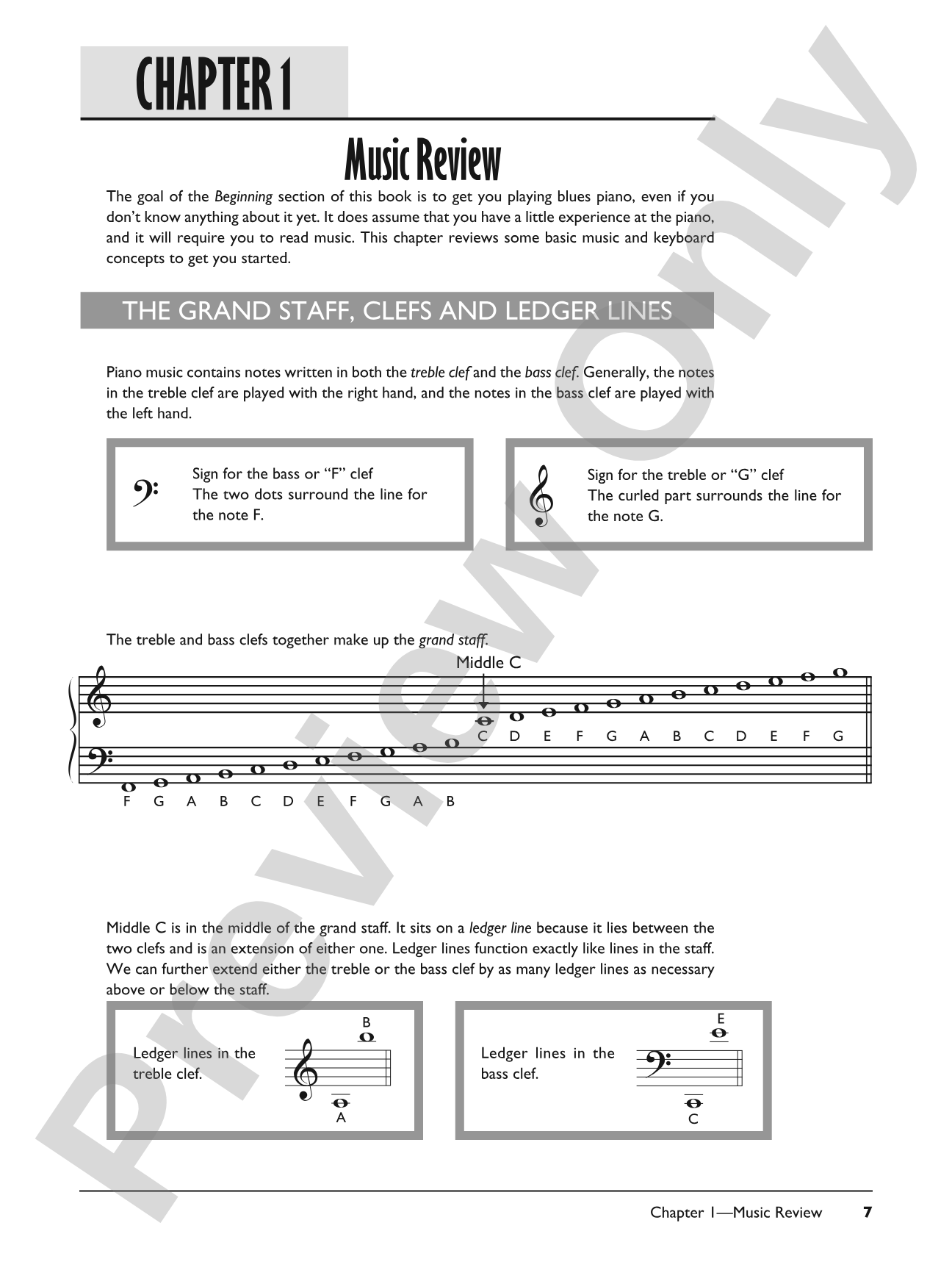
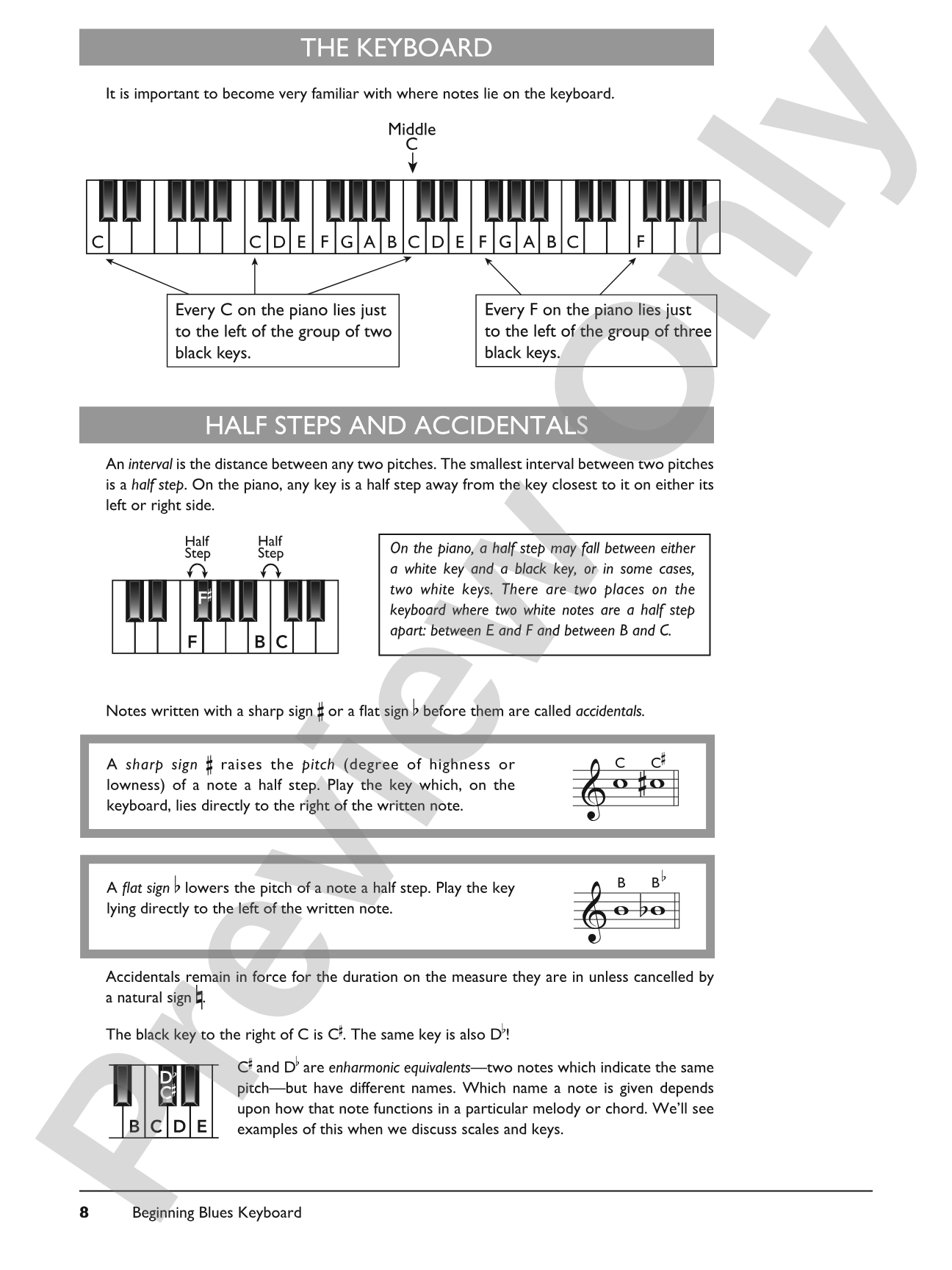
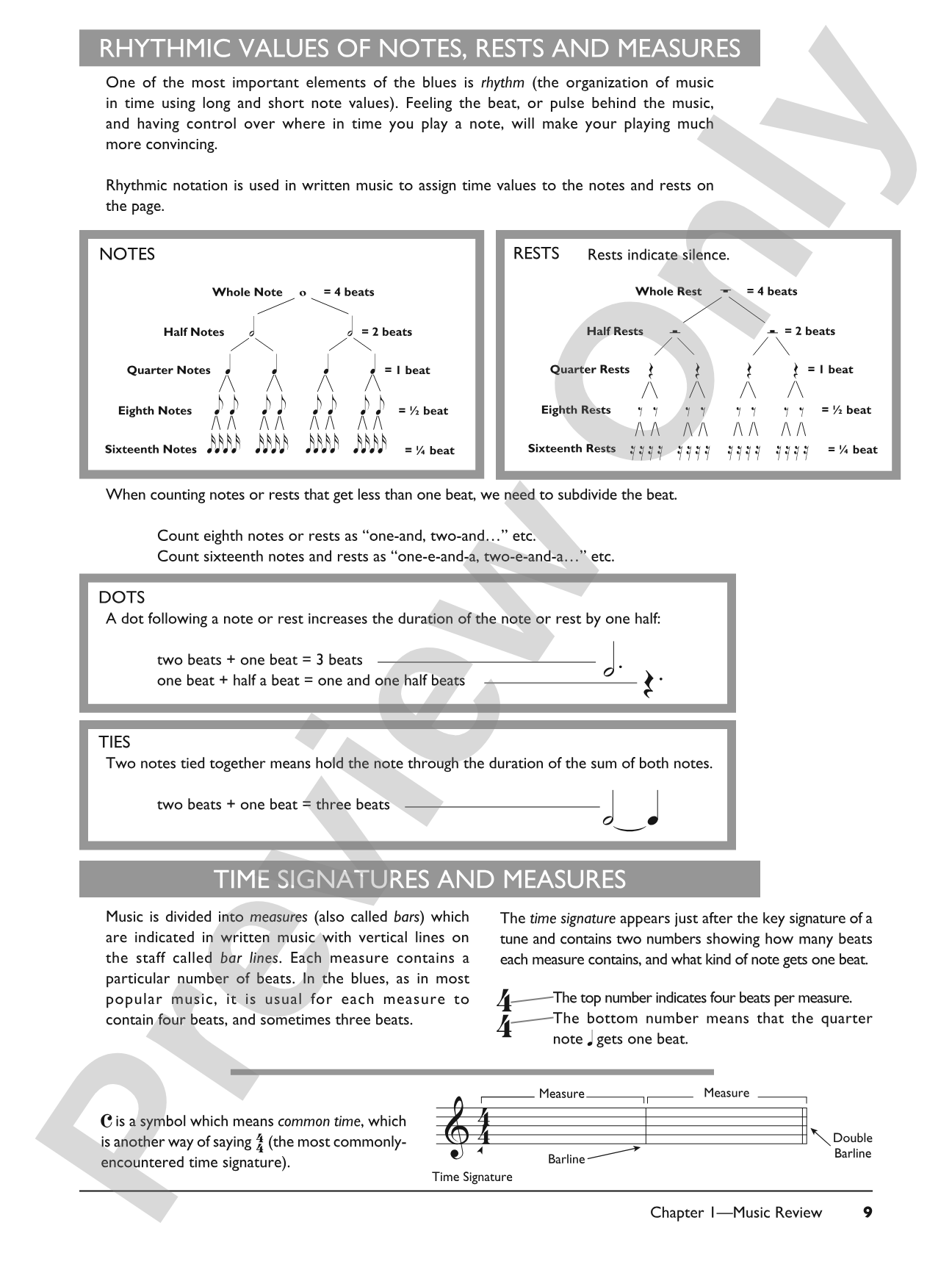
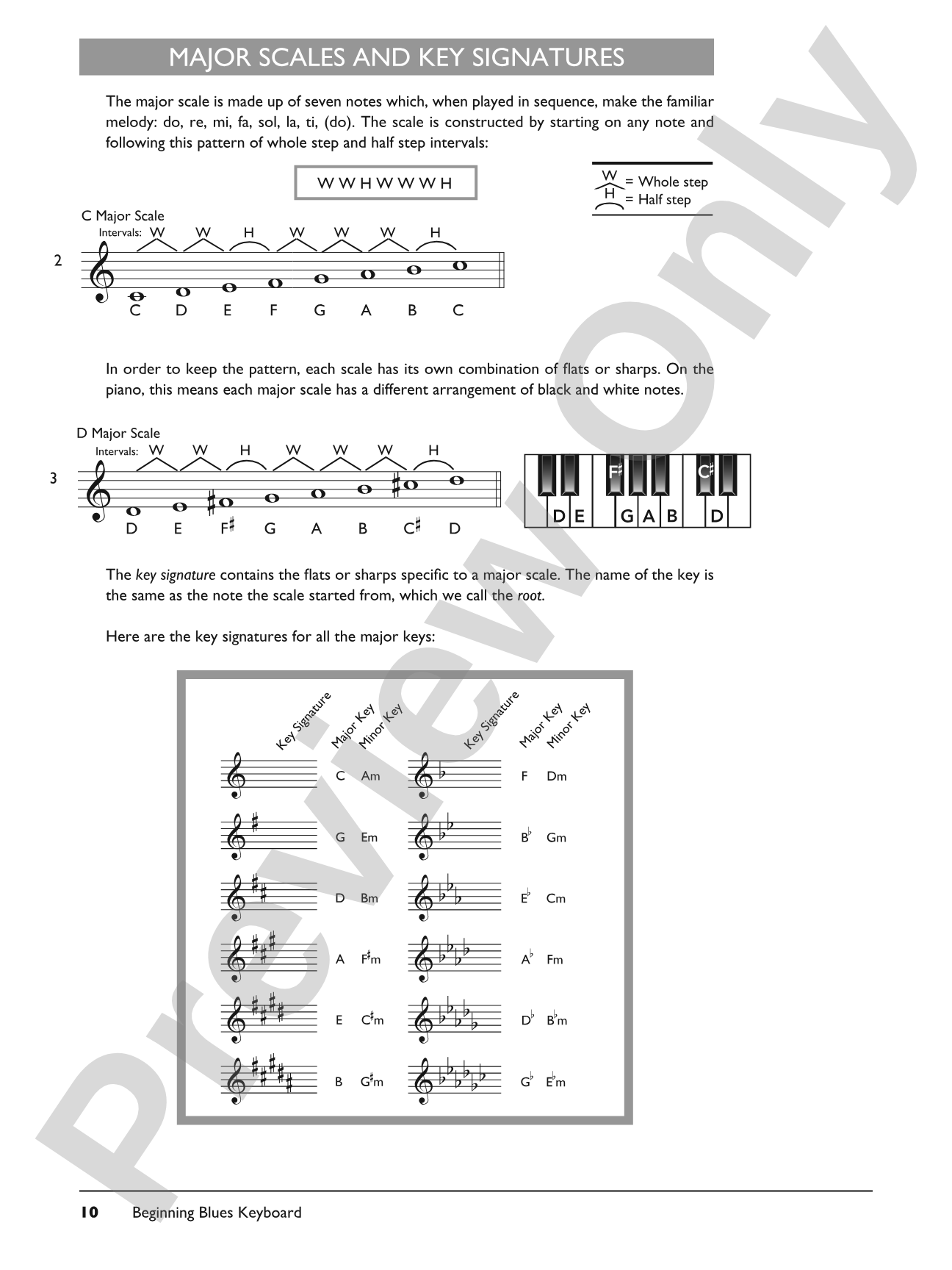
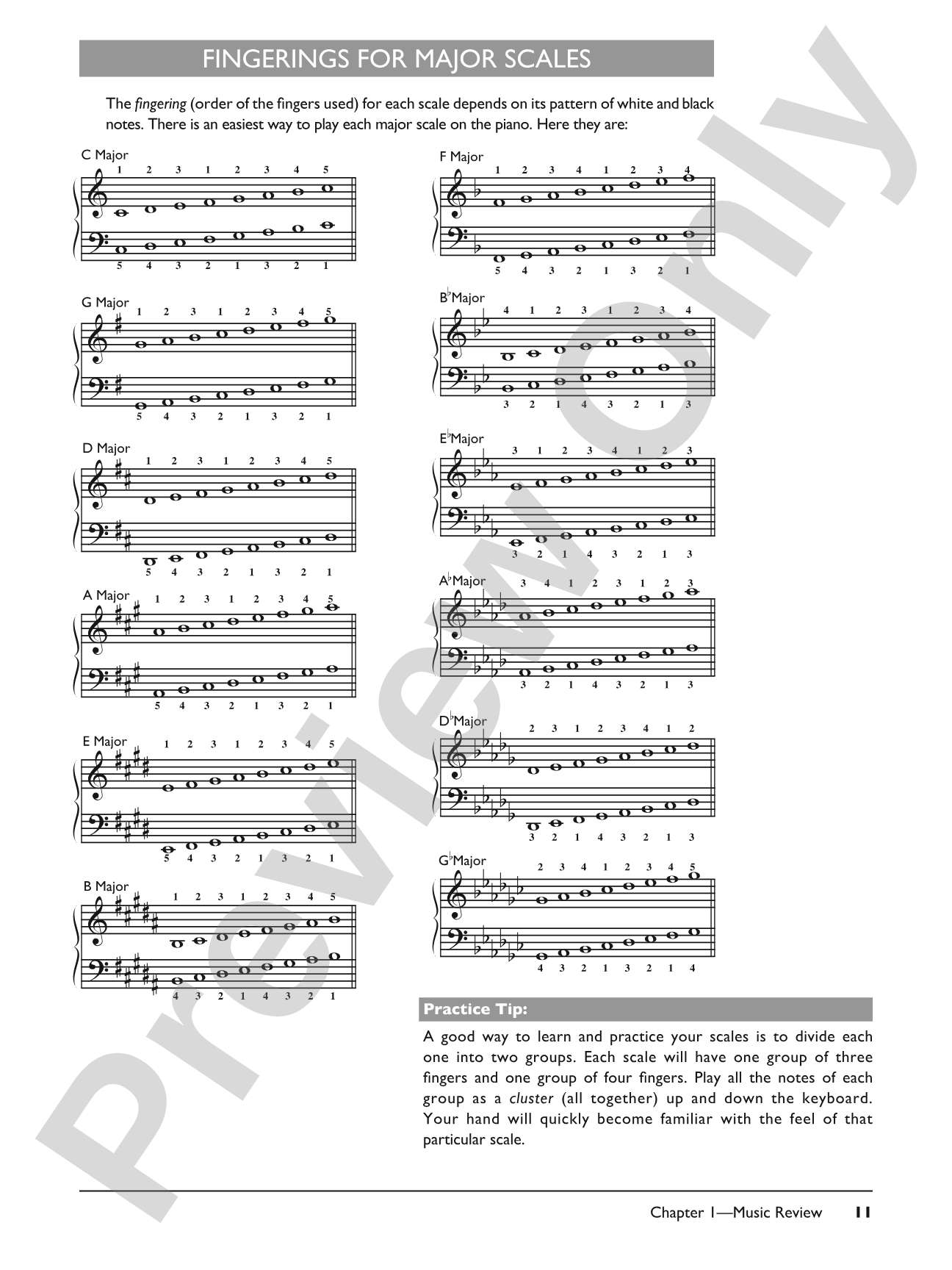
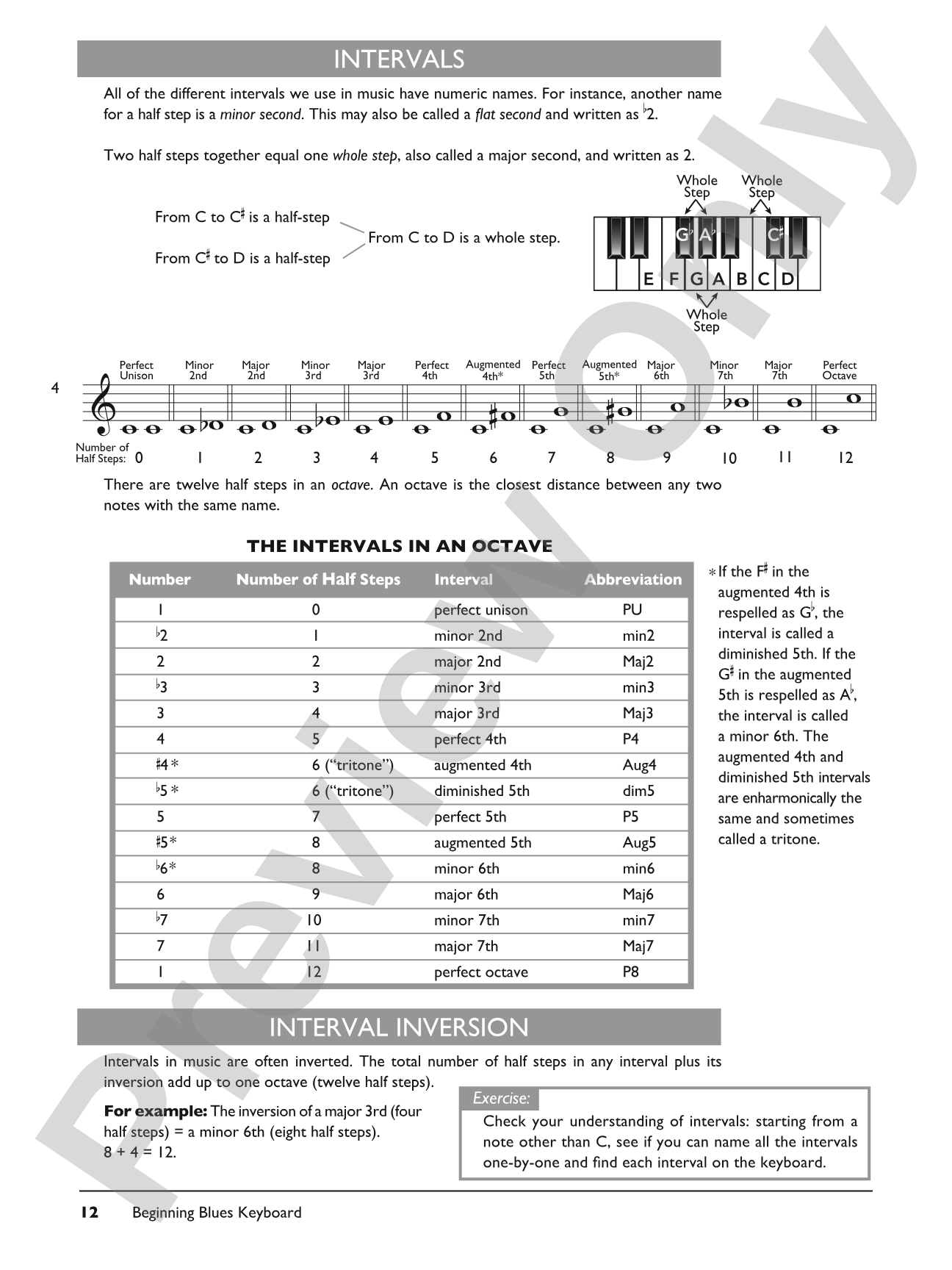
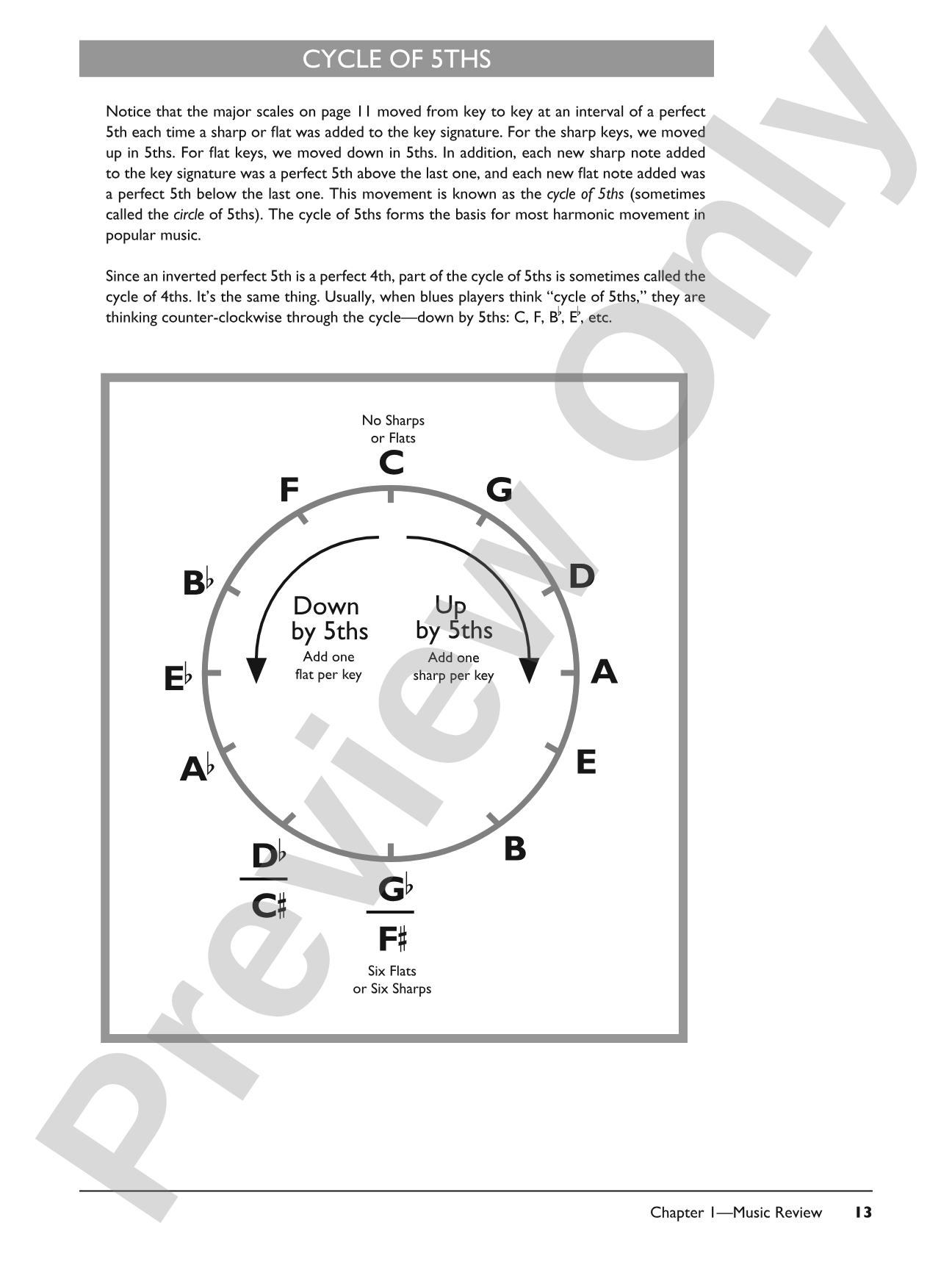
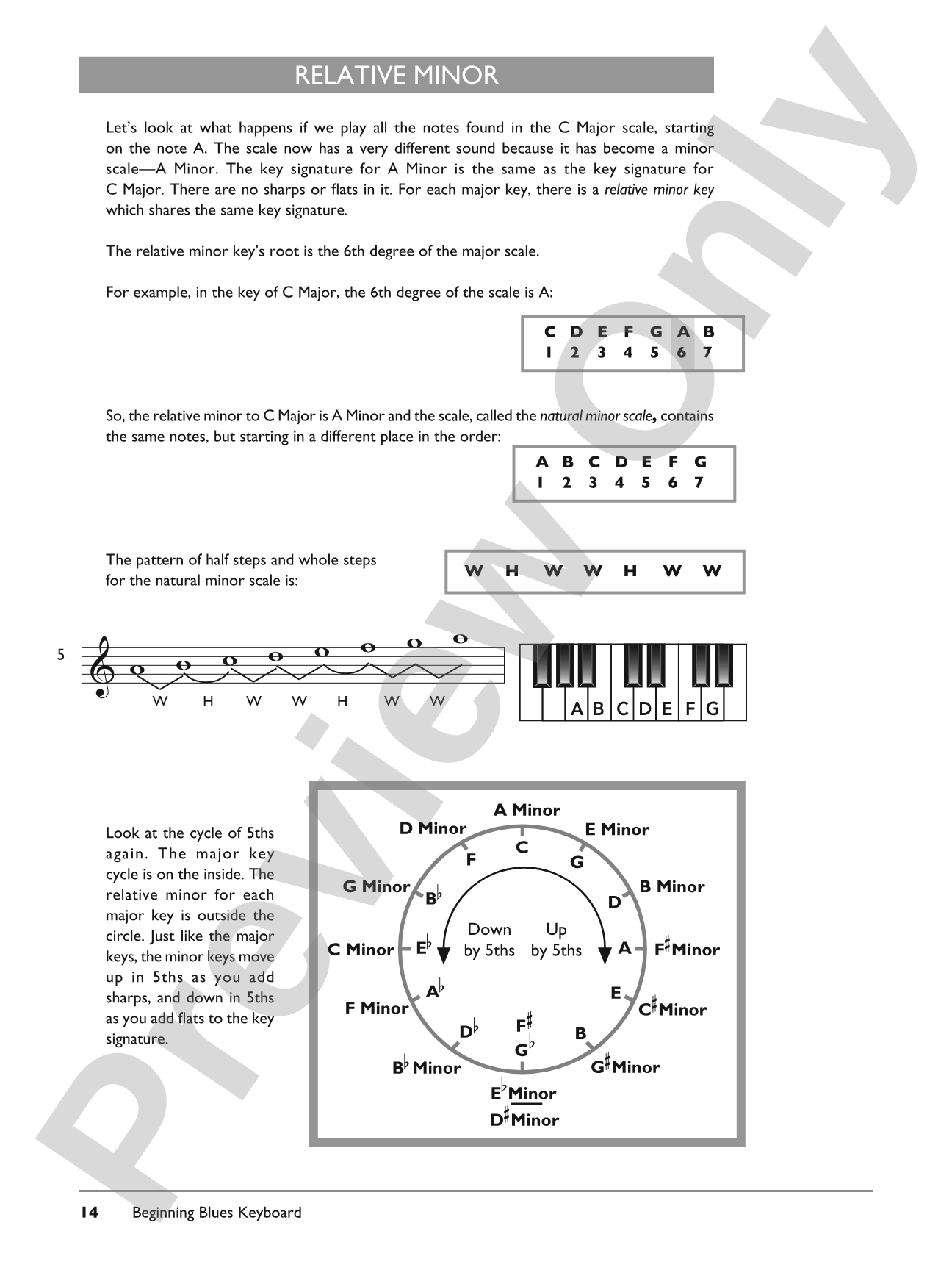
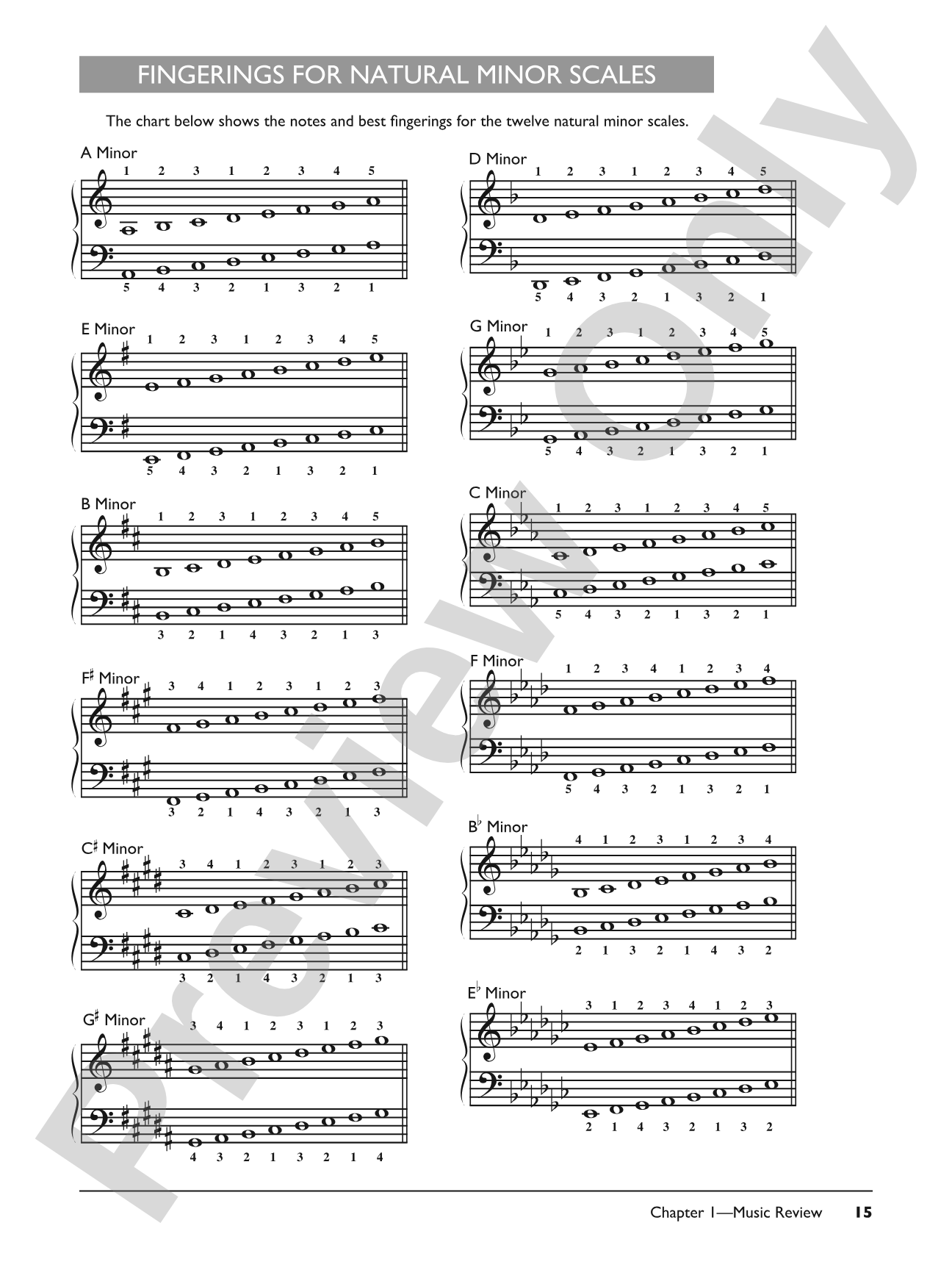
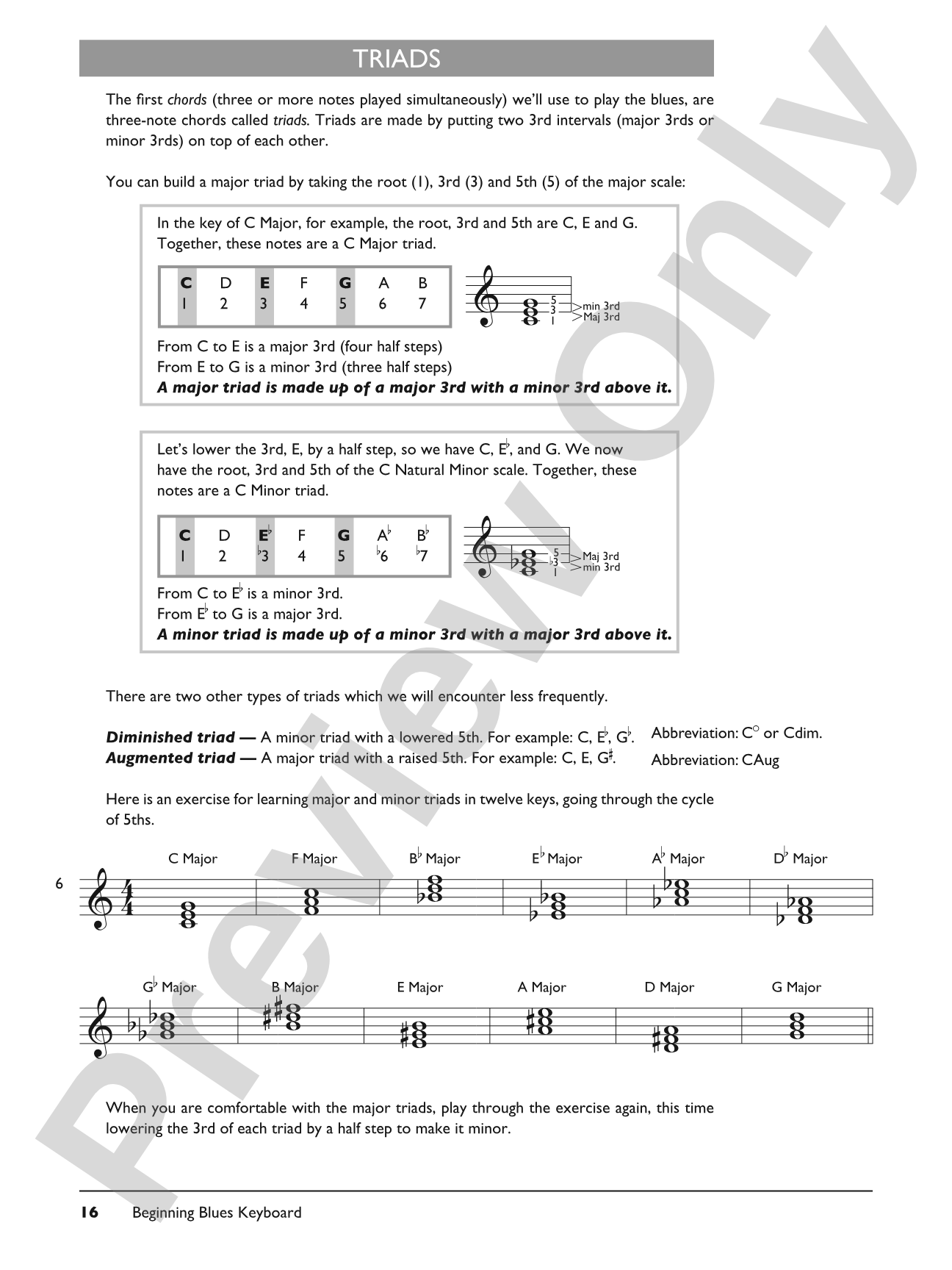
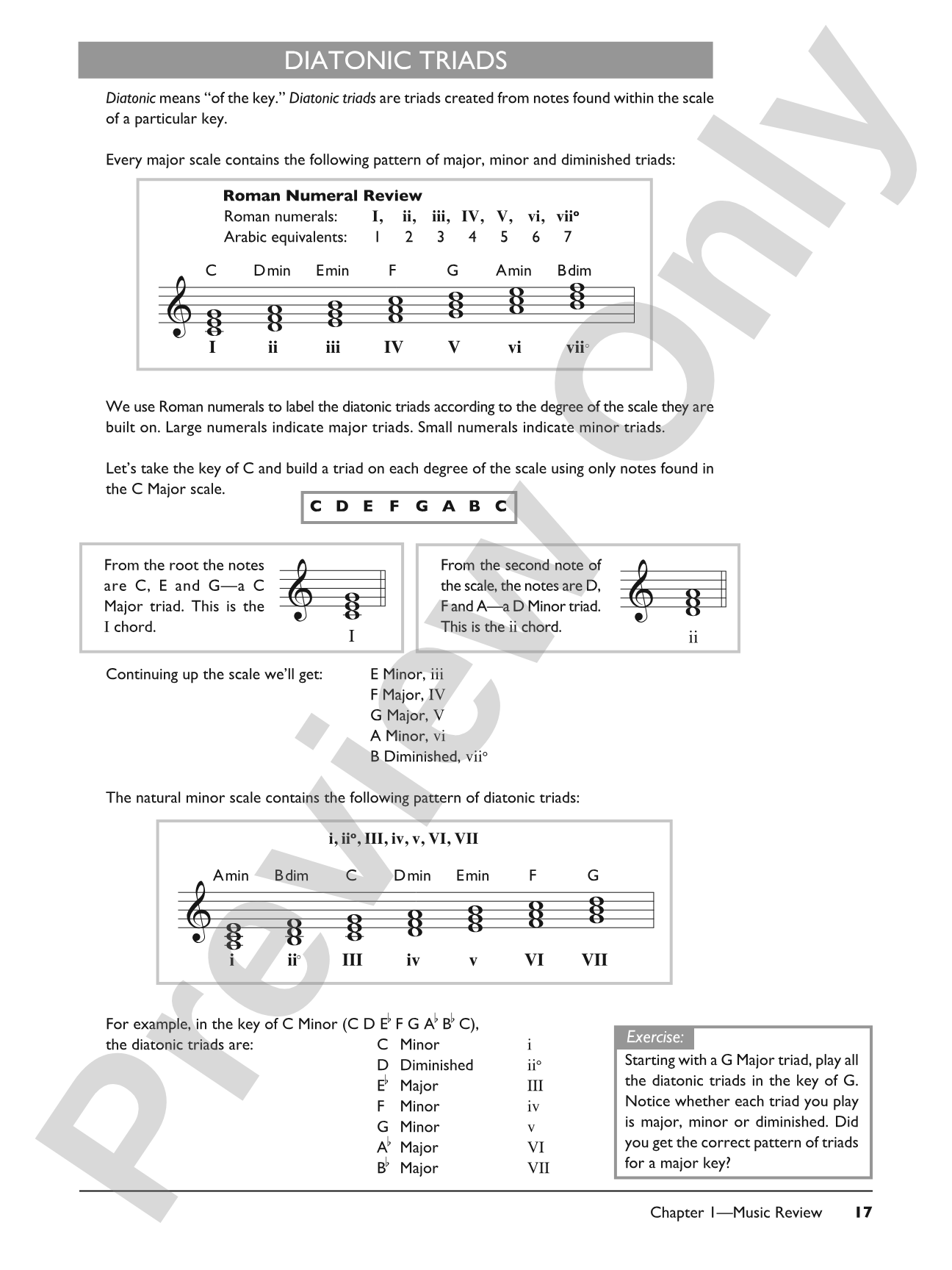
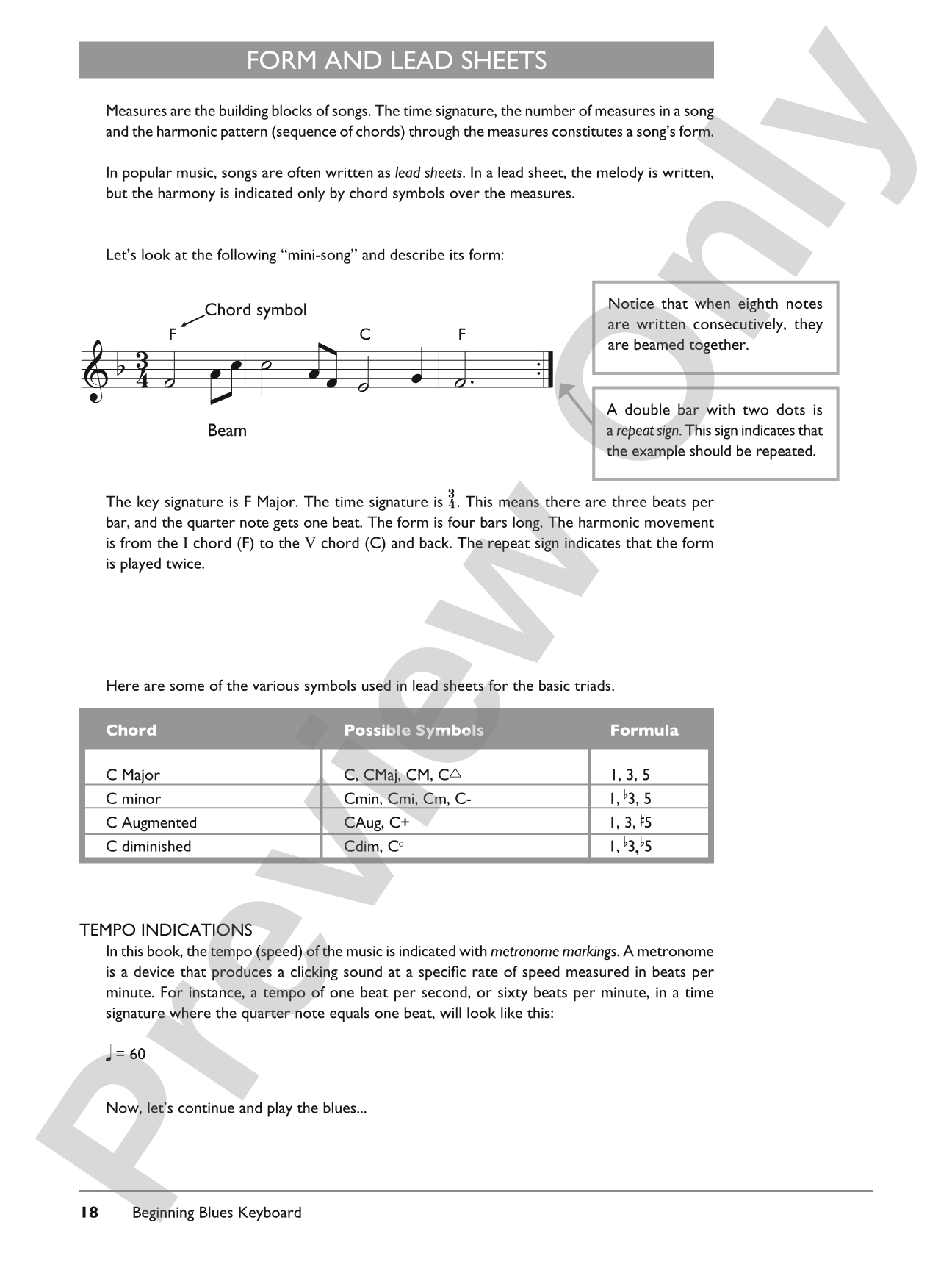
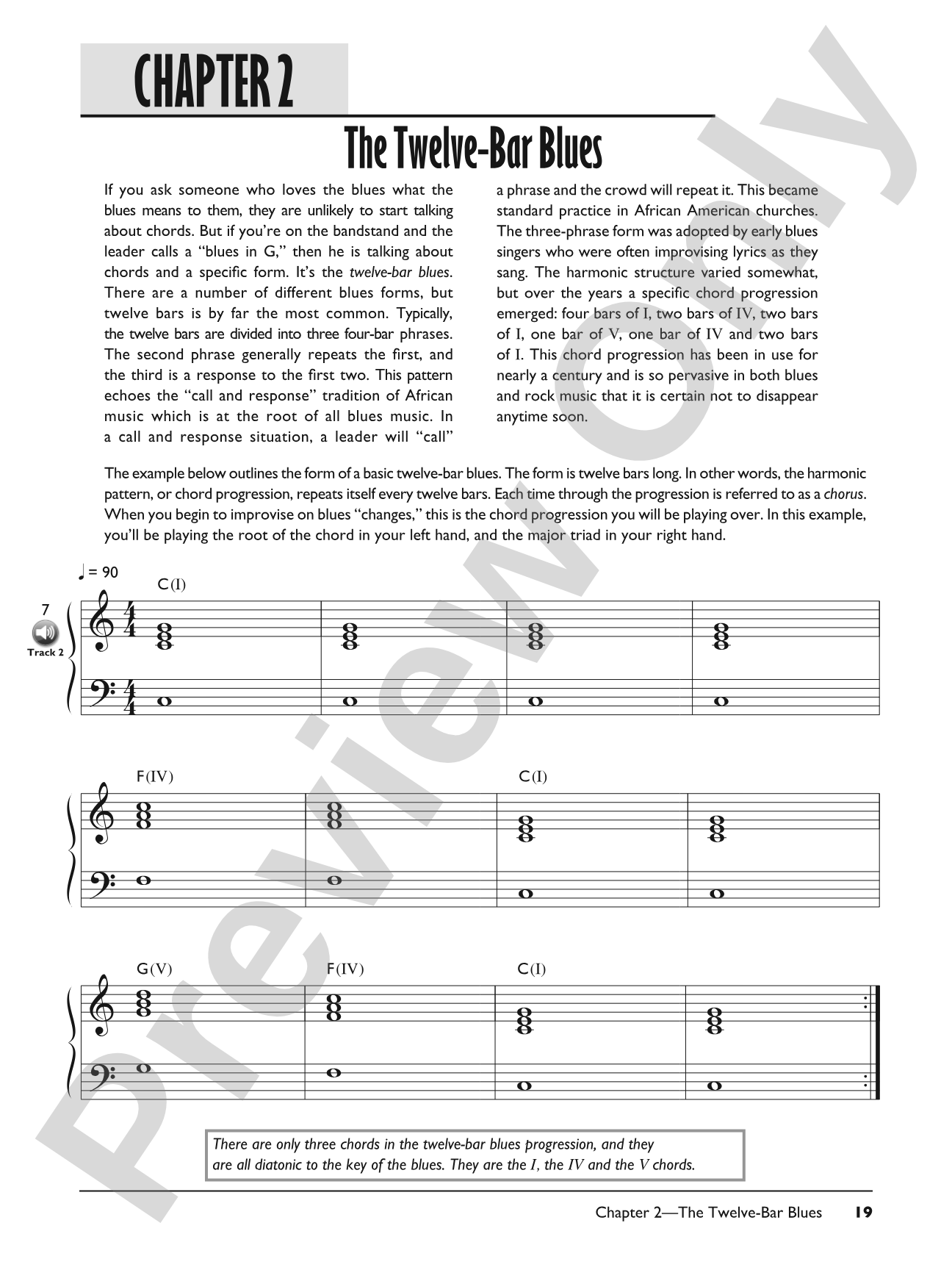
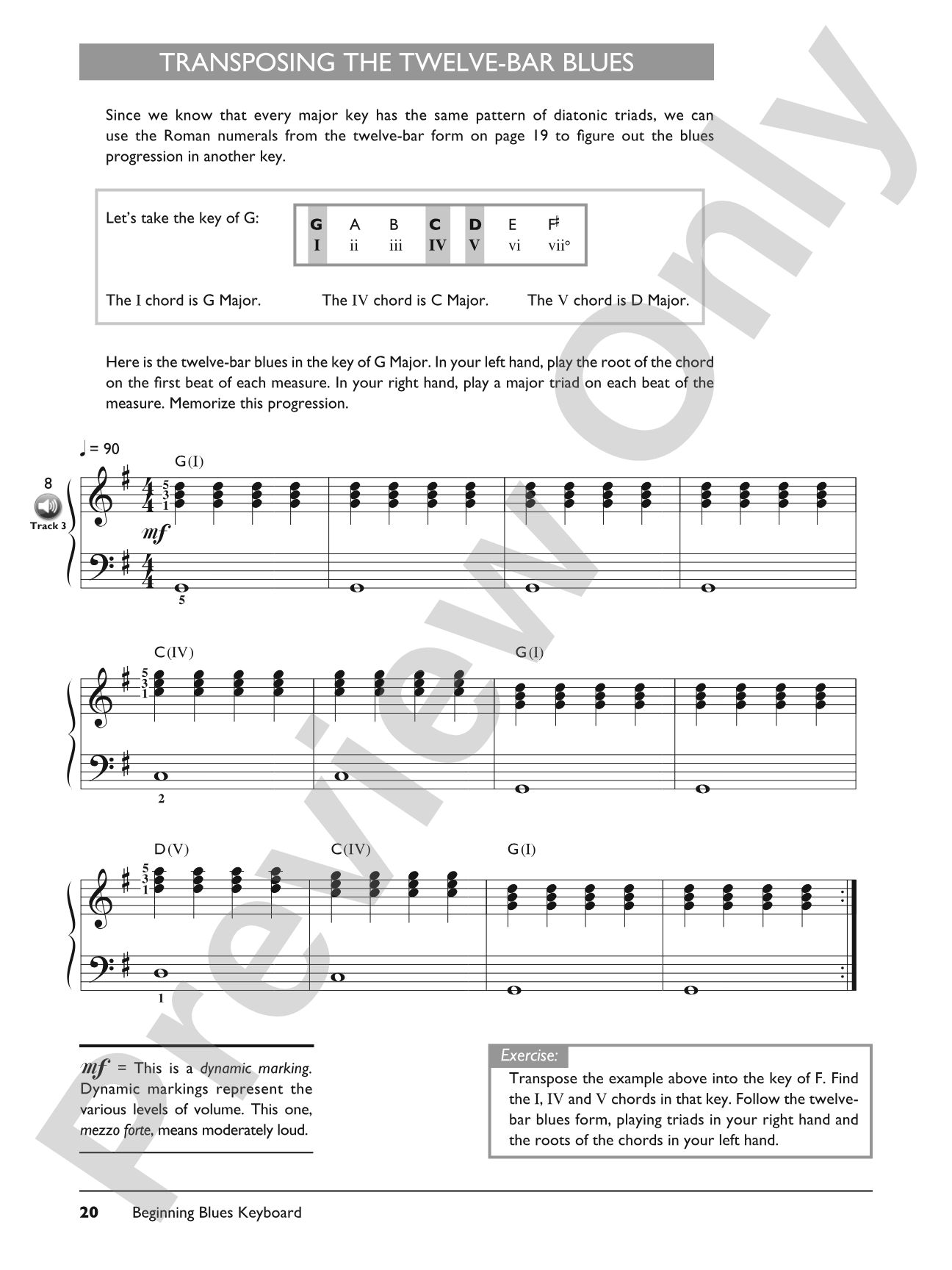
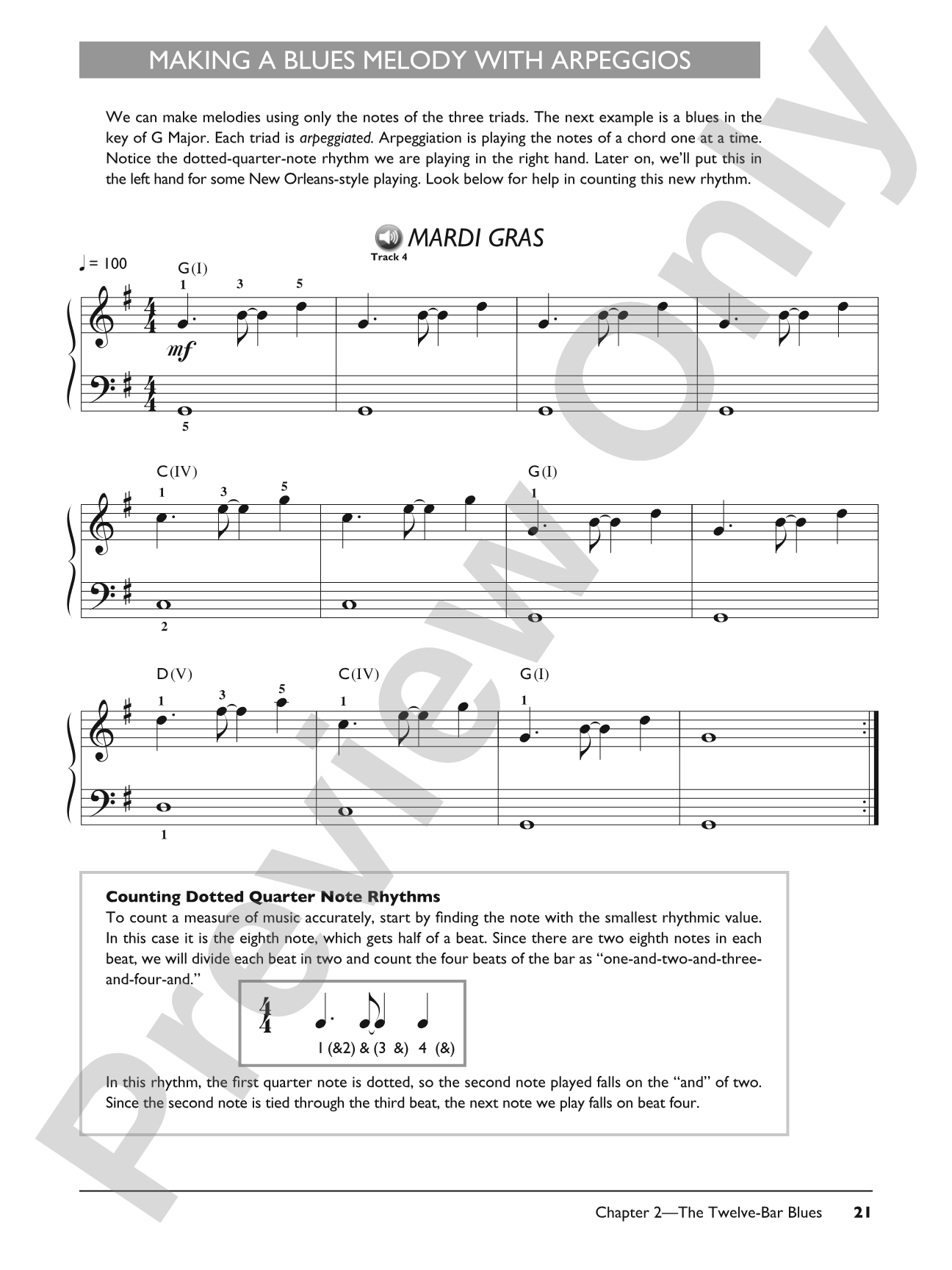
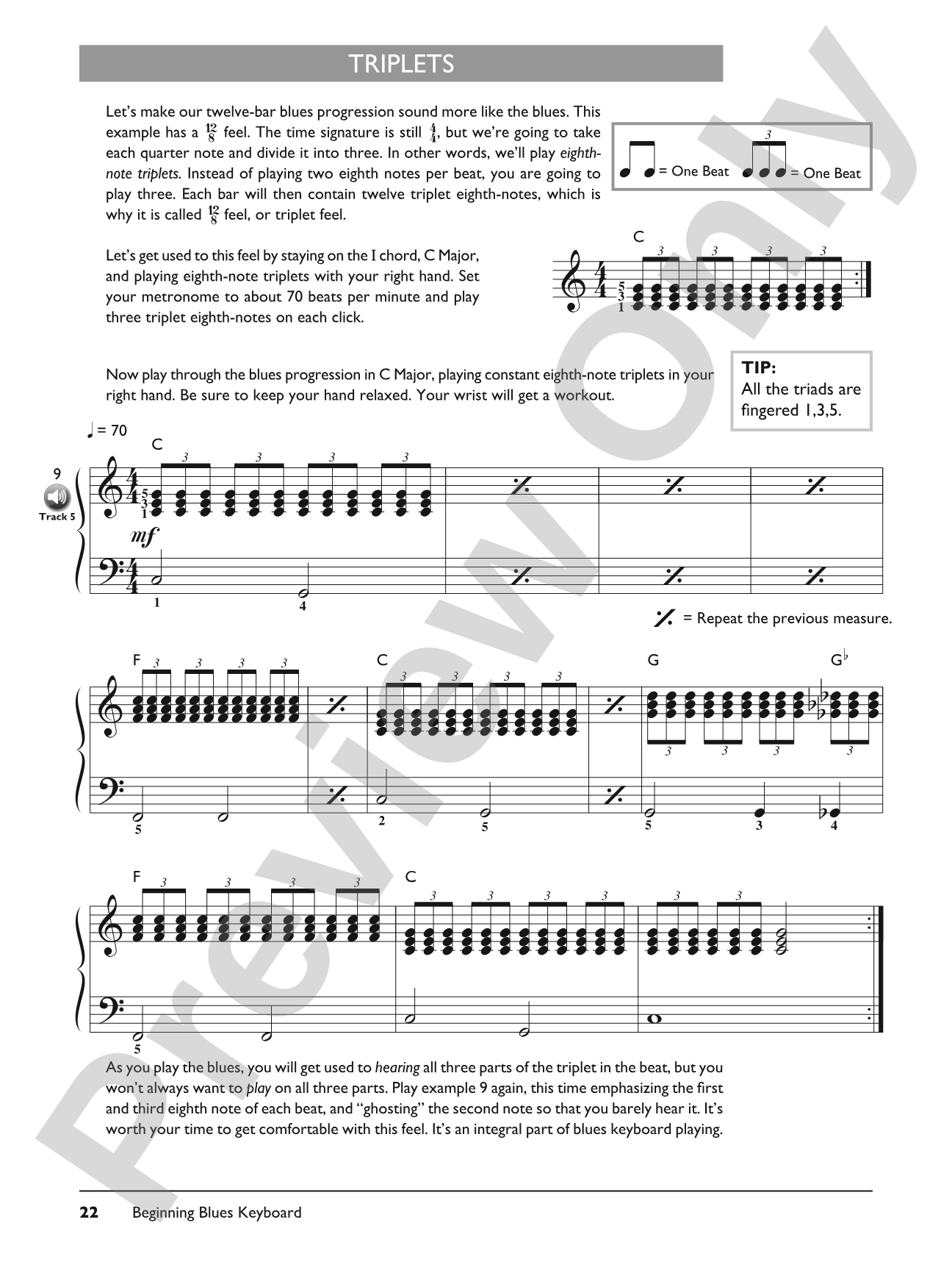
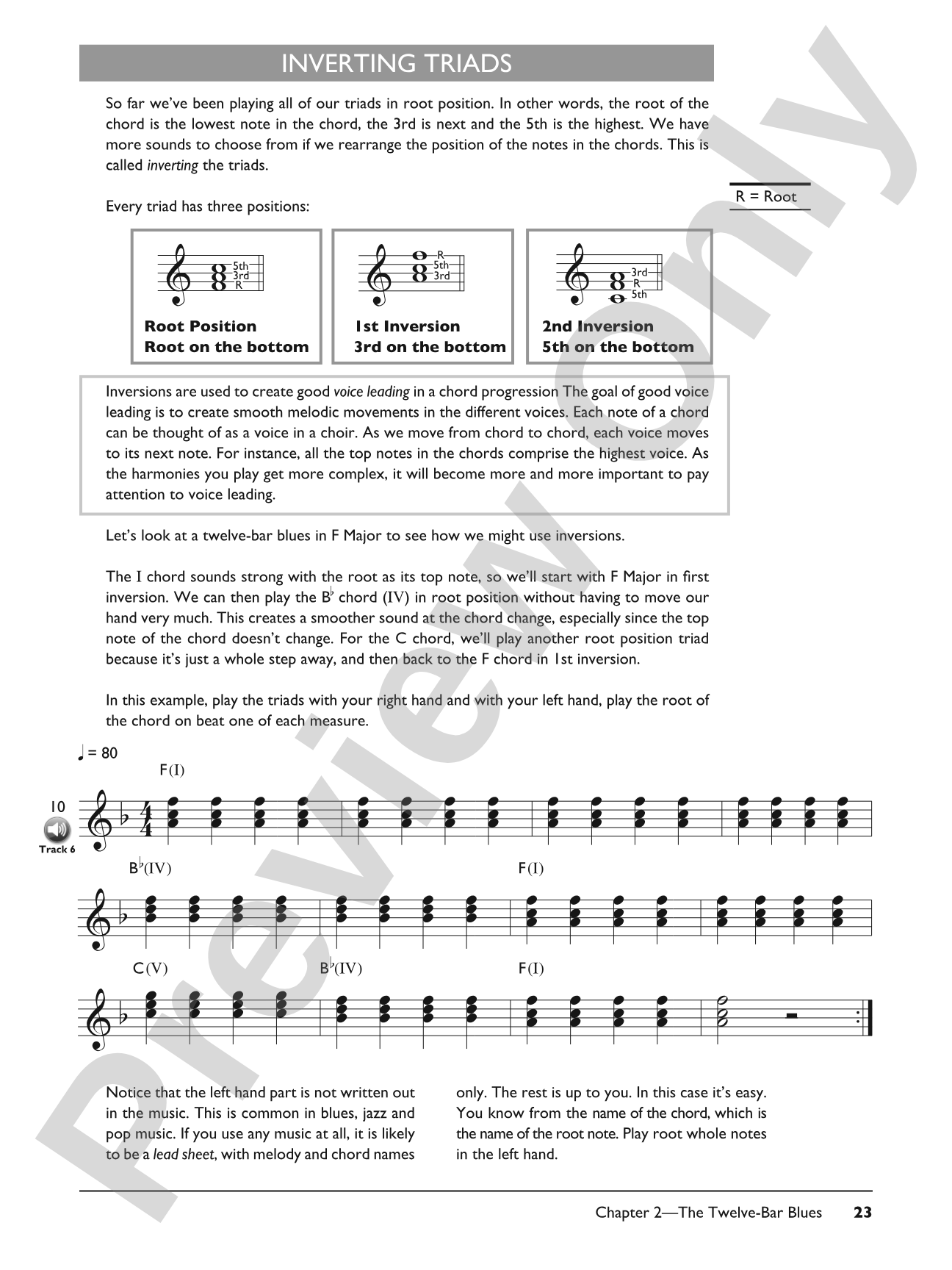
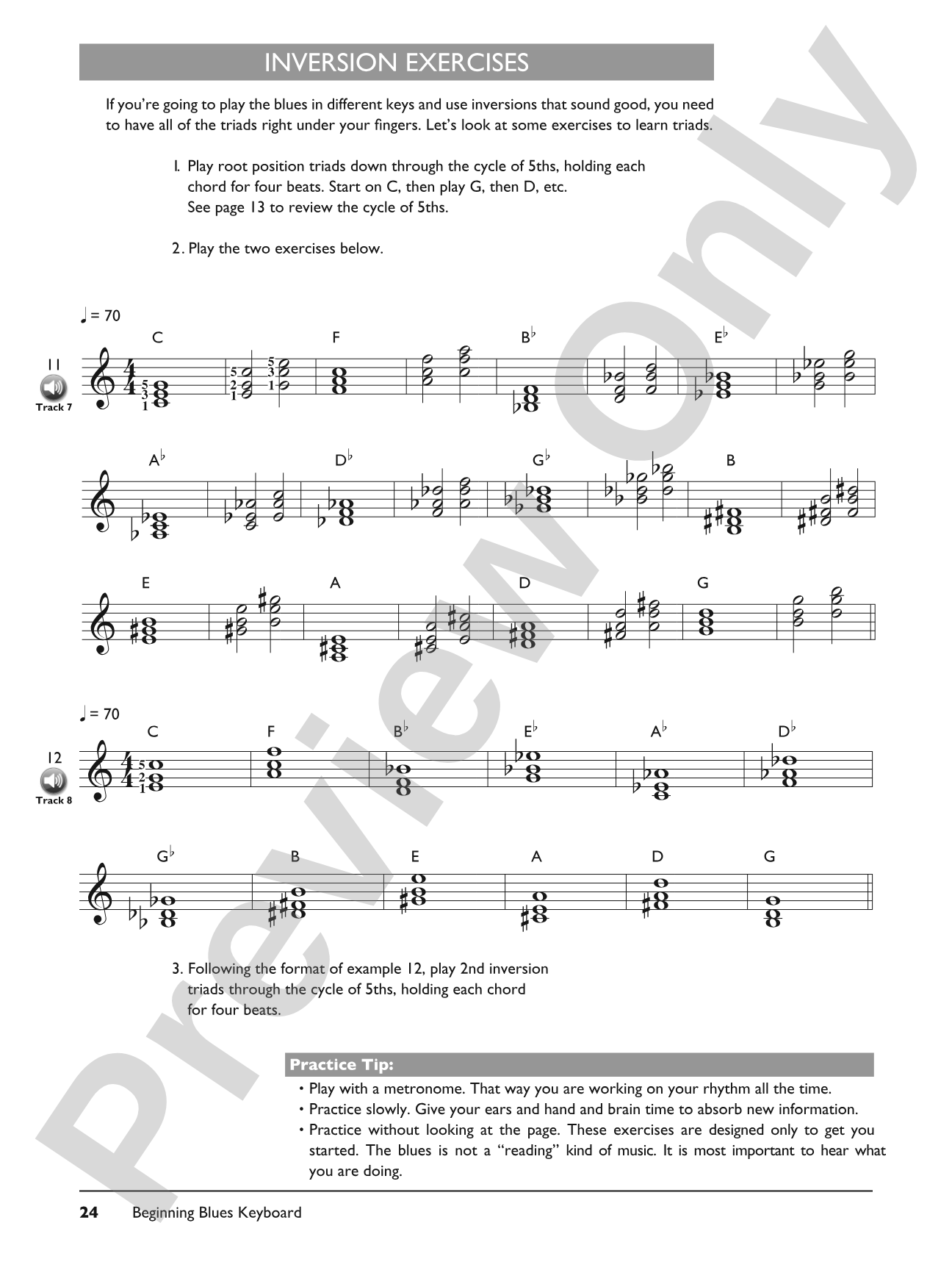
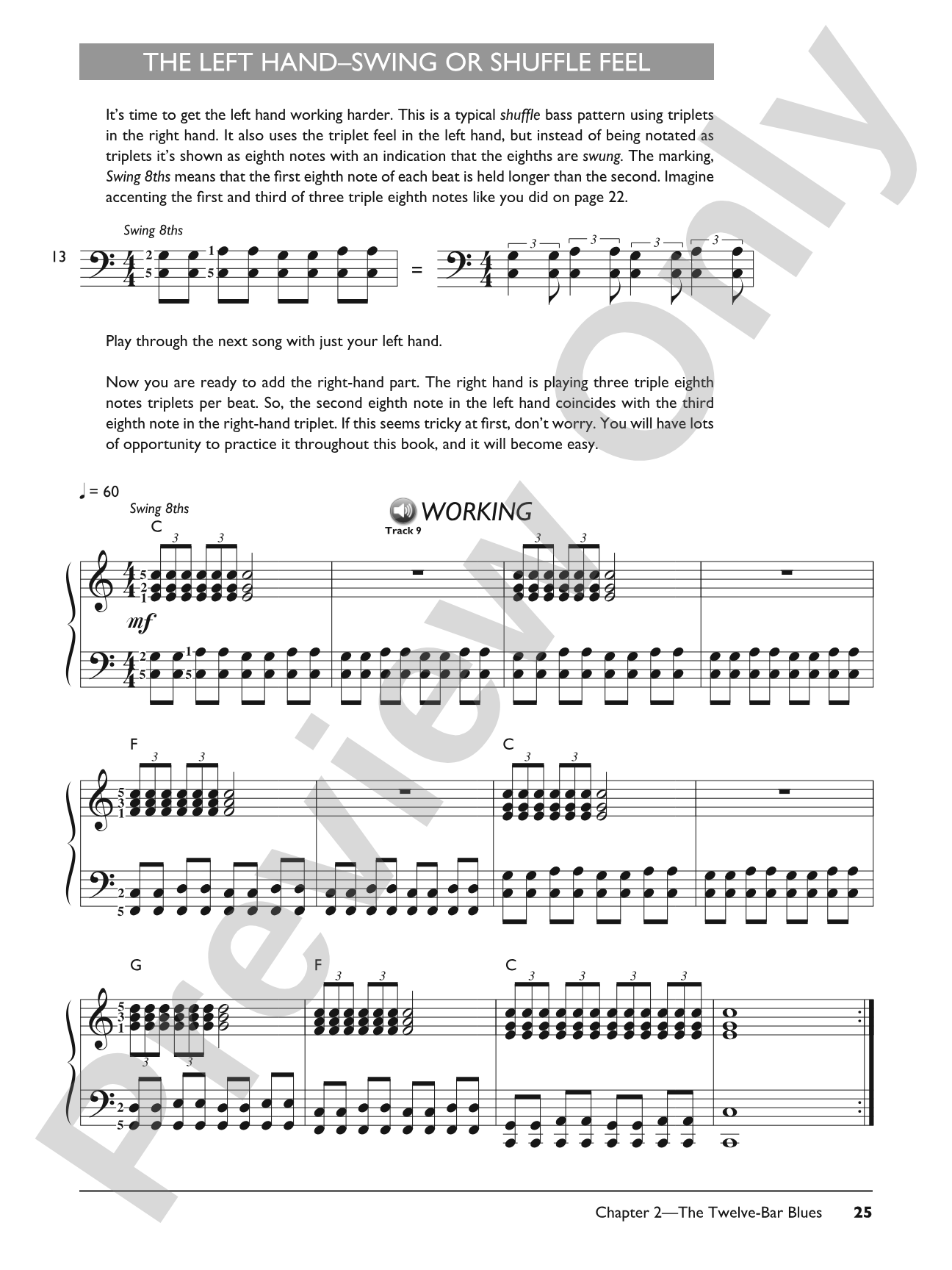
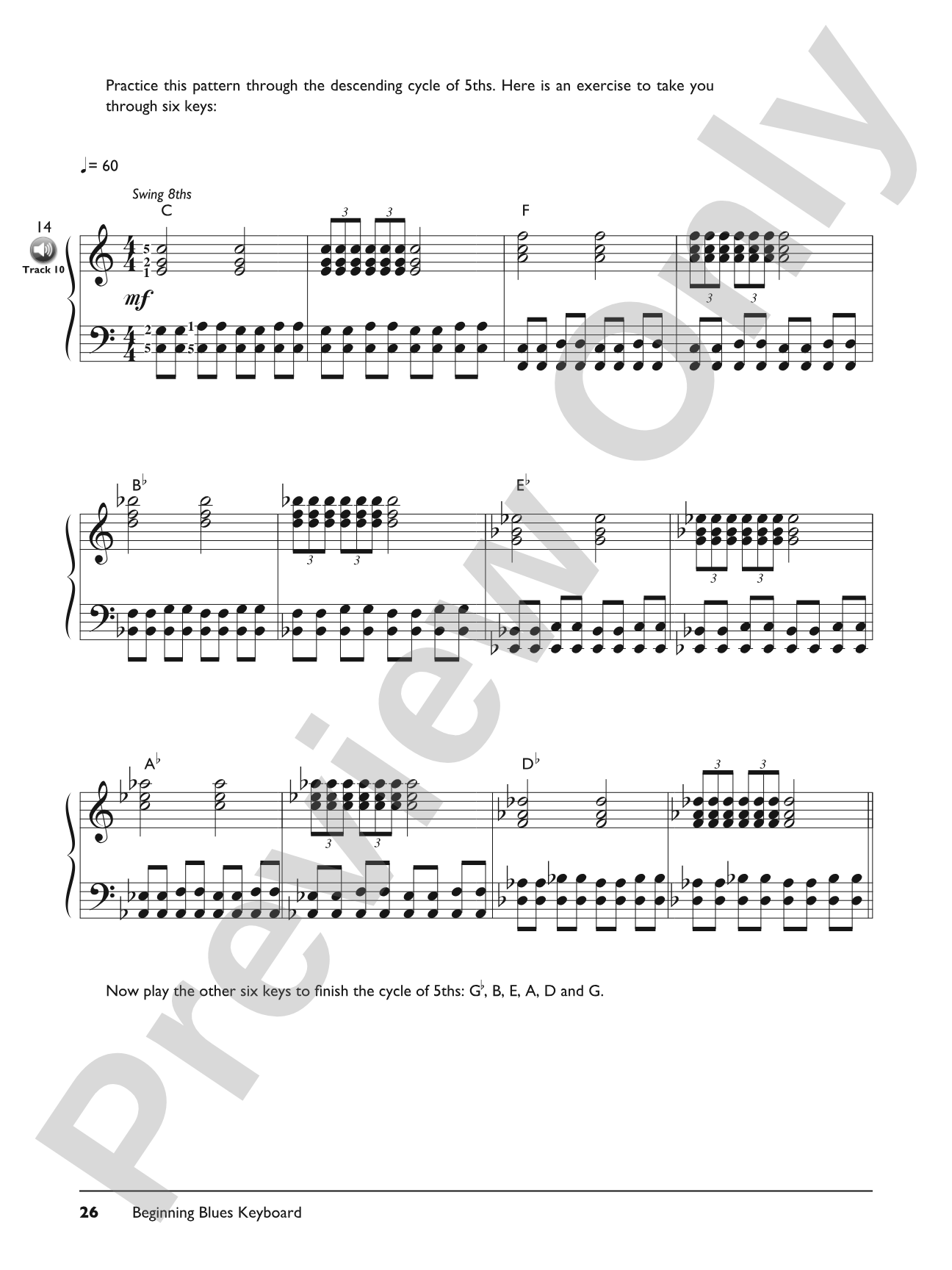
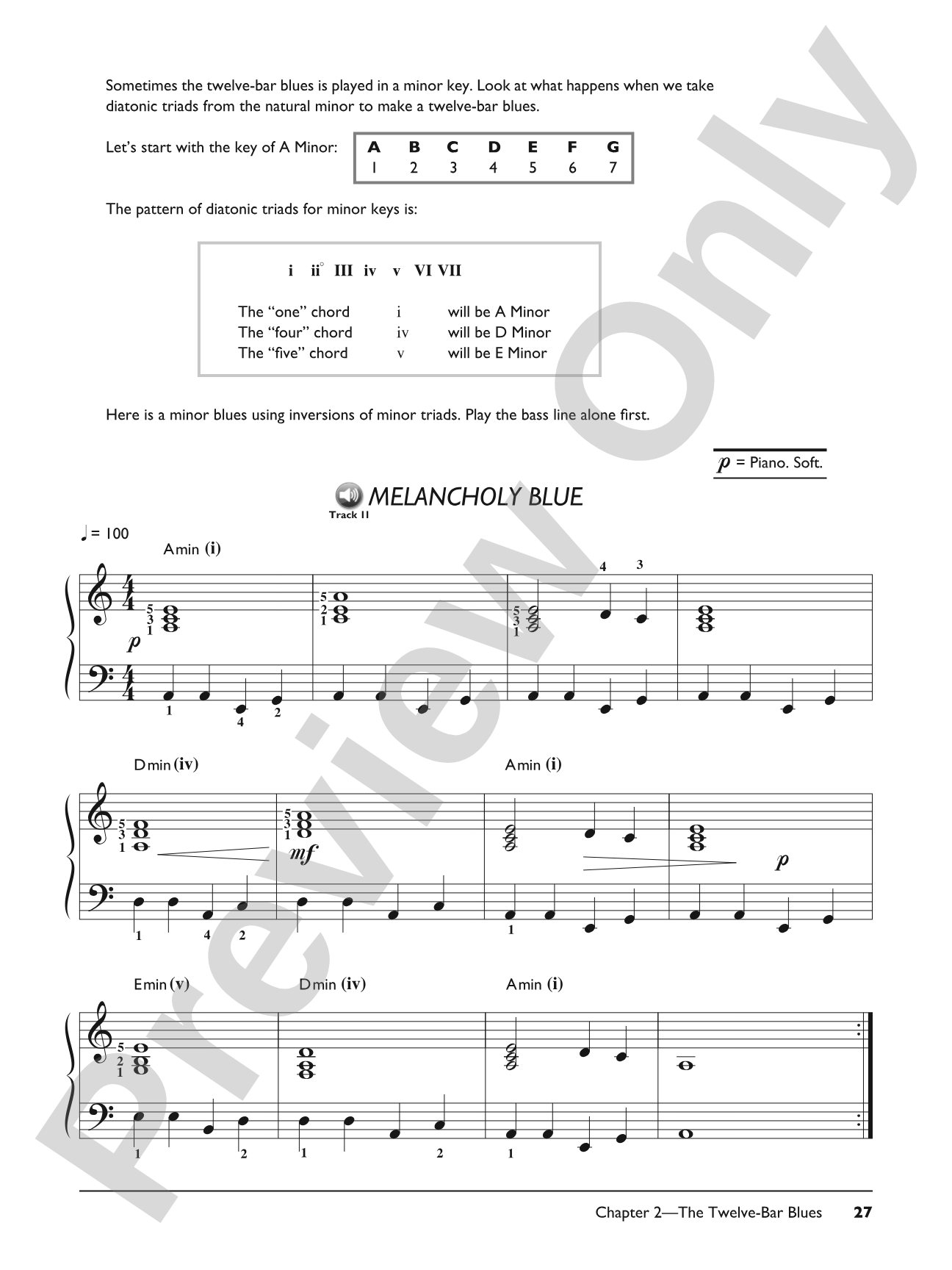
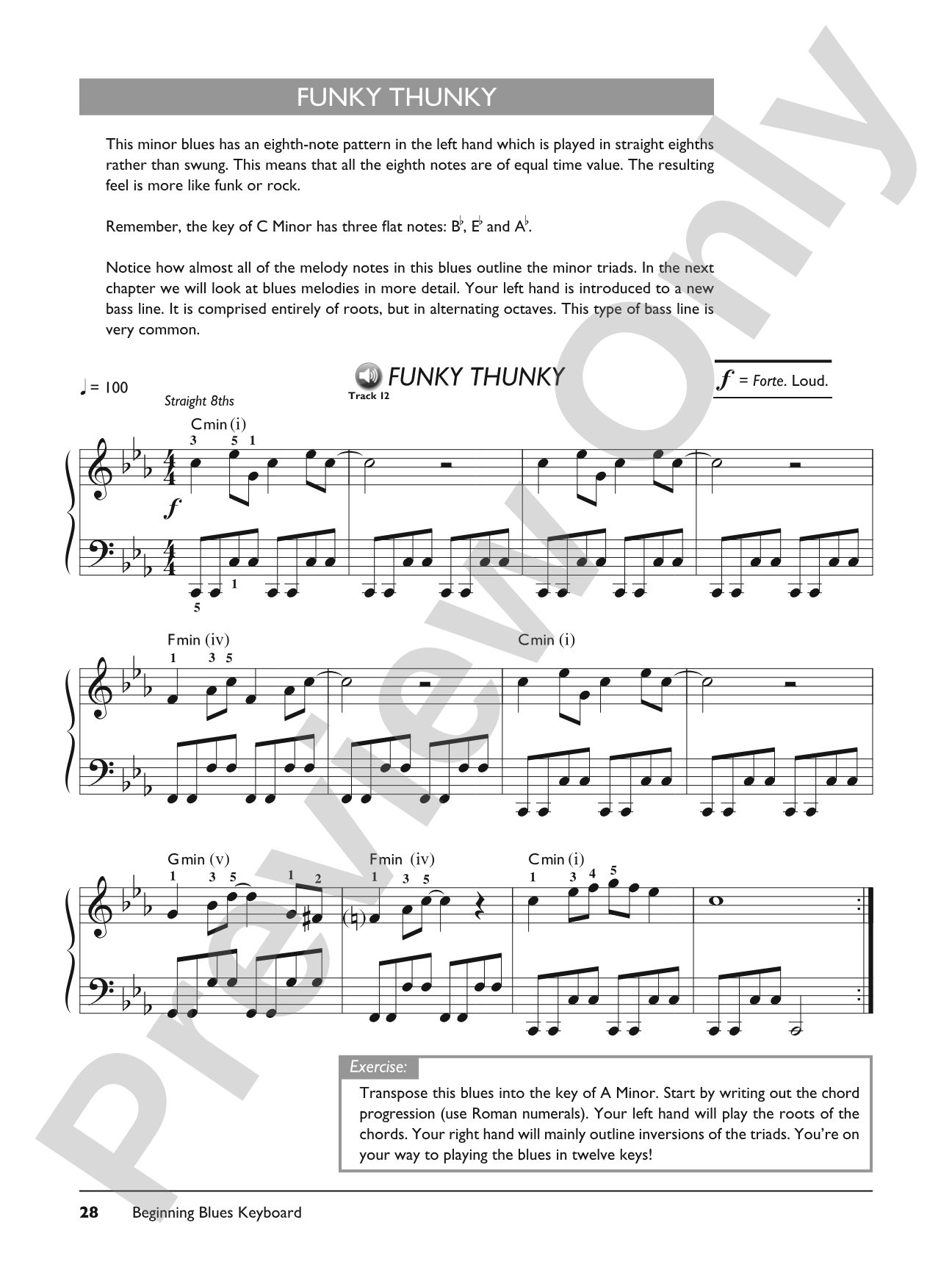
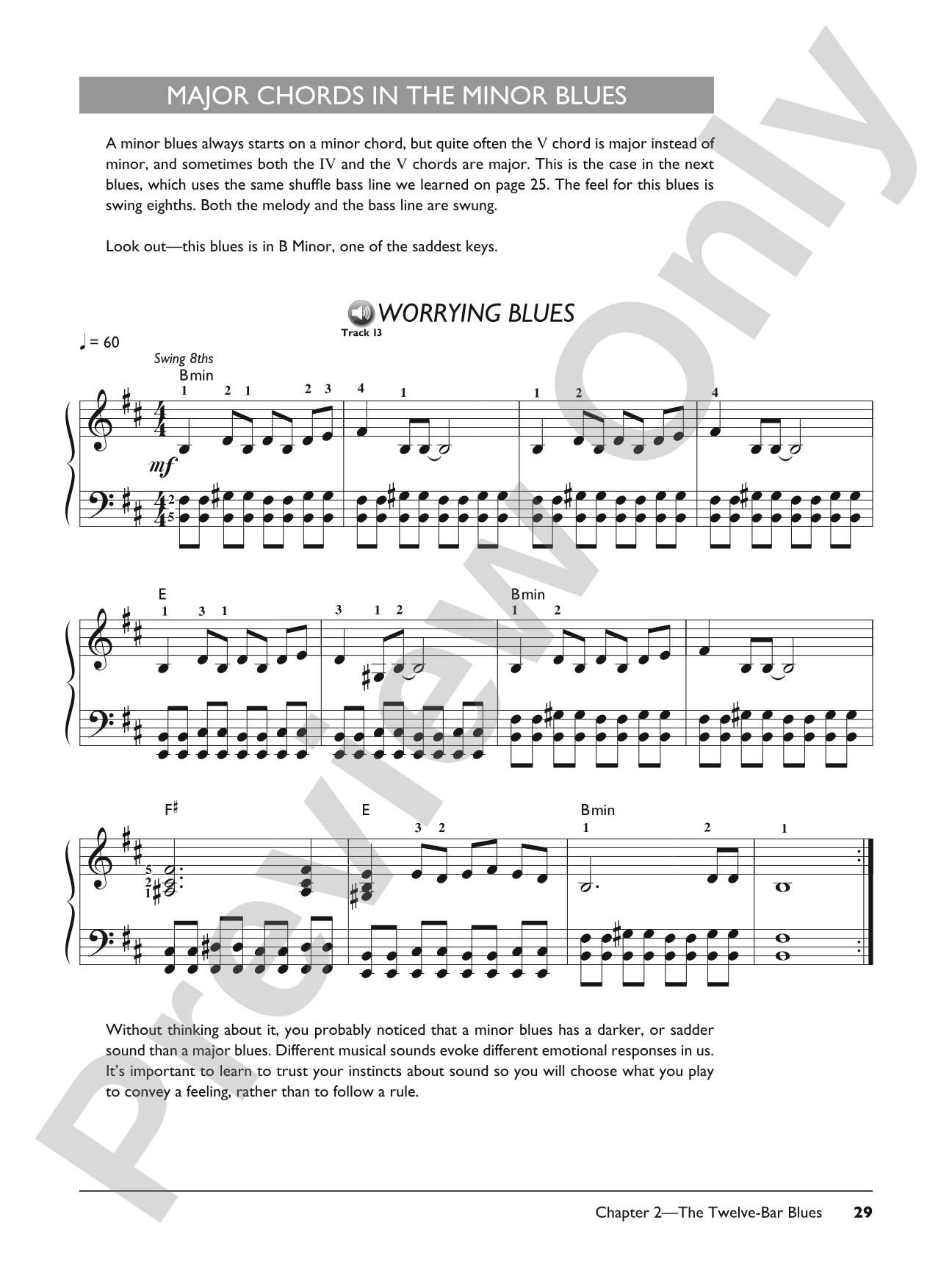
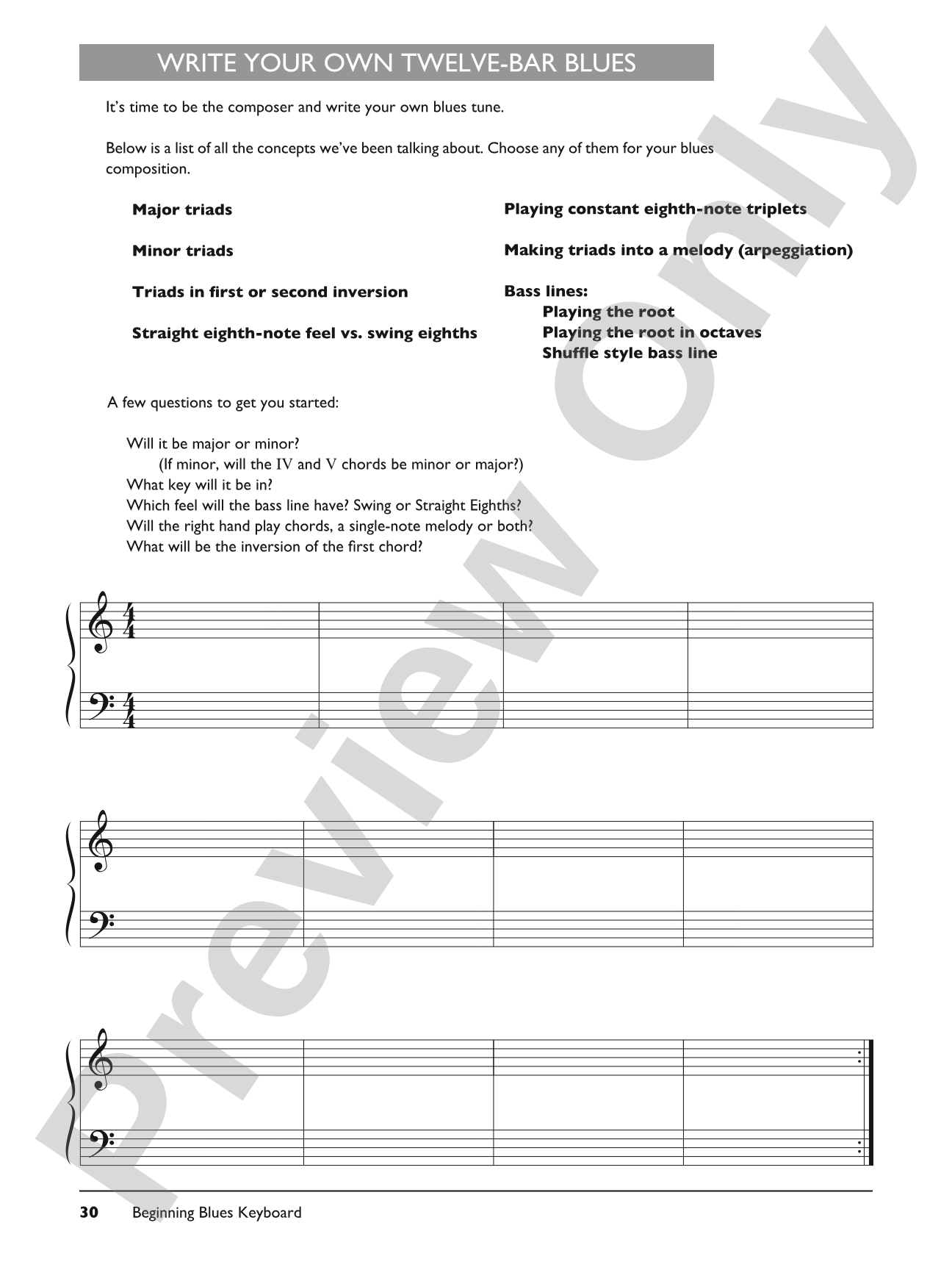
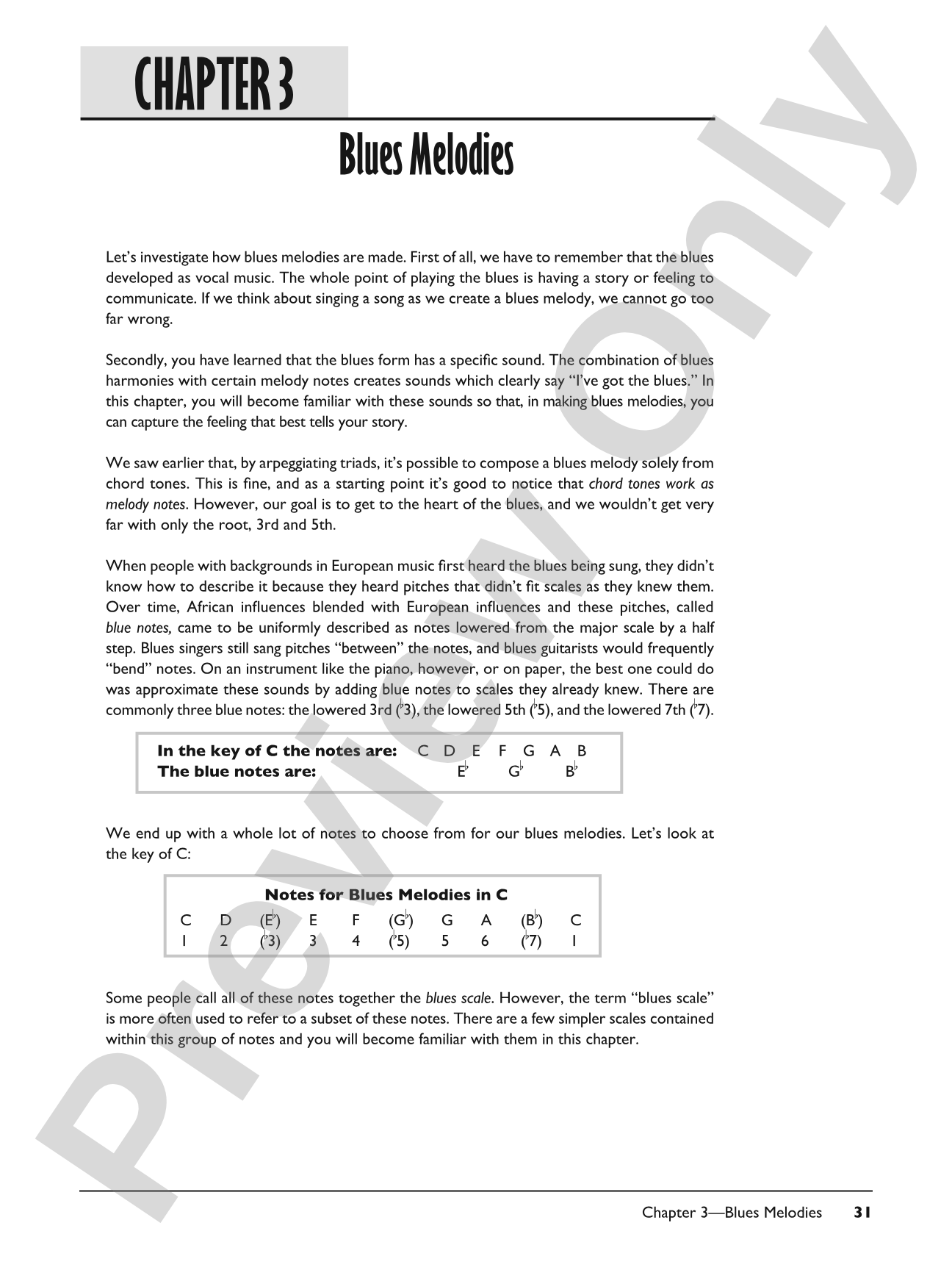
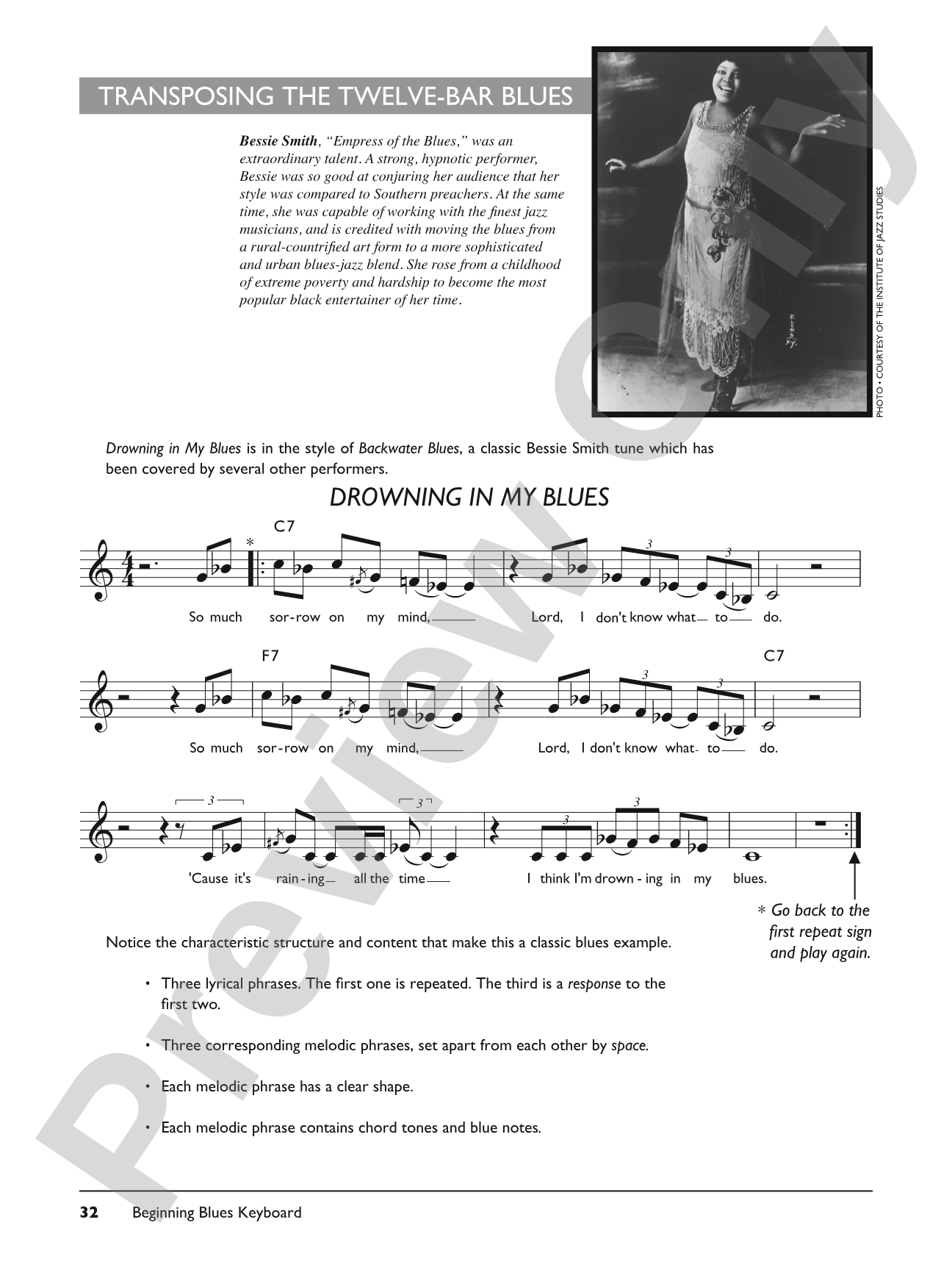
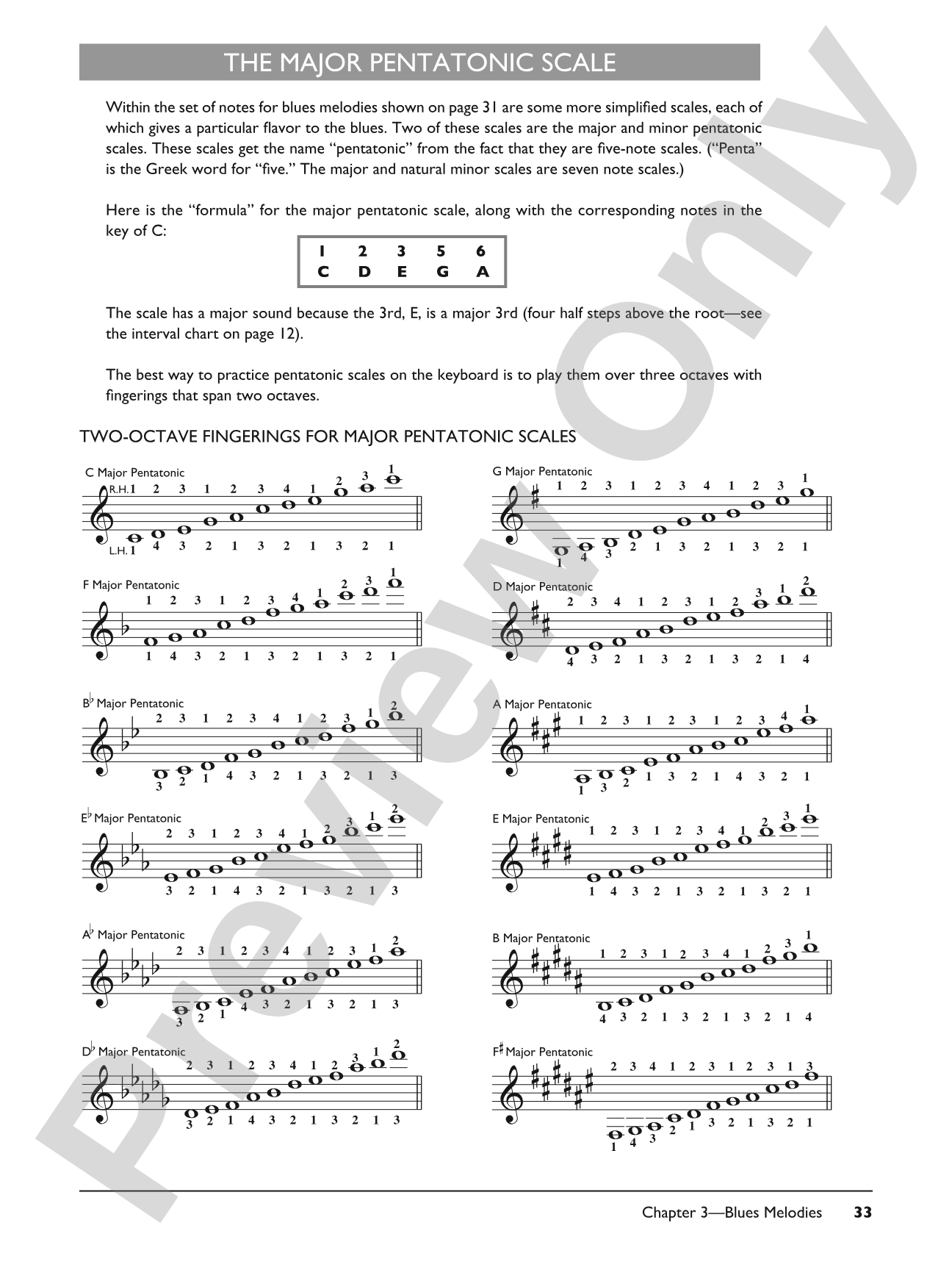
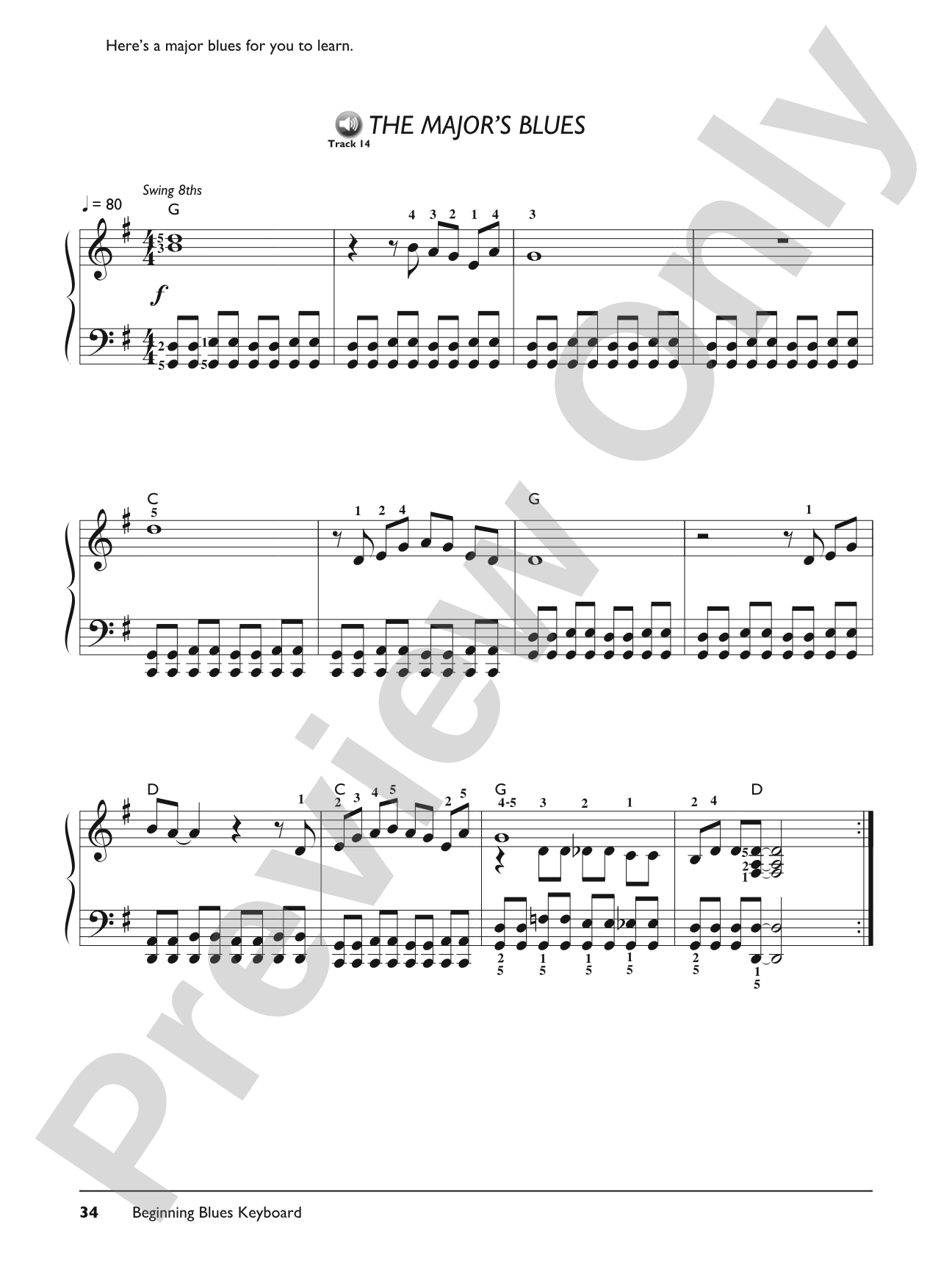
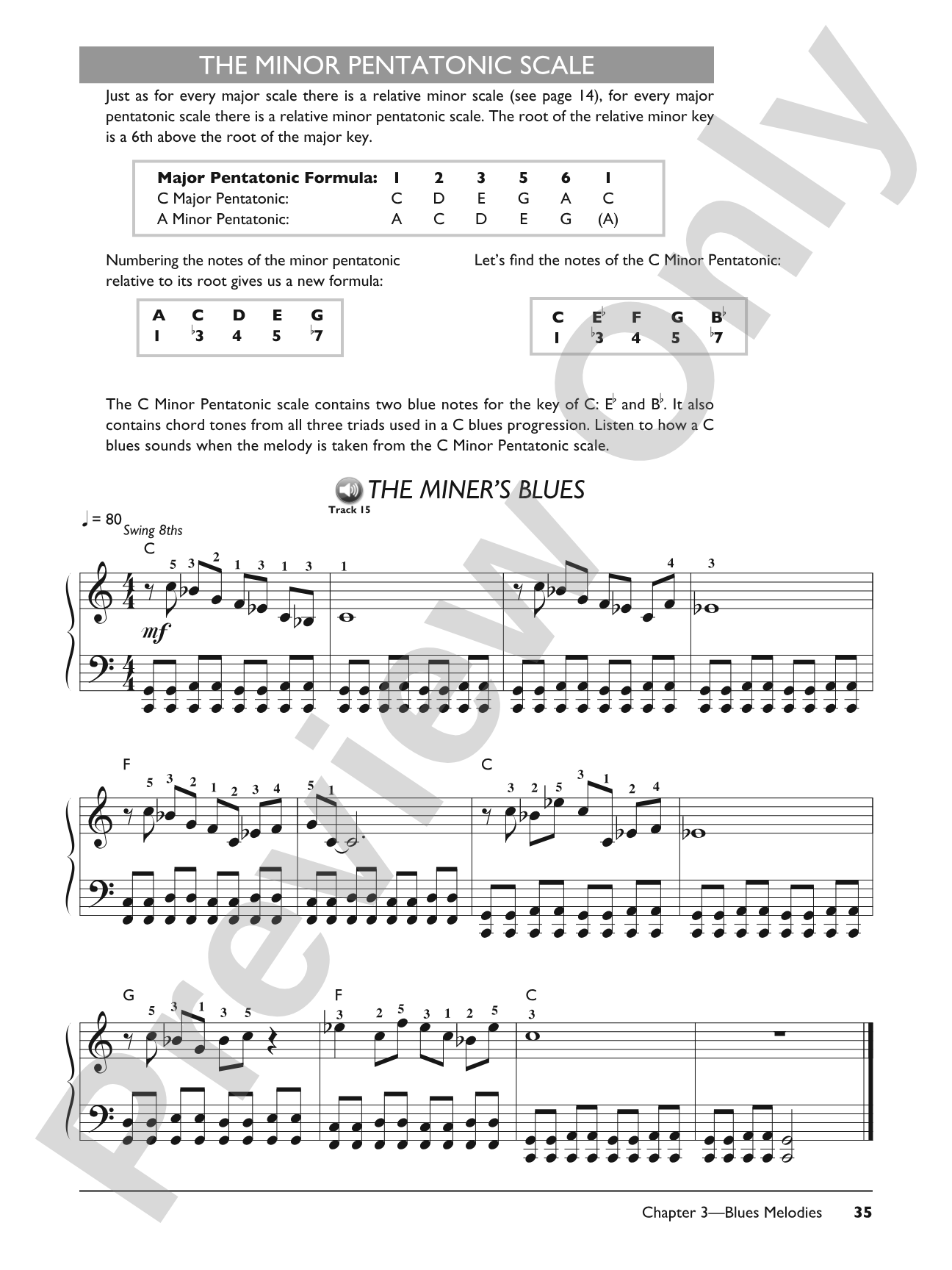
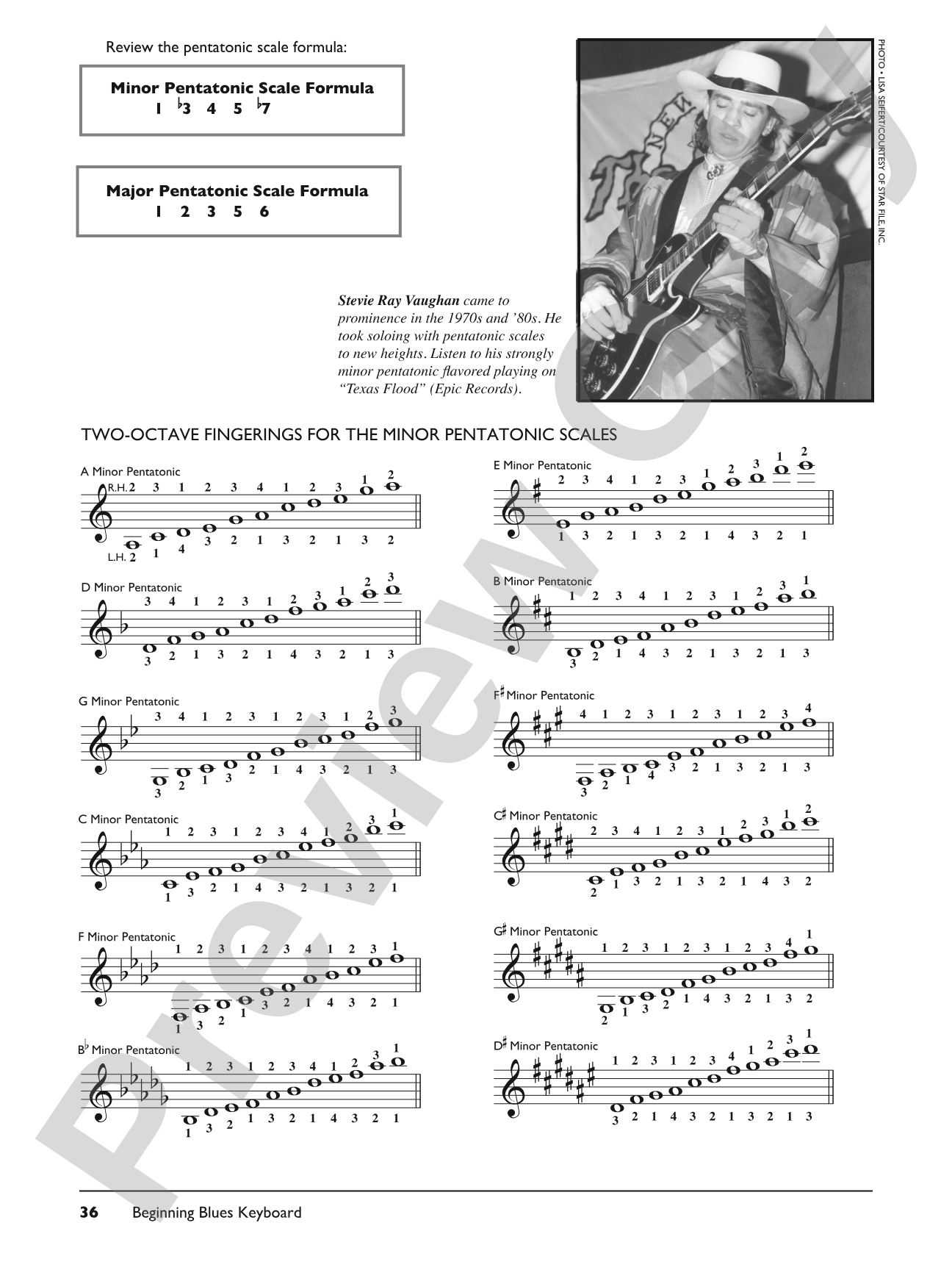
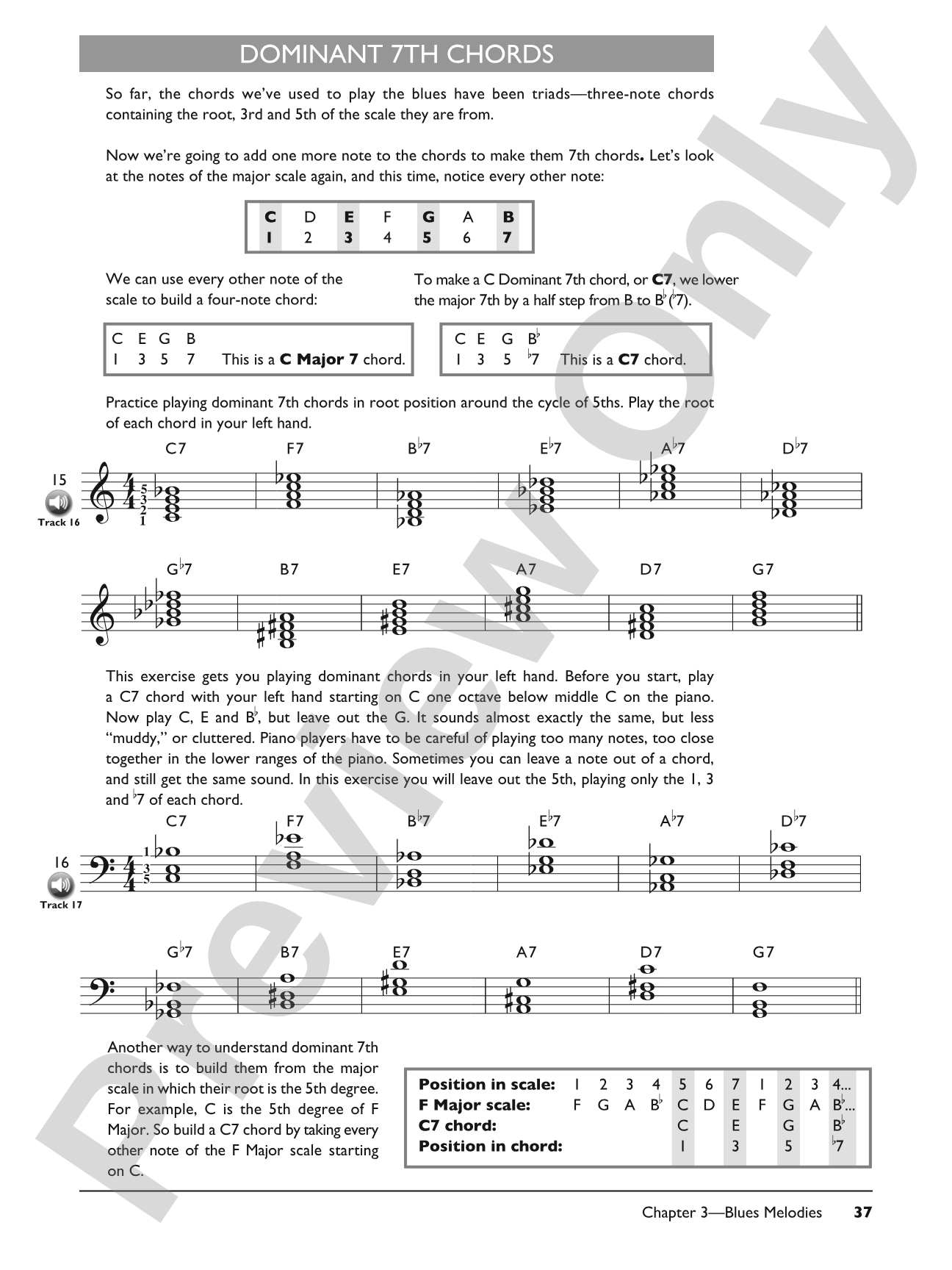
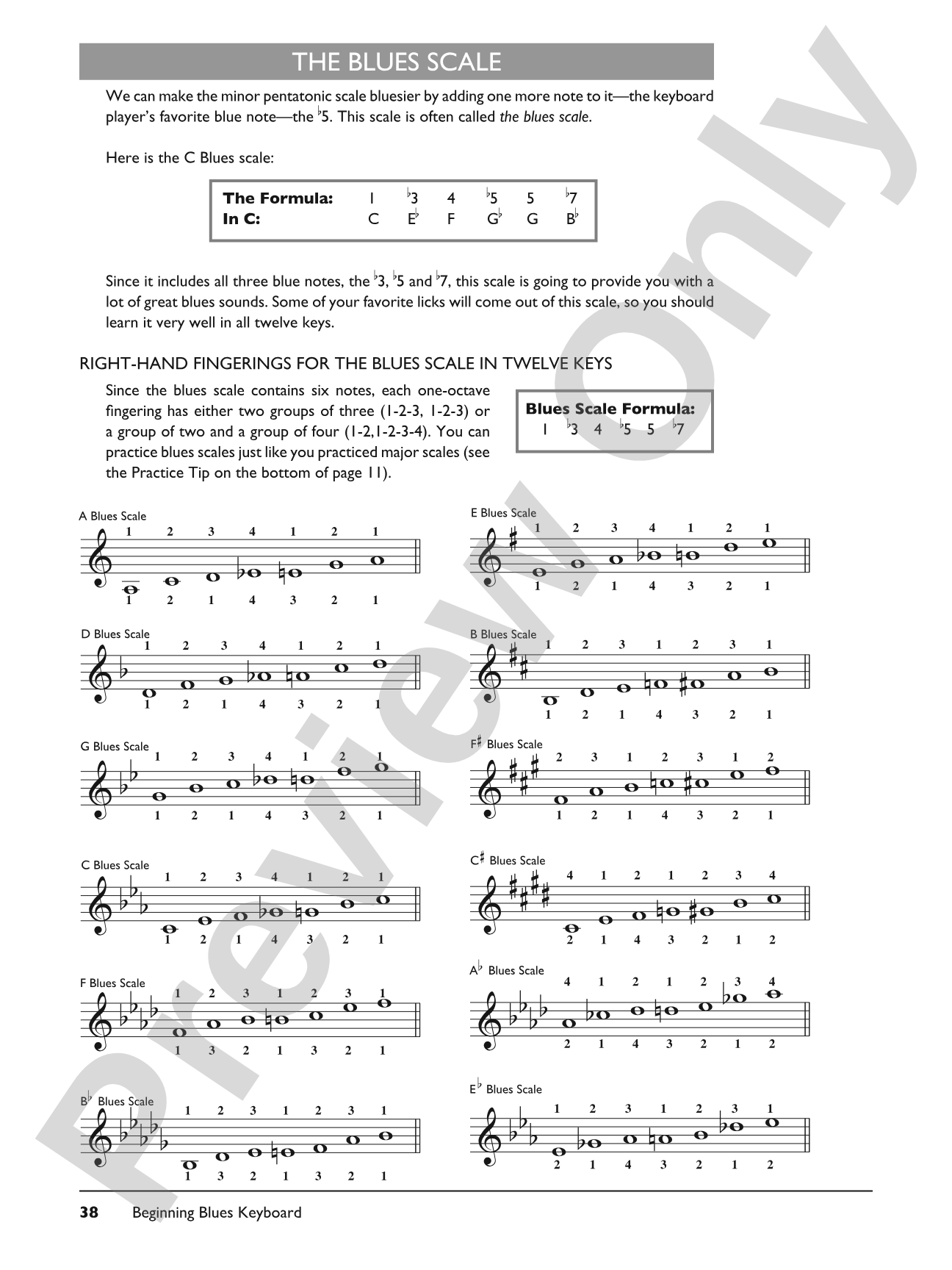
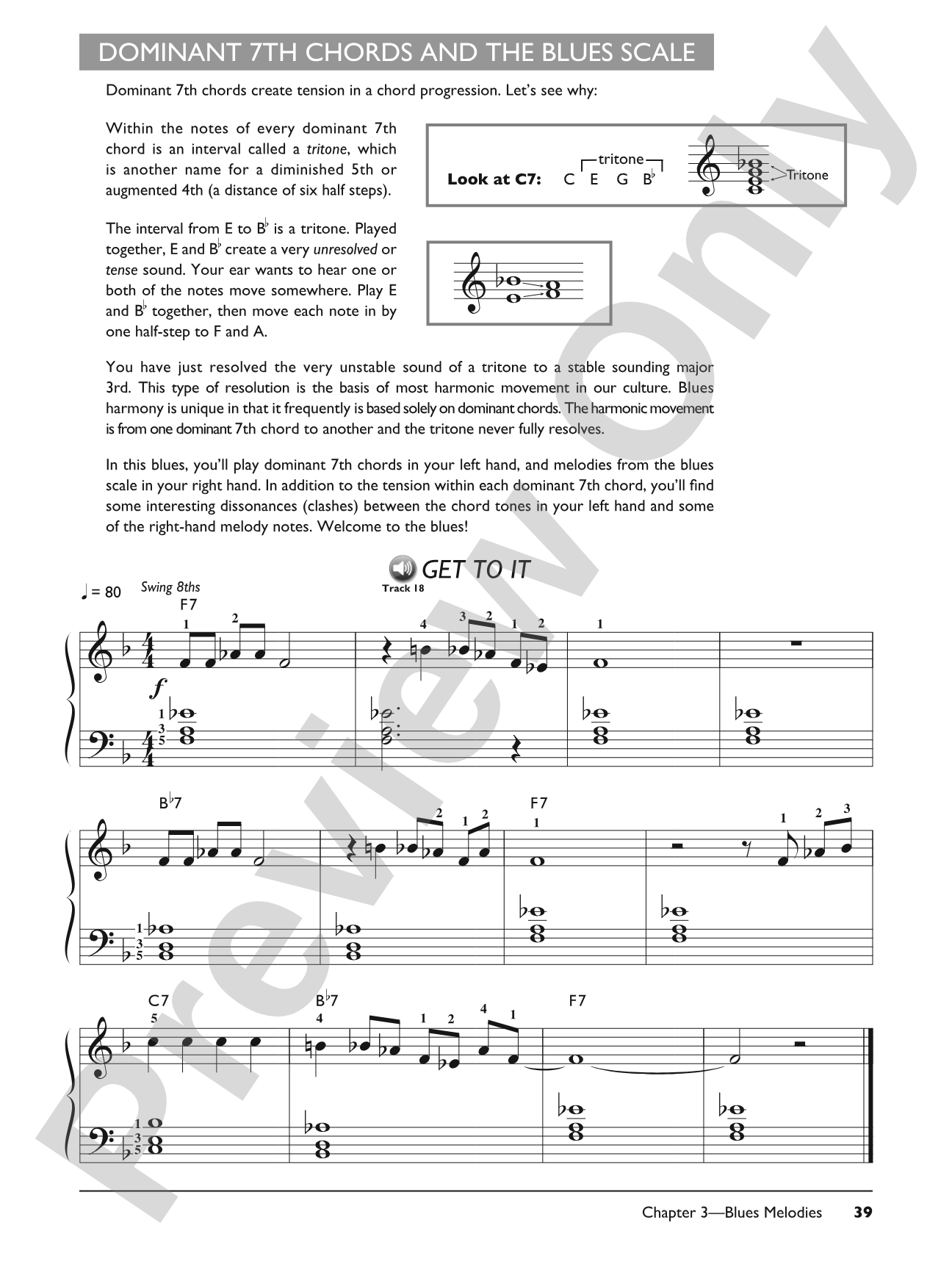
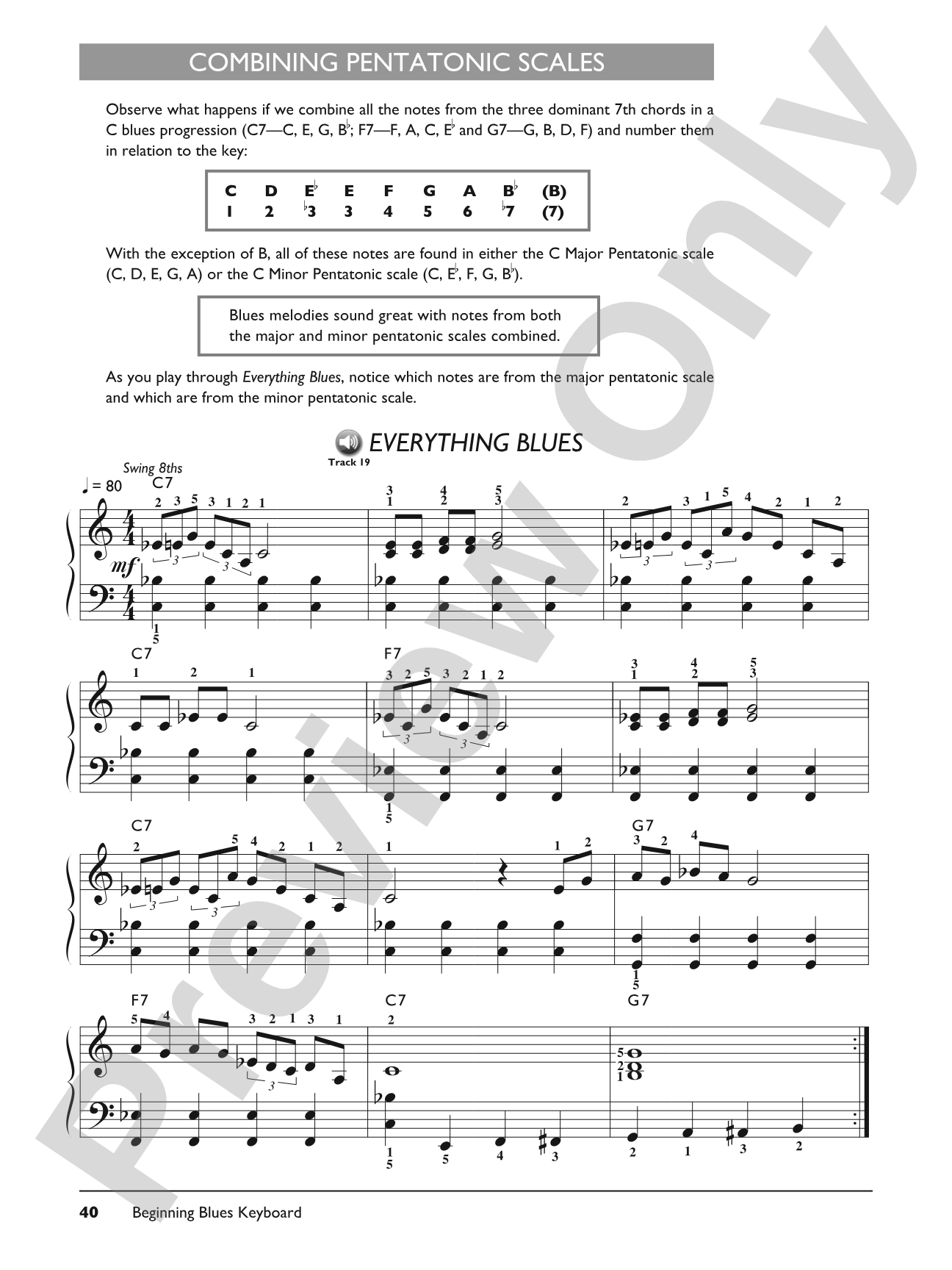
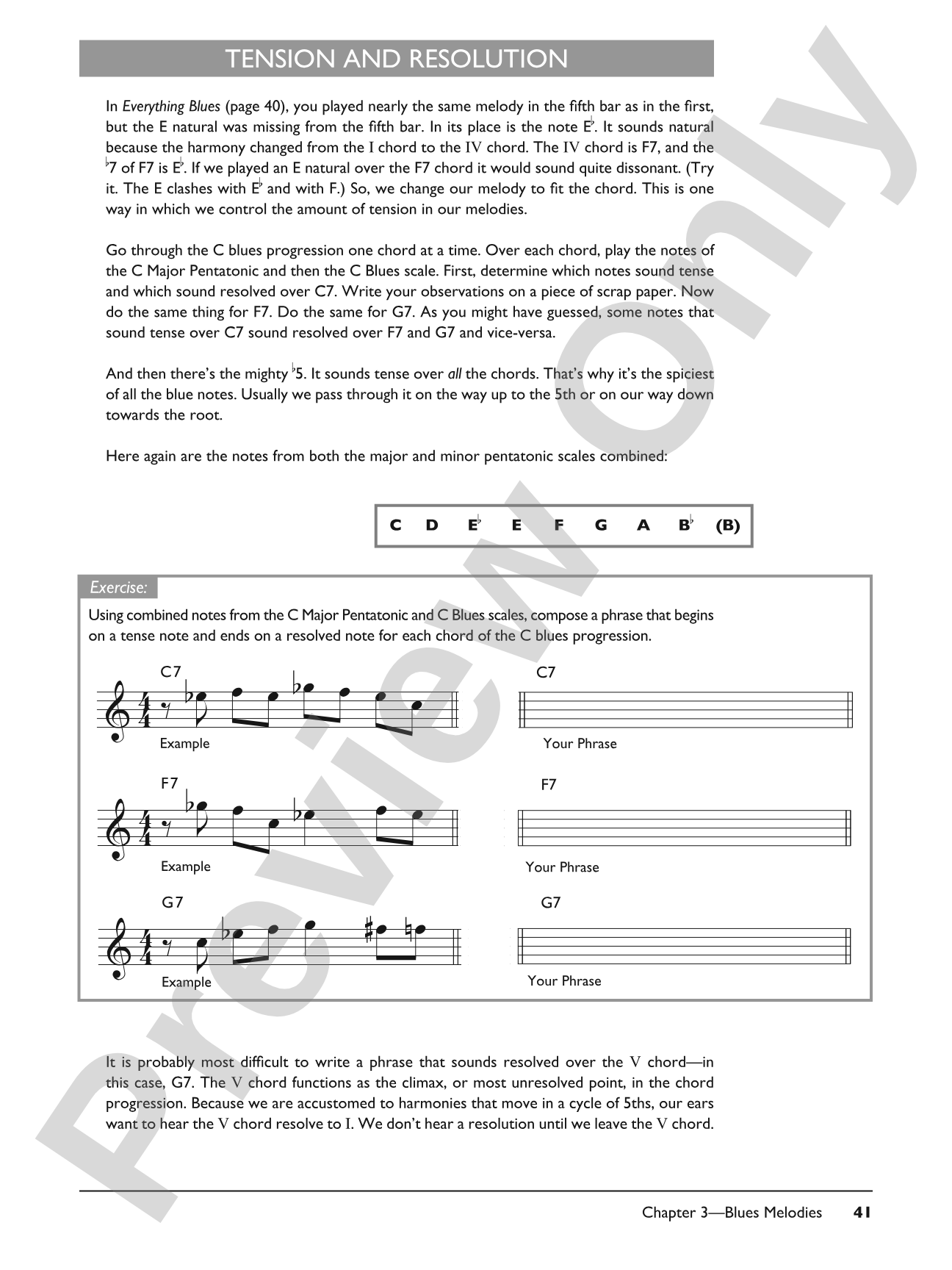
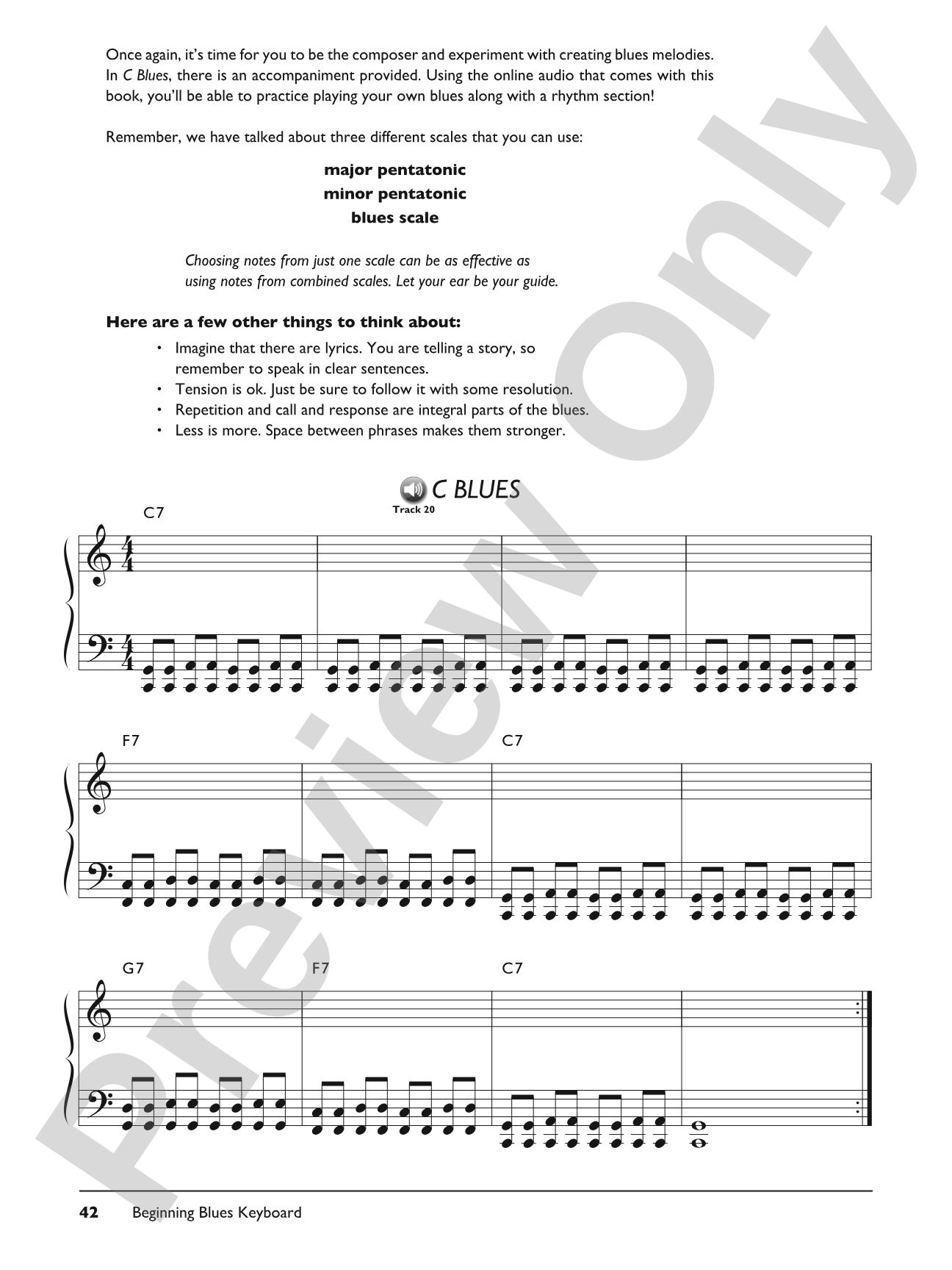
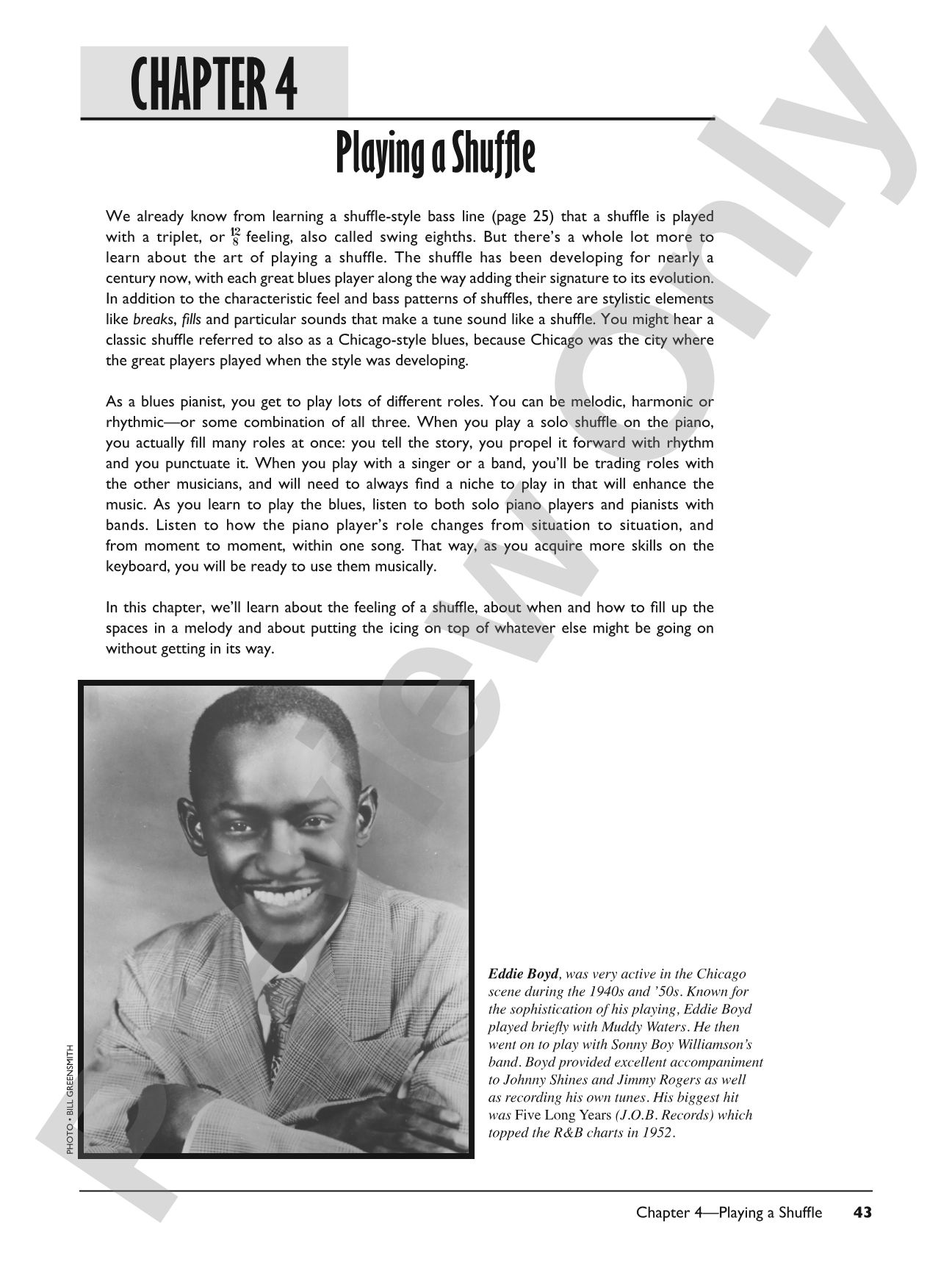
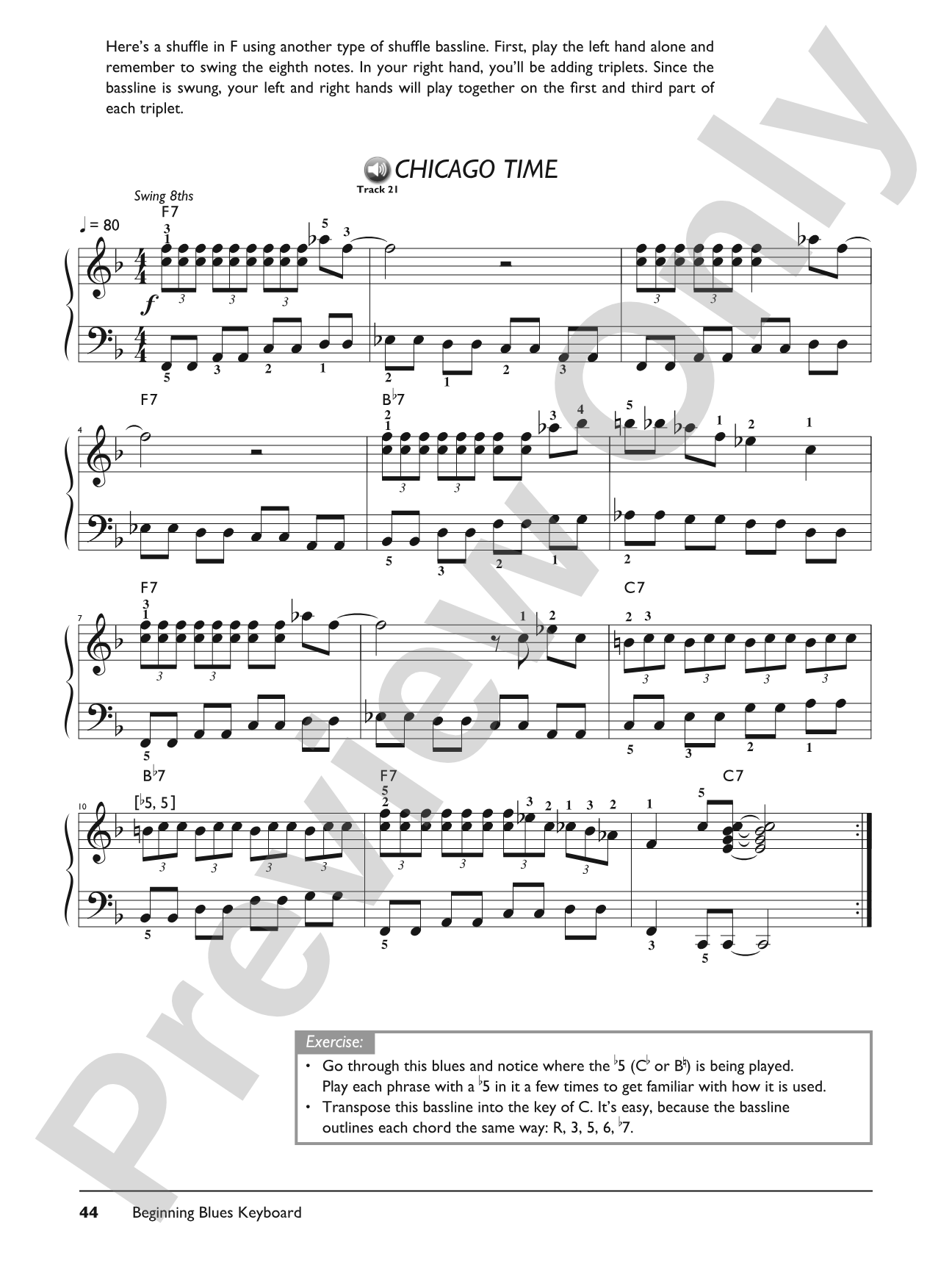
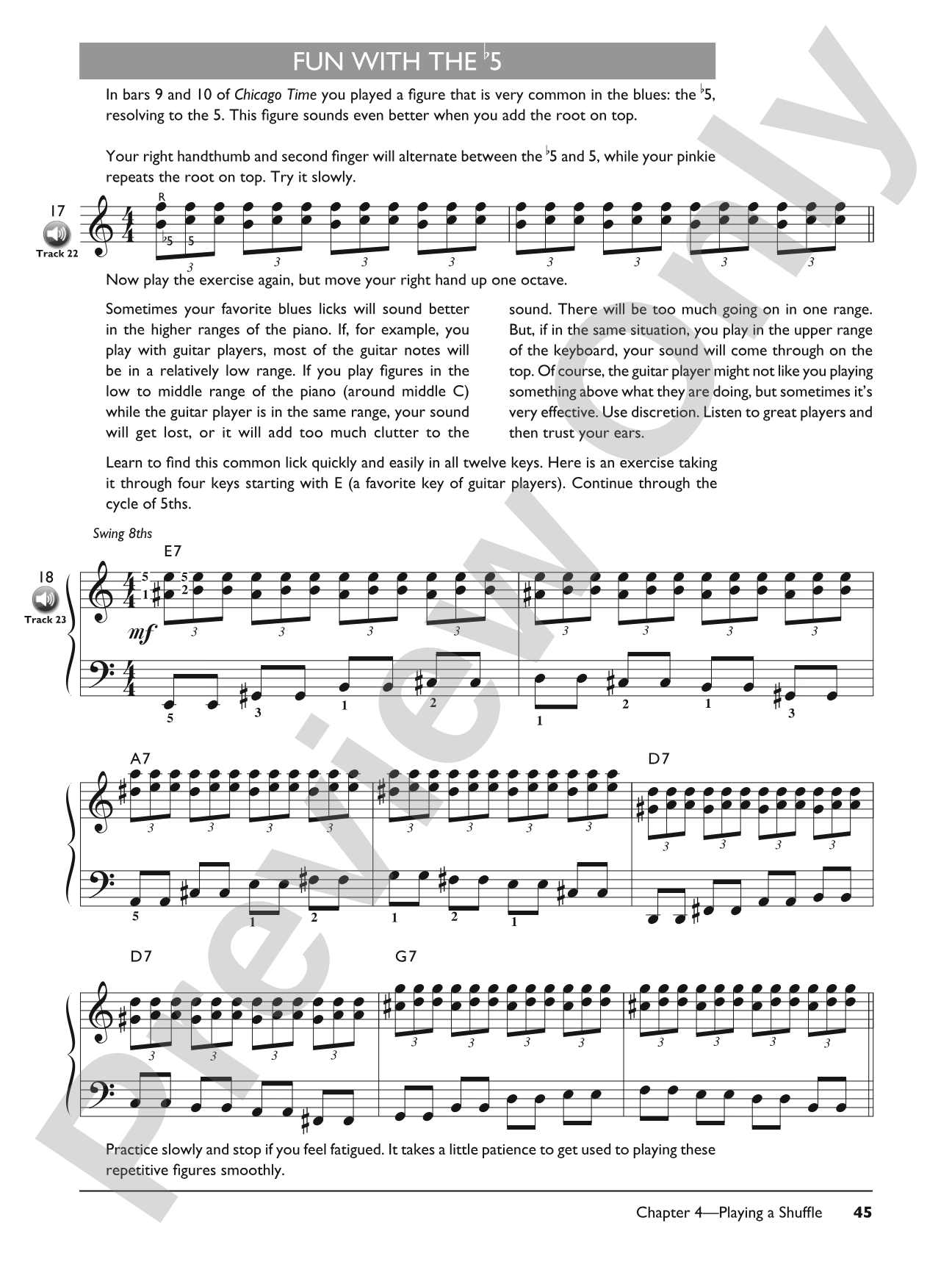
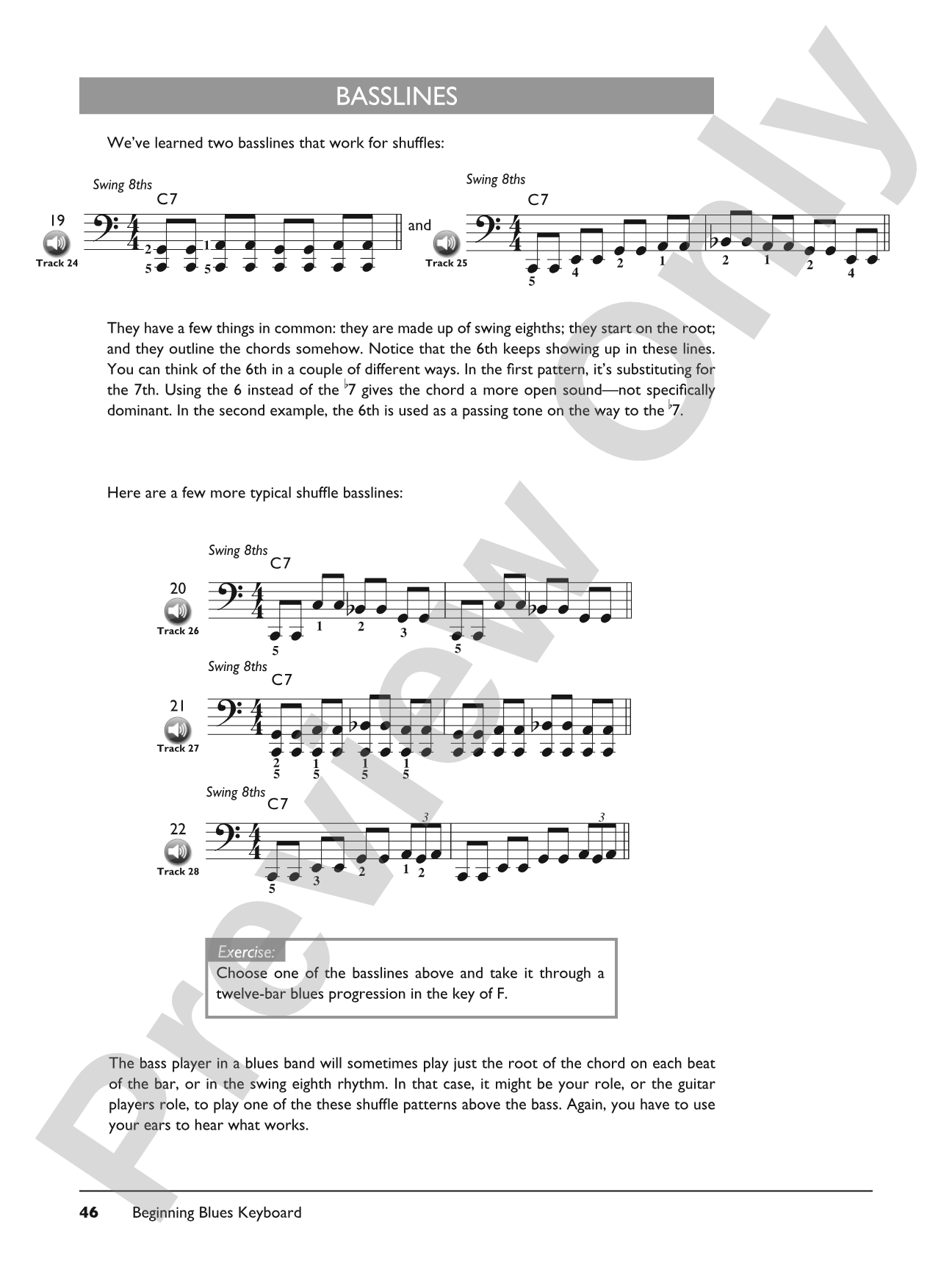
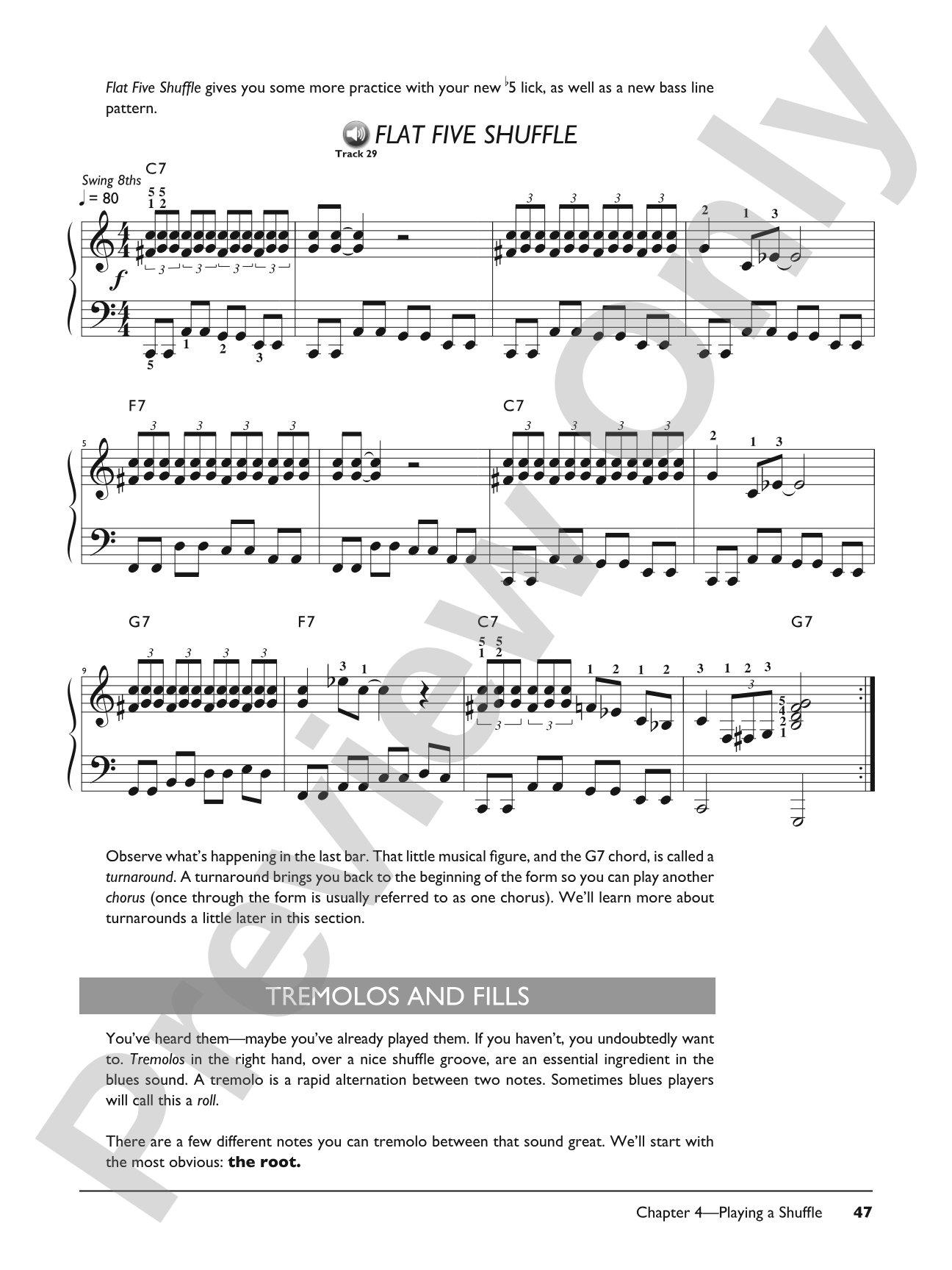
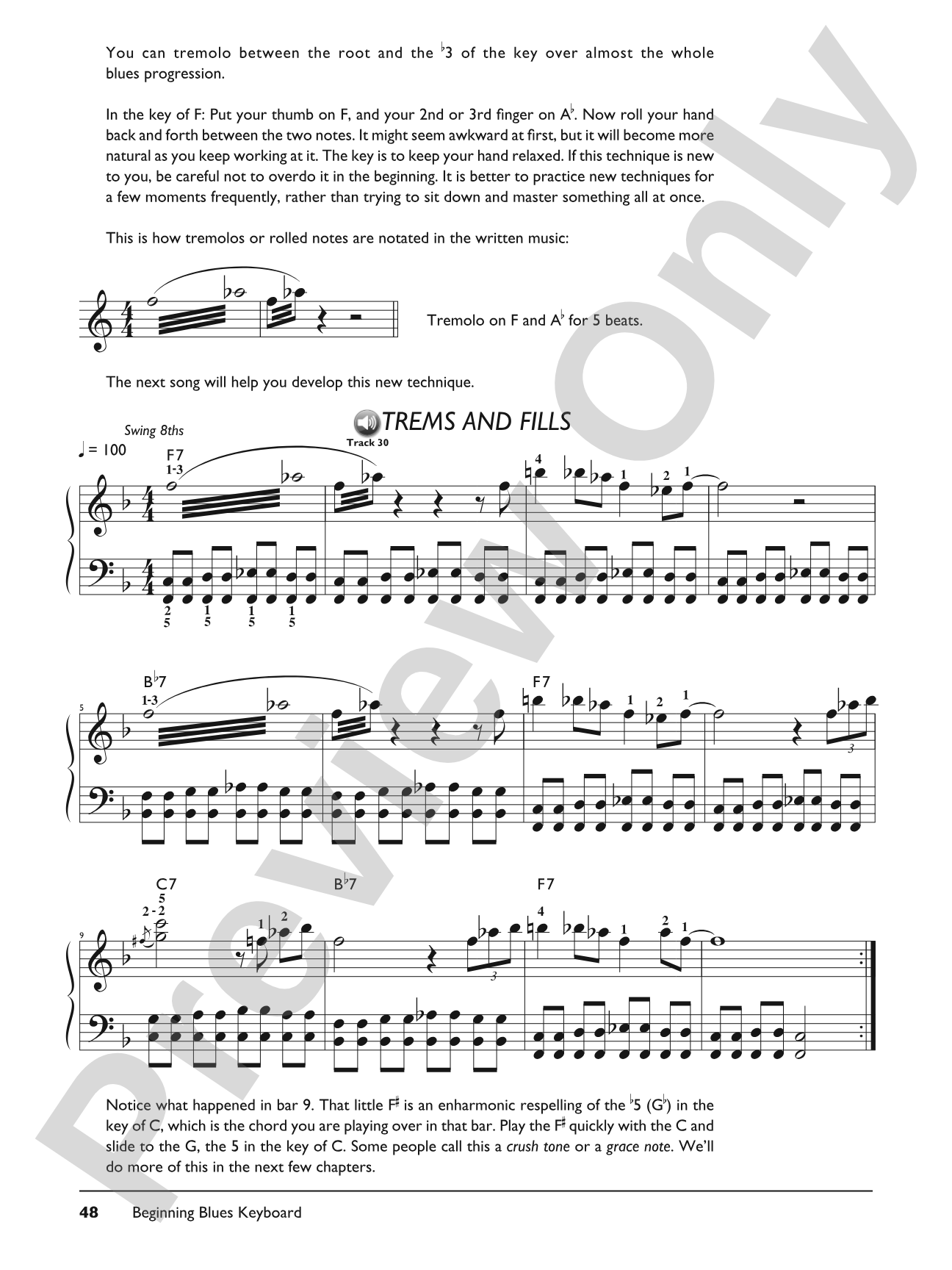
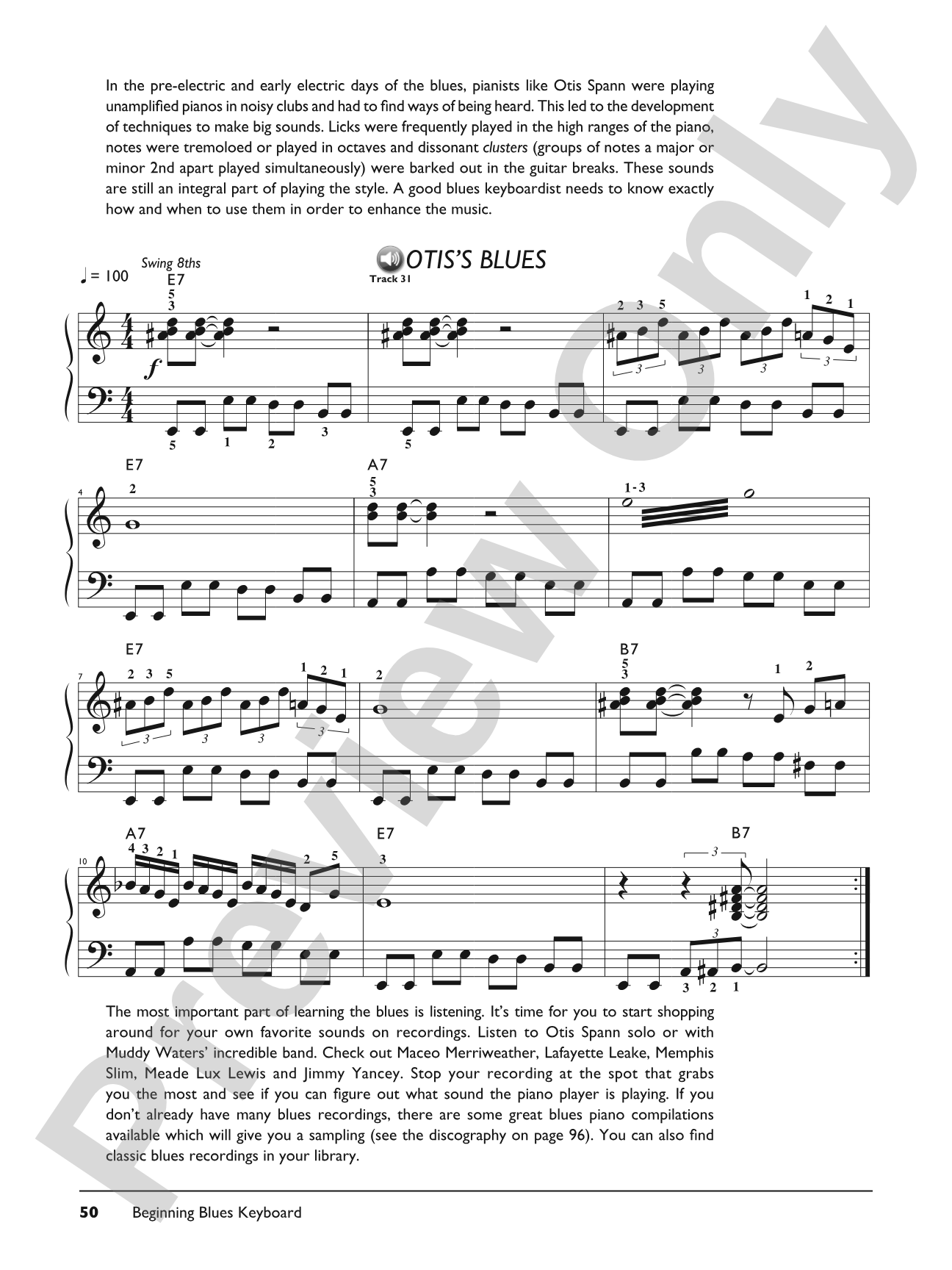
Anyone interested in learning to play blues keyboard can pick up this book and get started right away. This well-paced, comprehensive method covers everything from basic to advanced techniques. Beginning concepts include basic chords, scales, blues melodies, improvisation, turnarounds, intros, the 12-bar blues form, walking bass, and playing in a band. Intermediate topics include chord extensions, blues techniques, building bass lines, playing in key, ii--V substitutions, and slow blues. Advanced techniques include tremolo, octaves, grace notes, and two-handed chords. The book covers a variety of styles, including Chicago blues, New Orleans R&B, and jazz blues, as well as topics like chromaticism, motivic development, melodic expansion, groove, and articulation. Packed with sample licks and songs, this book is essential for any keyboardist serious about learning the blues. Online audio demonstrating examples in the book is included.


Complete Blues Keyboard Method Complete Edition: Piano isn't in MakeMusic Cloud just yet...but it could be. Let us know you'd like to see it, and you'll help shape what comes next. In the meantime, start a free trial and dive into thousands of interactive titles your students can play along with today.
Request This Title
Tell us you want it.
Start Your Free Trial
Explore everything that's ready to play right now.
Sample Audio
1
Track 33
--:--
Track 33
0:00
0:00
Sample Video
No sample videos found.
Additional Details
Series:
Complete Method
Publisher:
Alfred Music
Page Count:
288
SKU:
00-PB-0001831
More about this title
About the Composer: Tricia Woods
Tricia Woods is a pianist and educator with deep expertise in blues and jazz keyboard styles. Her pedagogical approach prioritizes accessible progression without sacrificing musicianship, making her method a trusted resource for keyboardists building blues fluency from the ground up.
Why we love this
This method covers the full arc of blues keyboard mastery in one cohesive resource, moving logically from 12-bar form fundamentals through advanced two-handed voicings and stylistic nuance. The inclusion of Chicago, New Orleans, and jazz blues contexts means students encounter real musical dialects rather than generic blues, and the sample licks provide immediately applicable material for ensemble settings.
What to expect
You'll feel the swing and swing feel settling into your hands as you move through progressions rooted in authentic blues tradition. The writing balances technical rigor with the playfulness of the idiom, so learning never feels like drill work.
Who it's for
This method serves keyboardists at all levels who want to understand blues from its harmonic foundations through stylistic expression. It works equally well for self-directed learners and as a structured curriculum in private lessons or ensemble classes.
How to get the most out of it
- Build walking bass lines by first isolating the root movement of the chord progression, then adding chromatic passing tones between chord tones to create momentum.
- When working with ii-V substitutions, sing the original progression first, then the substituted one, so your ear recognizes both as functionally equivalent.
- Practice grace notes and tremolo separately before combining them with other techniques; these ornaments lose their musicality when rushed or under-prepared.
- Record yourself playing intros and turnarounds across different styles, then listen back to refine articulation and groove consistency.
How to use it
Use this as a semester-long keyboard elective that culminates in small ensemble performances across the three featured styles. The extensive lick collection also makes it valuable supplementary material for jazz band pianists who need deeper harmonic literacy and improvisation grounding.
Skills your students will build
- 12-bar blues form recognition and navigation across tempos
- Walking bass line construction with chromatic passing tones
- ii-V chord substitutions and functional harmony in blues contexts
- Blues improvisation using licks, motivic development, and melodic expansion
- Chord extensions and voicing choices for left and right hand coordination
- Stylistic specificity in Chicago blues, New Orleans R&B, and jazz blues idioms
- Ornamentation techniques including tremolo, grace notes, and octave doublings
- Ensemble communication as a keyboardist supporting horns and rhythm section