
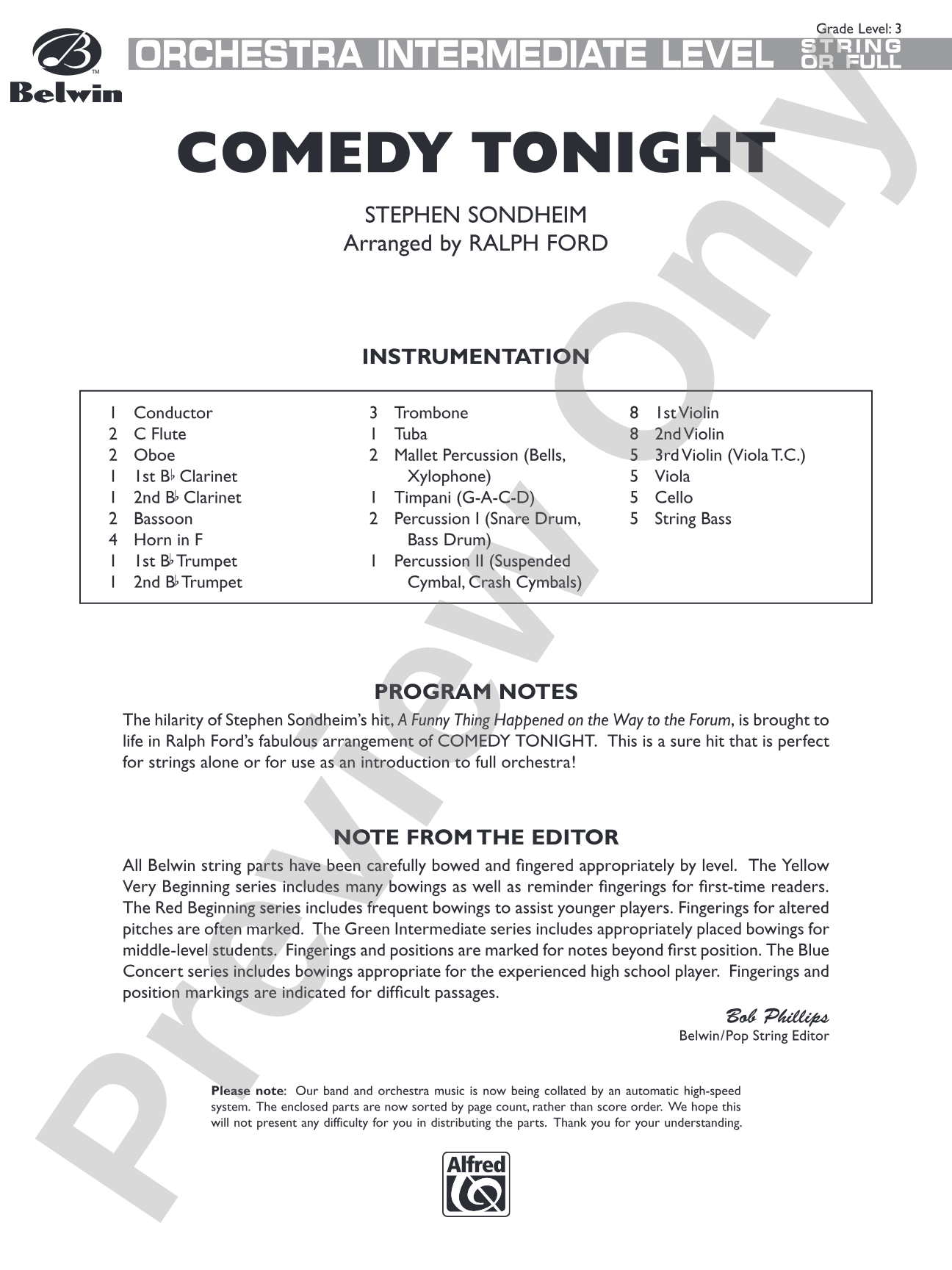
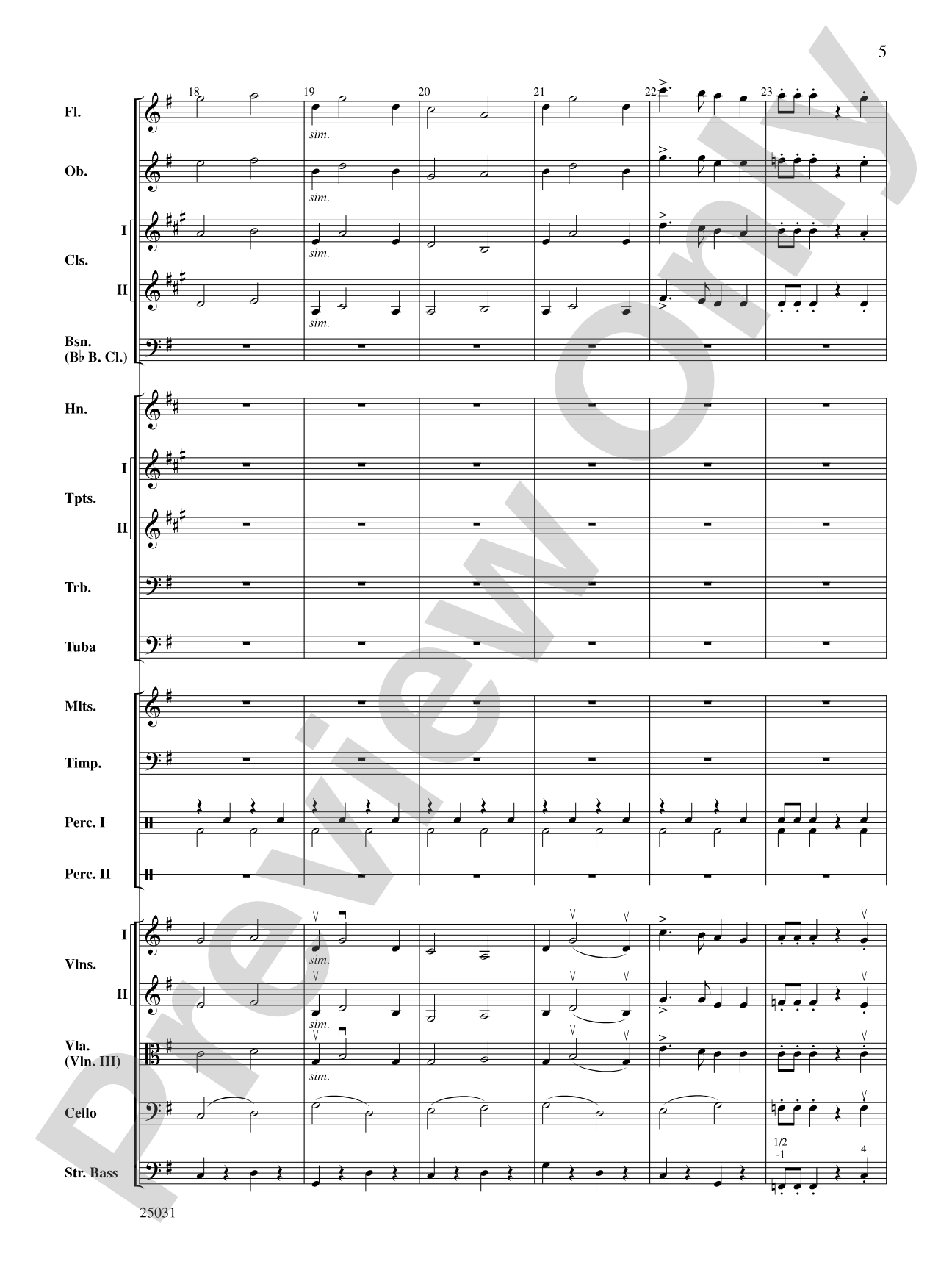
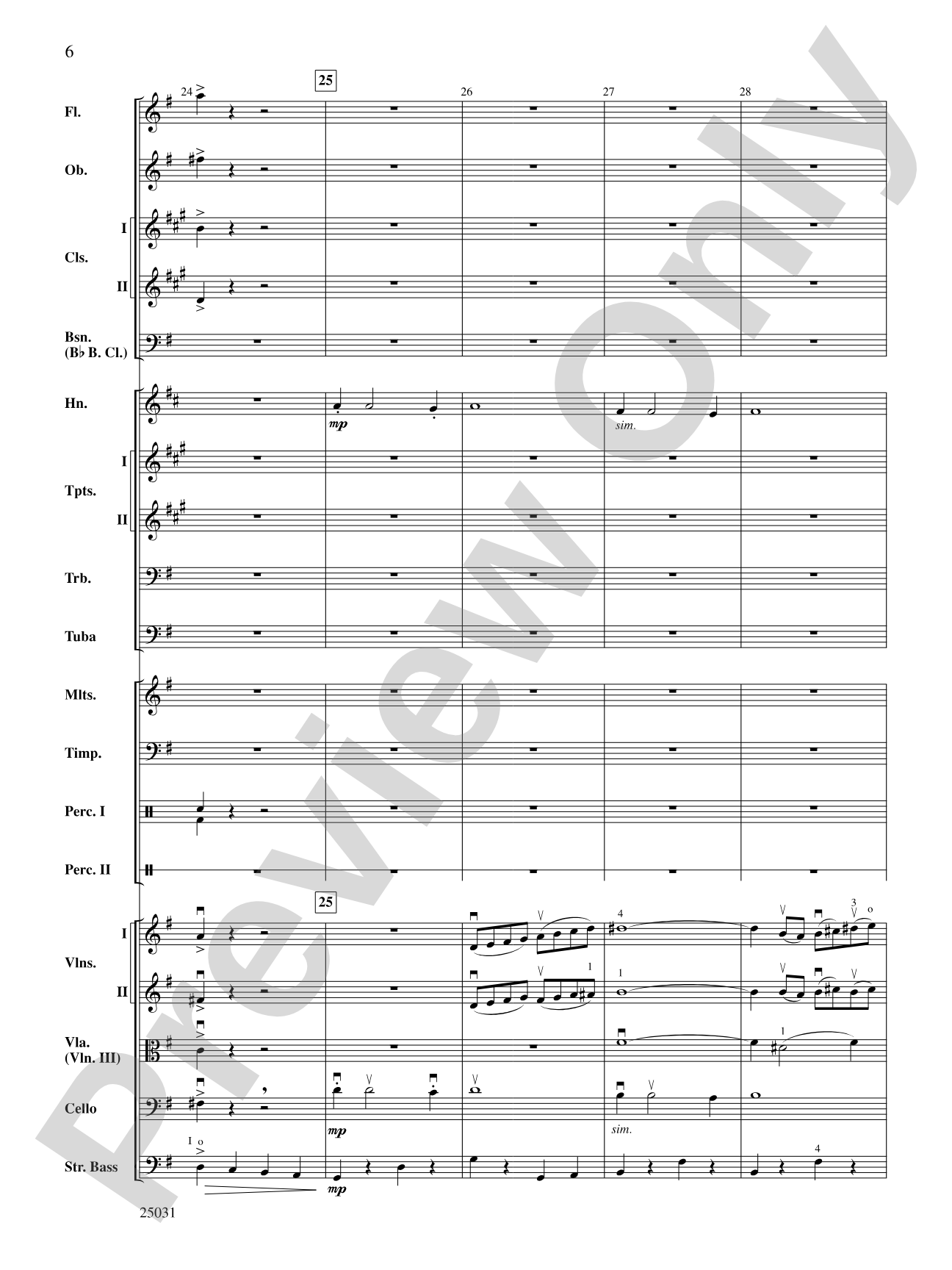
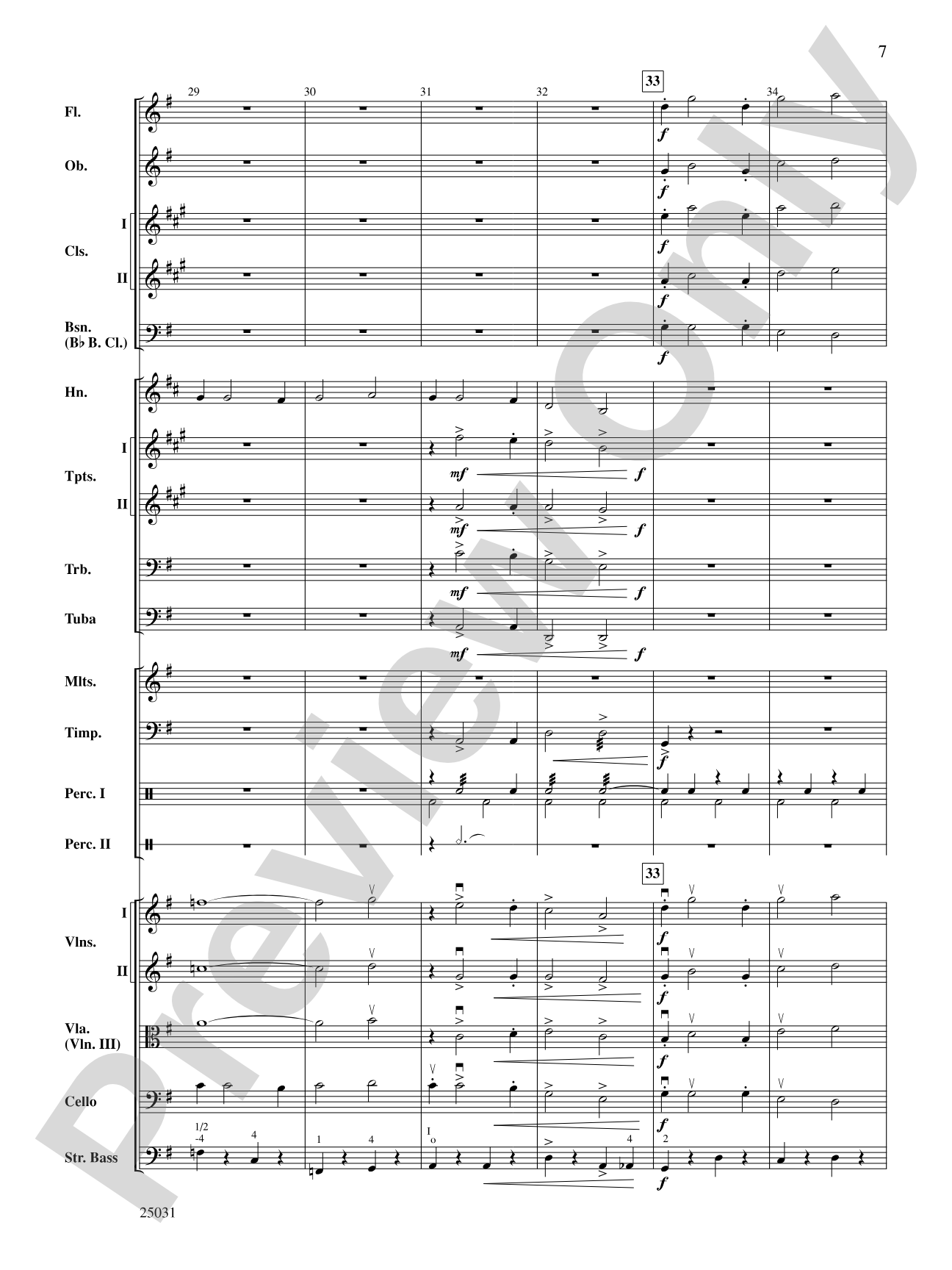
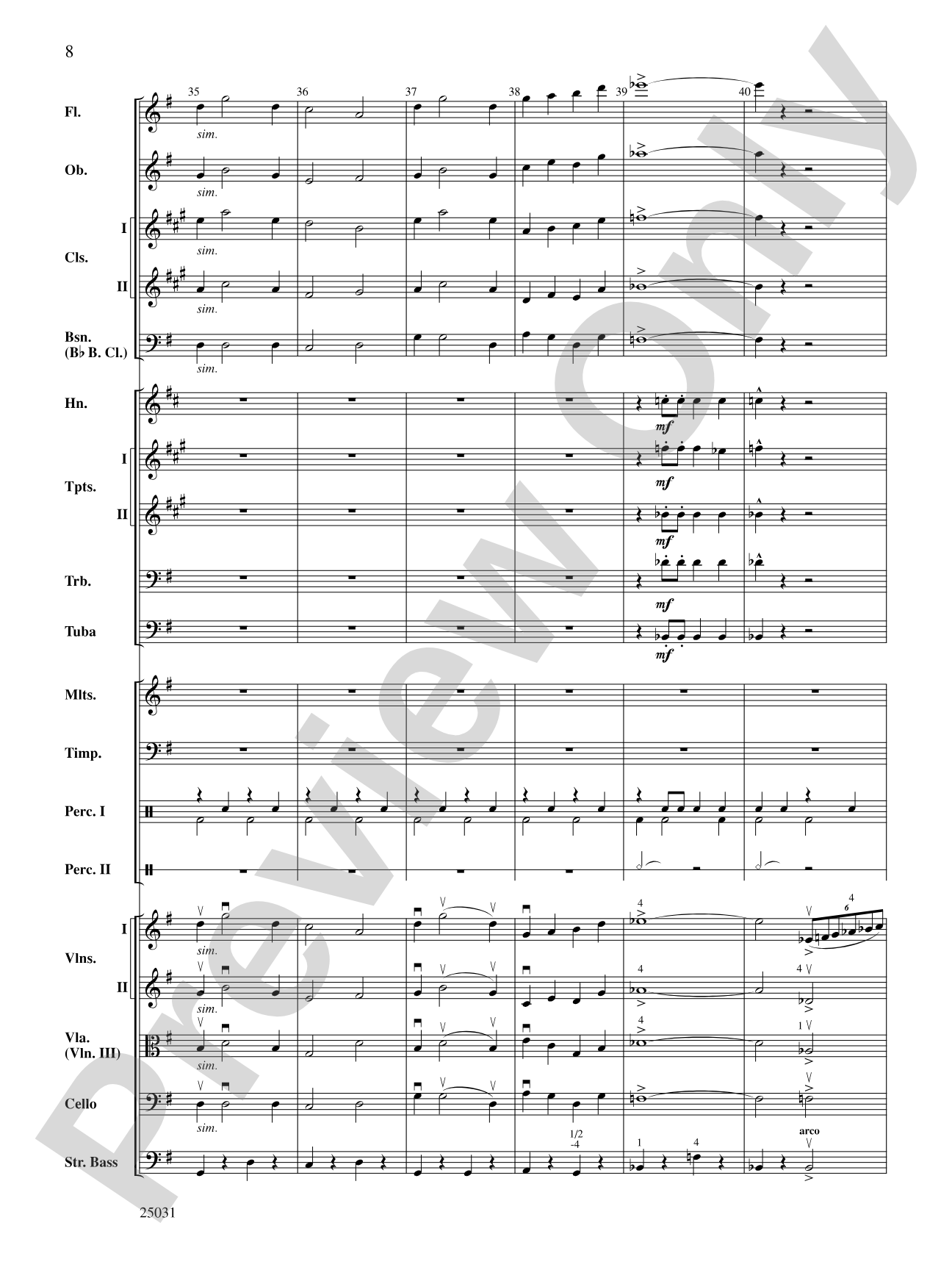
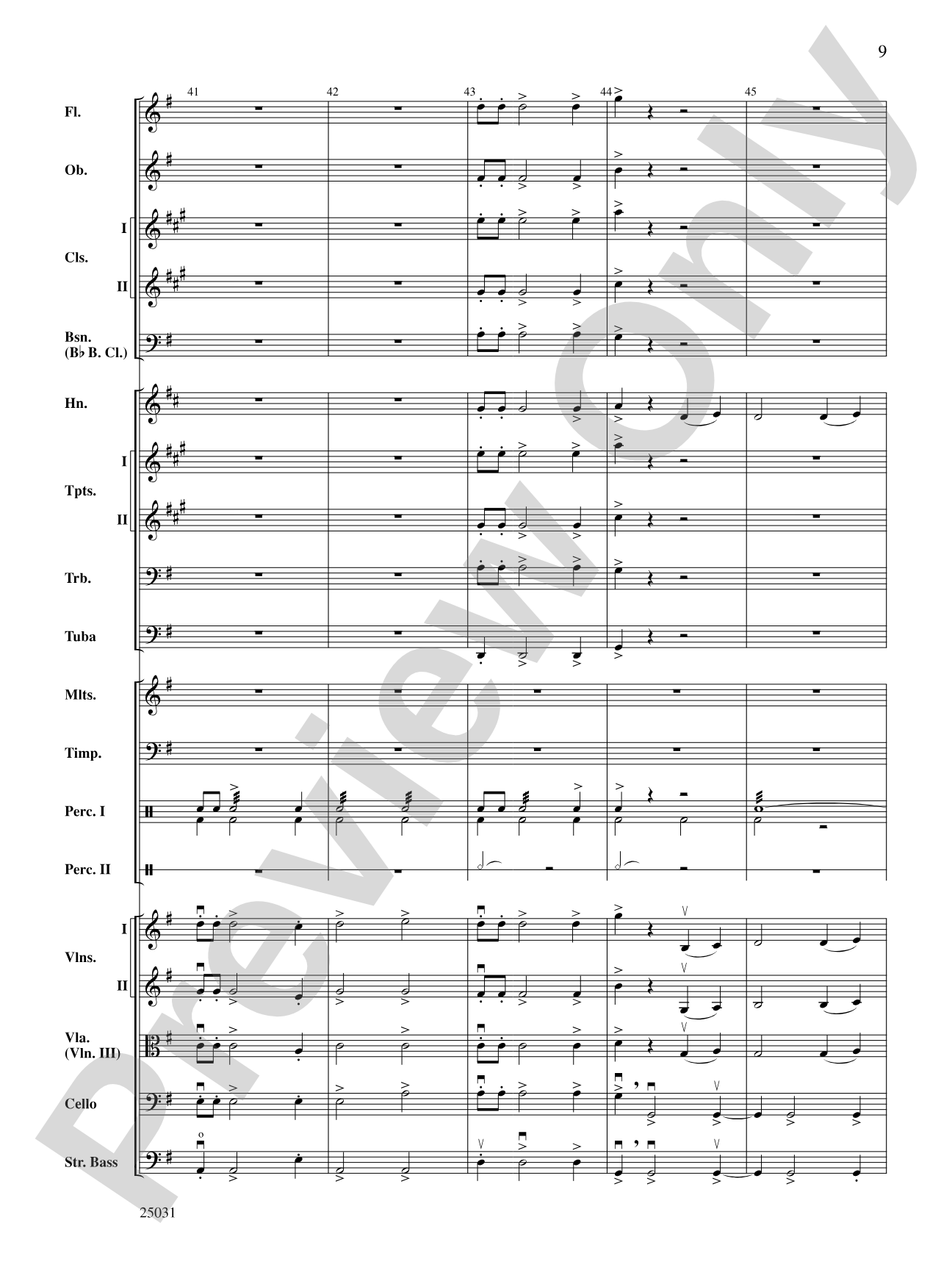
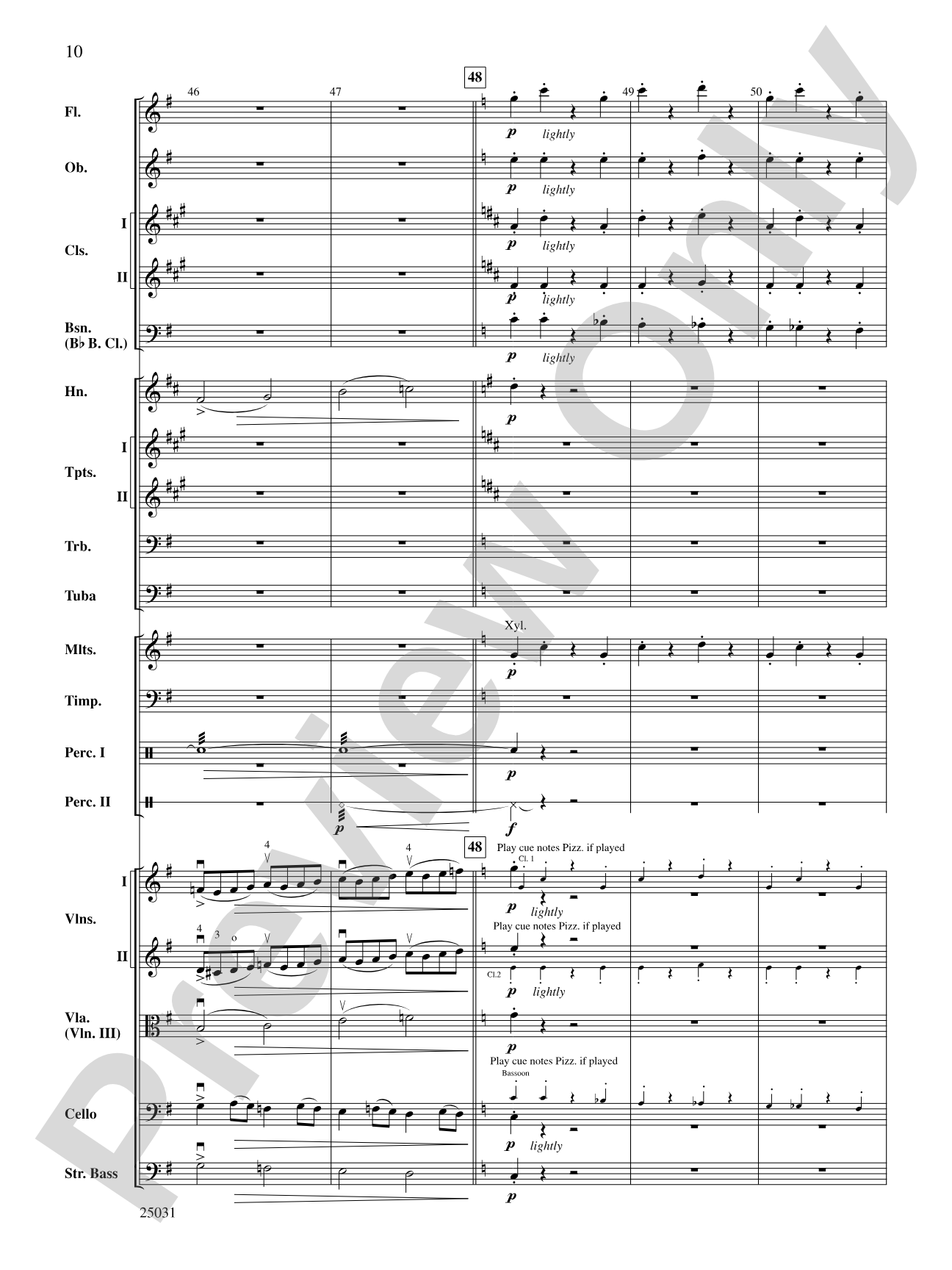
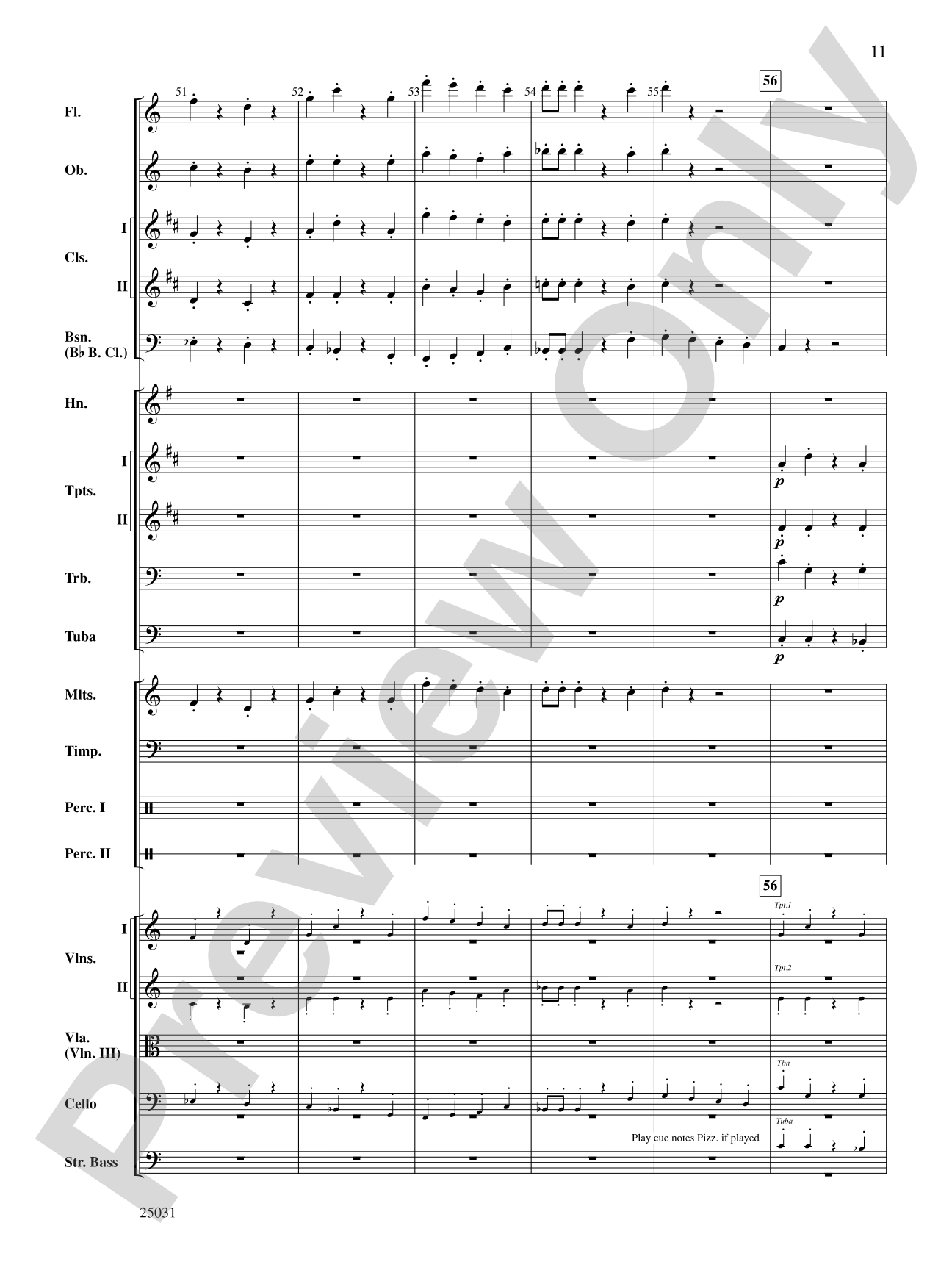
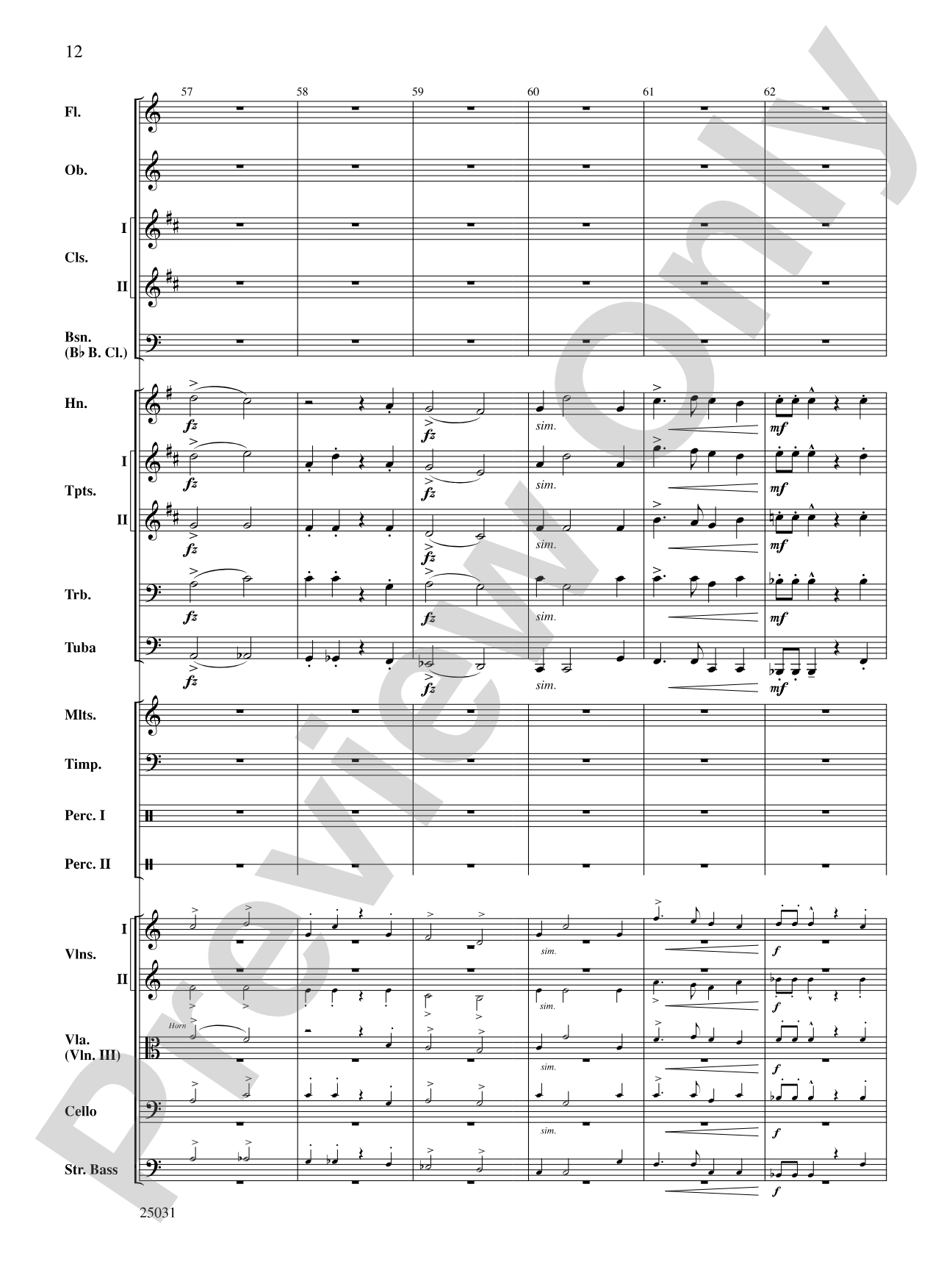
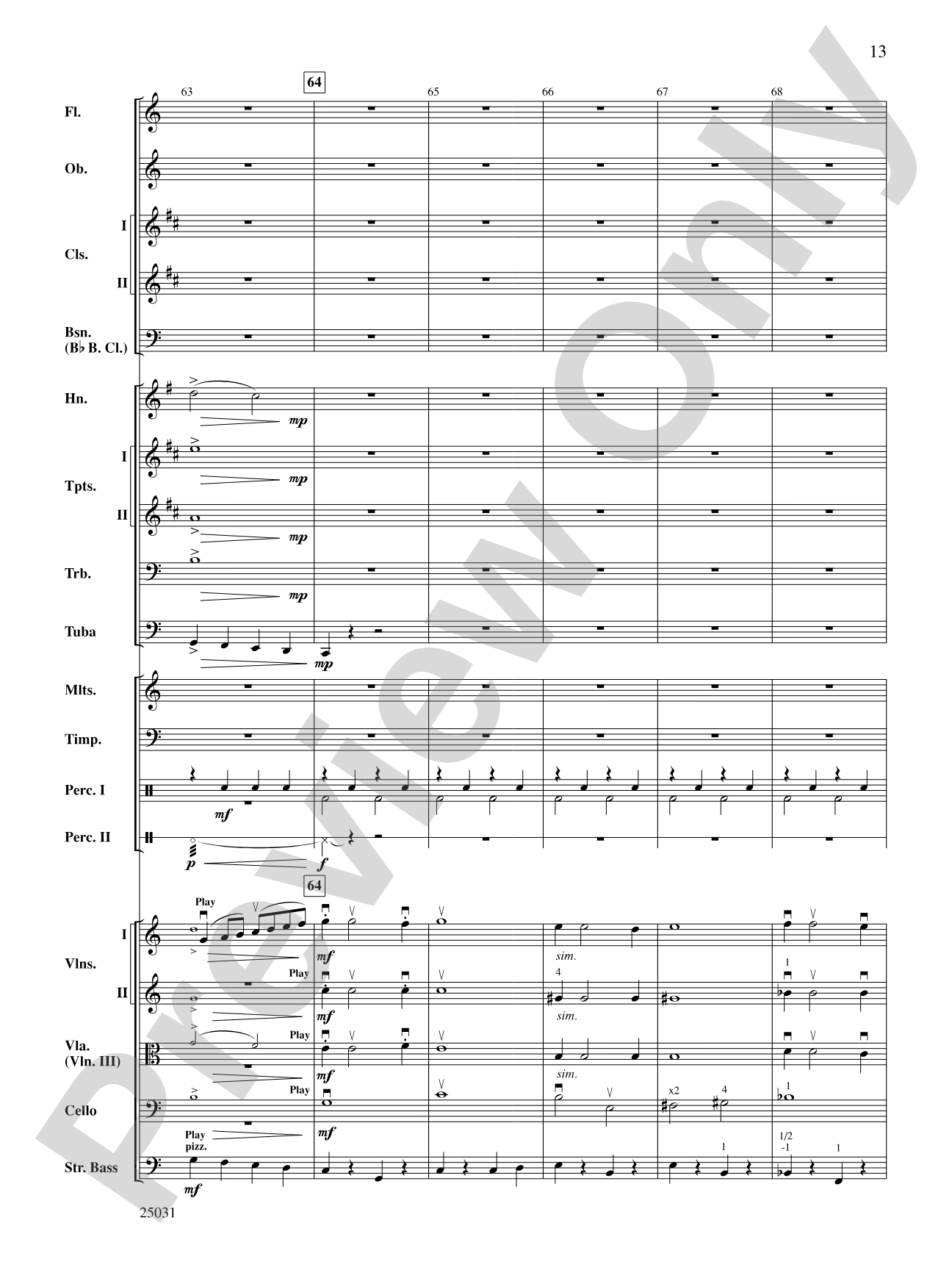
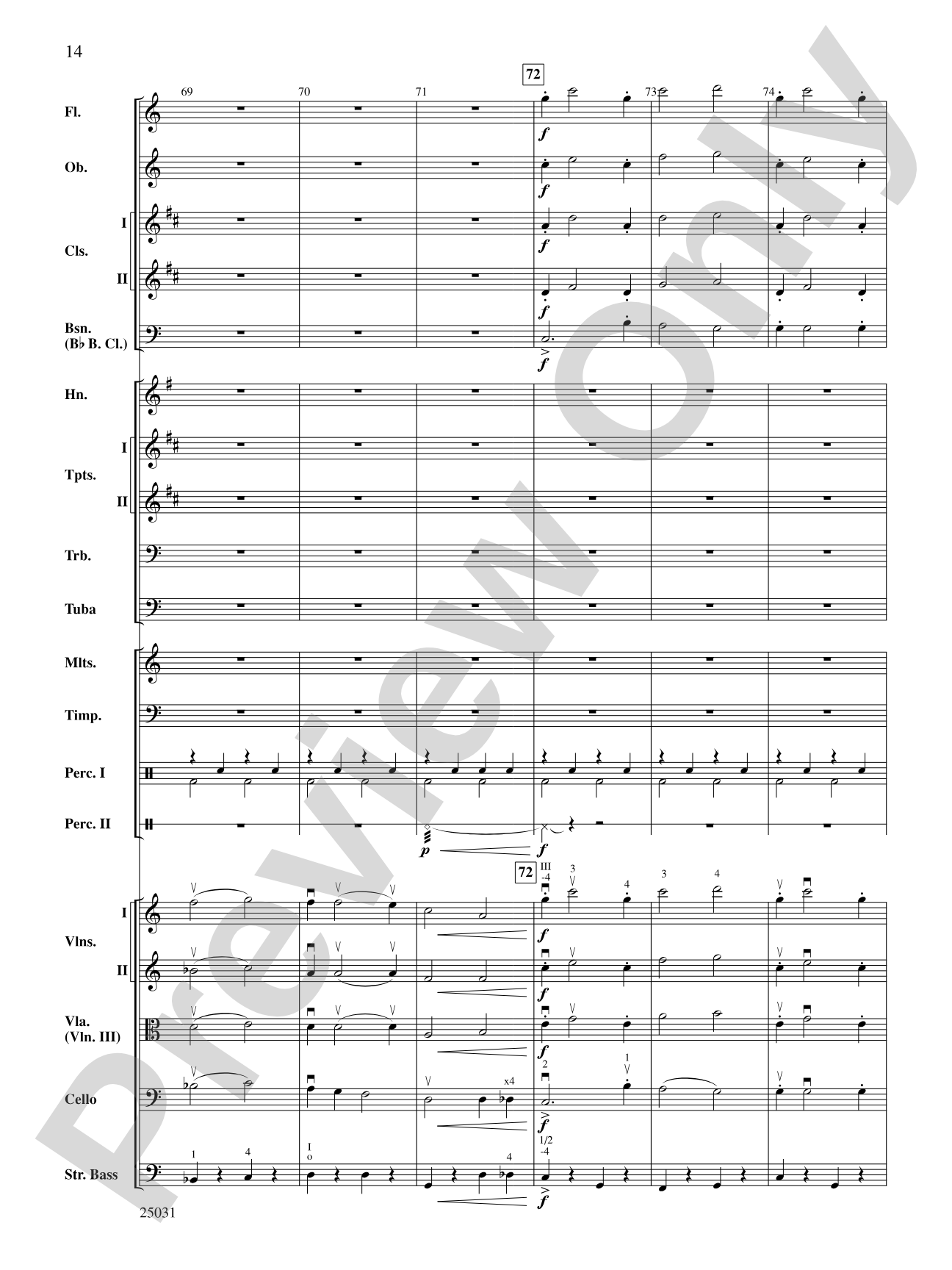
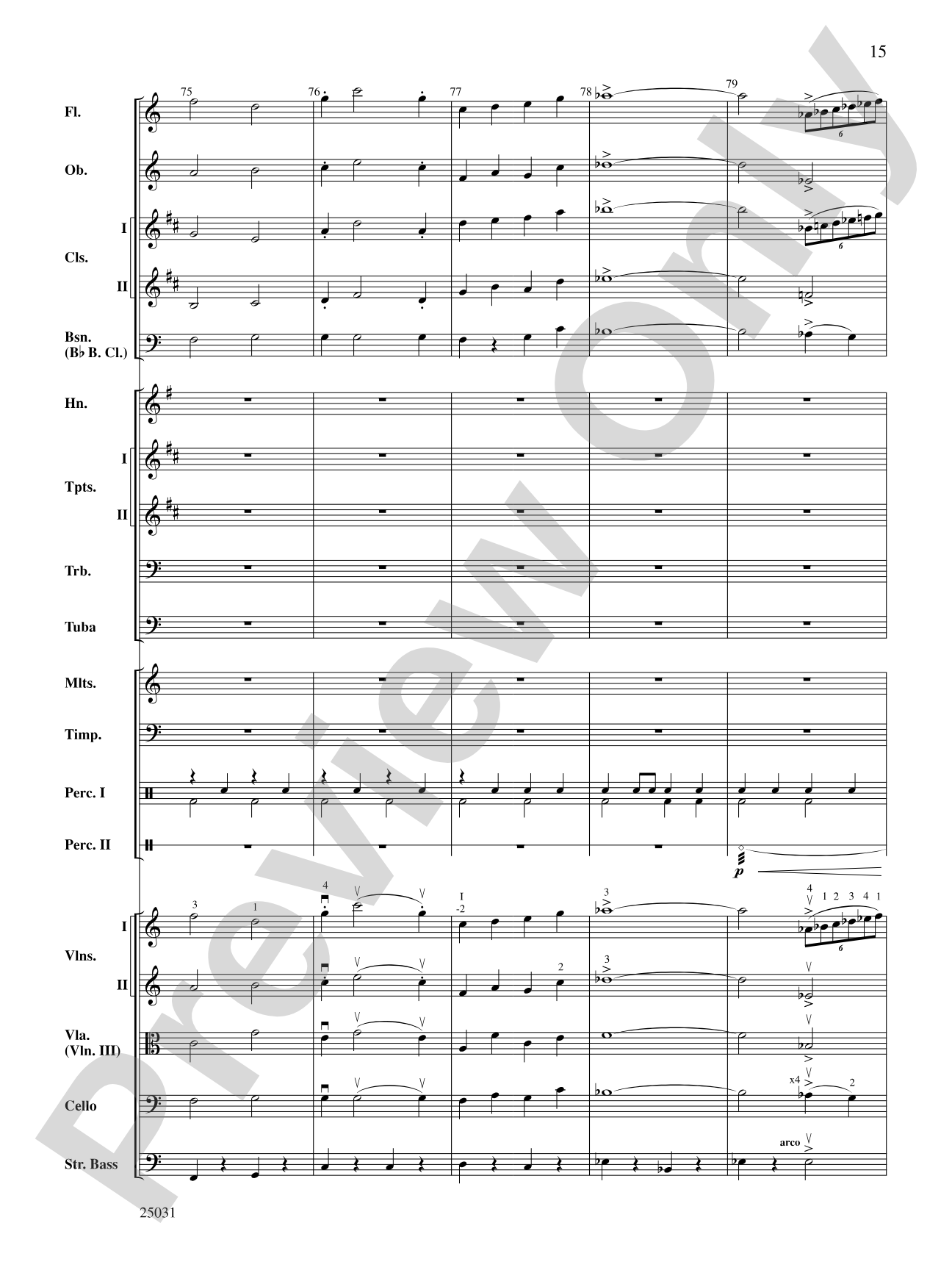
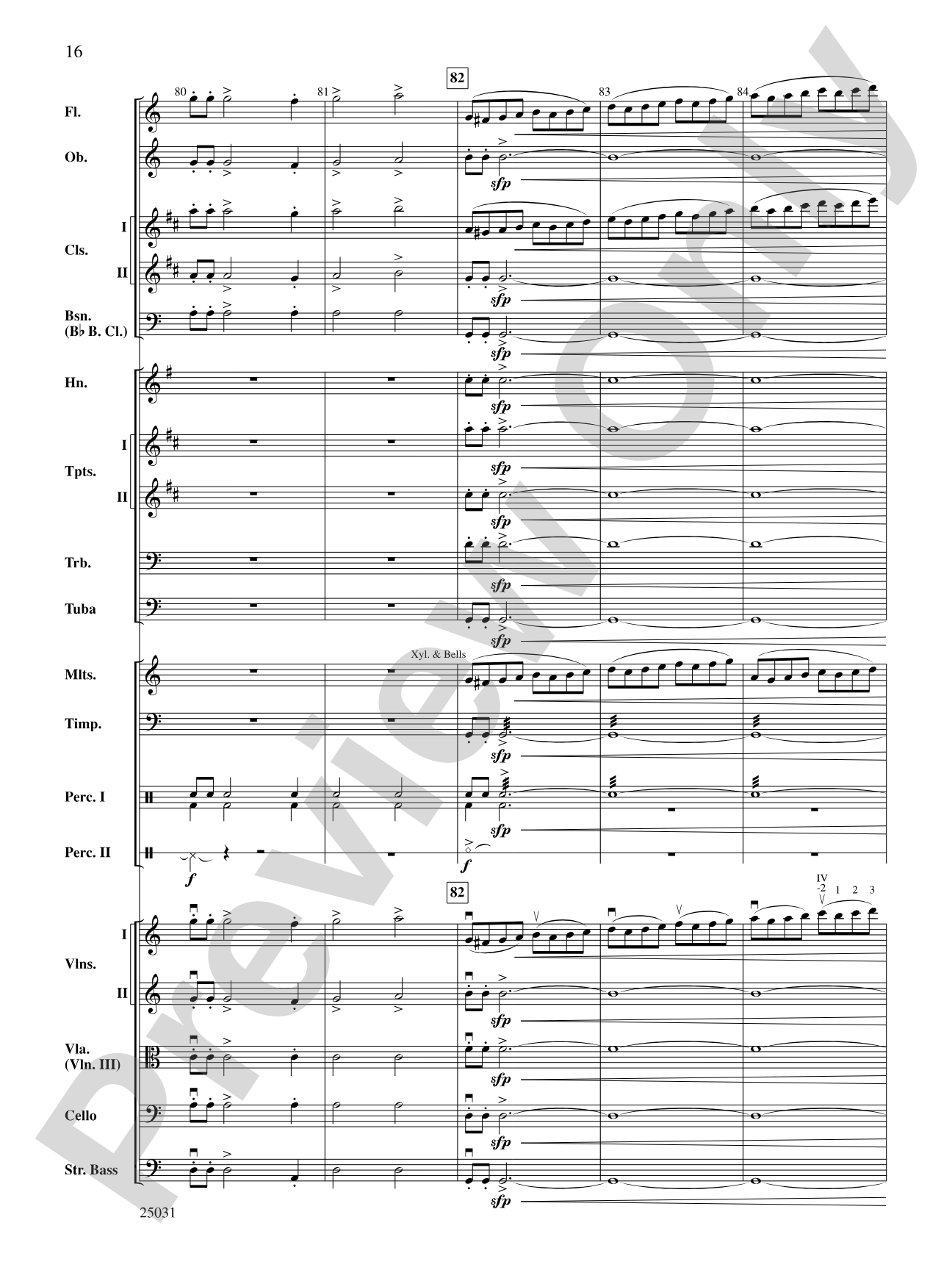
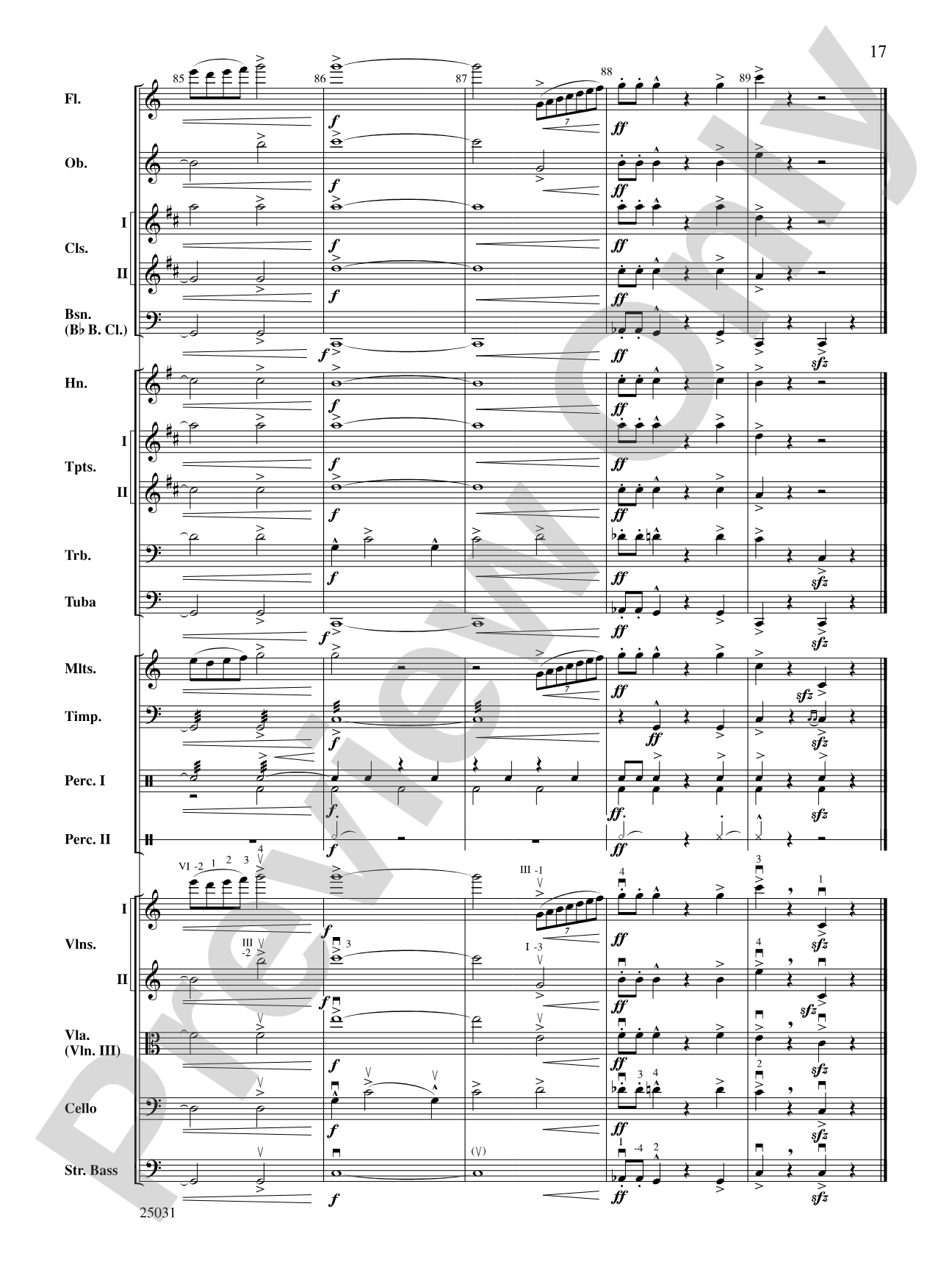




Comedy Tonight: Full Orchestra Conductor Score & Parts
By Stephen Sondheim / arr. Ralph Ford
Grade: 3
Item: 00-PK-0001011

$59.00
One moment…
Description
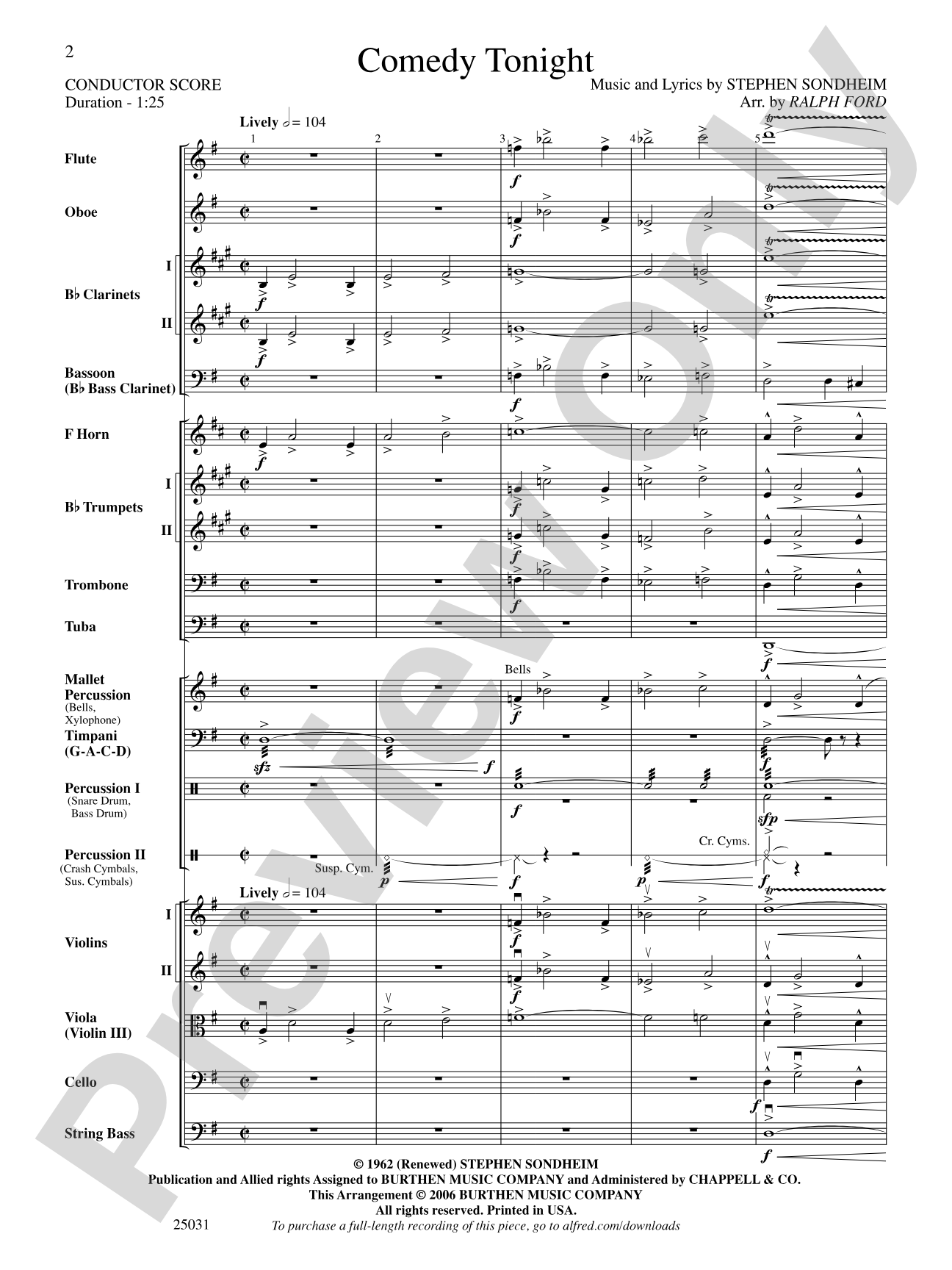
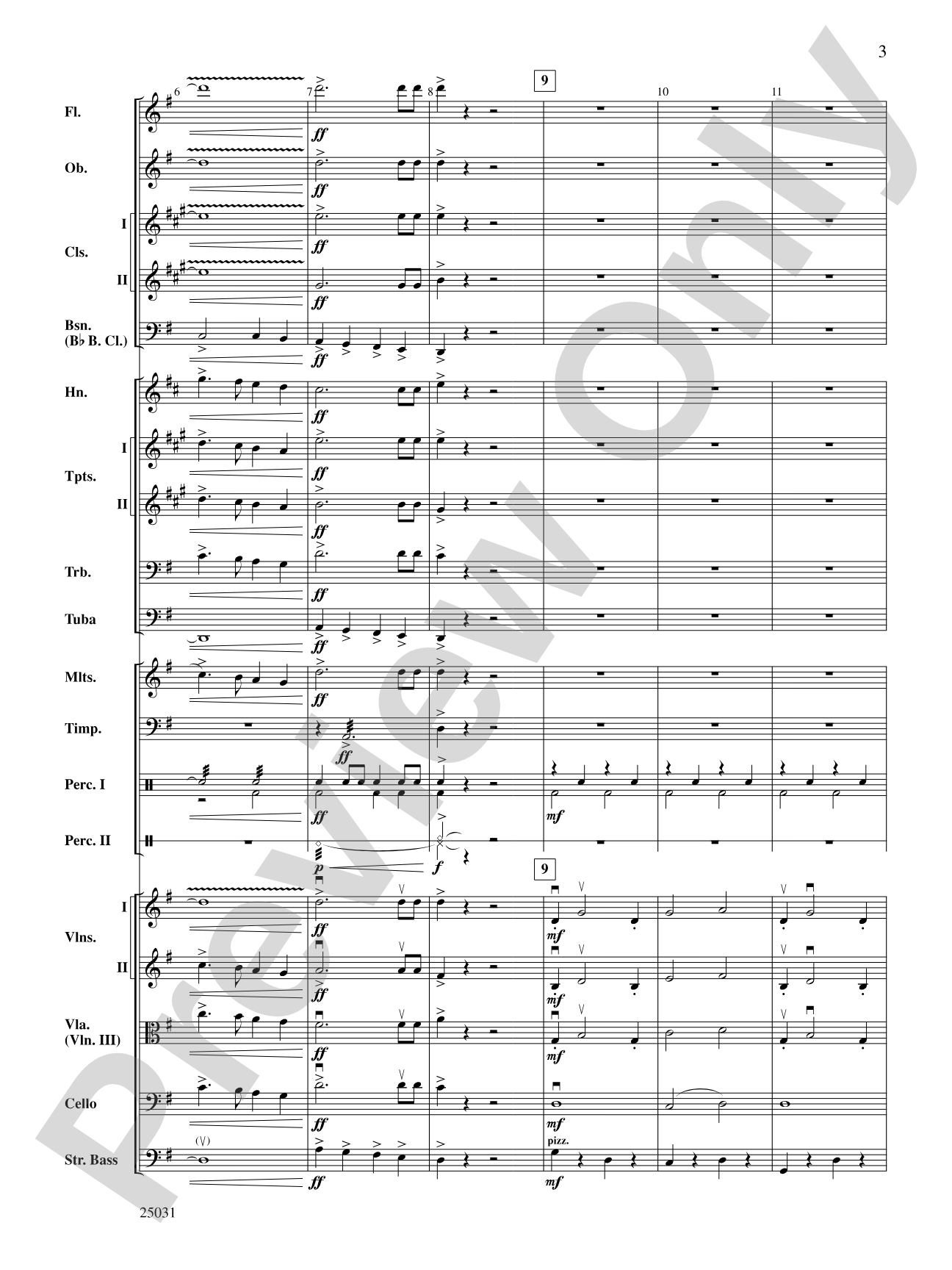
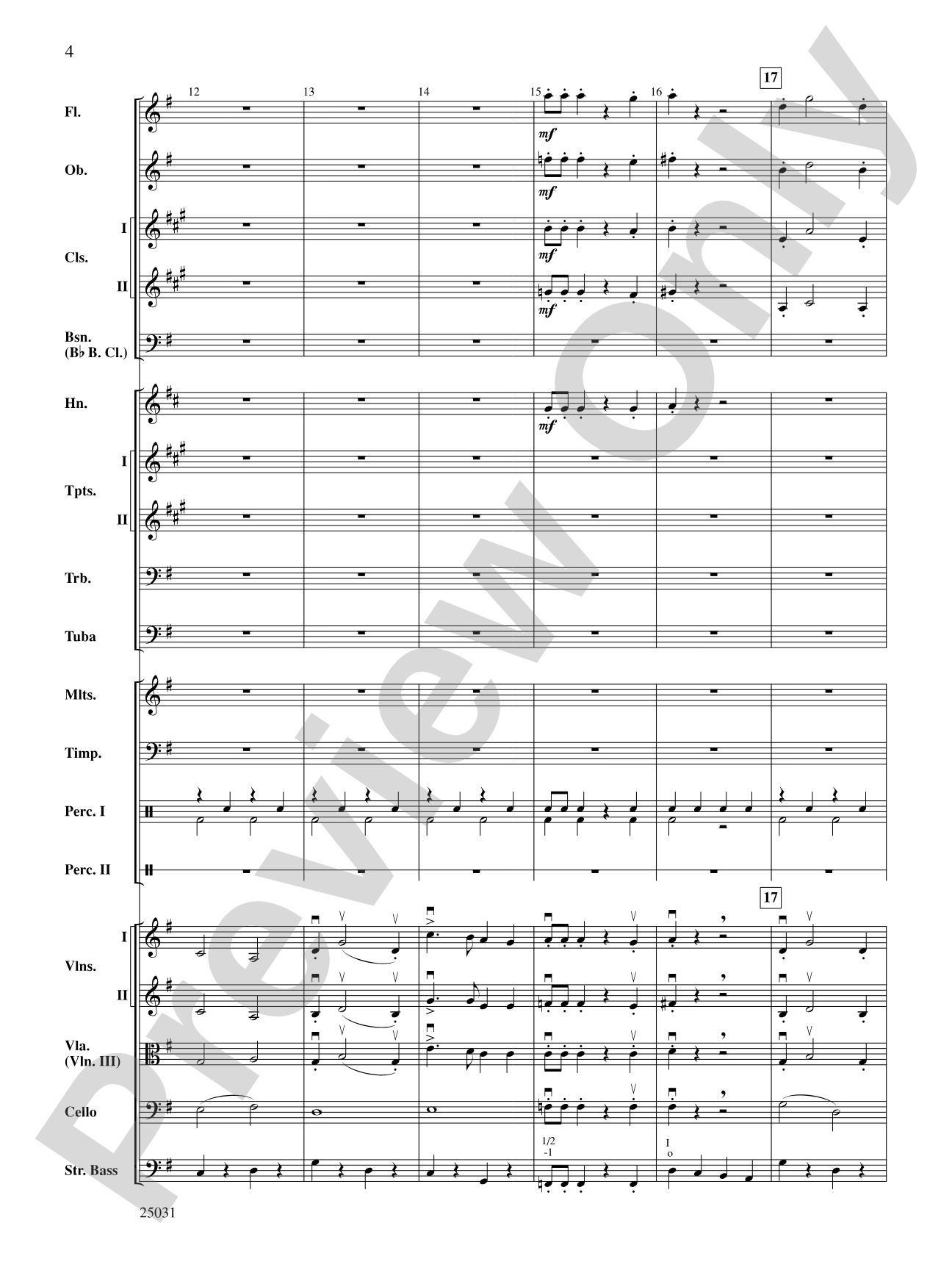
A fabulous setting of this great show tune by Ralph Ford! From the Broadway musical, A Funny Thing Happened on the Way to the Forum, this tune will be a sure audience-pleaser. This may be played by strings alone or with any combination of winds.


Don't just read it, hear it, play along with it, and watch your students grow with it. In MakeMusic Cloud, Comedy Tonight: Full Orchestra Conductor Score & Parts comes alive with professional accompaniment, adjustable tempo, and built-in practice tools that turn solo practice into real progress.
Open in the Player
Jump straight in and assign it today.
Start Your Free Trial
Open this title and explore the full library in minutes.
Sample Audio
1
Audio File
--:--
0:00
0:00
Sample Video
No sample videos found.
Additional Details
Series:
Pop Intermediate String/Full Orchestra
Publisher:
Alfred Music
Page Count:
136
SKU:
00-PK-0001011
More about this title
About the Composer: Stephen Sondheim
Stephen Sondheim (1930–2021) revolutionized musical theater by proving that audiences would embrace sophisticated harmony, intricate rhythms, and lyrics of genuine literary ambition. His work as both composer and lyricist across five decades redefined what Broadway could express, influencing generations of theater composers and expanding the technical and emotional vocabulary available to music educators at every level.
For orchestra directors, Sondheim's melodies and harmonic language offer rich material for teaching ensemble musicianship. His theatrical sense of orchestration, even when adapted by other arrangers, demands precision, expressive control, and collaborative listening—skills that transfer directly to concert music and chamber work.
Why we love this
Ralph Ford's orchestration gives your ensemble immediate access to one of Broadway's most infectious tunes without requiring a pit ensemble or vocal soloists. The flexibility to perform with strings alone or add winds strategically means you can scale this to your instrumentation and rehearsal timeline, making it genuinely practical for mixed-level orchestras that want a guaranteed audience win.
What to expect
Bright, comedic, and effervescent. The tune bounces with theatrical timing and conversational warmth, inviting the orchestra to play with the music rather than merely perform it. There's a lightness here that shouldn't sound trivial; the best performances have the same clarity and intentionality you'd bring to chamber music.
Who it's for
Orchestra directors working with Grade 3 ensembles who want accessible Broadway repertoire that doesn't sacrifice musicianship or audience appeal. This works equally well for full orchestras and for string orchestras experimenting with wind doubling, giving you programming flexibility without learning a new piece.
How to get the most out of it
- Balance the melodic line carefully between sections; the tune's familiarity can tempt players to rely on their ears rather than blend with the conductor's beat, which disrupts ensemble cohesion.
- Treat the rhythmic energy as propulsive but not rushed. The comedic spirit lives in crisp articulation and rhythmic clarity, not in tempo inflation.
- If adding winds to a strings-only section, rehearse the transition separately so the color change feels intentional rather than accidental.
- Shape phrase endings with slight broadening rather than dynamic reduction; the tune sustains its theatrical momentum when players understand they're moving toward the next phrase, not away from the current one.
How to use it
Open a pops concert or spring program with this to establish an accessible, energetic tone before moving into heavier repertoire. It also pairs well with other show tunes or lighter classical pieces, creating a concert that demonstrates your ensemble's range without demanding a single vocalist or specialized soloists.
Skills your students will build
- Balancing ensemble blend while maintaining melodic clarity across multiple instrumental sections
- Maintaining rhythmic precision in moderately quick tempos with syncopated figures
- Responding to a conductor's dynamic and expressive shaping without sacrificing ensemble synchronization
- Executing stylistically informed articulation (crisp, conversational phrasing rather than legit or symphonic style)
- Adapting to flexible orchestration (strings-only versus full orchestra configurations)