Come, My Little Children Cover Image

Come, My Little Children: 2-Part Choral Octavo

$1.85 USD
Sale price  $1.85 USD Regular price 
Skip to product information
Come, My Little Children Cover Image

Come, My Little Children: 2-Part Choral Octavo

Words by Robert Louis Stevenson, music by Sally K. Albrecht

Item: 00-41545

makemusic Cloud badge

Need it now?

Buy Digital Version
$1.85
Shipped

One moment…

Description
A charming text about music from beloved children's writer Robert Louis Stevenson. The conservative vocal ranges and lilting lines are just right for younger choirs. A delicate flute obbligato (included in the publication) floats above.

Don't just read it, hear it, play along with it, and watch your students grow with it. In MakeMusic Cloud, Come, My Little Children: 2-Part Choral Octavo comes alive with professional accompaniment, adjustable tempo, and built-in practice tools that turn solo practice into real progress.

Sample Pages

Sample Audio
0:00
0:00
Sample Video
Additional Details
Series: Alfred Choral Designs
Publisher: Alfred Music
Page Count: 12
UPC: 038081466255
SKU: 00-41545

More about this title

About the Composer: Sally K. Albrecht
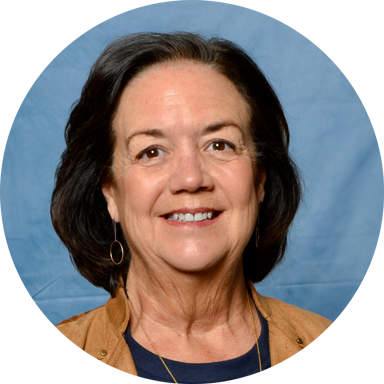
Sally K. Albrecht

Sally K. Albrecht has shaped American choral music education for over three decades. As Director of School Choral, Vocal, and Elementary Publications for Alfred Music, she developed hundreds of pieces specifically designed for young singers and developing ensembles. Her work earned her continuous recognition through ASCAP Special Music Awards since 1987, and she has conducted honor choirs at prestigious venues including Lincoln Center, Carnegie Hall, and The Kennedy Center.

Albrecht holds degrees from Rollins College (B.A. in Music and Theater, 1976), the University of Miami (M.A. in Drama, 1977; M.M. in Accompanying, 1979), and has taught at Oakland University, Jersey City State College, and Meredith College. She served as Chair of the Board of Trustees for Omicron Delta Kappa National Leadership Honor Society and received their "Pillar of Leadership" award. In 2021, both the University of Miami Frost School of Music and Rollins College honored her as a Distinguished Alumna.

Why we love this

Albrecht's gift for pairing accessible vocal writing with literary text shines here. A Robert Louis Stevenson poem paired with conservative ranges means your singers can focus on diction, phrase shape, and responding to the delicate flute line without vocal strain. This is the kind of piece that reminds younger choirs why they love singing together.

What to expect

Wistful and gentle, like a lullaby with literary weight. The Stevenson text brings thoughtfulness, while the lilting lines and delicate flute obbligato create an atmosphere of quiet charm that feels both intimate and expressive.

Who it's for

Young and developing choirs, middle school singers, and elementary honor choirs benefit most from this octavo. The conservative vocal ranges and flowing melodic writing make it accessible without sacrificing musical substance, making it ideal for ensembles still building confidence and blend.

How to get the most out of it

  • Shape the melody in gentle waves rather than thinking phrase-by-phrase; let the lilting character come through the continuity of line.
  • Balance the flute obbligato so it feels like a conversation with the choir, not a solo passing overhead. The flute should enhance, not overpower, the singers' lines.
  • Bring out the story in Stevenson's text through subtle dynamic shifts and word painting. The conservative ranges give you room to play with color and expression.
  • If using the recorded accompaniment, rehearse without it first so singers own the melodic contour and phrasing before layering in the instrumental support.

How to use it

Open a concert with this piece to establish a lyrical, narrative tone for the evening. Its modest demands on singers make it perfect for a diverse festival or contest entry where accessibility and musicality matter equally. It also pairs beautifully with other Stevenson-inspired works or poetry-based repertoire.

Skills your students will build

  • Balancing independent melodic lines with instrumental obbligati
  • Shaping long, lilting phrases across comfortable vocal ranges
  • Literary interpretation and text-driven expression in secular choral music
  • Two-part ensemble blend and intonation
  • Collaborative listening between choir and flute accompaniment

You May Also Like
