
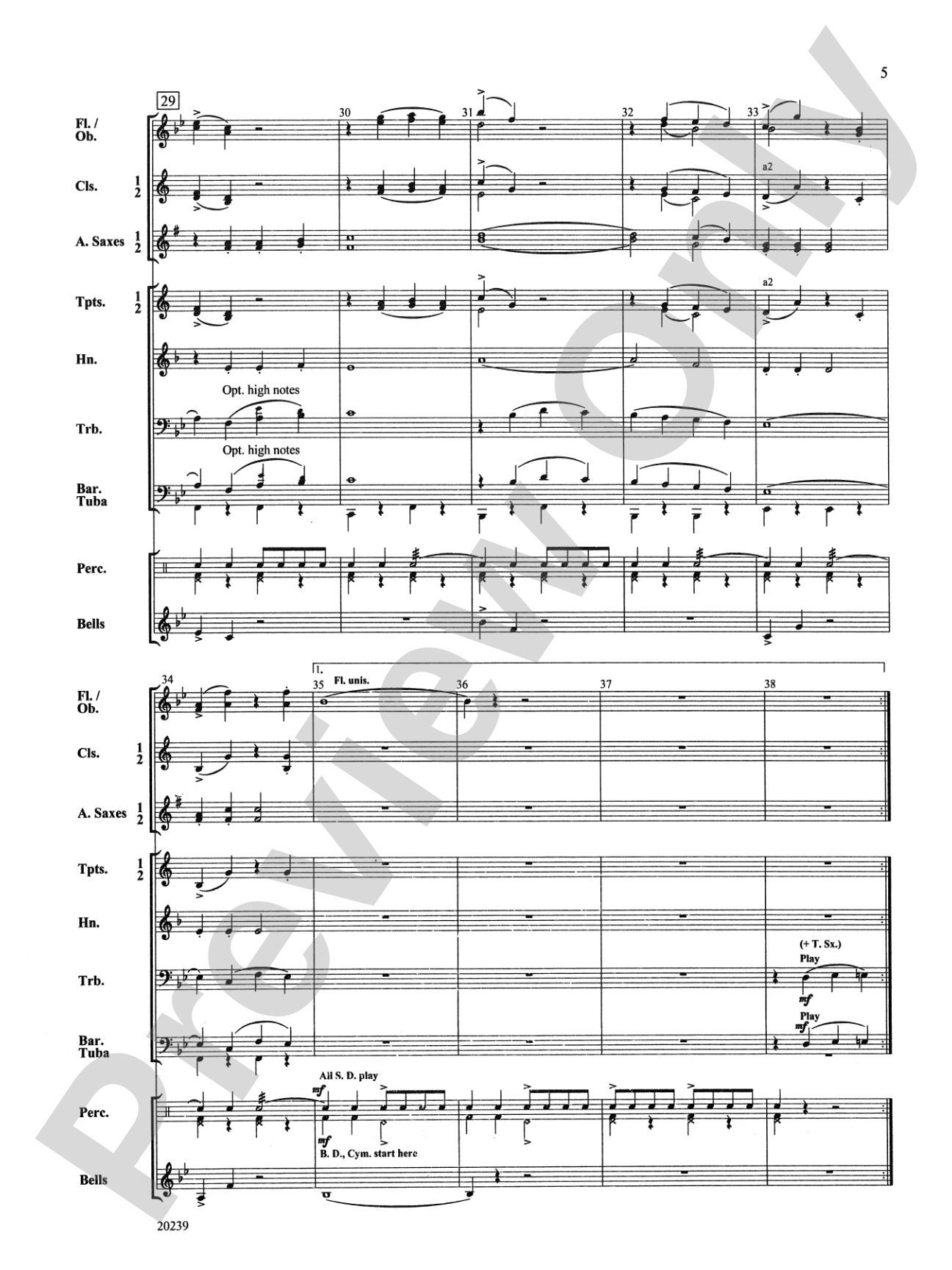
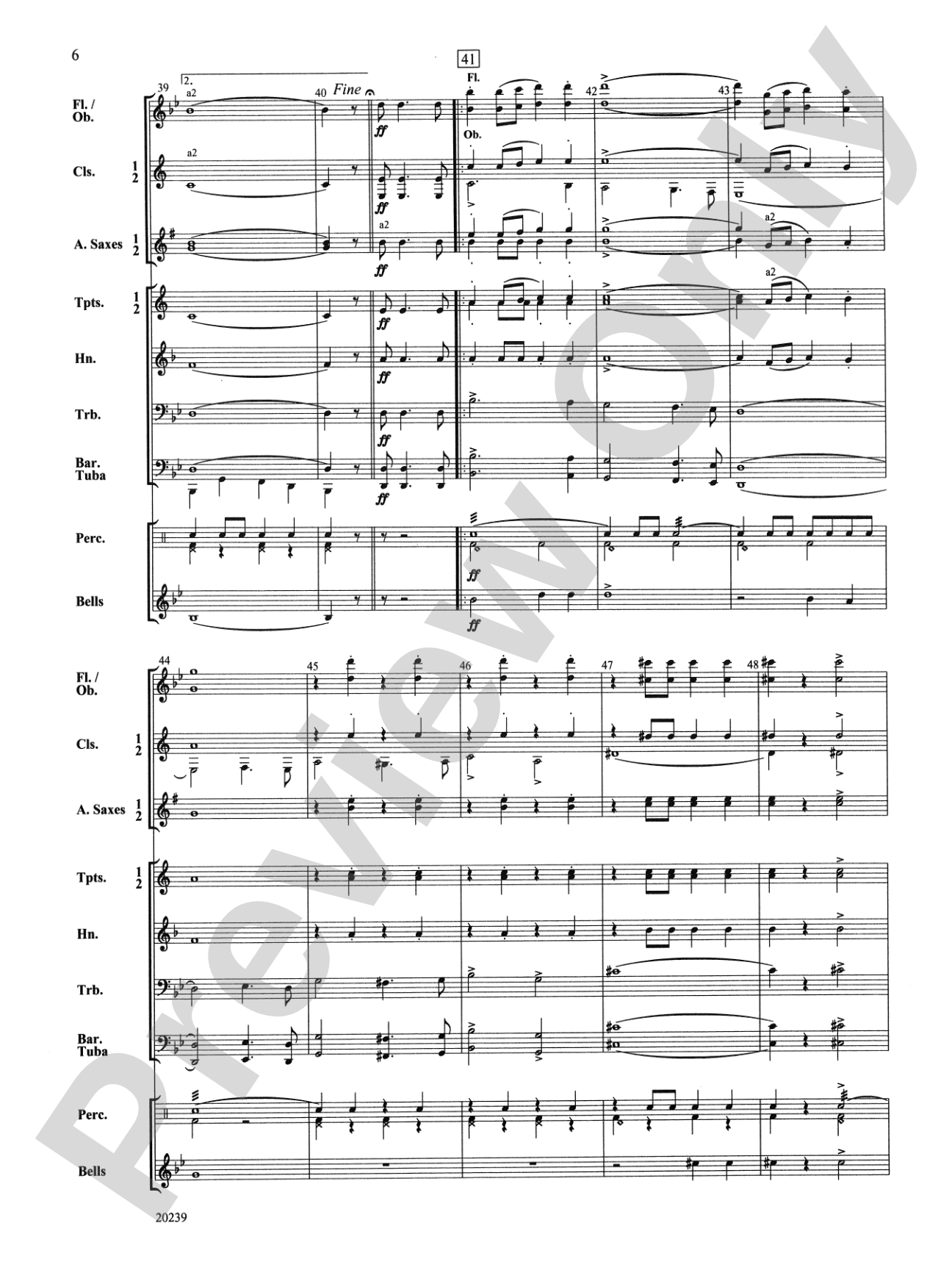
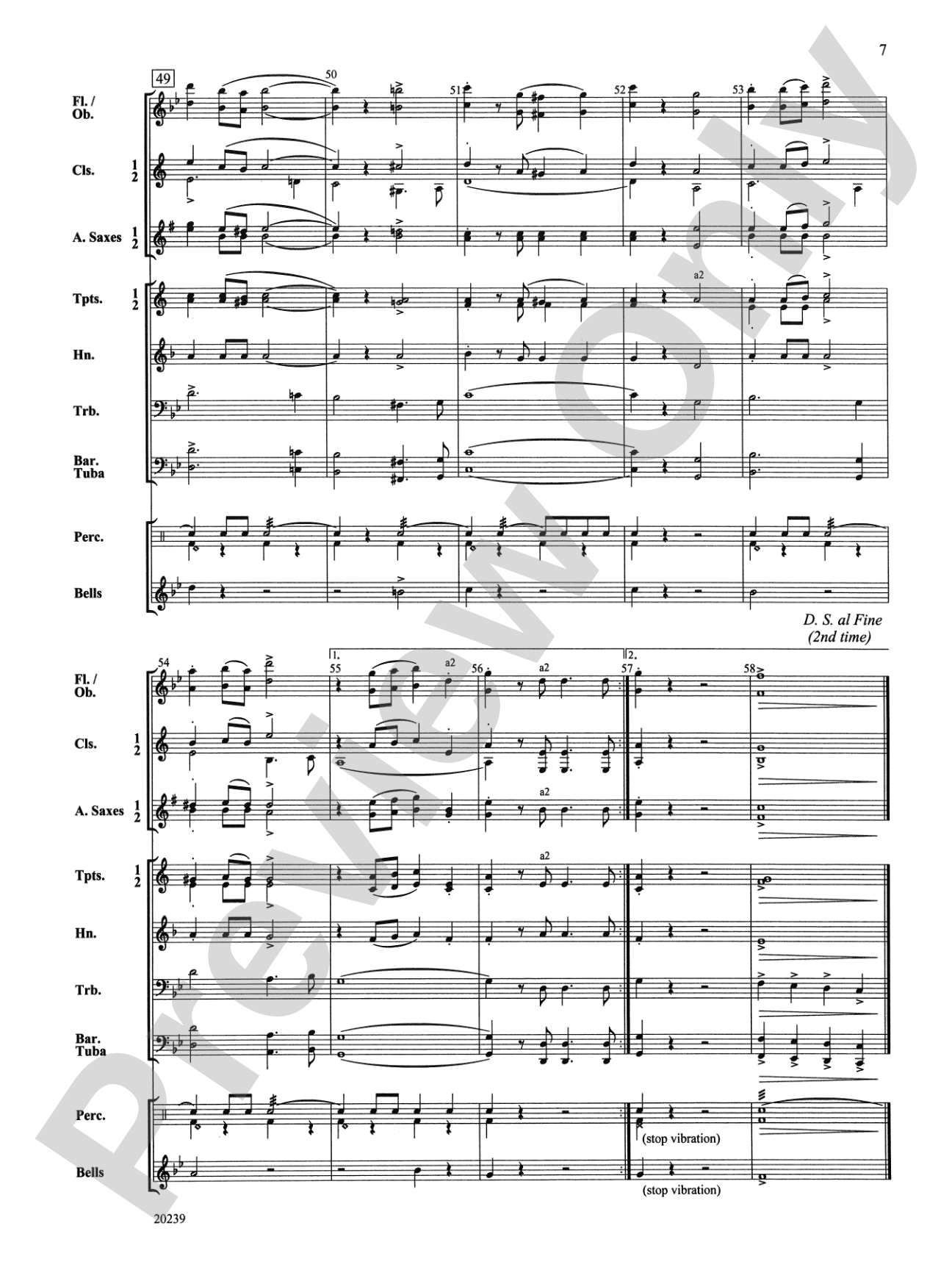


Colonel Bogey: Concert Band Conductor Score & Parts
By Kenneth J. Alford / arr. Mark Williams
Grade: 1.5 (Easy)
Item: 00-PK-0000372

$49.00
Pickup currently not available
Buy Extra Parts (Digital PDF Download)
| Product | Price | Quantity |
|---|---|---|
| Colonel Bogey: Score | $7.00 | |
| Colonel Bogey: Flute | $3.00 | |
| Colonel Bogey: Oboe | $3.00 | |
| Colonel Bogey: Bassoon | $3.00 | |
| Colonel Bogey: 1st B-flat Clarinet | $3.00 | |
| Colonel Bogey: 2nd B-flat Clarinet | $3.00 | |
| Colonel Bogey: E-flat Alto Clarinet | $3.00 | |
| Colonel Bogey: B-flat Bass Clarinet | $3.00 | |
| Colonel Bogey: E-flat Alto Saxophone | $3.00 | |
| Colonel Bogey: 2nd E-flat Alto Saxophone | $3.00 | |
| Colonel Bogey: B-flat Tenor Saxophone | $3.00 | |
| Colonel Bogey: E-flat Baritone Saxophone | $3.00 | |
| Colonel Bogey: 1st B-flat Trumpet | $3.00 | |
| Colonel Bogey: 2nd B-flat Trumpet | $3.00 | |
| Colonel Bogey: 1st F Horn | $3.00 | |
| Colonel Bogey: 1st Trombone | $3.00 | |
| Colonel Bogey: Baritone T.C. | $3.00 | |
| Colonel Bogey: Baritone B.C. | $3.00 | |
| Colonel Bogey: Tuba | $3.00 | |
| Colonel Bogey: Bells | $3.00 | |
| Colonel Bogey: 1st Percussion | $3.00 |
Parts Added to Cart!
Description
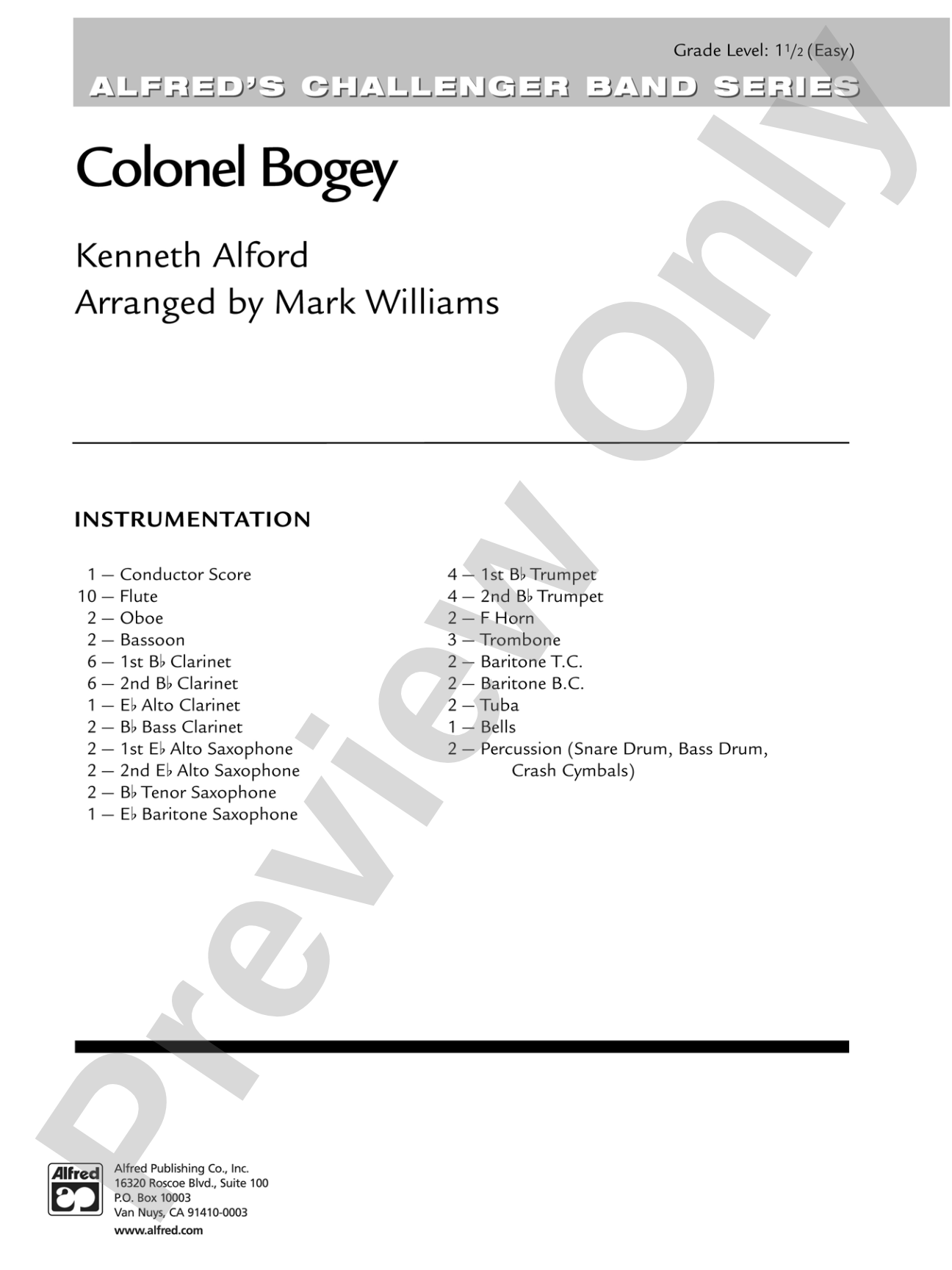
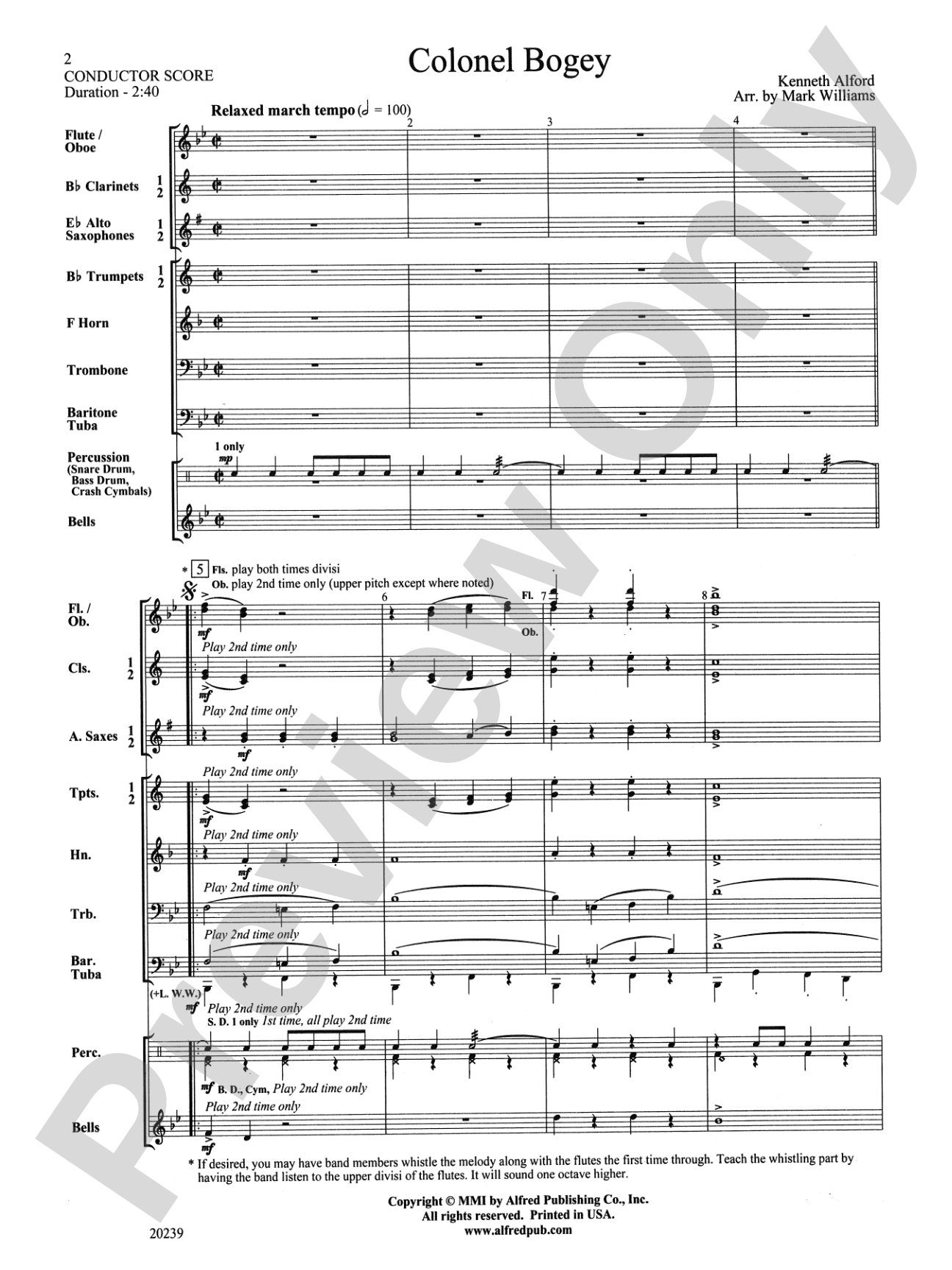
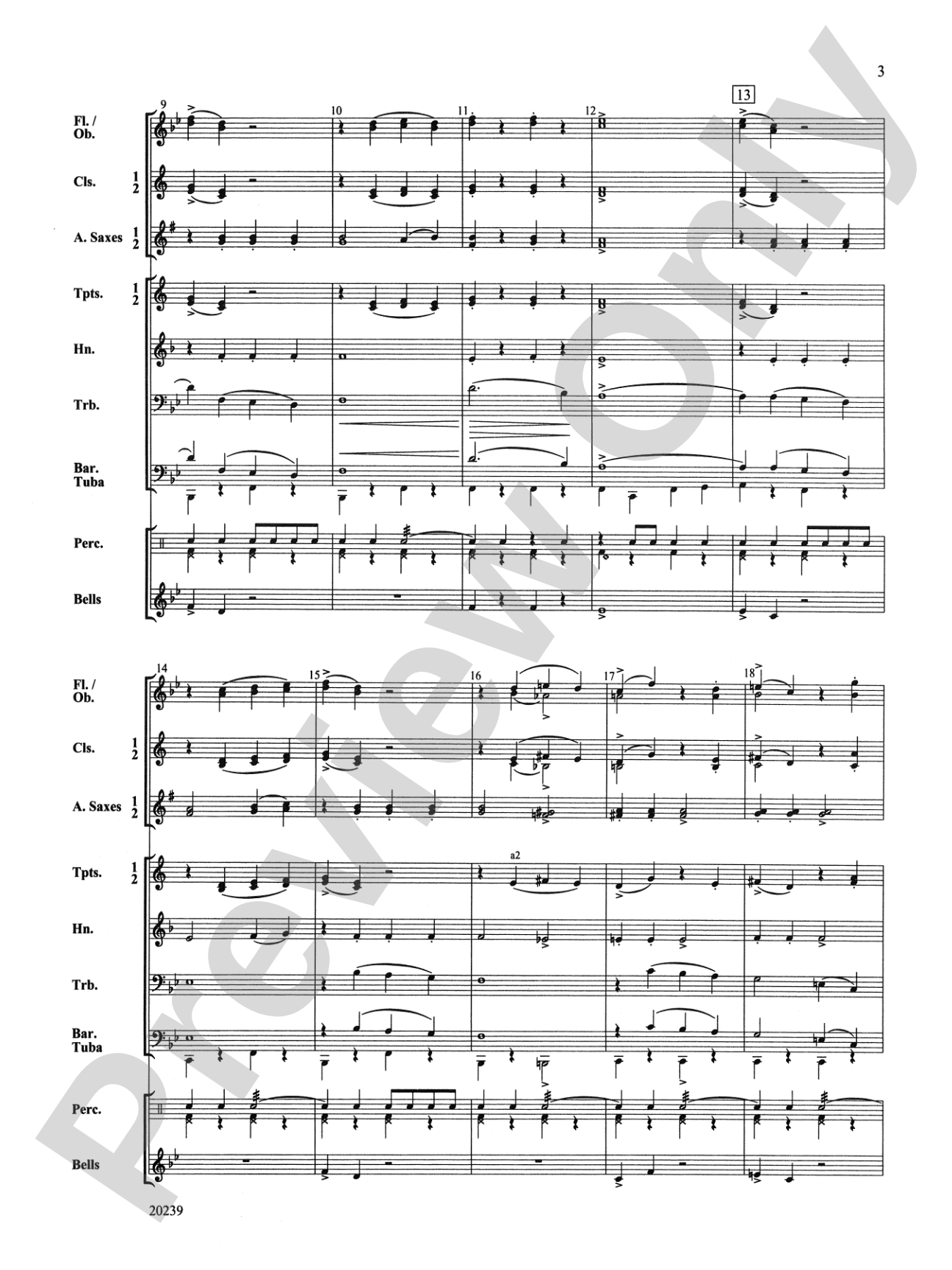
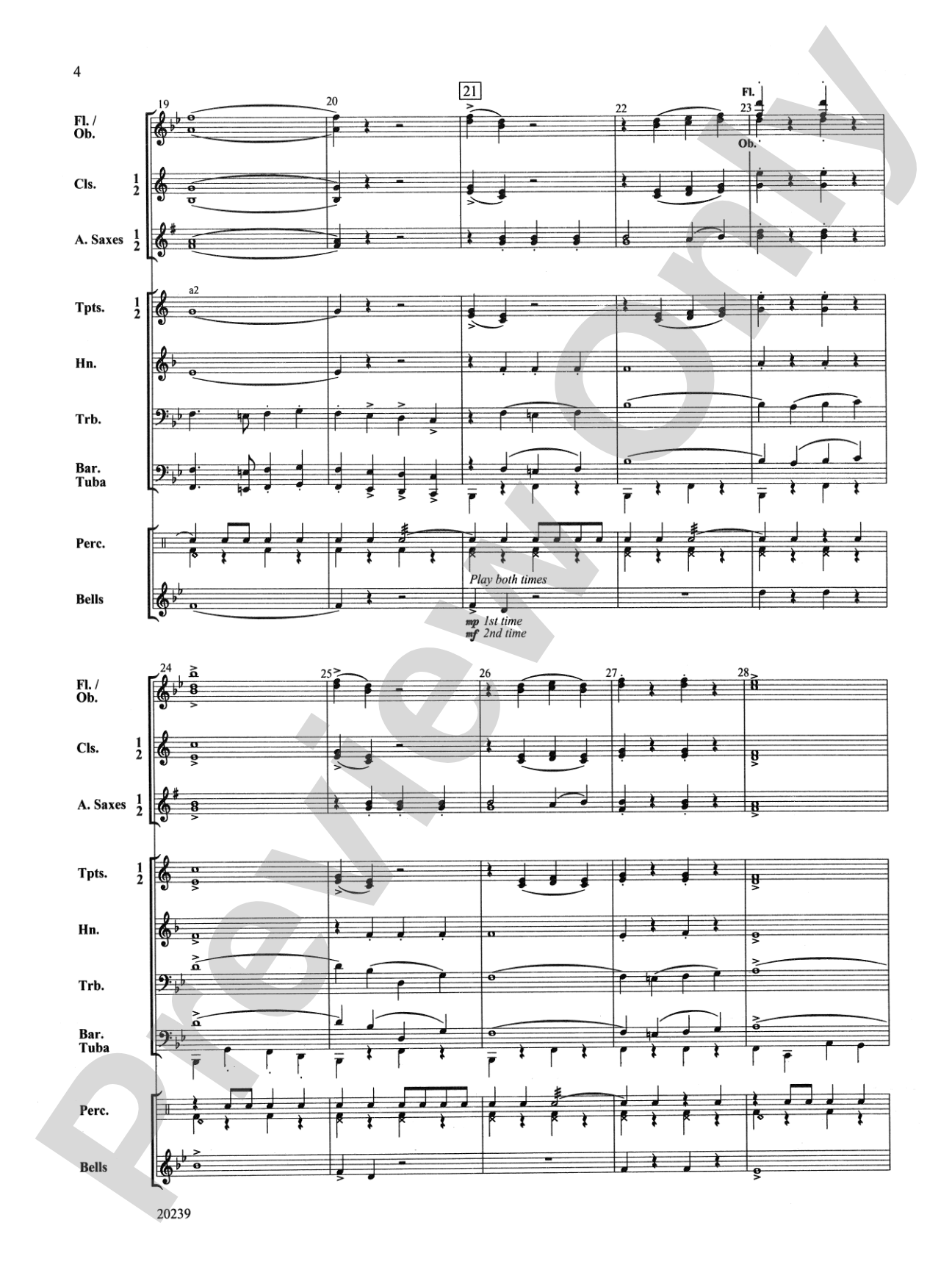
Everyone is going to want to whistle along with this well-known march made famous from its use in the film Bridge over the River Kwai. This easy-to-play arrangement begins with a single snare drum, 2-part flutes and an optional whistling part but quickly opens up into a full treatment of this great march. Highly recommended.


Don't just read it, hear it, play along with it, and watch your students grow with it. In MakeMusic Cloud, Colonel Bogey: Concert Band Conductor Score & Parts comes alive with professional accompaniment, adjustable tempo, and built-in practice tools that turn solo practice into real progress.
Open in the Player
Jump straight in and assign it today.
Start Your Free Trial
Open this title and explore the full library in minutes.
Sample Audio
1
Audio File
--:--
0:00
0:00
Sample Video
No sample videos found.
Additional Details
Series:
Challenger Band Series
Publisher:
Alfred Music
Page Count:
120
SKU:
00-PK-0000372
More about this title
About the Composer: Kenneth Alford
Kenneth Alford (1881-1945) was a British bandmaster and composer who became synonymous with the British military march tradition. His prolific output shaped the concert band repertoire for generations, and his marches remain cornerstones of band programs worldwide. Alford's gift for memorable melody and sophisticated harmonic language elevated the march form beyond parade music into genuine concert art.
Alford served as the director of the Royal Marines School of Music and held conducting positions that gave him deep insight into what works on the band stage. His compositional voice is instantly recognizable: direct, energetic, and built on themes so singable that audiences find themselves joining in. Colonel Bogey stands as his most enduring work, a testament to the power of a great tune.
Why we love this
This arrangement strips away nothing essential while remaining Grade 1.5, which means your entire band will feel successful from the opening snare solo. The orchestration builds naturally from intimate textures to full ensemble brilliance, giving you a genuine arc rather than repetitive tutti statements. Mark Williams respects Alford's original voice completely while making the piece accessible to younger players.
What to expect
Crisp, purposeful, and genuinely spirited. The piece captures the best of the British march tradition: propulsive energy without heaviness, and a melody so naturally singable that it invites the audience into the music. From the intimate opening to the bold full-band statement, it feels confident and well-constructed rather than simply energetic.
Who it's for
Band directors working with developing ensembles who want to program a march that feels substantial without overwhelming younger players. This is ideal for students encountering Alford's style for the first time and for programs that need a concert opener that audiences recognize and enjoy immediately.
How to get the most out of it
- Balance the opening snare drum part so it speaks clearly but doesn't overpower the delicate flute writing that enters immediately after.
- Treat the optional whistling part as a genuine voice, not a novelty. If you have confident whistlers, give them prominence in those sections.
- Let the tempo breathe slightly at structural transitions from small ensemble to full band, especially where the harmonic rhythm changes.
- Encourage your lowest brass to anchor the march pulse with steady articulation; the march character depends on their rhythmic security more than tempo variety.
How to use it
Open a pops concert or family band day with this piece. The immediate recognition and infectious character make it perfect for engaging audiences who don't regularly attend classical concerts. It also works beautifully as a contrast piece mid-program between a slower work and something more modern, providing both musical relief and genuine artistry.
Skills your students will build
- Articulation clarity in march style
- Balance between solo and ensemble textures
- Reading and executing optional or cue parts
- Ensemble cohesion in straightforward harmonic progressions
- Musical phrasing within a metrical, march-based form